
5.2
CiteScore
2.9
Impact Factor
Document Type : CASE STUDY
Authors
1 Department of Policy Evaluation for Research, Technology, and Innovation, National Research and Innovation Agency, Indonesia
2 Department of Agribusiness, Faculty of Agriculture, University of Riau, Pekanbaru, Indonesia
3 Research Center for Food Crops, Agricultural and Food Research Organization, National Research and Innovation Agency, Indonesia
4 Research Center for Behavioral and Circular Economics, National Research and Innovation Agency, Indonesia
5 Research Center for Industrial Systems and Sustainable Manufacturing, National Research and Innovation Agency, Indonesia
6 Research Centre for Economics of Industry, Services, and Trade, National Research and Innovation Agency, Indonesia
Graphical Abstract
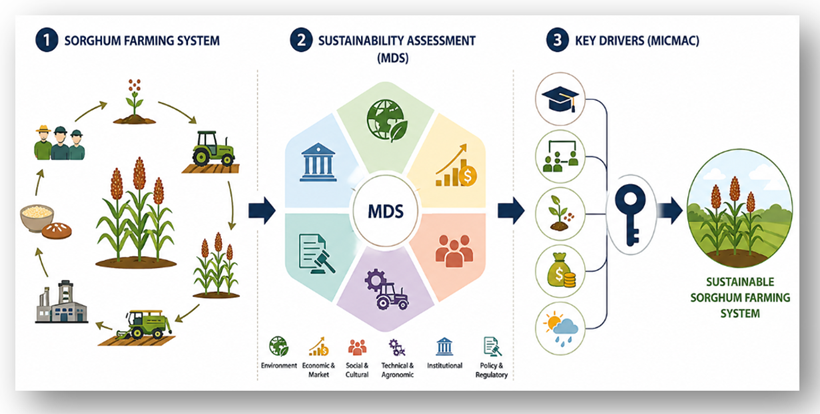
Highlights
Ø Multidimensional assessment shows overall sustainability remains low, with an index score of 47.68%;
Ø Environmental dimension performs strongest, while policy and regulatory dimension remains critically weak and underdeveloped;
Ø Extension services and research institutions identified as primary driving variables influencing system sustainability performance;
Ø Weak market integration, institutional capacity, and policy support constrain scalability and long-term sustainability development.
Keywords
INTRODUCTION
Global food systems are facing increasing pressure from rapid population growth, climate change, land degradation, water scarcity, and the depletion of natural resources. Such anthropogenic and environmental pressures jeopardize the stability of agricultural production systems, thereby underscoring the critical imperative for agroecological models that reconcile productivity with resource efficiency, and environmentally sustainable (OECD-FAO, 2024; FAO, 2024; Bezner et al., 2022). The challenge is more complex in developing countries, including Indonesia, where food security remains a strategic national priority amid structural vulnerabilities in the agricultural sector (Faoziyah et al., 2023). Indonesian agriculture continues to face persistent constraints, including climate variability, land degradation, and strong dependence on a limited number of staple crops, particularly rice. Consequently, such reliance amplifies systemic vulnerability and compromises adaptive capacity against external shocks, most notably severe meteorological events and macro-level supply disruptions (Van Touch et al., 2025). Therefore, sustainable agricultural management requires more diversified and climate-resilient production systems that can support food security while reducing environmental pressure (Pretty et al., 2018). Climate-resilient crops have gained increasing attention as part of sustainable agriculture and environmental management strategies. In this study, environmental governance refers to the institutional, regulatory, and coordination mechanisms that influence environmental management decisions and sustainability outcomes within agricultural systems. Resource efficiency within agroecosystems denotes the capacity to maximize agricultural productivity while concurrently minimizing land, water, and energy footprints, reducing external inputs, and mitigating ecological degradation. Meanwhile, climate-resilient agricultural systems are farming systems capable of maintaining productivity and adapting to climatic variability and extreme weather conditions while sustaining ecological functions and livelihood outcomes. These concepts provide the analytical foundation for evaluating the sustainability performance of sorghum farming systems across environmental, economic, social, institutional, technical, and policy dimensions (Candel and Biesbroek, 2016; FAO, 2024). Among these crops, sorghum (Sorghum bicolor L.) has considerable ecological value because it can grow under dryland conditions, tolerate abiotic stress, and require relatively low external inputs (Abreha et al., 2022). Sorghum exhibits robust agronomic productivity under conditions of moisture deficit and marginal soil quality, positioning it as a viable crop candidate for regions characterized by pronounced climate volatility and resource scarcity (Liu et al., 2024a). In Indonesia, the government has promoted sorghum cultivation as part of food diversification and climate adaptation strategies (Fiza et al., 2025). However, the environmental potential of sorghum has not yet been converted into a strong and scalable farming system. Socio-spatial disparities and fragmented growth characterize its development across regions, driven by systemic barriers in technology implementation, market infrastructure, and institutional backing (Tittonell, 2020; Handayani et al., 2025). The sustainability of sorghum farming cannot be understood only from its agronomic performance. It is a multidimensional issue involving environmental, technical, economic, social, institutional, and policy-related aspects (Tittonell, 2020). In practice, farmers face interrelated constraints, including limited access to quality inputs, low adoption of improved technologies, weak market integration, and insufficient institutional support (Barrett et al., 2020). The commercial viability of sorghum value chains is further undermined by structural inefficiencies in post-harvest management and limited downstream processing, a vulnerability that is acutely pronounced among smallholder farmers. These constraints show that sorghum development is not merely a crop production issue, but an environmental management problem that requires coordinated intervention across technology, institutions, markets, and policy. The systemic adoption of ecologically resilient crops is often impeded not by biological constraints, but by institutional deficits, specifically regarding coordinated governance structures, market integration, and regulatory alignment. Previous studies on sorghum have mostly focused on agronomic performance, yield optimization, drought tolerance, and climatic resistance. These studies are important, but they do not fully explain why sorghum remains marginal in many agricultural systems despite its ecological advantages (Amelework et al., 2016). A broader perspective is needed to assess how environmental suitability interacts with economic incentives, social acceptance, institutional capacity, and policy support. This mechanism is critical, given that sustainability challenges within agricultural systems are inherently multidimensional and characterized by complex interdependencies. Weak policy support can reduce market certainty, limited market incentives can discourage farmers from adopting improved practices, and weak extension systems can slow the diffusion of environmentally sound technologies. Therefore, an integrated analytical approach is needed to capture the complexity of sorghum farming systems and identify key leverage points for sustainability improvement (Pretty et al., 2018). To effectively evaluate intricate agricultural and environmental management paradigms, employing a multidimensional sustainability assessment is increasingly critical. Multidimensional scaling (MDS) allows complex and high-dimensional sustainability data to be transformed into interpretable indices and visual ordination (Pitcher et al., 2013). The Rapfish framework, as an MDS-based approach, has been widely used for rapid sustainability assessment in agro-industrial and environmental systems. Its applications include include microalgae systems (Santoso et al., 2023a), black soldier fly production (Santoso et al., 2023b), duck farming (Bakrie et al., 2023), horticultural systems (Munarso et al., 2025), broiler production (Cepriadi et al., 2026), cattle farming (Rohaeni et al., 2024), coconut sugar production (Handayani et al., 2025), sago-based animal feed systems (Allaily et al., 2024), solid waste management (Ismail et al., 2025), landslide management (Sittadewi et al., 2025), community composting (Santoso et al., 2023c), and integrated farming systems (Widjaja et al., 2024). Extant literature demonstrates that MDS serves as a robust diagnostic framework for evaluating sustainability performance across heterogeneous sectors and identifying specific dimensions necessitating targeted interventions. However, sustainability indices alone cannot explain how key variables influence one another within a system. For this reason, structural analysis is needed to identify variables with strong driving power, dependence, or linkage roles. The matrix of cross-impact multiplications applied to classification (MICMAC) is widely used to map interactions among system variables and identify important driving and dependent elements (Priyono et al., 2025). The MICMAC method facilitates a deeper elucidation of systemic behavior by evaluating direct and indirect influence–dependence trajectories, thereby identifying key strategic leverage points for targeted intervention. The combination of Rapfish–MDS and MICMAC therefore offers a more comprehensive framework because it links sustainability diagnosis with structural decision support. Both methods are considered appropriate for complex system analysis and have been applied in sustainability and strategic planning research (Cepriadi et al., 2026). While previous sustainability and strategic planning literature has deployed Rapfish–MDS and MICMAC frameworks, their integrated application remains unexplored in the evaluation of underutilized climate-resilient crop systems for environmental management. Sorghum research has evaluated agronomic performance, yield potential, nutritional value, and drought tolerance, but few have examined how ecological appropriateness affects governance, institutional preparation, market support, and policy coherence This study conceptualizes sorghum cultivation not merely as a conventional agricultural production system, but fundamentally as a dynamic environmental management framework. Multidimensional sustainability evaluation and structural leverage analysis determine sorghum farming's sustainability and how to scale its ecological potential. This approach makes climate-resilient agriculture intervention design more system-oriented, especially for emerging agricultural systems with low governance and fragmented institutional support. While scholarship surrounding sorghum and sustainability metrics has expanded, empirical investigations targeting Indonesian sorghum cultivation frameworks via integrated multidimensional sustainability evaluation and structural analyses remain notably scarce. A gap prevents evidence-based sustainability performance and structural limitation approaches. Despite sorghum's ecological benefits, sustainable environmental management requires institutional readiness, market support, and policy consistency. Integrating sorghum's environmental potential with sustainable agricultural transformation governance and management is necessary. The analysis includes environmental, economic, market, social and cultural, technical and agronomic, institutional, and policy and regulatory aspects. This empirical study validates three distinct sustainable agricultural management strategies. First, the findings substantiate the efficacy of underutilized, climate-resilient sorghum (Sorghum bicolor) within the Indonesian agroecological context. Second, Rapfish–MDS and MICMAC improve environmental sustainability assessment decision-making. Third, it allows governments, research institutions, extension agencies, farmers, and agribusiness operators to use sorghum's ecological benefits to create a more sustainable and scalable agricultural system. Unlike previous research that concentrated on agronomic performance, this study reveals that institutional, market, and regulatory determinants impact climate-resilient agricultural sustainability. Emerging empirical evidence indicates that environmental suitability alone is insufficient to catalyze transformative agricultural development in the absence of robust governance mechanisms and systemic innovation frameworks. The Indonesian sorghum farming systems was explored multidimensional sustainability and structural leverage variables affecting environmental management. This study was conducted at Directorate of Policy Evaluation for Research, Technology, National Research and Innovation Agency, Indonesia in 2026.
MATERIALS AND METHODS
Field study
This study covered important sorghum-producing regions in Indonesia, including dryland agroecosystems and developing diversification efforts. The selected study locations included East Nusa Tenggara Province (Kupang District and Timor Tengah Selatan District), Central Java Province (Gunungkidul District and Grobogan District), and South Sulawesi Province (Jeneponto District and Takalar District). The target regions were purposively sampled based on a composite of agricultural and policy indicators. Specifically, these areas feature high sorghum production density and established dryland farming practices, while concurrently serving as focal points for national food diversification strategies, climate adaptation programs, and alternative feed and food market demands. The paper depicts a typical Indonesian smallholder sorghum farming system. Low-input, partial mechanization, and market integration make such systems suitable for sustainability assessment in emerging agricultural contexts, particularly for evaluating resilience, resource efficiency, and long-term rural development outcomes.
Characteristics of the sorghum farming system
Indonesian sorghum has a lengthy history and many regional names. Archaeological evidence from the Borobudur Temple reliefs demonstrates that sorghum has served as a critical dietary staple in Indonesia since the 8th–9th centuries (Arif, 2020). It was a staple during Islamic Mataram and early Indonesian independence. Its prominence dropped once rice became the dominating staple meal during the New Order era, signifying a major shift in national food policy. Sorghum grows on drylands, including fertile and marginal soils (Hossain et al., 2022). While regional practices vary between monocropping, intercropping, and sequential rotational systems, a pronounced yield gap persists for sorghum. Despite its minimal input requirements and recent technological developments, low rates of innovation adoption among farmers continue to constrain regional agricultural productivity. Sorghum types include local landraces and bred high-yielding variants. Grain texture, stickiness, and wetness vary amongst types (Kristamtini et al., 2024). Farm yields typically range from 2-3 tonnes per hectare (Mustikawati et al., 2024) as listed in Table 1, but under optimal conditions, they can reach 8–9 tonnes per hectare (Slameto, 2022) with the release of several new sorghum varieties in Table 2. This large yield difference shows production system inefficiencies. Sorghum consumption in Indonesia is marginal. Consequent to low public awareness regarding its nutritional and therapeutic benefits, the crop is predominantly utilized as a functional or specialty food rather than integrated as a mainstream dietary staple. Consumers are mostly health-conscious and have special dietary needs. Official statistics lack full consumption data due to insufficient demand. Sorghum has many health benefits, including bioactive substances, a low glycaemic index, and gluten-free status, as well as high protein, dietary fibre, and micronutrient content (Htet et al., 2022). However, these traits have yet to stimulate large-scale dietary adoption among the general population. Indonesia's sorghum value chain is underdeveloped economically. Market systems are weak and fragmented due to unestablished family, cooperative, and institutional demand. Low farm-gate prices for sorghum contrasted with high retail prices for processed flour and rice create a market disincentive that suppresses both supply and consumer demand. Research institutes have developed many technological and product advances, but they have not turned them into practical, accessible knowledge for extension services and value chain participants. Thus, invention dispersion is limited. Fig. 1 shows Indonesia's sorghum farming conceptual paradigm. Inadequate policy alignment between state agencies and related institutions creates a fragmented governance structure, ultimately impeding the formation of a robust development ecosystem for sorghum (Giamerti et al., 2025).
Data collection and analysis
This study employed a mixed-methods approach, utilizing both primary and secondary data streams to evaluate the sustainability of sorghum farming systems. Primary data collection was facilitated through field observations, semi-structured interviews, structured questionnaires, and focus group discussions (FGDs). Secondary data were extracted from relevant institutional reports, scientific publications, and official documents concerning sustainable agriculture and sorghum sector development. Triangulation and qualitative synthesis were supported by a multi-stakeholder panel (n = 12) consisting of sorghum cultivation and processing representatives, extension officers, policymakers, academic researchers, and agribusiness agents. These responders were crucial sorghum farming system components with production, processing, marketing, institutional support, and policy implementation experience. FGDs identified sustainability issues and validated the evaluation methodology before the survey. FGDs and previous sustainability studies identified six sustainability dimensions: environmental, economic and market, social and cultural, technical and agronomic, institutional, and policy and regulatory. The structured questionnaire comprised 43 distinct sustainability criteria, which are detailed comprehensively in Table 3.
Table 1: Sorghum production in selected regions of Indonesia in 2022 (Sidqi and Adetya, 2025)
|
Province |
Production areas (ha) |
Production (ton) |
|
Nusa Tenggara Timur |
3,400 |
11,220 |
|
Nusa Tenggara Barat |
100 |
330 |
|
Kalimantan Barat |
305 |
1,006.5 |
|
Jawa Timur |
200 |
660 |
|
Jawa Tengah |
120 |
396 |
|
Jawa Barat |
488 |
1,610.4 |
|
Total |
4,613 |
15,222.9 |
Table 2: The potency and average productivity of several sorghum varieties in Indonesia (Human et al., 2023; BPSI Serealia, 2024)
|
Varieties |
Year of release |
Average yield (t/ha) |
Potential yield (t/ha) |
|
Numbu |
2001 |
3.11 |
4.0-5.0 |
|
Kawali |
2001 |
2.96 |
4.0-5.0 |
|
Super-1 |
2013 |
2.66 |
5.76 |
|
Super-2 |
2013 |
2.00 |
5.50 |
|
Suri 3 |
2014 |
4.0 |
6.0 |
|
Suri 4 |
2014 |
4.80 |
5.7 |
|
UPCA-S1 |
1972 |
- |
4.0 |
|
UPCA-S2 |
1972 |
- |
4.0-4.9 |
|
KD4 |
1973 |
- |
4.0 |
|
Mandau |
1991 |
4.0 |
4.0-5.0 |
|
Bioguma 1 |
2018 |
7.00 |
9.26 |
|
Bioguma 2 |
2018 |
7.11 |
9.33 |
|
Bioguma 3 |
2018 |
6.98 |
8.33 |
|
Samurai 1 |
2014 |
6.10 |
7.50 |
|
Samurai 2 |
2014 |
6.4 |
8.50 |
|
Pahat |
2013 |
5.8 |
7.4 |
|
Soper 6 |
2018 |
5.33 |
6.19 |
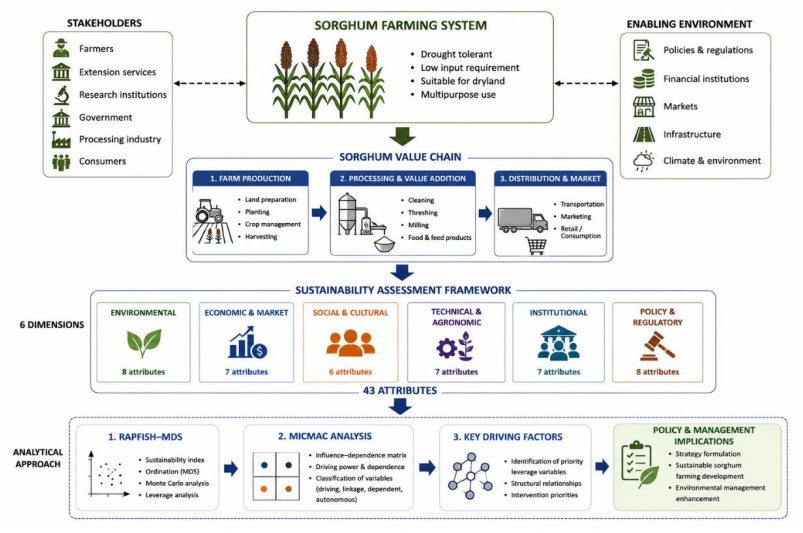
Fig. 1: Conceptual model of sorghum farming generally practiced in Indonesia
For each attribute, 0 signified bad performance, 1 moderate performance, and 2 good performances on a three-point ordinal scale (Pitcher et al., 2013). Three-point ordinal grading eased expert review and ensured 43 sustainability parameter consistency. Rapfish sustainability frameworks dictate that attributes be scored on a qualitative gradient (low, moderate, or good) before executing multidimensional ordination. All experts examined all sustainability attributes; hence the dataset contained no missing values. Aggregated attribute scores reflected stakeholder viewpoints from conventional expert scores. Monte Carlo sensitivity analysis evaluated score variability and expert judgment uncertainty, thereby strengthening the reliability of the primary MDS framework. The Rapfish–MDS method computed sustainability indices for each system dimension from attribute ratings. Model reliability evaluation comprised stress values, R² coefficients, and Monte Carlo analysis. MICMAC categorized essential variables by driving power and dependence using Rapfish–MDS's most sensitive leverage features, indicating the structural linkages among critical sustainability elements in sorghum cultivation. Sustainability performance is classified into four levels, based on percentage intervals of 0.00–25.00 percent (%) (poor, unsustainable), 25.01–50.00% (less sustainability), 50.01–75.00% (fairly sustainable), and 75.01–100% (good sustainable). These categories are detailed in Table 4.
Sustainability indices were calculated using the Rapfish-based MDS approach. By mapping multidimensional attribute scores into a reduced-dimension ordination space, this approach enables researchers to effectively visualize and quantify the overall sustainability of the target system. The ordination process is based on Euclidean distance, which measures the similarity or dissimilarity among assessed attributes. The Euclidean distance between observation points, using Eq. 1 (Pitcher et al., 2013):
d = √[(|x₁ − x₂|² + |y₁ − y₂|² + |z₁ − z₂|² + ⋯)] (1)
The position of each point in the ordination space was estimated through regression between the calculated distances and reference distances, using Eq. 2 (Pitcher et al., 2013):
dij = α + βδβij + ε (2)
The optimization process was performed using the alternating least squares scaling (ALSCAL) algorithm. ALSCAL iteratively adjusts the ordination configuration to minimize discrepancies between the original multidimensional data and the reduced-dimensional representation. To evaluate the quality of the multidimensional configuration, the S-Stress value is calculated to measure the degree of geometric distortion between the empirical distances and their corresponding fitted values. Lower S-Stress values indicate a better representation of the original data structure. The S-Stress formulation is presented in Eq. 3 (Pitcher et al., 2013):
S = √[(1/m) ∑k=1 to m { (∑i ∑j (dijk² − Oijk²)) / (∑i ∑j Oijk⁴) }] (3)
The Euclidean distance used in the calculation is expressed as Eq. 4 (Pitcher et al., 2013):
dijk = ∑a=1 to r [wka (xia − xja)²] (4)
The reliability of the ordination was evaluated using S-Stress and the coefficient of determination (R²), with an S-Stress value below 0.25 indicating an acceptable ordination model according to established Rapfish benchmarks for sustainability assessment.
Table 3: Rap-Sustainability dimensions and their corresponding attributes
|
Environmental |
Economy and market |
Social and culture |
Policy and regulatory |
Institutional |
Technical and Agronomic |
|
Water use efficiency Soil fertility Utilization of crop waste Biodiversity Carbon emissions Resilience to climate Use of pesticides and chemicals
|
Farmer profit Off-taker certainty Farmer-level price stability Access to financing Logistics cost efficiency Price competitiveness of derivative products Market demand
|
Taste preference level Taste preference level Community nutrition literacy Local food consumption culture Perception of food prestige Ease of household processing Sorghum farmer regeneration Access to information and extension |
Regional budget allocation for sorghum Reference price determination regulations Sorghum food estate program Wheat import restriction policy Product standardization Incentives for the processing industry Synergy between government agencies |
Effectiveness of farmer groups Existence of producer farmers' economic institutions Partnerships between farmers and industry Role of research institutions and universities Access to market information systems Quality of extension worker assistance Inter-regional cooperation network |
Availability of certified seeds Productivity level per-Ha Resistance to plant pests Climate adaptation capacity Mastery of cultivation technology Intensity of post-harvest mechanization Use of organic/biofertilizers |
Table 4. Sustainability index categories and status for each dimension (Kavanagh and Pitcher, 2004)
|
No |
Index range (%) |
Classification |
Sustainability status |
|
1 |
0–25.00 |
Poor |
Unsustainable |
|
2 |
25.01–50.00 |
Less |
Less |
|
3 |
50.01–75.00 |
Quite |
Fairly |
|
4 |
75.01–100 |
Good |
Very |
Marginally lower values indicate an enhanced goodness-of-fit between the primary multidimensional dataset and the empirical ordination configuration (Pitcher et al., 2013). Leverage analysis was performed using the root mean square (RMS) change generated by perturbing each attribute within the Rapfish–MDS ordination. Attributes with higher RMS values exert greater influence on the sustainability index and are therefore considered more sensitive leverage factors (Pitcher et al., 2013). In this study, leverage values were interpreted using a practical classification framework, where values below 2% indicate relatively low influence, values between 2% and 8% indicate moderate influence, and values above 8% indicate high influence on sustainability performance (Table 5). These thresholds are conceptualized as flexible operational parameters to aid in interpreting data and prioritizing systemic interventions, rather than as static, universally applicable metrics. Monte Carlo analysis calculates MDS error margins to quantify uncertainty. If the discrepancy between MDS and Monte Carlo results is less than 5%, MDS analysis provides a 95% credible sustainability estimate. MICMAC was used to examine the prominent leverage factors to improve Rapfish–MDS performance.
Table 5: Parameter values of the leverage factor
|
No |
Factor value (%) |
Category |
Description |
|
1 |
<2.0 |
Neutral |
Not influential |
|
2 |
2-8 |
Influential |
Moderate to good impact |
|
3 |
>8.0 |
Significant l |
Dominant |
This analytical technique determined whether critical sustainability criteria operate as drivers, linkages, dependents, or autonomous variables within the broader sorghum farming framework. FGDs validated MICMAC variables from the greatest leverage attributes across the six sustainability dimensions. 14 essential variables were kept for structural analysis. Expert assessments were utilized to develop a cross-impact matrix, scoring the influence of one variable on another on a four-level scale (0 = no influence, 1 = mild, 2 = moderate, 3 = strong). Driver power and dependence values were mapped into four MICMAC quadrants autonomous, dependent, linkage, and independent from the matrix. This classification clarifies the causal hierarchy and interaction patterns of main sustainability drivers, complementing MDS results. Thus, synthesizing MDS with MICMAC modeling yields a dual-phase framework that systematically isolates and prioritizes critical intervention variables, reinforcing the empirical foundation of the proposed policy frameworks.
RESULTS AND DISCUSSION
Sustainability analysis
As illustrated in Fig. 2 and Table 6, MDS-Rapfish multidimensional sustainability assessment demonstrates sorghum farming methods perform differently across dimensions. On average, the system has a sustainability index of 47.68%, making it less sustainable. Despite several systemic strengths, the aggregated results indicate that the sorghum production system remains unsustainable at present. The dimensional score distributions are depicted in Fig. 2. Certain dimensions are near the sustainability limit, while others are quite low. This mismatch is caused by a fragmented growth pattern, with environmental and technical advancements not yet matched by institutional, economic, and regulatory progress. MDS sustainability modeling operates on the premise that distinct system components evolve at asynchronous velocities, structurally constraining the system's capacity to achieve absolute sustainable. In Table 6, the stress (S-Stress) and goodness-of-fit (R2) values help explain the robustness of these findings. In the reduced-dimensional space, multidimensional interactions among attributes are well represented, and stress levels are steady at roughly 0.10. Stress values less than 0.25 are usually acceptable, while values near 0.10 indicate a high-quality model with little distortion, according to Rapfish. R2 scores close to 0.99 suggest that the model explains almost all variation in the original data set through ordination outcomes. The dimensional configurations depicted in Fig. 2 demonstrate high empirical reliability and cannot be attributed to stochastic variation or inherent model instability. The combination of low stress and very high R² values increases the trustworthiness of the sustainability indices as the discrepancies seen between dimensions do really represent underlying system circumstances. Furthermore, this degree of empirical consistency validates the underlying attribute selection and scoring protocols, demonstrating that the research instrument possesses sufficient sensitivity to accurately reflect the real-world heterogeneity of sorghum farming systems.
Environmental dimension
Environmental sustainability scores 74.53%, placing it in the high range of moderate sustainability and close to entirely sustainable. This shows that sorghum production methods in emerging agricultural areas provide ecological benefits, particularly in resource efficiency, resilience, and minimal environmental externalities. This specific score reflects a well-balanced and optimal environmental attribute configuration within the MDS–Rapfish framework, characterized by a predominant clustering of indicators at the maximum score of 3, alongside minor performance constraints in biodiversity conservation and agrochemical input management. In marginal habitats and water-scarce areas, sorghum is a climate-resilient and resource-use efficient crop (Mabhaudhi et al., 2017).
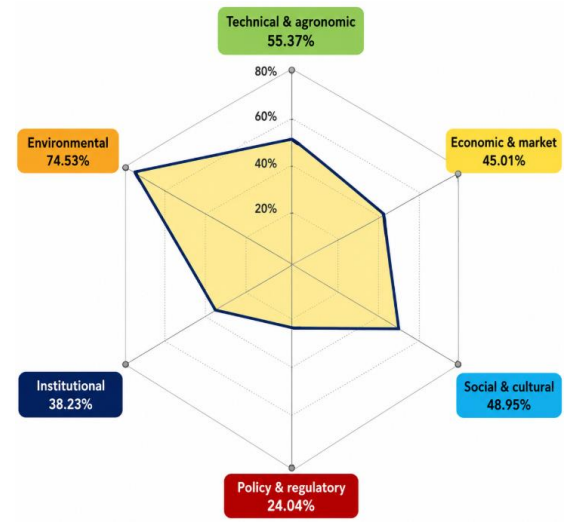
Fig. 2: Sustainability scores across six key dimensions, where 100 represents the highest sustainability level (very good) and 0 indicates the lowest (very bad)
Table 6: Sustainability assessment scores by dimension
|
Dimension |
Index score (%) |
Stress value |
Structured query reporter (SQR)/R2 |
Sustainability status |
|
Environmental |
74.51 |
0.1039 |
0.9892 |
Moderately/fairly |
|
Economy and market |
45.01 |
0.1029 |
0.9894 |
Less sustainable |
|
Social and cultural |
48.95 |
0.1034 |
0.9893 |
Less sustainable |
|
Technical and agronomic |
55.37 |
0.1057 |
0.9888 |
Moderately/fairly |
|
Policy and regulatory |
24.04 |
0.1029 |
0.9894 |
Unsustainable |
|
Institutional |
38.23 |
0.1033 |
0.9893 |
Less sustainable |
|
Average |
47.68 |
|
|
Less sustainable |
Agroecosystem management frameworks have not fully maximised or institutionalised ecological strengths, as the index is still barely below the fully sustainable level. Results from the leverage analysis indicate low individual sensitivity across all traits, with each exhibiting an influence of less than 1.89%; this pattern underscores a decentralized and widespread contribution of environmental factors to the system's sustainability profile. Climate resilience (1.89), biodiversity (1.49), and crop waste use (1.02) (Fig. 3). Sorghum's physiological traits deep root systems, drought tolerance, and regular yields in the face of severe climatic unpredictability underpin its rise in climate resilience. Sorghum, unlike other staple crops, can survive water stress, making it essential for climate adaptation (Ray et al., 2015).
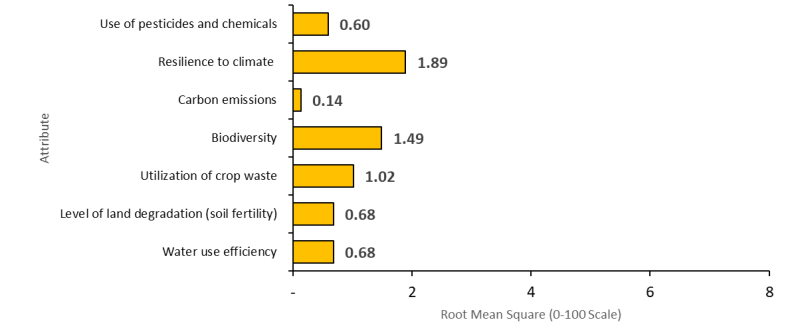
Fig. 3: Leverage values of environmental attributes
Sorghum uses less water than rice or maize, which reduces freshwater demand and improves sustainability in dry and semi-arid regions (Amouzou et al., 2020; Pan et al., 2017). Sorghum's wide root system improves organic matter and reduces erosion, allowing it to flourish in disturbed soils and rebuild soil structure (Lal, 2016). Recent evidence further demonstrates that sorghum generally requires approximately 4,000–6,000 cubic meters per hectare (m³/ha) of water during a growing season, whereas irrigated rice commonly requires 7,000–15,000 m³/ha. This marked variance in water demand highlights sorghum’s comparative advantage in water-scarce regions and validates its status as a resilient crop suited for sustainable dryland agriculture (Liu et al., 2024a). However, lower biodiversity and pesticide use scores indicate trade-offs (Taylor and Duodu, 2017). Agro-biodiversity may suffer from the progressive replacement of indigenous variety with superior cultivars and the use of chemical inputs, which are not exclusive. Global results show that sustainable intensification often involves productivity benefits and biodiversity protection trade-offs (Pretty et al., 2018). Implementing these technical and strategic interventions can enhance this specific attribute, thereby accelerating the system's transition toward absolute sustainability. First, agroecological approaches like integrated pest management (IPM) and bio-inputs are essential to reduce pesticide use and maintain crop protection efficiency. Second, community seed banks and participatory breeding projects should preserve and improve native sorghum varieties for genetic variety and resilience. Third, to maximize resource efficiency and eliminate waste, biomass-based circular economy projects (spanning bioenergy, feed, and organic fertilizers) must be institutionalized to ensure long-term regulatory support. Fourth, extension services and digital advisory systems could support climate-smart agriculture (CSA) frameworks that formalise and reproduce sorghum's adaptive benefits. Finally, integrating environmental performance into legislative incentives and certification systems (e.g., eco-labeling or carbon credits) could raise market awareness and reward sustainable behaviours. Implementing these measures would not only augment the environmental strengths identified in this study but also generate positive socio-economic spillovers, thereby safeguarding the long-term systemic sustainability of sorghum-based farming systems under diverse climatic and market conditions.
Economic and market dimension
Sorghum farming's economic and market dimension had a Rapfish-MDS sustainability index of 45.01%, making it less sustainable (Fig. 4). Environmental management should view this finding as a restricted capacity for scaling sustainable farming techniques rather than a conventional measure of agribusiness performance. Economic and market conditions determine whether farmers can grow sorghum and invest in resource-efficient technologies, climate-adapted seeds, bio-inputs, integrated pest management, improved drying systems, and post-harvest handling to reduce waste and environmental pressure. Similar economic constraints have been reported in sorghum-producing regions of Africa and Asia, where weak market linkages, limited processing industries, and uncertain demand continue to restrict commercialization and farmer incentives despite the crop’s agronomic advantages (Amelework et al., 2016). These findings suggest that market development remains a foundational cornerstone for transforming sorghum from an enterprise focused on subsistence into a commercially viable, competitive agricultural asset. For sorghum to become a scalable climate-resilient farming system, economic incentives, financial access, and market coordination must support its ecological benefits. These results demonstrate a systemic divergence between the ecological potential of sorghum cultivation and the underlying economic conditions necessary to maintain widespread farming adoption. Sorghum is a low-input, climate-resilient crop, but unclear returns and insufficient supporting systems may deter farmers from growing it. Thus, profit, money, and market access enable transition rather than simply indicate economic activity. Limited financial access and weak market coordination impede farmers' ability to reinvest in sustainable agriculture inputs including certified seeds, organic or biofertilizers, and post-harvest technologies. Institutional bottlenecks and weak market infrastructure in smallholder farming systems serve to restrict producer participation in broader sustainable agricultural transformations (Zhang et al., 2023; Reardon et al., 2019; Barrett et al., 2023). Further examination of leverage aspects reveals that access to financing institutions (1.95), profit margin (1.31), and logistics cost efficiency (0.087) are important (Fig. 4). Farm sustainability depends directly on investment capacity, meaning adequate funding remains an absolute necessity. For climate-adapted seeds, soil management, bio-inputs, and post-harvest loss reduction technologies, farmers require inexpensive and accessible financial support. Farm profit margins offer deeper insight into environmental adaptive capacity than raw income performance. Adequate margins provide the financial liquidity required to adopt and sustain ecological innovations, spanning low-input cultivation, integrated pest management, and advanced post-harvest handling (Ogutu and Qaim, 2019). Logistics cost efficiency is crucial to sorghum farming system environmental management. Inefficient logistics raise transaction costs, market access, post-harvest losses, resource waste, and environmental impacts. Due to waste of land, water, labour, and input resources, damaged, delayed, or improperly processed sorghum may limit its environmental advantages. Poor logistics can lower economic returns and resource-use efficiency in geographically scattered agricultural systems (Stifel and Minten, 2017). Optimizing logistical infrastructure must be integrated into a comprehensive, overarching strategy designed to mitigate post-harvest food losses, enhance resource use efficiency, and bolster the broader environmental performance of climate-resilient cropping frameworks. Low economic and market performance suggests the sorghum system lacks a sustainability-oriented value chain. The role of market coordination, contract structures, and aggregation models should go beyond pricing certainty and bargaining strength. With sustainability standards, verified seed use, decreased chemical inputs, biomass utilisation, post-harvest loss reduction, and traceability, they can be environmental governance tools. Rather than serving merely as an instrument for market efficiency, value-chain alignment operates as a structural component of the overarching ecological management strategy within sorghum production networks. Farmers, processors, extension actors, and purchasers can agree on sustainable production and resource efficiency through contract farming and aggregation models (Bellemare and Lim, 2018). Thus, improving the economic and market aspects necessitates linkage between market incentives and environmental goals. The sustained adoption of climate-resilient agronomic techniques is fundamentally predicated on an integrated framework of transition finance, optimized post-harvest logistics, sustainability-oriented value chains, and consistent market demand for sorghum-based commodities. Such actions should be part of a coordinated policy framework that links economic incentives to environmental stewardship. Improved economic and market conditions can help sorghum farming scale and transition to low-input, resource-efficient, and climate-resilient agricultural systems that support sustainable rural livelihoods.
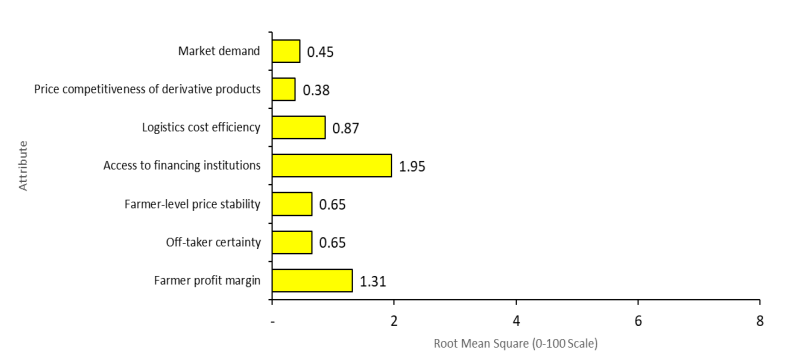
Fig. 4: Leverage values of economy attributes
Social and cultural dimension
The Rapfish-MDS study showed a less sustainable social sustainability index of 48.95% for the sorghum agricultural partnership system (Fig. 5). Socio-cultural acceptance and behavioural integration of sorghum as a staple or alternative diet are lacking to sustain agricultural transformation. Although none of the qualities are severely inadequate, the systematic middling ratings for all variables suggest that societal acceptance, cultural practices, and consumer behavior continue to lag behind sorghum's agronomic potential. This situation is typical of food system change, as technology feasibility outpaces socio-cultural adaption, ultimately constraining the acceptability and scalability of the innovation. The relatively low index shows that sustainability challenges in this field are more about perception, habits, and social norms that influence consumption and production decisions than technological capability (Béné et al., 2019; Chuang et al., 2020; Tittonell, 2020). Corroborating previous studies, empirical literature indicates that consumer acceptability and deeply ingrained dietary preferences continue to function as primary impediments to the widespread adoption of sorghum. In many regions, sorghum is still perceived as a secondary or traditional crop despite its nutritional and environmental advantages, limiting its integration into mainstream food systems (Mabhaudhi et al., 2017; Amelework et al., 2016). Ease of household processing (3.02), access to knowledge and extension (1.94), and food prestige (1.42) influenced this dimension most in the leverage analysis (Fig. 5).
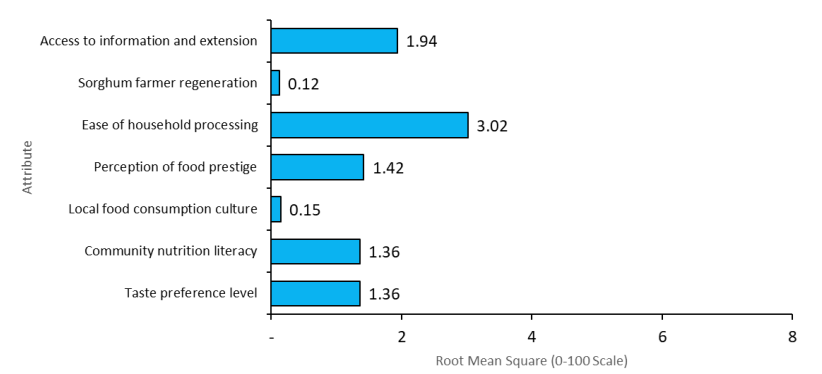
Fig. 5: Leverage values of social and cultural attributes
The ease of processing exerts a significant influence on consumer acceptability and daily utilization patterns, which likely accounts for its heightened statistical weight. This underscores the reality that convenience and habit function as primary drivers of dietary selection (de Boer et al., 2017). Food prestige influences dietary preferences, especially in developing countries where consumption patterns are tightly linked to social status and demand structures (Tschirley et al., 2020). Despite limited contemporary usage, traditional consumption patterns confirm that sorghum possesses enduring socio-cultural value. This supports the idea that socio-economic status and cultural norms strongly influence dietary diversity and intake (Monterrosa et al., 2020). Strategic interventions for social and cultural sustainability should emphasise behavioural change, culture repositioning, and consumer-oriented innovation. Public awareness, nutrition education, and product diversification will boost adoption and usability. Rebranding sorghum as a modern, healthy crop and integrating it into modern food systems can boost demand and social value. These initiatives should be part of a food system transformation strategy that recognises culture and social norms as key to sustainable consumption (Béné et al., 2019).
Technical and agronomic dimension
Technical and Agronomic sorghum farming methods have a sustainability rating of 55.37%, placing them in the less sustainable group according to Rapfish-MDS research (Fig. 2). This conclusion demonstrates that while core agronomic methodologies have been established, they remain suboptimal with respect to climate resilience, operational efficiency, and systemic scalability. The very uniform leverage ratings suggest that no single feature is a system bottleneck, and sustainability performance is a result of cumulative mild technological advances. Sorghum's adaptability to marginal environments helps system stability. Input quality, technology adoption, and post-harvest processing prevent the dimension from becoming entirely sustainable. More generally, partial adoption of novel practices in emerging agricultural systems often has intermediate effects on sustainability (Mwamahonje et al., 2024). In this dimension, climatic adaptation (6.03), pest and disease resistance (5.23), and certified seed availability (4.28) are the most influential leverage variables, displaying moderate but significant impact (Fig. 6). Since sorghum is a drought-tolerant and stress-resistant dryland crop, its high ratings in climatic adaptability and pest resistance make sense. It leverages more than other qualities because its natural resilience minimises external inputs and stabilises production under climate fluctuation (Chaturvedi et al., 2022). Although still using organic and chemical fertilizers, the expanding adoption of organic inputs signifies a strategic transition toward sustainable soil management. Sande et al. (2024) found that integrated nutrient management improves soil health and long-term productivity, boosting sustainability. Low leverage scores for certified seed availability (1.42%) and mechanization intensity (1.74%) imply structural limitations. Smallholder grain systems with limited post-harvest mechanization lose value and lose issues (Aseffa and Kebede, 2025). Sorghum farming's technical and agronomic sustainability necessitates targeted input system and technical modifications. First, certified seed systems and public-private collaborations can greatly increase agricultural uniformity and yield. Second, helping farmers embrace precision fertilisation, integrated pest control, and climate-smart methodologies is critical to overcoming prevailing knowledge-to-action barriers. Third, post-harvest mechanization (threshers, grain polishers) at the right scale improves product quality and market competitiveness. Due to their ability to enhance soil resilience and mitigate environmental impact, incentives and extension services should be strategically deployed to promote the adoption of organic and biofertilizer use. To increase sustainability from moderate to high levels requires embedding these technological innovations within an integrated framework encompassing farmers, research institutions, and agribusinesses. A systemic approach supports recent worldwide proposals that use agronomic innovation, institutional support, and climate resilience to enable sustainable agricultural intensification (Kugedera et al., 2025).
Policy and regulatory dimension
Policy and regulation had a sustainability index of 24.04%, making it unsustainable (Fig. 7). Poor environmental governance hinders the integration and scaling of sorghum within climate-resilient agricultural commodity. According to Rapfish–MDS, a low index indicates fragmented policy support, weak regulatory instruments, and insufficient coordination for integrating sorghum into sustainable agricultural and climate adaption agendas. Due to its dryland flexibility, low input requirements, and ability to support diverse food systems, sorghum has high ecological potential. However, policy frameworks that focus on conventional staple crops and do not provide clear instruments for low-input crop diversification, sustainable land use, soil and water conservation, or resource-efficient food systems barely govern this potential. The poor grade indicates that sorghum policy support has not yet effectively addressed environmental concerns. Rice and maize dominate national policy, but sorghum is insignificant. Public investment, extension support, product standards, and sustainable processing incentives are limited. Here, regulatory weakness is not just a lack of price protection or market support. It shows the lack of policy mechanisms to link sorghum development to climate adaptation, environmental certification, circular biomass usage, and sustainable dryland management. Regulatory certainty and policy alignment foster agricultural sustainability transitions by promoting the integration of underutilised and climate-resilient crops (Manevska-Tasevsk et al., 2023). Without greater environmental governance, environmental, technical, and economic gains may not lead to systemic sustainability. Based on leverage analysis, all policy and regulatory features are neutral, with values below 2%. This pattern reflects a generally deficient policy environment rather than an isolated regulatory failure. Government institution synergy (1.79), product standardisation (1.11), and processing industry incentives (0.74) have larger leverage (Fig. 7).
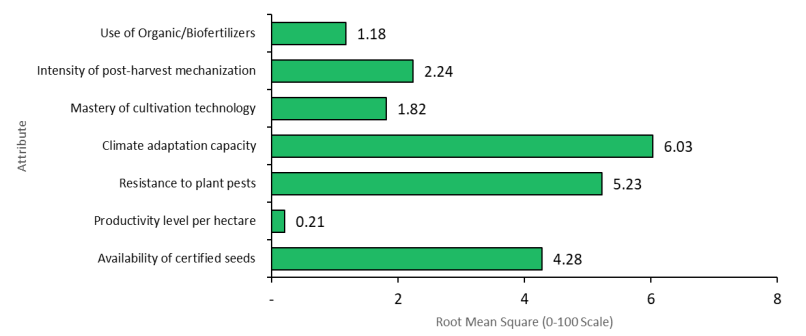
Fig. 6: Leverage values of technical and agronomic attributes
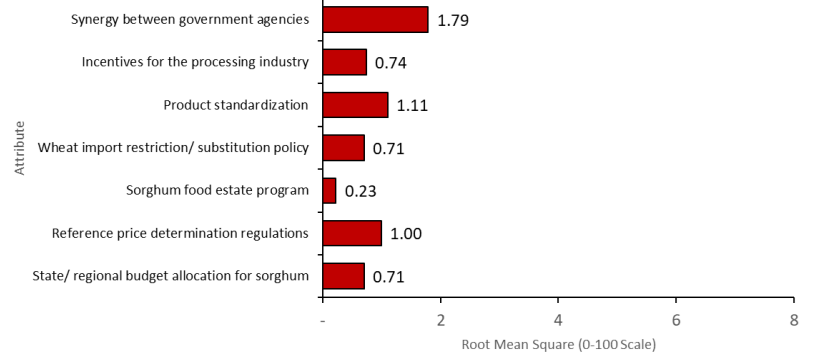
Fig. 7: Leverage values of policy and regulatory attributes
These factors create the conditions for sustainable sorghum development. The successful execution of food diversification, climate adaptability, and land-use planning is contingent upon coordinated governance and cross-institutional synergy at the governmental level. Cross-sectoral cooperation can strengthen agri-food transformation policies, especially when national sustainability targets include local and underutilised crops (Candel and Biesbroek, 2016; Termeer et al., 2017). Market integration is not the only purpose of product standardisation. Establishing institutional standards bridges the gap between product quality assurance and sustainable environmental governance by embedding safe processing practices, input reduction, residual circularity, and supply chain traceability into the agricultural life cycle. Implementing national standards can boost consumer trust and encourage resource-efficient production and processing. Similarly, processing industry incentives should not just boost downstream commerce. They should encourage circular economy methods including using sorghum wastes for animal feed, compost, bioenergy, and biomass products. Optimizing the ecological footprint of sorghum production systems requires a combination of waste-reduction policy tools and robust fiscal mechanisms designed to fortify environmental outcomes. Climate-smart extension services, certified seed systems, post-harvest infrastructure, soil and water conservation, and low-input agricultural technology transfer can benefit from consistent investment. Funding instability is a serious issue for neglected and underutilised crops (Mabhaudhi et al., 2017). Indonesia must properly codify policy initiatives for wheat import substitution (Liu et al., 2024b; Saspugayeva et al., 2026) and sorghum flour integration to secure agri-food sustainability. These initiatives should encourage resource-efficient food diversity and lessen dependency on resource-intensive or externally reliant food systems, not just trade or industrial policy. Local content rules and targeted subsidies can promote alternative grain adoption when linked to sustainability goals, according to international experiences (Reardon et al., 2021; Schipanski et al., 2016). Enhancing this sustainability dimension necessitates the integration of regulatory frameworks with comprehensive environmental management practices. First, climate adaptation and sustainable land-use programs should include sorghum for dryland and marginal areas. Second, policy instruments should encourage certified seeds, bio-inputs, integrated pest management, and soil conservation for low-input crop diversity. Third, product requirements should include traceability, residue control, safe processing, and post-harvest loss reduction. Fourth, fortifying the value chain requires public investment to subsidize climate-smart agricultural extension, post-harvest infrastructure, and incentivize resource-efficient processing. Fifth, ministries, local governments, research institutes, and farmer organisations should collaborate on sustainability programs rather than administrative meetings. Finally, downstream incentives should promote circular, resource-efficient sorghum systems. Value-added products that optimize the utilization of sorghum grain and biomass should be incentivized through subsidized processing machinery, green financing, and collaborative public–private partnerships. These incentives can reduce waste, diversify local food, and boost sorghum cultivation's environmental value. Together, these changes would strengthen the policy and regulatory dimension from a poor market-support function to an environmental governance framework. Establishing such a framework is imperative to translate the ecological potential of sorghum into a resilient, inclusive, and sustainable agricultural system.
Institutional dimension
The institutional dimension of sorghum farming sustainability has an index value of 38.23% that is categorised as "less sustainable" and it is one of the weakest pillars in the broader multidimensional system. This diminished valuation underscores profound structural deficiencies in governance, inter-agency coordination, and institutional support mechanisms—all of which are vital to anchoring sustainable agricultural development. Institutional deficiencies, unlike technical or agronomic limits, tend to have systemic and cascading implications affecting farmers’ access to knowledge, markets, technology and collective action. The consistently moderate to low scores on institutional qualities are a sign that the current organisational ecology of farmer groups, cooperatives, extension agencies, and partnerships has not yet evolved into a cohesive and functional support structure. This finding aligns with a broader body of empirical literature indicating that deficient institutional arrangements and fragmented innovation systems constitute primary impediments to the scalability and resilience of agricultural development in emerging economies (Pigford et al., 2023). The leverage factor analysis shows the extension of worker assistance quality (2.59), research institutions and universities function (2.45) and farmers economic institutions (2.00) are some of the most influential aspects of this dimension (Fig. 8). Research institutions possess substantial strategic leverage, derived primarily from their foundational role in driving knowledge creation and technological innovation. However, the moderate score suggests that there remains a gap in knowledge transfer, as research products are not well disseminated to the farmers (Klerkx et al., 2019). In addition, farmer groups have an important role in encouraging collective action, bargaining power and access to supplies and markets, but their role is currently limited (Corsi et al., 2017). Poor performance in extension services, on the other hand, signals weaknesses in advising systems that are important for the translation of knowledge into practice and acceptance of technologies at the farm level. To overcome these institutional barriers, a highly integrated and systemic intervention framework must be deployed. Key priorities include strengthening agricultural extension services, developing the competence and professionalism of farmer organisations and improving cooperation among stakeholders. Furthermore, fostering participatory research methodologies and facilitating closer collaboration between knowledge producers and end-users are vital to narrowing the gap between theoretical innovation and empirical practice. These efforts are to be embedded in a broader institutional reform process that is collaborative, inclusive and aimed at establishing long-term capability. Thus, strengthening the institutional dimension is vital, since it is the enabling foundation that determines the efficacy and sustainability of all other dimensions within sorghum farming systems.
Cross-dimensional synthesis and policy implications
Rapfish–MDS found sustainability disparities in sorghum agricultural systems. Technical and agronomic are average, but environmental is good. Weak economic, commercial, social, cultural, institutional, policy, and regulatory factors. This reveals that sorghum growing is environmentally friendly but poorly managed. Weak governance integration and inadequate institutional scaffolding constitute the main systemic limitations obstructing the expansion of ecological potential. Despite ecological or scientific capabilities, new agricultural systems sometimes lack institutional preparation, policy coherence, and sustainable market structures (Tittonell, 2020). Sorghum's resource efficiency, arid-land adaptability, and climatic resilience significantly mitigate environmental degradation within vulnerable agrarian landscapes. Farmers, institutions, markets, and policymakers waste these gains without coordinated environmental management. The sustainability challenges associated with sorghum cultivation extend beyond mere production and agribusiness. Its management encompasses climate adaptation, resource efficiency, institutional coordination, post-harvest loss reduction, and the implementation of low-input agricultural policy.
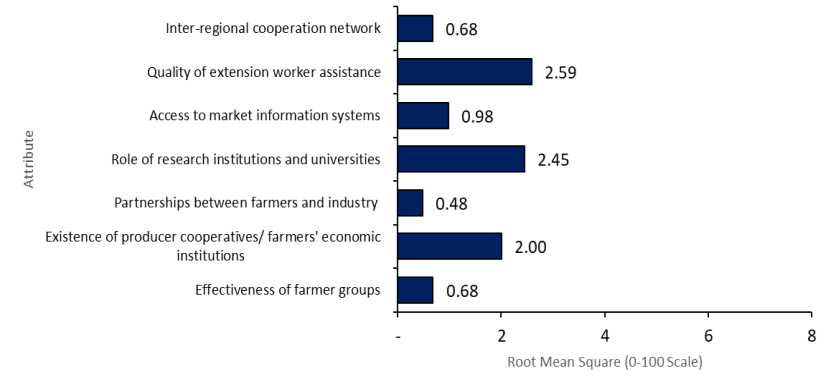
Fig. 8: Leverage values of institutional attributes
This synthesis illustrates how constraints lead underperformance. Poor policy and regulatory governance (24.04%) harms sorghum-based farming systems' environmental governance. Insufficient policy support affects public investment, institutional coordination, product standards, and sustainable production and processing incentives. Deficits in the economic and commercial dimensions (accounting for 45.01% of the model) present a major barrier; this weak market foundation constrains both commercial expansion and environmental scalability. Farmers lack the motivation and capacity to grow sorghum, invest in resource-efficient practices, or apply technology to prevent post-harvest losses and environmental harm without incentives and integrated sustainability-oriented value chains. Poor institutions worsen matters. With a 38.23% institutional rating, farmer groups, extension systems, and research–farmer ties cannot yet promote sustainable practices. Institutional instability severely restricts access to critical production inputs and practices, including certified seeds, bio-inputs, integrated pest management, climate-smart farming, biomass valorization, and post-harvest handling. Not all sorghum is sustainable. Social and cultural factors, with 48.95%, affect system transformation because low consumer acceptability and dietary integration reduce demand-side support for climate-resilient food systems. The links illustrate that individual efforts cannot improve sustainability. Changing agricultural sustainability demands integrated governance, robust institutional frameworks, efficient value chains, and socio-cultural acceptance (Reardon et al., 2019). The findings suggest multi-level environmental management. First, increase policy and regulation by include sorghum in climate adaption, sustainable land-use, and food diversification programs. Policy should promote low-input farming, sustainable soil management, post-harvest loss reduction, and sorghum biomass circular utilization, alongside market expansion and price stabilization. Product standards should include safe processing, residual usage, chemical reduction, and traceability. Instead of providing market-side assistance, legislation frequently functions primarily as a mechanism for environmental regulation. Second, sustainable value-chain cooperation should promote the economy and market. Aggregation, contracts, and buyer–farmer partnerships should improve environmental and commercial efficiency. These institutional arrangements can enhance certified seed, biofertilizer, promoting pesticide reduction, improving drying, storage, biomass recycling, and post-harvest loss mitigation. Increase logistical infrastructure to reduce food loss, land and water waste, and sorghum-based systems' environmental effect. Value-chain development should be part of an environmental management architecture for production, processing, distribution, and disposal. Third, institutions increase flexibility and information sharing. the climate-smart farming ought to be restored to integrate pest management, soil health enhancement, and post-harvest handling extension programs. Agricultural organizations must enhance their operational capacity by expanding knowledge-sharing frameworks, securing critical input distribution networks, optimizing biomass management systems, and implementing robust traceability protocols. Research institutions, universities, extension agencies, local governments, and farmer communities must collaborate to propagate innovation and adapt scientific knowledge to farm-level environmental practises (Klerkx et al., 2019). Fourth, social and cultural policies should promote sustainable consumption and demand-side reform. Consumer awareness, coupled with strategic product innovation, and cultural repositioning of sorghum, can effectively stimulate market demand and diversify dietary patterns away from resource-intensive staples. Easy processing, nutrition understanding, and sorghum perception can boost climate-resilient food acceptance. Demand-side support is necessary for agricultural system environmental management because output and consumption patterns affect long-term land- and resource-use decisions. The cross-dimensional synthesis suggests integrated environmental management for sorghum growing. Without sustainability goals, policies, institutions, markets, and society tend to underutilize the ecological strengths of the system. Sustainable value chains, institutional capabilities, governance, and social acceptance may make sorghum development integrated, resource-efficient, and climate-resilient. Sustainable agricultural transformation requires environmental, institutional, economic, and social coordination (Pretty et al., 2018; Tittonell, 2020).
MICMAC-Based Structural Analysis of Key Sustainability Leverage Factors
MICMAC maps the influence-dependence dynamics of the critical leverage elements revealed by Rapfish-MDS to provide a deeper structural diagnosis of the sustainability framework. Fig. 9 illustrates the influence network, which demonstrates a complex web of interactions and various degrees of influences across variables, showing that sorghum farming needs a highly interdependent system to survive. Strong (red) and moderate (blue) linkages indicate that numerous factors influence and are influenced simultaneously, indicating systemic feedback loops. In agricultural innovation systems, institutional, technological, and economic components co-evolve and interact (Klerkx et al., 2019). Interestingly, climate adaptation capacity, certified seed availability, and climate resilience exhibit extensive incoming and outgoing interactions, confirming their importance in the system. The density of this structure suggests that any perturbation in these variables will generate extensive multiplier effects, propagating through multiple pathways across the system. The influence- dependence matrix (Fig. 10) provides an additional classification of the variables in four quadrants: driving, linkage, dependent, and autonomous, which gives important insights into their strategic functions. Notably, extension service quality and the institutional involvement of universities and research entities function as primary inputs within the system architecture, exerting substantial influence while remaining largely decoupled from downstream systemic dependencies. Consequently, these attributes function as foundational enablers of system transformation. Prioritizing interventions that strengthen these variables is critically important, as they affect knowledge development, dissemination and capacity building across the entire framework.
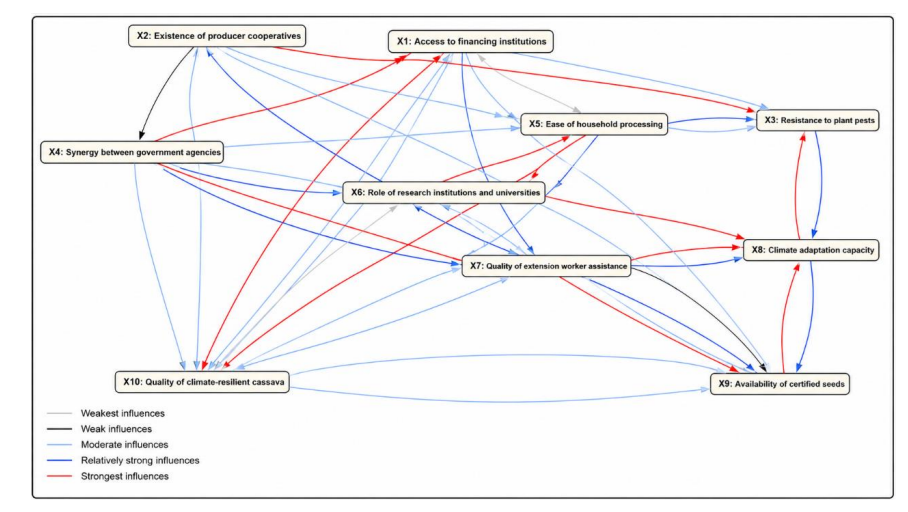
Fig. 9: MICMAC direct influence–dependence map showing the structural classification of key sustainability variables
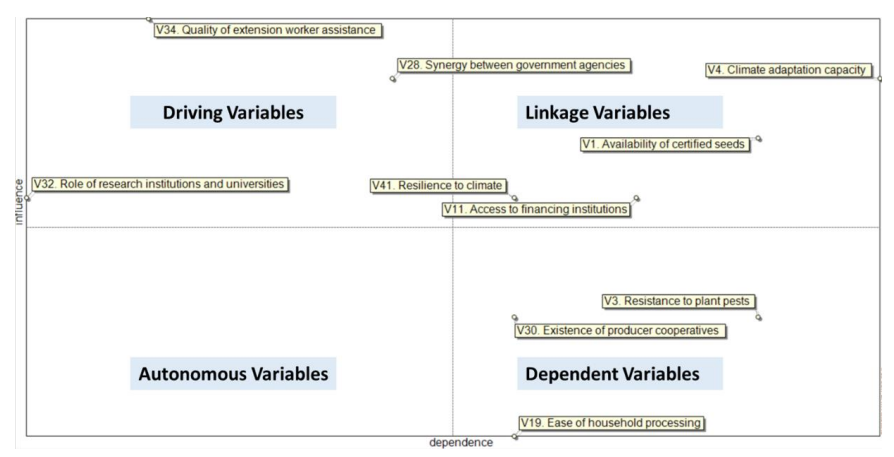
Fig. 10: MICMAC direct influence graph of dominant sustainability leverage variables in sorghum farming
This finding aligns with previous studies that emphasizes the importance of effective extension systems and robust research–farmer linkages as critical drivers of agricultural innovation and facilitating sustainability transitions (Klerkx et al., 2019). But variables such as climate adaption capacity, availability of certified seeds, access to financial institutions, and cooperation among government agencies are extremely influential and dependent, hence very sensitive and unstable. Consequently, these attributes function as highly volatile transmission nodes, where localized improvements or systemic disruptions can propagate rapidly across the entire framework. Their dual role implies that policy actions need to be properly coordinated, as partial or imbalanced improvements can have unwanted systemic impacts. Dependent variables including plant pest resilience, producer cooperatives, and household processing ease exhibit a high level of dependency yet possess a low degree of influence. The outcome-oriented variables show upstream intervention success. Improvements in extension services, seed systems, and financing should indirectly boost pest resistance and processing ease. Finally, the absence or small number of strong autonomous variables suggests that most system components are closely related, supporting the idea that sorghum farming sustainability is systemically integrated. These outcomes indicate that effective policy design must prioritize interventions at the root driver level, while addressing highly volatile transmission nodes through well-coordinated, multi-stakeholder coalitions. This method maximises systemic leverage for more efficient and scalable sustainability performance increases. This systemic approach supports current agricultural transformation paradigms that demand integrated knowledge, institution, and value chain interventions for sustained results (Reardon et al., 2019; Tittonell, 2020).
CONCLUSION
This study assessed Indonesian sorghum farming systems' sustainability and structural leverage using Rapfish–MDS and MICMAC. The system is less sustainable, even if sorghum is climate-resilient. The environmental dimension achieved the highest sustainability index (74.51%), followed by the technical and agronomic dimension (55.37%), confirming sorghum’s suitability for dryland agriculture through its climate adaptability, resource-use efficiency, and ecological resilience. However, weaker economic, market, social and cultural, institutional, and policy performance suggests structural reasons beyond agronomic performance limit sustainability. Policies and regulations scored the lowest (24.04%), indicating governance issues as the main impediment to system reform. The structural scaling and adaptive capacity of the sorghum sector are severely impeded by a critical matrix of bottlenecks, specifically market volatility, poor financial inclusion, weak institutional synergy, low consumer adoption, and inadequate extension infrastructure. Further, MICMAC analysis found extension services, research institutions, and inter-governmental cooperation as driving variables and climate adaptation capacity, certified seed availability, and access to finance as linkage variables with strong systemic influence. Sustainability requires supportive institutions, enabling regulations, effective market incentives, and knowledge systems, not just environmental advantages. A purposively selected panel of 12 expert respondents provided the baseline evaluation for this study. The underlying Rapfish–MDS and MICMAC architectures prioritize analytical depth over large-scale statistical representativeness, deriving model validity from attribute-based evaluation, ordination stability, goodness-of-fit parameters, and comprehensive robustness testing. It did not directly measure biophysical indicators like soil carbon, water-use efficiency, greenhouse gas emissions, or biodiversity, and MICMAC relationships are still subject to expert interpretation and need longitudinal studies and system-dynamics approaches to validate. Rapfish–MDS and MICMAC integrate to simplify sustainability diagnosis and intervention prioritization. The forthcoming actions should focus on enhancing extension systems, boosting the availability of certified seeds, broadening agricultural finance, upgrading post-harvest infrastructure, stabilizing markets, and fostering better coordination among government agencies, research institutions, universities, farmer organizations, and agribusiness stakeholders. These measures, along with food diversification, product standardization, and downstream industrial development, can make Indonesia and other emerging agricultural economies' sorghum farming systems more robust, inclusive, and sustainable. Rather than denoting experimentally validated measures, the proposed policy and management interventions represent strategic priorities derived from empirical stakeholder assessments and structural system analyses. The field implementation and longterm research are required to measure their effects. This study's sustainability assessment relied on organized expert judgment rather than environmental monitoring. Thus, experts assessed climate adaption capabilities, water-use efficiency, soil fertility management, carbon emissions, and biodiversity conservation rather than field-based quantitative indicators. Consequently, these indices should be interpreted as a qualitative structural diagnosis of sustainability dynamics rather than a quantitative tracking of biophysical metrics. To improve empirical validation and sustainability evaluation, future research should combine expert-based assessment with biophysical variables as soil quality, greenhouse gas emissions, water productivity, and biodiversity indices.
AUTHOR CONTRIBUTIONS
N. Ismail has contributed in supervising and made critical revision of the manuscript; Cepriadi as a correponding author performed the literature review; Y. Riyanto performed the literature review and critical revisions, R. Catursaptani performed analysis and interpretation of MDS data; I. Habiburrahman drafting of the manuscript; W. Basuki supervised all experiments and manuscript preparation; Sihono manuscript preparation and critical revisions; Herniwati supported the administrative, technical, or material support; Hadiarto performed statistical analysis; W.M. Indriatama supervised all experiments and manuscript preparation; D. Iskandar performed the literature review; A.H.Y. Rosadi supported experimental, administrative work and provided technical assistance; H. Daulay performed analysis and interpretation of MDS and MICMAC data; A.D. Santoso prepared all the maps and figures and interpretation of the results.
ACKNOWLEDGEMENT
The authors are grateful to the National Research and Innovation Agency for funding this research through the Decree of the Deputy for Research and Innovation Policy, BRIN Number [3/II.4/HK/2026]. The authors would like to thank the editors and anonymous reviewers for their constructive feedback
CONFLICT OF INTEREST
The authors declare that there is no conflict of interests regarding the publication of this manuscript. In addition, the ethical issues, including plagiarism, informed consent, misconduct, data fabrication and/or falsification, double publication and/or submission, and redundancy have been completely observed by the authors.
OPEN ACCESS
©2026 The author(s). This article is licensed under a Creative Commons Attribution 4.0 International License, which permits use, sharing, adaptation, distribution and reproduction in any medium or format, as long as you give appropriate credit to the original author(s) and the source, provide a link to the Creative Commons license, and indicate if changes were made. The images or other third-party material in this article are included in the article’s Creative Commons license, unless indicated otherwise in a credit line to the material. If material is not included in the article’s Creative Commons license and your intended use is not permitted by statutory regulation or exceeds the permitted use, you will need to obtain permission directly from the copyright holder. To view a copy of this license, visit: http://creativecommons.org/licenses/by/4.0/
PUBLISHER’S NOTE
GJESM Publisher remains neutral with regard to jurisdictional claims in published maps and institutional afflictions.
R Positive AI Statement
During the preparation of this work the author(s) have used Artificial Intelligence (AI) Grammerly in order to detect grammar mistakes, suggest corrections and reduce typos. After using this tool/service, the authors reviewed and edited the content as needed and take full responsibility for the content of the publication.
ABBREVIATIONS
|
% |
Percent |
|
ASCAL |
Alternating least-squares scaling |
|
APBD |
Regional Budget allocation |
|
APBN |
National Budget allocation |
|
CSA |
Climate smart agriculture |
|
d |
Euclidian distance |
|
dij |
euclidian distance from point i to point j |
|
FAO |
Food and agriculture organization |
|
FGD |
Focus group discussion |
|
IPM |
Integrated pest management |
|
ijk |
dimension |
|
LCA |
Life cycle assessment |
|
m³/ha |
Cubic meters per hectare |
|
MDS |
Multidimensional scaling |
|
MICMAC |
Matrix of cross impact multiplication applied to classification |
|
OECD |
Organisation for economic co-operation and Development |
|
oijk |
point of origin |
|
R2 |
goodness-of-fit |
|
Rapfish |
Rapid appraisal for fisheries |
|
RMS |
root mean square |
|
S |
Stress |
|
SNI |
National quality standards |
|
SQR |
Structured query reporter |
REFERENCES
Abreha, K.B.; Enyew, M.; Carlsson, A.S,; Vetukuri, R.R.; Feyissa, T.; Motlhaodi, T.; Ng’uni, D.; Abreha, M.G., (2022). Sorghum in dryland: Morphological, physiological, and molecular responses of sorghum under drought stress. Planta. 255: 20 (23 pages).
Allaily, A.; Santoso, A.D.; Rofiq, M.N.; Sasongko, N.A.; Daulay, H.; Wiloso, E.I.; Widjaja, E.; Utomo, B.N.; Yanuar, A.I.; Suryani, S., Erlambang, Y.; Thiyas, U.; Iskandar, D.; Anhar, A.; Rahmawati, M.; Simamora, T.; Yusriani, Y.; Maghfirah, G.; Ammar, M., (2024). Sustainability assessment of animal feed production from by-products of Sago palm smallholder industry. Global J. Environ. Sci. Manage., 10(3): 1275-1296 (22 pages).
Amelework, B.A.; Shimelis,H.A.; Laing, M.D.; Ayele, D.G.; Tongoona, P.; Mengistu, F., (2016). Sorghum production systems and constraints, and coping strategies under drought-prone agro-ecologies of Ethiopia. South Afr. J. Plant Soil. 33(3): 207-217 (11 pages).
Amouzou, K.A.; Naab, J.B.; Lamers, J.P.; Becker, M., (2018). Productivity and nutrient use efficiency of maize, sorghum, and cotton in the West African Dry Savanna. J. Plant Nutr. Soil Sci., 181(2):261-274 (14 pages).
Arif, A., (2020). Sorghum : Benih Leluhur Untuk Masa Depan. Jakarta: Gramedia.
Aseffa, T.; Kebede, L., (2025). Minimization of postharvest loss on cereal crops through capacity building of artisans and youth groups. Sci. Dev., 6(3): 51-59 (9 pages).
Barrett, C.B.; Reardon, T.; Swinnen, J.; Zilberman, D., (2019). Structural transformation and economic development: Insights from the agri-food value chain revolution. Cornell University. (56 pages).
Bakrie, B.; Sirnawati, E.; Rohaeni, E.S.; Hutahaean, L.; Santoso, A.D.; Wasito, W.; Indrawanto, C., (2023). Sustainability analysis of intensive duck farming system in Sliyeg District, Indonesia: MDS and MICMAC analysis approach. Intl. J. Sustainable Dev. Plan., 18(10): 3181-3193 (13 pages).
Béné, C.; Oosterveer, P.; Lamotte, L.; Brouwer, I.D.; de Haan, S.; Prager, S.D.; Talsma, E.F.; Khoury, C.K.; Fanzo, J.; Haddad, L., (2019). When food systems meet sustainability: Current narratives and implications for actions. World Develop., 113: 116–130 (15 pages).
Bezner, K.R.; Hasegawa, T.; Lasco, R.; Bhatt, I.; Deryng, D.; Farrell, A.; Gurney-Smith, H; Ju, H.; Lluch-Cota, H.; Meza, F.; Nelson, G.; Neufeldt, N.; Thornton, P. (2022). Food, Fibre, and Other Ecosystem Products. In: Climate Change 2022: Impacts, Adaptation and Vulnerability. Contribution of Working Group II to the Sixth Assessment Report of the Intergovernmental Panel on Climate Change. Cambridge University Press, Cambridge, UK and New York, NY, USA. 713–906 (184 pages).
BPSI Serealia, (2024). Deskripsi varietas unggul baru jagung dan sorghum. Balai Pengujian Standar Instrumen Tanaman Serealia. Bsipserealia press. Pusat Standardisasi Instrumen Tanaman Pangan. Badan Standardisasi Instrumen Pertanian. Kementerian Pertanian, Jakarta.
Candel, J.J.; Biesbroek, R., (2016). Toward a processual understanding of policy integration. Policy Sci., 49(3): 211-231 (21 pages).
Cepriadi; Naufal; Herlon M.; Daulay H.; Santoso A.D., (2026). Sustainability index and matrix multiplication of broiler farming partnerships for environmental performance improvement, Global J. Environ. Sci. Manage., 12(3): 1393-1414 (22 pages).
Chaturvedi, P.; Govindaraj, M.; Govindan, V.; Weckwerth, W., (2022). Sorghum and pearl millet as climate resilient crops for food and nutrition security. Front. Plant Sci., 13: 851970 (4 pages).
Chuang, J.H.; Wang, J.H.; Liou, Y.C., (2020). Farmers’ knowledge, attitude, and adoption of smart agriculture technology in Taiwan. International J. Environ. Res. Public Health. 17(19): 7236 (8 pages).
de Boer, J.; Schösler, H.; Aiking, H., (2017). Towards a reduced meat diet: Mindset and motivation of young vegetarians, low, medium and high meat-eaters. Appetite. 113: 387–397 (11 pages).
FAO, (2024). Food outlook: biannual report on global food markets. FAO (180 pages).
Faoziyah, U.; Rosyaridho, M.F.; Panggabean, R., (2023). Unearthing agricultural land use dynamics in Indonesia: Between food security and policy interventions. Land. 13: 2030 (29 pages).
Fiza, N.; Erwin; Nazir, N.; Tanjung, F., (2025). Local food diversification as a pillar of sustainable food development: A critical review of global and local perspectives. Asian J. Applied Res. Com. Dev. Empowerment. 9(2), 270–279 (10 pages).
Handayani, T.; Santoso, A.D.; Sastranegara, M.H.; Lestari, S.; Djarot, I.N.; Widyastuti, N.; Nuha, N.; Sitomurni, A.I.; Hadi, A.; Prihatin, A.L.; Suryanto, F., (2025). Assessing the multidimensional sustainability of crystal coconut sugar production in Banyumas Regency, Central Java, Indonesia. Int. J. Des. Nat. Ecodyn., 20(1): 147–158 (12 pages).
Hossain, M.S.; Islam, M.N.; Rahman, M.M.; Mostofa, M.G.; Khan, M.A.R., (2022). Sorghum: A prospective crop for climatic vulnerability, food and nutritional security. J. Agric. Food Res., 8: 100300 (9 pages).
Ismail, Y.; Adji, R.; Santoso, A.D.; Wahyono, S.; Kholiq, M.; Handayani, T.; Pahri, D.S.; Putiamini, S.; Pratama, R.; Nurfatriani, F.; Sahwan F.; Suryanto F.; Tilottama, R., (2025). Multi-dimensional perspectives on sustainability in domestic waste management. Global J. Environ. Sci. Manage., 11(2): 747-770 (24 pages).
Kavanagh, P.K.; Pitcher, T.J., (2004). Implementing Microsoft Excel software for RAPFISH: A technique for the rapid appraisal of fisheries status. Fish. Cent. Res. Rep., 12(2): 1–75 (75 pages).
Klerkx, L.; Jakku, E.; Labarthe, P., (2019). A review of social science on digital agriculture, smart farming and agriculture 4.0: New contributions and a future research agenda. NJAS: Wageningen J. Life Sci., 90(1): 1-16 (16 pages).
Kristamtini, Widodo, S.; Purwaningsih, H.; Pustika, A.B.; Widyayanti, S.; Muazam, A.; Hanifa, A.; Triastono, J.; Sahara, D.; Sulistyowati, H., (2024). Sorghum productivity and its farming feasibility in dryland agriculture : Genotypic and planting distance insights. Phyton (B. Aires). 93(5): 1007–1021 (14 pages).
Kugedera, A.T.; Trivedi, A.; Nandeha, N.; Biswas A., (2025). Agroforestry and integrated nutrient management as climate-smart agro-technologies for soil health and climate change mitigation: A review on African and Asian regions. Discov. Agric., 3: 272 (15 pages).
Lal, R., (2016). Soil health and carbon management. Food and energy security, 5(4): 212-222 (11 pages).
Liu, C.; Gu, W.; Li, B.; Feng, Y.; Liu, C.; Shi, X.; Zhou, Y., (2024a) Screening key sorghum germplasms for low-nitrogen tolerance at the seedling stage and identifying from the carbon and nitrogen metabolism. Front. Plant. Sci., 15: 1340509 (18 pages).
Mabhaudhi, T.; Chimonyo, V.G.; Modi, A.T., (2017). Status of underutilised crops in South Africa: Opportunities for developing research capacity. Sustainability. 9(9): 1569 (21 pages).
Manevska-Tasevska, G.; Duangbootsee, U.; Bimbilovski, I.; Thathong, P., (2023). A systematic scoping review and content analysis of policy recommendations for climate-resilient agriculture. Climate Policy. 23(10): 1295–1314 (20 pages).
Monterrosa, E.C.; Frongillo, E.A.; Drewnowski, A.; de Pee, S.; Vandevijvere, S., (2020). Sociocultural influences on food choices and implications for sustainable healthy diets. Food Nut. Bul., 41(2): 59S–73S (15 pages).
Munarso, S.J.; Purwanta, W.; Elmatsani, H.M.; Hendriadi, A.; Arianto, A.; Sjafrina, N.; Kailaku, S.I.; Astuti, P.; Benyamin, B.; Djafar, M.J.; Latif, A.; Daulay, H.; Santoso, A.D., (2025). Strategic sustainability assessment of rural agribusiness infrastructure systems in humid tropical regions. Global J. Environ. Sci. Manage., 11(4): 1769–1790 (22 pages).
Mwamahonje, A.; Mdindikasi, Z.; Mchau, D.; Mwenda, E.; Sanga, D.; Garcia-Oliveira, A.L.; Ojiewo, C.O., (2024). Advances in sorghum improvement for climate resilience in the global arid and semi-arid tropics: A review. Agronomy. 14(12): 3025 ( 15 pages).
OECD-FAO, (2024). OECD-FAO agricultural outlook 2024–2033. OECD Publishing (150 pages).
Ogutu, S.O.; Qaim, M., (2019). Commercialization of the small farm sector and multidimensional poverty. World Dev., 114: 281-293 (13 pages).
Pan, J.; Liu, Y.; Zhong, X.; Lampayan, R.M.; Singleton, G.R.; Huang, N.; Liang, K.; Peng, B.; Tian, K., (2017). Grain yield, water productivity and nitrogen use efficiency of rice under different water management and fertilizer-N inputs in South China. Agric. Water Manage., 184: 191-200 (10 pages).
Pigford, A.A.E.; Hickey, G.M.; Klerkx, L., (2023). Beyond agricultural innovation systems? Exploring an agricultural innovation ecosystems approach for niche design and development in sustainability transitions. Agric. Syst., 204: 103558 (6 pages).
Pitcher, T.J.; Lam, M.E.; Ainsworth, C.; Martindale, A.; Nakamura, K.; Perry, R.I.; Ward, T., (2013). Improvements to RAPFISH: a rapid evaluation technique for fisheries integrating ecological and human dimensions. J. Fish Biol., 83(4): 865–889 (25 pages).
Pretty, J.; Benton, T.G.; Bharucha, Z.P.; Dicks, L.V.; Flora, C.B.; Godfray, H.C.J.; Goulson, D.; Hartley, S.; Lampkin, N.; Morris, C.; Pierzynski, G., (2018). Global assessment of agricultural system redesign for sustainable intensification. Nat. Sustainable. 1(8): 441-446 (6 pages).
Priyono; Priyanti, A.; Asnawi, R.; Hidayat, Y.; Mahendri, I.G.A.P.; Yulistiani, Y.; Daulay, H.; Santoso, A.D.; Budiharti, U.; Unadi, U.; Parikesit, A.; Yaumidin, U.K.; Irawan, (2025). Mapping stakeholder dynamics and strategic leverage in palm kernel cake distribution for cattle feed in Indonesia: An integrated MICMAC–MACTOR analysis. Environ. Challenges. 21: 101376 (14 pages).
Ray, D.K.; Gerber, J.S.; MacDonald, G.K.; West, P.C., (2015). Climate variation explains a third of global crop yield variability. Nature comm., 6(1): 5989 (9 pages).
Reardon, T.; Echeverria, R.; Berdegué, J.; Minten, B.; Liverpool-Tasie, S.; Tschirley, D.; Zilberman, D., (2019). Rapid transformation of food systems in developing regions: Highlighting the role of agricultural research & innovations. Agric. Syst., 172: 47-59 (12 pages).
Rohaeni, E.S.; Ilham, N.; Saptati, R.A.; Rahayu, H.S.P.; Priyono, P.; Anggraeny, Y.N.; Qomariah, R.; Pamungkas, D.; Ermuna, S.S.; Mahendri, I.G.A.P.; Mariyono, M.; Darsani, Y.R.; Hutahaean, L.; Praptana, R.H.; Lesmayati, S.; Ahmad, S.N.; Bahar, S.; Suhartini, S.H.; Santoso, A.D.; Rakhmani, S.I.W., (2024). Developing a sustainable beef cattle business model for smallholder farms in South Kalimantan's drylands. Intl. J. Sustainable Dev. Plann., 19(2): 481-500 (20 pages).
Sande, T.J.; Tindwa, H.J.; Alovisi, A.M.T.; Shitindi, M.J.; Semoka, J.M., (2024) Enhancing sustainable crop production through integrated nutrient management: A focus on vermicompost, bio-enriched rock phosphate, and inorganic fertilisers – a systematic review. Front. Agron., 6: 1422876 ( 27 pages).
Santoso, A.D.; Hariyanti, J.; Pinardi, D.; Kusretuwardani; Widyastuti, N.; Djarot, I.N.; Handayani, T.; Sitomurni, I.; Apriyanto, H., (2023a). Sustainability index analysis of microalgae cultivation from biorefinery palm oil mill effluent. Global J. Environ. Sci. Manage., 9(3): 559-576 (18 pages).
Santoso, A.D.; Handayani, T.; Nugroho, R.A.; Yanuar, A.I.; Nadirah, N.; Widjaja, E.; Rohaeni, E.S.; Oktaufik, M.A.M.; Ayuningtyas, U.; Erlambang, Y.P.; Herdioso, R.; Rofiq, M.N.; Hutapea, R.; Sihombing, A.L.; Rustianto, B.; Susila, I.M.A.D.; Irawan, D.; Iskandar, D.; Indrijarso, S.; Widiarta, G.D., (2023b). Sustainability index analysis of the black soldier flies (Hermetia illucens) cultivation from food waste substrate. Global J. Environ. Sci. Manage., 9(4): 851-870 (20 pages).
Santoso, A.D.; Arianti, F.D.; Rohaeni, S.E.; Haryanto, B.; Pertiwi, M.D.; Panggabean, L.; Prabowo, A.; Sundari, S.; Wijayanti, S.; Djarot, I.N.; Kurniawati, F.; Sahwan, F.; Prasetyo, T.; Barkah, A.; Adibroto, T.; Ridlo, R.; Febijanto, I.; Wasil, A.; Lusiana, S.; Rosmeika, R.; Heryanto, R., (2023c). Sustainability index analysis of organic fertilizer production from paunch manure and rice straw waste. Global J. Environ. Sci. Manage., 9: 193-218 (26 pages).
Sidqi, I.F.; Adetya, A., (2025). Policy brief: Optimalisasi sorghum sebagai alternatif produk pangan fungsional. Pertanian, Kelautan, dan Biosains Tropika. 7(1): 1187 -1192 (5 pages).
Sittadewi, E.H., Tejakusuma, I.G.; Handayani, T.; Santoso, A.D.; Tohari, A.; Mulyono, A.; Zakaria, Z.; Budiman, E.B.; Fatahillah, H.E.H.; Fitriani, R., (2025). Novel Rap-Landslide Method for Assessing Agroforestry Sustainability in Landslide-Prone Areas. Resources. 14(6): 93.
Slameto, S., (2022). Daya hasil sorghum dengan sistem tanam zigzag pada lahan kering masam di wilayah kabupaten Lampung Selatan, Provinsi Lampung. Pros. Semin. Nas. Has. Penelit. Agribisnis. 6(1):332–338 (7 pages).
Stifel, D.; Minten, B., (2017). Market access, well-being, and nutrition: Evidence from Ethiopia. World Dev., 90: 229–241 (13 pages).
Taylor, J.R.; Duodu, K.G., (2017). Sorghum and millets: Grain-quality characteristics and management of quality requirements. In Cereal grains. Woodhead Publishing.
Termeer, C.J.; Dewulf, A.; Biesbroek, G.R., (2017). Transformational change: governance interventions for climate change adaptation from a continuous change perspective. J. Environ. Plann. Manage., 60(4): 558-576 (19 pages).
Tittonell, P., (2020). Assessing resilience and adaptability in agroecological transitions. Agric. Syst., 184: 102862(35 pages).
Tschirley, D.; Reardon, T.; Dolislager, M.; Snyder, J., (2020). The rise of a middle class in East and Southern Africa: Implications for food system transformation. J. Intl. Dev., 32(6): 1–19 (19 pages).
Van Touch; Utomo, A.; Harrigan, N.; Finlayson, C.; McGregor, A.; McKinnon, K.; Tran, T.A.; Bannan, L.; Tan, D.K.Y.; Sophanara, P.; Chay, P.; Yous, S.; Hainzer, K.; Cook, B.R., (2025). Reshaping agricultural production systems: Trade-offs and implications for sustainable intensification and environment management, Agric. Syst., 230: 104484 (13 pages).
Widjaja, E.; Utomo, B.N.; Santoso, A.D.; Erlambang, Y.P.; Surono; Firmansyah, M.A.; Handoko, S.; Erythrina.; Rofiq, M.N.; D. Iskandar, D.; Sasongko, N.A.; Rochmadi, T.; Abbas, N.; Hanif, M.; Garno, Y.S.; Arianti, F.D.; Suretno, N.D.; Askinatin, M.; Hastuti, C.O.I.; Fahrodji, F., (2024). Sustainability index analysis for environmentally low-input integrated farming. Global J. Environ. Sci. Manage., 10(2): 537-556 (20 pages).
Zhang, H.; Li, Y.; , Sun, H.; Wang, X., (2023). How Can digital financial inclusion promote high-quality agricultural development? The multiple-mediation model research. Intl. J. Environ. Res. Public Health. 20(4): 3311 (19 pages).

| Article View | 1,151 |
| PDF Download | 461 |


Letters to Editor
[1] Letters that include statements of statistics, facts, research, or theories should include appropriate references, although more than three are discouraged.
[2] Letters that are personal attacks on an author rather than thoughtful criticism of the author’s ideas will not be considered for publication.
[3] Letters can be no more than 300 words in length.
[4] Letter writers should include a statement at the beginning of the letter stating that it is being submitted either for publication or not.
[5] Anonymous letters will not be considered.
[6] Letter writers must include their city and state of residence or work.
[7] Letters will be edited for clarity and length.