
5.2
CiteScore
2.9
Impact Factor
Document Type : RESEARCH ARTICLE
Authors
1 Department of Public Administration, Faculty of Social Sciences, Universitas Negeri Padang, Padang, West Sumatra, Indonesia
2 Department of Sociology Education, Faculty of Social Sciences, Universitas Negeri Padang, Padang, West Sumatra, Indonesia
3 Institute for Research and Community Service, Universitas Negeri Padang, West Sumatra, Indonesia
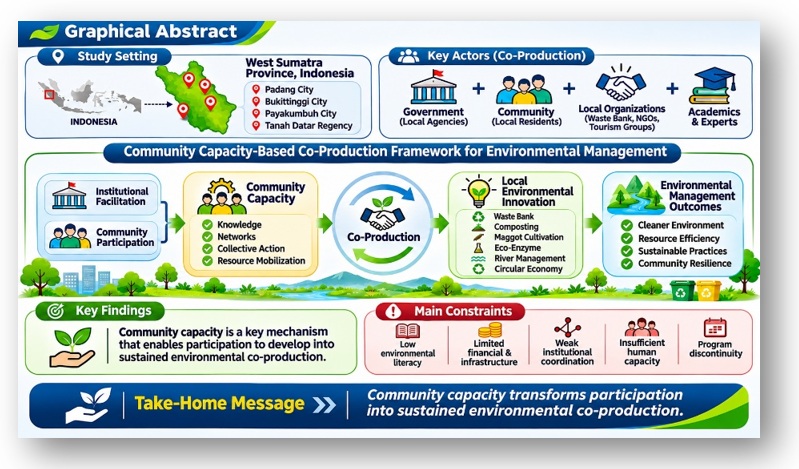
Graphical Abstract
Highlights
Ø Environmental co-production was shaped by the interaction of institutional facilitation, community participation, multi-actor collaboration, community capacity, and local environmental innovation;
Ø Community capacity emerged as a central mechanism that enables participation to develop into collective action, resource mobilization, and sustained environmental co-production;
Ø Waste banks, composting, eco-enzyme production, maggot cultivation, river management, and circular economy practices reflected locally driven environmental innovation;
Ø The proposed community capacity-based co-production framework explains how institutional support and local capacity jointly strengthen participatory and adaptive environmental management.
Keywords
INTRODUCTION
Environmental management is increasingly challenged by complex pressures arising from urbanization, economic growth, land-use change, rising resource consumption, and declining ecosystem quality (Nazeer et al., 2016; Odugbesan and Rjoub, 2020; Purnama et al., 2020; Prasetyanto et al., 2023). Such systemic pressures illustrate that conventional, siloed administrative models are increasingly inadequate for addressing contemporary ecological crises, thereby necessitating multi-stakeholder engagement, pluralistic knowledge integration, enhanced institutional synergy, and adaptive collaborative governance. Previous studies have demonstrated that environmental outcomes are increasingly determined by the capacity of public authorities and local communities to build collaborative relationships in addressing ecological shifts and context-specific requirements (Miller and Wyborn, 2020; Norström et al., 2020; Cattino and Reckien, 2021; Newig et al., 2023). One approach that has gained increasing attention is co-production, which refers to a process in which governments, communities, community-based organizations, and other actors share roles, knowledge, resources, and responsibilities in producing public solutions. In environmental management, co-production enables communities to move beyond the role of program recipients and become actively involved in problem identification, implementation, monitoring, learning, and the development of local solutions (Kiss et al., 2022; Alvarado-Arias et al., 2025). Nevertheless, community participation and substantive environmental co-production remain analytically distinct constructs, wherein conventional participation often entails passive consultation, program attendance, or the execution of state-mandated initiatives devoid of genuine civic agency in decision-making. In contrast, substantive environmental co-production requires shared decision-making, reciprocal knowledge exchange, contributions of financial, material, human, or organizational resources, joint accountability, and collective responsibility for environmental management processes and outcomes. These dimensions provide operational criteria for distinguishing conventional participation from substantive co-production. Accordingly, involvement in environmental activities should not automatically be interpreted as co-production unless empirical evidence demonstrates meaningful interaction, shared responsibilities, and collaborative influence over environmental management decisions (Norström et al., 2020; Chambers et al., 2021). Extant scholarship demonstrates that the efficacy of co-production is contingent upon equitable role distribution, inclusive actor representation, epistemic diversity, collaboration quality, mutual trust, and institutional frameworks that foster substantive stakeholder engagement (Turnhout et al., 2020; Chambers et al., 2021; Iwaniec et al., 2020; Gerlak et al., 2023; Wu et al., 2024). Although previous studies have emphasized the importance of community participation, multi-actor collaboration, and knowledge co-production, limited attention has been given to explaining how community involvement develops into sustained environmental co-production. Established theoretical frameworks offer complementary insights into collaborative environmental management. Environmental co-production emphasizes the joint generation of knowledge and action, collaborative governance focuses on institutional arrangements and stakeholder coordination, community-based natural resource management highlights local involvement in resource stewardship, and social innovation emphasizes the development of new collective practices and solutions. Nevertheless, a pivotal empirical inquiry remains regarding how community capacity interacts with institutional facilitation to enable communities to empower local actors in translating participatory entry points into substantive environmental co-production. Participation does not necessarily indicate that communities possess the capacity to organize collective action, mobilize resources, maintain networks, generate innovation, or interact effectively with government institutions. Furthermore, prior research indicates that deficiencies in institutional coordination, policy communication, environmental literacy, and stakeholder capacity frequently undermine the longevity of participatory and collaborative initiatives (Dannevig et al., 2022; Bezerra et al., 2023; Ardyawin et al., 2024; Gong et al., 2022). Therefore, community capacity needs to be positioned as an important factor in explaining how participation can develop into more substantive environmental co-production. The theoretical gap addressed in this study lies in explaining community capacity not merely as a characteristic or outcome of participation, but as an enabling mechanism connecting institutional support, collaborative relationships, and collective environmental action. This analytical shift redirects focus away from the mere presence of participatory frameworks toward the foundational capabilities essential for communities to engage meaningfully in environmental co-production. This study develops a community capacity-based co-production framework that connects institutional facilitation, community participation, community capacity, multi-actor collaboration, and local environmental innovation. Empirical evidence identifies various environmental management practices, including waste-bank management, cooperation, river management, composting, maggot cultivation, eco-enzyme production, and circular-economy practices. These participatory initiatives actively engage a multifaceted network of stakeholders, including municipal authorities, sub-district and village/ nagari governance bodies, grassroots environmental associations, waste banks, tourism awareness groups, corporate social responsibility (CSR) entities , and local community members. At the same time, their implementation is constrained by limited budgets, inadequate facilities, insufficient human resource capacity, low environmental literacy, weak institutional coordination, and discontinuous programs. These findings suggest that successful co-production is contingent not merely upon the degree of participation, but crucially upon community capacities and institutional frameworks that enable civic involvement to translate into collective environmental action. A grounded theory approach was applied through open coding, axial coding, and selective coding to construct the framework from empirical field evidence. Accordingly, this study aims to develop a community capacity-based co-production framework for environmental management by analyzing interactions among actors, identifying enabling and constraining factors, and explaining the mechanisms linking community capacity with co-production practices. The study was conducted in Padang City, Bukittinggi City, Payakumbuh City, and Tanah Datar Regency, West Sumatra Province, Indonesia in 2025.
MATERIALS AND METHODS
Study area and research design
A qualitative descriptive design with grounded theory analysis was employed to develop a community capacity-based co-production framework for environmental management. More specifically, the analytical procedures were informed by the Straussian tradition of grounded theory, particularly its systematic application of open coding, axial coding, and selective coding (Strauss and Corbin, 1998; Lee, 2024). This analytical orientation was selected because the study aimed not merely to characterize community-based environmental management practices but to uncover emergent concepts, interrogate interdependencies among analytical dimensions, and formulate an empirically grounded conceptual framework. The qualitative descriptive component enabled a contextual examination of environmental initiatives, stakeholder roles, institutional arrangements, and community involvement, whereas the grounded theory-informed component provided a systematic strategy for developing conceptual relationships from the empirical material. Consequently, the dual methodological approaches served complementary objectives by synthesizing rich contextual description with inductive conceptual development. The analytical process comprised three interconnected stages. First, open coding was used to identify initial concepts from interview accounts, field observations, and documentary materials, including community participation, institutional support, environmental awareness, resource limitations, and local environmental innovation. Second, axial coding systematically organized related concepts into overarching analytical dimensions and examined the interrelationships among institutional facilitation, community participation, community capacity, multi-actor collaboration, and constraining factors. Third, selective coding integrated the principal categories to develop the community capacity-based co-production framework. The conceptual synthesis was further supported by thematic mind-map memos that meticulously mapped the interrelationships among emerging categories. These methodological procedures align with a Straussian-oriented analytical framework within a qualitative descriptive research design. The study was conducted in 2025 in West Sumatra Province, Indonesia, covering four study areas: Padang City, Bukittinggi City, Payakumbuh City, and Tanah Datar Regency (Fig. 1). These areas were selected because they represented community-based environmental management practices involving interactions among local governments, community-based organizations, and local communities.
Participant selection and data sources
Participants were selected using purposive sampling based on their involvement in and knowledge of community-based environmental management. A total of 143 informants participated in the study, covering four research locations in West Sumatra Province, Indonesia, together with relevant provincial-level institutions and organizations. The geographical distribution comprised 33 informants from Padang City, 25 from Bukittinggi City, 38 from Payakumbuh City, 34 from Tanah Datar Regency, and 13 from provincial-level institutions and organizations. These diverse sites embodied distinct environmental governance frameworks, thereby offering valuable opportunities to investigate community-state collaboration across varied administrative settings. The participants represented five stakeholder categories: 24 representatives of government agencies, including the Environmental Agency, Tourism Agency, and Public Works Agency; 29 representatives of sub-district, urban village, village, and nagari administrations; 44 representatives of community-based organizations, including waste banks, tourism awareness groups, and environmental community organizations; 38 local residents; and eight representatives of environmental non-governmental organizations (NGOs). These cohorts were curated to capture diverse perspectives from both state and non-state actors engaged in environmental management, with informant selection guided by institutional mandates, direct involvement in ecological initiatives, and practical expertise in community–government collaboration. The recruitment process followed a purposive approach, prioritizing stakeholders with relevant institutional responsibilities and practical experience in environmental management. Interview arrangements were coordinated according to informant availability. Several interviews required rescheduling because of institutional commitments. In locales characterized by constrained community participation, iterative field engagements and supplementary observations were conducted to secure robust contextual evidence, thereby facilitating comprehensive data collection across diverse stakeholder cohorts and research settings. To strengthen transparency and traceability, selected interview evidence presented in the Results and Discussion was identified using anonymized reporting codes (P01–P13).
The selected sources included participants from Padang City (P01, P05, and P06), Bukittinggi City (P02, P10, and P11), Payakumbuh City (P03, P12, and P13), Tanah Datar Regency (P07, P08, and P09), and a provincial-level environmental organization (P04). These alphanumeric codes delineate specific illustrative excerpts of empirical data rather than denoting the aggregate population of study participants, and their alignment with original interview identifiers, institutional affiliations, and research sites necessitates verification against primary interview records. The adequacy of the qualitative evidence was considered in relation to stakeholder diversity, geographical coverage, recurring analytical patterns, and triangulation across interviews, field observations, and documentary sources. The empirical dataset was evaluated through open, axial, and selective coding to identify initial concepts, construct analytical categories, and investigate the interrelationships among institutional facilitation, community participation, community capacity, multi-actor collaboration, and local environmental innovation. The analysis produced nine thematic mind-map memos that supported the synthesis of the findings. However, because the available documentation does not establish a specific point at which additional data ceased to yield novel conceptual insights, formal theoretical saturation is not claimed. The study integrated both primary and secondary data sources. Primary data were obtained via semi-structured, in-depth interviews and direct field observations of environmental management initiatives and inter-stakeholder interactions, whereas secondary data were compiled from policy frameworks, official government reports, program documentation, and peer-reviewed scientific literature. The use of multiple data sources enabled comparison among information obtained from government institutions, communities, community-based organizations, and supporting documents. Table 1 summarizes the data sources, participant groups, data collection procedures, analytical purposes, validation methods, and overall research framework adopted in the study.
Table 1: Data sources, participant groups, analytical procedures, and validation methods
|
Data category |
Data type |
Source/participant group |
Data collection procedure |
Analytical purpose |
Validation method |
|
Institutional perspectives |
Primary data |
Environmental Agency, Tourism Agency, Public Works Agency, and other relevant local government institutions |
In-depth interviews and field observations |
Identifying government roles, institutional facilitation, regulatory support, resource provision, and inter-agency coordination in environmental management |
Source triangulation across government institutions and comparison with policy documents |
|
Local administrative perspectives |
Primary data |
Sub-district authorities and village/nagari administrations |
In-depth interviews and field observations |
Examining local policy implementation, community mobilization, environmental communication, and interaction between government and communities |
Cross-checking with community accounts and documentary evidence |
|
Community-based environmental organizations |
Primary data |
Waste banks, environmental communities, tourism awareness groups, and other community-based organizations |
In-depth interviews and direct observation |
Identifying community participation, collective action, environmental practices, local knowledge, and community-based innovation |
Method triangulation between interviews, observations, and documents |
|
Community perspectives |
Primary data |
Local residents involved in or affected by environmental management activities |
In-depth interviews and field observations |
Exploring environmental behavior, participation, local knowledge, community ownership, and perceived barriers to environmental action |
Source triangulation with community organizations and government actors |
|
Supporting stakeholder perspectives |
Primary data |
Academics and environmental non-governmental organizations |
In-depth interviews |
Supporting interpretation of environmental governance, co-production mechanisms, community capacity, and stakeholder relationships |
Comparison with field findings and relevant scientific literature |
|
Environmental management practices |
Primary data |
Waste-bank activities, mutual cooperation, river management, composting, maggot cultivation, eco-enzyme production, and circular-economy practices |
Direct observation and interview verification |
Identifying practical manifestations of community capacity and environmental co-production |
Cross-validation between observation results and stakeholder interviews |
|
Institutional and policy evidence |
Secondary data |
Government reports, regulations, environmental programs, and related policy documents |
Document review |
Examining institutional mandates, environmental programs, policy support, and implementation arrangements |
Comparison with interview and observation findings |
|
Scientific evidence |
Secondary data |
Relevant national and international scientific publications |
Literature review |
Developing theoretical interpretation and comparing empirical findings with previous studies on co-production, community participation, and environmental governance |
Theoretical comparison and constant comparison with emerging empirical categories |
Data collection
Data were collected through three main techniques: in-depth interviews, field observations, and document review. Fieldwork was conducted in 2025 across the four study areas and relevant provincial-level institutions in West Sumatra. The interviews focused on participants' institutional responsibilities, practical involvement in environmental management, and experiences of collaboration between governmental and community actors. The topics covered government facilitation, community participation, environmental knowledge, resource mobilization, local innovation, and implementation constraints. Field observations centered on the physical settings and operational practices characteristic of community-based environmental management, encompassing waste-bank administration, collective ecological activities, watershed stewardship, composting protocols, maggot cultivation, and context-specific waste-processing initiatives. These observations provided contextual information for interpreting participants' accounts and examining the practical organization of environmental activities. Documentary sources included relevant regulations, government reports, environmental program documents, and scientific publications. Information derived from these documentation sources was synthesized alongside interview transcripts and field observations to evaluate consistencies and divergences across reported practices and institutional arrangements.
Data analysis
The data were analyzed using a grounded theory approach comprising three main stages: open coding, axial coding, and selective coding (Lee, 2024). The analytical process adhered to a systematic coding architecture informed by the Straussian grounded theory tradition, wherein empirical data were progressively synthesized from initial concepts into interconnected analytical categories (Strauss and Corbin, 1998). During open coding, interview accounts were examined to identify recurring issues and experiences related to environmental management. The initial coding captured key thematic dimensions, encompassing community participation, institutional support, environmental awareness, waste-management practices, organizational activities, infrastructure limitations, resource constraints, and collaboration barriers. During axial coding, related codes were organized into broader subcategories to identify relationships among institutional arrangements, community involvement, resource availability, environmental practices, and implementation constraints. During selective coding, the subcategories were integrated into higher-order categories that guided the formulation of the community capacity-based co-production framework. The research report documented coding outcomes for participating institutions and community organizations, followed by an overarching analytical synthesis across the research settings. Nine overarching thematic mind-map memos were developed to illustrate relationships involving government roles, community participation, infrastructure, collaboration, program implementation, environmental behavior, waste management, structural constraints, and program continuity. These materials provided an analytical foundation for comparing recurring and contrasting patterns while identifying relationships among the principal framework components. Furthermore, the analytical interpretation accounted for negative or divergent evidence that did not fully support substantive co-production, particularly instances wherein communities engaged in program implementation yet possessed constrained influence over strategic planning or decision-making processes. This analytical distinction prevented routine participation or government-directed service delivery from being conflated with substantive shared environmental governance. During open coding, interview data, field notes, and documents were examined to identify initial concepts emerging from the empirical evidence. The initial codes included community participation, limited budgets, government support, multi-actor collaboration, infrastructure limitations, environmental awareness, waste management, local innovation, and program continuity. During axial coding, related codes were systematically clustered into broader analytical dimensions, generating core categories that encompassed institutional facilitation, community participation, multi-actor collaboration, community capacity, local environmental innovation, and constraining factors. Relationships among these categories were subsequently examined to explain how institutional support and community capacity contributed to environmental co-production practices. During selective coding, the main categories were integrated into a broader conceptual framework. Community capacity emerged as a pivotal structural bridge interconnecting institutional facilitation, community participation, multi-actor collaboration, and local environmental innovation. The theoretical integration of these analytical dimensions provided the foundational basis for formulating the community capacity-based co-production framework for environmental management. As illustrated in Fig. 2, the analytical process progressed from data collection and open coding to axial and selective coding, followed by validation, constant comparison, and theoretical interpretation.
Data validation
Data credibility was strengthened through source, method, and time triangulation. Source triangulation involved considering accounts from governmental institutions, local administrative authorities, community-based organizations, and residents. Methodological triangulation entailed cross-verifying interview-derived findings with concurrent field observations and documentary evidence. These procedures were intentionally designed to enhance the credibility of the empirical interpretation rather than to establish the predictive validity of the proposed framework. The conceptual framework was examined for analytical coherence by tracing its principal components to the categories documented through open, axial, and selective coding. Attention was given to the relationship between institutional facilitation, community participation, community capacity, multi-actor collaboration, and local environmental innovation. The qualitative interpretation was further evaluated against an alternative explanation: namely, that certain activities reflected state -led participation or collaborative service delivery rather than substantive co-production characterized by shared decision-making authority. Evidence of limited community influence over planning and resource allocation was therefore treated as an important qualification to the proposed framework. This analytical assessment supports the conceptual grounding and internal coherence of the framework but does not constitute external model validation. Independent expert assessment, longitudinal testing, and quantitative evaluation of the proposed relationships remain essential for further validation. Furthermore, source triangulation was executed by cross-examining data obtained from government institutions, local communities, community-based organizations, academics researchers, and relevant external stakeholders. Method triangulation involved cross-checking evidence from interviews, field observations, and documents. Time triangulation was used to examine the consistency of information obtained at different stages of data collection, thereby strengthening the credibility of the findings. These procedures were systematically applied to enhance the consistency and credibility of the findings, ensuring that the proposed framework remained firmly grounded in recurring patterns substantiated by empirical evidence.
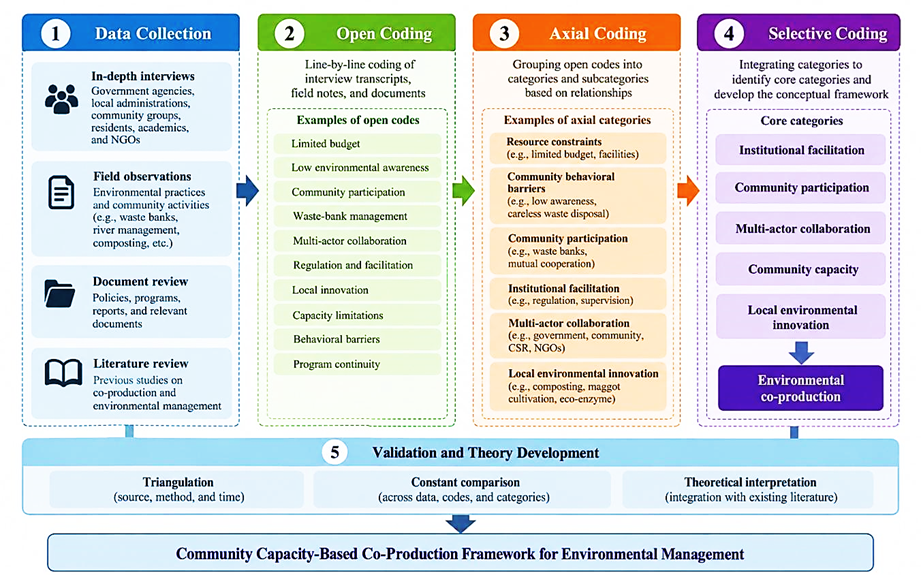
Fig. 2: Grounded theory analytical process for developing the community capacity-based co-production framework
Ethical considerations
The study involved interviews with institutional representatives, community organizations, and residents concerning environmental management practices and stakeholder relationships. Ethical reporting mandates a clear description of the procedures employed to inform participants regarding the research objectives, the voluntary nature of participation, data confidentiality protocols, and the protection of participant anonymity. Participant quotations included within the manuscript are designated via institutional or participant codes rather than personal identifiers, ensuring confidentiality and protecting participant anonymity. Furthermore, the status of formal ethical approval, the protocols employed to secure informed consent, and the arrangements governing the secure storage and preservation of research records must be verified against the original documentation prior to final manuscript submission for publication consideration.
RESULTS AND DISCUSSION
Patterns of environmental co-production
Environmental management across the study areas emerged from interactions among government institutions, village/nagari administrations, community-based organizations, waste banks, tourism awareness groups, environmental communities (Hasmira et al., 2023), CSR actors, and local residents, rather than from government action alone. Government institutions primarily assumed regulatory, facilitative, coordinating, and program-directing roles, whereas communities actively implemented environmental activities and developed locally relevant solutions (Rahim and Frinaldi, 2023; Nurbit et al., 2024). This pattern signifies a broader transition from predominantly top-down environmental management toward more collaborative arrangements and shared responsibilities. Nevertheless, the specific modalities of community engagement and institutional support varied across the four study areas. In Padang City, environmental collaboration was particularly evident in community-based waste management. In Pasia Nan Tigo, the local waste bank actively engaged residents in routine solid waste collection and savings-based recycling programs, whereas strategic partnerships with the Environmental Agency and environmental organizations facilitated comprehensive waste-management training. However, limited sorting equipment, inadequate storage facilities, and fluctuating participation constrained the development of these activities. In Bukittinggi City, environmental collaboration included community-based maggot cultivation and compost production, supported by technical assistance and training from the Environmental Agency. These initiatives demonstrated local environmental innovation but encountered limitations in processing technology, production capacity, marketing, and operational continuity. Evidence from the Public Works Agency similarly revealed avenues for community input via development proposals and musrenbang processes; nevertheless, participation in planning initiatives did not inherently establish shared decision-making authority. In Payakumbuh City, community engagement was particularly visible in river-oriented environmental management along the Batang Agam River. Local environmental organizations coordinated routine river-cleaning campaigns and fostered youth engagement to mitigate household waste pollution. While these grassroots initiatives exemplified strong community mobilization and collective environmental stewardship, their operational execution remained constrained by inadequate cleaning equipment and persistent improper waste-disposal behaviors. In Tanah Datar Regency, environmental management was more closely associated with nagari-level community mobilization and tourism-related environmental initiatives. Evidence from Nagari Limo Kaum documented periodic communal cleaning activities, environmental guidance at the Jorong level, and training support from the Environmental Agency. Tourism-sector documentation similarly highlighted community deliberation (nagari) and stakeholder involvement in local tourism planning; nevertheless, constrained waste-management literacy, variable environmental consciousness, and persistent coordination barriers remained notable limitations. A comparison across the four locations reveals both shared and context-specific mechanisms. Institutional facilitation and community participation were present across the study areas, but the principal forms of engagement differed: waste-bank operations in Padang, organic waste-processing innovation and planning input in Bukittinggi, river-cleaning mobilization in Payakumbuh, and nagari-based collective action and tourism-related environmental management in Tanah Datar. These differences suggest that community capacity was expressed through locally available organizational arrangements, technical knowledge, social networks, and institutional support. Simultaneously, persistent constraints encompassing infrastructural deficits, financial limitations, environmental literacy gaps, and insufficient program continuity restricted the maturation of more substantive co-production. Crucially, a significant proportion of documented community participation remained concentrated within implementation and service delivery phases, whereas empirical evidence of jointly exercised decision-making authority proved notably constrained. Therefore, the cross-site findings support a context-sensitive interpretation of environmental co-production rather than a uniform model of collaboration across all four locations. Community-based environmental activities were identified through waste-bank management, cooperation, household waste management, river management, composting, maggot cultivation, eco-enzyme production, and circular-economy practices (Frinaldi et al., 2022; Mubarak et al., 2024; Salsabila et al., 2024; Saputra et al., 2025). While these activities exemplify community participation in collective environmental action, their implementation alone does not inherently establish substantive co-production. Rather, this critical distinction hinges upon whether communities are meaningfully engaged in shared decision-making, reciprocal knowledge exchange, resource contributions, joint accountability, and collective responsibility for environmental initiatives. Consistent with these findings, Norström et al. (2020) emphasize that co-production requires interactions among multiple actors to jointly generate knowledge and solutions. Chambers et al. (2021) similarly emphasize that co-production attains greater depth when stakeholder involvement extends from problem identification to the formulation and execution of collective actions. Empirical evidence clearly exemplifies this fundamental distinction. In Padang City, a waste-bank manager in Pasia Nan Tigo reported collaboration with the Padang City Environmental Agency and environmental communities in waste-management training (P01, waste-bank manager). Whereas the empirical record reflects organizational support and reciprocal learning across stakeholders, domestic waste-gathering activities and resource-recovery logs highlight grassroots involvement in operational delivery. However, these practices do not independently establish shared decision-making authority. In Bukittinggi City, a Public Works Agency representative described community involvement in environmental planning through proposals and musrenbang (P02, Public Works Agency). This mechanism highlights opportunities to integrate community knowledge and priorities into institutional planning. Nevertheless, participation in planning forums does not automatically signify equal decision-making authority or shared accountability for implementation. A contrasting perspective was identified at the provincial level. An environmental NGO representative reported that communities were willing to collaborate but were frequently excluded from planning processes (P04, environmental NGO). This observation underscores how administrative dominance over planning and decision-making structures can impede the shift from traditional participation toward substantive co-production, irrespective of whether communities possess the willingness to collaborate. Viewed collectively, these insights suggest that civic involvement and environmental co-production should not be treated as interchangeable analytical concepts. Participation primarily concerns community involvement in environmental activities, whereas substantive co-production requires evidence of reciprocal contributions, meaningful influence over decisions, shared responsibilities, and accountability among governmental and community actors. The observed practices therefore reflect different degrees of collaborative engagement, ranging from conventional participation to emerging co-production arrangements. While community capacity and organizational receptivity serve as foundational preconditions for fostering this transition, the mere implementation of environmental practices remains insufficient to establish fully realized co-production. The empirical findings were organized into five principal analytical elements: institutional facilitation, community participation, community capacity, multi-actor collaboration, and local environmental innovation. These elements represent the core components of the proposed framework. Environmental behavior, shared responsibility, and program continuity were not treated as equivalent framework components. Instead, environmental behavior was interpreted as a behavioral condition influencing participation and implementation; shared responsibility as a relational characteristic indicating the depth of co-production; and program continuity as a sustainability condition shaped by organizational capacity, institutional support, and resource availability. Table 2 should therefore be interpreted as the empirical evidence matrix, connecting each principal analytical element with the documented environmental practices, actors, enabling conditions, and constraints. Table 3 provides a complementary synthesis of the mechanisms through which institutional facilitation, participation, community capacity, collaboration, and innovation interact. This distinction separates the empirical basis of the framework from its conceptual interpretation and prevents overlapping dimensions from being presented as independent theoretical constructs. The relationships among these dimensions indicate that community involvement alone is insufficient to constitute co-production. Co-production requires the sharing of roles, resources, knowledge, and responsibilities between government institutions and communities. This finding aligns with Turnhout et al. (2020), who conceptualize co-production as a relational process shaped by the distribution of roles, power, representation, and actor interactions. Newig et al. (2023) also demonstrate that stakeholder participation can strengthen environmental governance when it is supported by appropriate institutional design, effective communication, and adequate distribution of authority. Therefore, the quality of co-production is determined not merely by the number of actors involved, but by their capacity to contribute to knowledge generation, decision-making, and the implementation of environmental activities.
Community capacity and multi-actor collaboration
The analysis identifies community capacity as a critical mechanism through which participation develops into substantive co-production. Empirical evidence suggests that this mechanism operates through the interaction of institutional support, community learning, organizational mobilization, and practical environmental action. Nevertheless, the magnitude of these associations fluctuates across spatial settings; consequently, they ought to be construed as empirically deduced processes rather than definitive, statistically verified causal pathways. In Padang, cooperation between the Environmental Agency, environmental communities, and the Pasia Nan Tigo waste bank provided opportunities for waste-management training and knowledge exchange. Local esidents subsequently engaged in waste collection, sorting, and associated environmental practices. This demonstrates a trajectory wherein institutional facilitation fosters community knowledge and structured mobilization n, although infrastructure constraints and variable participation limit its continuity. In Bukittinggi, technical assistance and environmental training were associated with community-based composting and maggot cultivation. These activities demonstrate how locally available knowledge and organizational efforts can be translated into practical environmental innovation. Nevertheless, limited equipment, small production capacity, and marketing difficulties indicate that technical support alone does not guarantee sustained collective action. In Payakumbuh, structured river-cleaning initiatives and youth engagement efforts illustrate the mobilization of community networks around a shared environmental concern. These activities constitute collective action reinforced by local organizational capacity, although equipment limitations and persistent household waste disposal remain barriers. Across the cases, institutional facilitation appears to create opportunities for capacity development, while community organization and resource mobilization influence whether these opportunities are translated into practical environmental action. Accordingly, the proposed mechanism can be interpreted as institutional facilitation supporting community capacity, which in turn enables collective action, knowledge exchange, resource mobilization, and locally relevant environmental practices within diverse community contexts and evolving environmental governance systems. The available evidence supports this process-oriented interpretation, yet it does not establish that all observed activities entailed equal decision-making authority or generated quantifiable ecological enhancements.
Table 2: Evidence base of environmental co-production across study areas
|
Evidence dimension |
Empirical evidence identified across study areas |
Main actors involved |
Co-production pattern |
Main constraint / condition |
Analytical significance |
|
Community participation |
Community involvement in waste banks, mutual cooperation, household waste management, river management, and other environmental activities |
Local residents, community groups, waste banks, village/nagari administrations |
Active participation in implementation and collective environmental action |
Participation is uneven and influenced by environmental awareness |
Participation provides the social foundation for environmental co-production |
|
Institutional facilitation |
Regulation, facilitation, supervision, policy direction, environmental outreach, and program support |
Local government, Environmental Agency, Tourism Agency, Public Works Agency, sub-district and village/nagari governments |
Government institutions act as regulators, facilitators, and coordinators rather than sole service providers |
Limited budgets, infrastructure, and institutional coordination |
Institutional support creates enabling conditions for community participation and co-production |
|
Multi-actor collaboration |
Cooperation among government agencies, local governments, communities, tourism awareness groups, environmental organizations, waste banks, and CSR actors |
Government agencies, community organizations, private/CSR actors, residents |
Sharing of roles, resources, knowledge, and responsibilities among multiple stakeholders |
Weak cross-sectoral coordination and differences in actor capacity |
Co-production depends on interaction and interdependence among actors rather than isolated participation |
|
Community capacity |
Communities mobilize local resources, knowledge, collective action, and organizational capabilities for environmental activities |
Residents, community organizations, waste banks, local environmental groups |
Community capacity enables citizens to move from program participants toward active environmental partners |
Limited human resources, environmental literacy, facilities, and financial resources |
Community capacity functions as a central mechanism connecting participation with sustained co-production |
|
Local environmental innovation |
Waste-bank management, composting, maggot cultivation, eco-enzyme production, and circular-economy practices |
Community groups, residents, waste banks, government facilitators, other supporting actors |
Local knowledge and resources are transformed into practical environmental initiatives |
Limited facilities, financial resources, and program continuity |
Innovation represents the practical expression of community capacity in environmental management |
|
Environmental behavior |
Waste sorting, household waste handling, environmental awareness, and participation in environmental activities |
Local residents and community groups |
Behavioral engagement influences the continuity of community-based environmental action |
Low environmental awareness, careless waste disposal, inconsistent waste sorting |
Behavioral capacity determines whether participation can be sustained over time |
|
Shared environmental management |
Joint involvement in identifying environmental problems, implementing programs, monitoring activities, and developing local solutions |
Government institutions, communities, community-based organizations, and other stakeholders |
Shared roles, knowledge, resources, and responsibilities |
Top-down tendencies and fragmented coordination |
Environmental co-production extends beyond consultation toward shared environmental management |
|
Program sustainability |
Continuation of environmental programs depends on community ownership, institutional support, coordination, and available resources |
Government, community organizations, local residents, supporting stakeholders |
Sustained interaction between institutional and community capacity |
Weak coordination, resource limitations, and discontinuous programs |
Co-production requires continuous institutional-community interaction rather than temporary participation |
Table 3: Comparative dimensions of community capacity-based co-production for environmental management
|
Analytical dimension |
Observed pattern |
Enabling factors |
Main constraints |
Role in co-production |
Environmental management implication |
|
Institutional facilitation |
Government institutions provide regulation, facilitation, supervision, policy direction, and program support |
Regulatory support, institutional commitment, policy communication, coordination |
Limited budget, fragmented coordination, inadequate facilities |
Creates enabling institutional conditions for community involvement |
Strong facilitation increases the continuity and coordination of environmental programs |
|
Community participation |
Communities participate through waste banks, mutual cooperation, household waste management, river management, and environmental activities |
Community ownership, environmental awareness, collective action |
Low awareness, inconsistent participation, behavioral barriers |
Provides the social foundation of environmental co-production |
Participation becomes more meaningful when communities share implementation responsibilities |
|
Multi-actor collaboration |
Environmental management involves government agencies, village/nagari governments, communities, waste banks, environmental groups, tourism awareness groups, and CSR actors |
Trust, communication, shared responsibilities, complementary resources |
Weak cross-sectoral coordination and unequal actor capacity |
Connects institutional resources, community knowledge, and implementation networks |
Collaboration reduces dependence on single-actor environmental management |
|
Community capacity |
Communities mobilize knowledge, local resources, organizational capabilities, and collective action |
Knowledge, social networks, organizational capacity, institutional support |
Limited human resources, environmental literacy, infrastructure, and finance |
Functions as the central mechanism transforming participation into sustained co-production |
Capacity strengthening improves communities’ ability to participate, collaborate, and sustain environmental action |
|
Local environmental innovation |
Local actors develop waste banks, composting, maggot cultivation, eco-enzyme production, and circular-economy practices |
Local knowledge, creativity, learning, resource mobilization |
Limited facilities, financial resources, and program continuity |
Converts community capacity into practical environmental action |
Innovation provides locally appropriate responses to environmental problems |
|
Environmental behavior |
Community behavior includes waste sorting, household waste handling, participation, and environmental awareness |
Environmental education, collective norms, repeated engagement |
Careless waste disposal, inconsistent sorting, low environmental literacy |
Influences the durability of community participation |
Behavioral change is necessary for sustained environmental management |
|
Shared responsibility |
Government and communities share roles, knowledge, resources, implementation, and monitoring |
Mutual recognition, role clarity, institutional-community interaction |
Top-down tendencies, limited coordination, resource imbalance |
Marks the transition from participation to substantive co-production |
Environmental management becomes more participatory and adaptive |
|
Program continuity |
Sustainability of environmental activities depends on continuous interaction between institutions and communities |
Community ownership, institutional support, coordination, local innovation |
Discontinuous programs, limited resources, weak coordination |
Determines whether co-production becomes temporary or institutionalized |
Long-term environmental management requires sustained institutional-community relationships |
For analytical purposes, community capacity was defined as the collective ability of local actors to acquire and apply environmental knowledge, organize activities, mobilize available resources, maintain social networks, and develop contextually appropriate environmental responses. Its empirical indicators included evidence of environmental knowledge and practical skills, organizational arrangements, collective mobilization, access to local resources, and the ability to maintain or adapt environmental initiatives. Institutional facilitation was examined through regulatory guidance, technical assistance, environmental education, coordination, and access to supporting facilities. Multi-stakeholder collaboration was appraised through documented interactions among government agencies, community organizations, local residents, and allied participants, particularly concerning information sharing, resource pooling, role allocation, and participation in planning or execution. Social inclusion was considered through evidence of opportunities for different community groups to participate and influence environmental activities, although the available data did not support a systematic assessment of representation across all demographic groups. Local environmental innovation referred to the development or adaptation of practical environmental solutions, including waste banks, composting, maggot cultivation, eco-enzyme production, and community-based river management. Environmental performance was conceptually distinguished from these activities, denoting observable or quantifiable ecological shifts, such as decreases in unmanaged waste, enhancements in waste segregation, or alterations in ecological conditions. Because the study did not establish standardized quantitative measurements for these outcomes, the indicators were used to guide qualitative interpretation rather than to generate numerical performance scores or classify locations into high, medium, and low categories. Within the proposed framework, these dimensions function as qualitative analytical constructs rather than independently validated measurement scales. Institutional facilitation and community capacity represent enabling conditions; participation and multi-actor collaboration describe processes of engagement; local environmental innovation represents a form of practical action; and environmental performance represents a potential outcome requiring separate empirical verification. Social inclusion, resource availability, and accountability are treated as cross-cutting conditions shaping the quality of these relationships. Consequently, the proposed framework should be interpreted as an empirically informed conceptual model rather than a quantitatively validated assessment tool. Community participation should therefore be assessed not only by the number of individuals involved, but also by the capacity of communities to organize, sustain, and further develop environmental activities. A further pivotal consideration is whether participatory opportunities remain accessible across diverse social strata, and whether civic involvement transcends routine operational duties to influence strategic planning, resource allocation, and environmental decision-making. The empirical evidence provides some indications of efforts to broaden community participation. For example, the Batang Agam River Care Community in Payakumbuh reported encouraging local youth to participate in river-cleaning activities, suggesting an effort to strengthen intergenerational engagement in environmental action. However, the available interview and coding materials do not provide sufficiently disaggregated evidence to assess the representation of women, economically disadvantaged households, or other marginalized groups across the four study areas. Consequently, the empirical findings remain inconclusive regarding whether these cohorts secured equitable access to decision-making channels, institutional resources, environmental accountabilities, or programmatic benefits. This methodological constraint denotes that the mere manifestation of community participation ought not to be reflexively interpreted as indicative of inclusive co-production. Future assessments of community capacity-based co-production should therefore examine not only participation intensity and organizational capability but also the distribution of influence, access to resources, and perceived benefits among different social groups. Community capacity is closely intertwined with institutional support. Government institutions provide regulatory guidance, facilitation, coordination, supervision, information, and program support, while communities contribute local knowledge, practical experience, social networks, local resources, and collective action capabilities. These complementary contributions indicate that effective co-production depends on the interaction between institutional capacity and community capacity. Consistent with this perspective, Gerlak et al. (2023) emphasize that stakeholder engagement becomes more meaningful when it extends beyond consultation toward shared learning and collective action. Similarly, Wu et al. (2024) demonstrate that effective co-production depends on stakeholder structure, collaboration quality, mutual trust, and balanced actor participation.
Table 3 demonstrates that institutional facilitation, community participation, multi-actor collaboration, community capacity, and local environmental innovation perform different but interconnected functions. Institutional facilitation establishes enabling conditions, participation affords opportunities for involvement, and collaboration links actors and resources. Community capacity subsequently empowers residents to leverage these opportunities to generate action and sustain subsequently empowers residents to leverage engagement. This finding extends existing discussions on participation by demonstrating that opportunities for involvement do not automatically produce co-production. Communities also require organizational capabilities, knowledge, networks, and access to resources to make effective use of participatory opportunities. Community capacity therefore functions as a mechanism linking participation with collective environmental action. This interpretation supports Chambers et al. (2021), who show that the form and effectiveness of co-production depend on actor relationships, interaction patterns, power distribution, and the pathways of change that emerge during collaborative processes.
Local environmental innovation and constraints
Local environmental innovation represents a practical manifestation of community capacity. The empirical findings identify several forms of environmental activity, including waste-bank operations, composting, maggot cultivation, eco-enzyme production, river-cleaning initiatives, and community-based environmental maintenance. These practices furnish evidence of civic engagement, practical expertise, and collective action. Nevertheless, the execution of environmental activities must be distinguished from documented enhancements in ecological conditions. The available evidence primarily documents the existence and implementation of environmental initiatives, the experiences reported by participating actors, and the institutional or operational constraints affecting these activities. Although community initiatives reflect high engagement and perceived progress, they do not independently establish measurable ecological improvements. Consequently, such grassroots actions serve primarily as indicators of collective capacity rather than validated environmental interventions. Accordingly, local environmental innovation is interpreted in this study as an observable expression of community capacity and collective environmental action rather than definitive evidence of environmental performance improvement. Establishing the environmental effectiveness of these initiatives would require additional outcome indicators, baseline measurements, and repeated environmental assessments. Practices such as waste-bank management, composting, maggot cultivation, eco-enzyme production, river management, and circular-economy initiatives demonstrate how communities mobilize local knowledge, experience, networks, and resources to address environmental problems. Such community-driven initiatives offer critical interventions for mitigating river degradation, waste accumulation, and the adverse impacts of conventional waste management (Kokolakis et al., 2024; Wijaya et al., 2024). Such practices show that communities are not limited to implementing government-designed programs but are also capable of developing locally appropriate solutions based on available resources. Aligning with these insights, Bezerra et al. (2023) maintain that environmental management requires sustained stakeholder engagement, institutional coordination, and robust knowledge-action integration. Local environmental innovation also reflects an important learning process within co-production. Experience gained through environmental activities can strengthen community knowledge, organizational capacity, and social networks, thereby supporting subsequent collective action. Consequently, local innovation functions simultaneously as an outcome and an engine of community capacity. Nevertheless, co-production initiatives face persistent constraints, primarily driven by limited environmental literacy, financial constraints, inadequate infrastructure, human resource deficits, weak institutional coordination, and program discontinuity. Low environmental awareness is reflected in inappropriate waste disposal and inconsistent waste-sorting practices. More broadly, pro-environmental behavior is influenced by individual attitudes, behavioral considerations, and public responses to environmental policies, which can affect the consistency of environmentally responsible practices at the community level (Yulius et al., 2024). Weak coordination may also cause programs to become fragmented or overly dependent on actors. The analysis also identified cases in which environmental participation and institutional support did not translate into consistently effective collaboration. In Padang, the Pasia Nan Tigo waste-bank account indicated fluctuating community participation and limited sorting and storage facilities despite the existence of environmental training and institutional cooperation. This case demonstrates that the provision of collaborative activities does not guarantee consistent participation n or adequate organizational resources. In Bukittinggi, the Maggot Sejati cultivation and composting group reported limited processing technology, marketing difficulties, and interruptions in operational activities. These findings illustrate how local environmental innovation may remain vulnerable when technical and economic support is insufficient. In Payakumbuh, the Batang Agam River Care Community reported persistent household waste pollution and limited cleaning equipment despite organizing regular river-cleaning activities. Consequently, collective action is insufficient on its own to resolve broader ecological and infrastructural limitations. These instances provide vital qualifications for the proposed framework, illustrating that institutional support, civic engagement, and grassroots innovation frequently coexist with operational difficulties and programmatic transience. Accordingly, the presence of the framework's principal components should not be interpreted as sufficient evidence of effective or sustainable co-production. The findings instead suggest that the quality of institutional support, resource availability, organizational capacity, and decision-making arrangements influences whether collaborative environmental activities can be maintained and developed. These constraints demonstrate that community participation cannot function effectively in isolation. Institutional support, adequate resources, communication, and sustained coordination are required to maintain environmental initiatives. Consistent with Newig et al. (2023), these results underscore how institutional structures mediate stakeholder participation within environmental governance. The empirical data further reveal that collaboration was heavily influenced by asymmetric institutional power and competing stakeholder agendas. Government institutions generally retained greater control over program design, regulatory decisions, and resource allocation, while community actors were more frequently involved in operational activities. This arrangement created opportunities for participation but did not necessarily provide communities with equivalent influence over environmental planning and decision-making. Evidence from WALHI West Sumatra identified differences in institutional interests and priorities as barriers to collaboration with government institutions. This account also highlighted restricted avenues for communities to engage in environmental planning. These findings indicate that power asymmetries manifested not only through unequal access to financial and technical resources, but also through disparities in shaping agendas and decisions. Such conditions may hinder the transition from government-led participation to substantive co-production. The findings are consistent with the argument that co-production is shaped by political relationships and unequal distributions of influence (Turnhout et al., 2020; Wu et al., 2024). Nevertheless, the available evidence does not support claims about specific conflicts over budget allocation or deliberate institutional resistance unless these are documented through additional interview or administrative records. Community capacity strengthening should therefore be accompanied by improvements in institutional capacity.
Development of the community capacity-based co-production framework
The integration of open coding, axial coding, and selective coding resulted in five major elements of environmental co-production: institutional facilitation, community participation, community capacity, multi-actor collaboration, and local environmental innovation. The trajectory of these analytical elements is traceable via the coding outcomes documented across the respective study areas. Initial codes concerning government training, technical assistance, regulatory guidance, infrastructure provision, and program coordination were grouped into institutional-support categories and subsequently integrated into institutional facilitation. The community participation category was derived from codes encompassing communal cleanups, waste-bank engagement, river maintenance, and broader program involvement. Concurrently, codes capturing environmental knowledge, organizational dynamics, technical competencies, resource deficits, and community mobilization underpinned the conceptualization of community capacity. Evidence concerning cooperation among government agencies, environmental organizations, local administrative institutions, and community groups informed multi-actor collaboration. Meanwhile, waste processing, composting, maggot cultivation, eco-enzyme production, and locally adapted environmental practices informed local environmental innovation. The relationships among these categories were further interpreted through the thematic synthesis documented in the research report. This synthesis indicated that government institutions frequently initiated environmental programs and provided opportunities for community participation, whereas communities contributed practical knowledge, collective labor, organizational networks, and locally developed solutions. However, the evidence also indicated that participation was often concentrated on implementation rather than shared strategic decision-making. These analytical relationships informed the conceptual organization of Fig. 3, which positions community capacity as a central link between institutional facilitation, participation, collaboration, and innovation. Fig. 4 operationalizes these relationships into a conceptual process model, demonstrating how structural enabling conditions facilitate collective environmental action and how participation feeds back into community capacity building. Therefore, the figures function as theoretical syntheses rooted in qualitative coding and thematic abstraction, rather than empirically validated causal frameworks. These elements do not operate independently. Institutional facilitation provides regulation, support, and opportunities for participation; participation enables communities to enter the process; collaboration connects actors and resources, and community capacity enables participation to develop into practical action and innovation. As illustrated in Fig. 3, community capacity occupies a central position in the framework developed in this study. Unlike approaches that treat capacity merely as an outcome of participation, the findings indicate that community capacity also functions as a mechanism through which participation develops into co-production. Community capacity includes knowledge, organizational ability, social networks, resource-mobilization capacity, collective action, and adaptive learning. This perspective broadens existing scholarship on co-production, which has largely prioritized civic participation, stakeholder collaboration, and knowledge creation (Miller and Wyborn, 2020; Norström et al., 2020; Chambers et al., 2021). The findings demonstrate that participatory opportunities do not necessarily generate collective action when communities lack the capacity to make use of those opportunities. The main contribution of the framework therefore lies in positioning community capacity as a link between opportunities for participation and the ability to generate collective environmental action. Compared with existing environmental co-production perspectives emphasizing joint knowledge generation and collaborative action, the proposed framework explicitly identifies community knowledge, organizational capabilities, social networks, and resource mobilization as enabling conditions for substantive co-production. Regarding collaborative governance, the framework extends its analytical scope beyond institutional arrangements and stakeholder coordination to examine whether communities possess the capabilities necessary for meaningful participation in collaborative processes. Furthermore, whereas community-based natural resource management emphasizes local resource stewardship and social innovation highlights the development of new collective practices, the proposed framework integrates these concerns into an explanation of how community capacity interacts with institutional facilitation to support collective environmental action. Moreover, the proposed framework maintains that community capacity does not substitute for state governance but instead depends upon institutional facilitation for its effective maturation. Government institutions remain important in providing regulation, resources, coordination, and facilities, while communities contribute local knowledge, social networks, collective capabilities, and innovation. This relationship positions co-production as a reciprocal mutually reinforcing process linking institutional capacity with community capacity. Crucially, this operational mechanism remains conditional rather than universal. Where community knowledge, organizational capabilities, resources, or institutional support are insufficient, participation may remain limited to the implementation of externally designed programs without developing into sustained shared environmental management. Such constraints may weaken collective ownership, reduce local responsiveness, and restrict the long-term effectiveness of community-driven environmental initiatives. Thus, the theoretical contribution of the proposed framework centers on synthesizing community-level capabilities with institutional enabling structures to elucidate how substantive environmental co-production materializes, though its longitudinal efficacy remains subject to further empirical validation.
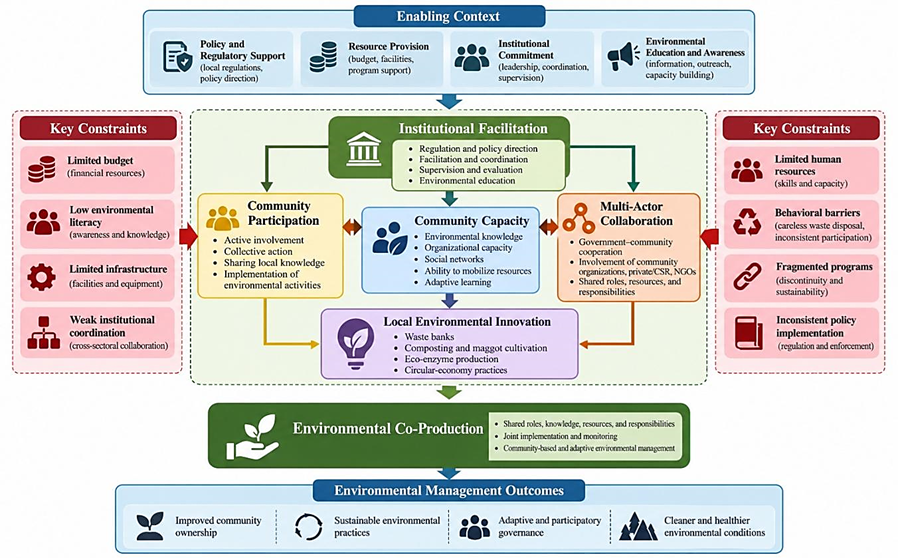
Fig. 3: Community capacity-based co-production framework for environmental management
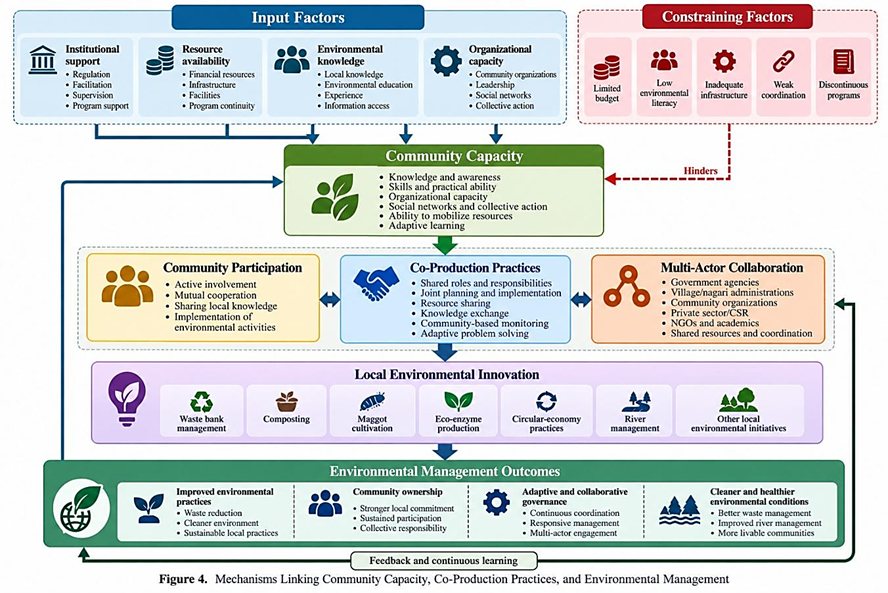
Fig. 4: Mechanisms linking community capacity, co-production practices, and environmental management
Mechanisms and implications of community capacity-based environmental co-production
The relationships among the analytical categories indicate that the co-production mechanism begins with enabling conditions, including institutional facilitation, resource availability, environmental knowledge, and organizational capacity. These conditions bolster community capacity, thereby enhancing the ability of residents to participate, foster collaboration, share responsibilities, exchange knowledge, and collectively address environmental challenges. Ultimately, these operational processes manifest as grounded environmental practices and grassroots innovations (Yelmurat et al., 2026). As shown in Fig. 4, this mechanism is neither strictly linear nor unidirectional. Co-production practices can reinforce community capacity through experience, learning, social networks, and improved organizational capabilities. The relationship between community capacity and co-production practices also raises questions concerning program sustainability, institutional accountability, and long-term resource support. The empirical findings indicate that community-based environmental initiatives depend on continuing access to technical assistance, organizational support, environmental knowledge, facilities, and coordination among participating actors. Such conditions are critical because civic engagement frequently falters when operational demands are not matched by sufficient institutional and material support (Nithiananthan et al., 2026). In Padang, the waste-bank initiative illustrates how environmental training and institutional cooperation can support community-based waste management, while limited sorting equipment and storage facilities constrain operational capacity. Within Bukittinggi, grassroots initiatives involving maggot cultivation and compost production demonstrate functional innovation alongside structural difficulties concerning production machinery, market access, and activity sustainability. In Payakumbuh, regular river-cleaning activities depend on community mobilization, although limited cleaning facilities create additional operational challenges. These cases suggest that sustainable co-production requires more than initial participation. It depends on clearly defined institutional and community responsibilities, accessible technical support, adequate human resources, reliable facilities, and continuing coordination. Financial and material support should therefore be considered alongside community ownership and organizational capacity when assessing the feasibility of sustained environmental collaboration. Accountability is another important consideration. Where government institutions retain control over program planning and resources, opportunities for community feedback, transparent decision-making, and clarification of institutional responsibilities become necessary to support more balanced collaboration (Ding and Liu, 2026). Nevertheless, existing data fail to establish a consistent implementation of formal joint accountability mechanisms across the respective study areas. Due to the absence of systematic longitudinal monitoring, the durability of these arrangements cannot be conclusively determined. Consequently, the proposed framework identifies the institutional and community conditions that may foster continuity, rather than empirically establishing the prolonged durability of environmental co-production. Participation in environmental initiatives may contribute to further community learning, organizational experience, and the development of social networks. However, the extent to which these processes generate sustained capacity improvements or measurable environmental benefits remains uncertain without longitudinal and outcome-based evidence. Fig. 4 therefore presents a proposed feedback mechanism rather than an empirically verified cycle of environmental improvement. This mechanism is consistent with Miller and Wyborn (2020), who describe co-production as a dynamic relationship among knowledge, actors, and institutions. Norström et al. (2020) also emphasize the importance of repeated interaction, knowledge plurality, and shared objectives. The present results broaden current perspectives by illustrating that community-level sustainability of these processes constitutes a vital determinant of co-production continuity. Collectively, the results suggest that environmental co-production transcends a mere expansion of civic participation. Rather, co-production embodies a dynamic interplay between community and institutional capacities, empowering stakeholders to jointly share knowledge, resources, roles, and responsibilities within environmental governance. The theoretical contribution of this study lies in positioning community capacity as a mechanism explaining how participation can develop into more substantive and adaptive forms of collective environmental action. From a practical perspective, the findings indicate that local governments should not focus solely on increasing the number of participatory programs. Strengthening co-production requires improvements in environmental literacy, support for community-based organizations, stronger social networks, adequate facilities and resources, enhanced cross-sectoral coordination, and institutional support for locally generated environmental innovations. Such an approach enables communities to move beyond the role of program participants and develop into active partners in environmental management.
CONCLUSION
Co-production in environmental management is shaped by the interaction of institutional facilitation, community participation, community capacity, multi-actor collaboration, and local environmental innovation. Evidence from Padang City, Bukittinggi City, Payakumbuh City, and Tanah Datar Regency demonstrates that effective environmental management requires not only government intervention but also communities capable of mobilizing resources, applying local knowledge, building social networks, and undertaking collective action. Initiatives such as waste-bank operations, cooperation, domestic waste management, river restoration, composting, maggot cultivation, eco-enzyme production, and circular-economy strategies underscore community contributions to decentralized environmental problem-solving. A key finding is that participation alone is insufficient to achieve substantive co-production. It must be supported by the capacity to organize collective activities, maintain social networks, mobilize resources, facilitate learning, and engage effectively with government institutions. Through grounded theory analysis, the Community Capacity-Based Co-Production Framework for Environmental Management was formulated, positioning community capacity as the primary conduit connecting civic participation opportunities with sustained collective ecological action. The framework highlights the mutually reinforcing roles of institutional facilitation and community capacity: government institutions provide regulation, coordination, resources, and program support, while communities contribute local knowledge, organizational capabilities, social networks, and innovation. This perspective advances current co-production frameworks by illustrating the mechanisms through which community capacity converts participation and collaboration into more substantive and adaptive environmental action. Nevertheless, environmental co-production faces challenges, including limited environmental awareness and literacy, inadequate financial resources and infrastructure, insufficient human resource capacity, weak institutional coordination, and discontinuous environmental programs. Accordingly, municipal authorities ought to bolster grassroots organizations, expand environmental literacy, ensure material and resource provisions, advance cross-sectoral coordination, and support for locally driven innovations. Communities should also be involved in problem identification, planning, implementation, monitoring, and solution development. This study has several limitations. Purposive sampling provides insights from relevant environmental management stakeholders but does not ensure statistical representativeness. Furthermore, the qualitative evidence collected during 2025 does not establish longitudinal changes, long-term causal relationships, or objectively measured environmental improvements. Since the framework was formulated across four local administrative contexts in Indonesia, its transferability to alternative regions and governance structures requires systematic examination, particularly regarding disparities in institutional capacity, socioeconomic contexts, ecological challenges, and grassroots organization. Future research should employ comparative, longitudinal, quantitative, or mixed methods approaches to examine the relationships among institutional facilitation, community capacity, participation, multi-actor collaboration, local innovation, and measurable environmental outcomes. Such studies could identify enabling conditions, assess causal pathways, and evaluate sustainable environmental co-production across diverse socioeconomic contexts. Overall, the proposed framework provides a theoretical foundation for conceptualizing how sustainable and adaptive environmental management relies concurrently on empowered communities and enabling institutional structures.
AUTHOR CONTRIBUTIONS
A. Frinaldi conceptualized the research problem and objectives, developed the theoretical framework, and designed the research methodology. D. Nora conducted the literature review, coordinated the data collection, and performed the data analysis. L. Magriasti provided academic supervision and guidance and refined the research design and analytical approach. N.E. Putri critically reviewed and edited the manuscript to improve its scientific clarity, rigor, and consistency. A. Mubarak contributed to
methodological validation, data interpretation, and the technical review of the research findings. R. Syafril contributed to manuscript revision and to improving the substantive content and presentation of the paper. B. Saputra reviewed the study and the final version of the manuscript and approved the manuscript for submission. A.P.T. Rezeki reviewed the final version of the manuscript, checked the consistency of the manuscript content, and approved the final version for submission. All authors read and approved the final version of the manuscript.
ACKNOWLEDGEMENT
The authors gratefully acknowledge the support of all institutions and participants involved in this study in Bukittinggi City, Tanah Datar Regency, Payakumbuh City, and Padang City, West Sumatra, Indonesia. Appreciation is extended to the Environmental Agency, Tourism Office, Public Works Office, sub-district authorities, village and nagari administrations, Civil Service Police Unit, waste banks, tourism awareness groups, environmental communities, and local residents for their valuable participation and contributions during the data collection process. This research, including data analysis and manuscript preparation, was funded by the Directorate of Research and Community Service, Directorate General of Research and Development, Ministry of Higher Education, Science and Technology, under Research Implementation Contract No. [088/C3/DT.05.00/PL/2025].
CONFLICT OF INTEREST
The authors declare that there is no conflict of interest regarding the publication of this manuscript. In addition, all ethical issues related to the research and publication process, including plagiarism, informed consent, academic misconduct, data fabrication and/or falsification, duplicate publication and/or submission, and publication redundancy, have been fully observed and complied with by all authors.
OPEN ACCESS
©2027 The author(s). This article is licensed under a Creative Commons Attribution 4.0 International License, which permits use, sharing, adaptation, distribution, and reproduction in any medium or format, provided that appropriate credit is given to the original author(s) and the source, a link to the Creative Commons license is provided, and any changes made are indicated. The images or other third-party material included in this article are covered by the article’s Creative Commons license unless otherwise stated in a credit line to the material. If any material is not included under the article’s Creative Commons license and the intended use is not permitted by statutory regulation or exceeds the permitted use, permission must be obtained directly from the copyright holder. To view a copy of this license, visit: http://creativecommons.org/licenses/by/4.0/
PUBLISHER’S NOTE
GJESM Publisher remains neutral with regard to jurisdictional claims in published maps and institutional affiliations.
During the preparation of this work, the authors used Artificial Intelligence (AI), specifically ChatGPT (OpenAI), as an AI-assisted tool for language refinement, grammar checking, readability improvement, editorial enhancement, and conceptual visualization based on the authors’ research findings and analytical framework. AI was not used to generate research data or replace the empirical data analysis process. After using this tool, the authors reviewed, verified, and edited all AI-assisted outputs to ensure consistency with the research data and objectives. The authors take full responsibility for the accuracy, originality, scientific integrity, and content of the final publication.
ABBREVIATIONS
|
AI |
Artificial Intelligence |
|
CSR |
Corporate social responsibility |
|
NGO |
Non-governmental organization |
REFERENCES
Alvarado-Arias, N.; Soria-Delgado, J.; Staines, J.; Moya-Almeida, V., (2025). Towards participatory river governance through citizen science. Water. 17(9): 1358 (21 pages).
Ardyawin, I.; Syaharuddin, S.; Iswanto, D.; Septyanun, N., (2024). Literacy rate of environmental protection policy on compliance and community participation in conservation programs: a comparative. IOP Conference Series Earth Environ. Sci., 1419(1): 012054 (5 pages).
Bezerra, M.O.; Vollmer, DSouter, N.J.; Shaad, K.; Hauck, S.; Marques, M.C.; Mtshali, S.; Acero, N.; Zhang, Y.; Mendoza, E., (2023). Stakeholder engagement and knowledge co-production for better watershed management with the Freshwater Health Index. Curr. Res. Environ. Sustainable. 5: 100206 (11 pages).
Cattino, M.; Reckien, D., (2021). Does public participation lead to more ambitious and transformative local climate change planning? Curr. Opin. Environ. Sustainable. 52: 100–110 (11 pages).
Chambers, J.M.; Wyborn, C.; Ryan, M.E.; Reid, R.S.; Riechers, M.; Serban, A.; Bennett, N.J.; Cvitanovic, C.; Fernández-Giménez, M.E.; Galvin, K.A.; Goldstein, B.E.; Klenk, N.L.; Tengö, M.; Brennan, R.; Cockburn, J.J.; Hill, R.; Munera, C.; Nel, J.L.; Österblom, H.; Bednarek, A.T.; Bennett, E.M.; Brandeis, A.; Charli-Joseph, L.; Chatterton, P.; Curran, K.; Dumrongrojwatthana, P.; Durán, A.P.; Fada, S.J.; Gerber, J.D.; Green, J.M.H.; Guerrero, A.M.; Haller, T.; Horcea-Milcu, A.I.; Leimona, B.; Montana, J.; Rondeau, R.; Spierenburg, M.; Steyaert, P.; Zaehringer, J.G.; Gruby, R.; Hutton, J.; Pickering, T., (2021). Six modes of co-production for sustainability. Nat. Sustainable. 4(11): 983–996 (14 pages).
Dannevig, H.; Korsbrekke, M.H.; Hovelsrud, G.K., (2022). Advancements of sustainable development goals in co-production for climate change adaptation research. Clim. Risk Manage. 36: 100438 (15 pages).
Ding, X.; Liu, Y., (2026). The effects of environmental regulations on corporate social responsibility and the brand equity paradox. Global J. Environ. Sci. Manage., 12(4): 1941-1964 (24 pages).
Frinaldi, A.; Saputra, B.; Mubarak, A.; Jumiati; Renaldi, I.; Humaida, H., (2022). Good environmental governance model in domestic waste management in Batang Arau, West Sumatera. IOP Conference Series Earth Environ. Sci., 1098(1): 012002 (8 pages).
Gerlak, A.K.; Guido, Z.; Owen, G.; McGoffin, M.S.R.; Louder, E.; Davies, J.; Smith, K.J.; Zimmer, A.; Murveit, A.M.; Meadow, A.; Shrestha, P.; Joshi, N., (2023). Stakeholder engagement in the co-production of knowledge for environmental decision-making. World Dev., 170: 106336 (13 pages).
Gong, P.; Wang, L.; Liu, X.; Wei, Y., (2022). The value of social media tool for monitoring and evaluating environment policy communication: a case study of the zero-waste city initiative in China. Energy Ecol. Environ. 7(6): 614–629 (16 pages).
Hasmira, M.H.; Barlian, E.; Frinaldi, A.; Dewata, I.; Fatimah, S.; Putra, A., (2023). 7 bottoms towards an ecotourism icon: environmental communication studies in ecotourism areas. J. Environ. Manage. Tour., 14(3): 872–882 (11 pages).
Iwaniec, D.M.; Cook, E.M.; Davidson, M.J.; Berbés-Blázquez, M.; Georgescu, M.; Krayenhoff, E.S.; Middel, A.; Sampson, D.A.; Grimm, N.B., (2020). The co-production of sustainable future scenarios. Landsc. Urban Plan., 197: 103744 (11 pages).
Kiss, B.; Sekulova, F.; Hörschelmann, K.; Salk, C.F.; Takahashi, W.; Wamsler, C., (2022). Citizen participation in the governance of nature-based solutions. Environ. Policy Gov., 32(3): 247–272 (26 pages).
Kokolakis, S.; Kokinou, E.; Chronaki, C.; Moen, A.; Datta, G., (2024). Earth observation and geoinformatics to monitoring the environmental status of urban streams inextricably linked to people’s mental health. Stud. Health Technol. Inform., 316: 1560–1564 (5 pages).
Lee, J., (2024). Understanding the epistemic diversity and essential components of the grounded theory method: empowering human resource development researchers. Hum. Resour. Dev. Rev., 23(2): 276–293 (18 pages).
Miller, C.A.; Wyborn, C., (2020). Co-production in global sustainability: histories and theories. Environ. Sci. Policy. 113: 88–95 (8 pages).
Mubarak, A.; Frinaldi, A.; Syamsir; Syolendra, D.F.; Fitriyanti, W.; Rezeki, A.P.T., (2024). Community involvement in the development of nagari-based sustainable waste management. IOP Conference Series Earth Environ. Sci., 1414(1): 012082 (7 pages).
Nazeer, M.; Tabassum, U.; Alam, S., (2016). Environmental pollution and sustainable development in developing countries. Pak. Dev. Rev., 55(4): 589–604 (16 pages).
Newig, J.; Jager, N.W.; Challies, E.; Kochskämper, E., (2023). Does stakeholder participation improve environmental governance? evidence from a meta-analysis of 305 case studies. Global Environ. Change. 82: 102705 (14 pages).
Nithiananthan, K.; Manvendra, S.; Nouri, J., (2026). Policy awareness, occupational health risk and institutional support for informal waste pickers. Global J. Environ. Sci. Manage., 12(3): 1103-1128 (26 pages).
Norström, A.V.; Cvitanovic, C.; Löf, M.F.; West, S.; Wyborn, C.; Balvanera, P.; Bednarek, A.T.; Bennett, E.M.; Biggs, R.; de Bremond, A.; Campbell, B.M.; Canadell, J.G.; Carpenter, S.R.; Folke, C.; Fulton, E.A.; Gaffney, O.; Gelcich, S.; Jouffray, J.B.; Leach, M.; Le Tissier, M.; Martín-López, B.; Louder, E.; Loutre, M.F.; Meadow, A.M.; Nagendra, H.; Payne, D.; Peterson, G.D.; Reyers, B.; Scholes, R.; Speranza, C.I.; Spierenburg, M.; Stafford-Smith, M.; Tengö, M.; van der Hel, S.; van Putten, I.; Österblom, H., (2020). Principles for knowledge co-production in sustainability research. Nat. Sustainable. 3(3): 182–190 (9 pages).
Nurbit, N.; Frinaldi, A.; Lanin, D.; Rembrandt, R., (2024). Analisis kebijakan publik pengelolaan resiko kebanjiran di Kabupaten Kampar. J. Sains Ilmu Terap. 7(2): 24–33 (10 pages).
Odugbesan, H.; Rjoub, H., (2020). Relationship among economic growth, energy consumption, CO₂ emission, and urbanization: evidence from MINT countries. SAGE Open 10(2): 1–15 (15 pages).
Prasetyanto, P.; Sugiharti, R.; Panjawa, J., (2023). Urbanization-growth-environment: how are they related? an evidence from the global Asia-Pacific region. Int. J. Energy Econ. Policy 13(2): 100–106 (7 pages).
Purnama, H.; Gunarto, T.; Budiarty, I., (2020). Effects of energy consumption, economic growth and urbanization on Indonesian environmental quality. Int. J. Energy Econ. Policy. 10(6): 580–587 (8 pages).
Rahim, R.K.; Frinaldi, A., (2023). Peran pemerintah desa terhadap pengelolaan lingkungan pemukiman. J. Ilmu Sos. Ilmu Polit. Univ. Jambi 7(1): 52–61 (10 pages).
Salsabila, L.; Ariany, R.; Koeswara, H., (2024). Fostering community-led waste management through dynamic governance: a case study of Batam City. J. Bina Praja 16(1): 187–200 (14 pages).
Saputra, B.; Fajri, H.; Pegi, A.L.; Renaldi, I.; Halawa, H.S.; Syolendra, D.F., (2025). Partnership in action: application of co-production principles in sustainable management of former mining areas. IOP Conference Series Earth Environ. Sci., 1454(1): 012062 (8 pages).
Strauss, A.; Corbin, J., (1998). Basics of qualitative research: Techniques and procedures for developing grounded theory. 2nd ed. Sage Publications, Thousand Oaks. (312 pages).
Turnhout, E.; Metze, T.A.P.; Wyborn, C.; Klenk, N.L.; Louder, E., (2020). The politics of co-production: participation, power, and transformation. Curr. Opin. Environ. Sustainable. 42: 15–21 (7 pages).
Wijaya, A.C.; Frinaldi, A.; Rembrandt, R.; Lanin, D., (2024). Analisis kebijakan pemerintah pada tempat pemrosesan akhir sampah dan dampaknya terhadap lingkungan di Kota Tanjung Pinang. J. Agro Fabrica. 6(2): 51–59 (9 pages).
Wu, H.; Wang, Y.; Zhuang, T.; Li, K.; Hu, W., (2024). What makes co-production work in sustainable neighborhood rehabilitation in China? a stakeholder structure perspective. Cities. 150: 105068 (13 pages).
Yelmurat, D.; Sherzod, R.; Naci, G.; Ali Ç.; Makpal, N.; Nurkozha, Zh., (2026). Integrating renewable energy based on science, technology, engineering and mathematics projects in promoting sustainable environmental solutions. Global J. Environ. Sci. Manage., 12(2): 583-602 (20 pages).
Yulius, H.; Dewata, I.; Heldi; Syah, N.; Putra, A.; Hasmira, M.H.; Frinaldi, A., (2024). Consumer behavior towards environmental policy for paid plastic shopping bags in traditional markets of Padang City. Int. J. Environ. Impacts. 7(1): 151–158 (8 pages).
OPEN ACCESS
©2027 The author(s). This article is licensed under a Creative Commons Attribution 4.0 International License, which permits use, sharing, adaptation, distribution and reproduction in any medium or format, as long as you give appropriate credit to the original author(s) and the source, provide a link to the Creative Commons license, and indicate if changes were made. The images or other third party material in this article are included in the article’s Creative Commons license, unless indicated otherwise in a credit line to the material. If material is not included in the article’s Creative Commons license and your intended use is not permitted by statutory regulation or exceeds the permitted use, you will need to obtain permission directly from the copyright holder. To view a copy of this license, visit: http://creativecommons.org/licenses/by/4.0/
PUBLISHER NOTE
GJESM Publisher remains neutral concerning jurisdictional claims in published maps and institutional affiliations.
MAJOR DATABASES, CITATION METRICS & CAPTURES
Google Scholar | Scopus - SJR | Web of Science | Biological Abstracts: Clarivate | Biosis Preview: Clarivate | PlumX Metrics | Altmetrics | Mendeley |
CURRENT PUBLISHER

| Article View | 344 |
| PDF Download | 152 |
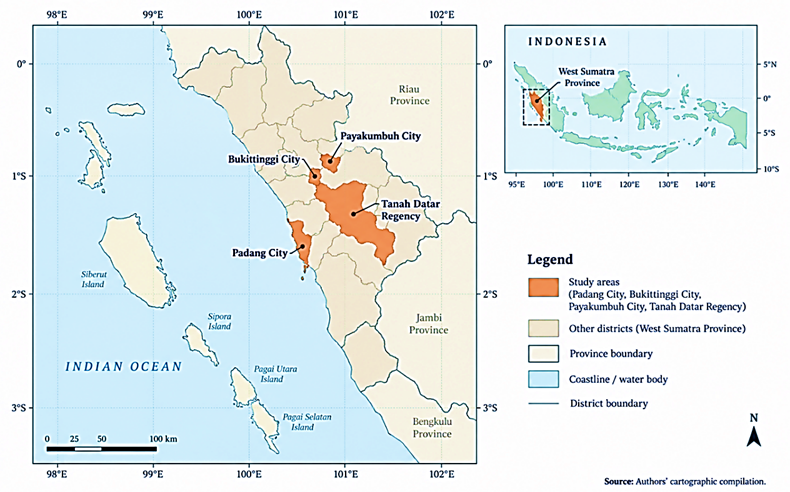

Letters to Editor
[1] Letters that include statements of statistics, facts, research, or theories should include appropriate references, although more than three are discouraged.
[2] Letters that are personal attacks on an author rather than thoughtful criticism of the author’s ideas will not be considered for publication.
[3] Letters can be no more than 300 words in length.
[4] Letter writers should include a statement at the beginning of the letter stating that it is being submitted either for publication or not.
[5] Anonymous letters will not be considered.
[6] Letter writers must include their city and state of residence or work.
[7] Letters will be edited for clarity and length.