
5.2
CiteScore
2.9
Impact Factor
Document Type : RESEARCH ARTICLE
Authors
1 Department of physics, Khoja Akhmet Yassawi International Kazakh-Turkish University, Turkestan, Kazakhstan
2 Yalova University, Faculty of Engineering, Electrical and Electronics Engineering Department, Yalova, Turkey
3 Department of Electrical Engineering, Khoja Akhmet Yassawi International Kazakh-Turkish University, Turkestan, Kazakhstan
4 Department of physics, Sakarya university, Sakarya, Turkey
5 Department of Physics and Technology, Sarsen Amanzholov East Kazakhstan University, Ust-Kamenogorsk, Kazakhstan
Graphical Abstract
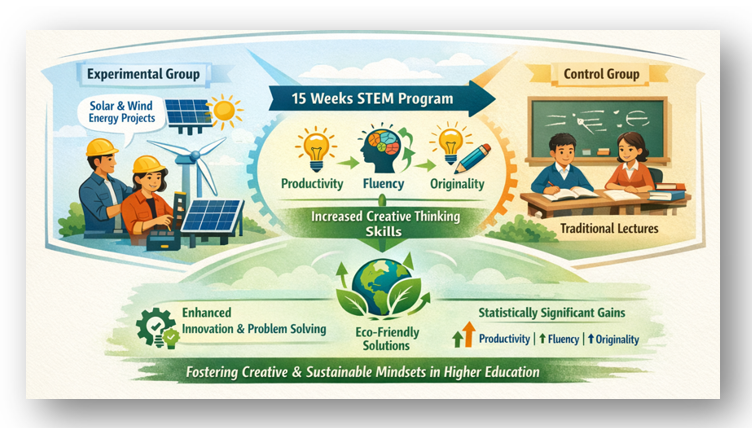
Highlights
Ø A sustainability-oriented science, technology, engineering and mathematics intervention is demonstrated to convert renewable energy project work into measurable creativity gains within physics education;
Ø Statistically significant post-intervention differences confirm improved creativity outcomes in productivity, fluency, and originality for students engaged in solar- and wind-based project design tasks;
Ø Evidence is provided that renewable energy system modeling and prototyping activities strengthen interdisciplinary innovation competencies aligned with clean energy transition and environmental management objectives;
Ø A transferable higher-education implementation pathway is presented for linking renewable energy learning with Sustainable Development Goal targets, particularly Affordable and Clean Energy and Climate Action, through creativity-oriented project work.
Keywords
INTRODUCTION
Modern education systems in developed countries increasingly integrate economic and environmental sustainability principles into academic frameworks in line with the sustainable development goals (SDGs). In this context, the education of alternative energy has gained prominence as a crucial part of science curricula, and the adoption of science, technology, engineering, and mathematics (STEM) strategies is prevalent to support this integration. The growing climate crisis and the fact that the energy sector produces nearly three-quarters of global greenhouse gas emissions have accelerated the global transition toward renewable energy systems. Furthermore, higher education organizations are accountable not only for promoting scientific understanding but also equipping environmentally skilled individuals to create and manage sustainable energy systems (Wang and Wang, 2023). Developing future professionals in the fields of natural and engineering sciences requires a strong foundation in scientific knowledge, practical skills, and problem-solving abilities. Energy education, in particular, plays a vital role in preparing students to address global challenges in sustainability and industry (Maynard et al., 2021). Renewable energy education is closely linked to the sustainable development goals (SDGs), particularly SDG 7 (affordable and clean energy), SDG 9 (Industry, Innovation and Infrastructure), and SDG 13 (Climate Action). Universities are instrumental in realizing these objectives by incorporating sustainability principles into their academic curricula and advocating for environmentally responsible engineering practices. Preparing students to design and implement renewable energy systems supports the development of a skilled workforce for future energy transitions. Although there has been significant progress in renewable energy technologies, a divide persists between the evolution of these technologies and the educational strategies focused on developing sustainability competencies. Students often gain theoretical knowledge about energy systems but lack the creative and problem-solving skills needed to address real environmental challenges. This scenario underscores the necessity for educational frameworks that integrate environmental sustainability with STEM training. STEM-based education provides an effective framework for teaching energy-related subjects. In this study, renewable energy–based interdisciplinary STEM projects were integrated into physics education using principles of constructivist and experiential learning. Students enhance their comprehension by linking new information to their previous experiences and by participating in hands-on experimentation. Therefore, project-based activities in solar and wind energy were designed to involve students in modeling, prototyping, and testing engineering solutions. In this context, physics concepts are applied as tools for solving real sustainability-related problems. In this study, creativity refers to students’ ability to generate numerous, fluent, and original ideas. Environmentally oriented innovation competency refers to the ability to transform creative ideas into practical and environmentally responsible solutions aligned with sustainability principles such as energy efficiency and environmental impact awareness. Studies performed in developed countries emphasize the vital contribution that renewable energy technologies will have on future energy usage and economic expansion. To accelerate the transition towards a sustainable society, there is an increasing need to focus on educating future specialists in this field (Said et al., 2022). The Solar Energy Technology Office (SETO), operating under the United States Department of Energy (DOE), actively funds research and development in STEM and education to lower the costs of clean energy technologies, mitigate financial risks for private investors, and support a fair transition to a decarbonized economy (Abdurrahman et al., 2023; Fabregas Villegas and Palencia Díaz, 2025). Several European countries, including Germany, Belgium, and the Netherlands, emphasize the high energy efficiency of photovoltaic systems. A comprehensive analysis of scientific studies has revealed a statistically significant relationship between the sustained adoption of alternative energy and specialized training in its production and application (Wolniak and Skotnicka-Zasadzień, 2022), (Voss et al., 2023). These studies highlight the effectiveness of problem-based learning (PBL) and design thinking (DT) as pedagogical approaches that enhance critical thinking and practical skills in renewable energy education (Colmenares-Quintero et al., 2023; Shcherbak et al., 2022). At the worldwide scale, many studies highlight the importance of incorporating STEM-based education into solar energy education. Evidence suggests that STEM-focused activities in alternative energy contexts positively influence students’ perceptions of integrative STEM education and improve science teachers’ attitudes toward STEM-based instruction (Hiğde, 2022). In a similar vein, studies employing both quantitative and qualitative analyses indicate that STEM projects centered around solar energy greatly enhance students' comprehension of STEM concepts, while also promoting meaningful and engaging learning experiences (Mayasari et al., 2019). The review of the aforementioned scientific literature validates the relevance of this research topic. However, despite the growing body of literature, limited research exists on the development and assessment of research-driven and engineering-based activities in alternative energy education. This gap suggests the need for further exploration into how integrated STEM practices can effectively prepare students pursuing engineering and natural sciences. In order to remain competitive with top economies, Kazakhstan has placed a high priority on the development of alternative energy. In his Address to the Nation on September 1, 2023, President Kassym-Jomart Tokayev emphasized the country’s commitment to expanding renewable energy. Over the past five years, Kazakhstan has increased the share of renewable energy sources in its total energy capacity by almost 5 percent (%). The government intends to persist in executing renewable energy initiatives, aiming to decrease energy consumption expenses by a minimum of 15% by the year 2029 (Sakibayev et al., 2019). Further research conducted within the framework of the project “Development of the Potential for Innovative Training of Engineers through STEAM Education” (grant No. AP09260338) proposed a conceptual framework for STEAM education. The study emphasized the role of this approach in preparing future technical specialists and outlined strategies for integrating STEAM principles into engineering and science curricula (Jantassova et al., 2022). A comprehensive meta-analysis of recent articles published in high-impact journals emphasizes the contributions of various scholars who have explored the connection between creativity and physics education. These studies have examined how innovative teaching strategies can enhance students' cognitive flexibility, problem-solving abilities, and creativity in physics-related disciplines (Malik et al., 2020), (Zhou, 2012), (Gregorcic and Bodin, 2017), (Siahaan and Simamora, 2023). In the 21st century, creativity has turned into a crucial skill, as employers are increasingly in search of professionals who can think creatively and adjust to the changing demands of Industry 4.0 (Vo, 2024). Preliminary research has identified multiple challenges in this regard, including a lack of creative skills among students, insufficient motivation to engage in creative activities, and the absence of well-defined technologies designed to foster creativity in educational settings (Albishri and Blackmore, 2025). Additionally, many academic programs fail to align creativity-enhancing approaches with subject-specific curricula, limiting their effectiveness. Feedback from employers, alongside survey data, highlights the growing need to equip students with skills relevant to the Fourth Industrial Revolution, both in terms of workforce readiness and entrepreneurial capability. Annual startup contests held by global energy institutions highlight a variety of innovative initiatives designed to decrease reliance on fossil fuels and revolutionize the worldwide energy infrastructure. Such initiatives not only stimulate research interest among young professionals and aspiring scientists but also encourage the establishment of new research centers and innovation-driven enterprises within higher education institutions (Stupnisky et al., 2023; Kamolteeravit et al., 2026). Nonetheless, the current study stands apart from much of the existing literature in two crucial ways. First, while many previous studies focus primarily on conceptual understanding or attitudes toward STEM learning, this research specifically evaluates creativity outcomes through structured indicators such as productivity, fluency, and originality within the context of renewable energy education. Second, the study situates creativity development within a sustainability-oriented framework, linking renewable energy STEM projects to broader environmental management objectives and sustainable development goals. In this manner, the study enhances the expanding literature that associates the cultivation of creativity in physics education with innovation motivated by sustainability. In line with this study’s objectives, integrating STEM methodologies into higher education, modeling alternative energy processes, and implementing STEM projects in renewable energy research create opportunities to explore several key scientific questions:
1) What methods can be utilized to enhance creativity in physics students via an integrated STEM approach?
2) How can complex engineering and mathematical-physical problems in the field of alternative energy be effectively incorporated into academic curricula?
3) What possibilities are available for physics students to participate in classroom and extracurricular STEM projects that can enrich their creative learning experiences?
This study aims to evaluate the effectiveness of integrating renewable energy–based science, technology, engineering and mathematics projects into physics education in enhancing students’ creativity and environmentally oriented innovation competencies. This study was conducted at Khoja Akhmet Yassawi International Kazakh-Turkish University in Kazakhstan during the 2024–2025 and 2025–2026 academic years.
MATERIALS AND METHODS
Research design and data collection
To confirm the relevance of the research topic and identify gaps in the existing literature, a systematic review of high-impact peer-reviewed articles was conducted using the Web of Science, Scopus, and Mendeley databases. The reliability of the sources was guaranteed by utilizing Cite Score indicators, and the studies that were collected constituted the theoretical framework for the research and the creation of the research questions. The experimental component also incorporated sustainability-oriented learning tasks, where students analyzed the environmental impact of renewable energy systems, compared solar and wind energy with fossil fuels, and performed energy efficiency and system optimization calculations. This method combined the development of creativity with the principles of environmental management instead of considering it as an isolated cognitive skill.
Research Hypotheses
The hypotheses were formulated to examine the relationship between the independent variable (the STEM approach) and the dependent variables (creativity and environmentally oriented innovation competency).
1. Hypotheses related to differences between groups
H₀₁ (null hypothesis): The use of renewable energy–based STEM projects do not produce a statistically significant difference in creativity indicators between the experimental and control groups.
H₁₁ (alternative hypothesis): The application of renewable energy-focused STEM initiatives leads to a statistically significant difference in creativity indicators between the experimental and control groups.
2. Hypotheses related to the direction of the effect
H₀₂ (null hypothesis): The STEM approach does not have a positive effect on the level of students’ creativity and environmentally oriented innovation competencies.
H₁₂ (alternative hypothesis): The STEM methodology significantly enhances students' creativity levels and their competencies in environmentally focused innovation.
Pedagogical experiment and participants
Participants were third-year physics majors enrolled in the same course at Khoja Akhmet Yassawi International Kazakh-Turkish University. The sample illustrated a convenience cohort from one particular institution. Group assignment followed a quasi-experimental approach: students were allocated to experimental and control groups based on existing class sections (non-random assignment). To minimize selection bias, baseline equivalence was assessed by analyzing pre-test creativity scores along with essential demographic factors such as gender distribution and academic cohort. Potential confounders including prior academic performance and past engineering experience, were acknowledged as limitations and are addressed in the section on internal validity (Table 1).
Intervention protocol: renewable energy STEM projects
The experimental condition consisted of a 15-week semester intervention embedded in the course “Alternative Energy Sources.” The intervention integrated short lectures with laboratory-based STEM project work focusing on solar photovoltaic (PV) and wind energy systems. To support reproducibility, a written intervention protocol (weekly plan, project briefs, and assessment criteria) was used for all experimental-group teams.
The renewable energy projects were structured in three levels of complexity;
i. Foundational level (Weeks 1–4): guided experiments and measurements (for instance, PV short-circuit current, PV I–V characteristics, basic wind turbine output under varying load), an overview of safety protocols, instrumentation, and data logging practices;
ii. Intermediate level (Weeks 5–9): analytical and optimization tasks (for instance, series/parallel PV configuration to increase voltage, estimation of power/energy output, efficiency calculations, and parameter tuning);
iii. Advanced level (Weeks 10–15): team-based design and prototyping tasks (such as, assembling a small PV array prototype and modifying a vortex-type wind turbine generator), followed by testing, redesign, and presentation.
All teams followed a common workflow: (1) problem definition linked to a sustainability objective, (2) design and planning, (3) experimental testing, (4) data analysis and interpretation, (5) redesign/optimization, and (6) final presentation. Each team received the same project template, necessary deliverables (including schematics, calculations, experimental results), and submission deadlines. The same laboratory equipment and measurement conditions were used across groups where feasible, and the instructor used a checklist to ensure that key physics concepts and sustainability criteria were addressed consistently. Students in the experimental group primarily engaged in collaborative teams consisting of 3 to 4 students, each with specific roles.
Table 1: Detailed information about the student participating in the experiment
|
Group |
Number |
Percentage (%) |
Total |
|
|
1 |
2 |
3 |
4 |
|
|
Specialty |
Physics |
|||
|
Training course |
3 |
|||
|
Experimental |
29 |
50% |
58 (100%)
|
|
|
Control |
29 |
50% |
||
|
Gender |
female (38) |
65% |
58 (100%) |
|
|
Control 20 |
Experimental 18 |
|||
|
male (20) |
35% |
|||
|
Control 9 |
Experimental 11 |
|||
Creativity assessment instrument
A self-assessment questionnaire was utilized to assess the creativity of students prior to and following the experiment. The survey consisted of 9 key questions designed to measure creativity based on three core components: Productivity Fluency (Quick Thinking) Originality Each item was rated on a 4-point Likert scale (1 = Never, 2 = Sometimes, 3 = Often, 4 = Always). The evaluation criteria are outlined in Table 2. The creativity indicators in this study were operationalized through three core dimensions: productivity, fluency, and originality, which represent widely accepted components of creative thinking in educational research. These dimensions correspond with established creativity frameworks and psychometric models that define creativity as the ability to generate numerous ideas (productivity), produce ideas rapidly and flexibly (fluency), and develop novel or unconventional solutions (originality). Because the primary objective of this study was to examine how renewable energy–based STEM projects influence students’ creative ideation within physics education, these three indicators were selected as the most direct and measurable constructs associated with creativity development. Simultaneously, the authors recognize that innovation within sustainability-focused contexts encompasses a wider array of competencies, such as critical thinking, systems thinking, collaboration, and sustainability literacy. These competencies contribute to students’ ability to evaluate complex environmental problems, understand interactions within energy systems, and work collaboratively to design feasible renewable energy solutions. Despite the absence of quantitative measurements for these aspects in the current study, qualitative insights during the project work suggested that students participated in collaborative decision-making, engaged in system-level reasoning, and discussed the impacts on the environment.
Table 2: Self-assessment questionnaire for creativity instructions
|
No. |
Questions |
1 (Never) |
2 (Sometimes) |
3 (Often) |
4 (Always) |
|
1 |
In physics, I can implement my own and other ideas and make suggestions in the implementation of STEM projects. |
☐ |
☐ |
☐ |
☐ |
|
2 |
I like to think differently in the STEM field. |
☐ |
☐ |
☐ |
☐ |
|
3 |
I am ready for any changes in the implementation of STEM projects. |
☐ |
☐ |
☐ |
☐ |
|
4 |
I can work independently on interesting STEM tasks. |
☐ |
☐ |
☐ |
☐ |
|
5 |
I like research, invention, and production in STEM projects. |
☐ |
☐ |
☐ |
☐ |
|
6 |
My ideas in the field of STEM are basic, new ideas arise quickly. |
☐ |
☐ |
☐ |
☐ |
|
7 |
When I am asked a problematic question, I often offer several options for the answer. |
☐ |
☐ |
☐ |
☐ |
|
8 |
When a problem situation arises in the implementation of STEM projects in physics, I think of several ways to find a solution to it. |
☐ |
☐ |
☐ |
☐ |
|
9 |
It is easy for me to implement STEM projects in an interdisciplinary manner. |
☐ |
☐ |
☐ |
☐ |
Indicate to what extent you agree with each statement below. Use a 4-point scale, marking the most appropriate response (1 = Never, 2 = Sometimes, 3 = Often, 4 = Always).
Creativity evaluation framework
The assessment of creativity indicators was conducted through a scoring framework that divided student responses into three essential dimensions of creativity:
- Productivity;
- Fluency (quick thinking);
- Originality;
The scoring key for the questionnaire responses is presented in Fig 1.
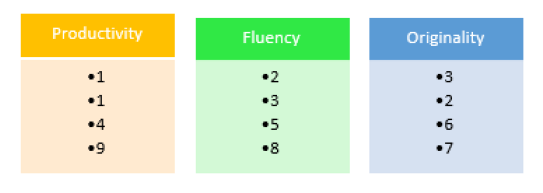
Fig. 1: Creativity evaluation key
Creativity evaluation framework
The indicators of creativity were evaluated through a scoring framework that classified students’ responses into three main dimensions of creativity: productivity, fluency, and originality. Each dimension was evaluated based on specific questionnaire items.
i. Productivity was measured using items 1, 4, and 9, which reflect the students’ ability to generate useful ideas and propose practical solutions during project activities.
ii. Fluency (quick thinking) was assessed through items 2, 3, 5, and 8, indicating the students’ ability to produce multiple ideas and respond quickly to problem-solving tasks.
iii. The assessment of originality was conducted through items 2, 6, and 7, emphasizing the distinctiveness and innovation of the suggested ideas or engineering solutions.
This scoring framework was used to analyze the questionnaire responses and determine the level of creativity development among the participants.
To quantify the results, the average score for each creativity criterion was determined using Eq. 1 (Amran et al., 2021)
|
Mₐᵥ = (∑I) / n |
(1) |
where:
∑I - is the total score for each criterion.
Mₐᵥ is the mean creativity score for each component.
n represents the number of indicators assessed.
The productivity index, fluency index, and originality index were calculated using Eq. 2 (Atakaya et al., 2024).
I(p)(f)(o) = (ΣImax) / n (2)
where:
I(p) - Productivity Index.
I(f) - Fluency Index.
I(o) - Originality Index.
Here, the amount ΣImax is calculated individually for each indicator I(p)(f)(o).
The overall creativity Index was determined using Eq. 3 (Atakaya et al., 2024).
Iₖ = (Iₚ + If + Iₒ) / n (3)
where:
n represents the total number of creativity criteria.
Interpretation of results
The creativity scores were classified into the following levels:
Low creativity level: Iₖ ≤ 1.5
Moderate creativity level: 1.5 < Iₖ ≤ 3.0
High creativity level: Iₖ ≥ 3.0
Reliability and validity
In order to confirm the psychometric quality of the creativity measurement instrument employed in the study, reliability and validity analyses were carried out. Internal consistency was evaluated using Cronbach’s alpha coefficient, which allows assessment of the homogeneity of the scale and the consistency of the items. Distinct reliability coefficients were computed for each subscale (productivity, fluency, and originality). To evaluate construct validity, the research data were analyzed to determine their appropriateness for factor analysis. For this purpose, the Kaiser–Meyer–Olkin (KMO) measure of sampling adequacy and Bartlett’s Test of Sphericity were applied. These methods enabled the identification of the correlation structure between the variables and allowed for the validation of the empirical consistency of the theoretical three-factor model of creativity used in this study. To minimize potential subjective bias inherent in self-assessment methods, participants were informed that their responses would be processed anonymously and would not affect their academic performance. This methodological process was executed to lessen the potential effect of social desirability bias.
Objective evaluation and data triangulation
To enhance the reliability of self-assessment data, additional objective evaluation methods were employed. The project work created by students in the experimental group was assessed utilizing a specially crafted expert rubric. The evaluation criteria encompassed the feasibility of engineering, the quality of the system design, and the level of incorporation of sustainability principles into the proposed solutions. In addition, the practical feasibility of the proposed technical solutions was analyzed. This triangulation approach, which combines multiple data sources, was used to strengthen the methodological robustness and credibility of the research findings.
Statistical analysis procedure
Prior to performing statistical analyses, the necessary assumptions for parametric statistical testing were evaluated. The normality of the variables was assessed using the Shapiro–Wilk test, while the homogeneity of variances was evaluated using Levene’s test. These procedures ensured the appropriateness of applying parametric statistical methods. To identify differences between groups, an independent samples t-test was applied, while paired samples t-tests were used to assess changes over time within each group. To determine the practical relevance of the outcomes, the effect size (Cohen’s d) was calculated, along with the reporting of confidence intervals. The level of statistical significance was set at α = 0.05.
Internal and External Validity Limitations
Because the study was conducted using a quasi-experimental design, full randomization was not applied, which may potentially influence internal validity. Furthermore, the study was performed at one higher education institution and included a limited sample size, potentially constraining the applicability of the results to other settings. Considering these limitations, future research is recommended to employ multi-center study designs and larger sample sizes in order to further validate and extend the findings.
RESULTS AND DISCUSSION
Theoretical Justification of Creativity Indicators in an Engineering Context
In this study, creativity was evaluated through three indicators: productivity, idea generation fluency and originality. This selection is based on the principle of divergent thinking and recognized frameworks for evaluating creativity that are commonly utilized in educational research. Within the scope of the research, critical thinking, systems thinking, and collaboration were considered as additional moderating variables; however, creativity was selected as the primary dependent variable because the main objective of the study was to measure changes in divergent engineering thinking. The efficacy of renewable energy initiatives can be elucidated by their focus on addressing genuine socio-environmental problems. Such projects require interdisciplinary integration (physics, mathematics, engineering, and digital modeling), activate systems thinking, incorporate the engineering design cycle, and lead to the development of tangible outputs such as prototypes, models, or analytical calculations. These traits foster creativity and innovation more profoundly than numerous other types of project-based learning. The scientific problem addressed in this study arises from the dominance of theoretical content in physics curricula, the insufficient integration of applied environmental engineering tasks, and the lack of systematic approaches to the development of creativity. In order to bridge this gap, a STEM methodology centered on renewable energy is recommended, which merges disciplinary knowledge with sustainable development principles and aspires to cultivate innovation competence that is oriented towards environmental sustainability.
Conceptual model
The proposed model describes the mechanism through which renewable energy-based STEM projects influence students’ environmentally oriented innovation competence and sustainable development solutions through the development of divergent thinking (Fig.2).
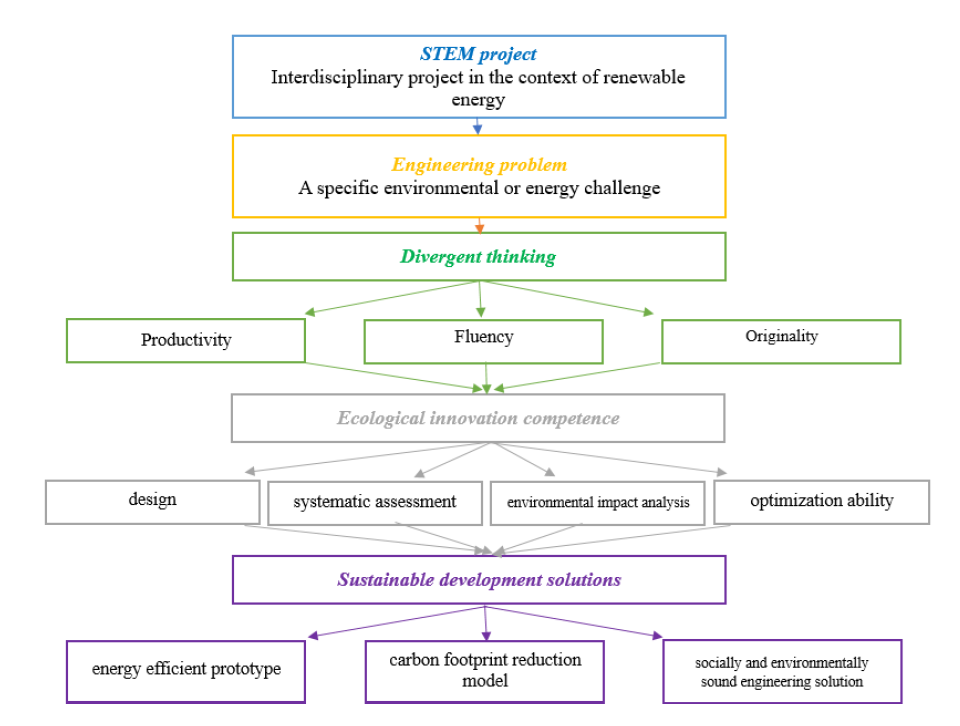
Fig. 2: Conceptual model of creativity development through renewable energy–based STEM projects
Creative performance in STEM education
A systematic review of scientific literature indicates that STEM education fosters an environment conducive to independent learning and creative engagement. As creative potential arises from STEM-oriented cognitive tasks, it is crucial to develop educational strategies that successfully nurture students' creativity. However, one of the key challenges lies in the organization and evaluation of the creative process. Various definitions of creativity have been proposed in scientific literature, as summarized in (Fig. 3). Several researchers interpret the concept of creativity from different perspectives. For example, Kaplan (2019) emphasizes that innovation in education and science is an important indicator of creative activity. According to Colin (2017), creativity consists of two essential components: efficiency and originality. Corazza (2016) describes creativity as engagement in activities that reflect originality within the educational process. Similarly, Abdullah and Cramond (2017) suggest that creative performance can be evaluated based on at least two criteria: originality and usefulness of an idea or product. These viewpoints illustrate that creativity is typically perceived as the capacity to produce original, valuable, and innovative concepts within educational and scientific frameworks. Building upon the literature review and comparative analysis of creativity definitions, a self-assessment questionnaire (Table 2) was developed to measure students’ creativity. The primary creativity indicators assessed were productivity, fluency, and originality. In the present study, the concept of creativity in physics students is interpreted as the ability of an individual to amalgamate knowledge, distinguished by persistent motivation and involvement in research activities. This study focused on assessing how STEM-based alternative energy education enhances students' creative potential (Fig. 4).
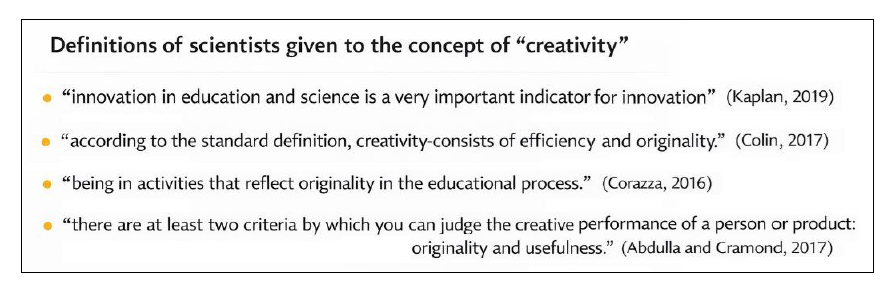
Fig. 3: Comparison of creativity definitions in scientific literature
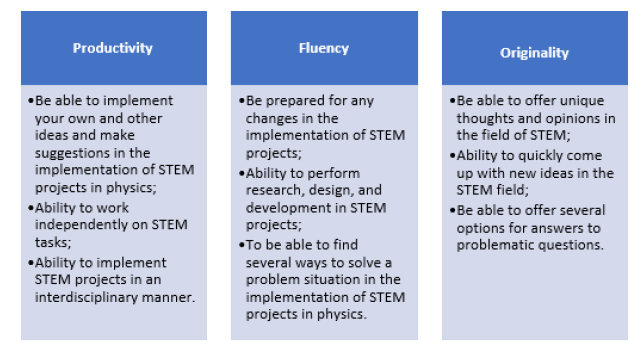
Fig. 4: Indicators of creativity of students in the field of alternative energy sources in STEM education
Implementation of STEM-based alternative energy projects
The creativity of students studying in the field of physics – individual integration knowledge, which is distinguished by constant motivation in research activities during the training of the course "Alternative energy sources". This definition can be presented for the effective appraisal of students within the scope of just one area. The course "alternative energy sources" developed a curriculum based on the development of creativity of students through the use of STEM elements. In the program, along with the goals of training, expected results, methods used in the educational process, evaluation criteria, the content of training was developed. The curriculum's main focus on alternative energy sources encompassed solar and wind energy. In conducting lecture classes on these topics, STEM stands were used for conducting several studies in the field of solar and wind energy (Fig. 5). The STEM stand for studying the physical characteristics of solar and wind energy was used in lectures and practical classes of the course “Alternative Energy Sources.” It allowed students to investigate topics such as the current–voltage characteristics of solar cells, maximum power determination, photovoltaic system monitoring, and wind turbine performance. Through these STEM-based experiments and projects, students applied theoretical knowledge and developed their creative and research skills.
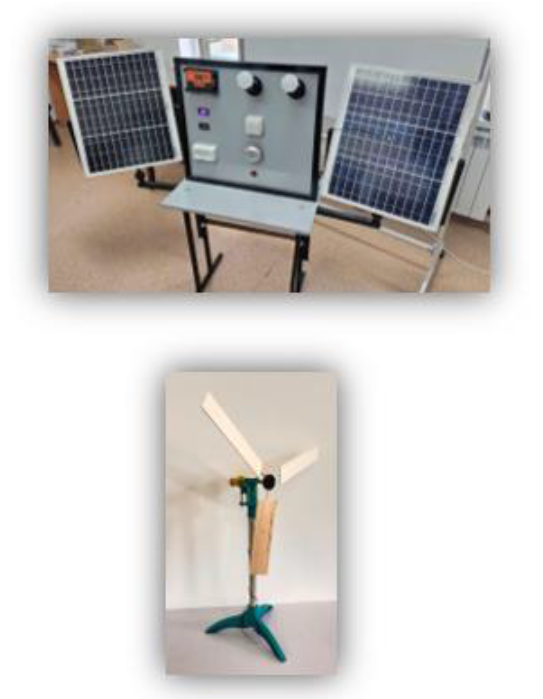
Fig. 5: STEM stands focused on studying the physical characteristics of solar and wind power
Stages and progress of the implementation of STEM projects with students in laboratory classes
During the initial stage, 29 students in the experimental group were split into seven teams and allocated STEM projects concerning solar and wind energy. Each group developed a STEM product based on theoretical knowledge and presented the results as a team project. For example, one group assembled solar panels by connecting individual cells in series, which increased the voltage from about 0.38–0.40 V to approximately 1.20 V. Through this project-based activity, students applied theoretical concepts in practice and developed their engineering and creative skills (Fig. 6). Students also implemented group projects to modify a vortex-type wind turbine generator. They constructed the magnetic holder, ensuring that the opposite magnetic poles were aligned correctly, and wrapped a copper coil consisting of approximately 500 turns around the housing to generate electricity. Through this process, students improved the main components of the wind generator and applied practical engineering skills to convert wind energy into electrical energy (Fig. 7).
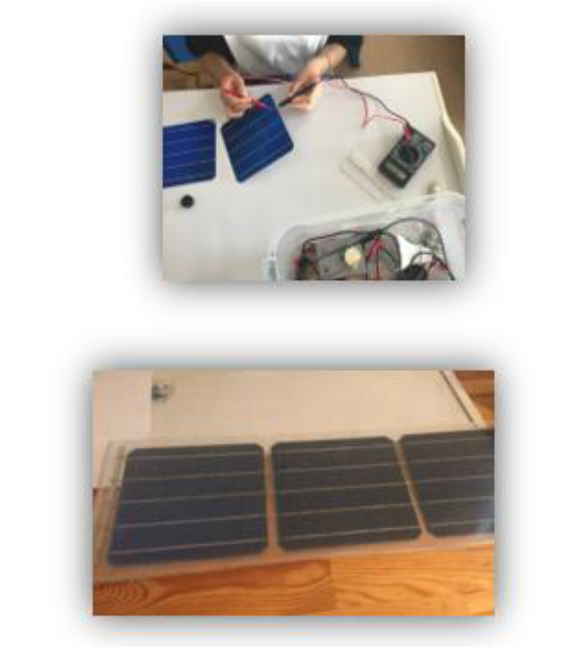
Fig. 6: Implementation of the STEM project on energy consumption with solar panels
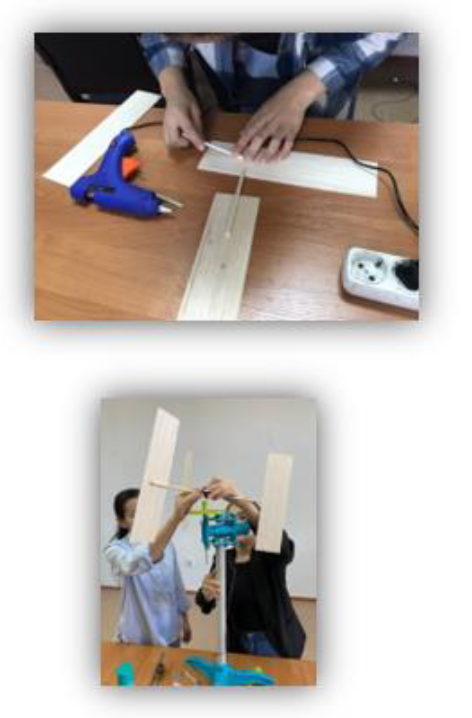
Fig. 7: Implementation of the STEM project on the topic of wind energy use
Results of an experimental study
Students’ creativity was assessed using a self-assessment questionnaire developed for this study. The instrument consisted of 9 items evaluated on a 4-point Likert scale and was structured around three dimensions of creativity: productivity, fluency, and originality. Reliability analysis showed high internal consistency of the questionnaire (Cronbach’s α = 0.82), with acceptable values for productivity (α = 0.79), fluency (α = 0.81), and originality (α = 0.84). Table 3 presents the reliability indicators of the questionnaire.
Table 3: Reliability indicators of the student creativity assessment questionnaire (Cronbach’s α)
|
Scale |
Cronbach’s α |
Reliability Level |
|
Productivity |
0.79 |
Satisfactory |
|
Fluency |
0.81 |
High |
|
Originality |
0.84 |
High |
|
Total Scale |
0.82 |
High Reliability |
To examine the construct validity, factor analysis was conducted. The Kaiser–Meyer–Olkin (KMO) measure was 0.76, indicating that the data were suitable for factor analysis. The result of Bartlett’s Test of Sphericity was statistically significant (p < 0.001), demonstrating that there were sufficient correlations among the variables. The findings from the factor analysis provided empirical support for a three-factor model of creativity, which encompasses productivity, fluency, and originality. The results of the factor analysis are presented in Table 4.
Table 4: Results of the construct validity assessment of the creativity questionnaire (factor analysis)
|
Indicator |
Value |
Explanation |
|
Kaiser–Meyer–Olkin (KMO) |
0.76 |
Sufficient for factor analysis |
|
Bartlett’s Test of Sphericity |
p < 0.001 |
There is a statistically significant correlation between the variables |
|
Number of factors |
3 |
Productivity, fluency, originality |
|
Explained variance |
>60% |
Creativity structure confirmed |
To reduce potential subjective bias inherent in the self-assessment method, a data triangulation approach was applied. The evaluation of students' project works was conducted by experts based on a custom-developed assessment rubric. The expert assessment included criteria such as the technical feasibility of engineering solutions, the novelty of the idea, and the practical applicability of the project. The criteria used for the expert evaluation of the projects are presented in Table 5.
Table 5: Criteria for peer evaluation of students' STEM projects
|
Criterion |
Description |
|
Engineering soundness |
The correctness of the technical solutions of the project |
|
Innovation of the idea |
The originality of the proposed solutions |
|
Practical applicability |
The potential for real application of the project |
|
Principles of sustainable development |
Consideration of environmental and energy efficiency aspects |
Statistical analysis
Statistical methods for data processing were utilized to examine the information gathered throughout the study. First, the normality of the data distribution was assessed in order to determine the possibility of using parametric statistical tests. For this purpose, the Shapiro–Wilk normality test was employed. This assessment is commonly employed to determine if the data adhere to a normal distribution, especially for smaller sample sizes (n < 50 or n ≈ 50–60). The results of the Shapiro–Wilk test are presented in Table 6. In addition, Levene's test was performed to determine the homogeneity of variances between groups. This examination serves to determine if the variances of the experimental and control groups are equivalent, which is essential for the utilization of the t-test for independent samples. The results of the homogeneity of variance test are shown in Table 7. During the study, several statistical analysis methods were applied to compare the results obtained before and after the experiment. First, an independent samples t-test was performed to assess the equivalence of the baseline levels of the experimental and control groups. This analysis made it possible to identify whether there was a statistically significant difference between the two groups before the experiment began. The statistical indicators of the pre-test results are presented in Table 8. After the experiment was completed, an independent sample t-test was used again to determine the impact of STEM-based alternative energy projects on students’ creativity. This technique enables the comparison of the final scores achieved by both the experimental and control groups. The statistical data of the final test results are presented in Table 9. In addition, Cohen’s d effect size was calculated to assess the strength of the intervention. This indicator facilitates the evaluation of the practical importance of STEM-based teaching interventions regarding students’ creativity levels. To evaluate the dependability of the findings, 95% confidence intervals were computed. All statistical analyses were performed using the statistical package for the social sciences (SPSS) software. The assessment performed on the three primary aspects of creativity—productivity, fluency, and originality—revealed that all metrics improved in the experimental group. STEM-based projects contributed to the development of students’ ability to generate new ideas, propose multiple solutions to problems, and design innovative engineering solutions. Based on the findings from the statistical analysis, a notable difference was observed in the post-test scores of the experimental group compared to the control groups (p < 0.05). Therefore, the null hypothesis (H₀) of the study was rejected, while the alternative hypothesis (H₁) was confirmed. These findings indicate that the implementation of renewable energy–based STEM projects significantly improves students’ creativity levels from a statistical perspective (Table 10). These results indicate that STEM-based alternative energy projects positively influence students’ creative thinking. By engaging in project-based activities, students implemented their theoretical knowledge in practical assignments, such as creating prototypes of photovoltaic systems and refining models of small wind generators. These experiences enhanced their engineering thinking, problem-solving skills, and ability to integrate interdisciplinary knowledge. Furthermore, the initiatives heightened students' consciousness regarding energy efficiency and environmental sustainability, illustrating that STEM activities foster both the development of creativity and comprehension of sustainable energy solutions.
Table 6: Results of the Shapiro–Wilk normality test for the experimental and control groups
|
Group |
N |
Shapiro–Wilk W |
p |
|
Experimental (Pre-test) |
29 |
0.967 |
0.412 |
|
Control (Pre-test) |
29 |
0.971 |
0.508 |
|
Experimental (Post-test) |
29 |
0.962 |
0.327 |
|
Control (Post-test) |
29 |
0.969 |
0.456 |
Table 7: Independent samples t-test results for the pre-test comparison of the experimental and control groups
|
|
Levene F |
t |
df |
p (two-way) |
Average difference |
Standard error (SE) of difference |
95% CI (lower) |
95% CI (upper) |
|
pre-test |
0.001 |
-0.368 |
56 |
0.714 |
-0.069 |
0.188 |
-0.445 |
0.307 |
|
post test |
0.262 |
2.060 |
56 |
0.044 |
0.379 |
0.184 |
0.011 |
0.748 |
Table 8: Descriptive statistics of the experimental and control groups in the pre-test
|
Group |
N |
Mean |
SD |
SE |
|
Experimental |
29 |
1.724 |
0.702 |
0.130 |
|
Control |
29 |
1.793 |
0.726 |
0.135 |
Table 9: Descriptive statistics of the experimental and control groups in the post-test
|
Group |
N |
Mean |
SD |
SE |
Cohen’s d |
|
Experimental |
29 |
2.345 |
0.670 |
0.124 |
0.54 |
|
Control |
29 |
1.966 |
0.731 |
0.136 |
Table 10: Changes in creativity indicators (productivity, fluency, originality) between pre-test and post-test
|
Indicator |
Pre-test M |
Post-test M |
|
Productivity |
1.73 |
2.36 |
|
Fluency |
1.71 |
2.32 |
|
Originality |
1.74 |
2.35 |
Contextual factors and implementation possibilities
The study was conducted with Physics students at Khoja Akhmet Yassawi International Kazakh-Turkish University, where the availability of STEM stands and laboratory equipment for renewable energy research supported the effective implementation of the projects. Such facilities provided students the opportunity to merge theoretical understanding with practical applications in solar and wind energy. However, factors such as laboratory resources, class size, instructors’ workload, and access to technology may influence the implementation of STEM projects in different institutions. In situations where equipment is scarce, renewable energy subjects can be effectively taught using straightforward experimental tools, digital simulations, or virtual laboratories, thus facilitating the adaptation of STEM education to be tailored to different learning environments.
Study limitations and future research
This study examined the impact of STEM-based alternative energy projects on students’ creativity; however, several limitations should be noted. The sample size was relatively limited (N = 58) and consisted of students from just one university, potentially constraining the generalizability of the results. In addition, full randomization was not applied, and creativity was measured immediately after the intervention, without assessing long-term effects. Future studies ought to incorporate larger multi-site samples, integrate delayed post-tests, and utilize more extensive assessment techniques such as portfolio evaluation or analysis of project-based products to more effectively investigate the development of creativity in STEM education. The findings of this study align with existing research, demonstrating that STEM-based activities in alternative energy education have a positive impact on students’ knowledge acquisition and creativity development. The integration of solar and wind energy projects within STEM curricula fosters a deeper understanding of physics concepts while also enhancing students' interdisciplinary problem-solving skills. Furthermore, it has been noted that education in alternative energy based on STEM significantly impacts science teachers' views on STEM pedagogy, thereby strengthening its position as a valuable learning approach (Hiğde, 2022; Mayasari et al., 2019). The results further support the notion that incorporating STEM knowledge into physics education enables the interdisciplinary application of student learning in the context of alternative energy. The capacity to create and develop STEM products within the renewable energy sector not only improves technical abilities but also fosters creativity and innovation among students. These findings are consistent with previous research, which highlights that engagement in STEM projects fosters students' ability to conceptualize, design, and implement real-world solutions (Kersánszki et al., 2023). The conclusions of this study align with the broader scientific discourse on problem-based learning (PBL) and design thinking methodologies in STEM education (Rugh et al., 2020). PBL is recognized as a progressive teaching method that prioritizes critical thinking and the active creation of knowledge, rendering it especially effective in the field of alternative energy education (Smyrnova-Trybulska et al., 2017). Several studies suggest that integrating alternative energy sources into educational curricula enhances students’ scientific literacy, preparing them to address contemporary environmental and engineering challenges. These findings reinforce the argument that exposure to renewable energy STEM projects improves creativity and equips students with industry-relevant skills. Research conducted previously demonstrates that problem-oriented learning strategies—including engaging in hands-on experimentation, developing prototypes, and participating in collaborative STEM projects—are vital for cultivating creativity, adaptability, and technological skills in students who are pursuing careers in engineering and the physical sciences.
Impact on educational and socio-economic spheres
One of the key contributions of this study is its demonstration of how STEM-based renewable energy education facilitates breakthroughs in various domains, including socio-economic, scientific, and technical sectors. Despite working with a constrained budget and design limitations, the execution of STEM initiatives in solar energy education greatly improved students' creative skills and practical knowledge. The ability to develop and implement alternative energy solutions through hands-on STEM experiences not only enhances academic performance but also prepares students for real-world applications in engineering, sustainability, and industry. This is especially pertinent in the realm of global energy transitions, where renewable energy technologies are increasingly vital for both economic and environmental sustainability. From a broader perspective, these findings contribute to the ongoing discourse on higher education reform in the context of global energy transitions. Universities are increasingly expected to function as catalysts for sustainable development, preparing graduates who can address complex environmental challenges. This study illustrates how the integration of renewable energy applications into physics education can utilize STEM-based teaching models to connect theoretical knowledge with practical solutions for environmental issues. The results suggest that creativity development in renewable energy education is not merely an academic outcome but a foundational component of building future professionals capable of advancing sustainable energy systems.
CONCLUSION
This study examined the impact of renewable energy–based STEM projects on students’ creativity within a physics education context. The evidence shows that engaging in interdisciplinary initiatives focused on solar and wind energy was linked to observable advancements in three measures of creativity: productivity, fluency, and originality. The results suggest that engaging students in hands-on engineering tasks and sustainability-oriented problem solving may support the development of divergent thinking skills within physics learning environments. The moderate effect size observed in the analysis indicates that the STEM-based instructional approach produced both statistically significant and educationally meaningful changes in students’ creativity scores within the experimental group. Furthermore, qualitative assessments of student project work indicated a heightened involvement in interdisciplinary problem-solving and considerations for environmentally focused design. However, the conclusions of this study should be interpreted within the specific scope of the research design. The experiment was conducted with a relatively small sample of students from a single university, and therefore the findings cannot be generalized to all physics or engineering education contexts. In contrast, the findings indicate preliminary empirical evidence that underscores the possible advantages of utilizing renewable energy-focused STEM activities as a pedagogical strategy to promote creativity within higher education physics courses. Future studies should involve larger and more diverse samples, multi-institutional research settings, and extended observation periods to further examine the relationship between renewable energy STEM education and creativity development. Further studies could also look into how project-oriented strategies affect wider skills linked to sustainability, engineering problem solving, and interdisciplinary collaboration.
AUTHOR CONTRIBUTIONS
Y. Dossymov contributed to the implementation of the experimental intervention, data collection, statistical analysis using SPSS, and drafting of the initial manuscript. S. Ramankulov conceptualized and supervised the study, developed the research design and STEM framework, guided data interpretation. N. Genc contributed to the methodological design, and review of the theoretical background related to sustainability and renewable energy education. A. Çoruh participated in the analysis and interpretation of the results and contributed to manuscript editing and refinement. M. Nurizinova coordinated the research process, and served as the corresponding author responsible for manuscript submission and communication with the journal. N. Zhaksylyk assisted in the development of renewable energy project materials. All authors reviewed and approved the final version of the manuscript.
ACKNOWLEDGEMENT
This study has been funded by the Science Committee of the Ministry of Science and Higher Education of the Republic of Kazakhstan [Grant No. BR28713097]. The studies involving humans were approved by Ethics Committee of Khoja Akhmet Yassawi International Kazakh-Turkish University (22.10.2025. № 46). The studies were carried out in compliance with local laws and institutional regulations. The participants provided their written informed consent to participate in this study.
CONFLICT OF INTEREST
The authors declare that there is no conflict of interest regarding the publication of this manuscript. The research was conducted in the absence of any commercial or financial relationships that could be construed as a potential conflict of interest. The authors confirm that all ethical standards have been fully observed. Issues related to plagiarism, informed consent, research misconduct, data fabrication and/or falsification, duplicate publication and/or submission, and redundancy have been carefully addressed in accordance with accepted academic and publication ethics guidelines.
OPEN ACCESS
©2026 The author(s). This article is licensed under a Creative Commons Attribution 4.0 International License, which permits use, sharing, adaptation, distribution and reproduction in any medium or format, as long as you give appropriate credit to the original author(s) and the source, provide a link to the Creative Commons license, and indicate if changes were made. The images or other third-party material in this article are included in the article’s Creative Commons license, unless indicated otherwise in a credit line to the material. If material is not included in the article’s Creative Commons license and your intended use is not permitted by statutory regulation or exceeds the permitted use, you will need to obtain permission directly from the copyright holder. To view a copy of this license, visit: http://creativecommons.org/licenses/by/4.0/
PUBLISHER’S NOTE
GJESM Publisher remains neutral with regard to jurisdictional claims in published maps and institutional afflictions.
Positive AI Statement
During the preparation of this work, the authors used Artificial Intelligence (AI) tools, specifically ChatGPT (OpenAI), to assist with language editing, improving clarity of expression, and refining academic phrasing. The AI tool was used solely for linguistic enhancement and structural organization purposes. After using this tool, the authors carefully reviewed, revised, and edited all generated content to ensure accuracy, originality, and alignment with the scientific objectives of the study. The authors take full responsibility for the integrity, validity, and originality of the content of this publication.
ABBREVIATIONS
|
% |
Percent |
|
cm |
Centimeter |
|
DOE |
Department of Energy |
|
DF |
Degrees of Freedom |
|
DT |
Design Thinking |
|
F |
F-statistic (Levene’s Test for Equality of Variances) |
|
H₀ |
Null hypothesis |
|
H₀₁ |
Alternative hypothesis |
|
H₁ |
Null hypothesis (no impact of STEM on creativity) |
|
H₁₁ |
Alternative hypothesis (positive impact of STEM on creativity) |
|
Iₚ |
Productivity index |
|
If |
Fluency index |
|
Iₒ |
Originality index |
|
Iₖ |
Creativity index |
|
Mav |
Mean creativity score for each component |
|
p |
Probability value (two-tailed significance level) |
|
PBL |
Problem-based learning |
|
SDGs |
Sustainable Development Goals |
|
SD |
Standard deviation |
|
SE |
Standard error |
|
SETO |
Solar Energy Technologies Office |
|
SPSS |
Statistical Package for the Social Sciences |
|
STEAM |
Science, Technology, Engineering, Arts, and Mathematics |
|
STEM |
Science, Technology, Engineering, and Mathematics |
|
t |
t-statistic (Independent samples t-test value) |
|
PV |
Photovoltaic |
|
V |
Volt |
|
ΣI |
Total score for each criterion |
OPEN ACCESS
©2026 The author(s). This article is licensed under a Creative Commons Attribution 4.0 International License, which permits use, sharing, adaptation, distribution and reproduction in any medium or format, as long as you give appropriate credit to the original author(s) and the source, provide a link to the Creative Commons license, and indicate if changes were made. The images or other third party material in this article are included in the article’s Creative Commons license, unless indicated otherwise in a credit line to the material. If material is not included in the article’s Creative Commons license and your intended use is not permitted by statutory regulation or exceeds the permitted use, you will need to obtain permission directly from the copyright holder. To view a copy of this license, visit: http://creativecommons.org/licenses/by/4.0/
PUBLISHER NOTE
GJESM Publisher remains neutral concerning jurisdictional claims in published maps and institutional affiliations.
MAJOR DATABASES, CITATION METRICS & CAPTURES
Google Scholar | Scopus - SJR | Web of Science | Biological Abstracts: Clarivate | Biosis Preview: Clarivate | PlumX Metrics | Altmetrics | Mendeley |
CURRENT PUBLISHER

| Article View | 4,063 |
| PDF Download | 764 |


Letters to Editor
[1] Letters that include statements of statistics, facts, research, or theories should include appropriate references, although more than three are discouraged.
[2] Letters that are personal attacks on an author rather than thoughtful criticism of the author’s ideas will not be considered for publication.
[3] Letters can be no more than 300 words in length.
[4] Letter writers should include a statement at the beginning of the letter stating that it is being submitted either for publication or not.
[5] Anonymous letters will not be considered.
[6] Letter writers must include their city and state of residence or work.
[7] Letters will be edited for clarity and length.