
5.2
CiteScore
2.9
Impact Factor
Document Type : REVIEW PAPER
Authors
1 ASEAN Institute for Health Development, Mahidol University, Nakhon Pathom 73170, Thailand
2 Faculty of Science and Technology, Valaya Alongkorn Rajabhat University under the Royal Patronage, Klong Nuang, Klong Luang, Pathumthani 13180, Thailand
Graphical Abstract
Highlights
Ø Key interventions of environmental impact reduction from hospital included integrating renewable energy sources, energy-efficient technologies, and sustainable procurement practices;
Ø Hospitals adopting these measures reported significant reductions in carbon emissions, with some achieving up to a 40% decrease through renewable energy integration;
Ø Waste reduction strategies, such as improved segregation, recycling programs, and reducing single-use plastics, contributed to lower indirect emissions.
Keywords
INTRODUCTION
The environmental sustainability of hospitals is an increasingly critical issue globally, as healthcare systems are expanding rapidly, together with the growing concerns about climate change and depletion of resources (Soares et al., 2023; Cristiano et al., 2024). Hospitals consume a substantial portion of energy, water and natural resource (Maden and Kerse, 2026; Eckelman and Sherman, 2016; Vallée, 2024; WHO, 2020), and produce large amounts of waste generation, contributing to greenhouse gas (GHG) emissions and resource depletion (Melnyk et al., 2023; Alhamza et al., 2026; Akman et al., 2026). Pichler et al. (2019) reported that the healthcare sector generates the environmental emission similar in size to the entire aviation industry. As healthcare institutions strive to enhance patient care, the necessity for sustainable practices that reduce their environmental impact has become essential (Li et al., 2025; MacNeill et al., 2017). Research estimates suggesting that the UK's National Health Service (NHS) is responsible for 4-5 percent of total emissions (Pencheon and Wight, 2020), and the U.S. healthcare system accounts for about 9-10 percent (Eckelman et al., 2018). Global organizations now treat healthcare decarbonization as a top public health priority (Ma et al., 2022). The World Health Organization (WHO) identifies climate action in healthcare as the most significant health opportunity of the 21st century, urging hospitals to reduce emissions and withstand climate impacts (WHO, 2025). Although much of these figures primarily focus on high-income contexts, the environmental impact of hospitals is a global concern, affecting nations at all levels of economic development (Cimprich and Young, 2023). The environmental effects of hospitals encompass various domains, including energy consumption, water use, waste management, and sustainable procurement practices (Seifert and Guenther, 2019). Integrating sustainable practices within daily operations can lead to considerable environmental benefits, improve public health outcomes, and enhance economic efficiency (Han et al., 2024). Sustainable hospital designs lower operational expenses and elevate patient care by enhancing indoor environments through a focus on hospital design, energy management, waste management, and promoting behavioral change (Borges de Oliveira et al., 2021; Borges de Oliveira et al., 2022; Mostepaniuk et al., 2023). To make healthcare green, systems must require the multi-step approaches that reduces the energy (Karliner et al., 2023; Braithwaite et al., 2024), and water consumption (Potgieter et al., 2020). The design of hospital architecture significantly influences their environmental footprint (Stevanovic et al., 2019). Research has shown that sustainable building practices can significantly reduce energy consumption and improve efficiency. The direct consumption of energy significantly impacts the operating expenses of hospitals. By integrating renewable energy solutions such as solar panels and co-generation systems, hospitals can bolster their energy security and simultaneously decrease greenhouse gas emissions (Borges de Oliveira et al., 2022). Waste management is also a crucial component, as hospitals generate vast amounts of waste, much of which is hazardous. Various studies (Hennessy et al., 2021; Kooner et al., 2020; Thiel et al., 2019) showed that disposable plastics and their waste made up a huge part of a hospital's carbon footprint such as recycling and composting. Furthermore, implementing circular economy strategies can assist hospitals in minimizing waste production by enhancing resource management (Nematollahi et al., 2025; Saha et al., 2025; Alighardashi et al., 2024). The engagement of healthcare professionals suggests that staff behavior significantly influences resource use, and training programs promoting sustainable practices among healthcare workers can lead to more responsible consumption patterns (Kalogirou et al., 2021). Hospitals encounter various challenges and opportunities as they move towards becoming green hospital (Koh et al., 2025; Ibrahim et al., 2025; Aboueid et al., 2023). This transition involves the implementation of innovative designs, efficient energy usage, effective waste management, and fostering a culture among staff that can eliminate (Abubakar et al., 2022; Firoozi et al., 2024). Hence, there is a need to design sustainability strategies tailored to healthcare systems' needs and capacities globally. Data-driven identification of major emission sources, combined with proven, targeted solutions, enables significant carbon footprint reductions across healthcare systems. This approach allows organizations to move from identifying pollution hotspots to implementing effective, high-impact sustainability improvements and stakeholder engagement (Rodríguez-Jiménez et al., 2023; Alicante et al., 2026). This systematic review explores a range of techniques and methodologies for decreasing the environmental footprint of hospitals on a global scale by consolidating existing studies to pinpoint effective approaches and underscore gaps in the literature. This review strengthens efforts to improve hospital sustainability worldwide by synthesizing current knowledge and identifying key areas for further research. This study has been conducted in the ASEAN Institute for Health Development, Mahidol University, Thailand in 2026.
METHODOLOGY
Guidelines
The review protocol was not registered with International Prospective Register of Systematic Reviews (PROSPERO), as the registry only accepts systematic reviews with health-related outcomes (Moher et al., 2015). Preferred reporting items for systematic review and meta-analysis (PRISMA) checklist was conducted and is presented in Table 1 (Page et al., 2021). Although the non-health focus precluded PROSPERO registration, methodological concern was maintained through a structured research question, a comprehensive multi-database search strategy, and standardized study selection procedures. The mixed methods appraisal tool (MMAT) was applied to evaluate the quality of the selected studies (Hong et al., 2018).
Search strategy
Relevant peer-reviewed journal publications were identified via a comprehensive database search of PubMed, SCOPUS, and Embase spanning January 1, 2018, to December 31, 2025 because this review included publication sources under 10 years to gather relevant, up-to-date data without exceeding practical research limits (van der Braak et al., 2020). These databases were extensively employed in academic research, offering thorough, multidisciplinary coverage across both the social and natural sciences (Álvarez Jaramillo et al., 2019; Parmentola et al., 2022). To ensure data credibility, the literature search was confined to peer-reviewed journals, using the specific search terms detailed in Table 1. This methodology ensured data quality by focusing exclusively on rigorous, academic literature. The designated tracking window was deliberately chosen to analyze contemporary advancements in mitigating the environmental impact of healthcare institutions. Descriptors for the search terms "Approaches," "Environmental Impact Reduction," and "Hospital" were created to facilitate a comprehensive review of relevant literature. To ensure a comprehensive retrieval of relevant literature and minimize the risk of omitting vital data, tailored search strategies were deployed across PubMed, SCOPUS, and Embase.
Eligibility criteria of the studies
The review's inclusion criteria were established using the population, intervention, comparison, and outcome (PICO) framework (Eriksen and Frandsen, 2018) and are itemized in Table 2. Studies eligible for inclusion in this systematic review were required to meet the established review criteria: a) Population: The environmental impact of hospitals caused by waste, energy use, and resource consumption; (b) Intervention: Strategies or interventions to reduce environmental impact; (c) Comparison: Hospitals without interventions or using traditional practices that have a higher environment impact; (d) Outcome: Reduction in environmental impact, energy consumption, carbon footprint, waste reduction, improved resource efficiency, sustainability certifications, cost savings, improved health outcomes from green practices; (e) Study design: Randomized controlled trials (RCTs), Quasi-experimental studies, Cross-sectional studies, longitudinal studies, and Cohort studies; and (f) Language: English. To address complex problems requiring innovative interventions, this socio-environmental systematic review synthesizes literature across diverse fields, including technology, innovation, and the social sciences. Within this framework, literature reviews facilitate theoretical development through the systematic organization and temporal visualization of data, highlighting existing research gaps and charting future trends while emphasizing sustainability awareness initiatives (Eyzaguirre and Fernandes, 2024; Madhyamapurush, 2026).
Table 1: Search strategy adopted for systematic review
|
Search terms |
Descriptors |
|
1. Approaches |
Approaches OR “strategies” OR “practices” OR “measures” OR “methods” OR “techniques” OR “solutions” OR “initiatives” OR “actions” OR “programs” OR “plans” OR “policies” OR “procedures” OR “frameworks” OR “models” OR “guidelines” OR “systems” OR “mechanisms” OR “processes” |
|
2. Environmental Impact Reduction |
“Sustainability” OR “green practice” OR “energy efficiency” OR “waste reduction” OR ”carbon footprint reduction” OR “CO2 emissions reduction” OR “resource conservation” OR “eco-friendly practices” OR “low-impact technologies” OR “renewable energy adoption” OR “water conservation” OR “carbon neutrality” OR “waste management” OR “green initiatives” OR “eco-sustainability” OR “climate action” OR “environmental footprint reduction” OR “circular economy” OR “eco-efficiency” OR “green technologies” OR “sustainable procurement” OR “pollution reduction” OR “environmental protection” |
|
3. Hospital |
“Healthcare facility” OR “medical institution” OR “clinical setting” OR “health institution” OR “healthcare organization” OR “hospital setting” OR “patient care facility” OR “acute care hospital” OR “hospital environment” OR “healthcare system” OR “public hospital” OR “private hospital” OR “medical center” OR “hospital infrastructure” OR “healthcare building” OR “clinical environment” OR “hospital staff” OR “hospital administrators” OR “hospital managers” |
|
Combination |
#1 AND #2 AND #3 |
Table 2: The inclusion and exclusion criteria of review process for studies selected.
|
Items |
Inclusion criteria |
|
Population |
The environmental impact of hospitals caused by waste, energy use, and resource consumption. |
|
Intervention |
Strategies or interventions to reduce environmental impact |
|
Comparison |
Hospitals without interventions or using traditional practices have a higher environmental impact. |
|
Outcome |
Reduction in environmental impact, energy consumption, carbon footprint, waste reduction, improved resource efficiency, sustainability certifications, cost savings, improved health outcomes from green practices |
|
Study design |
Cohort studies, longitudinal studies, randomized controlled trials, Quasi-experimental studies, and Cross-sectional studies. |
Study selection and data extraction
Durach et al. (2017) minimized potential biases in their study by employing a standardized form to extract data from 17 selected articles. Coded information was categorized using a structured form that separated specific metadata, including author, title, and publication date from broader study characteristics, such as methodology, objectives, context, and journal. The study selection process was managed in Microsoft Excel after exporting the search results from the database. The analyzed data included publication years, geographic locations, sample characteristics, study designs, and targeted environmental reduction measures. The systematic review did not perform a meta-analysis due to the variability in the outcome analyzed (Deeks et al., 2019) because combining diverse data points through statistical pooling can yield misleading results, a narrative synthesis was deemed more appropriate (Biondi-Zoccai et al., 2011).
Study quality assessment
The quality of the included studies was assessed using MMAT (Hong et al., 2018). The scientific rigor of various research designs—spanning randomized controlled trials to descriptive surveys—was evaluated using the MMAT. This appraisal utilizes a two-step protocol, wherein all studies are initially subjected to screening questions to verify a study's relevance and methodological appropriateness. Subsequently, they are evaluated according to five distinct quality criteria that are customized for their particular study design. A comprehensive database search yielded 3,827 records, which were narrowed down to 17 eligible studies for final synthesis after screening and duplicate removal (Table 3 and Fig. 1).
RESULTS AND DISCUSSION
Search overview
Extensive empirical research demonstrates a systemic commitment to analyzing and minimizing the environmental impact of hospital facilities. Publication frequency peaked in 2024 with eight studies, followed by four in 2022, and three in 2019. In contrast, 2021 and 2023 accounted for a single study each. The systematic review findings are organized based on the key themes and patterns of hospital environmental sustainability initiatives being highlighted across the studies (Cristiano et al., 2024).
Population
Spanning diverse international contexts, this systematic review synthesizes literature on healthcare practices across a wide array of countries and clinical environments. In Switzerland, one study analyzed 33 acute care hospitals, focusing on healthcare services provided by one full-time equivalent annually (Keller et al., 2021), while another assessed 62 anaesthesia providers implementing sustainable guidelines (Gasciauskaite et al., 2023), Similarly, in the United States, the research included surgeons at a tertiary academic center (Palmisano et al., 2021). In contrast, an alternative study surveyed 14 Veterans Affairs (VA) hospital food service directors to examine the intersection of surgical support practices and foodservice management (Williams et al., 2024). In Canada, a study focused on staff and patients at a primary care clinic (Ilona et al., 2024), while in Italy, approximately 6,000 residents participated in health screenings in Tuscany (Benedetto et al., 2024). France contributed studies on anesthesiologists, anaesthesia nurses [Society of Anesthesia, Critical Care, and Perioperative Medicine (SFAR) members] (Tordjman et al., 2022), and hospital energy systems (Toughzaoui et al., 2024). In Sweden, the focus was on 24 postgraduate intensive-care nursing students (Sundberg et al., 2024). Libya examined healthcare delivery across 11 public hospitals in 8 cities (Badi et al., 2019), while a study in Egypt examined hospitals in Alexandria (William et al., 2019). Furthermore, a comprehensive study conducted worldwide, involving 2.5 million patients with respiratory ailments from 40 countries, has brought to light major health challenges (Wilkinson et al., 2022). Additional studies included 48 healthcare workers from 45 facilities in Malawi (Tu et al., 2022), 1,065 public buildings undergoing green remodelling in South Korea (Woo et al., 2024), and evaluations of green lean six sigma (GLSS) in Greece (Vasileiou et al., 2024). The study encompassed imaging techniques utilized in Australian hospitals (McAlister et al., 2022) as well as environmental reports from German hospitals (Seifert and Guenther, 2019), emphasizing worldwide initiatives aimed at sustainable healthcare delivery, environmental responsibility, and operational efficiency through innovative resource management and evidence-based sustainability practices.
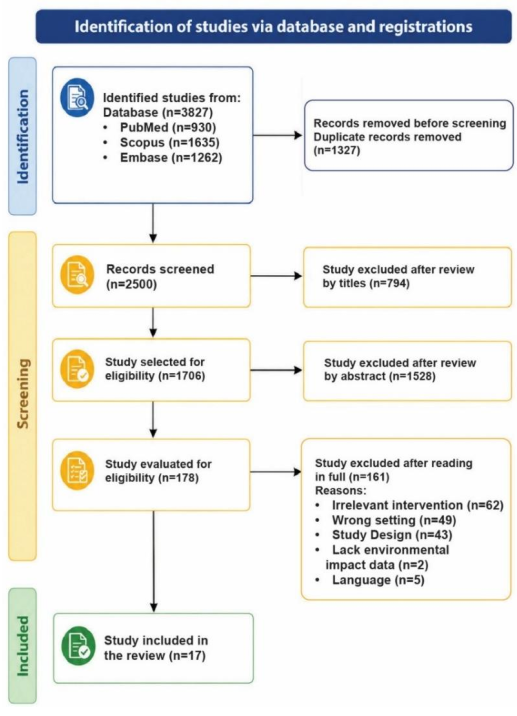
Fig. 1: PRISMA flowchart of the literature review search and selection process
Intervention
A systematic review highlights various initiatives aimed at improving environmental sustainability in healthcare settings across different countries. A study conducted in Switzerland used life cycle assessment (LCA) to evaluate 16 environmental impact categories in hospitals, identifying key areas such as catering, building infrastructure, heating, and electricity as significant contributors to greenhouse gas emissions (Keller et al., 2021). In the United States, researchers investigated surgeon attitudes and practices regarding preference card optimization, highlighting institutional barriers that hinder sustainable healthcare practices (Williams et al., 2024). A study in Canada focused on reducing waste by removing exam table paper in clinics (Ilona and Amanda, 2024), while Italy introduced a mobile screening unit for cancer detection (Benedetto et al., 2024). A survey was conducted to evaluate environmentally sustainable anesthesiology practices, focusing on waste sorting and the reduction of polluting anaesthetic gases in France (Tordjman et al., 2022). Researchers developed a grey-based assessment model in Libya to evaluate healthcare waste treatment technologies (Badi et al., 2019). Another study in the U.S. also used an assessment of environmental sustainability standards in food service operations, emphasizing plant-forward dishes and local sourcing (Woo et al., 2024). In Switzerland, another study explored perceptions of environmental sustainability in anaesthesia through an online survey (Gasciauskaite et al., 2023). While Greece adopted GLSS methodologies to improve, operational efficiency and quality of care (Vasileiou et al., 2024). A global analysis quantified the carbon footprint of respiratory care across 40+ countries (Wilkinson et al., 2022) and a thematic analysis was conducted in Malawi on barriers to infection prevention and control practices (Tu et al., 2022). Geographic and technological approaches varied across the literature; for instance, Woo et al. (2024) assessed post-remodeling energy efficiency improvements in South Korean healthcare facilities. Conversely, research conducted in France shifted focus toward infrastructure development, modeling a solar- and hydrogen-powered fuel cell combined heat and power (FC–CHP) system (Toughzaoui et al., 2024). In Sweden, experiences related to environmental sustainability in intensive care units were explored (Sundberg et al., 2024), and Germany assessed environmental management in hospitals under the eco-management and audit scheme (EMAS) (Seifert and Guenther, 2019). Energy efficiency evaluations in hospitals were performed using retrofit techniques (Toughzaoui et al., 2024). At the same time, the study executed in Australia analyzed CO2e emissions from various imaging modalities (McAlister et al., 2022).
Comparison
In the comparison section, this review evaluates institutional disparities in sustainability implementation and baseline environmental metrics within healthcare environments. Palmisano et al. (2024) compared early-career surgeons with mid-to-late-career surgeons regarding preference card maintenance and environmental stewardship in the United States. In Canada, Han et al. (2024) conducted a pre-and post-intervention analysis to measure changes following the removal of exam table paper in clinics. Benedetto et al. (2024) evaluated current cancer screening programs for their effectiveness and sustainability in Italy. Tordjman et al. (2022) explored differences in sustainable practices and training between early-career and mid-to-late-career providers in France. An assessment of healthcare waste management in Libya by Badi et al. (2019) compared traditional practices—specifically open-air burning and municipal dumping—with advanced waste segregation methodologies. In the U.S., Williams et al. (2024) analyzed self-rated implementation of sustainability standards in food services, identifying barriers and facilitators. Additionally, William et al. (2019) conducted a baseline energy consumption study in Egypt to inform energy efficiency improvements in hospitals, while McAlister et al. (2022) assessed baseline energy use and emissions from diagnostic imaging modalities in Australia.
Outcome
The interventions yielded diverse outcomes across environmental, operational, financial, and social dimensions. The reviewed studies demonstrate considerable environmental impacts associated with healthcare practices. Keller et al. (2021) found that the average carbon footprint per functional unit in Swiss hospitals is 3.2 tons carbon dioxide equivalent (t CO₂eq), with heating being the primary contributor at 0.82 t CO₂eq. Furthermore, research by Woo et al. (2021) documented a 30 percent (%) average increase in building energy efficiency, though the magnitude of these improvements varied regionally. Wilkinson et al. (2022) assessed the carbon footprint of various medications using life cycle assessment software to quantify emissions. Furthermore, McAlister et al. (2022) provided specific emissions data for imaging modalities, revealing that magnetic resonance imaging (MRI) contribute 17.5 kilograms (kg) CO₂e per scan, underscoring the need for targeted interventions to reduce these impacts. See (2023) reported the implementing LCA to monitor environmental footprints, specifically focusing on water consumption, chemical toxicity, and resource consumption. By assessing the environmental impact resulting from waste generated in intensive care units (ICUs), supply chain requirements, and chemical contamination, these studies yielded practical information for sustainable hospital management.
Operational efficiency
Several studies emphasized the potential for operational efficiency improvements through sustainable practices. Han et al. (2024) indicated that the annual savings amounted to 718 United States dollars (USD), in addition to considerable ecological benefits derived from the removal of exam table paper, equating to the preservation of 10 trees and a reduction of 148 kg CO₂e on an annual basis. Williams et al. (2024) identified motivators for sustainability in food service, including reducing waste and serving healthier foods, while noting barriers such as patient preferences and contractual difficulties. The adoption of lean six sigma (LSS) methodologies in Greece was highlighted by Vasileiou et al. (2024), who acknowledged potential efficiency gains and waste reduction as key benefits. According to Rajagopalan et al. (2023), single hospitals can utilize their operational agility to circumvent bureaucratic delays and rapidly implement localized Scope 3 interventions. However, addressing systemic value-chain emissions requires enduring cooperation and active partnerships with external suppliers.
Financial benefits
Financial savings were evident in multiple studies. Benedetto et al. (2024) reported an annual reduction of over 110,238 USD in travel costs and productivity losses, alongside 35 tons of CO₂e travel emissions. Similarly, Tordjman et al. (2022) found that 69% of workplaces organized waste sorting, which could lead to long-term cost savings despite initial investment needs. Concurrently, research conducted in Egypt by William et al. (2019) demonstrated that mitigating heating, ventilation, and air conditioning (HVAC) energy demands by 55% directly correlates with enhanced long-term financial sustainability for hospitals.
Social and organizational impact
The social implications of sustainability initiatives were underscored by Gasciauskaite et al. (2021), where 89% of respondents deemed environmental sustainability essential in their work, and 95% reported implementing measures to "green" their practice. Furthermore, the study by Tordjman et al. (2022) revealed that a substantial majority of respondents (73%) advocated for expanded sustainability training, thereby emphasizing the necessity for robust educational frameworks within healthcare institutions.
Challenges and barriers
Despite positive outcomes associated with sustainability initiatives, several challenges persist. Furthermore, research by Tordjman et al. (2022) revealed that infrastructure development is hindered by two critical constraints: a lack of staff training (70%) and insufficient funding (66%). Badi et al. (2019) highlighted the limitations of current waste management practices in Libya, where open-air burning and inadequate segregation remain prevalent. Vasileiou et al. (2024) also noted concerns regarding resource limitations and the need for training as barriers to implementing sustainable practices effectively. Ultimately, these findings emphasize the significance of resolving educational deficits and reconfiguring resource allocation are foundational prerequisites for fostering long-term healthcare sustainability. Green hospital initiatives, such as using reusable materials and optimizing energy, improve clinical care and reduce infection risks while minimizing waste.
Table 3: Characteristics and study design of the selected studies
|
Study ID |
Author(s), year |
Study design |
Study characteristics |
Country |
Key findings/ Recommendations |
|||
|
Population |
Intervention |
Comparison |
Outcome |
|||||
|
1 |
Life Cycle Assessment |
33 acute care hospitals |
Life cycle assessment of 16 environmental impact categories in hospitals |
N/A |
Average carbon footprint: 3.2 tonnes CO₂eq per FU; main impact from heating (0.82 t CO₂eq per FU) |
Switzerland |
Hospital emissions are driven primarily by infrastructure and catering, heating and electricity. While waste, chemicals, and paper have a moderate footprint, direct water use, laundry, and heavy machinery show negligible effects. |
|
|
2 |
Mixed Methods |
Surgeons at a single tertiary academic medical center |
Assessment of surgeon perceptions and practices regarding preference card maintenance, |
Comparison between early-career and mid-to-late-career surgeons |
Frequency of card updates; accuracy of preference cards; perceived environmental impact; barriers to card maintenance |
USA |
46.1% of respondents rarely or never updated their preference cards; 98.9% observed unused items on their cards; most updates were made via verbal requests; unfamiliar processes (83.7%) and required effort (64.0%) |
|
|
3 |
Quality Improvement |
Primary care clinic (staff and patients) |
Removal of exam table paper from exam tables in the clinic |
Pre-intervention baseline vs. post-intervention |
Annual cost savings of USD 515; environmental savings of 8.2 km of exam table paper, preservation of 10 trees, and reduction of 148 kg CO₂e per year (equivalent to driving 1233 km) |
Canada |
The QI project demonstrated that eliminating exam table paper improves staff efficiency and motivation. (approximately 95,940 km of paper, 121,680 trees, USD 6,029,500, and a reduction of 3054 T carbon dioxide )CO₂( emissions annually) |
|
|
4 |
Cost and Environmental Analysis |
Residents in an inner area of Tuscany; ~59,000 inhabitants |
Introduction of comprehensive full-service mobile screening unit for cancer screening |
Current screening programs |
Annual reduction of over 110,238 USD in travel costs and productivity losses, and 35 tons of CO₂-equivalent travel emissions saved per year |
Italy |
The mobile screening unit model enhances sustainability and reduces non-medical costs. This study recommends combining environmental, social, and economic sustainability in rural health. |
|
|
5 |
Cross-sectional |
Anesthesiologists and anesthesia nurses (SFAR members) |
Evaluation of environmentally sustainable anesthesiology practices via a 28-question survey |
Comparison between early-career and mid-to late-career providers |
- Response rate: 10% (1092/10,877 recipients) - 69% of workplaces organized waste sorting
|
France |
French anesthesia providers are generally aware and actively engaged in sustainable practices. However, barriers such as inadequate training, limited budgets, and insufficient administrative support hinder broader adoption. |
|
|
6 |
Case Study |
11 public hospitals across eight cities |
Developed a grey-based assessment model using grey systems theory to evaluate four healthcare waste treatment |
Compared to burning waste in the open air or disposing of it in municipal dumps |
Microwave technology was identified as the best option for waste treatment, followed by steam sterilization, with landfilling being the least preferred. |
Libya |
Poor waste segregation practices were noted to increase environmental and public health risks. It is recommended that decision-makers adopt microwave technology and improve waste segregation to mitigate these risks. |
|
|
7 |
Mixed Methods |
VA hospital food service directors (14 survey respondents; 11 interviewees) |
Assessment of environmental sustainability implementation in food service |
Comparison of self-rated implementation and experiences |
Motivators included food waste reduction, healthier foods, and cost efficiency, while barriers involved patient preferences, contracts, and waste reduction costs. |
USA |
Despite barriers, food service directors identified solutions to improve sustainability initiatives and environmental performance in VA hospital food services. |
|
|
8 |
Qualitative Study |
62 anesthesia providers at a center implementing internal environmentally sustainable anesthesia guidelines |
Exploration of perceptions and practices regarding environmental sustainability in anesthesia |
N/A |
- 89% of respondents stated environmental sustainability is essential in their work - 95% reported implementing measures to “green” their practice - Conscious choice of anesthetics was the most common measure |
Switzerland |
The study suggests sustainable anesthesia initiatives have significant potential to reduce healthcare’s climate impact. Increased education and training are recommended to overcome barriers and enhance adoption of environmentally friendly practices. |
|
|
9 |
Qualitative Study |
Healthcare professionals and academics evaluating Green Lean Six Sigma (GLSS) in healthcare |
Adoption of GLSS to improve operational efficiency, environmental sustainability, and quality of care |
N/A |
- Participants acknowledged the potential for efficiency gains and waste reduction - Concerns included resource limitations and the need for training
|
Greece |
The study highlights a cautious but optimistic outlook on GLSS in healthcare. Comprehensive training and resource allocation are necessary for effective implementation. |
|
|
10 |
Multinational observational study |
Approximately 2.5 million patients with respiratory diseases from seven ongoing studies |
Quantification of the carbon footprint of respiratory care, including medications and healthcare resource utilization (HCRU) |
N/A |
The carbon footprint of inhaled, oral, and injectable medications will be assessed using life cycle assessment software (SimaPro, Ecoinvent® data)
|
40+ countries |
The study aims to quantify GHG emissions in asthma and COPD care, highlighting the role of well-controlled treatment in reducing environmental impact. |
|
|
11 |
Qualitative |
48 healthcare workers (HCWs) from 45 healthcare facilities (HCFs) |
Thematic analysis of facilitators and barriers to infection prevention and control (IPC) practices |
N/A |
- Facilitators: Disinfection practices, patient education, and waste management procedures - Barriers: Lack of IPC training, and personal protective equipment (PPE) shortages |
Malawi |
Improved IPC policies and infrastructure support are needed to protect HCWs and patients from HAIs. Decision-makers should address systemic barriers to enhance IPC adherence. |
|
|
12 |
Survey and simulation-based evaluation study |
1065 public buildings, public health centers, and medical institutions |
Evaluation of energy efficiency and living condition improvements after green remodeling |
N/A |
- Average energy efficiency improvement of 30% across buildings - Highest gains observed in public health centers - Regional variations in effectiveness |
South Korea |
Strategic adjustments needed to ensure uniform benefits. The study highlights the role of green remodeling in reducing emissions and improving public health. |
|
|
13 |
Optimization and Simulation Study |
Hospital energy systems |
Development and optimization of an FC–CHP system powered by solar energy and hydrogen storage |
N/A |
- Efficient allocation of energy between electricity, hydrogen production, and storage - Reduction in grid electricity costs |
France |
Genetic algorithms are used for system optimization. The FC–CHP system enhances energy efficiency and sustainability in hospital settings. |
|
|
14 |
Qualitative study |
24 postgraduate intensive care nursing students |
Exploring experiences of environmental sustainability in intensive care units |
N/A |
-Identified barriers and facilitators to sustainability in ICUs -Nurses expressed a need for better education awareness |
Sweden |
- Sustainability in ICUs is challenging but possible - Education and hospital management support are crucial for success. |
|
|
15 |
Qualitative content analysis (using MaxQDA) |
31 environmental statements from EMAS-registered hospitals |
Environmental management in hospitals under the Eco-Management and Audit Scheme (EMAS) |
N/A |
- Hospitals focus on structural changes, training, waste separation, and energy efficiency. - Challenges include prioritizing financially beneficial measures, and material consumption |
Germany |
- Employee awareness campaigns improve engagement. - Digitalization and eco-friendly procurement reduce environmental impact. - Hospitals focus more on waste & energy than water & emissions. |
|
|
16 |
Case study with energy simulation (Design Builder) |
Hospitals in Egypt (Alexandria) |
Energy efficiency assessment in hospitals using retrofit and energy-efficient techniques. |
Baseline energy consumption |
- 55% reduction in HVAC energy consumption. - 59% reduction in total hospital energy consumption. |
Egypt |
- Implementing energy-efficient techniques can significantly reduce hospital energy use. - The study recommends future hospital designs in Alexandria, Egypt, to improve energy efficiency. |
|
|
17 |
Life Cycle Assessment |
Imaging modalities in Australian hospitals |
Assessment of CO2e emissions from five imaging modalities (MRI, CT, CXR, MCXR, US). |
Baseline energy use and emissions from diagnostic imaging |
- CO2e emissions per scan: MRI (17.5 kg), CT (9.2 kg), CXR (0.8 kg), MCXR (0.5 kg), US (0.5 kg). - Reduced emissions when excluding standby power: MRI (1.1 kg), CT (1.1 kg), CXR (0.6 kg), MCXR (0.1 kg), US (0.1 kg). |
Australia |
- Reduce unnecessary imaging orders and prioritize low-impact modalities (X-ray, ultrasound) over MRI and CT when possible. - Turn off scanners when not in use to reduce emissions from standby power.
|
|
|
18 |
Present study |
carbon footprint reduction |
hosptials |
Approach for carbon footprint reduction |
Carbon foorprint |
-40 percent decrease through renewable energy -lower indirect emissions |
Thailand |
-High upfront costs, technical gaps, and resistance to change, especially in low-resource settings, hinder widespread implementation. |
Ultimately, these interventions prove that environmental sustainability and patient safety are mutually reinforcing priorities rather than competing objectives (Faizan et al., 2025). By adopting a data-informed approach, healthcare facilities can simultaneously reduce environmental impact and strengthen defenses against climate hazards (Münzel et al., 2026). For global perspective challenges, sustainable healthcare interventions frequently trigger unintended trade-offs across operations and finance, while systemic differences make these models highly difficult to replicate globally. A stark disparity exists in global healthcare sustainability: high-income nations fund systemic decarbonization and supply chain emission reductions, whereas climate-threatened areas must prioritize resource-constrained budgets for critical infrastructure resilience and primary care survival (Chen et al., 2026).
Study design
The study design subsection of the systematic review highlights a range of methodologies employed across the included studies. LCA was used in two studies (Keller et al., 2021; McAlister et al., 2022). Mixed methods approaches were adopted in two studies (Palmisano et al., 2024; Woo et al., 2024). Methodological focuses varied across the literature; a quality improvement assessment was utilized by Ilona and Amanda, (2024), whereas cost and environmental analyses were each executed in only a single study. Keil et al., (2024) indicated that while hospitals preferred the greenhouse gas protocol for top-down organizational footprint, International Organization for Standardization (ISO) 14064 provided superior auditability. Conversely, micro-level clinical pathways required bottom-up LCAs, though current methodological inconsistency limits cross-study comparison. Bridging the gap between corporate carbon reporting and clinical workflows, investigators introduce a unified hybrid framework combining organizational and product-level sustainability standards. A cross-sectional design (Tordjman et al., 2022) was employed in one study, and case studies were used in two studies (Badi et al., 2019; William et al., 2019). Qualitative studies were conducted in four studies (Gasciauskaite et al., 2023; Sundberg et al., 2024; Tu et al., 2022; Vasileiou et al., 2024), while qualitative content analysis was performed in one study (Seifert and Guenther, 2019). An observational study framework was utilized in a particular study (Wilkinson et al., 2022). Additionally, a survey and simulation-based evaluation study was conducted in one of the included studies (Woo et al., 2024), and an optimization and simulation study was carried out in another study (Toughzaoui et al., 2024).
Evaluation of the quality of the studies
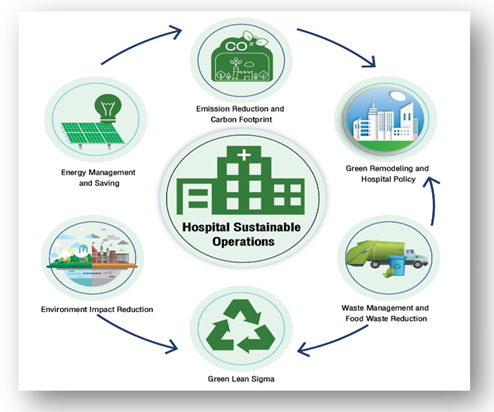
Table 4 outlines the comprehensive classification framework applied during the quality assessment of the selected literature. The seventeen studies evaluated with the MMAT demonstrated strong overall quality; sixteen met high-quality standards, while one was rated moderate. All studies that were part of the systematic review satisfied the essential quality benchmarks, with none being classified as inadequate. This systematic review explores key areas to improve sustainability in healthcare, including lowering the carbon footprint, energy management, waste management through circular economy approaches, and considering policy and economic considerations for sustainable hospitals. The outcomes underscore the ways in which healthcare facilities can markedly advance their sustainability efforts.
Carbon footprint reduction
The studies revealed significant opportunities to reduce carbon footprints in healthcare. Building infrastructure and catering were identified as primary contributors to environmental impacts, followed by heating and electricity, while waste, pharmaceuticals, and medical products had notable effects (Keller et al., 2021; Cole et al., 2025). To address these systemic challenges, targeted interventions must be implemented to curtail superfluous imaging orders. Specifically, clinical protocols should favour low-impact modalities such as X-rays and ultrasound as first-line diagnostics over resource-intensive alternatives like CT and MRI scans (McAlister et al., 2022). Additionally, eliminating exam table paper demonstrated the potential for substantial cumulative savings in emissions, resources, and costs if implemented nationwide (Ilona and Amanda, 2024; Raihan et al., 2025). The implementation of standardized operational practices—specifically the optimization of surgical preference cards—offers a highly effective mechanism for reducing material and resource waste during operative procedures (Palmisano et al., 2024). By removing unnecessary or rarely used items from surgical checklists, hospitals can significantly reduce the volume of discarded, opened-but-unused supplies, ultimately lowering costs and surgical preparation time (Perez et al., 2026). The data suggest that adopting a comprehensive, cross-operational approach to mitigation can drive meaningful reductions in institutional carbon footprints (Feigin et al., 2023).
Table 4: Assessment of the quality of the study
|
ID |
Sources |
General screening (Pass/Fail) |
Criteria 1 |
Criteria 2 |
Criteria 3 |
Criteria 4 |
Criteria 5 |
Total “Yes” ratings |
Quality |
|
1 |
Pass |
✔ |
✔ |
✔ |
✔ |
✔ |
5 |
High |
|
|
2 |
Pass |
✔ |
✔ |
✔ |
✔ |
x |
4 |
High |
|
|
3 |
Pass |
✔ |
✔ |
✔ |
✔ |
x |
4 |
High |
|
|
4 |
Pass |
✔ |
✔ |
✔ |
✔ |
x |
4 |
High |
|
|
5 |
Pass |
✔ |
✔ |
✔ |
x |
x |
3 |
Moderate |
|
|
6 |
Pass |
✔ |
✔ |
✔ |
✔ |
x |
4 |
High |
|
|
7 |
Pass |
✔ |
✔ |
✔ |
✔ |
✔ |
5 |
High |
|
|
8 |
Pass |
✔ |
✔ |
✔ |
✔ |
x |
4 |
High |
|
|
9 |
Pass |
✔ |
✔ |
✔ |
✔ |
x |
4 |
High |
|
|
10 |
Pass |
✔ |
✔ |
✔ |
✔ |
x |
4 |
High |
|
|
11 |
Pass |
✔ |
✔ |
✔ |
✔ |
x |
4 |
High |
|
|
12 |
Pass |
✔ |
✔ |
✔ |
✔ |
✔ |
5 |
High |
|
|
13 |
Pass |
✔ |
✔ |
✔ |
✔ |
✔ |
5 |
High |
|
|
14 |
Pass |
✔ |
✔ |
✔ |
✔ |
✔ |
5 |
High |
|
|
15 |
Pass |
✔ |
✔ |
✔ |
✔ |
✔ |
5 |
High |
|
|
16 |
Pass |
✔ |
✔ |
✔ |
✔ |
✔ |
5 |
High |
|
|
17 |
Pass |
✔ |
✔ |
✔ |
✔ |
✔ |
5 |
High |
Energy management and hospital sustainability
Energy efficiency emerged as a critical area for improving hospital sustainability (Chen et al., 2024). Studies highlighted the effectiveness of implementing energy-efficient techniques, such as HVAC retrofits, which led to a 55 percent reduction in HVAC energy consumption in Egyptian hospitals (William et al., 2019). Furthermore, leveraging FC–CHP technology powered by renewable substrates has been shown to optimize system-wide energy efficiency, reduce reliance on external power grids, lower greenhouse gas emissions, decrease operational costs, enhance energy resilience, and support the long-term environmental sustainability of healthcare facilities through efficient resource utilization and cleaner energy production (Toughzaoui et al., 2024). Green remodeling efforts improved energy efficiency by an average of 30%, with the highest gains observed in public health centers in South Korea (Woo et al., 2024). Institutional sustainability can be further enhanced through operational policies that mandate the deactivation of idle imaging equipment, thereby curbing superfluous standby power emissions (McAlister et al., 2022; Shokoohi et al., 2025). To achieve long-term sustainability, healthcare facilities should prioritize investments in renewable energy systems and conduct regular energy audits to identify further opportunities for optimization (Vovk et al., 2025; Sarker et al., 2025). Green certifications like Leadership in energy and environmental design (LEED), Building research establishment environmental assessment method (BREEAM), excellence in design for greater efficiencies (EDGE), and the WELL building standard give hospitals clear, data-backed standards to cut their heavy energy use and carbon emissions, turning them into sustainable, eco-friendly spaces (Ak, 2025).
Waste management and circular economy in hospitals
Effective waste management is essential for advancing a circular economy within healthcare (Zikhathile et al., 2026; de Souza Lima Cano et al., 2025). While sub-optimal waste segregation practices remain a primary driver of environmental liabilities within healthcare facilities, empirical evidence positions microwave technology as the most effective waste-remediation alternative to conventional methods such as incineration and landfilling (Badi et al., 2019). Food service operations also offer opportunities for improvement; best practices such as modifying familiar dishes to be plant-forward (Fechner et al., 2026; Yi et al., 2026) and conducting plate waste studies can help reduce food waste while maintaining patient satisfaction (Williams et al., 2024; Hoteit et al., 2024). Prior studies underscore food waste reduction within healthcare facilities as a primary mechanism for mitigating institutional environmental degradation and curbing lifecycle greenhouse gas emissions (Chatzipavlou et al., 2024; Thiel et al., 2021; Yip et al., 2025). Sustainable anaesthesia practices, including minimising the use of highly polluting anaesthetic gases, were also highlighted as impactful measures (Gasciauskaite et al., 2023; Tordjman et al., 2022). Emissions from healthcare-related anesthetic gases and respiratory inhalers have been heavily documented and targeted for systemic mitigation across key global medical studies and climate action frameworks (Provenzani et al., 2025) such as identifying that major portion of nitrous oxide are lost to atmospheric leaks in centralized piping networks (Devlin-Hegedus et al., 2022). To address the challenges of regulated medical waste, implementing non-monetary operational interventions—including targeted staff education, cross-departmental collaboration, and optimized receptacle placement—demonstrated a substantial reduction in the ecological footprint and disposal costs of interventional infectious waste. Hospitals should integrate comprehensive waste segregation policies, promote recycling initiatives, and explore innovative reuse strategies to close material loops (Shah et al., 2026; Moshawih et al., 2025). Evidence confirmed that circular economy methods—such as reprocessing devices, reusing surgical kits, and recovering materials—effectively lower hospital waste. As detailed in recent lifecycle assessments, the isolated implementation of reusable textiles curbed municipal solid waste volumes by over 90% and drove a concurrent decrease in carbon emissions (Iskandar Shah et al., 2026).
Policy and economic considerations for sustainable hospitals
Policy frameworks and economic incentives play a pivotal role in driving sustainability initiatives (Zarghami, 2025; Schetinger and Lucena, 2025). Numerous investigations have highlighted a significant correlation between deficient clinician awareness and sub-optimal environmental outcomes, thereby demonstrating the urgency for targeted professional training in healthcare sustainability (Gasciauskaite et al., 2023; Tordjman et al., 2022; Sundberg et al., 2024). For the leadership commitment, organizational culture, staff attitudes, awareness, and institutional readiness are key determinants for hospital sustainability strategies. The study highlights that active management, positive workforce attitudes, environmental education, and structural capacity are crucial for effective implementation. Specifically, the deployment of staff-focused educational campaigns serves as an effective mechanism for fostering organizational alignment with broader ecological initiatives (Seifert and Guenther, 2019). Standardized indicators of carbon footprint reduction such as total absolute GHG emissions, carbon intensity, renewable energy share and emissions reduction factor (Yu et al., 2024), are crucial for hospital performance frameworks to enable fair benchmarking, monitor development over time, and foster continuous quality enhancement (Dolcini et al., 2025). To ensure long-term efficacy, future policy interventions should be engineered to dismantle systemic barriers, specifically inadequate infection prevention infrastructure and restricted access to personal protective equipment (Tu et al., 2022; Houghton et al., 2020). Financially, integrating sustainability into hospital operations can yield substantial cost savings (Dolcini et al., 2025; Olawade et al., 2025). For instance, mobile cancer screening units reduced travel costs by over 110,238 USD annually while cutting CO₂ emissions by 35 tons yearly (Benedetto et al., 2024). Addressing institutional carbon footprints requires strategic policy interventions, namely the targeted funding of sustainable architectural modifications and the deployment of economic incentives to promote eco-friendly hospital procurement practices (Schwab et al., 2025; Tomaselli et al., 2026). Digitalizing hospital operations including telemedicine, AI-assisted triage, remote monitoring, and electronic medical records can also streamline resource use with the carbon footprint reduction while promoting sustainable supply chain practices (Seifert and Guenther, 2019; Bobini et al., 2025). Regarding the issue of national healthcare policy, environmental regulations, and green procurement standards collectively drive hospital sustainability and carbon reduction, transforming voluntary ecological goals into mandatory, measurable operational requirements (Schwab et al., 2025).
Quality of the studies
The quality assessment of the included studies, as summarized in Table 4, reveals a predominantly high methodological standard, with 16 out of 17 studies classified as high-quality, achieving at least four out of five "Yes" ratings. Notably, life cycle assessments (Liu et al., 2024), mixed-method studies (Johnson et al., 2020), and qualitative research designs (Ahmed, 2024) demonstrated the highest methodological rigor, with eight studies receiving a perfect score. These studies exhibited clear research frameworks, strong data validity, and well-structured analytical techniques, ensuring the reliability of their findings. In particular, mixed-method investigations offered an integrated paradigm for analyzing healthcare sustainability interventions, balancing statistical effectiveness data with qualitative evidence regarding stakeholder buy-in and organizational barriers (Rana and Chimoriya, 2025; Kagoma et al., 2025). Additionally, the life cycle assessments included in the review employed comprehensive environmental impact analyses, strengthening the evidence base for sustainability strategies (Munir et al., 2024). A comprehensive assessment of study quality indicates a low risk of methodological bias across the literature. Consequently, the synthesized data exhibit high credibility, substantiating the overarching conclusions of this systematic review.
Study strengths
Methodological rigor was safeguarded through adherence to PRISMA standards and systematic MMAT appraisal. Of the 17 studies selected for synthesis, 16 were evaluated as high quality (94.1%), and none were categorized as low quality. Its comprehensive scope, encompassing diverse sustainability interventions such as carbon footprint reduction, energy management, waste minimization, sustainable procurement, and green hospital infrastructure, provides a holistic understanding of environmentally sustainable hospital practices (Orsini et al., 2024; Almukhtar et al., 2024) and directly saves lives by minimizing healthcare pollution, which currently drives up to 5% of global emissions (Schwab et al., 2024). Evidence suggests that green healthcare initiatives foster health equity via clinical waste optimization, expanded digital health access, and renewable energy adoption. Nevertheless, operationalizing these measures creates significant ethical friction, forcing a reconciliation between institutional sustainability goals, fair resource distribution, and patient-centered care. By incorporating evidence from high-income and low- and middle-income countries (LMICs), the review identifies contextual disparities in policy adoption, financial constraints, and infrastructure readiness, offering globally relevant insights. Notably, the integration of mixed-methods evidence enhances this analysis, ensuring that statistical evaluations of environmental and economic efficacy are contextualized by qualitative assessments of prevailing policy challenges, stakeholder alignment, and systemic institutional barriers (Gao et al., 2025; Iliopoulos et al., 2026). This study evaluates the effectiveness of sustainability interventions and critically examines barriers to implementation, providing policy-relevant recommendations to enhance feasibility in diverse healthcare settings (Haregu et al., 2025; Vasileiou et al., 2024). Furthermore, by emphasizing the long-term economic viability of sustainability initiatives, the review contributes to the ongoing discourse on cost-effectiveness and strategic investment in green healthcare systems. These findings align with broader sustainability research demonstrating that environmentally responsible practices are increasingly influenced by stakeholder awareness, behavioral drivers, and digital transformation, reinforcing the need for integrated and adaptive sustainability strategies across sectors (Soulami et al., 2026). By pairing pragmatic, policy driven recommendations with rigorous methodology, This study significantly enriches the theoretical framework of healthcare sustainability management and provides a blueprint for future institutional interventions and policy development.
Limitations
The limitations of the review primarily occur from the variability in study quality and design, as highlighted by MMAT. Substantial methodological heterogeneity across the included studies—specifically regarding sustainability metrics, research designs, and reporting frameworks—precludes the synthesis of uniform conclusions. Furthermore, the absence of longitudinal studies is a significant limitation, as it prevents a comprehensive understanding of the long-term sustainability impacts (Wang et al., 2025), which are essential for evaluating the lasting effects of the interventions over time because the results were fragmented, the synthesis lacked a structured framework and failed to capture real-time dynamics, ultimately providing inadequate guidance for tackling hospital sustainability challenges (Mostepaniuk et al., 2023). Furthermore, the interpretation of these environmental metrics is cross-cut by macro-level determinants—namely, disparities in facility capacity, patient volume, climate zones, national energy grid portfolios, and health economics frameworks—which complicate direct cross-study comparisons. These gaps in study design and reporting hinder the ability to assess the true sustainability of the interventions reviewed.
Future research
Accelerating hospital decarbonization requires regulatory policies that embed carbon accounting into institutional management, enforceable through mandatory emissions tracking, public reporting protocols, and standardized reduction benchmarks. Financial incentives, such as subsidies, carbon credits, carbon pricing, green taxation, financial incentives, sustainability funding mechanisms and public-private partnerships, should be introduced to help hospitals transition to low-carbon models, particularly in resource-constrained settings. To facilitate sector-wide compliance, future policy interventions must deploy structured governance systems capable of mitigating regulatory friction while enforcing rigorous operational accountability. Future research should explore context-specific sustainability strategies tailored to hospitals in various socioeconomic settings, investigate innovative green technologies like AI-driven energy management and biodegradable medical supplies, and assess the effectiveness of policy interventions and financial models that facilitate sustainability adoption. Moreover, tracking carbon-neutral hospital trajectories via longitudinal methodologies is imperative for identifying optimal, scalable interventions, whereas institutionalizing capacity-building programs ensures a sustainable transition by embedding green operational skills throughout the healthcare workforce. These policy and research recommendations can transform healthcare institutions into environmentally responsible and sustainable entities.
CONCLUSION
The Hospital consumption requires the substantial portion of energy, water and natural resource and produce large volumes of waste generation, contributing to greenhouse gas emissions and environmental impact. Ultimately, global healthcare frameworks position medical sector decarbonization as a critical public health objective of the twenty-first century, thereby driving hospitals to systematically reduce greenhouse gas emissions and clip localized climate impacts. The sustainable practices would be achieved the significant environmental benefits, improve public health outcomes, and enhance economic efficiency. The sustainable building practices can significantly reduce energy consumption and improve efficiency with implementing renewable energy sources and co-generation systems. In transitioning toward environmental sustainability, modern hospitals simultaneously face acute resource and regulatory constraints alongside emerging pathways for financial and clinical co-benefits. This review underscores the need for integrated, policy-driven approaches to hospital sustainability. The studies reviewed indicate significant environmental impacts associated with healthcare practices with the potential for operational efficiency improvements. Nevertheless, these institutional barriers elucidate the critical imperative of mitigating educational deficits and optimizing resource allocation to cultivate a resilient, sustainable healthcare delivery model. For the carbon footprint reduction, the building infrastructure and catering of hospitals were presented as primary contributors of environmental impacts, followed by heating and electricity, while waste, pharmaceuticals, and medical products also had notable effects. Furthermore, hospitals can achieve substantial energy load reductions by powering down diagnostic imaging modalities during non-operational intervals, thereby mitigating the baseline carbon emissions associated with standby power consumption. While carbon footprint reduction, energy management, waste reduction, and sustainable procurement show promising results, their widespread adoption remains hindered by financial, regulatory, and organizational barriers. It is essential for governments, hospital administrators, and global health organizations to collaborate in order to establish scalable, context-specific sustainability models. Future studies should explore long-term impacts, financial viability, and new green technologies that can facilitate the worldwide shift towards environmentally sustainable healthcare systems.
AUTHOR CONTRIBUTIONS
T. Buadit designed the conceptualization and methodology with the role of project administration and funding acquisition. J. Bhatta conducted the data curation and analysis, and prepared the first draft of manuscript. P.J. provided the role of supervision for the direction and trend of manuscript. W. Ounsaneha assisted the formal analysis of data and the revised the manuscript draft. C. Rattanapan the corresponding author supervised the first and co-authors, conceived the manuscript concept, and finalized the manuscript.
ACKNOWLEDGEMENT
This study is supported by Mahidol University (Strategic Research Fund, 2024) with the contract reference number [MU-SRF-ST-24C/67].
CONFLICT OF INTEREST
The authors declare no potential conflict of interest regarding the publication of this work. In addition, the ethical issues, including plagiarism, informed consent, misconduct, data fabrication and, or falsification, double publication and, or submission, and redundancy, have been completely witnessed by the authors.
OPEN ACCESS
©2026 The author(s). This article is licensed under a Creative Commons Attribution 4.0 International License, which permits use, sharing, adaptation, distribution and reproduction in any medium or format, as long as you give appropriate credit to the original author(s) and the source, provide a link to the Creative Commons license, and indicate if changes were made. The images or other third-party material in this article are included in the article’s Creative Commons license, unless indicated otherwise in a credit line to the material. If material is not included in the article’s Creative Commons license and your intended use is not permitted by statutory regulation or exceeds the permitted use, you will need to obtain permission directly from the copyright holder. To view a copy of this license, visit: http://creativecommons.org/licenses/by/4.0/
PUBLISHER’S NOTE
GJESM Publisher remains neutral with regard to jurisdictional claims with regard to published maps and institutional affiliations.
R Negative AI Statement
The author(s) declared that no AI tools or services were not used or not highly applied during the preparation of this work.
ABBREVIATIONS
|
% |
Percent |
|
BREEAM |
Building research establishment environmental assessment method |
|
CT |
Computed tomography |
|
EDGE |
Excellence in design for greater efficiencies |
|
FC–CHP |
Fuel cell combined heat and power |
|
GHG |
Greenhouse gas |
|
GLSS |
Green lean six sigma |
|
HVAC |
Heating, ventilation, and air conditioning |
|
ICU |
Intensive care unit |
|
ISO |
International Organization for Standardization |
|
Kg CO₂e |
Kilogram carbon dioxide equivalent |
|
LCA |
Life Cycle Assessment |
|
LEED |
Leadership in energy and environmental design |
|
LMICs |
Low- and middle-income countries |
|
MMAT |
Mixed methods appraisal |
|
MRI |
Magnetic resonance imaging |
|
NHS |
National Health Service |
|
Pico |
Population, intervention, comparison, and outcome |
|
PPE |
Personal protective equipment |
|
PRISMA |
Preferred reporting items for systematic review and meta-analysis |
|
PROSPERO |
International Prospective Register of Systematic Reviews |
|
RCTs |
Randomized controlled trials |
|
SFAR |
Society of Anesthesia, Critical Care, and Perioperative Medicine |
|
TCO₂e |
Tan carbon dioxide equivalent |
|
USD |
United States dollar |
|
WHO |
World Health Organization |
|
VA |
Veterans affairs |
REFERENCES
Aboueid, S.; Beyene, M.; Nur, T. (2023). Barriers and enablers to implementing environmentally sustainable practices in healthcare: A scoping review and proposed roadmap. Health Manage Forum. 36(6): 405-413 (6 pages).
Abubakar, I.R.; Maniruzzaman, K.M.; Dano, U.L.; AlShihri, F.S.; AlShammari, M.S.; Ahmed, S.M.S.; Al-Gehlani, WAG; Alrawaf, TI, (2022). Environmental sustainability impacts of solid waste management practices in the global south. Int J Environ Res Public Health. 19(19): 12717 (26 pages).
Ahmed, S.K., (2024). The pillars of trustworthiness in qualitative research. J. Med. Surg. Public Health. 2: 100051 (4 pages).
Ak, S., (2025). Green concept: transition to environmentally friendly health service. J. Health Serv. Res. Policy. 10(3): 240-255 (15 pages).
Akman, T.S.; Neslihan Unal Akdemir, N.U.; Ozkul Yilmaz Colak, O.Y.; Isevi, M.; Kucuk, A.O.; Ulge, F. (2026). Green intensive care in an upper-middle-income country: A national survey of awareness, practices and barriers among ICU physicians in Turkey. J. Crit. Care., 94: 155507 (7 pages).
Alhamza, H.; Kwavayi, Z., Sayed, A. Youssef, A.M.; Waheed, A.; Quisteriano, M., (2026). Carbon footprint trends and cost-emission dynamics of a Saudi tertiary hospital. Discov Public Health, 23: 556 (24 pages).
Alicante, F.P.; Balonquita, M.C.; Apostol, E.P., (2026). Students’ knowledge, attitude, and practices in solid waste management among university campus. Global J. Environ. Sci. Manage., 12(3): 1433-1450 (18 pages).
Alighardashi, M.; Mousavi, S.A.; Almasi, A.; Mohammadi, P., (2024). Hospital waste management system in Kermanshah: challenges, future and sustainable management with circular economy. Sci. Rep., 14(1): 25671 (10 pages).
Almukhtar, A.; Batcup, C.; Bowman, M.; Beatty J, W.; Leff, D.; Demirel, P.; Judah, G.; Porat, T., (2024). Interventions to achieve environmentally sustainable operating theatres: an umbrella systematic review using the behaviour change wheel. Int. J. Surg., 110(11): 7245-7267 (23 pages).
Álvarez Jaramillo, J.; Zartha Sossa, J.W.; Orozco Mendoza, G.L., (2019). Barriers to sustainability for small and medium enterprises in the framework of sustainable development—Literature review. Bus. Strategy Environ., 28(4): 512–524 (8 pages).
Badi, I.; Shetwan, A.; Hemeda, A., (2019). A grey-based assessment model to evaluate health-care waste treatment alternatives in Libya. Oper. Res. Eng. Sci. Theor. Appl., 2(3): 92-106 (15 pages).
Benedetto, V.; Ferrè, F.; Nuti, S., (2024). Including environmental and social sustainability in the planning process of healthcare services: A case study of cancer screening programs in an inner area in Italy. Health Policy. 144: 105074 (7 pages).
Biondi-Zoccai, G.; Lotrionte, M.; Landoni, G.; Modena, M.G., (2011). The rough guide to systematic reviews and meta-analyses. HSR Proc Intensive Care Cardiovasc Anesth, 3(3): 161-73 (13 pages).
Bobini, M.; Cicchetti, A., (2025). Chasing environmental sustainability in healthcare organizations: insights from the Italian experience. BMC Health Serv. Res., 26;25(1): 978 (14 pages).
Borges de Oliveira, K.; de Oliveira, O.J., (2022). Making hospitals sustainable: towards greener, fairer and more prosperous services. Sustainability. 14(15): 9730 (21 pages).
Braithwaite, J.; Smith, C.L.; Leask, E.; Wijekulasuriya, S.; Brooke-Cowden, K.; Fisher, G.; Patel, R.; Pagano, L.; Rahimi-Ardabili, H.; Spanos, S.; Rojas, C.; Partington, A.; McQuillan, E.; Dammery, G.; Carrigan, A.; Ehrenfeld, L.; Coiera, E.; Westbrook, J.; Zurynski, Y., (2024). Strategies and tactics to reduce the impact of healthcare on climate change: systematic review. BMJ., 8(387): e081284 (17 pages).
Chatzipavlou, C.; Karayiannis, D.; Chaloulakou. S.; Georgakopoulou, E.; Anna Poulia, K., (2024). Implementation of sustainable food service systems in hospitals to achieve current sustainability goals: A scoping review. Clin. Nutr., 61: 237e25 (16 pages).
Chen, L.; Liu, Z.; Liu, Y.; Chen, Z.; Huang, L.; Dong, L.; Li, Z.; Xie, Z.; Hua, J.; Shi, J., (2026). Green construction strategies to combat climate change and public-health issues. Cell Rep. Phys. Sci., 7(21): 103044 (33 pages).
Cimprich, A.; Young, S.B., (2023). Environmental footprinting of hospitals: Organizational life cycle assessment of a Canadian hospital. J. Ind. Ecol., 27(5): 1335-1353 (15 pages).
Cole, A.; Aspin, J.; Laird, S.; Acri, F.; Galley, S.; Collins, M., (2025). The environmental impact of Intravenous antimicrobial therapies: a comparison of OPAT and inpatient administration care pathways. JAC Antimicrob Resist. 7(2): dlaf030 (7 pages).
Cristiano, W.; De Marchi, C.; di Domenico, K.; Punzo, O.; Mancini, A.; Mancini, L., (2024). The elephant in the room in greenhouse gases emissions: rethinking healthcare systems to face climate change. A rapid scoping reviews. Environ. Sci. Eur., 36(1): m24 (10 pages).
Deeks, J.J.; Higgins, J.P.; Altman, D.G.; Group obotCSM, (2019). Analysing data and undertaking meta-analyses. In: Cochrane Handbook for Systematic Reviews of Interventions. EDN.; 2019: 241-284 (736 pages).
Devlin-Hegedus, J.A.; McGain, F.; Harris, R.D.; Sherman, J.D., (2022). Action guidance for addressing pollution from inhalational anaesthetics. Anaesthesia., 77(9): 1023-1029 (7 pages).
Dolcini, M.; Ferrè, F.; Brambilla, A.; Capolongo, S., (2025). Integrating environmental sustainability into hospitals performance management systems: a scoping review. BMC Health Serv. Res., 28: 25(1): 764 (17 pages).
Durach, C.F.; Kembro, J.; Wieland, A., (2017). A new paradigm for systematic literature reviews in supply chain management. J. Supply Chain Manage., 53(4): 67–85 (3 pages).
Eckelman, M.J.; Sherman, J.D., (2018). Estimated global disease burden from US health care sector greenhouse gas emissions. Am J Public Health. 108(S2): S120-s122 (3 pages).
Eriksen, M.B.; Frandsen, T.F., (2018). The impact of patient, intervention, comparison, outcome (PICO) as a search strategy tool on literature search quality: a systematic review. J. Med. Libr. Assoc., 106(4): 420-431 (12 pages).
Faizan, M.; Han, C.; Lee, S.W., (2025). Policy-driven digital health interventions for health promotion and disease prevention: a systematic review of clinical and environmental outcomes. Healthcare (Basel), 3(18): 2319 (36 pages).
Fechner, D.; Grün, B.; Perkins, R.; Dolnicar, S., (2026). How to get more plant-based meat dishes on restaurant menus? A mini-theory and initial empirical validation. Int. J. Hosp. Manage., 134: 104593 (13 pages).
Feigin, S.V.; Wiebers, D.O.; Lueddeke, G.; Morand, S.; Lee, K.; Knight, A.; Brainin, M.; Feigin, V.L.; Whitfort, A.; Marcum, J.; Shackelford, T.K.; Skerratt, L.F.; Winkler, A.S., (2023). Proposed solutions to anthropogenic climate change: A systematic literature review and a new way forward. Heliyon. 9(10): e20544 (26 pages).
Firoozi, A.A.; Oyejobi, D.O.; Avudaiappan, S.; Flores, E.S., (2024). Emerging trends in sustainable building materials: Technological innovations, enhanced performance, and future directions. Results Eng., 24: 103521 (37 pages).
Gasciauskaite, G.; Lunkiewicz, J.; Spahn, D.R.; Von Deschwanden, C., Nöthiger, C.B., Tscholl, D.W., (2023). Environmental sustainability from anesthesia providers' perspective: a qualitative study. BMC Anesthesiol., 23(1): 377 (10 pages).
Gao, M.; Lee, K.E.; Shamsuddin, A.S., (2025). Landscape approaches and stakeholder engagement in nature-based solutions for sustainable river floodplains: A systematic review, Ecol. Indic., 176: 113686 (22 pages).
Han, S.; Jeong, Y.; Lee, K.; In, J., (2024). Environmental sustainability in health care: An empirical investigation of US hospitals. Bus. Strateg. Environ., 33(6): 6045-6065 (21 pages).
Haregu, T.; Kwasnicka, D.; Shrestha, A.; Lynch, C.; Absetz, P.; Miranda, J.J.; Thankappan, K.R.; Oldenburg, B., (2025). Improving the sustainability of public health interventions: The INNOVATE Model. Global Implement Res. Appl., 5: 182–195 (14 pages).
Hennessy, O.; Diack, M.; Devitt, A., (2021). Screwing our environment: an analysis of orthopaedic implant related waste. Ir. Med. J., 114(2): P226 (4 pages).
Hong, Q.N.; Fàbregues, S.; Bartlett, G.; Boardman, F.; Cargo, M.; Dagenais, P.; Gagnon, M-P.; Griffiths, F.; Nicolau, B.; O’Cathain, A., (2018). The mixed methods appraisal tool (MMAT) version 2018 for information professionals and researchers. Educ. Inf., 34(4): 285-291 (11 pages).
Hoteit, M.; Badreddine. N.; El Cheikh Mohamad, J.; Khattar, M.; Fattouh, F.; Malli, D.; Antar, E.; El Khatib, S.; Abiad, M.G.; Hassan, H.F., (2024). Quantifying hospital plate waste and identifying its correlates from patients' perspectives in Lebanon. Sci. Rep., 14(1): 29003 (11 pages).
Houghton, C.; Meskell, P.; Delaney, H.; Smalle, M.; Glenton, C.; Booth, A.; Chan, X.H.S.; Devane, D.; Biesty, L.M., (2020). Barriers and facilitators to healthcare workers' adherence with infection prevention and control (IPC) guidelines for respiratory infectious diseases: a rapid qualitative evidence synthesis. Cochrane Database Syst. Rev., 21: 4(4): CD013582 (70 pages).
Ibrahim, M.; Ghofar, A.; Purwanti, L.; Iqbal, S., (2025). Sustainability practices in hospitals: A systematic literature review and research agenda. Sage Open. 15(3) (20 pages).
Iliopoulos, C.; Valentinov, V.; Theodorakopoulou, I.; Karantzavelou, V.; Stithou, M., (2026). Institutional barriers to climate adaptation: Repurposing stakeholder salience in six European living labs. J. Clean. Prod., 561: 148393 (13 pages).
Ilona, H.; Amanda, M., (2024) Reducing healthcare waste by eliminating exam table paper in a primary care practice: a sustainable quality improvement initiative. BMJ Open Qual., 13(4): e002838 (5 pages).
Iskandar Shah, D.R.S.; Anuar, N.F.; Panizan, N.A.Z.; Ibrahim, R.; Ramli, R.; Perai, N.A.A., Aghamohammadi, N., (2026). Toward sustainable healthcare: Circular economy models in hospital operations and waste management. Crit. Rev. Environ. Sci. Technol., 56(10): 530–550 (21 pages).
Johnson, J.L.; Adkins, D.; Chauvin, S., (2020). A review of the quality indicators of rigor in qualitative research. Am. J. Pharm. Educ., 84(1): 7120 (9 pages).
Kalogirou, M.R.; Dahlke, S.; Davidson, S.; Yamamoto, S., (2021). How the hospital context influences nurses’ environmentally responsible practice: A focused ethnography. J. Adv. Nurs., 77(9): 3806-3819 (14 pages).
Kagoma, P.; Mongi, R.; Kalolo, A. (2025). Exploratory mixed-methods analysis of the determinants of use of health research evidence among planning teams in Tanzania. BMJ Open. 15: e099692 (19 pages).
Karliner, J.; Slotterback, S.; Boyd, R.; Ashby, B0.; Steele, K., (2020). Health care's climate footprint: How the health sector contributes to the global climate crisis and opportunities for action. Eur. J. Public Health. 30(5): ckaa165.843 (1 pages).
Keller, R.L.; Muir, K.; Roth, F.; Jattke, M.; Stucki, M., (2021). From bandages to buildings: Identifying the environmental hotspots of hospitals. J. Clean. Prod., 319: 128479 (12 pages).
Kooner, S.; Hewison, C.; Sridharan, S.; Lui, J.; Matthewson, G.; Johal, H.; Clark, M. (2020). Waste and recycling among orthopedic subspecialties. Can. J. Surg., 63(3): E278–e83 (6 pages).
Koh, E.Y.; Chan, W.F.; Lim, H.C.S.; Tan, B.K.T., Ong, C.T.; Singh, P.A.; Tan, M.B.H.; Sim, M.J.H.; Ong, L.W.; Tan, H.; Tan, S.Y.; Huong, W.C.H.; Seah, J.; Ang, T.L.; Yeo, J.A., (2025). Environmental sustainability in healthcare: impacts of climate change, challenges and opportunities. Singapore Med. J., 66(Suppl1): S47-S56 (10 pages).
Li, Y.; Zha, Y.; Li, M.; Qian, L., (2025). Evaluating the carbon footprint of a hospital from the dynamic life cycle perspective: A case study in Shanghai. Build. Environ., 277: 112950 (18 pages).
Liu, M.; Zhu, G.; Tian, Y., (2024). The historical evolution and research trends of life cycle assessment. Green Carbon. 2(4): 425-437 (12 pages).
Ma, Y., Zedan, S., Liu, A., Miller, W., (2022). Impact of a warming climate on hospital energy use and decarbonization: An Australian Building Simulation Study. Buildings. 12(8): 1275 (17 pages).
Maden, S.; Kerse, G., (2026). Redesigning healthcare facilities for sustainability: green hospital transformations and new infrastructure planning. MC Health Serv. Res., 26: 380 (17 pages).
McAlister, S.; McGain, F.; Breth-Petersen, M.; Story, D.; Charlesworth, K.; Ison, G.; Barratt, A., (2022). The carbon footprint of hospital diagnostic imaging in Australia. Lancet Reg. Health West. Pac., 24 (9 pages).
MacNeill, A.J.; Lillywhite, R.; Brown, C.J., (2017). The impact of surgery on global climate: a carbon footprinting study of operating theatres in three health systems. Lancet Planet Health. 1(9): e381–8 (8 pages).
Melnyk, A.I.; Niino, C.; Wright, K.N., (2023). Addressing sustainability in the operating room. Urogyn. 29(9): 719-724 (15 pages).
Moher, D.; Shamseer, L.; Clarke, M.; Ghersi, D.; Liberati, A.; Petticrew, M.; Shekelle, P.; Stewart, L.A.; Group P-P., (2015). Preferred reporting items for systematic review and meta-analysis protocols (PRISMA-P) 2015 statement. Syst. Rev., 2015, 4(1): 1 (9 pages).
Mostepaniuk, A.; Akalin, T.; Parish, M.R., (2023). Practices pursuing the sustainability of a healthcare organization: a systematic review. Sustainability. 15(3): 2353 (21 pages).
Moshawih, S.; Wong, S.F.; Woon, C.O.; Lim, M.K.; Ong, H.C.; Goh, K.W.; Gew, L.T.; Ming, L.C., (2025). Transforming healthcare sustainability: Circular economy approaches and stakeholder collaboration. Sustainable Fut., 10: 101199 (17 pages).
Münzel, T.; Lüscher, T.; Kramer, C.M.; Churchwell, K.; Mbakwem, A.; Rajagopala, S., (2026). Environmental stressors and cardiovascular health: acting locally for global impact in a changing world. JAAC, 87(100): 1405–1413 (9 pages).
Munir, Q.; Lahtela, V.; Kärki, T.; Koivula, A., (2024). Assessing life cycle sustainability: A comprehensive review of concrete produced from construction waste fine fractions, J. Environ. Manage., 366: 121734 (15 pages).
Nematollahi, H.; Tuysserkani, M.; Nematollahi, A., (2025). Medical waste management in the modern healthcare era: a comprehensive review of technologies, environmental impact, and sustainable practices. Results Eng., 28, 107210 (18 pages).
Olawade, D.B.; Popoola, T.T.; Egbon, E.; David-Olawade, A.C., (2025). Sustainable healthcare practices: Pathways to a carbon-neutral future for the medical industry. Sustainable Fut., 9: 100783 (15 pages).
Orsini, L.P.; Landi, S.; Leardini, C.; Veronesi, G., (2024). Towards greener hospitals: The effect of green organisational practices on climate change mitigation performance, J. Clean. Prod., 462: 142720 (10 pages).
Page, M.J.; McKenzie, J.E.; Bossuyt, P.M.; Boutron, I.; Hoffmann, T.C.; Mulrow, C.D.; Shamseer, L.; Tetzlaff, J.M.; Akl, E.A.; Brennan, S.E.; Chou, R.; Glanville, J.; Grimshaw, J.M.; Hróbjartsson, A.; Lalu, M.M; Li, T.; Loder, E.W; Mayo-Wilson, E.; McDonald, S.; McGuinness, L.A.; Stewart, L.A.; Thomas, J.; Tricco, A.C.; Welch, V.A.; Whiting, P.; Moher, D., (2021). The PRISMA 2020 statement: an updated guideline for reporting systematic reviews. BMJ. 372: N71 (9 pages).
Palmisano, Z.M.; Sullivan, G.A.; Petit, H.J.; Gulack, B.C.; Myers, J.; Shah, A.N., (2024). Surgeon perspectives on preference cards and environmental stewardship. World J. Surg., 48(9): 2165-2173 (9 pages).
Parmentola, A.; Petrillo, A.; Tutore, I.; De Felice, F., (2022). Is blockchain able to enhance environmental sustainability? A systematic review and research agenda from the perspective of sustainable development goals (SDGs). Bus. Strategy Environ., 31(1): 194–217 (24 pages).
Pencheon, D.; Wight, J., (2020). Making healthcare and health systems net zero. BMJ,368: m970 (3 pages).
Perez, S.; Mancebo, A. Jr.; Lopez, P.; Joe, L.; Benavidez, P.; Li, Z.; Sadri, M.; Spiegel-Pinzon, E.; Lopez, R.; Clary, B.; Longhurst. C.A.; Mekeel, K.; Singh, K., (2026). Data and the art of surgical preference card maintenance. JAMA Surg., 161(1): 76-82 (7 pages).
Pichler, P-P.; Jaccard, I.S.; Weisz, U.; Weisz, H., (2019). International comparison of health care carbon footprints. Environ. Res. Lett., 14(6): 064004 (8 pages).
Potgieter, M.S.W.; Faisal, A.; Ikram, A.; Burger, M., (2020). Water-wise hand preparation – the true impact of our practice: a controlled before-and-after study. S. Afr. Med. J., 110(4): 291–5 (5 pages).
Provenzani, A.; Como, M.; Martucci, G., (2025) Reducing carbon, enhancing care: the future of sustainable medicine. Front Pharmacol., 3(16) :1637531 (4 pages).
Rajagopalan, S.; Pronovost, P.; Al-Kindi, S., (2023). Implementing a sustainability framework in healthcare: a three-lens framework. Healthcare (Basel)., 11(13): 1867 (10 pages).
Raihan, A.; Ridwan, M.; Rahman, S.M.; Sarker, T., (2026). Navigating the complexities of healthcare costs in Bangladesh: A closer look at environmental quality, economic growth, energy use, industrialization, urbanization, and forest area. Innov. Green Dev., 5(1): 100328 (16 pages).
Rana, K.; Chimoriya, R. (2025). A guide to a mixed-methods approach to healthcare research. Encyclopedia. 5(2): 51 (11 pages).
Rodríguez-Jiménez, L.; Romero-Martín, M.; Spruell, T.; Steley, Z.; Gómez-Salgado, J., (2023). The carbon footprint of healthcare settings: A systematic review. J Adv Nurs., 79(8): 2830-2844 (15 pages).
Saha, K.; Farhanj, Z; Kumar, V., (2025). A systematic review of circular economy literature in healthcare:Transitioning from a ‘post-waste’ approach to sustainability. J. Clean. Prod., 505: 145427 (17 pages).
Sarker, M.T.; Ramasamy, G.; Al Qwaid; M.; Hossen, Md.S.; Sadeque, Md.G., (2025). AI-driven smart grid optimization for hospital energy systems integrating renewable generation, predictive maintenance, and resilient infrastructure. Sci. Rep., 15: 44787 (23 pages).
Schwab, R.; Schiestl, L.J.; Hasenburg, A. (2025). Greening the future of healthcare: implementation of sustainability strategies in German hospitals and beyond-a review. Front. Public Health. 13: 1559132 (14 pages).
Schetinger, A.M.; de Lucena, A.F.P., (2025). Evaluating policy frameworks and their role in the sustainable growth of distributed photovoltaic generation. Resources. 14(2): 8 (32 pages).
See, K.C., (2023). Improving environmental sustainability of intensive care units: A mini- review. World J. Crit. Care Med., 12(4): 217-225 (9 pages).
Seifert, C.; Guenther, E., (2019). Prevention is better than cure—environmental management measures in hospitals. Corp. Soc. Responsib. Environ. Manage. 2019, 26(4): 781-790 (10 pages).
Shokoohi, H.; Liteplo, A.S.; Montoya, K.; Patnode, C.; Hutchinson, A.B.; Zalis, M.E.; Gottlieb, M.; Raja, A.S.; Slutzman, J.E, (2025). Climate-smart diagnostic medical imaging and point-of-care ultrasound: An evidence-based perspective. J. Emerg. Med., 75: 150–157 (8 pages).
Soares, A.L.; Buttigieg, S.C.; Bak, B.; McFadden, S.; Hughes, C.; McClure, P.; Couto, J.G.; Bravo, I., (2023). A review of the applicability of current green practices in healthcare facilities. Int. J. Health Policy Manage, 12: 6947 (15 pages).
Soulami, M.; Benchekroun, S.; Galiulina. A.; Sayarh, I., (2026). A bibliometric and systematic analysis of consumer behavior toward green consumption in the digital age. Global J. Environ. Sci. Manage., 12(3): 1567-1590 (24 pages).
Stevanovic, M.; Allacker, K.; Vermeulen, S., (2019). Development of an approach to assess the life cycle environmental impacts and costs of general hospitals through the analysis of a Belgian case. Sustainability. 11(3): 856 (18 pages).
Sundberg, F.; Baid, H.; Israelsson-Skogsberg, Å., (2024). A mountain of waste created daily: a thematic analysis of environmental sustainability experiences of postgraduate intensive care nursing students. BMC Nurs., 23(1): 679 (9 pages).
Thiel, C.L.; Fiorin Carvalho, R.; Hess, L.; Tighe, J.; Laurence, V.; Bilec, M.M., Baratz, M., (2019). Minimal custom pack design and wide-awake hand surgery: reducing waste and spending in the orthopedic operating room. Hand. 14(2): 271–6 (7 pages).
Thiel, C.L.; Park, S.; Musicus, A.A.; Agins, J.; Gan, J.; Held, J.; Horrocks, A.; Bragg, M.A., (2021). Waste generation and carbon emissions of a hospital kitchen in the US: Potential for waste diversion and carbon reductions. PLoS One., 16(3): e0247616 (12 pages).
Tomaselli, G.; Macassa, G.; Borg, K.M.; Couto, J.G.; Portelli, J.L.; Borg Grima, K.; Buttigieg, S.C., (2026). Rethinking hospital sustainability: Integrating circular and green economy principles within strategic corporate social responsibility and management frameworks. Adm. Sci., 16(4): 170 (28 pages).
Tordjman, M.; Pernod, C.; Bouvet, L.; Lamblin, A., (2022). Environmentally sustainable practices in the operating room: A French nationwide cross-sectional survey of Anaesthesiologists and nurse Anaesthesiologists. Turk J Anaesthesiol Reanim. 50(6): 424-429 (8 pages).
Toughzaoui, Y.; Elkhatib, R.; Kaoutari, T.; Louahlia, H.; Chaoui, H.; Gualous, H., (2024). Advances in hospital energy systems: Genetic algorithm optimization of a hybrid solar and hydrogen fuel cell combined heat and power. Int. J. Hydrog. Energy. 86: 1310-1325 (16 pages).
van der Braak, K.; Ghannad, M.; Orelio, C.; Heus, P.; A. A. Damen, J.; Spijker, R.; Robinson, K.; Lundm H.; Hooft, L., (2020). The score after 10 years of registration of systematic review protocols., Syst Rev, 11: 191 (10 pages).
Vasileiou, A.; Sfakianaki, E.; Tsekouropoulos, G., (2024). Exploring sustainability and efficiency improvements in healthcare: A qualitative study. Sustainability, 16 (34 pages).
Vallée, A., (2024). Green hospitals face to climate change: between sobriety and resilience. Heliyon, 10(2): e24769 (6 pages).
Vovk, V.; Kister, A.; Latif, F.; Maican, S.Ș. (2025). Renewable energy sources in healthcare as a factor in sustainable development in EU countries. Sustainability. 17(24): 11194 (14 pages).
Wang, L.Y.; Hu, Z.Y.; Chen, H.X.; Zhu, H.; Zhou, C.F.; Zhang, R.X.; Tang, M.L.; Hu, X.Y., (2025). Systematic review of longitudinal studies on daily health behavior and activity of daily living among older adults. Front. Public Health. 13:1419279 (13 pages).
WHO, (2025). Climate change and healthcare. World Health Organization.
Williams, B., D.; Pitts, S.J.; Onufrak, S.J.; Sirois, E.; Utech, A.; Wood, M.; Silverman, J.; Ajenikoko, F.; Murphy, M.; Lowry Warnock, A., (2024). A qualitative exploration of barriers, facilitators and best practices for implementing environmental sustainability standards and reducing food waste in veterans’ affairs hospitals. J. Hum. Nutr. Diet., 37(6): 1420-1431 (12 pages).
William, M.A.; El-Haridi, A.M.; Hanafy, A.A.; El-Sayed, A.E.-H.A., (2019). Assessing the energy efficiency improvement for hospitals in Egypt using building simulation modeling. ERJ Eng. Res. J., 42(1): 21-34 (14 pages).
Wilkinson, A.; Maslova, E.; Janson, C.; Xu, Y.; Haughney. J.; Quint. J.K.; Budgen. N.; Menzies-Gow. A.; Bell. J.; Crooks. M.G., (2022). Environmental sustainability in respiratory care: an overview of the health CARe-Based environmental cost of treatment (CARBON) programme. Adv. Ther., 39(5): 2270-2280 (14 pages).
Woo, S.; Kang, K.; Lee, S., (2024) Analysis of energy-saving effect of green remodeling in public welfare facilities for net zero: The case of public daycare centers, public health centers, and public medical institutions. Buildings. 14(4): 949 (20 pages).
Yi, S.; Brauer, P.; Dias, G.M.; Duizer, L., (2026). Adding more plant-forward dishes to menus: findings from a survey of post-secondary campus food services across Canada". Int. J. Sustain. High. Educ., (21 pages).
Yu, F.; Yuan, Q.; Sheng, X.; Liu, M.; Chen, L.; Yuan, X.; Zhang, D.; Dai, S.; Hou, Z.; Wang, Q.; Ma, Q., (2024). Understanding carbon footprint: An evaluation criterion for achieving sustainable Development. Chin. J. Popul. Resour. Environ., 22: 367–375 (9 pages).
Zarghami, A.S., (2025). The role of economic policies in achieving sustainable development goal 7: Insights from OECD and European countries, Appl. Energy. 37(B): 124558 (9 pages).
Zikhathile, T.; Atagana, H.; Bwapwa, J.; Mutanda, T. (2026). Circular economy integration in healthcare waste management, a zero-waste paradigm: A review. Recycling. 11(5): 83 (30 pages).
OPEN ACCESS
©2026 The author(s). This article is licensed under a Creative Commons Attribution 4.0 International License, which permits use, sharing, adaptation, distribution and reproduction in any medium or format, as long as you give appropriate credit to the original author(s) and the source, provide a link to the Creative Commons license, and indicate if changes were made. The images or other third party material in this article are included in the article’s Creative Commons license, unless indicated otherwise in a credit line to the material. If material is not included in the article’s Creative Commons license and your intended use is not permitted by statutory regulation or exceeds the permitted use, you will need to obtain permission directly from the copyright holder. To view a copy of this license, visit: http://creativecommons.org/licenses/by/4.0/
PUBLISHER NOTE
GJESM Publisher remains neutral concerning jurisdictional claims in published maps and institutional affiliations.
MAJOR DATABASES, CITATION METRICS & CAPTURES
Google Scholar | Scopus - SJR | Web of Science | Biological Abstracts: Clarivate | Biosis Preview: Clarivate | PlumX Metrics | Altmetrics | Mendeley |
CURRENT PUBLISHER

| Article View | 1,348 |
| PDF Download | 582 |


Letters to Editor
[1] Letters that include statements of statistics, facts, research, or theories should include appropriate references, although more than three are discouraged.
[2] Letters that are personal attacks on an author rather than thoughtful criticism of the author’s ideas will not be considered for publication.
[3] Letters can be no more than 300 words in length.
[4] Letter writers should include a statement at the beginning of the letter stating that it is being submitted either for publication or not.
[5] Anonymous letters will not be considered.
[6] Letter writers must include their city and state of residence or work.
[7] Letters will be edited for clarity and length.