
5.2
CiteScore
2.9
Impact Factor
Document Type : CASE STUDY
Authors
1 Department Environmental Science, Graduated School of Sustainable Development, Universitas Indonesia, Jalan Salemba Raya, Jakarta Pusat, DKI Jakarta 10430 Indonesia
2 Faculty of Health Science, Universitas Pembangunan Nasional Veteran, Depok, 1651, Indonesia
Graphical Abstract
Highlights
⮚ Environmental factors mattered, access to improved sanitation (OR=0.943, p-value=0.001) and improved drinking water (OR=0.806, p-value=0.047) were significantly associated with reduced stunting risk;
⮚ Child vulnerability to environmental health outcomes, High stunting prevalence among children aged 0–23 months was 30.32%, with low birth weight nearly doubling the odds (OR=1.898, p-value=0.009);
⮚ Maternal behaviors build resilience against environmental risks, routine antenatal care (OR=0.642, p-value=0.048) and skilled birth attendance (OR=0.707, p-value=0.014) both lowered stunting odds;
⮚ Higher maternal education (OR=0.784, p-value=0.025) was protective, while underweight maternal nutritional status increased stunting odds by 26.5% (OR=1.265, p-value=0.007).
Keywords
INTRODUCTION
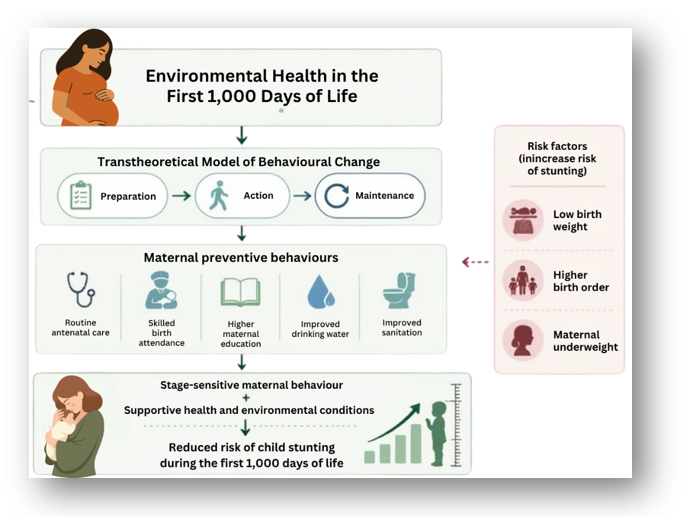
Child stunting is increasingly recognized not just as a nutritional disorder, but as a complex environmental health issue. This paradigm shift is reinforced by accumulating evidence indicating that environmental determinants play a critical role in the etiology of stunting, operating alongside conventional nutritional pathways. Contaminated water sources, poor sanitation, and lack of toilets are linked to higher stunting rates due to increased risk of infections and environmental enteropathy, a chronic inflammatory gut disorder that impairs nutrient absorption (Fregonese et al., 2017; Perdananugraha et al., 2026; Ramlan et al., 2025; Vilcins et al., 2018). Consequently, environmental health has emerged as a core pillar of international initiatives designed to mitigate pediatric undernutrition and advance sustainable human development (WHO, 2006; UNICEF, 2019; Astuti, 2026; Firdaus and Maulana, 2025). These environmental covariates exhibit close alignment with sustainable development goal 6 (SDG 6), which underscores universal access to potable water and advanced sanitation infrastructure as foundational prerequisites for optimizing public health outcomes and reducing childhood malnutrition (UNICEF, 2019). Despite global progress in nutrition interventions, reductions in stunting remain uneven, particularly in low- and middle-income countries where environmental inequalities persist (Victora et al., 2021; Astuti, 2026). Improvements in dietary intake alone are insufficient to mitigate the adverse effects of inadequate water, sanitation, and hygiene on child growth (Binamungu and Sanga, 2026; Kusumo et al., 2024; Nisa et al., 2026). This situation underscores the multifactorial nature of stunting, which is shaped by the complex interaction of nutritional, socioeconomic, environmental, and behavioral determinants (Sahiledengle et al., 2023; Saleh et al., 2021; Sukmawati et al., 2025). The first 1,000 days of life constitute a biologically vulnerable window wherein environmental exposures exert lasting effects on physical growth and human development (Aguayo and Menon, 2016; Bloem et al., 2013; Sukmawati et al., 2025). During this period, rapid cellular proliferation and organ development require adequate nutrition supported by healthy environmental conditions. Children who experience repeated exposure to contaminated water, inadequate sanitation, or poor household hygiene are more susceptible to diarrheal diseases and environmental enteric dysfunction (EED). Accumulating empirical data indicates that EED functions as a fundamental physiological mechanism mediating the relationship between degraded environmental conditions and the pathogenesis of linear growth faltering in pediatric populations, notably within low- and middle-income economies (Aguayo and Menon, 2016; Torlesse et al., 2016; UNICEF, 2023; Victora et al., 2021). Compared with later stages of childhood, growth faltering after the age of two is considerably less reversible, making the first 1,000 days the most effective period for interventions to prevent stunting and its lifelong consequences (Victora et al., 2021; WHO, 2006). Accordingly, centering analytical focus on this vulnerable ontogenetic window establishes a rigorous conceptual framework for isolating modifiable environmental covariates prior to the permanent entrenchment of irreversible somatic growth deficits. Globally, approximately 150.2 million children under five were stunted in 2025, with the greatest burden occurring in South Asia and Sub-Saharan Africa (UNICEF, 2025). An increasing number of recent studies demonstrate that access to safely managed drinking water, improved sanitation, and effective environmental hygiene significantly reduces the risk of chronic undernutrition in children. This is achieved by interrupting fecal-oral transmission pathways and lowering the burden of infectious diseases (Arief et al., 2025; Mediani, 2020; Sahiledengle et al., 2023; Saleh et al., 2021). These findings indicate that environmental management must be integrated into national stunting mitigation frameworks. Despite a notable decrease in prevalence from 37.2% in 2013 to 19.8% in 2024, Indonesia continues to experience one of the most severe stunting burdens in Southeast Asia (Kemenkes, 2025; WHO and UNICEF 2021). These disparities reflect unequal access to environmental infrastructure, including improved sanitation, safe drinking water (Islam and Mostafa, 2024), waste management, and quality maternal healthcare services. The Indonesian government has recognized the multidimensional nature of stunting through presidential regulation Number 72 of 2021, promoting multisectoral collaboration involving nutrition, healthcare, water supply, sanitation, and environmental improvement. Beyond instigating direct biological consequences, ambient household environmental conditions exert a profound regulatory influence on maternal health-related behaviors. Mothers living in supportive environments are more likely to practice appropriate hygiene (Kirana, 2025; Astuti, 2026), access antenatal care (ANC), utilize skilled birth attendance, and adopt preventive childcare practices, whereas environmental constraints may hinder sustained healthy behaviors despite adequate knowledge (Arief et al., 2025; Mediani, 2020; Sahiledengle et al., 2023; Saleh et al., 2021; Zulfitrawati and Mukty, 2025). The transtheoretical model (TTM) provides a useful framework for understanding this process by conceptualizing behavior change as a progression through the stages of precontemplation, contemplation, preparation, action, and maintenance (Prochaska and Velicer, 1997). The TTM offers a stage-oriented framework that more effectively elucidates how preventive health behaviors are initiated, adopted, and sustained over time (Glanz et al., 2015; Spencer et al., 2006). This framework is relevant to maternal behaviors concerning environmental health during the first 1,000 days of life. Preventive measures—such as consistent antenatal care attendance, professionally attended deliveries, hygiene maintenance, and adherence to health guidelines—demand continuous behavioral commitment rather than isolated, discrete choices. Within stunting prevention, these stages can be reflected through the gradual adoption and maintenance of maternal preventive practices during the first 1,000 days of life. Although numerous studies have reported associations between environmental factors and childhood stunting, most have examined environmental conditions and maternal behaviors separately, with maternal practices commonly treated as static or binary outcomes (Arief et al., 2025; Mediani, 2020; Sahiledengle et al., 2023; Saleh et al., 2021). As a result, limited empirical literature addresses how supportive domestic environments facilitate mothers' progression toward sustained preventive health behaviors. Moreover, empirical applications of the Transtheoretical Model to stunting prevention remain scarce, particularly within the critical first 1,000 days of life. Consequently, a paucity of empirical research investigates the precise mechanisms through which supportive domestic environments catalyze maternal progression toward the longitudinal maintenance of preventive behaviors. Despite the theoretical relevance of the TTM, empirical applications of the Stage of Change framework to stunting prevention remain scarce, limiting understanding of the behavioral mechanisms linking household environmental conditions to child growth (Yunitasari et al., 2021). To address these gaps, this study integrates household environmental conditions, particularly access to improved drinking water and sanitation, with maternal environmental health behaviors using the TTM as its behavioral framework. This study conceptualizes maternal preventive behaviors as dynamic mechanisms through which supportive household environments are associated with child growth. Using nationally representative household survey data collected in 13 Indonesian provinces during 2014–2015 by Research and Development (R&D) (Strauss et al., 2016), this study provides a more comprehensive understanding of the environmental determinants of childhood stunting. It generates evidence to support stage-specific and context-sensitive intervention strategies. Theoretically, this study expands the study of environmental health by transcending the conventional treatment of potable water access and sanitation infrastructure as isolated structural covariates, instead framing them as supportive determinants that catalyze maternal behavioral readiness through the lens of the TTM framework. Practically, these findings support policies that integrate basic infrastructure development (clean water and sanitation) with maternal health promotion based on stages of readiness, rather than separate programs. For other developing countries, these results can serve as a basis for mapping priority areas that consider both stunting prevalence and water, sanitation, and hygiene (WASH) access, allowing for more targeted resource allocation and supporting the simultaneous achievement of SDGs 3 and 6. Because nationally representative household surveys, including the Indonesian Family Life Survey (IFLS) omit direct psychometric assessment of motivational constructs and behavioral readiness, empirical operationalizations of the transtheoretical model in population-based studies routinely leverage observable preventive behaviors as proxy markers for tracking advancement across sequential stages of behavioral modification. Accordingly, in the present study the TTM is used as a theoretical framework for interpreting maternal preventive behaviors rather than as a model whose stages are directly measured or validated. This study seeks to elucidate the associations linking domestic environmental determinants, including advanced sanitation infrastructure and potable water access, to the behavioral stages of change governing maternal stunting mitigation practices across the critical 1,000-day postnatal window, employing the TTM as an overarching conceptual paradigm. This study aims to examine how household environmental conditions, including access to improved drinking water and sanitation, are associated with the stages of change in maternal stunting prevention behaviors during the first 1,000 days of life, using the TTM as a behavioral framework. This study utilizes data from the Indonesia Family Life Survey Wave 5 (IFLS-5), one of the highest-quality nationally representative longitudinal datasets available in Indonesia. Conducted between 2014 and 2015, IFLS-5 covered 13 provinces, including North Sumatra, West Sumatra, South Sumatra, Lampung, Jakarta, West Java, Central Java, Yogyakarta, East Java, Bali, West Nusa Tenggara, South Kalimantan, and South Sulawesi, which together represent the majority of the Indonesian population. IFLS-5 provides comprehensive information on health, nutrition, household environment, demographic characteristics, and socioeconomic conditions, enabling robust analyses of the complex determinants of child health. Its high response rate, rigorous data collection procedures, and extensive use in national and international research make it a reliable data source for examining public health issues and generating evidence to inform policy development in Indonesia.
MATERIALS AND METHODS
This study employed a cross-sectional design using nationally representative data from the fifth wave of the IFLS 5, conducted between 2014 and 2015. IFLS-5 applied a multistage stratified sampling approach covering approximately 83% of the Indonesian population across 13 provinces: North Sumatra, West Sumatra, South Sumatra, Lampung, Jakarta, West Java, Central Java, Yogyakarta, East Java, Bali, West Nusa Tenggara, South Kalimantan, and South Sulawesi. To accurately reflect Indonesia’s cultural and socioeconomic heterogeneity and guarantee comprehensive demographic representation, these specific provinces were selected. IFLS-5 was selected because it provides one of the most comprehensive nationally representative household datasets in Indonesia, simultaneously capturing child anthropometry, maternal characteristics, household environmental conditions, healthcare utilization, and socioeconomic information. Integrating these variables within a single survey framework facilitates the simultaneous investigation of environmental health conditions, maternal behaviors, and their joint associations with childhood stunting (Strauss et al., 2016). A nationally representative sampling frame was used to randomly select 321 enumeration areas (EAs) across the provinces. IFLS-5 was selected because it provides one of the most comprehensive and nationally representative household datasets in Indonesia. IFLS-5 simultaneously encompasses data on child anthropometry, maternal characteristics, household environmental conditions, healthcare service utilization, and economic information. Capturing these variables within a unified framework facilitates the simultaneous examination of their interactive relationships. Households were randomly selected based on lists from the 1993 National Socioeconomic Survey/Survei Sosial Ekonomi Nasional (SUSENAS) obtained from local offices of the Central Statistics Agency/Badan Pusat Statistik (BPS). In total, 20 households were selected from each urban EA and 30 households from each rural EA. The IFLS data are publicly accessible through the RAND Corporation website (Strauss et al., 2016). Restricting the analysis to households with children aged 0-23 months and omitting observations with incomplete data yielded a final analytical sample of 1,260 children. Children aged 0–23 months were selected because they represent the postnatal component of the first 1,000 days of life, the period during which growth faltering is most sensitive to environmental exposures. Observations with missing anthropometric or covariate information were excluded to ensure complete-case analysis. While this methodological refinement enhances data quality, it may compromise sample representativeness if the excluded children differ systematically from those retained in the final cohort. Furthermore, the IFLS-5 survey protocol and data collection procedures were reviewed and approved by the Institutional Review Boards (IRBs) of the RAND Corporation in the United States and Universitas Gadjah Mada (UGM) in Indonesia. Structured to capture extensive household-level data across Indonesia, the IFLS collects critical information concerning demographics, health, education, and income, thereby providing an empirical foundation for public policy formulation and the tracking of national development metrics (Strauss et al., 2016). Given that the IFLS dataset does not explicitly capture motivational or intentional constructs, maternal behavioral indicators (nutrition, WASH, healthcare) were treated as proxies for progressive behavioral stages. This approach follows previous studies that implicitly model behavioral evolution using secondary survey data (Torlesse et al., 2016) and is theoretically consistent with the Transtheoretical Model (Prochaska and Velicer, 1997). Given the absence of direct metrics for motivational constructs and the five stages of behavioral change within the IFLS-5 data architecture, the TTM served as an overarching conceptual framework for behavioral interpretation rather than a directly evaluated variable. Observable preventive behaviors by mothers are operationalized as proxy indicators of progress toward the action and maintenance stages of behavior change. Consequently, the TTM was applied to facilitate interpretation of behavioral patterns within supportive household environmental contexts rather than to empirically classify mothers into specific stages of change. This study integrates the TTM of behavior change with a logistic regression analytical approach to examine the determinants of child stunting. The Transtheoretical Model characterizes health behavior modification as a dynamic, sequential progression encompassing five distinct stages: precontemplation, contemplation, preparation, action, and maintenance (Prochaska and Velicer, 1997). In this study, household environmental conditions constitute the primary analytical context for understanding child stunting during the first 1,000 days of life. Adequate water and sanitation infrastructure is framed as a foundational household condition that mediates childhood exposure to enteric pathogens, environmental contamination, and chronic infectious illness, all of which drive stunted linear growth trajectories. These environmental conditions also provide enabling environments that facilitate or constrain mothers' adoption and maintenance of preventive health practices. TTM was employed as a behavioral framework to interpret how maternal environmental health-related behaviors evolve within these household environmental contexts. Rather than viewing maternal practices as isolated decisions, the TTM conceptualizes preventive behaviors as a gradual progression through the stages of precontemplation, contemplation, preparation, action, and maintenance (Prochaska and Velicer, 1997). In evaluating environmental health behaviors, consistent antenatal care attendance, skilled birth attendance (SBA) during delivery, sufficient iron intake throughout gestation, and ongoing household environmental maintenance were conceptualized as behavioral metrics indicating progression toward the action and maintenance stages. Although IFLS 5 does not directly measure the construct of motivation or explicit stages of behavioral change, observable maternal practices serve as proxy indicators for more advanced TTM stages. This aligns with previous behavioral health research utilizing secondary survey data. This methodological approach facilitates the interpretation of behavioral patterns within an established theoretical framework while explicitly recognizing the inherent constraints of secondary data. To empirically evaluate these relationships, binary logistic regression analysis was employed in this study. This analysis aims to estimate the probability of childhood stunting as a function of household environmental conditions, maternal behaviors related to environmental health, and relevant child and socio-demographic characteristics. Within this analytical framework, home environmental conditions are treated as a primary environmental determinant. Concurrently, maternal behavior is conceptualized as an underlying behavioral mechanism through which an enabling environment promotes sustainable practices for stunting mitigation, thereby enhancing pediatric growth outcomes. Although TTM emphasizes stage-based behavioral change, regression-based methods are widely used in TTM informed research to identify factors associated with progression toward advanced stages when direct measurement of stages is not available (Grossman et al., 2008; Ma et al., 2015). Consequently, the logistic regression framework employed here does not substitute for the sequential progression of the TTM, but instead operationalizes its constructs by evaluating the association between sustained action- and maintenance-stage preventive behaviors and decreased odds of child stunting. This integrated approach allows statistical findings to be interpreted within a robust behavioral theory, providing a comprehensive understanding of how maternal behavior change contributes to stunting prevention. The primary outcome of this study was children’s stunting status among those aged 0- 24 months, a critical period that encompasses the most sensitive window of the first 1,000 days of life, spanning from conception to a child’s second birthday. Stunting was categorized dichotomously into stunted (height-for-age more than two standard deviations below the median) and non-stunted or normal (height-for-age equal to or above two standard deviations from the median). A binary coding scheme was applied, where a value of “1” indicated stunted growth and a value of “0” indicated normal growth. Child stunting status was ascertained using height-for-age z-scores derived from age- and sex-standardized growth references. Height and body mass index (BMI) z-scores were computed based on the WHO 2006 Child Growth Standards for children under five years of age. Following the recommendations provided by the World Health Organization (WHO), this study excludes any extreme values in the data, such as height-for-age Z-scores greater than 6 and less than -6 standard deviations (WHO, 2006). All study variables were constructed following the IFLS guidelines, drawing on data from Book US, Book 1, Book 2, Book 3A, Book 4, and Book 5. Guided by existing literature and a conceptual framework grounded in the TTM, the independent variables were categorized into child-level, maternal, and environmental factors. Child-related variables included sex, age group (Less than (<) 12 months versus (vs.) 12 through (–) 23 months), birth order (firstborn, 2–4, more than or equal to (≥) 5), size at birth (normal vs. low birth weight), and exclusive breastfeeding up to six months (yes/no). Maternal characteristics comprised age (<18, 18–24, 25–34, ≥35 years), education level (primary or below, secondary, higher), nutritional status based on BMI (<18.5, 18.5–24.9, 25–29.9, ≥30 kilograms per square meter (kg/m²), smoking status (yes/no), hypertension status (yes/no), and iron supplementation during pregnancy (received≥60pills/received<60 pills) (Fig. 1). Body mass index (BMI), calculated from objectively measured height and weight, served as the indicator for maternal nutritional status and was classified using established WHO thresholds. BMI was selected because it is the standardized anthropometric indicator consistently available in the IFLS-5 dataset. Household and environmental variables included place of residence (urban/rural), source of drinking water (improved/unimproved), and toilet facility (improved/unimproved). Access to drinking water and toilet facilities was classified as improved or unimproved according to the WHO/UNICEF Joint Monitoring Program (JMP) definitions. Categorized as improved drinking water sources, infrastructure such as piped networks, protected wells, and protected springs are effectively safeguarded against external environmental contamination. Conversely, improved sanitation facilities are defined as infrastructure that hygienically isolates human excreta from direct contact, encompassing flush or pour-flush toilets linked to septic systems or municipal sewerage networks, alongside ventilated or standardized pit latrines. All other water sources and sanitation facilities were classified as unimproved (WHO and UNICEF, 2021). Although other household environmental factors, including housing quality, solid waste management, indoor air pollution, and hygiene practices, may also contribute to childhood stunting, these variables were not included because comparable measures were not consistently available in the IFLS-5 dataset. Consequently, access to improved drinking water and sanitation was designated as the primary proxy for household environmental health. Health service utilization variables consisted of antenatal care attendance (routine/non-routine) and place of delivery assisted by a skilled birth attendant (yes/no). All independent variables were treated as categorical and included simultaneously in the multivariable logistic regression model. Potential confounding variables, determined through a review of existing literature and the underlying conceptual framework, were adjusted for in a multivariable model to isolate the association between household environmental conditions and the incidence of pediatric stunting. Binary logistic regression was selected because the primary outcome variable was dichotomous (Hosmer et al., 2013). The objective of the study was to estimate adjusted associations between household environmental conditions, maternal environmental health-related behaviors, and childhood stunting. To estimate the association between maternal behaviors, socio-demographic characteristics, and child stunting, binary logistic regression was employed. The regression model is specified, using Eq. 1 (Hosmer et al., 2013):
logit(pᵢ) = ln(pᵢ / (1 - pᵢ)) = β₀ + β₁ Xᵢ + εᵢ (1)
Where: represents the probability that child 𝑖 is stunted, denotes maternal stunting prevention behaviors covariates. Odds ratios (ORs) and 95% confidence intervals were reported. An OR less than one for preventive behaviors indicates a reduced likelihood of stunting, consistent with successful progression to advanced stages of behavior change within the TTM framework. Grounded in the Stage of Change framework, the regression results demonstrate that significant inverse associations between maternal practices and stunting risk signify successful advancement into the action and maintenance stages. Environmental factors were interpreted as enabling or reinforcing mechanisms that support sustained behavioral change and indirectly are associated with child growth outcomes. To guarantee the validity and robustness of the regression specifications, comprehensive diagnostic checks were implemented. Multicollinearity among the independent variables was assessed using the variance inflation factor (VIF), with all VIF values below the commonly accepted threshold, indicating no evidence of problematic multicollinearity. Model calibration was evaluated using the Hosmer–Lemeshow goodness-of-fit test, where a non-significant result (probability value (p-value) >0.05) indicated adequate agreement between the observed and predicted values. Furthermore, the explanatory and discriminative performance of the final logistic regression model was appraised using pseudo-R² metrics.
RESULTS AND DISCUSSION
Environmental, maternal, and child characteristics of the study population
The sociodemographic, maternal, and environmental characteristics of the analytical sample, encompassing 1,260 children between 0 and 23 months of age—are summarized in Table 1. The prevalence of stunting in the sample was 30.32%, with 382 children classified as stunted, while 69.68% (n=878) were not stunted. From an environmental health perspective, the majority of households experienced relatively positive environmental conditions. Approximately 87.46% of households had access to improved drinking water sources, while 74.37% used improved sanitation facilities. Furthermore, 58.81% of children resided in urban areas, whereas 41.19% lived in rural settings, reflecting variation in household environmental settings across the study population. Maternal profiles concerning environmental health reflected a substantial engagement with preventive health services. Routine antenatal care (ANC) attendance was reported by 92.22% of mothers, and 72.78% delivered with the assistance of skilled birth attendants. Approximately 67.70% of mothers received at least 60 iron–folic acid tablets during pregnancy. Most mothers were aged 25–34 years (54.13%), while 26.98% were aged 18–24 years, and only 1.03% were adolescents. Regarding educational attainment, 43.73% of individuals had attained primary education or lower, 39.29% had completed secondary education, and 16.98% held higher education credentials. Most mothers had a normal body mass index (58.02%), whereas 8.65% were underweight, 23.25% overweight, and 10.08% obese. Maternal smoking (1.03%) and hypertension (0.16%) were relatively uncommon. Regarding child characteristics, 50.95% were boys and 49.05% were girls. Most children (63.25%) were aged 12–23 months, whereas 36.75% were younger than 12 months. Nearly half (49.76%) were firstborns, 48.10% were of second to fourth birth order, and 2.14% belonged to birth orders of five or higher. Most children (93.81%) had normal birth weight, while 6.19% were born with low birth weight. Despite a high overall breastfeeding rate of 78.89% among surveyed children, the low prevalence of exclusive breastfeeding (21.43%) highlights a persistent gap in achieving optimal infant feeding standards universally.
Table 1: The environmental, maternal, and child characteristics of the study sample
|
Variable |
Total |
Percentage |
|
Stunting |
||
|
Not stunting |
878 |
69.68 |
|
Stunting |
382 |
30.32 |
|
Sex |
||
|
Male |
642 |
50.95 |
|
Female |
618 |
49.05 |
|
Age (months) |
||
|
<12 |
463 |
36.75 |
|
12 -23 |
797 |
63.25 |
|
Birth order |
||
|
Firstborn |
627 |
49.76 |
|
2-4 |
606 |
48.10 |
|
5 or higher |
27 |
2.14 |
|
Size of the child at birth |
||
|
Normal |
1,182 |
93.81 |
|
Small |
78 |
6.19 |
|
Exclusive breastfeeding |
||
|
Yes |
270 |
21.43 |
|
No |
990 |
78.57 |
|
Toilet facility |
||
|
Improved |
937 |
74.37 |
|
Unimproved |
323 |
25.63 |
|
Source of drinking water |
||
|
Improved |
1,102 |
87.46 |
|
Unimproved |
157 |
12.54 |
|
Mother’s Age |
||
|
<18 |
13 |
1.03 |
|
18-24 |
340 |
26.98 |
|
25-34 |
682 |
54.13 |
|
>=35 |
225 |
17.86 |
|
Mother’s education |
||
|
Primary or below |
551 |
43.73 |
|
Secondary |
495 |
39.29 |
|
Higher |
214 |
16.98 |
|
Provided of delivery |
|
|
|
Skilled birth attendant |
917 |
72.78 |
|
Non-skilled |
343 |
27.22 |
|
ANC visit |
||
|
Routine |
1,162 |
92.22 |
|
Non-routine |
98 |
7.78 |
|
Maternal BMI |
||
|
<18.5 (underweight) |
109 |
8.65 |
|
18.5-24.9 (normal) |
731 |
58.02 |
|
25-29.9 (overweight) |
293 |
23.25 |
|
>=30 (obesity) |
127 |
10.08 |
|
Residence |
||
|
Urban |
741 |
58.81 |
|
Rural |
519 |
41.19 |
|
Maternal Smoking Status |
||
|
Yes |
13 |
1.03 |
|
No |
1,247 |
98.97 |
|
Maternal Hypertension Status |
||
|
Yes |
2 |
0.16 |
|
No |
1,258 |
99.84 |
|
Maternal Iron Supplement Intake |
||
|
Received <60 pills |
407 |
32.30 |
|
Received ≥60 pills |
853 |
67.70 |
Bivariate associations between household environmental conditions, maternal characteristics, and child stunting
Table 2 presents the bivariate associations between household environmental conditions, maternal characteristics, and child stunting. Significant disparities in stunting prevalence emerged across varying household environmental conditions, emphasizing the critical role of environmental health in determining early childhood growth trajectories. Children living in rural areas exhibit a significantly higher prevalence of stunting (34.8%) compared to those living in urban areas (27.1%). This indicates that disparities in environmental infrastructure and access to essential services may contribute to inequalities in growth outcomes. Similarly, children from households relying on unimproved drinking water sources experienced a considerably higher prevalence of stunting (37.9%) than those with access to improved water sources (29.3%). This observed pattern corroborates existing evidence that consumption of unsafe drinking water elevates children's susceptibility to enteric pathogens and EED, which consequently compromises nutrient assimilation and impairing linear growth trajectories. A comparable gradient was observed for sanitation, where children living in households with unimproved toilet facilities had a higher prevalence of stunting (35.7%) than those with improved sanitation (28.4%). These results highlight that optimal household environmental conditions are vital for suppressing fecal–oral pathogen transmission and establishing healthier living conditions that support pediatric development. Maternal environmental health-related behaviors also demonstrated clear differences in stunting prevalence. Children whose mothers did not attend routine antenatal care (ANC) experienced substantially higher stunting prevalence (39.7%) than those whose mothers attended ANC regularly (29.5%). Likewise, children delivered by non-skilled birth attendants showed a higher prevalence of stunting (38.4%) than those assisted by skilled birth attendants (27.4%). These findings suggest that sustained maternal health service utilization may enhance environmental health education, nutritional counseling, infection prevention, and other practices supporting healthy growth during the first 1,000 days of life (UNICEF, 2023; Nuraeni et al., 2024). Clean and healthy environmental behavior, adequate sanitation, and appropriate household hygiene practices are particularly important because environmental conditions can influence nutritional status and susceptibility to infectious diseases during early childhood (Nuraeni et al., 2024). In a similar vein, failure to meet the recommended intake of at least 60 iron-folic acid tablets during pregnancy was associated with an elevated stunting prevalence in children (34.2% versus 28.5% for those whose mothers met the threshold). Sustained maternal preventive practices may improve child growth, while maternal characteristics influence vulnerability to stunting.
Table 2: The bivariate associations between household environmental conditions, maternal characteristics, and child stunting
|
Variable |
Stunting status |
|
|
Not stunting |
stunting |
|
|
Sex |
|
|
|
Male |
68.9% |
31.1% |
|
Female |
70.6% |
29.4% |
|
Birth order |
|
|
|
Firstborn |
71.0% |
29.0% |
|
2-4 |
68.9% |
31.1% |
|
5 or higher |
57.9% |
42.1% |
|
Size of the child at birth |
|
|
|
Normal |
70.8% |
29.2% |
|
Small |
54.0% |
46.0% |
|
Exclusive breastfeeding |
|
|
|
No |
69.8% |
30.2% |
|
Yes |
69.3% |
30.7% |
|
Toilet facility |
|
|
|
Improved |
71.6% |
28.4% |
|
Unimproved |
64.3% |
35.7% |
|
Source of drinking water |
|
|
|
Improved |
70.7% |
29.3% |
|
Unimproved |
62.1% |
37.9% |
|
Mother’s Age |
|
|
|
<18 |
69.2% |
30.8% |
|
18-24 |
65.6% |
34.4% |
|
25-34 |
70.9% |
29.1% |
|
>=35 |
71.9% |
28.1% |
|
Mother’s education |
|
|
|
Primary or below |
65.0% |
35.0% |
|
Secondary |
72.0% |
28.0% |
|
Higher |
77.0% |
23.0% |
|
Provided of delivery |
|
|
|
Skilled birth attendant |
72.6% |
27.4% |
|
Non-skilled |
61.6% |
38.4% |
|
ANC visit |
|
|
|
Routine |
70.5% |
29.5% |
|
Non-routine |
60.3% |
39.7% |
|
Maternal BMI |
|
|
|
<18.5 (underweight) |
70.9% |
29.1% |
|
18.5-24.9 (normal) |
58.7% |
41.3% |
|
25-29.9 (overweight) |
69.2% |
30.8% |
|
>=30 (obesity) |
73.5% |
26.5% |
|
Residence |
|
|
|
Urban |
72.9% |
27.1% |
|
Rural |
65.2% |
34.8% |
|
Maternal Smoking Status |
|
|
|
No |
69.7% |
30.3% |
|
Yes |
72.2% |
27.8% |
|
Maternal Hypertension Status |
|
|
|
No |
69.7% |
30.3% |
|
Yes |
50.0% |
50.0% |
|
Maternal Iron Supplement Intake |
|
|
|
Received <60 pills |
65.85% |
34.15% |
|
Received ≥60 pills |
71.51% |
28.49% |
A clear inverse relationship was observed between maternal educational attainment and stunting prevalence, with rates dropping from 35.0% in the primary education or below category to 23.0 among children whose mothers completed higher education. Higher educational attainment may improve mothers' environmental health literacy, enabling more effective utilization of available household environmental resources, safer childcare practices, and informed health-seeking behaviors (UNICEF, 2023). Maternal nutritional status also showed a pronounced gradient. Children of underweight mothers (BMI <18.5 kg/m²) experienced the highest prevalence of stunting (41.3%), whereas children of mothers with obesity had the lowest prevalence (26.5%), reflecting the intergenerational influence of maternal nutritional status on child growth. Maternal smoking and hypertension were observed at low frequencies within the study cohort. However, children of hypertensive mothers exhibited the highest prevalence of stunting (50.0%), although this finding should be interpreted cautiously because of the limited number of affected mothers. Child characteristics also exhibited variations in stunting prevalence. Male children showed a slightly higher prevalence (31.1%) than females (29.4%). Consistent with existing literature, these results suggest an increased biological vulnerability to early childhood growth faltering and infectious morbidities among male infants. Children born with low birth weight (<2,500 g) had a markedly higher prevalence of stunting (46.0%) than those born with normal birth weight (29.2%), emphasizing the lasting influence of prenatal growth conditions. Likewise, stunting prevalence increased with birth order, reaching 42.1% among children of fifth birth order or higher compared with 29.0% among firstborns. Although conventionally explained by resource dilution mechanisms, expanded household size can intensify environmental pressures pertaining to caregiver capacity, domestic sanitation maintenance, and the availability of water and sanitation infrastructure. Such environmental dimensions are particularly relevant because clean and healthy environmental behavior and adequate sanitation are important components of protecting child health and reducing malnutrition-related vulnerabilities (Nuraeni et al., 2024). In contrast, the prevalence of stunting was similar between exclusively breastfed children (30.7%) and those who were not exclusively breastfed (30.2%). This finding should be interpreted cautiously, as the cross-sectional design cannot account for reverse causality, complementary feeding practices, or dietary quality after six months of age (WHO, 2006). Environmental exposures may also contribute to broader childhood health vulnerability. Evidence linking ambient nitrogen dioxide exposure with increasing asthma incidence among school-aged children demonstrates the potential health consequences of environmental air pollution and highlights the importance of maintaining healthy environmental conditions for vulnerable child populations (Sari et al., 2025). Similarly, climate change can modify environmental and epidemiological conditions that influence vector-borne disease transmission, emphasizing the importance of community-based adaptation, environmental management, and preventive health practices (Akhtar, 2026). These findings reinforce the need to consider child growth and health within a broader environmental-health framework, in which household sanitation, environmental quality, climate-related risks, and preventive health behaviors interact with maternal and child-level determinants.
Result of logistic regression model
Before model estimation, multicollinearity diagnostics showed no evidence of problematic multicollinearity (maximum VIF = 3.86). All VIF values were below 5, indicating that multicollinearity was not a concern in the final regression model (Hair et al., 2019). The Hosmer–Lemeshow goodness-of-fit test indicated that the model adequately fit the data (χ² = 4.89, p = 0.768). Furthermore, the final model exhibited satisfactory explanatory and predictive capacity, yielding a pseudo-R² of 0.231. Collectively, these results indicate that the final logistic regression model was well calibrated and provided satisfactory discrimination between stunted and non-stunted children. The multivariable logistic regression models evaluating determinants of stunting in children aged 0–23 months are summarized in Table 3. The overall model was statistically significant (Wald chi-square (Wald χ²) = 54.75; probability value (p-value) <0.001), indicating that the included environmental, maternal, and child-related variables jointly explained variations in child stunting. Domestic environmental conditions materialized as key predictors influencing the onset of pediatric stunting. Children living in households with improved drinking water sources had significantly lower odds of stunting than those relying on unimproved water sources (OR=0.806; p-value=0.047). Similarly, access to improved sanitation facilities was significantly associated with lower odds of stunting (OR=0.943; p-value=0.007). Despite the relatively modest magnitude of the sanitation effect, the attainment of statistical significance demonstrates a persistent protective influence of improved household sanitation on early childhood growth. In contrast, residential location was not significantly associated with stunting after adjustment for other covariates (OR=1.116; p-value=0.417). This implies that disparities between urban and rural settings were primarily accounted for by household environmental and socio-demographic attributes rather than geographical location per se. Maternal environmental health-related behaviors also demonstrated significant protective associations. Children whose mothers attended routine antenatal care (ANC) had 35.8% lower odds of stunting than those whose mothers attended ANC irregularly (OR=0.642; p-value=0.048). Likewise, delivery assisted by a skilled birth attendant was associated with lower odds of stunting by approximately 29% (OR=0.707; p-value=0.014). These results demonstrate that the ongoing utilization of preventive maternal health services, conceptualized within the TTM as advancement toward the action and maintenance stages of behavioral modification, contributes to enhanced child growth outcomes. Although maternal iron supplementation was associated with lower odds of stunting (OR=0.827), the association was not statistically significant (p-value=0.160). Maternal socioeconomic and nutritional characteristics were also associated with child growth. Higher maternal education was significantly associated with lower odds of stunting (OR=0.784; p-value=0.025). Meanwhile children born to underweight mothers (BMI<18.5 kg/m²) had significantly higher odds of stunting compared with those whose mothers had normal nutritional status (OR=1.265; p-value=0.008). After multivariable adjustment, maternal overweight, obesity, age, smoking, hypertension, and exclusive breastfeeding were not significantly associated with stunting, whereas low birth weight remained one of the strongest child-level predictors of stunting. Children born with low birth weight had nearly twice the odds of being stunted compared with those born at normal birth weight (OR=1.898; p-value=0.009). Analysis revealed a positive gradient between birth order and stunting prevalence. Specifically, infants of second-to-fourth birth order experienced a 32% increase in the odds of stunting relative to firstborn children (OR=1.324; p-value=0.041), and fifth-order or higher births showed an elevated risk trend (OR=1.802), although this estimate attained only marginal significance (p-value=0.066). The findings demonstrate that improved water, sanitation, and maternal environmental health practices reduce stunting risk during the first 1,000 days of life, highlighting their complementary roles in supporting optimal child growth and long-term health and development, particularly by reducing exposure to infections, improving hygiene, and strengthening household-level preventive care practices.
Table 3: The result of the logistic regression model
|
Coefficient |
Odds ratio |
Standard error (SE) |
p-value |
95% CI |
|
|
Sex |
|
|
|
|
|
|
Male (references (ref)) |
|
|
|
|
|
|
Female |
-0.078 |
0.925 |
0.127 |
0.536 |
[-0.327, 0.170] |
|
Birth order |
|
|
|
|
|
|
Firstborn (ref) |
|
|
|
|
|
|
2–4 |
0.280 |
1.324 |
0.137 |
0.041 |
[0.012, 0.549] |
|
5 or higher |
0.589 |
1.802 |
0.426 |
0.066 |
[-0.245, 1.423] |
|
Size of the child at birth |
|
|
|
|
|
|
Normal (ref) |
|
|
|
|
|
|
Low birth weight |
0.641 |
1.898 |
0.244 |
0.009 |
[0.162, 1.119] |
|
Exclusive breastfeeding |
|
|
|
|
|
|
No (ref) |
|
|
|
|
|
|
Yes |
0.131 |
1.140 |
0.154 |
0.393 |
[-0.170, 0.433] |
|
Toilet facility |
|
|
|
|
|
|
Unimproved (ref) |
|
|
|
|
|
|
Improved |
-0.059 |
0.943 |
0.154 |
0.007 |
[-0.360, 0.242] |
|
Source of drinking water |
|
|
|
|
|
|
Unimproved (ref) |
|
|
|
|
|
|
Improved |
-0.216 |
0.806 |
0.186 |
0.047 |
[-0.580, 0.149] |
|
Mother’s Age |
|
|
|
|
|
|
<18 (ref) |
|
|
|
|
|
|
18–24 |
0.1836 |
1.2016 |
0.6258 |
0.769 |
[-0.976, 1.445] |
|
25–34 |
-0.0468 |
0.9543 |
0.6275 |
0.941 |
[-1.138, 1.290] |
|
≥35 |
-0.1456 |
0.8645 |
0.6410 |
0.820 |
[-1.236, 1.240] |
|
Mother’s education |
|
|
|
|
|
|
Primary or below (ref) |
|
|
|
|
|
|
Secondary |
-0.059 |
0.942 |
0.147 |
0.086 |
[-0.347, 0.228] |
|
Higher |
-0.243 |
0.784 |
0.200 |
0.025 |
[-0.635, 0.149] |
|
Provided of delivery |
|
|
|
|
|
|
Non-skilled (ref) |
|
|
|
|
|
|
Skilled birth attendant |
-0.346 |
0.707 |
0.141 |
0.014 |
[-0.623, -0.069] |
|
ANC visit |
|
|
|
|
|
|
Non-routine (ref) |
|
|
|
|
|
|
Routine |
-0.443 |
0.642 |
0.224 |
0.048 |
[-0.883, -0.004] |
|
Maternal BMI |
|
|
|
|
|
|
18.5-24.9 (normal) (ref) |
|
|
|
|
|
|
<18.5 (underweight) |
0.235 |
1.265 |
0.216 |
0.008 |
[-0.976, 1.445] |
|
25-29.9 (overweight) |
0.076 |
1.079 |
0.157 |
0.118 |
[-1.138, 1.290] |
|
≥30 (obesity) |
0.002 |
1.002 |
0.213 |
0.357 |
[-1.236, 1.240] |
|
Residence |
|
|
|
|
|
|
Urban (ref) |
|
|
|
|
|
|
Rural |
0.109 |
1.116 |
0.135 |
0.417 |
[-0.155, 0.374] |
|
Maternal smoking status |
|
|
|
|
|
|
No (ref) |
|
|
|
|
|
|
Yes |
0.173 |
1.189 |
0.641 |
0.787 |
[-1.083, 1.430] |
|
Maternal hypertension status |
|
|
|
|
|
|
No (ref) |
|
|
|
|
|
|
Yes |
0.962 |
2.617 |
1.408 |
0.494 |
[-1.798, 3.723] |
|
Maternal iron supplement intake |
|
|
|
|
|
|
No (ref) |
|
|
|
|
|
|
Yes |
-0.189 |
0.827 |
0.135 |
0.160 |
[-0.453, 0.075] |
|
Constant |
-0.235 |
|
0.667 |
|
[-1.542, 1.073] |
Collectively, the regression analysis results suggest that favorable household environments and maternal practices reflecting advancement toward the action and maintenance stages of behavior change correlate inversely with the likelihood of child stunting. These findings highlight that favorable environmental conditions are associated with lower environmental health risks and the adoption and maintenance of preventive maternal behaviors. This supports the relevance of a stage-based behavioral perspective in promoting healthy child growth. The findings can be interpreted through the TTM as a theoretical basis for understanding how maternal preventive behaviors operate within conducive household environmental contexts. Since the IFLS-5 dataset does not directly measure stages of behavioral change, these findings should be interpreted as a reflection of observable preventive behaviors among mothers rather than as a direct empirical measurement of the model itself. Findings from this study imply that early childhood stunting over the first 1,000 days reflects the combined influence of household environmental determinants, maternal preventive behaviors, and biological vulnerability rather than relying exclusively on nutritional status. This interpretation is consistent with previous studies suggesting that behavioral change is influenced not only by individual motivation and self-efficacy but also by contextual and environmental resources that enable sustained behavioral adoption (Haakstad et al., 2013; Jung and Shin, 2021; Prochaska and Velicer, 1997). These findings indicate that home environmental conditions and maternal behaviors pertaining to environmental health function as complementary pathways supporting healthy child development. This underscores the importance of integrating environmental and behavioral approaches into strategies for preventing childhood stunting. These findings aligned with previous research show that inadequate water supply and poor sanitation increase children's exposure to enteric pathogens, recurrent diarrheal infections, and EED. All these factors compromise intestinal integrity, reduce nutrient absorption, and ultimately hinder linear growth (Arief et al., 2025; Sahiledengle et al., 2023; Torlesse et al., 2016). From the perspective of environmental health, the relationship between household environmental conditions and child growth extends beyond simple disease prevention. This biological mechanism has garnered growing recognition as a principal pathway connecting environmental degradation to childhood growth failure, particularly in low- and middle-income countries (LMICs) characterized by deficient environmental infrastructure (Arief et al., 2025; Sahiledengle et al., 2023). The associations of improved drinking water and sanitation observed in this study are consistent with a growing body of evidence from Indonesia and other LMICs. Previous studies conducted in Indonesia, India, East Africa, and the Democratic Republic of the Congo have consistently demonstrated that access to improved water and sanitation is associated with a lower likelihood of childhood stunting by reducing exposure to enteric pathogens, recurrent infections, and EED (Budiastutik et al., 2024; Das et al., 2022; Huo et al., 2022; Rah et al., 2020). The consistency of these findings across diverse LMIC settings suggests that household environmental conditions represent fundamental determinants of child growth regardless of differences in socioeconomic and public health contexts. These results strengthen the mounting consensus that environmental health interventions represent indispensable components of nutrition-sensitive programming. Rather than functioning solely as physical infrastructure, improved household environmental conditions create healthier living environments that reduce environmental health risks and support optimal child development during the first 1,000 days of life. Analyses revealed an independent association between consistent antenatal care attendance, skilled birth assistance, and decreased likelihood of child stunting. By providing repeated clinical opportunities for nutrition counseling, hygiene education, infection prevention, and early risk screening, routine prenatal evaluations and professional delivery support serve a critical preventive function. All of which contribute to improved maternal and child health (Islam et al., 2020; Kumala Putri et al., 2024; Nyarko et al., 2024). The protective effects of routine antenatal care (ANC) attendance and delivery assisted by skilled birth attendants (SBAs) indicate that maternal environmental health-related behaviors are key pathways through which supportive household environments improve child growth (Kumala Putri et al., 2024; Nurfatimah et al., 2021; Nyarko et al., 2024). Within the TTM, routine antenatal care attendance and skilled birth attendance may be viewed as observable maternal preventive behaviors that are conceptually consistent with progression toward the action and maintenance stages. Thus, these services strengthen mothers' capacity to adopt environmental health practices that protect maternal and child well-being throughout the first 1,000 days of life. The findings further demonstrate that maternal education and nutritional status remain important determinants of child growth. Mothers with advanced educational backgrounds typically exhibit greater proficiency in interpreting health literacy, accessing healthcare services, and adopting preventive measures. In contrast, maternal undernutrition manifests as a accumulation of nutritional and socioeconomic deprivations that exert adverse effects on fetal and pediatric growth (Haque et al., 2022; Porwal et al., 2021). These results indicate that improvements in household environmental conditions alone may not be sufficient unless accompanied by strategies that strengthen maternal capacity to sustain healthy behaviors throughout pregnancy and early childhood. Consistent with previous studies, low birth weight has been identified as one of the strongest predictors of childhood stunting. Such data underscore that impaired developmental growth often has its genesis prior to birth, driven by a confluence of maternal nutritional deficits, repeated pathogenic infections, and unfavorable intrauterine conditions (Nyarko et al., 2024; Taslim et al., 2023). Similarly, the increased likelihood of stunting among children of higher birth order may reflect greater competition for household resources and reduced caregiving capacity, particularly in socioeconomically disadvantaged households. This evidence demonstrates that childhood stunting is shaped by the interplay of biological vulnerability and household environmental conditions, underscoring their roles as interrelated rather than mutually exclusive determinants. These findings support socio-ecological perspectives suggesting that behavior change is shaped not only by individual readiness but also by environmental contexts that enable or constrain long-term behavioral adoption (Haakstad et al., 2013; Jung and Shin, 2021). The absence of a significant association between place of residence and childhood stunting after adjustment suggests that geographic location alone is not the primary determinant of child growth. Instead, household-level socioeconomic and environmental conditions appear to play a more important role than children living in urban or rural areas. This finding aligns with prior research demonstrating that socioeconomic gradients in childhood stunting are primarily mediated by variations in household income, parental educational attainment, and household food security (Poojara et al., 2025), and access to essential environmental health services rather than residential location itself (Amegbor et al., 2020; Kyu et al., 2013). Likewise, inadequate sanitation and limited access to safe drinking water remain important risk factors for childhood stunting in both urban and rural settings (Ar Rahma et al., 2023; Nor Aisyah Purnamasari et al., 2024; Puteri and Fitria, 2025), indicating that household environmental conditions represent more direct determinants of child growth than geographic residence alone. Synthesized collectively, these empirical insights underscore vital imperatives for the formulation of environmental health policies and the design of efficacious interventions to prevent stunting. Improving access to safe drinking water and sanitation should be implemented alongside maternal health promotion and stage-based behavioral interventions rather than as isolated programs. Such an integrated approach aligns with Indonesia's multisectoral stunting reduction strategy and contributes to achieving SDG-3 on good health and well-being and SDG-6 on clean water and sanitation. Interventions that simultaneously target domestic environmental conditions and maternal preventive practices are more efficacious in engendering long-term improvements in pediatric growth during the critical first 1,000 days. This study has several limitations. First, owing to the cross-sectional nature of the data, the identified relationships linking domestic environmental conditions, maternal practices, and childhood stunting denote statistical associations rather than definitive causal or temporal trajectories. Second, the TTM was applied as an interpretive framework because the IFLS-5 dataset does not directly measure behavioral readiness or the stages of change, and maternal preventive behaviors were therefore represented using proxy indicators. Third, although IFLS-5 utilizes a sophisticated multistage sampling design, sampling weights were not applied in the present analysis; consequently, the estimated associations should be interpreted cautiously when extrapolating the findings to the entire Indonesian population. Fourth, Future studies ought to employ sensitivity analyses across varied analytical specifications and environmental classifications to verify the stability and resilience of the identified relationships. Finally, household environmental indicators were limited primarily to drinking water and sanitation because comparable measures of housing quality, household hygiene, waste management, and indoor air pollution were not consistently available in the dataset. Fifth, maternal behaviors and home environment conditions were based on self-reported information. Moreover, the results are potentially vulnerable to social desirability bias, notably regarding health behaviors perceived as normative or advantageous, including antenatal care utilization and iron supplementation adherence. This may have led to over-reporting of preventive practices and could attenuate or overestimate the true associations between maternal behaviors and childhood stunting. Sixth, although this study included urban/rural residence as a contextual variable, broader regional variations in environmental infrastructure, socioeconomic development, and healthcare accessibility across the 13 provinces were not explicitly modeled. Given the substantial socioeconomic and infrastructural indicators across these administrative regions, residual unmeasured heterogeneity may have exerted a confounding influence on the estimated linkages connecting household environmental conditions, maternal behaviors, and childhood stunting. Future research should employ longitudinal or intervention designs that incorporate broader environmental health indicators. Furthermore, future research ought to analyze the moderation effects linking domestic effects between home environmental conditions and maternal behavioral preparedness, thereby clarifying the mechanisms through which supportive milieus promote long-term preventive behaviors. This will also provide a more comprehensive understanding of effective stunting prevention strategies among vulnerable children during the first 1,000 days of life.
CONCLUSION
This study demonstrates that household environmental conditions are fundamental determinants of childhood stunting during the first 1,000 days of life, with an overall stunting prevalence of 30.32% among children aged 0 to 23 months. Access to improved drinking water (OR=0.806, p-value=0.047) and improved sanitation (OR=0.943, p-value=0.001) was consistently associated with lower odds of stunting, emphasizing that environmental improvements should be regarded as essential components of stunting prevention. Utilizing the TTM framework, these findings provide additional evidence that a conducive home environment accelerates mothers' advancement toward long-term preventive practices. This is reflected in regular prenatal check-ups (which reduced the risk of stunting by 35.8%; OR=0.642, p-value=0.048) and deliveries assisted by skilled health personnel (which reduced the risk by approximately 29%; OR=0.707, p-value=0.014) thereby reinforcing the protective effect of a healthy environment on child growth. These results underscore the significance of combining environmental enhancements with stage-specific behavioral interventions and maternal health services to attain lasting decreases in childhood stunting, thereby contributing to the objectives of SDG 3 and 6. By linking environmental conditions and maternal behavioral readiness through the TTM framework, this study makes a theoretical contribution that has rarely been. However, the cross-sectional design limits causal inference, the IFLS does not directly measure key TTM constructs, and environmental variables were restricted to improved drinking water and sanitation without capturing direct environmental exposures. Such methodological constraints denote that underlying behavioral trajectories were inferred through proxy indicators, raising the possibility that the magnitude of associated environmental risks has been understated. This may stem from the absence of direct exposure measurements, such as water quality testing or assessments of fecal contamination. Nevertheless, these findings indicate that household environmental conditions and maternal behaviors related to environmental health serve as complementary determinants of childhood stunting. Moreover, this findings advances the theoretical utility of the TTM by accentuating the critical function of conducive environmental frameworks in preserving long-term preventive actions. These findings strengthen the evidence that a healthy environment has a protective effect on child growth, while also confirming the close relationship between physical environmental conditions and maternal health behaviors in determining children's nutritional status. This study indicates that initiatives aimed at mitigating childhood stunting must be coupled with enhancements in fundamental household infrastructure—specifically, access to potable water and adequate sanitation—as core components of nutrition-sensitive programming. Furthermore, since environmental impacts on stunting operate through the reinforcement of mothers' preventive behaviors, stage-based behavioral interventions are designed contextually by tailoring health promotion messages and approaches. Health promotion strategies should be tailored to the mothers' perceived stages of readiness, rather than employing a one-size-fits-all approach to all situations. This study also supports the importance of a cross-sectoral approach that supports environmental development while strengthening maternal and child health services, as a dual strategy to simultaneously achieve SDGs 3 and 6, both of which have a direct intersection with the issue of stunting. From a programmatic standpoint, these results underscore the utility of regional priority-mapping frameworks that simultaneously account for stunting prevalence and infrastructural indicators of water and sanitation, thereby enabling more targeted resource distribution to environmentally vulnerable populationsFuture studies would benefit from employing longitudinal or panel-based designs to establish temporal and causal relationships among environmental improvements, maternal behavioral development, and child growth, while also capturing changes in household conditions, maternal practices, and child nutritional status across different developmental stages over time.Furthermore, the use of validated TTM instruments and direct measurements of environmental exposure would allow for a more precise mapping of the mechanisms underlying the environment–behavior–stunting pathway identified in this study, thereby improving causal interpretation and strengthening evidence for targeted intervention development and implementation.
AUTHOR CONTRIBUTIONS
A. Mutia conceived the research idea and designed the study methodology, prepared the manuscript draft, contributed to reviewing and editing the manuscript, and prepared the visualizations. D. Utari prepared the manuscript draft, contributed to reviewing and editing the manuscript, prepared the visualizations, and supervised the work. T.E.B. Soesilo, the corresponding author, curated the data, carried out the investigation, provided resources, contributed to reviewing and editing the manuscript, administered the project, and secured funding for the research. All authors have read and agreed to the published version of the manuscript.
ACKNOWLEDGEMENT
The authors would like to thank to Directorate of Research and Development, Universitas Indonesia and member of cluster research which facilitates this research to run well. This work was supported by the Hibah Publikasi Terindeks Internasional (PUTI) Q1 2024, Directorate of Research and Development, Universitas Indonesia [Grant numbers NKB-569/UN2.RST/HKP.05.00/2024]
CONFLICT OF INTEREST
The authors declare that there is no conflict of interest regarding the publication of this manuscript. In addition, ethical issues, including plagiarism, informed consent, misconduct, data fabrication and/or falsification, double publication and/or submission, and redundancy have been completely observed by the authors.
OPEN ACCESS
©2027 The author(s). This article is licensed under a Creative Commons Attribution 4.0 International License, which permits use, sharing, adaptation, distribution and reproduction in any medium or format, as long as you give appropriate credit to the original author(s) and the source, provide a link to the Creative Commons license, and indicate if changes were made. The images or other third-party material in this article are included in the article’s Creative Commons license, unless indicated otherwise in a credit line to the material. If material is not included in the article’s Creative Commons license and your intended use is not permitted by statutory regulation or exceeds the permitted use, you will need to obtain permission directly from the copyright holder. To view a copy of this license, visit: http://creativecommons.org/licenses/by/4.0/
GJESM Publisher remains neutral regarding jurisdictional claims in published maps and institutional affiliations.
NEGATIVE AI STATEMENT
The author(s) declared that no AI tools or services were used or not highly applied during the preparation of this work.
ABBREVIATIONS
|
% |
Percent |
|
< |
Less than |
|
≥ |
More than or equal to |
|
– |
Through |
|
ANC |
Antenatal care |
|
BMI |
Body mass index |
|
BPS |
Badan Pusat Statistik |
|
EAs |
Enumeration areas |
|
EED |
Environmental enteric dysfunction |
|
g |
gram |
|
HAZ |
Height-for-age z-score |
|
IFLS |
Indonesian Family Life Survey |
|
IRBs |
Institutional Review Boards |
|
JME |
Joint child malnutrition estimates |
|
kg |
kilograms |
|
kg/m² |
kilograms per square metre |
|
LBW |
low birth weight |
|
LMICs |
low- and middle-income countries |
|
m² |
square metre |
|
OR |
Odds ratio |
|
p-value |
probability value |
|
PNC |
Postnatal care |
|
Ref |
References |
|
R&D |
Research and development |
|
SBA |
Skilled birth attendant |
|
SDGs |
Sustainable development goals |
|
SE |
Standard error |
|
SUSENAS |
Survei Sosial Ekonomi Nasional |
|
TTM |
Transtheoretical Model |
|
UGM |
Universitas Gadjah Mada |
|
UNICEF |
United Nations Children's Fund |
|
vs. |
Versus |
|
Wald χ² |
Wald chi-square |
|
WASH |
Water, sanitation, and hygiene |
|
WHO |
World Health Organization |
REFERENCES
Aguayo, V.M.; Menon, P., (2016). Stop stunting: improving child feeding, women's nutrition and household sanitation in South Asia. Matern. Child Nutr., 12(S1): 3-11 (9 pages).
Akhtar, M.T., (2026). Community-based adaptation strategies to the impact of climate change in vector-borne diseases. Global J. Environ. Sci. Manage., 12(3): 1333-1350 (18 pages).
Amegbor, P.M.; Yankey, O.; Sabel, C.E., (2020). Examining the effect of geographic region of residence on childhood malnutrition in Uganda. J. Trop. Pediatr., 66(6): 598-611 (14 pages).
Ar Rahma, C.A.; Razak, R.; Septiawati, D., (2023). Analisis spasial kasus stunting berdasarkan fasilitas kesehatan dan korelasi faktor risiko lingkungan pada balita di Kabupaten Ogan Ilir tahun 2023. Media Publ. Promosi Kesehatan Indones. (MPPKI), 6(12): 2588-2598 (11 pages).
Arief, Y.S.; Yunita, F.C.; Efendi, F.; Murti, F.A.K.; Pradipta, R.O.; McKenna, L., (2025). Social and environmental determinants of childhood stunting in Indonesia: national cross-sectional study. JMIR Pediatr. Parent. 8: e68918 (11 pages).
Astuti, D., (2026). Stunting incidence factors based on environmental health and economic status perspectives: a narrative review. J. Evid. Based Nurs. Public Health, 3(1): 20-36 (17 pages).
Binamungu, J.; Sanga, I., (2026). High coverage, limited impact: rethinking the effectiveness of intensive stunting reduction interventions in Njombe Region, Tanzania. Matern. Child Nutr., 22(3) (6 pages).
Bloem, M.; Pee, S.; Hop, L.; Khan, N.; Laillou, A.; Minarto, E.; Moench-Pfanner, R.; Soekarjo, D.; Soekirman, S.; Solon, J.; Theary, C.; Wasantwisut, E., (2013). Key strategies to further reduce stunting in Southeast Asia: lessons from the ASEAN countries workshop. Food Nutr. Bull., 34: S8-16 (9 pages).
Budiastutik, I.; Pranaka, R.N.; Amaliyah, N.; Hediyanti, G.; Trisnawati, E., (2024). The relation of infectious diseases, water access, hygiene practice, and sanitation with the stunting: a case-control study in Sambas Regency. Amerta Nutr., 8(1SP): 70-75 (6 pages).
Das, M.; Verma, M.; Sahoo, S.S.; Gupta, M., (2022). Regional water availability and WASH indicators as predictors of malnutrition in under-5 children: analysis of the National Family Health Survey, India (2015-16). J. Trop. Pediatr., 68(3) (11 pages).
Firdaus, S.E.; Maulana, P.D., (2025). Acceleration of stunting reduction: advancing social and environmental well-being through policy, education, and environmental management. J. Sustain. Soc. Eco-Welf., 2(2): 141-158 (18 pages).
Fregonese, F.; Siekmans, K.; Kouanda, S.; Druetz, T.; Ly, A.; Diabaté, S.; Haddad, S., (2017). Impact of contaminated household environment on stunting in children aged 12-59 months in Burkina Faso. J. Epidemiol. Community Health. 71(4): 356-363 (8 pages).
Glanz, K.; Rimer, B.K.; Viswanath, K., (Eds.), (2015). Health behavior: theory, research, and practice (5th ed.). Jossey-Bass/Wiley.
Grossman, C.; Hadley, W.; Brown, L.K.; Houck, C.D.; Peters, A.; Tolou-Shams, M., (2008). Adolescent sexual risk: factors predicting condom use across the stages of change. AIDS Behav., 12(6): 913-922 (10 pages).
Haakstad, L.A.H.; Voldner, N.; Bo, K., (2013). Stages of change model for participation in physical activity during pregnancy. J. Pregnancy. 2013: 1-7 (7 pages).
Hair, J.F.; Risher, J.J.; Sarstedt, M.; Ringle, C.M., (2019). When to use and how to report the results of PLS-SEM. Eur. Bus. Rev., 31(1): 2-24 (23 pages).
Haque, R.; Alam, K.; Rahman, S.M.; Mustafa, M.U.R.; Ahammed, B.; Ahmad, K.; Hashmi, R.; Wubishet, B.L.; Keramat, S.A., (2022). Nexus between maternal underweight and child anthropometric status in South and South-East Asian countries. Nutrition. 98: 111628 (8 pages).
Huo, S.; Wang, K.; Liu, Z.; Yang, Y.; Hee, J.Y.; He, Q.; Takesue, R.; Tang, K., (2022). Influence of maternal exposure to mass media on growth stunting among children under five: mediation analysis through the water, sanitation, and hygiene program. JMIR Public Health Surveill., 8(4): e33394 (10 pages).
Hosmer, D.W.; Lemeshow, S.; Sturdivant, R.X., (2013). Applied Logistic Regression. 3rd Ed. Wiley, Hoboken, NJ. (510 pages).
Islam, M.S.; Zafar Ullah, A.N.; Mainali, S.; Imam, M.A.; Hasan, M.I., (2020). Determinants of stunting during the first 1000 days of life in Bangladesh: a review. Food Sci. Nutr., 8(9): 4685-4695 (11 pages).
Islam, M.Z.; Mostafa, M.G., (2024). Suitability assessment of groundwater quality for drinking purposes. J. Environ. Sci. Sustain. Dev., 7(1): 512-539 (28 pages).
Jung, S.; Shin, S.R., (2021). Factors affecting stages of change in smoking cessation and intention to quit among Asian students in Korea based on the transtheoretical model. Korean J. Adult Nurs., 33(5): 484 (14 pages).
Kemenkes, (2025). Survei Kesehatan Indonesia (SKI) Tahun 2023. Survei Kesehatan Indonesia, 1-965 (965 pages).
Kirana, T.A., (2025). The relationship between host behavior and environmental sanitation with the incidence of diarrhea in toddlers. Public Health Risk Assess. J., 3(1): 16-34 (19 pages).
Kumala Putri, D.S.; Sari, K.; Utami, N.H.; Djaiman, S.P.H., (2024). Influence of maternal and neonatal continuum of care on the risk of intergenerational cycle of stunting: a cross-sectional study. BMJ Open. 14(4): e081774 (8 pages).
Kusumo, P.D.; Surbakti, A.; Wiharianti, Y.V., (2024). Correlation between macronutrition and micronutrition intake in stunting children at Babakan Mandang Region. BIO Web Conference. 123: 02007 (6 pages).
Ma, J.; Chan, W.; Tsai, C.; Xiong, M.; Tilley, B.C., (2015). Analysis of transtheoretical model of health behavioral changes in a nutrition intervention study, a continuous time Markov chain model with Bayesian approach. Stat. Med., 34(27): 3577-3589 (13 pages).
Mediani, H.S., (2020). Predictors of stunting among children under five year of age in Indonesia: a scoping review. Global J. Health Sci., 12(8): 83 (13 pages).
Nisa, A.F.; Pratiwi, C.S.; Warsiti., (2026). Association between access to water, sanitation, and hygiene (WASH) practices and stunting among children under five: a systematic review and meta-analysis. J. Evid. Based Nurs. Public Health, 3(1): 80-97 (18 pages).
Nuraeni; Hawa, N.I.; Utari, D.; Parahyanti, E., (2024). Clean and healthy environmental behavior in terms of malnutrition and sanitation. Global J. Environ. Sci. Manage., 10(2): 589-604 (16 pages).
Nurfatimah, N.; Ramadhan, K.; Entoh, C.; Longgupa, L.W.; Hafid, F., (2021). Continuity of midwifery care implementation to reduce stunting. Open Access Maced. J. Med. Sci., 9(E): 1512-1516 (5 pages).
Nyarko, M.J.; van Rooyen, D.; ten Ham-Baloyi, W., (2024). Preventing malnutrition within the first 1000 days of life in under-resourced communities: an integrative literature review. J. Child Health Care. 28(4): 898-913 (16 pages).
Perdananugraha, G.M.; Nuryana, M.; Wismayanti, Y.F., (2026). Can air quality data predict stunting prevalence? Aerosol Air Qual. Res., 26(3): 28 (15 pages).
Poojara, R.H.; P S, S.; Rose, A.; Somarajan, N., (2025). Composite flours for sustainable food systems: integrating nutritional, environmental, and climate resilience strategies. J. Environ. Sci. Sustain. Dev., 8(2): 490-522 (33 pages).
Porwal, A.; Agarwal, P.K.; Ashraf, S.; Acharya, R.; Ramesh, S.; Khan, N.; Johnston, R.; Sarna, A., (2021). Association of maternal height and body mass index with nutrition of children under 5 years of age in India: evidence from Comprehensive National Nutrition Survey 2016-18. Asia Pac. J. Clin. Nutr., 30(4): 675-686 (12 pages).
Prochaska, J.O.; Velicer, W.F., (1997). The transtheoretical model of health behavior change. Am. J. Health Promot., 12(1): 38-48 (11 pages).
Purnamasari, N.A.; Raharjo, M.; Hanani, Y., (2024). Environmental sanitation and PHBS analysis of stunting incidents in toddler in Paser District. Media Publ. Promosi Kesehatan Indones. (MPPKI), 7(8): 2092-2097 (6 pages).
Puteri, N.J.; Fitria, L., (2025). Access to sanitation and its impact on stunting in toddlers in East Nusa Tenggara, Indonesia. Unnes J. Public Health, 14(1): 14-21 (8 pages).
Rah, J.H.; Sukotjo, S.; Badgaiyan, N.; Cronin, A.A.; Torlesse, H., (2020). Improved sanitation is associated with reduced child stunting amongst Indonesian children under 3 years of age. Matern. Child Nutr., 16(S2) (8 pages).
Ramlan, P.; Sukri, P.; Abdullah, M.T.; Ibrahim, M.A.; Ahmad, J.; Adri, K., (2025). A systematic review of maternal and child health policies in addressing stunting: trends and challenges. J. Public Health Pharm., 5(1): 119-130 (12 pages).
Sahiledengle, B.; Agho, K.E.; Petrucka, P.; Kumie, A.; Beressa, G.; Atlaw, D.; Tekalegn, Y.; Zenbaba, D.; Desta, F.; Mwanri, L., (2023). Concurrent wasting and stunting among under-five children in the context of Ethiopia: a generalised mixed-effects modelling. Matern. Child Nutr., 19(2) (20 pages).
Saleh, A.; Syahrul, S.; Hadju, V.; Andriani, I.; Restika, I., (2021). Role of maternal in preventing stunting: a systematic review. Gac. Sanit., 35: S576-S582 (7 pages).
Sari, P.N.; Driejana, D.; Yudison, A.P.; Agustian, D.; Kurnia, A.B.; Riqqi, A. (2025). Ambient air nitrogen dioxide concentration and the growing incidence of asthma in school-aged children. Global J. Environ. Sci. Manage., 11(3): 1125-1142 (18 pages).
Spencer, L.; Adams, T.B.; Malone, S.; Roy, L.; Yost, E., (2006). Applying the transtheoretical model to exercise: a systematic and comprehensive review of the literature. Health Promot. Pract., 7(4): 428-443 (16 pages).
Strauss, J.; Witoelar, F.; Sikoki, B., (2016). The fifth wave of the Indonesia Family Life Survey: overview and field report, volume 1. RAND Corp (94 pages).
Sukmawati, S.; Hermayanti, Y.; Fadlyana, E.; Maulana, I.; Mediani, H.S., (2025). Health cadres' experiences in detecting and preventing childhood stunting in Indonesia: a qualitative study. BMC Public Health. 25(1): 2987 (10 pages).
Taslim, N.A.; Farradisya, S.; Gunawan, W.B.; Alfatihah, A.; Barus, R.I.B.; Ratri, L.K.; Arnamalia, A.; Barazani, H.; Samtiya, M.; Mayulu, N.; Kim, B.; Hardinsyah, H.; Surya, E.; Nurkolis, F., (2023). The interlink between chrono-nutrition and stunting: current insights and future perspectives. Front. Nutr., 10 (10 pages).
Torlesse, H.; Cronin, A.A.; Sebayang, S.K.; Nandy, R., (2016). Determinants of stunting in Indonesian children: evidence from a cross-sectional survey indicate a prominent role for the water, sanitation and hygiene sector in stunting reduction. BMC Public Health. 16(1): 669 (11 pages).
UNICEF, (2019). The state of the world's children 2019: children, food and nutrition, growing well in a changing world (258 pages).
UNICEF, (2023). The state of the world's children 2023: for every child, vaccination (24 pages).
UNICEF, (2025). Levels and trends in child malnutrition: UNICEF/WHO/World Bank Group joint child malnutrition estimates (24 pages).
Victora, C.G.; Christian, P.; Vidaletti, L.P.; Gatica-Domínguez, G.; Menon, P.; Black, R.E., (2021). Revisiting maternal and child undernutrition in low-income and middle-income countries: variable progress towards an unfinished agenda. Lancet. 397(10282): 1388-1399 (12 pages).
Vilcins, D.; Sly, P.D.; Jagals, P., (2018). Environmental risk factors associated with child stunting: a systematic review of literature. Ann. Glob. Health. 84(4): 551 (12 pages).
WHO, (2006). WHO child growth standards: length/height-for-age, weight-for-age, weight-for-length, weight-for-height, and body mass index-for-age: methods and development (336 pages).
WHO and UNICEF, (2021). Indicators for assessing infant and young child feeding practices: definitions and measurement methods.
Yunitasari, E.; Pradanie, R.; Arifin, H.; Fajrianti, D.; Lee, B.O., (2021). Determinants of stunting prevention among mothers with children aged 6-24 months. Open Access Maced. J. Med. Sci., 9(B): 378-384 (7 pages).
Zulfitrawati.; Mukty, M.I., (2025). Maternal knowledge and stunting: a cultural and public health perspective on community health education. Arung: Community Health Insight, 1(1): 27-34 (8 pages).
OPEN ACCESS
©2026 The author(s). This article is licensed under a Creative Commons Attribution 4.0 International License, which permits use, sharing, adaptation, distribution and reproduction in any medium or format, as long as you give appropriate credit to the original author(s) and the source, provide a link to the Creative Commons license, and indicate if changes were made. The images or other third party material in this article are included in the article’s Creative Commons license, unless indicated otherwise in a credit line to the material. If material is not included in the article’s Creative Commons license and your intended use is not permitted by statutory regulation or exceeds the permitted use, you will need to obtain permission directly from the copyright holder. To view a copy of this license, visit: http://creativecommons.org/licenses/by/4.0/
PUBLISHER NOTE
GJESM Publisher remains neutral concerning jurisdictional claims in published maps and institutional affiliations.
MAJOR DATABASES, CITATION METRICS & CAPTURES
Google Scholar | Scopus - SJR | Web of Science | Biological Abstracts: Clarivate | Biosis Preview: Clarivate | PlumX Metrics | Altmetrics | Mendeley |
CURRENT PUBLISHER

| Article View | 583 |
| PDF Download | 288 |
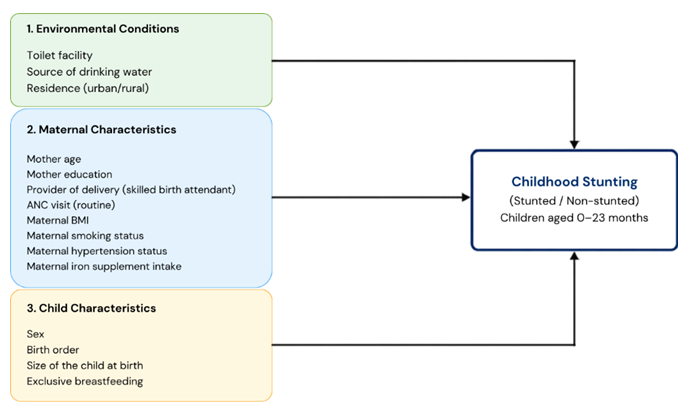

Letters to Editor
[1] Letters that include statements of statistics, facts, research, or theories should include appropriate references, although more than three are discouraged.
[2] Letters that are personal attacks on an author rather than thoughtful criticism of the author’s ideas will not be considered for publication.
[3] Letters can be no more than 300 words in length.
[4] Letter writers should include a statement at the beginning of the letter stating that it is being submitted either for publication or not.
[5] Anonymous letters will not be considered.
[6] Letter writers must include their city and state of residence or work.
[7] Letters will be edited for clarity and length.