
5.2
CiteScore
2.9
Impact Factor
Document Type : RESEARCH ARTICLE
Author
Department of Public Health, College of Health Sciences, Saudi Electronic University, Riyadh, Saudi Arabia
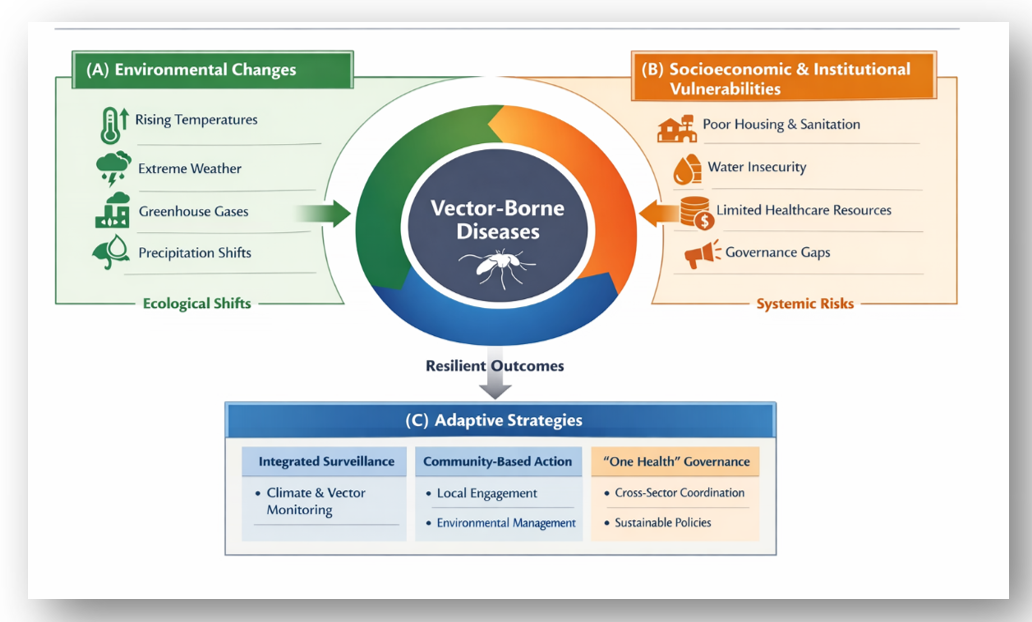
Graphical Abstract
Highlights
Ø Climate change is accelerating the transmission and geographic expansion of vector-borne diseases;
Ø Socio-economic vulnerability intensifies community exposure and limits adaptive capacity;
Ø Weak integration between climatic, entomological, and clinical surveillance undermines early detection;
Ø Community-driven environmental management can significantly reduce vector breeding;
Ø Cross-sector governance and integrated One Health adaptation strategies are crucial to mitigating climate-driven disease risks.
Keywords
INTRODUCTION
Climate change is fundamentally altering environmental conditions that affect the global distribution and incidence of vector-borne diseases (VBDs) (Githeko et al., 2000; Campbell-Lendrum et al., 2015). These diseases—spread by vectors like mosquitoes, ticks, and sandflies—contribute to over one-sixth of the global burden of illness and disability, with more than half of the world's population currently exposed to risk (Campbell-Lendrum et al., 2015; WHO, 2024). Significant pathogens include viruses (dengue, Zika, chikungunya), bacteria (Lyme disease, rickettsioses), protozoa (malaria, leishmaniasis), and many others (Socha et al., 2022; Khan et al., 2023). Accelerated global warming, increased greenhouse gas emissions, glacial melting, and unpredictable weather patterns have expanded the habitats and breeding seasons of disease vectors (de Souza and Weaver, 2024; Jibon et al., 2024). Mosquito-borne diseases, such as malaria, dengue, chikungunya, and Zika, are specifically sensitive to microclimate variations in temperature and humidity, which drive their transmission intensity, seasonality, and geographic spread (Hussain et al., 2024; Mertens, 2025; Anikeeva et al., 2024). Other VBDs, including Lyme disease and rickettsial infections, have migrated and broadened into new ecological regions, suggesting that vectors are adapting to alterations in temperature and rainfall patterns (Abbasi, 2025). Vectors are ectothermic organisms, which means their physiology, reproduction, and survival are regulated by environmental conditions (de Souza and Weaver, 2024; Githeko et al., 2000). Temperature plays a significant role in vector physiology and the progression of pathogens, as increased temperatures usually enhance transmission dynamics within biologically defined boundaries. Rising global average temperatures are predicted to expand risk zones northward and to higher elevations (Githeko et al., 2000; Molina-Guzmán et al., 2022), and this has already facilitated outbreaks in zones previously considered low-risk, including temperate regions (Anikeeva et al., 2024). VBDs unevenly affect low- and middle-income populations in tropical and subtropical regions, driven by limited adaptive capacity, poor housing, and lack of access to essential health services (Campbell-Lendrum et al., 2015; WHO, 2024; Wu and Huang, 2022). Recent estimates indicate that VBDs cause over 700,000 deaths annually, and approximately 80 percent (%) of the global population is now exposed to risk, as vectors move into new territories (UNDP, 2025; Wu and Huang, 2022). Climate, nonetheless, operates alongside social elements including urbanization, deforestation, migration, and water management practices, all of which affect the likelihood of outbreaks and the dynamics of transmission (Campbell-Lendrum et al., 2015). Importantly, climate change has changed vector behaviors, such as host seeking and resting preferences, resistance to desiccation, and adaptation to higher thermal limits, enhancing survival and reproductive cycles in new environments (Abbasi, 2025). These alterations emphasize the need for ongoing evaluation of public health strategies and improving surveillance systems amidst swift ecological shifts (Campbell-Lendrum et al., 2015; Jibon et al., 2024). Despite extensive literature on climate-sensitive VBDs, existing studies often examine climatic, ecological, or socioeconomic factors in isolation or remain confined to single disease or region-specific analyses. There is a scarcity of thematic synthesis that associates these interacting drivers with the processes of community-level adaptation and the institutional response capacity in different environments (e.g., urban, peri-urban, and rural). In addition, many existing reviews remain predominantly descriptive, with insufficient critical structuring of how vulnerability, governance, and intervention effectiveness interact under different climatic and socioeconomic contexts. This study examines four interconnected domains: climatic and ecological drivers of VBD transmission, community-level social and economic vulnerability, governmental and institutional responsibilities, and community-based adaptation strategies for mitigation. This study applies a qualitative thematic analysis of secondary data to amalgamate evidence from different geographic and socioeconomic environments, and it is not restricted to any specific geographic location. This study aims to critically assess the processes by which climate change increases community vulnerability to VBDs and to evaluate actionable strategies for minimizing these threats through the following objectives: 1) To analyze the influence of global warming, altered precipitation, increased greenhouse gas emissions, and ecosystem disruptions on vector and pathogen transmission patterns (Molina-Guzmán et al., 2022; Githeko et al., 2000). 2) To investigate environmental, social, and economic determinants impacting VBD risk, such as poverty, housing quality, and water access (Campbell-Lendrum et al., 2015; Statista, 2023). 3) To assess the effectiveness and limitations of existing policies and institutional methods addressing climate-driven VBD outbreaks (WHO, 2024; Takken et al., 2021). 4) To evaluate community-based adaptation techniques and their scalability for reducing VBD impact (Rivera et al., 2023; Hiscox et al., 2025).
Problem statement
The risk of VBD is increasing worldwide as climate and social changes move faster than current adaptation approaches (Babatuyi et al., 2024; Chigudu, 2025). Numerous local health systems do not possess adequate surveillance, diagnostic resources, and participatory planning mechanisms necessary to effectively detect and respond to the growing challenges posed by burdens VBD (Githeko et al., 2000; Campbell-Lendrum et al., 2015). In addition, fragmented governance, insufficient funding, and weak cross-sectoral coordination constrain the implementation and sustainability of adaptation strategies, particularly in resource-limited settings. Furthermore, without such cohesive approaches, the challenges posed by outbreaks can escalate rapidly, leading to increased risks of transmission between species (Campbell-Lendrum et al., 2015; Mertens, 2025).
Research significance and scope
This research addresses the urgent need for integrated evidence connecting climate change adaptation to improved control of VBDs, especially in vulnerable regions. It combines climatic, epidemiological, policy, and community perspectives to support decision-makers and practitioners (Campbell-Lendrum et al., 2015; Rivera et al., 2023). This study elucidates how identifying patterns, contextual variations, and implementation constraints can guide interventions across local, national, and international spheres to foster effective climate resilience in public health (UNDP, 2025; Cheong et al., 2023). The study was carried out in Riyadh, Saudi Arabia in 2025 and it is based on secondary data obtained from peer-reviewed and institutional sources published between 2020 and 2025.
MATERIALS AND METHODS
Research method and design
This study uses a qualitative research methodology, specifically thematic analysis, to explore the relationship between climate change and the rise of VBDs, focusing on the assessment of community-based adaptation and mitigation strategies. (Cheong et al., 2023; Chai et al., 2021). Qualitative methodologies are ideally suited for tackling complex questions in environmental health, facilitating the incorporation of multiple perspectives and the synthesis of empirical as well as policy-focused literature (Campbell-Lendrum et al., 2015). An exploratory research design was selected, as it allows examination of complex and emerging phenomena—such as shifting vector ecology and adaptation strategies—by drawing from heterogeneous and sometimes incomplete data sources (Olawale et al., 2023; Chapungu and Nhamo, 2021). This method is consistent with the latest advancements in methodology that combine qualitative synthesis with findings from epidemiological modeling and scenario-based analyses, effectively capturing the interactions among climate, vector biology, and community interventions (Sadeghieh et al., 2021; Royal Society, 2021a; Royal Society, 2021b). By triangulating multiple types of secondary data (empirical studies, policy reports, and modeling evidence), the study develops an integrated understanding of adaptation pathways in diverse geographic and socioeconomic contexts (Schlunegger et al., 2024).
Data sources and search strategy
Secondary data were obtained from a diverse range of peer-reviewed journal articles, grey literature, policy papers, and official reports found through databases such as PubMed, Scopus, Web of Science, and Google Scholar (Cheong et al., 2023). A structured keyword-based search strategy was used, employing combinations of terms such as: “climate change,” “VBDs,” “malaria,” “dengue,” “community-based adaptation,” “disease surveillance,” and “public health” (Chai et al., 2021). Articles published in English between 2020 and 2025 were considered, with attention to both global and region-specific analyses (Cheong et al., 2023; Wellcome, 2024). Relevant review articles reference lists and consensus documents (e.g., WHO, IPCC) were scanned for additional sources (IPCC, 2024). The search process was iterative rather than protocol-driven; studies were selected according to their relevance to the research objectives instead of through comprehensive database retrieval. Therefore, this study does not claim completeness of coverage but aims for conceptual depth and thematic representation. Approximately 45-50 sources were included in the final synthesis following screening for relevance and quality. Emphasis was placed on studies that offered empirical evidence, comparative analyses, or well-defined methodological descriptions, along with credible reports from global health organizations.
Inclusion criteria
Studies were included if they were published in English between 2020 and 2025; focused on the intersection of climate change and VBDs in humans; addressed either risk assessment, mitigation/adaptation strategies, policy, surveillance, ecological drivers, or community interventions; and provided transparent methodological detail to enable qualitative synthesis (Schlunegger et al., 2024). Significant reports from agencies like the WHO and CDCP, as well as frequently referenced academic reviews, were utilized to support the findings based on current best practice (Campbell-Lendrum et al., 2015; WHO, 2024).
Exclusion criteria
Studies were excluded if they were published prior to 2020 (unless frequently cited as seminal works in included research); focused exclusively on non-human animal or plant VBDs without clear public health interface; did not address climate or social determinants in VBD emergence; provided insufficient data; or were not available in English (Cheong et al., 2023).
Data analysis
Thematic analysis was performed in accordance with the six-phase framework established by Braun and Clarke (2006), which has been recently modified for research in environmental health (Cheong et al., 2023; Chapungu and Nhamo, 2021). This technique involved: 1) Familiarization with all included texts. 2) Systematic initial coding for emergent themes concerning climate-VBD interactions, community vulnerability, institutional designs, and adaptation strategies. 3) Grouping codes into major and minor themes that fit with research objectives. 4) Reviewing and refining themes for coherence, overlap, and validity with support from research team discussions. 5) Defining and naming finalized themes with corresponding evidence. 6) Synthesizing results to highlight cross-theme insights and policy implications.
Themes were developed using a combination of deductive (objective-driven) and inductive (data-driven) approaches, ensuring that both anticipated and emergent patterns were captured. The input from each individual study related to the themes was monitored, focusing on repeated patterns, differing results, and contextual differences instead of singular assertions. Triangulation of findings from peer-reviewed studies, modeling papers, and agency reports increased reliability and addressed potential single-source bias (Schlunegger et al., 2024). A structured quality appraisal was conducted using the critical appraisal skills program (CASP) checklist and relevant standards for modeling and policy studies to inform interpretation rather than strict exclusion, allowing critical consideration of study limitations while retaining diverse evidence sources (Royal Society, 2021a). The results were evaluated with regard to the quality of the study, the limitations of the methodology, and the contextual factors involved.
RESULTS AND DISCUSSION
Theme 1: Climatic drivers and ecological changes influencing VBD transmission
Climate change is a key factor contributing to the emergence and global proliferation of VBD, primarily functioning through variations in temperature, changes in precipitation patterns, and extreme weather phenomena (Githeko et al., 2000; Ma et al., 2022; Molina-Guzmán et al., 2022). Aedes aegypti (mosquito responsible for dengue, Zika, yellow fever, and chikungunya) has expanded significantly (Stanford Doerr School of Sustainability, 2025). Fig. 1 illustrates how the duration and risk zones for these diseases have increased worldwide. Temperature profoundly impacts transmission through extrinsic incubation period (EIP) shortening. The patterns of precipitation are significant. Heavy rainfall establishes areas for mosquito breeding, whereas droughts cause vectors and hosts to cluster around minimal water sources (Yadav and Upadhyay, 2023; Palmer et al., 2023). Both situations can spark outbreaks, especially in regions newly exposed to disease (Githeko et al., 2000; Mojahed et al., 2022). Major climatic phenomena, such as the El Niño-Southern Oscillation, have been directly linked to VBD outbreaks—Rift Valley fever epidemics in East Africa are often triggered by successive droughts and floods (Research Outreach, 2020). Ecological changes—like land use shifts, urbanization, and deforestation—compound climatic effects, creating new vector habitats (Campbell-Lendrum et al., 2015; Molina-Guzmán et al., 2022). Fig. 2 shows that climate change has been associated with the emergence of more than 200 infectious diseases, including both VBDs and climate-sensitive infectious diseases, linked to shifting temperatures, rainfall variability, and severe storms. Mosquito-borne illnesses (dengue, malaria, Zika) show highest responsiveness (Anoopkumar and Aneesh, 2022; CDCP, 2024). Aedes aegypti expansion and mosquito VBD sensitivity (dengue, malaria, Zika) confirmed by 22/45 studies—strongest evidence among VBDs (CDCP, 2024; Table 3). Nonetheless, the connection between climatic factors and the spread of disease is not consistent. Several studies highlight non-linear and context-dependent effects, where transmission efficiency may decline beyond upper thermal thresholds (20-35 °C optimal; >37 °C vector mortality) or under extreme drought conditions. This denotes that climate-disease interactions are complex and are influenced by local ecological conditions instead of being universally straightforward (Yadav and Upadhyay, 2023). Other VBDs, such as Lyme disease and hantavirus, have also shifted range (Mertens, 2025).
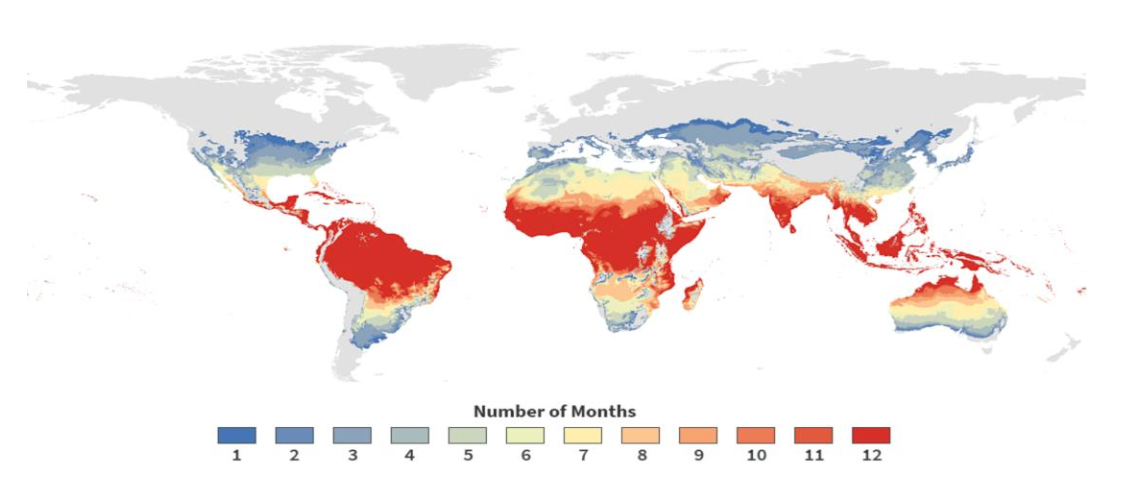
Fig. 1: Impact of climate change on transmission duration and geographic risk zones of major vector-borne diseases
(Stanford Doerr School of Sustainability, 2025)
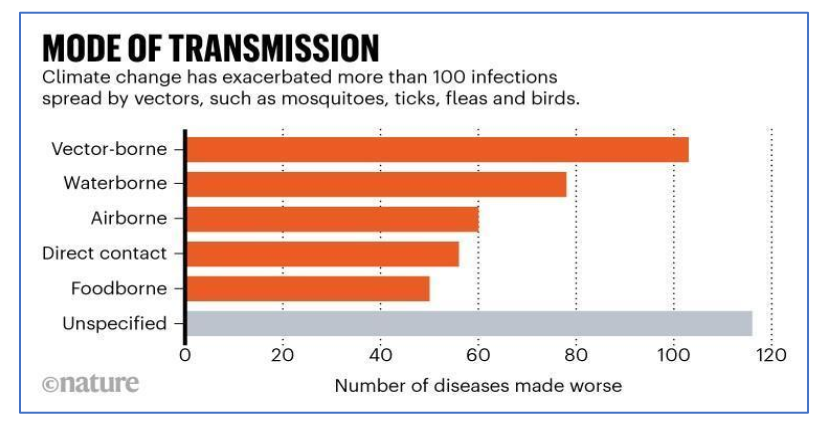
Fig. 2: Types of infectious diseases emerging due to climate change, showing highest
responsiveness of mosquito-borne VBDs (Prillaman, 2022)
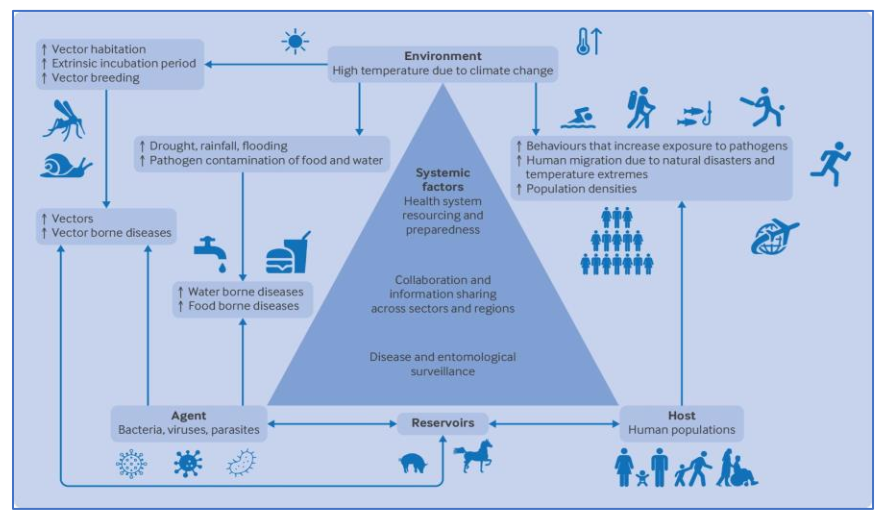
Fig. 3: Global warming impacts on emerging infectious diseases, including vector-borne disease range expansion (Anikeeva et al., 2024)
Theme 2: Community-level social, environmental, and economic determinants
Social, economic, and environmental factors influence community resilience and vulnerability to VBDs (Alqassim, 2024; Yadav and Upadhyay, 2023). The concentration of burden occurs in regions where climate conditions interact with inadequate housing, economic hardship, and poor water management practices (Alqassim, 2024). Urbanization without planned infrastructure facilitates mosquito breeding and complicates disease control, particularly in informal settlements where drainage, sanitation, and housing quality are inadequate. The effectiveness of community-based adaptation strategies varies across urban, peri-urban, and rural contexts due to differences in population density, infrastructure, and environmental exposure (urban slums show 3-5× higher Aedes breeding rates) (Yadav and Upadhyay, 2023). Insufficient public education and awareness frequently exacerbate these risks, diminishing the effectiveness of behavioral interventions (Palmer et al., 2023). Social determinants—poverty, gender roles, education, and migration—reduce preventive measures uptake by 30-35 % in low- and middle-income countries (Athni et al., 2021). Fig. 4 highlights zoonotic spillovers: 73% of emerging infectious diseases (EIDs) are zoonotic, amplifying VBDs risks through human-animal-environment interfaces (Woolhouse and Gowtage-Sequeria, 2005; Buchholz, 2023). Communities with inadequate access to clean water, reliable waste management, and educational opportunities experience heightened disease risks, as ecological degradation and poverty drive exposure to breeding sites (Alqassim, 2024; Campbell-Lendrum et al., 2015). Rapid urbanization, migration, and agricultural expansion can alter land use and bring people into interaction with animal reservoirs, increasing the risk of zoonotic spillovers (Prezode Initiative, 2025; CDCP, 2024). The synthesis also demonstrates that the effectiveness of adaptation strategies varies significantly across urban, peri-urban, and rural settings, where differences in infrastructure, population density, and environmental exposure shape both risk and intervention feasibility. Additional vulnerabilities encompass migratory labor trends and the political disenfranchisement of marginalized communities, both of which diminish access to public health interventions (Rivera et al., 2023; Athni et al., 2021). Barriers to adaptation persist in informal urbanization (limited institutional support reduces CBA effectiveness by 40-60%) (Rivera et al., 2023). “One Health” approaches unify surveillance across human, animal, and environmental sectors for earlier detection and intervention (CDCP, 2024; Woolhouse and Gowtage-Sequeria. 2005; Prezode Initiative, 2025).
Theme 3: Institutional capacity, governance, and policy constraints
Policy and institutional response is crucial for managing VBDs under the stress of climate change (Ellwanger et al., 2021; Takken et al., 2021). One health strategies, uniting human, animal, and environmental health, are increasingly essential (Ellwanger et al., 2021). International frameworks like the WHO, (2017) emphasize intersectoral policies (Fig. 5) and data sharing to enhance adaptive responses (Takken et al., 2021; WHO, 2024). Furthermore, despite these endeavors, the disjointed health system infrastructure, lack of sufficient laboratory and diagnostic resources, and poor entomological surveillance, continue to be prevalent, especially in low-resource environments (Lyimo et al., 2022; van den Berg et al., 2021). Effective adaptation depends on integrating climatic, epidemiological, and vector surveillance data to enable early warning and timely response (Mertens, 2025; Anikeeva et al., 2024). However, institutional barriers (limited resources, fragmented governance, weak coordination) constrain scalability—94-country survey confirms weak oversight undermines local control (van den Berg et al., 2021). Community-led surveillance without formal support encounters
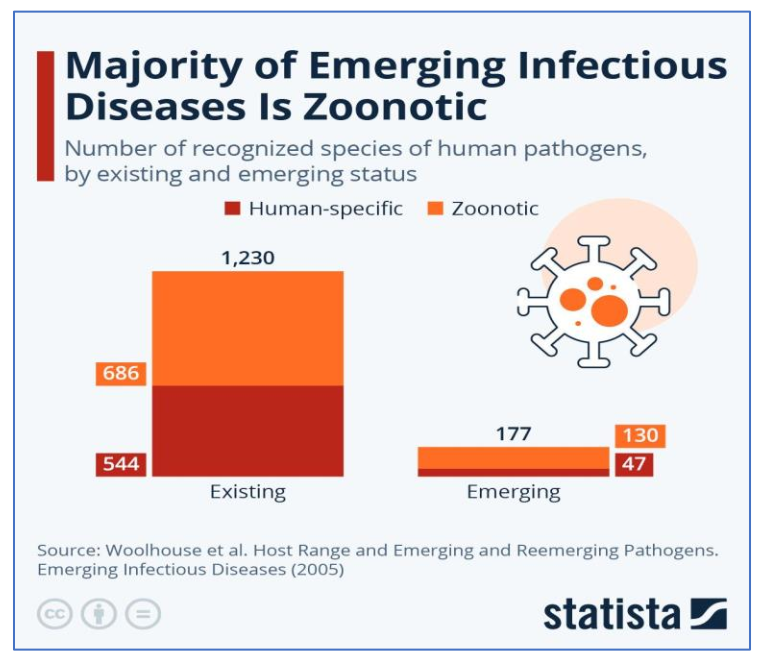
Fig. 4: Proportion of recognized human pathogen species by zoonotic status (existing vs. emerging), showing 73% of emerging infectious diseases are zoonotic (Buchholz, 2023)
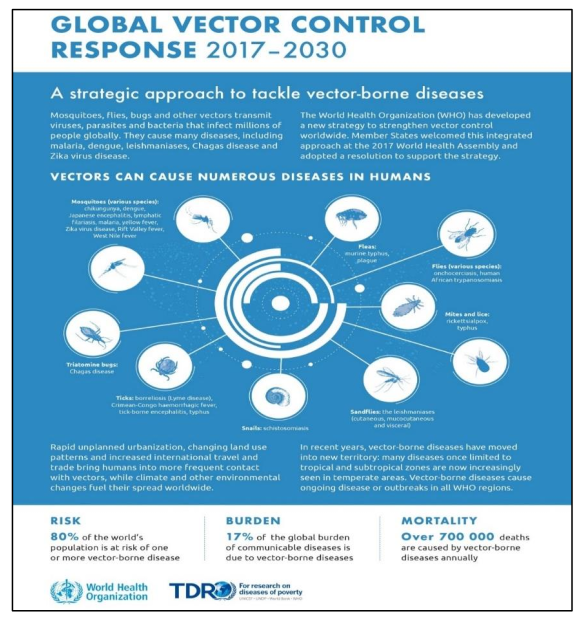
Fig. 5: Emphasizing intersectoral coordination and data sharing (ClimaHealth, 2025; WHO, 2017)
governance barriers: unclear stakeholder roles, overburdened volunteers (50-70% attrition within 2 years), data inconsistencies, and absent accountability structures (Sharp et al., 2024; McGowan et al., 2022; TC-WHO, 2019). These deficiencies compromise long-term effectiveness, given that volunteer attrition surpasses 50% within a two-year period without institutional integration (67-country CBS review) (Owusu et al., 2023; Palmer and Duclos, 2023). Addressing these gaps requires robust governance systems, resource allocation, and cross-sectoral collaboration.
Theme 4: Community-based adaptation and intervention effectiveness
Global health initiatives are progressively acknowledging the importance of community-led adaptation, technological advancements, and inclusivity as essential components for the successful mitigation of VBD (Hiscox et al., 2025; Rivera et al., 2023). Larval source reduction achieves 60-95% vector reduction (Rivera et al., 2023). Community engagement drives 40-65% adoption of preventive practices (vector control, hygiene) vs 8-12% from top-down messaging, with 16-25% sustained behavior change at 2-month follow-up (smoking cessation, bed net use) (Stover et al., 2024; O'Mara-Eves, et al, 2015). Local leader-driven awareness campaigns secure compliance that is threefold higher, thanks to the cultivation of trust and the consideration of cultural specifics 90 (Aberese-Ako et al., 2024; Gilmore et al., 2020). Active community participation in planning achieves 2.3× greater sustainability and 40% higher intervention adherence vs top-down approaches (65% failure rate within 3 years). Bottom-up strategies foster local ownership essential for long-term adaptation success, while top-down interventions often lack community buy-in and collapse post-implementation (Sustainability Directory, 2025; Purinda, et al., 2025). When institutional recognition and resources support community engagement and capacity-building, they contribute to the sustainability of intervention effectiveness (Rivera et al., 2023). Community-led strategies like larval source reduction achieve 60-95% vector reduction during funding but collapse 1-2 years post-funding without institutional integration (73% Pacific Island CBA failure rate) (Westoby et al., 2020). Sustainable vector management necessitates the incorporation of structured health system governance instead of intermittent external financial support (Wang et al., 2025; Tye et al., 2021). Emerging tools such as mobile-based reporting systems, GIS mapping, and AI-supported early warning systems offer additional opportunities to strengthen community-level surveillance and response when effectively integrated with existing health systems. Fig. 6 demonstrates the partnership between public health agencies, local governments, and communities in upholding effective intervention (Rivera et al., 2023; USDHHS and CDCP, 2024). Participatory interventions (environmental management, larval source reduction, health education) achieve 40-70 % incidence reduction in Brazil/India with institutional support (Athni et al., 2021; Hiscox et al., 2025). Despite this, interventions are still contingent upon short-term funding cycles and lack incorporation into established health systems (47% de-implementation resulting from funding loss) (McKay et al., 2021). These findings indicate that CBA requires institutional support, governance alignment, and long-term investment.
Cross-theme synthesis and comparative insights
The synthesis demonstrates that climate-driven VBD risk emerges from the interaction between climatic exposure, community-level vulnerability, and institutional capacity. The elevation in temperature along with fluctuations in rainfall establish favorable conditions for transmission; however, the scale and distribution of risk are moderated by the quality, governance systems, and social determinants (Georgakopoulou et al., 2025; Yadav and Upadhyay, 2023). Comparative evidence suggests that:
§ Regions with strong institutional coordination demonstrate earlier outbreak detection and more effective response.
§ Community-based interventions yield better outcomes when combined with formal health system support.
§ Resource-constrained settings face persistent challenges in sustaining adaptation strategies due to financial and infrastructural limitations.
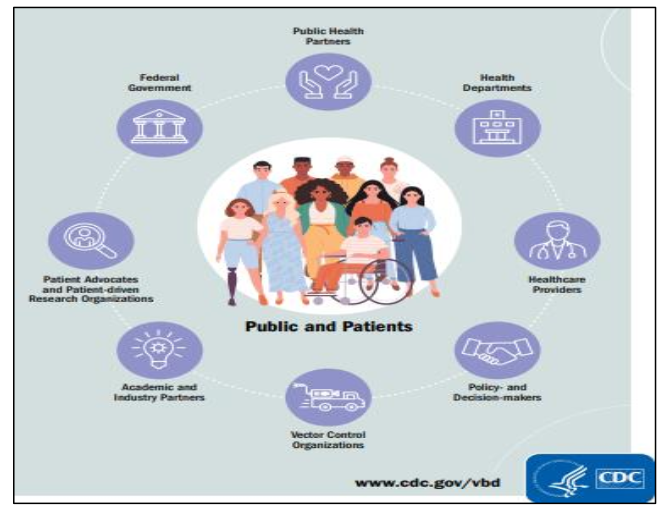
Fig. 6: Multi-sectoral collaboration model between public health agencies, local governments, and communities for sustainable VBD control (Rivera et al., 2023; USDHHS and CDCP, 2024)
Comparative analysis and study contribution
This study contributes to the existing literature by providing a cross-sectoral synthesis of biological, technological, and governance dimensions of climate-sensitive VBDs. Unlike previous reviews, which often focus on single diseases or specific geographic regions, this analysis adopts a multi-disease, global perspective and identifies context-specific transmission pathways. Prior studies have often highlighted the efficacy of community-based interventions, yet it has not adequately considered the institutional, financial, and governance limitations that hinder their scalability. In contrast, this synthesis demonstrates that CBA is not a standalone solution, but part of a broader system requiring sustained financing, institutional integration, and “One Health” governance frameworks to achieve long-term impact. Table 1 presents the comparative positioning of the present study in relation to previous reviews, highlighting its unique contributions, scope, and advancements within the existing body of literature.
Disease patterns, vectors, and environmental drivers
The synthesis indicates that increases in global temperature, irregular rainfall, and frequent extreme weather events are consistently associated with the expansion of vector populations and pathogen transmission dynamics (de Souza and Weaver, 2024; CDCP, 2024; Georgakopoulou et al., 2025). Based on the studies that have been reviewed, diseases transmitted by mosquitoes and ticks have been recognized as the most sensitive to climate changes, with substantial evidence indicating their geographic spread into highland, peri-urban, and temperate regions. Table 2 summarizes the causative agents and the key climatic and environmentally driven impacts for the principal VBDs affecting humans. Geographic expansion into highland, peri-urban, and temperate areas is already well documented for diseases like malaria, dengue, chikungunya, and Lyme disease as vectors adapt to newly suitable habitats (UNDP, 2025; Mertens, 2025). The synthesis emphasizes that prolonged breeding seasons and heightened incidence rates are prevalent in areas experiencing significant climate stress, swift urban expansion, and poor water management (APMEN, 2025). However, these patterns are not uniform across settings. The analysis indicates that climatic drivers interact with local environmental conditions—such as water storage practices, sanitation infrastructure, and vegetation cover—resulting in spatially variable risk profiles. This emphasizes that climate change functions as a risk amplifier instead of being an independent factor in disease transmission (UNDP, 2025; WHO, 2024). The synthesis reveals that even though these environmental factors are generally accepted, their influence is greatly shaped by local infrastructure and environmental management practices. This emphasizes the importance of tailored and integrated intervention strategies as opposed to standardized methods.
Table 1: Comparative positioning of the present study relative to previous reviews
|
Feature |
Previous SLR / Narrative Reviews |
Present Thematic Synthesis |
Novelty / Strength |
|
Scope |
Often narrow (single disease or region) |
Global, multi-disease, cross-context |
Comparative across urban–rural gradients |
|
Technological focus |
Emphasis on primary control (e.g., bed nets) |
Integration of digital tools (AI, GIS, EWS) |
Links surveillance with decision systems |
|
Social analysis |
Descriptive mention of poverty |
Analysis of migration, informal settlements |
Identifies structural vulnerability modifiers |
|
Policy direction |
General recommendations for coordination |
Explicit governance pathways |
Actionable “One Health” integration framework |
Policy, surveillance, and cross-sectoral gaps
The synthesis identifies integrated surveillance systems as a critical requirement for effective VBD control. Evidence across studies shows that monitoring systems combining entomological data, clinical case reporting, and climatic indicators are more effective in enabling early detection and targeted intervention (Ali and Kamraju, 2025; Rivera et al., 2023). Table 3 details the critical metrics and data sources needed to operate these systems, including vector abundance indices, clinical incidence data, climatic anomalies, and measures of community engagement. The synthesis reveals that although these indicators are well established in policy frameworks, their practical implementation remains inconsistent. Many health systems are deficient in technical capacity, data integration infrastructure, and cross-sectoral coordination to convert these metrics into effective early warning systems. Further, the review points out that effective integration of meteorological and health data, especially within coordinated national frameworks, leads to more prompt outbreak detection and more precise interventions. Additionally, strengthened surveillance networks and improved data interoperability can facilitate timely risk assessment, support evidence-based decision-making, and enhance public health preparedness. However, in many low-resource and rapidly urbanizing settings, surveillance systems remain fragmented, limiting their predictive and operational value for effective disease prevention (van den Berg et al., 2021; Lyimo et al., 2022).
Table 2: Major vector-borne diseases, climatic drivers, and environmental risk factors (Zavaleta-Monestel et al., 2025; WHO, 2024)
|
Vector-borne disease |
Primary vector / pathogen |
Main climate or environmental driver |
Key impacts |
Poor environmental maintenance factors |
|
Dengue |
Aedes aegypti, Aedes albopictus (virus) |
Rising temperature, irregular rainfall |
Increased mosquito breeding and outbreaks |
Open water storage, blocked drains, poor waste disposal |
|
Malaria |
Anopheles mosquitoes (Plasmodium spp.) |
Temperature rise, stagnant water, flooding |
Extended transmission season, higher morbidity |
Stagnant unmanaged water, poor drainage, lack of mosquito nets |
|
Chikungunya |
Aedes mosquitoes (virus) |
Warm, humid conditions, heavy rainfall |
Rapid community-level outbreaks, joint pain burden |
Containers, tyres, or tanks left uncovered |
|
Zika virus |
Aedes aegypti (virus) |
Heat and rainfall variation |
Birth defects, neurological effects |
Domestic water collection without lids, urban litter accumulation |
|
Lyme disease |
Ixodes ticks (Borrelia burgdorferi) |
Warmer winters, vegetation growth |
Spread to new highland or temperate zones |
Overgrown vegetation, unmanaged animal habitats |
|
Rickettsial diseases |
Ticks, mites (bacteria) |
Seasonal humidity and warmth |
Skin lesions, fever, systemic infection |
Poor livestock hygiene, unclean shelters, and bush overgrowth |
Table 3: Core metrics and systems for policy and practice (Rivera et al., 2023; Ali and Kamraju, 2025)
|
Metric / indicator |
Source type |
Policy levers |
Practical use |
|
Vector abundance indices (larval, adult)
|
Entomological surveys, community reports |
Local vector control funding, target mapping |
Prioritize locations for larval source reduction |
|
Clinical case incidence and seasonality |
Health facility records, surveillance reports |
Diagnostic training, stockpiling diagnostics |
Triggers focused on clinical response and case management |
|
Climatic anomalies (temperature, rainfall) |
Meteorological datasets, climate models |
Early warning protocols, seasonal planning |
Predicts high-risk transmission windows |
|
Community engagement index |
Qualitative studies, participatory monitoring |
Capacity building, micro-grants |
Guides investment in community-led interventions |
Equity, infrastructure, and community capacity
The synthesis consistently shows that low-income regions, particularly in sub-Saharan Africa and South/Southeast Asia, bear the highest burden of climate-linked VBDs while contributing the least to global emissions (APMEN, 2025; Zavaleta-Monestel et al., 2025). These areas encounter a twofold challenge of significant climatic exposure and restricted adaptive capacity. The spread of malaria and dengue into highland or non-traditional regions highlights the need for tailored, climate-informed, community-based approaches (de Souza and Weaver, 2024; UNDP, 2025). However, the effectiveness of such strategies is strongly influenced by underlying infrastructure conditions, including water supply systems, sanitation, and housing quality. The synthesis emphasizes that the decentralization of health services, the fortification of primary care systems, and the incorporation of climate variability into local planning processes are essential for improving resilience (Hiscox et al., 2025; Rivera et al., 2023). These approaches enable context-specific adaptation and improve responsiveness to emerging disease patterns. Nevertheless, enduring inequalities in resource distribution, healthcare access, and institutional assistance continue to impede the scalability and effectiveness of adaptation strategies, thus limiting their impact on the most vulnerable groups.
Research gaps and implications for scaling solutions
Cross-country expert synthesis and recent systematic reviews indicate priority areas for future research and implementation (Zavaleta-Monestel et al., 2025):
§ Climate-specific risk mapping: More granular, real-time climate and vector data sharing can enable precision targeting of high-risk communities and adaptive control strategies.
§ Cross-sectoral coordination: There is ongoing need to break down barriers between meteorological, environmental, and health sector sharing protocols, budgets, and timelines for scalable action.
§ Sustained financing: Developing and sustaining early warning systems (EWS), diagnostic facilities, and vector control infrastructure continues to pose a financial challenge for numerous vulnerable countries.
§ Community empowerment: Investment in training, microgrants, and participatory monitoring significantly enhances local compliance and long-term effectiveness of vector-control.
§ Equity: Explicit targeting and tracking of the most vulnerable populations is essential for achieving global health and climate justice. Children under five remain the most at-risk global demographic (APMEN, 2025).
Synthesis
The findings of this study demonstrate that multisectoral, context-specific, and equity-oriented approaches are required to effectively lessen the health threats posed by climate-driven VBD risks. As climate change accelerates, effective collaboration among science, policy, and community innovation will be essential for safeguarding public health (APMEN, 2025; WHO, 2024). No single intervention is sufficient; rather, effectiveness depends on the interaction between climatic conditions, community capacity, and institutional support.
RECOMMENDATION
1) Implementing Advanced Alert Systems: Regional authorities should develop integrated platforms that work together to synthesize climatic, entomological, and clinical data to permit rapid, localized public health responses to emerging VBD threats. Emphasis ought to be placed on interoperable systems that connect community-generated data with national surveillance frameworks. 2) Investing in Environmental Management and Community-Based Surveillance: Sustainable control requires a shift away from temporary chemical interventions toward permanent physical modifications. This encompasses the formalization of the role of community health volunteers, along with the provision of technical training for localized vector control activities. Nonetheless, the feasibility is contingent upon ongoing funding and institutional backing, especially in informal or resource-limited environments. 3) Adaptive Health Capacity Systems: Local health clusters must enhance frontline diagnostic capabilities in primary care settings. Capacity-building programs should focus on training providers in identifying evolving disease patterns. This approach will enable districts to dynamically adjust resource allocation, depending on the specific vector risks present within their localized environments. 4) Promoting Sustainable and Hygiene-Based Practices: Public health strategies should prioritize their focus toward fostering long-term behavioral changes in community engagement. Promoting practices like safe water storage, effective waste management, and proper environmental sanitation can help decrease habitats conducive to vector breeding. 5) Fostering Cross-Sector Adaptive Governance: Governance frameworks should promote coordination across health, environmental, water, and urban planning sectors. Institutional integration remains a major challenge, and requires clear accountability mechanisms, financing structures, and policy alignment. This study is constrained by its dependency on secondary data sources, limiting the inclusion of fresh empirical results or primary qualitative data exploring local adaptation in diverse socio-ecological settings (Cheong et al., 2023). Certain potentially pertinent data remains unreachable because of language or publication limitations, and upcoming studies beyond 2025 may enhance comprehension further. The non-systematic nature of the search strategy may also limit completeness of evidence coverage, although efforts were made to ensure thematic representativeness. Future research priorities include: 1) Longitudinal studies assessing community adaptation trajectories. 2) Economic analyses quantifying costs and benefits of integrated climate-health interventions. 3) Development of interoperable data platforms supporting real-time warning system. 4) Evaluation of equity-focused policies ensuring vulnerable populations are prioritized (Campbell-Lendrum et al., 2015; WHO, 2024). These studies will provide a foundation for responsive, effective, and fair strategies aimed at alleviating the serious public health dangers associated with climate-related VBDs.
CONCLUSION
This study offers a comprehensive qualitative synthesis of the evolving relationship between anthropogenic climate change and the global resurgence of VBDs. These results bolster the claim that climate variability has transitioned from a secondary environmental concern to a key factor influencing contemporary infectious disease patterns. Through the integration of evidence from ecological, socioeconomic, and institutional viewpoints, this research clarifies how the convergence of increasing temperatures, modified precipitation patterns, and rapid urbanization engenders precarious conditions for pathogens previously constrained by geographical and thermal limitations. This study greatly enhances our comprehension of the biological processes through which slight climatic changes trigger substantial epidemiological occurrences. The investigation demonstrates that a mere 1-2 oC increase in environmental temperature markedly shortens the extrinsic incubation period (EIP) of pathogens within their vectors, consequently elevating the incidence of transmission throughout a vector's lifespan. Furthermore, the study underscores a notable "altitude creep" and "latitude expansion" observed in species including Aedes aegypti and Phlebotomus sandflies. Urban centers situated at high altitudes, which previously enjoyed a certain level of "thermal protection," are currently experiencing prolonged transmission periods and elevated vector populations due to rising minimum temperatures that enable these species to survive and flourish in areas of highland that were once deemed unsuitable. The investigation further establishes that environmental drivers do not act in isolation; rather, they are mediated by deep-seated social and infrastructural vulnerabilities. This investigation reveals that the impact of climate-related illnesses is unevenly distributed, with the most vulnerable populations residing in locales characterized by substandard housing, unreliable water storage, and inadequate waste management, which collectively create conditions conducive to disease transmission. Within urban settings, the "urban heat island" phenomenon exacerbates the effects of poor sanitation, thereby prolonging the period of vector activity throughout the year and circumventing the natural seasonal patterns that typically regulate it. These observations emphasize the crucial relationship between public health resilience and the broader municipal infrastructure, specifically the urgent change from erratic water storage systems to trustworthy piped networks, in conjunction with the adoption of circular waste recovery approaches. Furthermore, this research elucidates a significant disparity at the institutional level, specifically between the processes of data acquisition and the capacity for effective, practical responses. Despite the progress achieved in digital surveillance, many systems still engage in reactive operations rather than proactive measures. The synthesis underscores the necessity of transitioning to "One Health" governance, which integrates human, animal, and environmental health sectors to identify zoonotic spillover events prior to their evolution into human epidemics. The effectiveness of integrated models, which encompass sentinel monitoring and the integration of real-time climatic data, provides a validated framework for transitioning from disjointed reporting to advanced, localized EWS. Additionally, this study emphasizes community-led adaptation as the most enduring and economically viable approach to long-term vector control. The results demonstrate that as communities shift from passive recipients of health information to engaging actively in source reduction initiatives—such as through neighborhood committees or student-led volunteer programs—vector indices may decrease by as much as 95%. This transition requires formal institutional support, including training, micro-grants, and the integration of "citizen science" into national surveillance networks. Leveraging local knowledge and existing social structures allows health systems to monitor and manage the environment in a way that top-down approaches cannot. To summarize, establishing resilience in the face of climate and health challenges demands a comprehensive approach that relies on scientific data, is reinforced by institutional frameworks, and prioritizes community engagement. This study provides a strategic foundation for policymakers, which emphasizes that the future public health security depends on bridging the gap between global climate science and local social action. While the threat of climate-related diseases is growing, the evidence presented here suggests that combining infrastructure stability, digital integration, and community empowerment can transform high-risk areas into examples of adaptive resilience.
AUTHOR CONTRIBUTIONS
M.T. Akhtar, as the author solely conceived the study, performed the analyses, interpreted the results, and drafted and revised the manuscript.
ACKNOWLEDGMENT
The author would like to acknowledge the publicly available resources and scientific literature that supported the development of this manuscript. This study is completely based on publicly available secondary data and does not involve human or animal subjects; therefore, ethical approval was not required.
CONFLICT OF INTEREST
The author declares that there is no conflict of interest regarding the publication of this manuscript. In addition, ethical issues, including plagiarism, informed consent, misconduct, data fabrication and/or falsification, double publication and/or submission, and redundancy have been completely observed by the authors.
OPEN ACCESS
©2026 The author(s). This article is licensed under a Creative Commons Attribution 4.0 International License, which permits use, sharing, adaptation, distribution and reproduction in any medium or format, if you give appropriate credit to the original author(s) and the source, provide a link to the Creative Commons license, and indicate if changes were made. The images or other third-party material in this article are included in the article’s Creative Commons license, unless indicated otherwise in a credit line to the material. If material is not included in the article’s Creative Commons license and your intended use is not permitted by statutory regulation or exceeds the permitted use, you will need to
obtain permission directly from the copyright holder. To view a copy of this license, visit: http://creativecommons.org/licenses/by/4.0/
PUBLISHER’S NOTE
GJESM Publisher remains neutral regarding jurisdictional claims in published maps and institutional afflictions.
Positive AI Statement
Generative AI tools [ChatGPT] were used solely for language editing, structural refinement, and technical formatting. After using this tool/service, the authors reviewed and edited the content as needed and take full responsibility for the content of the publication.
ABBREVIATIONS
|
% |
Percent |
|
°C |
Degrees Celsius |
|
APMEN |
Asia Pacific Malaria Elimination Network |
|
CASP |
Critical appraisal skills programcommunity-based adaptation |
|
CBA |
Community-based adaptation |
|
CDCP |
Center for Disease Control and Prevention |
|
EID |
Emerging infectious disease |
|
EIP |
Extrinsic incubation period |
|
IVM |
Integrated vector management |
|
EWS |
Early warning systems |
|
GVCR |
Global vector control response |
|
spp. |
species (plural) |
|
U.S. DHHS |
United States Department of Health and Human Services |
|
UNDP |
United Nations Development Programme |
|
VBDs |
Vector-borne diseases |
|
WHO |
World Health Organization |
REFERENCES
Abbasi, E., (2025). Climate change and vector-borne disease transmission: the role of insect behavioral and physiological adaptations. Integrative Organ. Biol., PMID: 40330693. (16 pages).
Aberese-Ako, M.; Doegah, P.T.; Kpodo, L.; Ebelin, W.; Kuatewo, M.;, Baba, A.A.; Kpordorlor, A.G.; Lissah, S.Y.; Kuug, A.K.; Ansah, E., (2024). The role of community engagement toward ensuring healthy lives: a case study of COVID-19 management in two Ghanaian municipalities. Front Public Health. 1: 1213121.
Ali, M.A.; Kamraju, M., (2025). Accountability, transparency, and adaptation strategies. In Global Climate Governance: Strategies Effect. Manage., Springer Nature. 135-154 (20 pages).
Alqassim, A.Y., (2024). Social, behavioral and environmental determinants of vector-borne diseases: A narrative review of evidence and implications for integrated control approaches. J. Vector Borne Dis., 61 (11 pages).
Anikeeva, O.; Hansen, A.; Varghese, B.; Borg, M.; Zhang, Y.; Xiang, J.; Bi, P., (2024). The impact of increasing temperatures due to climate change on infectious diseases. BMJ. 387 (16 pages).
Anoopkumar, A.N.; Aneesh, E.M., (2022). A critical assessment of mosquito control and the influence of climate change on mosquito-borne disease epidemics. Environment, Development and Sustainability. 24(6): 8900-8929 (30 pages).
APMEN, (2025). Insights from the 2025 APMEN Climate Workshop. Asia Pacific Malaria Elimination Network.
Athni, T.S.; Shocket, M.S.; Couper, L.I.; Nova, N.; Caldwell, I.R.; Caldwell, J.M.; Childress, J.N.; Childs, M.L.; De Leo, G.A.; Kirk, D.G.; MacDonald, A.J.; Olivarius, K.; Pickel, D.G.; Roberts, S.O.; Winokur, O.C.; Young, H.S.; Cheng, J.; Grant, E.A.; Kurzner, P.M.; Kyaw, S.; Lin, B.J.; Lopez, R.C.; Massihpour, D.S.; Olsen, E.C.; Roache, M.; Ruiz, A.; Schultz, E.A.; Shafat, M.; Spencer, R.L.; Bharti, N.; Mordecai, E.A., (2021). The influence of vector-borne disease on human history: socio-ecological mechanisms. Ecology Letters, 24(4): 829-846 (18 pages).
Babatuyi, P.B.; Imoh, P.O.; Igwe, E.U.; Enyejo, J.O., (2024). The Role of Public Health Leadership in Strengthening Emergency Response Protocols and Addressing Infrastructure Gaps During Infectious Disease Outbreaks. Int. J. Sc. Res. Modern Technol., 3(10): 109-122 (24 pages).
Braun, V.; Clarke, V., (2006). Using thematic analysis in psychology. Q. Res. Psychol., 3(2): 77–101 (25 pages).
Buchholz, K., (2023). Majority of Emerging Infectious Diseases Is Zoonotic. Statista.
Campbell-Lendrum, D.; Manga, L.; Bagayoko, M.; Sommerfeld, J., (2015). Climate change and vector-borne diseases: What are the implications for public health research and policy? Philosophical Transactions of the Royal Society B: Biol. Sci., 370: 1665 (8 pages).
CDCP, (2024). Vector-borne diseases. Centers for Disease Control and Prevention U.S. Department of Health and Human Services. March 2, 2024.
Chai, H.H.; Gao, S.S.; Chen, K.J.; Duangthip, D.; Lo, E.C.M.; Chu, C.H., (2021). A concise review on qualitative research in dentistry. Int. J. Env. Res. Public Health. 18(3); 942. (13 pages).
Chapungu, L; Nhamo, G., (2021). Interfacing vector-borne disease dynamics with climate change: Implications for the attainment of SDGs in Masvingo city, Zimbabwe. J. Disaster Risk Stud., 13(1): 1-12 (12 Pages).
Cheong, H.I.; Lyons, A.; Houghton, R.; Majumdar, A., (2023). Secondary qualitative research methodology using online data within the context of social sciences. Int. J. Q. Methods. 22. (19 pages).
Chigudu, D., (2025). Assessing the Intersectionality of Climate Change, Health, and Economic Development in Africa: Challenges and Opportunities for Resilience-Building by 2030. (14 pages).
ClimaHealth, (2025). Disease. World Health Organization.
de Souza, W.M.; Weaver, S.C., (2024). Effects of climate change and human activities on vector-borne diseases. Nat. Rev. Microbiol., 22(8), 476–491 (16 pages).
Ellwanger, J.H.; Veiga, A.B.G.D.; Kaminski, V.D.L.; Valverde-Villegas, J.M.; Freitas, A.W.Q.D.; Chies, J.A.B., (2021). Control and prevention of infectious diseases from a One Health perspective. Gen. Mol. Biol., 44(1) (Suppl 1): e20200256. (23 pages).
Georgakopoulou, V.E.; Taskou, C.; Sarantaki, A.; Spandidos, D.A.; Gourounti, K.; Chaniotis, D.; Beloukas, A., (2025). Vector‑borne infectious diseases in pregnancy in the era of climate change: A focus on mosquito‑ and tick‑borne pathogens (Review). Exp. Therapeutic Med., 30: 174. (13 pages).
Gilmore, B.; Ndejjo, R.; Tchetchia, A.; de Claro, V.; Mago, E.; Diallo, A.A.; Lopes, C.; Bhattacharyya, S., (2020). Community engagement for COVID-19 prevention and control: a rapid evidence synthesis. BMJ Glob Health.;5(10):e003188. (11 pages).
Githeko, A.K.; Lindsay, S.W.; Confalonieri, U.E.; Patz, J.A., (2000). Climate change and vector-borne diseases: a regional analysis. Bull. World Health Organ. 2000;78(9): 1136-1147 (12 pages).
Hiscox, A.; Jones R.T.; Dennehy, J.; Dyall, W.; Paris, L.; Spencer, F.I.; Keating, F.; Seelig, F.; Narendran, A.; Das, A.; Logan, J.G., (2025). An exploration of current and future vector-borne disease threats and opportunities for change. Front. Public Health. 13: 1585412. (5 pages).
Hussain, A.M.H.; Alzeer, A.M.Y.; Alsomali, A. M. H.; Muyini, H. A.; Madkhali, J. A. A.; Alkharaan, B. S. R.; Al-Ghamdi, S.; Sahqi, A. W.; Almarshud, A.; Bin-Gangnam, A.; Almarshud, A.; Zahrani, F.; Alenaz, S.; Al-Mahlasi, M.; Alkubra, E., (2024). Assessing the impact of climate change on vector-borne diseases: A systematic review of current evidence. Egypt. J. Chem., 67(13): 1209-1220 (12 pages).
IPCC, (2022). Climate Change 2022 – Impacts, Adaptation and Vulnerability: Working Group II Contribution to the Sixth Assessment Report of the Intergovernmental Panel on Climate Change. Cambridge: Cambridge University Press. (3070 pages).
Jibon, M.J.N.; Ruku, S.M.R.P.; Islam, A.R.M.T.; Khan, M.N.; Mallick, J; Bari, A.B.M.M.; Senapathi, V., (2024). Impact of climate change on vector-borne diseases: Exploring hotspots, recent trends and future outlooks in Bangladesh. Acta Tropica. 259: 107373 (16 pages).
Khan, A.; Yasin, M.; Aqueel, M.A.; Farooqi, M.A.; Akram, M.I.; Yousuf, H.M.B.; Noor, M; Maqsood, A., (2023). Vector-borne disease and climate change. In Arthropods-New Advances and Perspectives. IntechOpen. (18 pages).
Lyimo, B.M.; Popkin-Hall, Z.R.; Giesbrecht, D.J.; Mandara, C.I.; Madebe, R.A.; Bakari, C.; Pereus, D.; Seth, M.D.; Ngamba, R.M.; Mbwambo, R.B.; MacInnis, B.; Mbwambo, D.; Garimo, I.; Chacky, F.; Aaron, S.; Lusasi, A.; Molteni, F.; Njau, R.; Cunningham, J.A.; Lazaro, S.; Mohamed, A.; Juliano, J.J.; Bailey, J.A.; Ishengoma, D.S., (2022) potential opportunities and challenges of deploying next generation sequencing and crispr-cas systems to support diagnostics and surveillance towards malaria control and elimination in Africa. Front. Cell. Infect. Microbiol., 12: 757844 (13 pages).
Ma, J.; Guo, Y.; Gao, J.; Tang, H.; Xu, K.; Liu, Q.; Xu, L., (2022). Climate Change Drives the Transmission and Spread of Vector-Borne Diseases: An ecological perspective. Biology. 11: 1628 (12 pages).
McKay, V.R.; Tetteh, E.K.; Reid, M.J.; Ingaiza, L.M.; Combs, T.B., (2011). Persistence of inefficient HIV prevention interventions: a mixed-method analysis of the reasons why. Transl. Behav. Med.;11(9):1789-1794 (6 pages).
McGowan, C.R.; Takahashi, E.; Romig, L.; Bertram, K.; Kadir, A.; Cummings, R.; Cardinal, L., (2022). Community-based surveillance of infectious diseases: a systematic review of drivers of success. BMJ Global Health.;7:e009934. (13 pages).
Mertens, J.E., (2025). The influence of climate change on vector-borne diseases in a wilderness medicine context. Wilderness Environ. Med., 36(1): 44-60 (17 pages).
Mojahed, N.; Mohammadkhani, M.A.; Mohamadkhani, A., (2022). Climate Crises and Developing Vector-Borne Diseases: A Narrative Review. Iran. J. Public Health. 51(12): 2664-2673 (10 pages).
Molina-Guzmán, L.P.; Gutiérrez-Builes, L.A.; Ríos-Osorio, L.A., (2022). Models of spatial analysis for vector-borne diseases studies: A systematic review. Vet. World. 15(8): 1975–1989 (15 pages).
Olawale, S.R.; Chinagozi, O.G.; Joe, O.N., (2023). Exploratory research design in management science: A review of literature on conduct and application. Int. J. Res. Innovation Soc. Sci., 7(4): 1384-1395 (12 pages).
O'Mara-Eves, A.; Brunton, G.; Oliver, S; Kavanagh, J.; Jamal, F.; Thomas, J., (2015). The effectiveness of community engagement in public health interventions for disadvantaged groups: a meta-analysis. BMC Public Health. 15: 129 (23 pages).
Owusu, L.; Tuwor, R.D.; Ackam, N.; Loglo, A.; Agbavor, B.; Agbanyo, A.; Dornu, O.; Antwi, P. B.; Oppong, M.N.; Adjei, J.K.; Frimpong, V.; Abass, M.K.; Novignon, J.; Asiedu, K.; Laryea, D.O.; Amoako, Y.A.; Phillips, R.O., (2023). Role and capacity needs of community based surveillance volunteers in the integrated management of skin neglected tropical diseases (skin NTDs): a qualitative study from central Ghana. BMC public health. 23(1): 1086 (12 pages).
Palmer, J.; Duclos, D., (2023). Key Considerations: Community-Based Surveillance in Public Health. Social Science in Humanitarian Action (SSHAP).
Palmer, P.I.; Wainwright, C.M.; Dong, B.; Maidment, R.I.; Wheeler, K.G.; Gedney, N.; Hickman, J.E.; Madani, N.; Folwell, S.S.; Abdo, G.; Allan, R.P.; Black, E.C.L.; Feng, L.; Gudoshava, M.; Haines, K.; Huntingford, C.; Kilavi, M.; Lunt, M.F.; Shaaban, A.; Turner, A.G., (2023). Drivers and impacts of Eastern African rainfall variability. Nat. Rev. Earth Environ, 4: 254–270 (17 pages).
Prezode Initiative, (2025). Strategic agenda and operational roadmap for zoonotic risk reduction and pandemic prevention.
Prillaman, M., (2022). Climate change is making hundreds of diseases much worse [Infographic]. 12: Nature.
Purinda, A.D.; Rahayu, F.; Jati, K.S., (2025). Community-based approaches to climate change adaptation and resilience. Empowering Communities Research Hub., 1(1) (9 pages).
Research Outreach, (2020). Climate change impacts the transmission of vector-borne diseases. 2.
Rivera, E.P.; Arrivillaga, M.R.; Juárez, J.G.; Urioste-Stone, S.M.D.; Berganza, E.; Pennington, P.M., (2023). Adoption of community-based strategies for sustainable vector control and prevention. BMC Public Health. 23: 1834.
Royal Society, (2021a). A healthy future: tackling climate change mitigation and human health together. Policy Briefing.
Royal Society, (2021b). Healthy planet, healthy people: Climate Change and Health.
Sadeghieh, T.; Sargeant, J.M.; Greer, A.L.; Berke, O.; Dueymes, G.; Gachon, P.; Ogden, N.H.; Ng, V., (2010). Zika virus outbreak in Brazil under current and future climate. Epidemics. 37: 100491 (10 pages).
Schlunegger, M.C.; Zumstein-Shaha, M.; Palm, R., (2024). Methodologic and data-analysis triangulation in case studies: A scoping review. West. J. Nurs. Res., 46(8): 611-622 (12 pages).
Sharp, A.R.; Mpofu, N.; Lankiewicz, E.; Ajonye, B.; Rambau, N.P.; Dringus, S.; Honermann, B.; Erondu, N.; Russell, A.; Mwehonge, K.; Aguiar, C.; Ledan, N.; Kavanagh, M.M., (2024). Facilitators and barriers to community-led monitoring of health programs: Qualitative evidence from the global implementation landscape. PLOS Global Public Health. 4(6): e0003293 (14 pages).
Socha, W.; Kwasnik, M.; Larska, M.; Rola, J.; Rozek, W., (2022). Vector-Borne Viral Diseases as a Current Threat for Human and Animal Health—One Health Perspective. J. Clin. Med., 11: 3026. (28 pages).
Stanford Doerr School of Sustainability, (2025). How does climate change affect disease? Stanford University.
Stover, J.; Avadhanula. L.; Sood, S., (2024). A review of strategies and levels of community engagement in strengths-based and needs-based health communication interventions. Front Public Health. 12: 1231827 (17pages).
Sustainability Directory, (2025). Could community-led adaptation be more effective than top-down approaches?
Takken, W.; Koenraadt, C. J.; Spitzen, J.; Velayudhan, R., (2021). 13. Global Vector Control Response–supporting the pillars. In Innovative strategies for vector control Wageningen Academic. 235-241 (7 pages).
TC-WHO, (2019). A definition for community-based surveillance and a way forward. Technical Contributors to the June 2018 WHO meeting: Results of the WHO global technical meeting, France, 26 to 28 June 2018. Euro surveillance: Bulletin European sur les maladies transmissible = European communicable disease bulletin. 24(2): 1800681 (4 pages).
Tye, S.; Suarez, I., (2021). “Locally Led Climate Adaptation: What Is Needed to Accelerate Action and Support?” Working Paper. Washington, DC: World Resources Institute.
UNDP, (2025). Climate change and vector-borne diseases: A looming threat we can’t ignore. United Nations Development Programme. Asia-Pacific Blog.
USDHHS and CDCP, (2024). The National Public Health Strategy to Prevent and Control Vector-Borne Diseases in People. U.S. Department of Health and Human Services and the U.S. Centers for Disease Control and Prevention (84 pages).
van den Berg, H.; da Silva Bezerra, H.S.; Chanda, E.; Al-Eryani, S.; Nagpal, B.N.; Gasimov, Elkhan.; Velayudhan, R; Yadav, R.S., (2021). Management of insecticides for use in disease vector control: a global survey. BMC Infect. Dis., 21: 468 (10 pages).
Wang, J.; Xia, J.; Zhang, W.; Li, T.; Luo, M.; Liu, Q.; Guo, J.; Sun, J.; Gong, Z.; Jiang, J., (2025). Community-based sustainable vector management strategies in rural areas of Zhejiang Province: criteria development and long-term impact assessment of vector control toward "Four Pest-Free Village" pilot program. Front Vet Sci. 6(12): 1445755 (15 pages).
Wellcome, (2024). Microbial reservoirs and transmission dynamics of escalating infectious diseases. The Global Health Network. March 1, 2024 (32 pages).
Westoby, R.; McNamara, K.E.; Kumar, R.; Nunn, P.D., (2020). From community-based to locally led adaptation: Evidence from Vanuatu. Ambio. 49(9): 1466-1473 (8 pages).
Woolhouse, M.E.; Gowtage-Sequeria, S., (2005). Host range and emerging and reemerging pathogens. Emerg. Infect. Dis., 11(12): 1842-1847 (6 pages).
WHO, (2017). Global vector control response 2017–2030. World Health Organization.
WHO, (2024). Vector-borne diseases. World Health Organization.
Wu, Y.; Huang, C., (2022). Climate change and vector-borne diseases in China: a review of evidence and implications for risk management. Biology. 11(3): 370 (17 pages).
Yadav, N., and Upadhyay, R.K., (2023). Global Effect of Climate Change on Seasonal Cycles, Vector Population and Rising Challenges of Communicable Diseases: A Review. J. Atmos. Sci. Res., 6(1): 21–59 (39 Pages).
Zavaleta-Monestel, E.; Rojas-Chinchilla, C.; Molina-Sojo, P.; Murillo-Castro, M.F.; Rojas-Molina, J.P.; Martínez-Vargas, E., (2025). Impact of climate change on the global dynamics of vector-borne infectious diseases: A Narrative Review. Cureus. 17(1): e77972 (11 pages).

| Article View | 2,854 |
| PDF Download | 466 |


Letters to Editor
[1] Letters that include statements of statistics, facts, research, or theories should include appropriate references, although more than three are discouraged.
[2] Letters that are personal attacks on an author rather than thoughtful criticism of the author’s ideas will not be considered for publication.
[3] Letters can be no more than 300 words in length.
[4] Letter writers should include a statement at the beginning of the letter stating that it is being submitted either for publication or not.
[5] Anonymous letters will not be considered.
[6] Letter writers must include their city and state of residence or work.
[7] Letters will be edited for clarity and length.