
5.2
CiteScore
2.9
Impact Factor
Document Type : RESEARCH ARTICLE
Authors
1 Faculty of Mathematics and Natural Sciences, Universitas Indonesia
2 Pendidikan Geografi, Universitas PGRI Palembang, Indonesia
3 Department of Geography, Faculty of Mathematics and Natural Sciences, Universitas Indonesia
4 Research Center for Geoinformatics, Research Organization for Electronics and Informatics, National Research and Innovation Agency, Indonesia
5 Department of Geography, National Taiwan Normal University, Taiwan
6 Center for the Study of Wetlands, South Sumatra, Indonesia
Graphical Abstract
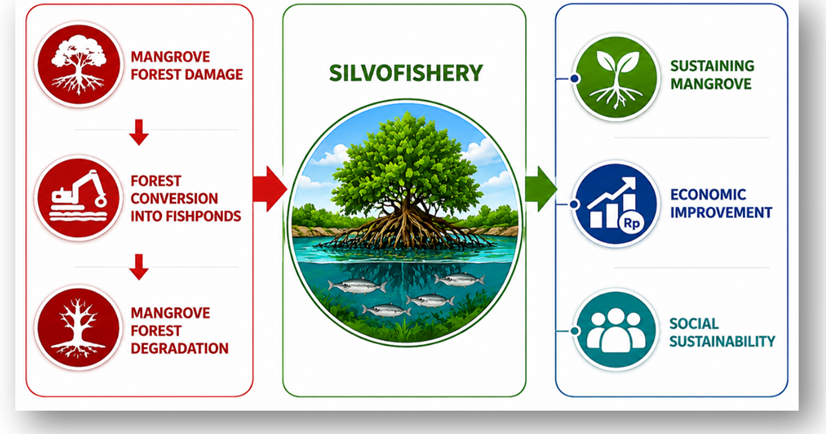
Highlights
Ø Integrated RAPFISH–AHP identified governance and technology as sustainability priorities;
Ø Silvofishery is a socio-ecological transition pathway rather than an endpoint of sustainability;
Ø Institutional reform and eco-efficient technologies are essential for resilient ecotourism development.
Keywords
INTRODUCTION
Degradation of coastal protected forests, particularly mangrove ecosystems, has intensified across the tropics, including Indonesia. Primarily propelled by the extensive conversion of mangrove ecosystems into intensive aquaculture operations, this shift has resulted in diminished vegetative cover, degraded environmental quality, and impaired ecological integrity (Eddy et al., 2022; Utomo and Septinar, 2022; Utomo et al., 2025). Beyond land cover change, mangrove degradation undermines essential ecosystem services including coastal protection, carbon sequestration, and biodiversity support. As globally recognized blue carbon ecosystems, mangrove play a crucial role in controlling the climate, strengthening coastal resilience, and supporting fisheries output (Lee et al., 2011; Alongi, 2023). Nonetheless, institutional constraints and ongoing human-induced pressures result in the continuous loss of mangrove forests, even within designated conservation zones (Turschwell et al., 2020; Heck et al., 2024). Mangrove supports aquaculture and fisheries, while also offering great potential for nature-based tourism, including birdwatching, educational trails, and carbon offset projects. This potential remains mostly unexplored across many protected areas in Indonesia, including the Sungai Lumpur Protected Forest, due to poor institutional cooperation and inadequate community capacity. Consequently, the inclusion of mangrove silvofishery within comprehensive coastal tourism plans represents a vital mechanism for economic diversification and the enhancement of conservation stewardship. From a socio-ecological systems perspective, these dynamics show a trade-off between short-term financial advantages and long-term environmental sustainability. Coastal system resilience is not only influenced by biophysical factors but also the quality of governance, institutional frameworks, and community customs (Ostrom, 2009; Cumming et al., 2022). Sustainable mangrove-based silvofishery can be conceptualized as a coupled socio-ecological system in which ecological integrity, economic production, governance, and community participation are mutually interconnected. This problem has drawn increasing legislative attention in Indonesia, especially with Government Regulation of the Republic of Indonesia No. 27 of 2025 concerning Environmental Protection and Management, which aims for integrated mangrove landscape management. This framework highlights the requirement for localized, evidence-based interventions that reconcile conservation targets with socioeconomic conditions, emphasizing cross-sectoral cooperation. In this context, mangrove-based silvofishery systems have become a viable nature-based solution combining aquaculture output with environmental preservation. Silvofishery allows for resource use while preserving important ecological activities by combining fisheries operations with mangrove vegetation within the same spatial unit (Fitzgerald, 2002; Hardi et al., 2025; Utomo et al., 2025). Empirical findings demonstrate that by improving water quality, supporting habitat provision, and driving nutrient cycling, mangrove systems successfully enhance productivity without compromising ecological balance (Rahman and Mahmud, 2018; Basyuni et al., 2019; Alam et al., 2021; Mamidala et al., 2023). These biological processes generate synergies with the resilience of the coastline and create opportunities for low-impact ecotourism in multi-functional mangrove settings. Despite these advantages, the long-term viability of silvofishery systems varies and is extremely context-dependent. Existing studies have largely emphasized environmental or financial advantages, often failing to address critical technological barriers, institutional bottlenecks, and policy effectiveness. Moreover, sustainability assessments are often conducted independently across individual dimensions, limiting the ability to provide comprehensive management recommendations. This constraint is particularly consequential, as the long-term resilience of the system is fundamentally determined by the integration of ecological functions, institutional governance, and adaptive technologies (McSherry et al., 2023; Ofori et al., 2023). To address these challenges, multidimensional analytical techniques have increasingly been used in coastal and fisheries studies. Multidimensional scaling (MDS) and rapid appraisal for fisheries (RAPFISH) methodically assess the sustainability of fisheries across many dimensions, including environmental, economic, and social (Pitcher et al., 2013; Lloyd et al., 2022; Aziz et al., 2024). Nevertheless, current applications are predominantly confined to conventional fisheries, as empirical research applying these methodologies to integrated socio-ecological systems such as mangrove silvofishery in protected forest settings—remains sparse. Many applications have not incorporated decision-support systems for prioritizing management actions or identifying leverage attributes that most strongly influence sustainability outcomes. Recent studies further emphasize the need for participatory governance, community-based resource management, as well as the merging of technology and policy changes to attain sustainable results (Lin, 2019; Cumming et al., 2022). Accordingly, the analytic hierarchy process (AHP) serves as an effective methodological architecture to organize multifaceted decision-making and identify prioritized strategies based on diverse criteria (Saaty, 1980; Trialfhianty et al., 2022). Although RAPFISH and AHP have previously been combined in sustainability studies, existing applications primarily focused on conventional fisheries, aquaculture planning, or resource management. Limited attention has been given to mangrove-based silvofishery systems located within protected forest landscapes, where ecological conservation, livelihood sustainability, and governance constraints interact simultaneously. Moreover, previous studies have rarely translated RAPFISH leverage attributes directly into AHP decision criteria to develop context-specific management priorities that also consider ecotourism development. Bridging these literature gaps, this study combines the RAPFISH and AHP methodologies to evaluate the comprehensive sustainability of mangrove-based silvofishery systems and establish prioritized management interventions. Specifically, leverage qualities were assessed across five crucial dimensions, including ecological, economic, social, technical, and institutional, to provide more insight into system dynamics and limitations. A"glocal" approach was used to connect local socio-ecological conditions with global sustainability frameworks, while placing silvofishery within larger coastal landscape resilience and ecotourism development. Although previous studies have evaluated mangrove-based silvofisheries primarily through isolated ecological or economic lenses, a comprehensive integration that incorporates institutional and technological dimensions remains significantly scarce. Furthermore, existing studies have predominantly targeted production-oriented coastal sectors, leaving a critical gap regarding legally protected forest landscapes—areas characterized by intricate governance structures, tenure conflicts, and competing conservation goals that generate unique sustainability hurdles. Existing studies also rarely transform multidimensional sustainability assessment into prioritized management strategies. The results have methodological implications by advancing the integration of sustainability assessment and decision-support tools. Providing empirical insights for coastal resource governance and policy formulation in Indonesia, this study assesses the multidimensional sustainability of mangrove silvofishery in the Sungai Lumpur Protected Forest. Furthermore, it develops prioritized management interventions through the application of a combined RAPFISH–AHP methodology. The study were carried out at the Sungai Lumpur Protected Forest, Ogan Komering Ilir Regency, South Sumatra, Indonesia in 2026.
MATERIALS AND METHODS
Study area
This study was conducted in Sungai Lumpur Protected Forest, Ogan Komering Ilir Regency, South Sumatra, Indonesia. The area represents a protected coastal mangrove forest that is increasingly threatened by the expansion of aquaculture activities despite its designated conservation status. As an integral component of the eastern coast of South Sumatra, the region experiences substantial estuarine and tidal forcing, which dictates prevailing aquaculture methodologies and ecological dynamics. Geographically, the location is situated between 2°30'–3°30' south (S) and 104°30'–105°30' east (E). Covering about 480 hectares, the silvofishery system creates a mosaic of aquaculture ponds interspersed with mangrove flora, thereby mirroring a coupled production ecosystem landscape. The area has a flat coastal morphology characterized by mostly alluvial soils, along with a strong tidal exchange that controls the hydrodynamics of the ponds. Mangrove species including Rhizophora spp. and Avicennia spp. are prevalent and play a role in shoreline stability, nutrient cycling, and habitat provision. Local populations are significantly reliant on aquaculture-based livelihoods, especially shrimp and milkfish farming, in terms of socio-economics. Reflecting a complex socio-ecological arrangement, the governance structure entails intersecting institutional mandates across multiple stakeholders, notably forest management units (FMU), watershed management agencies (WMA), and local agrarian groups. Ogan Komering Ilir Regency is among the major coastal production areas in South Sumatra, with fisheries and aquaculture making a significant contribution to the regional economic output, according to data from the Indonesian Central Bureau of Statistics (CBS). The criteria for selecting the study area include 1) the existence of active mangrove-based silvofishery systems, 2) classification as a protected forest, 3) relevance to national mangrove management policies, and 4) proximity to Berbak–Sembilang National Park, emphasizing the potential for the growth of nature-based tourism. Geographical positioning is detailed in Fig. 1, while Fig. 2 presents contrasting field conditions across the aquaculture systems, emphasizing the underlying structural and ecological differences between conventional ponds lacking mangrove cover and mangrove-integrated silvofishery ponds.
Study design and analytical framework
This study used a quantitative–descriptive approach enhanced by qualitative analysis. While quantitative methods were utilized to evaluate the multidisciplinary sustainability status of silvofishery systems, qualitative data provided deeper interpretive insights to guide the development of tailored management policies (Creswell, 2014). The analytical framework combined two different methods, namely the RAPFISH and the AHP. Using a multidimensional scaling technique, RAPFISH evaluated the sustainability level across institutional, technological, social, financial, and ecological aspects, offering a methodical and quantitative analysis of system performance (Pitcher et al., 2013). By evaluating management approaches according to leverage attributes, AHP effectively strengthens the diagnostic capacity of the assessment. By using pairwise comparisons and consistency testing, this approach allows for organized decision-making, thereby guaranteeing strong prioritization of intervention techniques (Saaty, 1980; Trialfhianty et al., 2022). RAPFISH and AHP integration creates a diagnostic-prescriptive analytical route in which AHP translates the exhaustive sustainability analysis produced by RAPFISH into prioritized and implementable management plans. By bridging system assessment and policy formulation, this integrated framework enhances governance decision-making, specifically in complex socio-ecological contexts like mangrove silvofishery.
Fig. 1: Geographical location of the study area in Sungai Lumpur Protected Forest, Ogan Komering Ilir Regency, South Sumatra, Indonesia
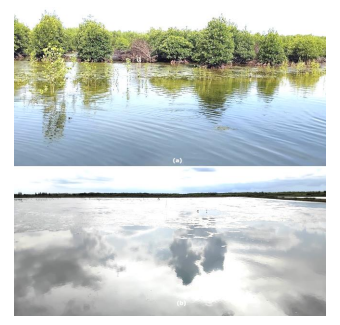
Fig. 2: Field conditions of aquaculture systems in the study area (a) Silvofishery pond integrating mangrove vegetation; (b) Conventional pond without mangrove cover
Data collection and sampling
The population included 656 silvofishery farmers working within the Sungai Lumpur Protected Forest. To recruit participants best suited for the research goals, a purposive sampling approach was adopted. Sample size determination was conducted via Slovin's formula assuming a 6% error rate, resulting in a total sample size of 165 individuals (Creswell, 2014). The sampling criteria were established to guarantee the inclusion of experienced and pertinent responders, namely i) farmers who have practiced silvofishery for at least two years, ii) individuals actively engaged in aquaculture operations, and iii) key stakeholders representing institutional and governance structures connected with silvofishery development. Therefore, the final sample composition consisted of silvofishery farmers as the main actors together with institutional stakeholders including representatives from the forest management unit (FMU), the Watershed and Protected Forest Management Agency (WPMA), and program facilitators. The inclusion of these actors facilitated a more thorough system evaluation through the integration of on-the-ground production practices with institutional and policy frameworks. Moreover, the sampling approach is consistent with sustainability studies on sophisticated socio-ecological systems, where institutional and user-level viewpoints must be taken into account to guarantee analytical validity and contextual relevance.
Data collection and measurement
Primary data were collected through semi-structured interviews, structured questionnaires, and field observations to obtain both quantitative measurements and contextual insights regarding silvofishery practices. Specifically, semi-structured interviews provided in-depth qualitative perspectives on management strategies and institutional dynamics, while structured questionnaires enabled the systematic evaluation of predetermined parameters. To confirm on-site circumstances and enhance self-reported data, field observations were made. Using Microsoft Excel as a database platform, all collected data were collated and arranged before being examined with the Statistical Package for the Social Sciences (SPSS) version 31 for descriptive statistical analysis and initial data validation. To ensure the integrity of the subsequent RAPFISH analysis, this approach guaranteed data coherence, completeness, and availability. A source triangulation technique was used to enhance data validity and dependability (Creswell, 2014). This entailed cross-verifying data collected from several important respondents, including local facilitators, silvofishery project implementers from BPDAS-HL, and farmer group leaders. In socio-ecological studies, this triangulation is critical for mitigating bias, enhancing data validity, and ensuring the comprehensive representation of both operational and institutional perspectives. Furthermore, answers to the structured questionnaire were evaluated using a modified four-point Likert scale (1 = not important, 2 = less important, 3 = important, 4 = very important) to lower central tendency bias and raise response discrimination (Creswell, 2014). To guarantee the robustness of the MDS technique, data were examined for completeness and consistency before analysis. Table 1 outlines the measurement scale and data collection methods utilized to enhance transparency and clarity.
Analytical unit and sustainability dimensions
The RAPFISH Analysis, an acronym for Rapid appraisal for fisheries, is a set of indicators that can be used to assess the sustainability of fishery systems according to multiple dimensions. The sustainability attributes are structured along an analytical framework comprising five core dimensions, namely ecological, economic, social, technological, and institutional. These dimensions represent fundamental elements of socio-ecological systems and are frequently used in sustainability assessments. The scores were graded using a four-point ordinal scale (1–4), with higher numbers indicating better sustainability performance. Table 2 shows each defining dimension and its description. A total of 31 indicators were selected from an initial pool of 51 attributes. The selection process was based on i) field relevance to silvofishery practices, ii) data availability and measurability, and iii) expert validation through stakeholder consultation. By implementing this filtering process, the analysis effectively captured context-specific sustainability dynamics without compromising analytical rigor. The indicator selection procedure and the subsequent expert validation are summarized in Table 3.
Table 1: Summary of data collection techniques and measurement scale
|
Method |
Purpose |
Data type |
Instrument |
Output |
|
Semi-structured interview |
Explore perceptions, governance, practices |
Qualitative |
Interview guide |
Contextual insights |
|
Structured questionnaire |
Measure sustainability indicators |
Quantitative |
Likert-scale survey |
Scored indicator dataset |
|
Field observation |
Validate field conditions |
Qualitative |
Observation checklist |
Verification data |
|
Triangulation |
Ensure validity and reliability |
Mixed |
Multi-source validation |
Cross-validated dataset |
|
Measurement scale |
Standardize responses |
Quantitative |
4-point Likert scale |
Ordinal scoring (1–4) |
Table 2: RAPFISH dimensions for silvofishery sustainability assessment
|
No. |
Dimension |
Score range |
Description |
|
1 |
Ecological |
1–4 |
Mangrove condition, environmental quality |
|
2 |
Economic |
1–4 |
Income stability, production efficiency |
|
3 |
Social |
1–4 |
Participation, local knowledge |
|
4 |
Technological |
1–4 |
Technology adoption and innovation |
|
5 |
Institutional |
1–4 |
Governance, policy support |
MDS
The sustainability status of the silvofishery system was evaluated using a MDS approach within the RAPFISH framework. MDS converts multidimensional attribute scores into a two-dimensional ordination for sustainability assessment. Model goodness-of-fit was evaluated using the stress function, defined using Eq. 1 (Pitcher et al., 2013):
S = √[ Σᵢ₍<ⱼ₎ (dᵢⱼ − d̂ᵢⱼ)² / Σᵢ₍<ⱼ₎ dᵢⱼ² ] (1)
Where: dij represents the observed distance between objects, and dij denotes the fitted distance in the ordination space. A stress value of less than 0.25 indicates a reliable and acceptable ordination.
Sustainability index classification
This index yields a quantifiable measure of sustainability performance across multiple dimensions; the specific classification criteria are outlined in Table 4.
Validation of sustainability indices
To evaluate the robustness of the RAPFISH ordination, additional validation procedures were conducted. First, the goodness-of-fit of the MDS configuration was assessed using the stress value and the coefficient of determination (R²). Following RAPFISH guidelines (Pitcher et al., 2013), stress values below 0.25 indicate an acceptable ordination, while higher R² values indicate stronger explanatory power. Second, a Monte Carlo simulation comprising 25 random iterations was executed at the 95% confidence level. To assess the stability of sustainability indices, this procedure applies random perturbations to attribute scores and evaluates the divergence between the resulting ordination and the baseline RAPFISH estimates. Small differences between RAPFISH and Monte Carlo results indicate that the sustainability assessment is robust and minimally affected by scoring uncertainty or random error. Finally, the consistency of sustainability rankings across dimensions was examined by comparing the original and simulated sustainability indices. Consistent ranking outcomes demonstrate that the proposed framework provides robust support for management prioritization.
Table 3: The indicator selection procedure and expert validation process
|
Stage |
Number |
|
Initial literature review |
51 |
|
Duplicate removal |
45 |
|
Expert validation |
38 |
|
Field relevance |
34 |
|
Data availability |
31 |
Table 4: AHP priority weights for sustainability dimensions
|
Sustainability dimension |
Normalized weight |
Priority rank |
|
Institutional |
0.341 |
1 |
|
Technological |
0.276 |
2 |
|
Economic |
0.159 |
3 |
|
Social |
0.128 |
4 |
|
Ecological |
0.096 |
5 |
Leverage (Sensitivity) analysis
To identify key attributes influencing sustainability performance, a leverage (sensitivity) analysis was conducted using the root mean square (RMS) approach. To quantify the relative importance of each attribute, this analysis examines their respective contributions to fluctuations in the composite sustainability index. The RMS value was calculated using Eq. 2 (Salomon et al., 2024):
RMS = √[(1/n) Σᵢ₌₁ⁿ (xᵢ − x̄)²] (2)
Where: n is the total number of attributes, xᵢ is the score of the ith attribute, x̄ is the mean value of all attributes, (xᵢ − x̄) is the deviation of each attribute from the mean, and Σ denotes the summation over all attributes.
The RMS value represents the mean deviation of each attribute from the overall mean and provides a measure of the relative influence of individual attributes on the sustainability index. Attributes exhibiting higher RMS values exert greater variability in sustainability status, designating them as critical leverage variables. These attributes provide the key information needed to parameterize AHP-based prioritization, establishing that strategy development is based on sensitivities identified from empirical data. The RAPFISH analysis was performed using MDS implemented in RAPFISH software. The ALSCAL algorithm with Euclidean distance was used to generate the ordination. Furthermore, ordination quality was evaluated using stress values (<0.25) and the coefficient of determination (R²). To assess the stability of the sustainability indices and mitigate scoring uncertainty, Monte Carlo simulations were executed with 25 iterations.
AHP-based strategy formulation
This study applied the AHP with priority-based approaches for complementary management strategies arising from the diagnostic assessment provided by RAPFISH. As a structured multi-criteria decision-making framework, AHP facilitates the prioritization of complex problems via systematic hierarchical decomposition, pairwise comparisons, and rigorous consistency verification (Saaty 1980; Trialfhianty et al., 2022). It is especially useful for socio-ecological systems that involve trade-offs between multiple and usually conflicting objectives.
Hierarchical structure
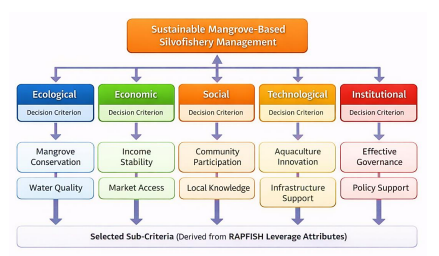
In this study, the AHP model was built upon three levels organized hierarchically to enhance analytical clarity and relevance in decision-making. The first level indicates the long-term goal, which is sustainable management of silvofishery mangrove systems. The second level contains the five sustainability dimensions, including ecological, economic, social, technological, and institutional, which serve as the principal decision criteria. The third tier consists of decision sub-criteria formulated by synthesizing RAPFISH leverage attributes that capture critical determinants of system performance. This hierarchy allows for complex sustainability issues to be transformed into a structured decision framework, enabling logical prioritization of management strategies using multiple related dimensions. Fig. 3 conceptually delineates the hierarchical structure of the AHP model.
Pairwise comparison
Pairwise comparisons were conducted using Saaty's (1980) fundamental scale to determine the relative weights of the evaluation criteria and sub-criteria. Each element was compared systematically with others related to the general purpose of sustainability. The pairwise comparison matrix is mathematically expressed using Eq. 3 (Salomon et al., 2024):
aᵢⱼ = ωᵢ / ωⱼ (3)
Where: wi is the weight of element i, wj is the weight of element j, and aij is the relative importance of element i compared with element j.
Obtained from the normalized principal eigenvector, the priority vector reflects the hierarchical weight and relative significance of each criterion in sustainable mangrove-based silvofishery management. Overall, a prioritization matrix was generated to obtain the priority vector that determines the relative importance of each criterion.
Consistency evaluation
To ensure the reliability of expert judgments, consistency testing was conducted using the Consistency Index (CI) and Consistency Ratio (CR). The Consistency Index was calculated using Eq. 4 (Salomon et al., 2024):
CI = (λₘₐₓ − n) / (n − 1) (4)
The consistency ratio was then computed using Eq. 5 (Salomon et al., 2024):
CR = CI / RI (5)
Where: λmax is the maximum eigenvalue of the comparison matrix, n is the number of criteria, and RI is the Random Index corresponding to the comparison matrix size.
A consistency ratio (CR) ≤ 0.1 indicates that the judgments are sufficiently consistent and acceptable for decision-making (Saaty, 1980). To maintain analytical rigor and ensure consistency of the derived priority weights, pairwise comparisons were iteratively adjusted whenever the CR threshold was breached. Pairwise comparisons were completed by nine experts comprising three mangrove scientists, two aquaculture specialists, two government officers responsible for coastal management, and two community leaders. Individual comparison matrices were aggregated using the geometric mean. CR ranged from 0.041 to 0.086, indicating acceptable consistency.
Integration with RAPFISH outputs
The connection between RAPFISH and AHP was operationalized by adding the leverage (sensitive) attributes highlighted through RAPFISH as elements within the hierarchical structure of AHP. By aligning management strategy prioritization with empirically derived sustainability constraints and system vulnerabilities, this approach established a robust and evidence-based framework. Therefore, the analytical workflow was created based on a diagnostic–prescriptive flow. First, the RAPFISH methodology was applied to examine the sustainability status of the system and which leverage attributes affect sustainability performance most sensitively. Subsequently, AHP was employed to rank strategic interventions for comparative analysis of major leverage attributes determined through the RAPFISH. The integration of RAPFISH and AHP reinforces the link between sustainability assessment and operational decision-making, effectively converting diagnostic results into actionable management strategies. It allows the prediction of specific, science-based management scenarios for mangrove-based silvofishery systems across dynamic social-ecological contexts.
Integration of RAPFISH and AHP
The combination of RAPFISH and AHP provides a cohesive analytical framework that connects sustainability assessment and strategy development. In addition, this synthesis addresses a critical methodological bottleneck in sustainability studies by bridging the gap between diagnostic assessments and actionable decision-making (Cumming et al., 2022; McSherry et al., 2023). The framework follows a diagnostic–prescriptive pathway that connects multidimensional sustainability assessment with the prioritization of management strategies, as illustrated in Fig. 4. In this structural setup, RAPFISH functions as the diagnostic module by deploying MDS to evaluate the sustainability performance of the mangrove-based silvofishery system across diverse dimensions. In addition to generating sustainability indices, RAPFISH identifies leverage (sensitive) attributes that exert the greatest influence on overall system performance (Pitcher et al., 2013). These identified leverage attributes serve as the methodological basis for the subsequent strategic analysis. AHP further adds a structured approach that incorporates the prioritized management strategies through hierarchical decomposition, pairwise comparison, and consistency-based evaluation of the relevant leverage attributes (Saaty, 1980; Trialfhianty et al., 2022). The analytical procedure followed a structured, stepwise workflow designed to maintain a continuous and systematic progression of operations. It started with extensive data collection through field observations, interviews, questionnaires, and secondary data sets. MDS ordination was then used in RAPFISH analysis to assess the overall sustainability scores across different dimensions. Subsequently, the sustainability index was calculated to provide a quantitative measure of sustainability performance based on the ordination results. Subsequently, a series of leverage attributes were used to identify the most influential factors on sustainability outcomes. AHP was employed to prioritize these main characteristics and to determine the sequential scale of strategies. The results from the prioritization formed the basis for developing sustainable management strategies and end-of-policy recommendations. This progressive integration ensures a methodical transition from diagnostic evaluations to operational strategy formulation. The framework anchors methodological rigor and policy relevance, explicitly connecting analytical outputs with decision-support mechanisms, especially evident in complex socio-ecological systems such as mangrove-based silvofishery (Ostrom, 2009; Cumming et al., 2022). This integration enables progress towards hybrid sustainability assessment frameworks that connect multi-dimensional diagnostics with more structured decision-support systems, an undersxplored area in coastal socio-ecological enquiry.
Data processing and analytical tools
To safeguard analytical reliability, consistency, and replicability, data processing and analysis were systematically conducted using a combination of specialized software tools. Data entry, coding, and database management were primarily performed with Microsoft Excel, while descriptive statistical analysis and preliminary data validation were carried out using IBM SPSS. MDS and sustainability indices were calculated using the RAPFISH module (Pitcher et al. 2013). To guarantee appropriate MDS ordination and robust interpretation, all datasets underwent preliminary screening for completeness, consistency, and outlier identification. More specifically in quantitative studies, data screening and validation are important steps to improve reliability and reduce analytical bias (Creswell, 2014). This framework promotes multi-software reproducibility capabilities and enhances the robustness of multidimensional sustainability assessment. To enhance methodological transparency, a synthesized workflow chart summarizing the sequential analytical procedures applied in this study is provided at the end of this section (Fig. 4) to facilitate methodological understanding and reproducibility.
RESULTS AND DISCUSSION
Socio-demographic characteristics of respondents
Characteristics of respondents are described to provide the socio-economic context for silvofishery practices. These characteristics are required for interpretation of sustainability performance, adaptive capacity, and governance dynamics. Univariate analysis was conducted to describe the socio-demographic profile of silvofishery practitioners in the Sungai Lumpur Protected Forest, Ogan Komering Ilir Regency, Indonesia (N = 165) (Table 5). Most respondents were of productive working age, with 61% between 31 and 50 years old, indicating a workforce that combines substantial practical experience with adequate physical capacity for silvofishery activities. Although educational attainment was comparatively high, dominated by secondary-level completion (54%), this trend implies constrained uptake regarding technological innovation and sustainability. In terms of livelihood, silvofishery was the main occupation for 76% of respondents. The concentration of respondents in the upper income category (62%) underscores the significant contribution of silvofishery to local socioeconomic well-being. Moreover, the predominance of mid-sized families (93%) and high social homogeneity (96% Muslim) indicate a strong social structure. These conditions provide the foundation for collective action or a community-based resource governance, which represent essential pillars in the sustainability of socio-ecological systems.
Sustainability status of silvofishery systems
Following the characterization of respondents, the sustainability performance of silvofishery systems was evaluated using the RAPFISH approach across five dimensions. The results are visually represented using a kite diagram in Fig. 5. Once respondent profiles were established, five distinct dimensions were analyzed via the RAPFISH framework to quantify the sustainability performance of the silvofishery systems. Fig. 5 shows a kite diagram used to visually represent the results. The overall status of the silvofishery system falls within the moderately sustainable category (sustainability index of 51–75). Nevertheless, statistically significant differences emerged among the evaluated sustainability dimensions.
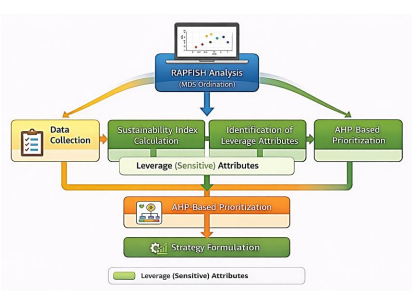
Fig. 4: Synthesized workflow of RAPFISH–AHP integration for multidimensional sustainability assessment of mangrove-based silvofishery
Table 5: Socio-demographic characteristics of silvofishery farmers
|
Characteristics |
Category |
Frequency |
Percentage (%) |
|
Age |
15–30 years |
45 |
27 |
|
|
31–50 years |
100 |
61 |
|
|
51–65 years |
20 |
12 |
|
Education |
No formal education |
0 |
0 |
|
|
Primary school |
41 |
25 |
|
|
Secondary school |
89 |
54 |
|
|
Higher education |
35 |
21 |
|
Occupation |
Main occupation |
125 |
76 |
|
|
Secondary occupation |
40 |
24 |
|
Income |
< USD 2.15/day |
63 |
38 |
|
|
≥ USD 2.15/day |
102 |
62 |
|
Household size |
Small (2 persons) |
7 |
4 |
|
|
Medium (3–5 persons) |
153 |
93 |
|
|
Large (>5 persons) |
5 |
3 |
|
Religion |
Islam |
159 |
96 |
|
|
Christianity |
5 |
3 |
|
|
Hinduism |
1 |
1 |
The lowest score (75) was given to the economic dimension, which is considered a highly sustainable state, supported by principally stable livelihood and income-generation activities. The social dimension also performed well, with a sustainability score of 73.90, reflecting strong community participation, social cohesion, and local adaptive capacity. Conversely, the ecological dimension achieved a score of 68, highlighting that sustained interventions remain necessary to reinforce ecosystem resilience and ecological functions. Meanwhile, the institutional and technological dimensions were found to be even more critical, with scores of 40.66 and 32.53, respectively (both being less sustainable). These results indicate that although the silvofishery system performs relatively well from economic and social perspectives, its long-term sustainability remains constrained by weak governance structures, limited institutional capacity, and inadequate technological development. Notwithstanding these challenges, favorable environmental and social conditions underpin the potential for community-based mangrove ecotourism, bolstered by extant ecological integrity and cohesive local social structures. Although the institutional score is low, it suggests that formal governance mechanisms for tourism management are still underdeveloped. Strengthening institutional capacity should precede the large-scale development of ecotourism through the establishment of an effective community-based management system.
Economic dimension
Exhibiting the highest sustainability score among all evaluated dimensions, the economic aspect highlights the critical role of silvofishery systems in securing local livelihoods. This performance is underpinned by fairly consistent market access, higher income levels, and positive household economy contributions. The results further substantiate the silvofishery function as a commercially feasible production system.
Ecological dimension
The ecological dimension has moderate performance (68), which reflects the importance of mangrove integration on environmental quality. Mangrove ecosystems support vital ecological functions—including habitat provision and nutrient cycling—while serving to improve water quality and attenuate land degradation risks. This indicates that silvofishery systems can comparatively function as a nature-based solution.
Social dimension
Performance in the social dimension (73.9) was supported by adequate levels of education and access to extension services and opportunities for community participation. Such factors amplify environmental accountability and facilitate the practical integration of sustainable behaviors.
Institutional and technological dimensions
The institutional and technological dimensions were identified as key vulnerabilities. Institutional constraints are primarily associated with uncertain land tenure arising from the protected forest designation, which reduces tenure security and discourages long-term investment in sustainable management. Moreover, technological constraints inherent in conventional production paradigms contribute to suboptimal water management, ineffective waste treatment, and deficient post-harvest handling. These results show that silvofishery systems are economically and socially viable but have limited long-term sustainability due to governance and innovation deficits.
Validation of RAPFISH results
The reliability of the RAPFISH ordination was evaluated using stress statistics, the coefficient of determination (R²), and Monte Carlo simulations. The multidimensional scaling analysis produced a stress value of 0.14, indicating an acceptable ordination according to RAPFISH criteria (<0.25). The coefficient of determination (R² = 0.95) demonstrated that the ordination explained most of the variability in the sustainability dataset. Validation via Monte Carlo simulations confirmed minimal divergencefrom the original RAPFISH estimates, with absolute deviations remaining below 2 index points across all every evaluated sustainability dimensions. This result indicates that the sustainability scores were stable and minimally affected by uncertainty associated with attribute scoring or respondent variability. Overall, these validation outcomes substantiate the reliability of the reported sustainability indices, thereby affirming the robustness of the subsequent ensuing leverage analysis and AHP prioritization.
Leverage (Sensitivity) analysis
Leverage (sensitivity) analysis was conducted using RMS to identify the sustainability attributes that exert the greatest influence on the overall sustainability performance of the mangrove-based silvofishery system, and the results are shown in Fig. 6. Because attributes exhibiting higher RMS values exert a greater influence on the sustainability index, they are designated as leverage factors and prioritized for further evaluation through AHP. This analysis indicated that the sensitive attributes were found mainly within the institutional and technological dimensions of sustainability. Regarding the institutional dimension, land tenure legitimacy and governance efficacy emerged as the most influential leverage attributes. These attributes address regulatory compliance, stakeholder coordination, and stability over long-term management. In contrast, evaluation of the technological dimension revealed that water management, waste treatment systems, and production technologies constituted the most critical attributes. The factors are closely associated with improvements in resource-use efficiency, environmental controls, and operational practices (eco-efficiency reviews). Higher RMS values for these attributes imply a more significant effect on sustainability performance. Therefore, interventions focused on the attributes would lead to the most important progress. These findings corroborate the multidimensional imbalance revealed through the RAPFISH framework, thereby establishing a solid empirical foundation for assessing alternative management strategies.
Strategic prioritization based on RAPFISH–AHP integration
To translate diagnostic results into actionable strategies, RAPFISH outputs were integrated with AHP to prioritize interventions. The priority weights are presented in Table 6. The AHP results indicate that the Institutional dimension is the top priority while the Technological dimension is the second. This is fully consistent with RAPFISH results, confirming the robustness of the integrated analytical framework.
Strategic implications
Priority 1: Institutional strengthening
Improved institutional strengthening was identified as the key strategic priority for achieving sustainable coastal and aquaculture management. By leveraging social forestry initiatives to formalize customary land claims and secure legal tenure for local communities, this approach aims to mitigate resource-based conflicts. It is also necessary to strengthen local governance capacity to make better decisions, institutions, and coordination. Adaptive regulatory frameworks are needed to ensure responsiveness of policies to changing circumstances, particularly in coastal areas as well as with respect to socio-economic dynamics and sustainability challenges.
Priority 2: Technological innovation
Technological innovation represents the second strategic priority aimed at improving environmental management efficiency and aquaculture productivity. This strategy incorporates the deployment of advanced water quality management frameworks designed to sustain ecological integrity and foster sustainable production. The adoption of environmentally friendly aquaculture technologies will minimize ecological impacts while increasing production efficiency. Furthermore, optimizing waste treatment protocols and post-harvest procedures is vital for curtailing environmental pollution, maximizing product quality, and augmenting the economic returns of aquaculture products.
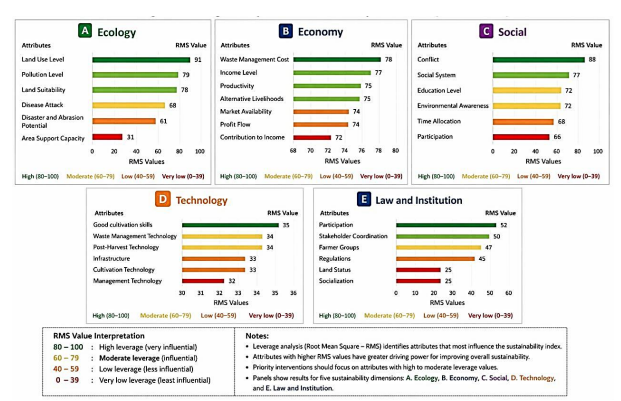
Fig. 6: Leverage analysis of sustainability attributes (RMS values)
Table 6: Priority weights of sustainability dimensions (AHP results)
|
Dimension |
Weight |
Priority rank |
|
Institutional |
Highest |
1 |
|
Technological |
High |
2 |
|
Economic |
Moderate |
3 |
|
Social |
Moderate |
4 |
|
Ecological |
Moderate |
5 |
Supporting dimensions: Reinforcement strategies
Although the economic, social, and environmental dimensions demonstrated relatively favorable sustainability performance, continuous improvement remains necessary to maintain and strengthen long-term sustainability outcomes. Economically, strategic efforts must center on bolstering market access, stabilizing prices, and diversifying local product offerings to fortify the resilience of community incomes. Socially, strategies should focus on capacity building, continued training programs, and knowledge transfer to strengthen community participation and adaptivity. At the same time, ecological reinforcement must prioritize community-oriented mangrove conservation initiatives and ecosystem restoration projects that help maintain biodiversity while enhancing coastal protection functions and securing the sustainability of natural resources. Functioning as critical blue carbon sinks, mangroves deliver essential ecosystem services; nonetheless, they constitute among the most vulnerable coastal ecosystems globally, heavily compromised by governance deficiencies and anthropogenic pressures (Alongi, 2023; Sasmito et al., 2025; Friess et al., 2024). The results demonstrate that the combination of mangrove-dominated systems in Sungai Lumpur Protected Forest is sustainable, although substantial disparities exist among the assessed sustainability dimensions. The economic dimension represents the most significant strength, followed by social and ecological sustainability, while institutional and technological dimensions remain considerably underdeveloped. This configuration is analytically significant because it challenges the simplistic characterization of silvofishery as either a conservation success or a conservation failure. Rather, mangrove-based silvofishery functions as a transitional socio-ecological system that yields dual socioeconomic and environmental co-benefits, albeit constrained by structural limitations that impede long-term resilience. The perspective is consistent with contemporary conceptualizations of silvofishery as an integrated production–restoration strategy that simultaneously supports aquaculture production, mangrove conservation, and blue carbon functions (Alongi, 2023). These findings advance the existing literature by providing empirical evidence that integration depends on specific conditions rather than occurring automatically. Sustainability outcomes depend on the compatibility between ecological processes, livelihood incentives, and governance arrangements. Therefore, silvofishery is not the end point but a path-dependent trajectory determined by institutional and contextual technology.
Economic dominance and livelihood rationality
The strong performance of the economic dimension indicates that mangrove-based silvofishery is a viable livelihood system, substantially contributing to household income, market access, and local economic welfare. Aligning with prior studies, this outcome demonstrates that maintaining ecological integrity underpins both the enhanced productivity and long-term economic viability of mangrove aquaculture (Rahman and Mahmud, 2018; Ofori et al., 2023). Ecologically, mangrove litter contributes natural nutrients to aquaculture ponds and interacts synergistically with supplementary feed, thereby improving shrimp growth, survival rates, and feed conversion efficiency while reducing production costs (Mamidala et al., 2023). These ecological–economic interactions help explain the superior economic performance observed. Mangrove-derived ecosystem services simultaneously enhance environmental quality and production efficiency, yielding economic benefits that transcend individual production units. Although previous investigations have mainly documented localized productivity gains, this study confirms that the benefits are absorbed at the system (or aggregate) level and impact multidimensional sustainability outcomes (Hardi et al., 2025). This provides empirical evidence for policy narratives that uphold silvofishery as a more profitable option to complete mangrove conversion.
Ecological–social integration: Functional but not equivalent
The relatively high sustainability scores for the environmental and social dimensions indicate that mangrove ecosystems and aquaculture activities are functionally integrated within the study area. Functioning as both nutrient sources and critical habitats for top predators, mangroves support ecological processes where calcium- and nitrogen-rich organic matter is processed by aquatic invertebrates, bridging terrestrial energy flows with human subsistence consumption. At the social level, education, knowledge of local environmental conditions, and access to extension services strengthen adaptive capacity and encourage environmentally responsible management practices. Prior studies confirm that while mangrove leaf litter decomposition promotes shrimp growth and survival, final product quality is governed primarily by adjacent land-use practices rather than litter composition (Alam et al., 2021; Alam et al., 2022; Mamidala et al., 2023). These results suggest that mangrove–aquaculture systems do not spatially co-occur, but are biophysically linked (Gao et al., 2022). However, the results also challenge over-optimistic assumptions. While silvofishery combines aquaculture practices with mangrove conservation, it fails to fully capture the ecological complexity of pristine mangrove forests, especially in terms of biodiversity, habitat configuration, and ecosystem service delivery (McSherry et al., 2023; Friess et al., 2024). Consequently, these systems constitute an intermediate ecological state situated between conventional aquaculture and natural mangrove habitats. This distinction is important because it prevents the overgeneralization of the conservation benefits associated with silvofishery system.
Institutional and technological constraints as systemic bottlenecks
Suboptimal performance within the institutional and technological dimensions severely limited overall sustainability. Consequently, governance efficacy and technological capability have emerged as the chief impediments to sustainability, eclipsing limitations tied to social acceptance or economic viability. Institutional constraints are mainly manifested as uncertainties over land use agreements in protected forestlands, which frequently result in competing claims over access and control of the resources. In addition, weak articulation of formal regulations with community-based practices leads to a lack of spatial and temporal coherence in which policies are implemented locally, thereby increasing the potential gaps in compliance. Deficiencies in institutional backing and stakeholder engagement constrain effective governance, monitoring, and collaborative management, thereby hindering the realization of sustainable resource stewardship goals. Previous studies from the wider socio-ecological system literature have shown that governance effectiveness and stakeholder alignment are vital for sustainability (Sukuryadi et al., 2021; Cumming et al., 2022). Technological limitations also represent a major barrier to sustainable mangrove crab aquaculture. Production systems remain heavily dependent on conventional and labour-intensive farming practices, resulting in low production efficiency. Moreover, constrained technological advancements in water and waste management compromise environmental oversight, thereby escalating vulnerability to pathogen proliferation and pollution. Other challenges in the sector growth are unorganized postharvest handling systems, including poor storage, processing, and distribution facilities, which reduce product quality and market competitiveness, impacting overall economic value of the sector. Nonetheless, persistent technological limitations in aquaculture represent formidable impediments to transitioning toward sustainable production, notably within small-scale and traditional frameworks (Turlybek et al., 2025). This pattern reflects broader global patterns demonstrating that governance quality strongly mediates sustainability outcomes in coastal socio-ecological systems. The extent to which environmental pressures and management interventions translate into positive ecological outcomes depends largely on the effectiveness of governance institutions. Consequently, statutory regulatory safeguards are inherently inadequate in the absence of robust governance systems equipped to drive implementation, cross-sectoral, coordination, and adaptive management (Turschwell et al., 2020; Cumming et al., 2022). Similarly, continued mangrove degradation within protected areas has been linked to governance systems that fail to accommodate local socio-economic conditions, while adaptive and community-based management approaches generally produce more favourable conservation outcomes (Heck et al., 2024). In the case of Sungai Lumpur, the principal problem extends beyond regulatory absence to include institutional mismatch between land tenure and access rights as well as sustainable systems for production. Consequently, this misalignment erodes incentives for long-term capital investment, restricts technology uptake, and curtails organizational capacity for adaptive management. Consequently, the system faces the “moderate sustainability trapping” where some benefits do emerge, but radical systemic change fails to materialise. In contrast to previous RAPFISH–AHP applications that primarily evaluated fisheries sustainability or ranked management alternatives, this study demonstrates the value of integrating leverage analysis with strategic prioritization in a protected mangrove silvofishery landscape. Instead of proposing a new methodological approach, this study advances existing practice by operationalizing a diagnostic-to-decision framework that leverages empirical attributes to prioritize management interventions. This approach improves the practical usefulness of sustainability assessment because management recommendations are directly derived from the most influential sustainability constraints. Furthermore, incorporating ecotourism considerations broadens the applicability of the framework beyond aquaculture production toward multifunctional coastal landscape management. The robustness assessment further strengthens confidence in the reported sustainability indices. The low stress value combined with a high coefficient of determination confirms that the multidimensional scaling configuration robustly captures the underlying relationships among sustainability attributes. Furthermore, the close agreement between RAPFISH and Monte Carlo estimates suggests that the sustainability rankings are stable despite potential uncertainty associated with expert judgment and ordinal scoring. These results indicate that the integrated RAPFISH–AHP framework provides a reliable basis for identifying leverage attributes and prioritizing management interventions in mangrove-based silvofishery systems. Rather than signaling an absence of conservation policies, the comparatively low institutional sustainability score highlights systemic governance challenges. Mangrove-based silvofishery in the Sungai Lumpur Protected Forest is influenced by multiple institutions operating under different administrative mandates. These include the forest management units (FMU), which are responsible for day-to-day forest management and conservation activities. While watershed management agencies (WMA) hold the mandate for biodiversity conservation, the District Fisheries Service provides technical guidance for aquaculture advancement, in addition to overseeing environmental monitoring and regulatory compliance. Village governments facilitate local development and community participation, while community-based farmer groups implement silvofishery practices. The interplay among these institutional actors governs the operational success of mangrove conservation and sustainable resource stewardship.
Theoretical and policy implications
This study contributes to a larger dialogue around sustainable coastal resource management in several important ways. First, it presents silvofishery as a transitional option from an extractive mangrove conversion towards production systems more aligned with conservation goals. Such a viewpoint is consistent with socio-ecological systems theory, prioritizing adaptive pathways, resilience, and the prevention of undesirable system lock-in rather than linear trajectories toward predetermined end states (Ostrom, 2009; Turlybek et al., 2016). Secondly, economic success does not equal institutional or technological strength with a multidimensional RA PFISH–AHP framework. These results counter reductionist sustainability paradigms centered on isolated dimensions, thereby emphasizing the imperative for holistic, integrated assessment approaches (Pitcher et al., 2013). Third, the results challenge the assumption that integrating mangrove into aquaculture systems automatically produces positive sustainability outcomes. Instead, long-term sustainability is contingent upon governance quality, secure land tenure security, and technological innovation—einforcing growing international evidence that the vulnerability of mangrove system is driven by institutional failure and anthropogenic pressures (Alongi, 2023; Sasmito et al., 2025).
Toward transformative sustainability pathways
The results suggest that silvofishery systems are unlikely to achieve long-term sustainability without a combination of critical enabling conditions. These include i) secure and flexible land tenure arrangements that provide greater certainty while allowing for adaptive resourcing, ii) professionalized local institutions and management systems with a high capacity to coordinate action and action-integration across significant stakeholder groups, iii) carefully targeted, piloted technologies together with extension systems responsive to effective decision-making support for sustainable production practices, knowledge capitalization/extraction processes, as well as the iterative nature of adaptive learning. Therefore, subsequent policy frameworks must prioritize institutional capacity-building through the scaling of social forestry initiatives and adaptive governance structures, thereby fostering community engagement and sustained ecosystem management (Fadilah et al., 2026). Wider implementation of eco-efficient aquaculture practices to increase productivity while protecting the environment requires more substantive policy efforts around technology transfer. Integrated policy frameworks are also needed to address the growing pressures in which conservation priorities and local livelihood objectives must be reconciled with sustainable production systems, and to reflect strategies for balanced coastal resource management resilient to natural disturbances (Yuliana et al., 2026). Beyond their production and conservation functions, these findings hold direct implications for the sustainable development of coastal tourism. Mangrove ecosystems are being increasingly acknowledged as valuable ecotourism assets, especially in tropical coastal areas where wetlands provide nature-based tourism and livelihoods for local communities (Spenceley, 2017). With a moderate ecological sustainability score of 68, the findings suggest that mangrove ecosystems possess sufficient ecological health to accommodate low-impact ecotourism initiatives (Ketaren et al., 2026). Meanwhile, the robust social dimension (73.9) represents community capacity for cohesion and participation, the two most essential foundations needed for developing tourism. Conversely, the comparatively low institutional (40.66) and technological (32.53) sustainability scores show significant barriers to successful tourism development. Deficits in secure land tenure, formal regulatory licensing, and managerial expertise heighten the vulnerability of tourism development to informality, socio-environmental conflict, and economic instability. Previous studies have also reported that poorly governed ecotourism can lead to environmental degradation and unequal benefits. Therefore, priority interventions identified by the AHP analysis concerning institutional strengthening and technological upgrading should focus on developing sustainable tourism development strategies. The strategies should push tourism management towards emphasis on establishing more community-beneficial governance structures, as well as inclusive local stakeholder input/over sight over decision-making and resource management (Fadilah et al., 2026). Transparent and equitable benefit-sharing mechanisms are needed to guarantee the fair allocation of profits generated from tourism activities among local communities. Moreover, the integration of technological enhancements should be facilitated through digital platforms and smart tools dedicated to promotional marketing, visitor tracking, and comprehensive destination management. Tourism development should generally include environmentally sensitive and low-impact infrastructure such as boardwalks, eco-centers, and other structures that facilitate visitor use while minimizing ecological disturbance to the surrounding environment. Moreover, silvofishery products, including sustainably farmed shrimp, milkfish, and crabs, can be marketed as eco-certified goods in local tourism supply chains (Yuliana et al., 2026). Consequently, a direct correlation is established between ecologically responsible production and tourism demand, thereby enabling value chain diversification and mitigating the pressure on aquaculture expansion. Therefore, the sustainability of silvofishery systems in protected areas will increasingly depend not only on biophysical potential but also the ability of governance systems to translate ecological benefits into economically viable, adaptive socio-ecological systems that include social equity considerations.
Barriers to the adoption of sustainable mangrove-based silvofishery
The relatively low institutional and technological sustainability scores indicate that the barriers to adopting improved mangrove-based silvofishery extend beyond production techniques. These barriers are multidimensional, involving social, financial, institutional, and technical constraints that collectively limit farmers adaptive capacity and long-term investment decisions. Socioeconomically, variations in educational attainment, restricted technical knowledge, and inequitable distribution of extension services constrain the adoption propensity and operational capacity required for advanced silvofishery practices. Although community participation is relatively strong, knowledge transfer regarding eco-efficient aquaculture technologies and sustainable coastal management remains insufficient. Financial barriers are associated with the relatively high initial investment required for improved water management systems, environmentally friendly aquaculture technologies, waste treatment facilities, and post- harvest infrastructure. Inadequate access to affordable credit and financial capital constitutes a significant barrier to technological adoption, disproportionately affecting small-scale agricultural producers. Institutional barriers constitute the most critical challenge identified in this study. Unclear land tenure arrangements within protected forest areas reduce investment security, while fragmented institutional responsibilities and limited coordination among government agencies weaken policy implementation and technical assistance. These governance constraints also reduce incentives for long-term mangrove restoration and sustainable resource management. Key technical barriers include reliance on traditional aquaculture methods, limited water quality monitoring, inadequate waste remediation infrastructure, and inefficient post-harvest handling, reducing production efficiency and increasing environmental risks. Although this study did not directly assess community-based ecotourism, similar barriers may constrain its development. Weak governance, insecure land tenure, limited technical capacity, inadequate tourism infrastructure, and poor institutional coordination may hinder local communities from fully benefiting from ecotourism. Therefore, strengthening institutional governance, improving access to capital and technology, and expanding community capacity-building are essential for advancing sustainable silvofishery systems and community-based ecotourism. Community-based mangrove ecotourism may provide additional livelihood opportunities and strengthen conservation incentives, but poorly planned tourism development may also generate environmental pressures on sensitive coastal ecosystems. In the absence of proper regulation, elevated visitor numbers can lead to the trampling of mangrove seedlings, wildlife disturbance, solid waste accumulation, water pollution, habitat fragmentation, and heightened pressure on fisheries resources, particularly during peak tourism seasons and in ecologically fragile coastal habitats with limited management capacity. These impacts may ultimately reduce ecosystem integrity, weaken the long-term resilience of mangrove landscapes, and diminish ecosystem services, thereby compromising biodiversity, coastal protection, carbon sequestration, fisheries productivity, and livelihoods.
Study limitations
This study has several limitations, first, RAPFISH relies partly on expert judgment, introducing subjectivity in attribute scoring. Second, purposive sampling may limit statistical generalizability. Third, owing to the localized nature of the sampled protected mangrove landscape, extrapolation of these results to alternative Indonesian coastal systems warrants careful consideration. Although AHP improves strategic prioritization, pairwise comparisons remain dependent on expert perspectives.
CONCLUSION
While mangrove-based silvofishery systems are widely championed for aligning economic livelihoods with coastal conservation, empirical sustainability evaluations remain sparse. By bridging this gap, this study reveals that economic viability is the most resilient dimension of sustainability; however, overall system performance is undermined by institutional bottlenecks such as lax governance, precarious land tenure around protected areas, and insufficient local technical capacities. As demonstrated by the integrated RAPFISH–AHP framework deployed in this assessment, purely economic incentives are insufficient to guarantee long-term systemic resilience. Instead, silvofishery must be conceptualized as a dynamic socio-ecological transition pathway rather than a final sustainability endpoint. Shifting the system toward comprehensive resilience and adaptability requires strategic public interventions and policy frameworks that tightly integrate ecological sustainability with economic incentives. This transition pathway is further illuminated by the emerging potential of the Sungai Lumpur Protected Forest as a community-based mangrove ecotourism destination. The region’s moderate ecological sustainability and strong social foundations offer a favorable baseline for low-impact tourism development. However, without resolving pre-existing governance and tenure constraints, premature tourism initiatives risk becoming informal, inefficient, or actively detrimental to primary conservation objectives. Consequently, ecotourism must be systematically incorporated into broader, hierarchy-driven management frameworks. To operationalize these insights, coastal managers and policymakers must adopt a diagnostic-to-decision approach, allocating resources toward critical structural priorities: securing land tenure rights to provide institutional stability, developing local-level technical capacities, and scaling up eco-efficient aquaculture technologies to enhance ecosystem-mediated productivity. This study has several limitations that provide directions for future research. Its cross-sectional design offers a temporal snapshot, limiting assessment of long-term ecological dynamics and feedbacks within mangrove socio-ecological systems. In addition, the case study constrains generalizability to coastal regions with different institutional and biophysical conditions. Future studies should adopt longitudinal, multi-site approaches across broader spatial scales, integrating interdisciplinary methods combining biophysical simulation with policy assessment. Additionally, future studies should examine the integration of silvofishery and community-based ecotourism by evaluating visitor preferences, tourism carrying capacity, and commercialization opportunities for eco-certified aquaculture products within local tourism value chains.
AUTHOR CONTRIBUTIONS
B. Utomo conceived, designed, and conducted the experiment, as well as overseeing sample collection and analytical measurements, and preparing the manuscript draft. M. Dimyati, the corresponding author, supervised the first author, conceived the study idea, designed the experiment, interpreted the results, and finalized the manuscript. R. Dewanti also supervised the first author and contributed to setting up the experimental arrangements and data analysis. E. Trihatmoko assisted with the design of the experiment and analytical measurements. P. Utami interpreted the results and revised the manuscript draft.
ACKNOWLEDGEMENT
The authors are grateful for the financial support provided by the Indonesian Endowment Fund for Education (LPDP), Ministry of Higher Education, Science and Technology, Republic of Indonesia, under the EQUITY Program in the amount of [IDR 160,000,000.00]. The authors also express sincere appreciation to: 1) the Faculty of Mathematics and Natural Sciences, Universitas Indonesia; 2) Study Program of Geography Education, Universitas PGRI Palembang, Indonesia; 3) Department of Geography, Faculty of Mathematics and Natural Sciences, Universitas Indonesia; 4) Research Center for Geoinformatics (PRGI), Research Organization for Electronics and Informatics (OREI), National Research and Innovation Agency (BRIN), Indonesia; 5) the Government of Ogan Komering Ilir Regency, South Sumatra, for facilitating access to data and field support; and 6) the editor and anonymous reviewers for the constructive comments and valuable suggestions, which have significantly improved the quality of this manuscript.
CONFLICT OF INTEREST
The authors declare that there is no conflict of interest regarding the publication of this manuscript. In addition, ethical issues, including plagiarism, informed consent, misconduct, data fabrication and/or falsification, double publication and/or submission, and redundancy, were observed by the authors.
OPEN ACCESS
©2026 The author(s). This article is licensed under a Creative Commons Attribution 4.0 International License, which permits use, sharing, adaptation, distribution and reproduction in any medium or format, as long as you give appropriate credit to the original author(s) and the source, provide a link to the Creative Commons license, and indicate if changes were made. The images or other third-party material in this article are included in the article’s Creative Commons license, unless indicated otherwise in a credit line to the material. If material is not included in the article’s Creative Commons license and your intended use is not permitted by statutory regulation or exceeds the permitted use, you will need to obtain permission directly from the copyright holder. To view a copy of this license, visit: http://creativecommons.org/licenses/by/4.0/.
PUBLISHER’S NOTE
GJESM Publisher remains neutral regarding jurisdictional claims concerning published maps and institutional affiliations.
R Positive AI Statement
During the preparation of this work, the author(s) have used Artificial Intelligence (AI) [Grammarly] to [Sentence Quality]. After using this tool/service, the authors reviewed and edited the content as needed and take full responsibility for the content of the publication.
ABBREVIATIONS
|
′ |
Minutes |
|
% |
Percent |
|
° |
Degree |
|
AHP |
Analytic Hierarchy Process |
|
CBS |
Central Bureau of Statistics |
|
CI |
Consistency Index |
|
CR |
Consistency Ratio |
|
FMU |
Forest Management Units |
|
MDS |
Multidimensional Scaling |
|
PPEM |
Environmental Protection and Management |
|
RAPFISH |
Rapid Appraisal for Fisheries |
|
RMS |
Root Mean Square |
|
SPSS |
Statistical Package for the Social Sciences |
|
WMA |
Watershed Management Agencies |
|
WPMA |
Watershed and Protected Forest Management Agency |
|
n |
Total number of attributes |
|
xᵢ |
Score of the ith attribute |
|
x̄ |
Mean value of all attributes |
|
(xᵢ − x̄) |
Deviation of each attribute from the mean |
|
∑ |
Summation over all attributes |
|
ωᵢ |
Weight of element i |
|
ωⱼ |
Weight of element j |
|
aᵢⱼ |
Relative importance of element i compared to element j |
|
λₘₐₓ |
Maximum eigenvalue of the comparison matrix |
|
RI |
Random Index, depending on matrix size |
|
dᵢⱼ |
Observed distance |
|
d̂ᵢⱼ |
Estimated (fitted) distance |
REFERENCES
Alam, M.I.; Debrot, A.O.; Ahmed, M.U.; Ahsan, M.N.; Verdegem, M.C.J., (2021). Synergistic effects of mangrove leaf litter and supplemental feed on water quality, growth and survival of shrimp (Penaeus monodon). Aquaculture. 545: 737237 (8 pages).
Alam, M.I.; Yeasmin, S.; Khatun, M.M.; Rahman, M.M.; Ahmed, M.U.; Debrot, A.O.; Ahsan, M.N.; Verdegem, M.C.J., (2022). Effect of mangrove leaf litter on shrimp growth and color. Aquacul. Rep., 25: 101185 (8 pages).
Alongi, D.M., (2023). Carbon cycling and storage in mangrove ecosystems under climate change. Earth Sci. Rev., 239: 104365 (24 pages).
Aziz, M.S.B.; Mondol, M.M.R.; Alam, M.M.; Haque, M.M.; Islam, S.R., (2024). Underpinning the criteria for the sustainability assessment of Hakaluki Haor using the RAPFISH tool. Fish. Res., 278: 107080 (10 pages).
Basyuni, M.; Nasution, K. S.; Bimantara, Y.; Hayati, R., Slamet; B., Sulistiyono, N., (2019). Mangrove vegetation supports milkfish production in silvofishery ponds. IOP Conf. Series: Earth Environ. Sci., 305(1): 012038 (6 pages).
Creswell, J.W., (2014). Research design: Qualitative, quantitative, and mixed methods approaches (4th ed.). Sage Publication. (231 pages).
Cumming, G.; Campbell, L.; Norwood, C., (2022). Putting stakeholder engagement in its place: how situating public participation in community improves natural resource management outcomes. GeoJournal. 87 (Suppl 2): 209–221 (13 pages).
Fadilah, R.; Kusmana, C.; Sutjahjo S.H.; Sulistiono; Machfud, (2026). Mangrove ecosystem integrity on environmental sustainability, fisheries performance, and food security in small island systems. Global J. Environ. Sci. Manage., 12(3): 1191-1218 (28 pages).
Fitzgerald, W.J., (2002). Silvofisheries: Integrated mangrove forest aquaculture systems. In B.A. Costa-Pierce (Ed.), Ecol. Aquacult., 161–262 (2 pages).
Friess, D. A.; Krauss, K. W.; Taillardat, P.; Adame, M. F.; Yando, E. S.; Cameron, C.; Sasmito, S.D.; Lovelock, C.E., (2024). The state of the world’s mangrove forests: Past, Present, and Future. Ann. Rev. Environ. Res., 49: 403–429. (26 pages).
Gao, C.-H.,; Zhang, S.; Wei, M.-Y.; Ding, Q.-S.; Ma, D.-N.; Li, J.; Wen, C., Li, H.; Zhao, Z.-Z.; Wang, C.-H.; Zheng, H.-L., (2022). Effects of shrimp pond effluent on functional traits and functional diversity of mangrove in Zhangjiang Estuary. Environ. Pollut., 297: 118762 (9 pages).
Hardi, E.H.; Sardjono, M.A.; Agriandini, M., (2025). Smart Silvofishery to Mitigate Climate Change Impacts on Food Security. IOP Conf. Ser.: Earth Environ. Sci., 1447012007 (8 pages).
Heck, N.; Goldberg, L.; Andradi-Brown, Campbell, A.; Narayan, S.; Ahmadia, G.; Lagomasino, D., (2024). Global drivers of mangrove loss in protected areas. Conserv. Biol., 38(6): e14293 (13 pages).
Ketaren, D.G.K.; Radjawane, I.M.; Latief, H.; Sidik, F.; Trenggono, S.W.; Diantara, S.D.; Setyawidati, N.A.R.; Akbar, M.I.; Raja, J.A.L.; Farkhan, M.A.; Kasim, K.; Maharani, S. (2026). Impacts of mangrove land-use change on carbon stocks in coastal ecosystems. Global J. Environ. Sci. Manage., 12(3): 1041-1060 (20 pages).
Lee, S.Y.; Hamilton, S.; Barbier, E.B., Primavera, J.; and Lewis, R.R., (2023). Better restoration policies are needed. Nat. Ecol. Evol., 7: 870–878 (9 pages).
Lin, P.S.S., (2019). Building resilience through ecosystem restoration and community participation: Post-disaster recovery in coastal island communities. Int. J. Dis. Risk Reduc., 39: 101249 (9 pages).
Lloyd C.C.; Ananthan, P.S.; Ramasubramanian, V.; Sugunan, V. V.; Panikkar, P.; Landge, A.T., (2022). Rapid reservoir fisheries appraisal (r-RAPFISH): Indicator based framework for sustainable fish production in Indian reservoirs. J. Clean. Prod., 379 (17 pages).
Mamidala, H. P.; Ganguly, D.; Purvaja, R.; Singh, G., Das, S.; Rao, M.N.; Kazip Y.S., Arumugam; Ramesh., (2023). Interspecific variations in leaf litter decomposition and nutrient release from tropical mangrove. J. Environ. Manage., 328: 116902 (10 pages).
McSherry, M.; Davis, R.P.; Andradi-Brown, D.A.; Ahmadia G.N.; Van Kempen, M.; Wingard, B.S., (2023) Integrated mangrove aquaculture: The sustainable choice for mangrove and aquaculture? Front. For. Global Chang., 6: 1094306 (8 pages).
Ofori, S.A.; Asante, F.; Boateng, T.A.B.; Dahdouh-Guebas., (2023). The composition, distribution, and socio-economic dimensions of Ghana's mangrove ecosystems, J. Environ. Manage., 345. (16 pages).
Ostrom, E., (2009). A general framework for analyzing sustainability. Science. 325: 419–422 (3 pages).
Rahman, M.M.; Mahmud, M.A., (2018). Economic feasibility of mangrove restoration in the Southeastern Coast of Bangladesh. Ocean Coast. Manage., 161: 211–221 (11 pages).
Saaty, T.L., (1980). The analytic hierarchy process. McGraw-Hill. (16 pages). https://doi.org/10.1016/j.aquaculture.2021.737237
Salomon, V.A.P.; Gomes, L.F.A.M., (2024). Consistency improvement in the analytic hierarchy process. Math., 12(6): 828 (13 pages).
Sasmito, S.D.; Taillardat, P.; Adinugroho, W.C., (2025) Half of land use carbon emissions in Southeast Asia can be mitigated through peat swamp forest and mangrove conservation and restoration. Nat. Commun. 16: 740 (12 pages).
Spenceley, A., (2017). Sustainable tourism in protected areas. IUCN (136 pages).
Sukuryadi, H.N.; Primyastanto, M.; Bambang Semedi, B., (2021). Collaborative-based mangrove ecosystem management model for the development of marine ecotourism in Lembar Bay, Lombok, Indonesia. Environ. Dev. Sustainable. 23: 6838–6868 (31 pages).
Trialfhianty, T.I.; Muharram, F.W.; Suadi, Quinn, C.H.; Beger, M., (2022). Spatial multi-criteria analysis to capture socio-economic factors in mangrove conservation. Mar. Policy. 141: 105094 (11 pages).
Turlybek, N.; Nurbekova, Z.; Mukhamejanova, A.; Baimurzina, B.; Kulatayeva, M.; Aubakirova, K. M.; Alikulov, Z., (2025). Sustainable Aquaculture Systems and Their Impact on Fish Nutritional Quality. Fishes. 10(5): 206 (25 pages).
Utomo, B.; Septinar, H., (2022). Analysis Of Land Cover Change In The Mangrove Forest In Air Telang Protected Forest Area, Banyuasin Regency, Indonesia. Disetujui untuk Dipublikasikan. 24(2): 91–98 (8 pages).
Utomo, B.; Sumarmi, Utaya.; S. Bachri., S., (2025) Economic and environmental sustainability in silvofishery of mangrove ecosystem in Ogan Komering Ilir Protected Forest, Ogan Komering Ilir Regency, Indonesia. Agro. Syst., 99: 207 (19 pages).
Yuliana, E.; Nurilmala, M.; Rahadiati, A.; Farida, I.; Kurniawati, H.; Agustina, S.; Difah, D.A.; Pertiwi, P.R.; Wicaksana, B.E.; Ramilo, R.V.; Djatmiko, W.A., (2026). Provisioning ecosystem services through the sustainable management of fish resources extracted by small-scale fishers. Global J. Environ. Sci. Manage., 12(3): 1311-1332 (22 pages).

| Article View | 847 |
| PDF Download | 571 |
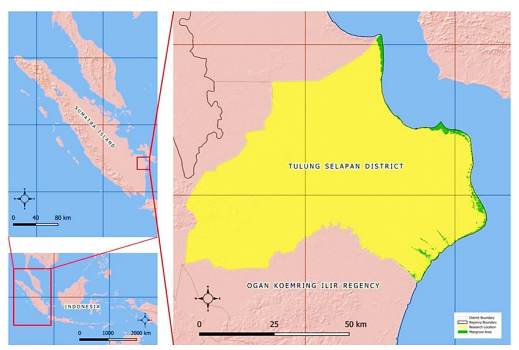
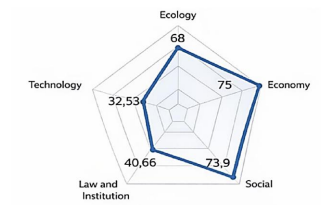


Letters to Editor
[1] Letters that include statements of statistics, facts, research, or theories should include appropriate references, although more than three are discouraged.
[2] Letters that are personal attacks on an author rather than thoughtful criticism of the author’s ideas will not be considered for publication.
[3] Letters can be no more than 300 words in length.
[4] Letter writers should include a statement at the beginning of the letter stating that it is being submitted either for publication or not.
[5] Anonymous letters will not be considered.
[6] Letter writers must include their city and state of residence or work.
[7] Letters will be edited for clarity and length.