
5.2
CiteScore
2.9
Impact Factor
Document Type : RESEARCH ARTICLE
Authors
1 Study Program of Natural Resource and Environmental Management Science of IPB University, Bogor, 16680, Indonesia
2 Department of Silviculture, Faculty of Forestry and Environment, IPB University, Bogor, 16680, Indonesia
3 Department of Agronomy and Horticulture, Faculty of Agriculture, IPB University, Bogor, 16680, Indonesia
4 Department of Aquatic Resources Management, Faculty of Fisheries and Marine Science, IPB University, Bogor, 16680, Indonesia
5 Department of Agricultural Industrial Technology, Faculty of Agricultural Technology, IPB University, Bogor, 16680, Indonesia
Graphical Abstract
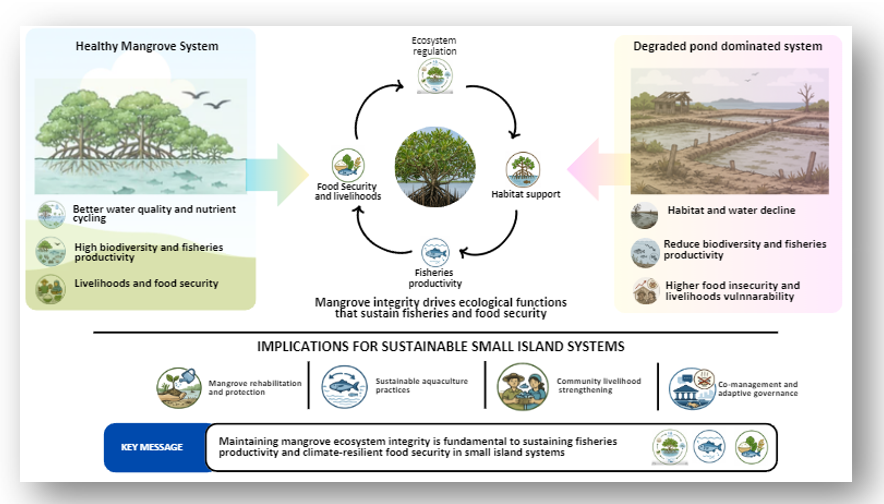
Highlights
Ø Ecological degradation from mangrove conversion to aquaculture ponds disrupts environmental regulation, trophic stability, and fisheries productivity;
Ø Tanakeke Island has exceeded its ecological carrying capacity threshold, with landscape composition reaching approximately 40% mangrove and 60% aquaculture ponds;
Ø Intact mangrove systems maintain higher biodiversity, nutrient regulation, trophic stability, and fish community resilience compared to degraded pond systems;
Ø Food insecurity in Tanakeke is driven not only by food availability but also by ecological degradation, livelihood instability, and limited socio-economic resilience.
Keywords
INTRODUCTION
Small island systems are widely recognised as among the most climate-exposed and resource-dependent social-ecological systems (SES) globally. Within these systems, ecological degradation functions as a direct catalyst for economic instability and systemic food insecurity. Limited land availability, restricted livelihood diversification systems, high dependence on coastal ecosystems increase the vulnerability of small island systems to environmental (Yetein et al., 2025), household nutrition (Ickowitz et al., 2023), and income stability (Das et al., 2026). Mangroves regulate nutrient cycling, stabilise hydrological processes (Feng et al., 2026), and function as critical nursery habitats for commercially important fish and crustacean species (Cure et al., 2026). Given that small island communities depend heavily on fisheries for both household income and dietary protein, maintaining these underlying ecological processes is paramount (Yamamoto, 2023). However, across Southeast Asia, mangrove landscapes have experienced significant transformation due to aquaculture expansion, pond conversion, and coastal development (Sofue et al., 2024; Pettigrew and McCauley, 2026). Consequently, these alterations can compromise habitat complexity, thereby undermining the trophic functions critical to sustaining fisheries productivity (Yan et al., 2026). Despite extensive research on mangrove ecosystem services, much of the literature treats ecological functions and food security outcomes as separate analytical domains (Afifah et al., 2026). Most mangrove studies emphasize ecosystem services such as biomass (Huang et al., 2026), carbon storage, (Deng et al., 2026), habitat provision, and shoreline stabilization (Morris et al., 2023). Despite a tendency in traditional food security literature to overlook ecosystem integrity within socio-ecological systems, these factors remain intrinsically linked (Chi et al., 2026). In fisheries-dependent small islands, ecosystem integrity may be closely associated with long-term food system stability under climate stress (Omokaro, 2025). Mangrove ecosystem integrity includes vegetation structure, nutrient balance, hydrological exchange, and habitat complexity (Yan et al., 2026). Declining ecosystem integrity is often associated with reduced fisheries productivity (Analuddin et al., 2025), unstable livelihoods, and lower dietary diversity income variability may rise (Daw et al., 2023). Despite their importance, few empirical studies have mapped these cascading linkages within a unified SES framework, leaving a critical knowledge gap in tropical small island contexts (Otieno et al., 2026). In small island socio-ecological systems, mangrove ecosystem integrity appears to function as an important ecological foundation linking environmental regulation with fisheries productivity and household food security (Chi et al., 2006). Through processes such as nutrient retention, hydrological stabilization, habitat provision, carbon storage, and coastal buffering, mangrove ecosystems may help sustain trophic productivity and ecological resilience, which are closely associated with livelihood stability and long-term food system resilience (Qiu et al., 2026). The socio-ecological vulnerability of tropical small islands is clearly demonstrated on Tanakeke Island in South Sulawesi, where mangrove conversion to aquaculture, unstable fisheries yield, and intensifying climate variability threaten local sustainability (Serdar et al., 2024; Malik et al., 2025). Nevertheless, local communities remain heavily dependent on capture fisheries and pond-based aquaculture, while dietary diversity indicators suggest persistent vulnerability (Stacey et al., 2021). Unlike previous studies thet primarily examined mangroves (Yap et al., 2025), household income (Arifanti et al., 2022), fisheries production (Kolapo et al., 2025). This study aims to examine how mangrove ecosystem integrity is associated with environmental regulation, fisheries productivity, livelihood resilience, and food security in small island systems. The study was carried out in Tanakeke Island, Takalar District, South Sulawesi, Indonesia during the years of 2024 and 2025.
MATERIALS AND METHODS
This study employs a mixed-methods approach integrating ecological measurements, socio-economic surveys, fisheries monitoring, and governance analysis. Grounded in SES frameworks, this methodology centers on the complex socio-ecological dynamic interactions occurring among ecological subsystems, resource users, and governance structures.
The study area
This research was conducted on Tanakeke Island, located in Takalar Regency, South Sulawesi Province, Indonesia. Administratively, Tanakeke is part of the Spermonde Islands. This island is located on the southwestern side of the mainland of south Sulawesi Province and borders directly on the waters of the Geographically, the island is situated at 119° 14’ 22” – 119° 20’ 29” east (E) and 5° 26’ 43” – 5° 32’ 34” south (S). There are six villages, namely Minasa Baji Village, Tompo Tanah Village, Maccini Baji Village, Rewataya Village, Balandatu Village, and Mattiro Baji Village, scattered across several small low-lying islands. The island has an area of approximately 43 square kilometers (km²) and is dominated by mangrove forests, tidal flats, seagrass beds, and shallow marine ecosystems, which play an important role in supporting fisheries productivity and coastal livelihoods (Fig. 1).
Study design and sampling framework
This study applied an integrated SES approach to examine relationships between mangrove ecosystem integrity, environmental regulation, fisheries productivity, and household food security within small island socio-ecological systems under varying environmental and livelihood conditions (Prayunita et al., 2026; Kashif et al., 2026). To effectively map local environmental gradients, sampling was stratified by ecosystem type—including dense, moderate, and sparse mangroves, as well as aquaculture ponds—across six villages in Tanakeke Island.
Mangrove vegetation analysis
Mangrove vegetation sampling employed a stratified ecological design across four ecosystem zones: dense mangrove, moderate mangrove, sparse mangrove, and pond systems. To establish the sampling framework, the target number of plots was calculated using Slovin's formula, after which a disproportionate stratified sampling design was employed to distribute plots equally among the strata. Plot distribution was further adjusted proportionally based on mangrove areas within each village, resulting in 108 observation plots across the study area. Sampling locations were randomly assigned within each stratum to reduce spatial bias. To ensure statistical validity across ecosystem gradients, field observations were standardized by season and tide; the resulting replication level was robust enough to permit principal component analysis (PCA) and rank abundance curve (RAC) evaluations (Kairoa et al., 2008; Nyangoko et al., 2022).
Soil sampling and laboratory analysis
Measurements of soil, water, and plankton were obtained from 6 villages, divided into 4 zones with 3 replicates each, resulting in a total of 72 sample plots. Soil samples were collected from each stratum using a stratified approach. Topsoil with 0-20 centimeters (cm) was sampled and analyzed for soil texture, pH, organic carbon, total nitrogen, available phosphorus, and exchangeable potassium (Division, 2021; Zhang et al., 2025).
Water sampling and laboratory analysis
To evaluate localized environmental regulation and aquatic habitat quality, water sampling was stratified across adjacent aquaculture ponds and varying mangrove density zones (dense, moderate, and sparse). To capture environmental gradients, water quality sampling was stratified across the study area based on variations in mangrove ecosystem integrity. At each sampling station, in situ measurements of temperature, pH, salinity, dissolved oxygen (DO), turbidity, and water depth were conducted using portable field instruments. To maintain sample integrity, water samples were secured in clean polyethylene bottles, held in a chilled cooler, and transferred to the laboratory for subsequent analysis. Laboratory parameters included total suspended solids (TSS), chemical oxygen demand (COD), total organic matter (TOM), nitrate (NO₃⁻), nitrite (NO₂⁻), and ammonia (NH₃). All analyses followed standard procedures for water and wastewater examination, with parameters selected because they are commonly used to assess water quality, nutrient dynamics, and ecological suitability in aquaculture and coastal ecosystems.
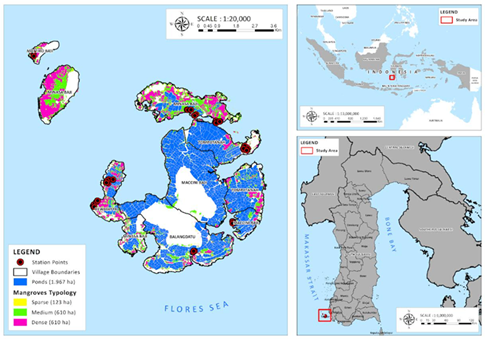
Fig. 1: Geographical location of the study area in Tanakeke Island, South Sulawesi, Indonesia
Fish sampling design and analysis
To analyze community structure and fisheries productivity relative to environmental gradients, fish sampling was carried out across varying mangrove zones. Sampling sites were selected using a stratified approach based on mangrove density classes (dense, moderate, sparse, and pond) to capture habitat heterogeneity. Within each stratum, 3 stations were established across key ecological zones (foreshore, interior, and transition). Sampling was performed under comparable tidal conditions to minimise temporal variability. Fish were collected using cast nets—a gear type commonly employed by local fishers—to minimize selectivity bias and ensure the capture of a diverse range of species and size classes. At each station, sampling was conducted at three points (100, 200, and 300 meters (m) from the mangrove edge) with three replicates per point. All captured individuals were identified to species level, and total length (cm) and weight in gram (g) were recorded. Fish community data were analysed to determine species composition, abundance, and biomass. Ecological indices, including Shannon-Wiener diversity (H’), evenness (E), and dominance (D), were calculated to describe community structure. Catch per unit effort (CPUE) was used as a proxy for fisheries productivity, and relationships between fish communities and mangrove attributes were examined using PCA (Kendall et al., 2021).
Household survey and food security assessment
A total of 336 household respondents were selected from 2,008 households across the study area using the Slovin formula to ensure representative sampling. To capture varying livelihood and food security conditions within the small island socio-ecological system, respondents were distributed equally across six study villages. Household food security was assessed using the household dietary diversity score (HDDS) and the household food insecurity access scale (HFIAS). HDDS was calculated based on a 24-hour recall across 12 food groups, while HFIAS measured food insecurity experiences over the past 30 days using nine standardised questions. These indicators offer complementary dimensions of analysis, capturing both the immediacy of food access and broader patterns of household vulnerability (Swindale and Bilinsky, 2026). To capture experience-based food insecurity, the HFIAS evaluates household conditions over the preceding 30 days through nine standardized questions addressing psychological anxiety, food quality, and volumetric quantity. Responses are scored on a frequency scale (0-3), with higher scores indicating greater food insecurity. Households are subsequently classified into four categories: food-secure, mildly food-insecure, moderately food-insecure, and severely food-insecure. Together, these indicators provide a complementary assessment of food access and vulnerability in mangrove-dependent coastal systems (Coates et al., 2007).
Data analysis
Descriptive statistics were used to summarize vegetation characteristics, environmental parameters, fisheries indicators, and household food security conditions across mangrove ecosystem gradients in Tanakeke Island. Mangrove vegetation structure was analyzed using the Shannon-Wiener diversity index (H′), evenness (E), species richness, and important value index (IVI). RAC were applied to assess trophic community structure and species dominance patterns. PCA was utilized to analyze the interactions among soil, water, nutrient, and trophic parameters across diverse ecosystem conditions. Prior to PCA, environmental variables were standardized to reduce scale differences and multicollinearity effects. Correlation analyses were further conducted to evaluate relationships among fisheries productivity household income, HDDS, and HFIAS indicators.
Socio-ecological system and governance analysis
To analyze governance dynamics and key drivers of mangrove-based food security, focus group discussions (FGDs) were conducted across six villages involving key stakeholders, including fishers, aquaculture farmers, women, community leaders, and local authorities. FGDs were used to identify relevant actors, system objectives, and influencing variables. To evaluate institutional dynamics, the Matrix of Alliance and Conflict: Tactic, Objectives and Recommendation (MACTOR) method were applied. By processing influence and actor-objective matrices, this framework maps stakeholder alignment with system objectives and categorizes actors into four distinct typologies: dominant, key, dependent, and autonomous (Noaman et al., 2024). System variables were analyzed using matrix of cross impact analysis (MICMAC), based on a cross-impact matrix to assess direct and indirect relationships among ecological, socio-economic, and institutional factors. The variables were mapped as driver, linkage, dependent, or autonomous components, a classification that successfully isolates key leverage points for targeted system interventions.
Multivariate analysis using PCA
PCA was applied to explore relationships among ecological and socio-economic variables and to reduce data dimensionality. By identifying the dominant components underlying village-level variability, the analysis facilitated a integrated interpretation of coupled mangrove conditions, environmental quality, and food security indicators. The PCA results revealed clear clustering patterns, where villages with higher mangrove density were associated with more stable environmental conditions, better soil and water quality, higher HDDS, and lower HFIAS scores. Conversely, villages characterized by degraded mangrove ecosystems were tied to compromised environmental quality, diminished dietary diversity, and elevated food insecurity—findings that illustrate the clear covariance between ecosystem health and household.
Integrated analytical framework
An integrated socio-ecological analytical framework was developed by synthesizing ecological assessments, fisheries productivity analysis, household livelihood surveys, food security indicators, and multidimensional sustainability analysis (Quoc et al., 2026). The framework applies a systems-thinking approach to identify the cascading pathways linking mangrove ecosystem integrity, environmental regulation, trophic productivity, fisheries performance, livelihood resilience, and household food security in small island systems.
RESULTS AND DISCUSSION
Evaluating food security in small island contexts demands a shift away from isolated production-oriented perspectives toward a holistic understanding of interconnected social-ecological processes. On Tanakeke Island, the results demonstrate that mangrove ecosystem integrity is a fundamental driver linking environmental stability, fisheries productivity, and household food security outcomes.
Mangrove ecosystem integrity gradient
The mangrove vegetation metrics presented in Table 1 capture a pronounced socio-ecological gradient across Tanakeke Island, profiling a transition from structurally intact forest stands to heavily degraded, aquaculture-dominated landscapes characterized by depressed diversity ($H'$) and altered species dominance (Table 1). The Shannon–Wiener diversity index ranged from 0 to 0.8490 (0.4533 ± 0.4032), indicating that several mangrove areas were ecologically simplified and dominated by a limited number of species. Elevated community diversity (H′ = 0.849) and the presence of up to five species within the moderate mangrove zone point to a well-balanced vegetation architecture and pronounced habitat heterogeneity. In contrast, sparse mangrove zones exhibited lower diversity (H′ = 0.233), reduced evenness, and fewer species, indicating a more simplified vegetation structure. Species richness also varied considerably across sampling locations (0–5 species; 3.2500 ± 2.3629), reflecting heterogeneous ecological conditions among ecosystem zones. Because this study relies on observational data, direct causal relationships cannot be definitively established; however, these distinct patterns suggest underlying environmental variations, legacy land conversion, and hydrological changes induced by pond expansion and coastal development. All vegetated zones were primarily dominated by Rhizophora stylosa, although dominance patterns differed among ecosystem conditions. In dense and moderate zones, dominance remained accompanied by several associated species, suggesting relatively higher structural complexity, whereas sparse zones tended to show stronger dominance by fewer tolerant species, potentially indicating reduced functional diversity and ecological redundancy. These patterns of structural simplification align with findings from other disturbed tropical mangrove systems, where chronic habitat degradation drives decline in both ecological complexity and resilience (Alongi, 2021). The observed structural simplification across degraded mangrove zones was also associated with broader ecological patterns related to trophic stability, fisheries productivity, and household vulnerability. Although direct causality cannot be inferred, the consistency of these patterns across environmental gradients indicates that structural vegetation simplification covaries with altered habitat quality, compromised ecological regulation, and a diminished capacity to support fisheries-based livelihoods. These findings are consistent with previous studies highlighting the important ecological role of mangrove integrity in sustaining coastal social–ecological systems (Sasmito et al., 2020).
Table 1: Ecological characteristics of mangrove vegetation across ecosystem gradients
|
Variable |
Zone |
Village |
Replicates |
Min-Max (Mean ± SD) |
|
Shannon-Wiener Index (H') |
4 |
6 |
3 |
0 - 0.8490 (0.4533 ± 0.4032) |
|
Number of mangroves species |
4 |
6 |
3 |
0 – 5 (3.2500 ± 2.3629) |
|
Diversity index phytoplankton |
4 |
6 |
3 |
1.89 – 2.05 (1.9940 ± 0.0698) |
|
Plankton abundance |
4 |
6 |
3 |
144920 - 168718 (158030 ± 9853) |
The RAC of mangrove communities
Changes in mangrove ecosystem condition were reflected in differences in community structure patterns, as illustrated by the RAC in Fig. 2. The RAC profiles suggest a gradual shift from relatively complex and more evenly distributed vegetation assemblages toward increasingly simplified community structures along the observed mangrove degradation gradient (Fajriyati et al., 2026). Compared to dense forest areas, the moderate mangrove zones displayed steeper cumulative dominance curves. This pattern reflects the pronounced dominance of Rhizophora stylosa alongside a diminished evenness among associated species. This pattern may suggest reduced vegetation heterogeneity and lower ecological complementarity within the community structure. In sparse mangrove zones, the steeper RAC and lower species representation were associated with stronger dominance patterns and reduced diversity, which may reflect simplified habitat conditions and lower structural complexity. The pond system represented the most simplified ecological condition, where vegetation absence coincided with the loss of natural community structure and reduced biological heterogeneity. Although direct causality cannot be inferred from this correlational design, the uniformity of these RAC configurations across environmental gradients indicates that structural vegetation simplification covaries with broader shifts in habitat quality, trophic dynamics, and overall ecosystem functioning (Carrasquilla-Henao et al., 2022). Similar trends have been reported in disturbed mangrove ecosystems, where lower vegetation diversity and increased species dominance are often linked with reduced habitat heterogeneity, altered nutrient dynamics, and lower ecological resilience (Derviche et al., 2024). Conversely, dense mangrove areas tended to exhibit flatter RAC patterns and relatively higher evenness, indicating more balanced and functionally diverse assemblages. Prior studies underscore the role of structural complexity in mangrove ecosystems, demonstrating its direct links to heightened nursery functions, greater organic matter availability, and the reinforcement of ecological connectivity supporting coastal food webs (Gillis et al., 2026). Within the context of this study, the observed RAC patterns provide inferential ecological evidence that variations in mangrove vegetation structure may be closely associated with differences in ecosystem stability, fisheries-supporting functions, and the resilience of coastal socio-ecological systems in small island environments, although direct causal relationships cannot be conclusively established from the present study design.
Mangrove vegetation structure and ecosystem integrity gradients across zonation
The ecological variation across the mangrove ecosystem gradients was clearly delineated by PCA, where the first two axes explained most of the total variance of 96.37 percent (%) (Table 2). The first axis (F1) accounted for 68.05% of the variation, suggesting that differences in mangrove vegetation structure, species richness, and ecosystem condition represented the dominant ecological gradient across the study area. Consistent with expected ecological characteristics, a clear divergence emerged between the dense to moderate mangrove zones—characterized by elevated diversity and vegetation heterogeneity—and the sparse or pond-dominated landscapes, which suffered from structural simplification and heightened species dominance. Although this study was observational and correlational in nature, the consistency between PCA ordination and vegetation indicators suggests that changes in mangrove ecosystem condition may be associated with broader ecological variation related to habitat complexity and ecosystem functioning. These trends align with findings from other degraded tropical mangrove systems, where a loss of community diversity compromises ecological resilience and fundamentally alters ecosystem processes (Alongi, 2021).
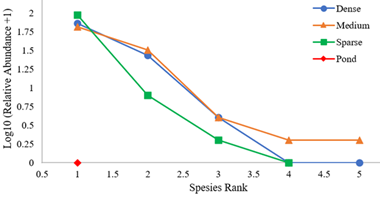
Fig. 2: RAC of mangrove communities across density gradients in Tanakeke Island
Table 2: Eigenvalue for Mangrove vegetation structure and ecosystem integrity gradients across zonation revealed by PCA biplot
|
Principal analysis (PA) |
F1 |
F2 |
F3 |
|
Eigenvalue |
2.7222 |
1.1327 |
0.1451 |
|
Variability (%) |
68.0539 |
28.3175 |
3.6286 |
|
Cumulative % |
68.0539 |
96.3714 |
100.0000 |
The PCA biplot shown in Fig. 3 revealed clear ecological variation across mangrove ecosystem gradients, with the first two axes explaining 96.37% of the total variance, indicating that the ordination effectively captured the dominant ecological patterns within the study area. Dense and moderate mangrove zones tended to cluster together on the positive side of F1 and were closely associated with higher species richness, Shannon-Wiener diversity (H′), and phytoplankton diversity. These configurations indicate that heightened structural complexity within mangrove forests fosters elevated ecological heterogeneity and well-balanced community assemblages. In contrast, sparse mangrove zones were positioned separately and appeared more closely associated with phytoplankton abundance, potentially reflecting shifts in environmental conditions and trophic responses within simplified habitats. The pond zone showed the greatest separation from vegetated systems, indicating markedly different ecological characteristics following vegetation loss and landscape conversion. Despite the study's observational and correlational limits, consistent ordination patterns suggest that shifting mangrove vegetation structures reflect broader variations in ecosystem functioning, habitat complexity, and aquatic ecological conditions. Similar multivariate patterns have been reported in disturbed mangrove ecosystems, where reduced vegetation diversity and structural simplification are often linked with altered nutrient dynamics, habitat heterogeneity, and ecological resilience (Mandal et al., 2012; Alongi, 2021). Previous studies have also highlighted that structurally complex mangrove habitats are commonly associated with stronger ecosystem service functions (Zhang et al., 2023), including support for trophic productivity and coastal food webs. While these data reveal robust inferential patterns, they reflect ecological associations rather than direct causal pathway (Stakiw et al., 2026).
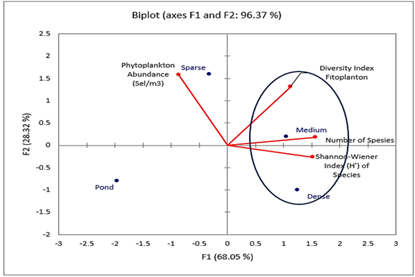
Fig. 3: Mangrove vegetation structure and ecosystem integrity gradients across zonation revealed by PCA biplot
Environmental regulation changes
These gradients in mangrove ecosystem integrity are not only reflected in vegetation structure but also translate into shifts in environmental regulation, particularly in soil properties, water quality, and nutrient dynamics. Environmental regulation serves as a key pathway through which the structural integrity of mangrove ecosystems dictates coastal productivity. In mangrove-dominated systems, the interactions among soil structure, water quality, and nutrient dynamics form an integrated regulatory network that controls biogeochemical processes and energy flow. Rather than operating independently, these environmental variables function as an interconnected, coupled system that dictates the capacity of coastal ecosystems to maintain primary productivity and trophic stability.
Integrated soil-water-nutrient regulation across mangrove ecosystem gradients
Integrated soil-water-nutrient regulation across mangrove ecosystem gradients reflects how variations in ecosystem integrity reshape environmental processes that govern nutrient retention, water stability, and overall ecosystem functionality (Fig. 4). Soil properties across the mangrove gradient reveal a fundamental shift in retention capacity and ecological stability. As illustrated in Fig. 4, the elevated clay fractions and organic carbon content characteristic of dense and moderate mangrove zones serve to enhance nutrient retention, water-holding capacity, and soil microbial activity. These conditions create a stable substrate that supports efficient biogeochemical cycling. In contrast, the transition toward sparse mangrove, marked by increasing sand and pond system, marked by increasing silt and clay dominance and declining organic matter, indicating reduced retention capacity and a breakdown of soil structure. This shift increases the system’s susceptibility to nutrient loss and environmental variability, weakening its ability to regulate ecological processes. Physicochemical water parameters further delineate this ecological transition. Structurally intact mangrove systems maintain elevated dissolved oxygen concentrations and buffered pH dynamics, signifying homeostatic ecological processes and efficient gas exchange. Lower turbidity and moderate temperature conditions also suggest a stable environment that supports biological activity. Conversely, degraded and pond systems exhibit reduced dissolved oxygen, higher turbidity, and elevated temperatures, signalling environmental stress and reduced ecological buffering capacity. These changes indicate that the system is shifting from a regulated state toward a more unstable and externally influenced condition. Nutrient dynamics further validate this environmental gradient. Elevated and stoichiometric balances of nitrogen and phosphorus within dense and moderate mangrove zones point to accelerated nutrient cycling driven by organic matter inputs from litterfall and subsurface root systems. This process ensures continuous nutrient regeneration and supports primary productivity. In contrast, nutrient dynamics in sparse and pond systems become increasingly imbalanced, with fluctuating concentrations of nitrogen forms (NO₃, NO₂, NH₃) and phosphorus. These disrupted biogeochemical pathways and the concurrent decline in microbial efficiency culminate in poorer nutrient utilization, imposing a strict ceiling on the system's primary productivity. When considered as an integrated system, these changes illustrate a clear transition from a regulated ecosystem to a degraded one. In intact mangrove areas, soil, water, and nutrient components function synergistically to retain, recycle, and distribute resources efficiently. In contrast, degraded systems exhibit decoupling of these components, resulting in nutrient leakage, unstable water conditions, and reduced ecological efficiency (Analuddin et al., 2025). Collectively, these concurrent physicochemical and nutrient trajectories demonstrate that structural complexity in mangrove forests secures enhanced environmental stability and bolsters key ecological regulation functions relative to degraded or aquaculture-converted systems (Song et al., 2026). These environmental differences were also accompanied by variation in phytoplankton abundance and fisheries-related indicators, suggesting potential ecological linkages between habitat condition, nutrient dynamics, trophic productivity, and coastal ecosystem functioning (Goldberg et al., 2020). A broad body of literature corroborates these patterns, demonstrating that mangrove ecosystem integrity and localized nutrient regulation are fundamentally coupled with the fisheries-supporting capacities of tropical coastal ecosystems (Sun et al., 2020).
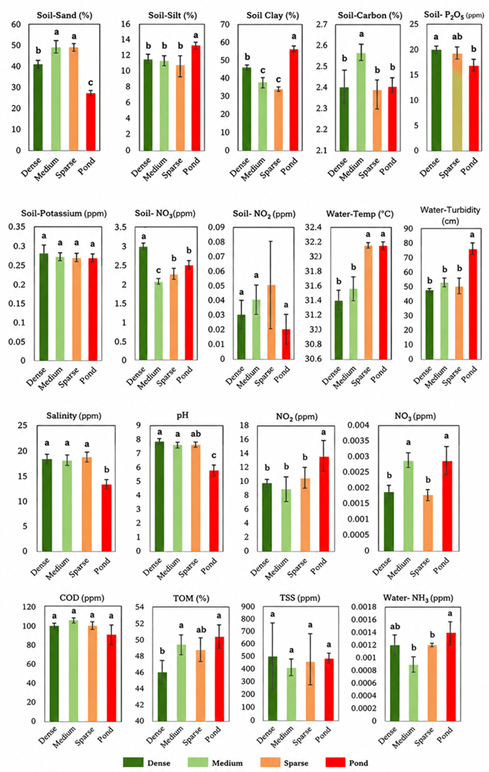
Fig. 4: Environmental regulation changes: soil, water, and nutrient system
Linking mangrove vegetation structure to environmental regulation across ecosystem gradients: Evidence from PCA biplot
PCA revealed substantial environmental variation across mangrove ecosystem gradients, with the first two principal components explaining 92.48% of the total variance (Table 3). The first axis (F1) accounted for 64.17% of the variation, suggesting that differences in mangrove vegetation structure and nutrient-related parameters represented the dominant ecological gradient across the study area. The second axis (F2) accounted for an additional 28.32% of the total variance, capturing secondary variations linked to localized environmental conditions and sub-zone nutrient dynamics. The relatively small contribution of F3 (7.52%) indicates that most ecological variation was effectively represented within the first two axes. The PCA patterns suggest that nutrient availability and mangrove vegetation structure were closely associated across the ecosystem gradient.
Table 3: Eigenvalue for mangrove vegetation structure and nutrient availability by PCA biplot
|
Principal components |
F1 |
F2 |
F3 |
|
Eigenvalue |
8.3419 |
3.6811 |
0.9770 |
|
Variability (%) |
64.1684 |
28.3163 |
7.5153 |
|
Cumulative % |
64.1684 |
92.4847 |
100.0000 |
Areas with relatively intact mangrove vegetation tended to exhibit more stable nutrient-related conditions, potentially supported by greater organic matter accumulation, sediment retention, and root-mediated biogeochemical processes. Conversely, systems characterized by sparse vegetation and dominated by ponds seemed to show increased environmental variability, potentially indicating modified sediment conditions and more unstable nutrient dynamics. Although this study was observational and correlational in nature, these patterns are consistent with previous studies indicating that mangrove vegetation complexity is often associated with nutrient retention, sediment stability, and ecological regulation in tropical coastal ecosystems. The high cumulative variance explained by the PCA further suggests that vegetation structure and nutrient-related variables were strongly interconnected within the studied mangrove landscape (Fig. 5). Nonetheless, these results ought to be understood as ecological correlations and multivariate trends instead of conclusive causal mechanisms. Similar PCA-based ecological gradients have been widely reported in mangrove studies examining relationships among vegetation condition, nutrient cycling, and ecosystem functioning across disturbance gradients (Alongi, 2021). Ultimately, the ordination results indicate that the health of mangrove ecosystems is likely influenced by larger environmental regulatory frameworks and the availability of nutrients within small island coastal systems. The PCA analysis revealed clear environmental variation across mangrove ecosystem gradients, with relatively intact mangrove zones tending to associate with more stable soil, water, and nutrient conditions, while degraded and pond systems clustered with parameters such as higher COD, temperature, and turbidity. These patterns imply that the configuration of mangrove vegetation might be intimately connected to variations in the capacity for environmental regulation capacity, nutrient dynamics, and trophic conditions. Dense and moderate mangrove systems also tended to exhibit more balanced phytoplankton and fisheries-related indicators compared to degraded systems, indicating potential ecological linkages between habitat condition, primary productivity, and fisheries-supporting functions. Even though the current study was observational and correlational, the reliability of the PCA ordination indicates that alterations in the condition of the mangrove ecosystem could be linked to wider ecological and socio-ecological variations within small island coastal systems like Tanakeke Island. This aligns with extensive coastal studies documenting bottom-up ecological links between nutrient regulation, primary productivity, and fisheries-supporting functions (Castrej et al., 2024; Castrejon and Defeo, 2025). Within the context of small island systems such as Tanakeke Island, these patterns further suggest that variation in environmental regulation capacity may be associated with broader socio-ecological consequences related to fisheries productivity (Kolapo and Sieber, 2025) and food security vulnerability (Cure et al., 2026). These findings should be interpreted as ecological associations and inferential patterns rather than definitive causal relationships, and further longitudinal or experimental studies would be needed to clarify direct causal pathways linking mangrove ecosystem condition, trophic productivity, and household food security outcomes.
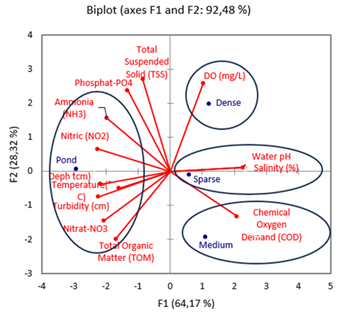
Fig. 5: Mangrove vegetation structure and nutrient availability by PCA biplot
Primary productivity and trophic foundation: phytoplankton, zooplankton, and benthic
Primary productivity provides the energetic foundation of coastal ecosystems, driving energy transfer through trophic levels and sustaining fisheries that underpin coastal livelihoods as illustrated in Fig. 6. Within mangrove-associated systems, primary productivity is strictly governed by ecosystem integrity; specifically, the structural composition of the vegetation dictates nutrient availability, organic matter inputs, and overall environmental stability. These processes shape the composition and dynamics of phytoplankton, zooplankton, and macrobenthic communities, which collectively form the trophic foundation linking ecosystem processes to fisheries productivity and food security. The RACs of phytoplankton, zooplankton, and macrobenthic communities revealed observable variation in trophic structure across mangrove ecosystem gradients. Dense mangrove systems tended to exhibit relatively flatter RAC patterns, indicating higher evenness and more balanced community composition across species ranks. These observed trends suggest a more resilient trophic organization, implying that ecological functions are more widely distributed throughout the system. In contrast, sparse mangrove and pond systems showed steeper RAC patterns, particularly within zooplankton and macro-benthic communities, suggesting stronger dominance by fewer taxa and lower community evenness. Although the present study was observational and correlational in nature, these patterns are consistent with ecological studies suggesting that simplified habitat conditions are often associated with reduced trophic complexity and lower ecological resilience. The observed trophic variation also appeared to correspond with differences in soil, water, and nutrient conditions across ecosystem zones. Dense and moderate mangrove forests tended to exhibit superior environmental stability, which in turn supported relatively balanced assemblages of both planktonic and benthic communities. The dominance of pond systems relative to mangrove cover suggests a potential shift from a relatively regulated ecosystem toward a more simplified and externally dependent ecological state. Such patterns are consistent with ecological threshold theory (Groffman et al., 2006), where gradual habitat alteration may eventually reduce ecosystem resilience, nutrient regulation capacity, and trophic stability beyond recoverable limits. Conversely, systems dominated by ponds or showing signs of degradation demonstrated increased environmental fluctuation alongside less complex trophic architectures. Similar bottom-up ecological relationships linking nutrient dynamics, primary productivity (Omokaro 2025), and trophic organization have been widely discussed in coastal ecosystem studies (Aljahdali and Bala, 2025). Within the context of small island socio-ecological systems such as Tanakeke Island, these findings suggest that variation in mangrove ecosystem condition may be associated with broader differences in trophic stability, fisheries-supporting functions, and coastal food system resilience (Ruslan et al., 2022).
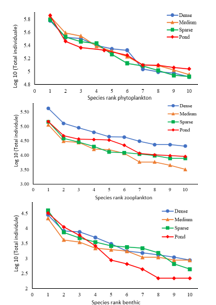
Fig. 6: Changes in trophic community structure across mangrove ecosystem integrity gradients based on RAC of planktonic and benthic communities
Fisheries productivity and ecological dependency
The RAC of fish communities revealed observable differences in community structure across mangrove ecosystem gradients (Fig. 7). In dense mangrove systems, the presence of flatter curves and more extended species distributions reflects increased community evenness, signaling a more balanced distribution of fish assemblages across species ranks. Moderate mangrove zones showed similar patterns, although with slightly stronger dominance by a few taxa. In contrast, sparse mangrove systems displayed steeper curves and reduced species representation, suggesting lower community complexity and greater dominance by fewer species. In contrast, pond systems demonstrated a streamlined community structure, signaling the limited species richness inherent to habitats heavily altered by aquaculture. The finding indicate that the consistency of RAC patterns across ecosystem gradients suggests that variations in mangrove vegetation structure may be associated with differences in habitat complexity and fisheries-supporting ecological functions (Fig. 7). Dense and moderate mangrove systems, which also tended to exhibit more stable environmental and trophic conditions, were associated with relatively more balanced fish communities compared to degraded and pond-dominated systems. Similar ecological patterns have been reported in mangrove-associated fisheries where structurally complex habitats are often linked with higher community stability, trophic diversity, and nursery functions supporting coastal fish assemblages. Fluctuations in mangrove habitat integrity were reflected in the structural reorganization of trophic networks across planktonic, benthic, and fish assemblages. Dense and moderate mangrove systems tended to exhibit more balanced trophic composition, higher community evenness, and relatively stable RAC patterns, while sparse and pond-dominated systems showed increasing dominance by fewer taxa and simplified trophic structure. Such patterns underscore how variations in habitat complexity and environmental regulation shape trophic connectivity, ultimately dictating energy transfer dynamics within coastal food webs. The observed trophic simplification was also accompanied by lower fisheries indicators and broader household food security vulnerability, indicating potential socio-ecological linkages between ecosystem condition, fisheries sustainability, nutrient availability, and livelihood resilience in small island systems. Ultimately, these multi-taxa patterns highlight that fisheries productivity is intimately tethered to mangrove ecosystem integrity, which operates simultaneously through structural habitat support and top-down or bottom-up trophic regulation (Priya et al., 2023). The transition from diverse and balanced fish communities to simplified and constrained systems represents a key mechanism through which ecosystem degradation undermines food security in small island environments (Galveia and Macusi, 2026).
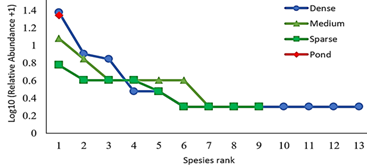
Fig. 7: Rank abundance curves illustrating changes in fish community diversity across mangrove gradient
Livelihood vulnerability and system dependency
These restrictions on fisheries productivity resonate past purely ecological boundaries, fundamentally affecting human livelihoods and illuminating the vulnerability of communities tethered to mangrove ecosystem services (Morris et al., 2025). The socio-economic profile of households in Tanakeke Island reflects a system characterized by high dependence on natural resources and structural vulnerability (Table 4). The dominance of women respondents (69.35%) highlights their central role in household food management, while the age distribution, concentrated in the productive age range of 31-50 years, indicates active engagement in livelihood activitiesThis vulnerability is compounded by low educational attainment; over 80% of respondents lack formal schooling beyond the elementary level, indicating limited adaptive capacity and highly restricted alternative livelihood pathways. Socio-economic activities in the study area are heavily dictated by marine resources, with fishing and seaweed farming accounting for 53.57% and 23.21% of primary livelihoods, respectively. This structural dependence signifies a heightened vulnerability to environmental fluctuations. This dependency is reinforced by income patterns, where more than half of households earn between United States Dollar (USD) 3 - 6 per day, closely matched by expenditure levels, suggesting minimal financial buffering capacity. Such conditions reflect a narrow margin between income and expenditure, increasing household sensitivity to fluctuations in resource availability. Globally, coastal populations that exhibit high dependence on small-scale fisheries alongside limited economic diversification face severe vulnerabilities to environmental degradation and climatic shifts (Kapapa et al., 2024). In this study, these socio-economic conditions interact with ecological changes, creating a cascading vulnerability effect (Cohn et al., 2024). Declines in ecosystem integrity reduce fisheries productivity, directly constraining income and limiting access to food, ultimately reinforcing food insecurity (Montano et al., 2025). This feedback mechanism highlights that livelihood vulnerability extends beyond purely economic dimensions, maintaining a direct structural link to overall ecosystem integrity (Vikraman et al., 2026).
Food security outcomes
Household survey results revealed that food security conditions in Tanakeke Island remain highly vulnerable across multiple dimensions of the coastal food system (Fig. 8). Only 7.15% of households were classified as food secure, while most experienced moderate (64.58%) or mild (25.59%) food insecurity, and 2.68% faced severe food insecurity. These data demonstrate that food insecurity in Tanakeke extends beyond a short-term disruption, signaling broader structural fragility inherent to the island socio-ecological system. Household food availability appeared to depend strongly on external markets and fisheries-based resources. Market purchases represented the largest food source (45.24%), followed by fisheries and mangrove-related sources (38.39%), while only a relatively small proportion originated from household food production activities (8.33%). This pattern underscores a deficit in local food self-sufficiency, suggesting that household security remains highly contingent upon both fluctuating natural resource productivity and market access. Food access indicators further illustrate economic vulnerability among coastal households. Most respondents were categorized within vulnerable (37.21%) and limited access (33.93%) groups, while only 7.14% were considered food secure in terms of access. Such trends suggest that volatile economic returns and restricted purchasing power act as structural barriers, compromising household food security and dietary diversity. Dietary composition data showed a strong reliance on cereals, fish, and staple carbohydrate sources, while consumption of vegetables, fruits, dairy products, and other nutrient-rich food groups remained relatively low. Despite fish serving as the predominant protein source, the observed low dietary diversity suggests underlying nutritional deficits. Additionally, food security remained highly volatile across the study area, with over half of the households (50.59%) exhibiting high vulnerability, while a distinct minority (13.09%) achieved relatively stable food security statuses. Household perceptions further supported this pattern, with 61.01% reporting declining food availability from mangrove and fisheries resources. Although the present study was observational in nature, the consistency between ecological and household-level patterns suggests that changes in mangrove ecosystem conditions may be associated with broader food security vulnerability in small island coastal systems. Household decision-making patterns reveal that women play a dominant role in food purchasing and management, highlighting their critical contribution to maintaining household food security under constrained conditions. However, these metrics also reveal an inequitable distribution of labor, wherein the responsibility for mitigating food insecurity is disproportionately borne by women—a reflection of entrenched social hierarchies within the socio-ecological system. Taken together, these findings illustrate a tightly coupled socio-ecological system in which food security outcomes are directly shaped by ecosystem conditions (Yan et al., 2026). Declines in mangrove integrity reduce fisheries productivity which in turn limits income and food availability, ultimately constraining access, utilisation, and stability. These cascading dynamics demonstrate that the long-term viability of coastal food systems is fundamentally contingent upon maintaining overarching ecosystem integrity (Varyvoda and Uglas, 2022). Overall, food security in Tanakeke Island is not merely a function of food supply, but an emergent property of ecosystem-dependent livelihoods. The strong reliance on mangrove-associated fisheries, combined with limited diversification and declining ecosystem productivity, creates a structurally vulnerable system. Ultimately, these results underscore that preserving mangrove ecosystem integrity is a dual necessity, functioning both as a cornerstone for ecological sustainability and a prerequisite for fostering resilient, equitable food systems within small island settings (Akram et al., 2023). Table 5 shows significant relationships among fisheries productivity, household economic conditions, and food security indicators on Tanakeke Island. CPUE among fishers exhibited a strong positive correlation with household income (r = 0.687; p < 0.01), suggesting that higher fisheries productivity tended to be associated with increased household earnings. CPUE exhibited a positive correlation with household expenditure (r = 0.320; p < 0.01), indicating that households with higher fish typically possessed higher purchasing power and economic engagement. Food insecurity, measured using the HFIAS, showed significant negative correlations with CPUE (r = –0.517; p < 0.01) and household income (r = –0.530; p < 0.01). These configurations demonstrate that lower fisheries yields and constrained incomes collectively exacerbate household vulnerability to food insecurity. Meanwhile, HDDS exhibited weak but significant positive correlations with CPUE (r = 0.110; p < 0.05) and income (r = 0.114; p < 0.05), indicating that improved fisheries productivity and economic conditions may be associated with slightly better dietary diversity. The negative correlation between HFIAS and HDDS (r = –0.202; p < 0.01) further suggests that households experiencing higher food insecurity tended to have lower dietary diversity. Overall, the observed correlation patterns imply vital socio-ecological relationships between fisheries productivity, the economic capacity of households, and the outcomes related to food security. In small island systems where livelihoods remain highly dependent on fisheries resources, fluctuations in fisheries productivity may influence not only household income but also food access and dietary quality. These results reinforce the consensus in coastal food system literature that a community's vulnerability to food insecurity is heavily mediated by local ecological conditions and corresponding fisheries performance (Ruslan et al., 2022). These trade-offs indicate that increasing dominance of aquaculture ponds beyond ecological carrying capacity may weaken the long-term resilience of small island coastal food systems. The findings suggest important long-term ecological and socio-economic trade-offs between mangrove conservation and aquaculture intensification in Tanakeke Island. These dynamics highlight a distinct socio-ecological trade-off: localized pond expansion generates short-term economic gains but correlates significantly with diminished mangrove integrity, simplified trophic webs, and degraded environmental regulatory capacity.
Table 4: Socio-economic characteristics and livelihood vulnerability
|
Variable |
Frequency (n) |
Percentage (%) |
|
Gender |
||
|
Men |
103 |
30.65 |
|
Women |
233 |
69.35 |
|
Age |
||
|
<21 |
4 |
1.19 |
|
21 - 30 |
48 |
14.29 |
|
31 - 40 |
73 |
21.73 |
|
41 - 50 |
118 |
35.12 |
|
51 - 60 |
54 |
16.07 |
|
61 - 70 |
34 |
10.12 |
|
>70 |
5 |
1.49 |
|
Education status |
||
|
Bachelor |
1 |
0.29 |
|
Senior high school |
22 |
6.55 |
|
Junior high school |
37 |
11.01 |
|
Elementary school |
137 |
40.77 |
|
Not attend school |
139 |
41.38 |
|
Marital status |
||
|
Single |
10 |
2.98 |
|
Merried |
303 |
90.18 |
|
Widower |
13 |
3.87 |
|
Widow |
10 |
2.98 |
|
Divorced |
0 |
0 |
|
Livelihood |
||
|
Seaweed farmers |
78 |
23.21 |
|
Fisherman |
180 |
53.57 |
|
Sheelfish fisherman |
23 |
6.85 |
|
Seaweed binders |
6 |
1.79 |
|
Fish buyer |
3 |
0.89 |
|
Charcoal maker |
28 |
8.33 |
|
Fish farmer |
18 |
5.36 |
|
Household income |
||
|
≤ 50.000 |
31 |
9.23 |
|
50.001 – 100.000 |
170 |
50.6 |
|
100.001 – 150.000 |
91 |
27.08 |
|
150.001 – 200.000 |
24 |
7.14 |
|
> 200.000 |
20 |
5.95 |
|
Household expenditure |
||
|
≤ 50.000 |
47 |
13.99 |
|
50.001 – 100.000 |
218 |
64.88 |
|
100.001 – 150.000 |
66 |
19.65 |
|
150.001 – 200.000 |
3 |
0.89 |
|
> 200.000 |
2 |
0.59 |
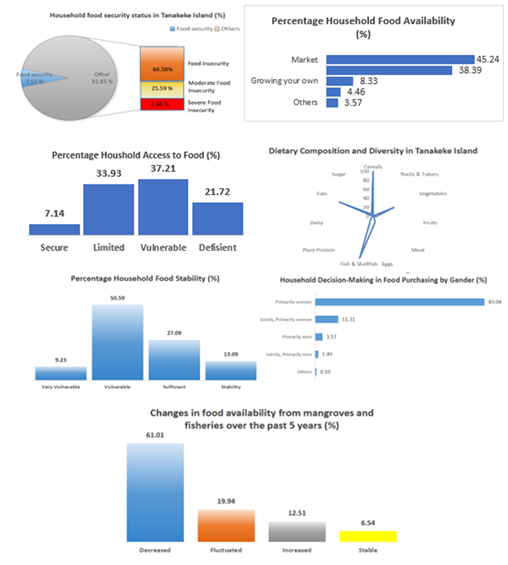
Fig. 8: Multidimensional household food security outcomes and ecosystem dependency in Tanakeke Island
Governance
Beyond biophysical processes, the sustainability of mangrove-dependent fisheries and food systems is strongly shaped by socio-ecological drivers and governance dynamics. Within fragile small island systems like Tanakeke, the complex interplay between ecological conditions, institutional capacity, and stakeholder dynamics dictates whether ecosystem integrity is successfully maintained or progressively degraded. Several variables, as observed in Fig. 9, including local community participation, mangrove rehabilitation efforts, and market access, exhibit both high influence and high dependence, positioning them as critical linkage factors within the system. These elements act as connectors between ecological processes and socio-economic outcomes, mediating the translation of ecosystem services into livelihood benefits. Owing to this dual role, these actors exhibit heightened sensitivity to environmental shifts and occupy a highly strategic position for targeted intervention. The influence-dependence dynamics reveal that Tanakeke Island’s mangrove management is embedded within a tightly coupled socio-ecological framework, where local food security directly hinges on the alignment of ecological health, fisheries yield, and institutional governance. Variables related to food availability, access, and stability were positioned within high-dependence zones, indicating that household food security may be strongly shaped by upstream environmental and institutional processes. Actor analysis further revealed notable asymmetries among stakeholders. The influence-dependence structure highlights that state environmental and fisheries agencies function as highly influential actors, driving both policy formulation and resource governance frameworks. In contrast, local actors such as fishers, seaweed farmers, and small-scale producers appeared highly dependent on ecosystem conditions while having relatively limited influence over decision-making processes. Community leaders and village level institutions occupied intermediate positions, suggesting their potential role as bridging actors capable of connecting governance frameworks with local practices. Although this study was observational and systems-oriented in nature, the overall influence-dependence structure suggests that weak coordination, limited institutional capacity, and ineffective governance may be associated with declining ecosystem integrity and increased livelihood vulnerability within small island coastal systems. Overall, these findings underscore that mangrove ecosystem integrity is a function of a deeply integrated socio-ecological system, shaped by the continuous feedback between ecological variables and institutional arrangements (Chaves and Christine, 2025). The imbalance between highly influential governance actors and highly dependent local communities highlights a critical gap that must be addressed to achieve sustainable fisheries and resilient food systems (Hayashida-Carillo, 2025). Enhancing the integration of governance and community involvement is crucial for preserving ecosystem functionality and ensuring long-term food security in small island environment (Subroto et al., 2026).
Table 5: The Relationship between CPUE, revenue, expenditures, HFIAS, and HDDS
|
Variables |
CPUE Nelayan |
Pendapatan |
Pengeluaran |
HFIAS |
HDDS |
|
CPUE |
1 |
0.687** |
0.320** |
-0.517** |
0.110* |
|
Income |
|
1 |
0.289** |
-0.530** |
0.114* |
|
Expenditure |
|
|
1 |
-0.251** |
0.078 |
|
HFIAS |
|
|
|
1 |
-0.202** |
|
HDDS |
|
|
|
|
1 |
Note: ** p-value < 0.01; * p-value < 0.05
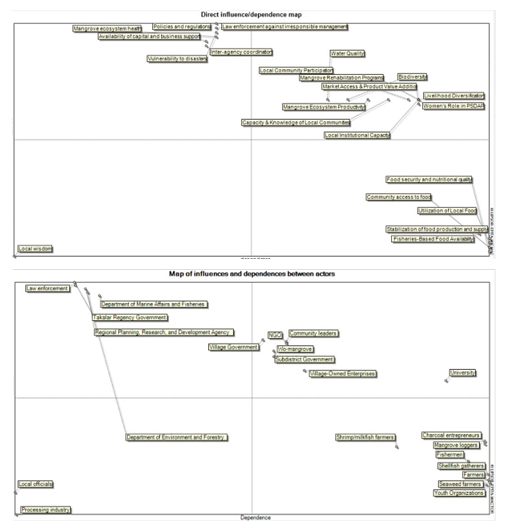
Fig. 9: Influence-dependence structure of key variables and actors in mangrove-based food systems
Conceptual framework: Linking mangrove ecosystem integrity to multidimensional food security
This study presents a conceptual system dynamics model that elucidates how mangrove ecosystem integrity structurally drives fisheries productivity, livelihood capacity, and ultimately shapes multidimensional food security outcomes in small island socio-ecological systems. The established model reveals that the integrity of the mangrove ecosystem is not solely an ecological aspect, but functions as the foundational structure of the coastal food system, as depicted in Fig. 10. On Tanakeke Island, significant differences in vegetation structure, Shannon-Wiener Index, important value index, density, soil quality, water quality, phytoplankton, and fish abundance indicate that ecosystem integrity determines the system’s capacity to support key ecological functions. Environmental degradation within the aquaculture zone serves as an indicator of disrupted nutrient cycling and biogeochemical processes, ultimately destabilizing ecosystem productivity. Importantly, this study also reveals that the current landscape composition of Tanakeke Island has exceeded its ecological carrying capacity threshold. The island currently consists of approximately 1,343 hectares (ha) of mangroves and 1,967 ha of aquaculture ponds, representing a ratio of roughly 40% mangrove to 60% pond area. Rather than being defined as a rigid numerical boundary, the ecological threshold on Tanakeke Island was deduced from persistent socio-ecological patterns linked to the current landscape configuration of approximately 40% mangrove cover and 60% aquaculture ponds. This interpretation was supported by integrated indicators, including reduced vegetation diversity, altered nutrient and water quality parameters, trophic simplification reflected in RAC patterns, declining fisheries indicators, and widespread household food insecurity. Collectively, these trends demonstrate an ongoing shift away from a stable, locally regulated ecosystem toward an ecologically simplified state characterized by heightened external socio-ecological state. These findings suggest that environmental degradation may contribute to broader socio-ecological vulnerability and livelihood instability. The relationship between mangrove ecosystems and fishery productivity in this study is not linear but rather operates through cascading trophic processes that link habitat structure to food-web dynamics. The analysis reveals that the presence of phytoplankton, zooplankton, and macrobenthos is typically elevated in mangrove zones characterized by robust ecosystem conditions, alongside a more consistent community structure as demonstrated by the RAC. This pattern is consistent with global studies showing that mangroves support fisheries productivity through trophic support, nursery habitat provision, and environmental stabilization (Cure et al., 2026; Carrasquilla-Henao et al., 2022). Recent studies also demonstrated that mangrove ecosystem characteristics strongly regulate coastal ecological stability and aquatic habitat quality (Suyadi et al., 2025). One of the key contributions of this model is identifying livelihood capacity as a transmission channel linking ecological productivity to household food security. Regions characterized by superior environmental quality typically exhibited more resilient fisheries productivity and livelihood outcomes. Studies integrating morphological and molecular approaches further confirmed that healthy mangrove ecosystems support higher fish diversity and ecological connectivity within coastal waters (Basyuni et al., 2025b). This aligns with findings from various studies, which emphasise that the fisheries sector in coastal areas functions not only as a food source but also as a key pillar of household economies, determining access to food (Swan et al., 2026). Unlike conventional approaches that assess food security solely in terms of availability, this study adopts a six-dimensional framework, namely availability, accessibility, utilization, stability, agency, and sustainability. The assessment underscores a distinct food security imbalance: while the availability dimension is relatively secure, localized accessibility and long-term stability present significant institutional hurdles. Low HDDS values (4–4.7) and the small proportion of food-secure households (±7%) suggest that food insecurity is shaped not only by production limitations, but also by weak access and system resilience. These findings strengthen the perspective that food security arises from intricate interactions among ecological, economic, and social factors, instead of just a result of the production system (Wallner-Hahn et al., 2022). The dynamic system model developed in this study identifies two main pathways: the degradation trap and the restoration pathway, which explain the long-term dynamics of the socio-ecological system in Tanakeke. The degradation pathway highlights a distinct socio-ecological cascade: contracting mangrove cover impairs fisheries productivity, which directly translates into reduced community income. This situation increases pressure on resources, such as aquaculture expansion and overexploitation, ultimately accelerating ecosystem degradation. Comparable findings showed that mangrove degradation and illegal logging significantly reduce ecosystem carbon stocks and ecological resilience in tropical coastal systems (Basyuni et al., 2025a). This phenomenon aligns with the concept of the “poverty environment trap” commonly observed in tropical coastal regions (Sanga et al., 2026). Conversely, the restoration pathway demonstrates that nature-based interventions such as ecological mangrove rehabilitation (EMR) and integrated mangrove sustainable aquaculture (IMSA) can trigger a positive cycle. Enhanced ecological conditions can bolster fisheries productivity, augment local incomes, and alleviate pressure on natural resources, thereby fostering a more resilient socio-ecological system.
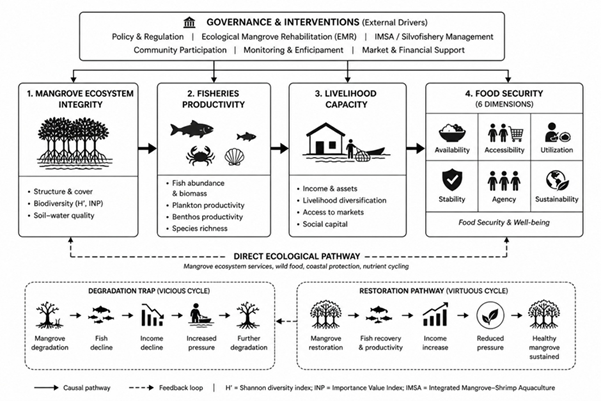
Fig. 10: Mangrove ecosystem integrity as a foundation of food security in small island socio-ecological systems
CONCLUSION
This study demonstrates that mangrove ecosystem integrity is closely associated with fisheries productivity, livelihood resilience, and food security within small island socio–ecological systems. Across the observed ecological gradient in Tanakeke Island, the transition from relatively intact mangrove ecosystems to pond-dominated landscapes was consistently accompanied by reduced environmental regulation capacity, trophic simplification, declining fisheries indicators, and widespread household food insecurity. These findings suggest that changes in mangrove ecosystem condition may influence coastal food systems through interconnected ecological and socio-economic pathways linking nutrient dynamics, trophic productivity, fisheries performance, and household livelihoods. The study further demonstrates that small island food insecurity is not merely a function of food availability or fisheries production but is shaped by multi-dimensional vulnerabilities. Despite the continued contribution of marine resources to household diets, low dietary diversity, unstable livelihoods, and limited adaptive capacity suggest that food security outcomes are strongly associated with broader ecological and socio-economic vulnerability. Beyond their roles in carbon sequestration and shoreline stabilization, mangrove ecosystems function as critical ecological infrastructure that directly safeguards fisheries sustainability, household livelihood stability, and broader food system resilience. Conceptually, this research contributes by integrating ecosystem integrity, trophic dynamics, fisheries productivity, livelihood resilience, ecological carrying capacity, and multidimensional food security within a unified socio-ecological framework. While the observational and correlational nature of this study precludes definitive causal assertions, the persistent alignment of ecological, fisheries, and household-level data offers compelling inferential evidence of the tight coupling between mangrove ecosystems and small island food systems. From a management perspective, strengthening food security and climate resilience in coastal areas requires integrated ecosystem-based approaches that simultaneously restore mangrove ecological functions, improve fisheries sustainability, support livelihood diversification, and strengthen inclusive community-based governance systems. To enhance long-term socio-ecological resilience within small island coastal systems, strategic interventions must prioritize EMR, hydrological restoration, IMSA models, livelihood diversification, and robust, collaborative community governance.
AUTHORS’ CONTRIBUTIONS
R. Fadilah contributed to this study by formulating the research concept, designing the experiment, applying for funding, analyzing the data, writing the initial draft of the manuscript, and refining the manuscript. C. Kusmana contributed to formulating the research concept, supporting the writing, reviewing, and revising the manuscript. S.H. Sutjahjo contributed to formulating the research concept, supporting the writing, reviewing, and revising the manuscript. Sulistiono contributed to formulating the research concept, supporting the writing, reviewing, and revising the manuscript. Machfud contributed to formulating the research concept, supporting the writing, reviewing, revising, editing, and validating the manuscript.
ACKNOWLEDGEMENT
The authors would like to express their gratitude to the Indonesian Education Scholarship for its financial support [03602/J5.2.3/BPI.06/10/2022]. This scholarship is administered by the Center for Higher Education Financing and Assessment Services, Ministry of Higher Education, Science, and Technology of the Republic of Indonesia, and the Education Fund Management Agency, Ministry of Finance of the Republic of Indonesia. The authors also extend their sincere appreciation to the Takalar Regency Government and the village governments in the Tanakeke Islands, as well as the local communities, for their support and cooperation during the field research, and to the anonymous reviewers for their valuable comments and suggestions.
CONFLICT OF INTEREST
The authors declare that there is no conflict of interest regarding the publication of this manuscript. In addition, ethical issues, including plagiarism, informed consent, misconduct, data fabrication and/or falsification, double publication and/or submission, and redundancy, were observed by the authors.
OPEN ACCESS
©2026 The author(s). This article is licensed under a Creative Commons Attribution 4.0 International License, which permits use, sharing, adaptation, distribution and reproduction in any medium or format, as long as you give appropriate credit to the original author(s) and the source, provide a link to the Creative Commons license, and indicate if changes were made. The images or other third-party material in this article are included in the article’s Creative Commons license, unless indicated otherwise in a credit line to the material. If material is not included in the article’s Creative Commons license and your intended use is not permitted by statutory regulation or exceeds the permitted use, you will need to obtain permission directly from the copyright holder. To view a copy of this license, visit: http://creativecommons.org/licenses/by/4.0/
PUBLISHER’S NOTE
GJESM Publisher remains neutral regarding jurisdictional claims regarding published maps and institutional affiliations.
Positive AI Statement
During the preparation of this work the author(s) have used Artificial Intelligence (AI) tools (ChatGPT, Grammarly) for language editing and improving readability. After using these tools, the author reviewed and edited content as needed and took full responsibility for the content of the publication. After using this tool/service, the authors reviewed and edited the content as needed and took full responsibility for the content of the publication.
ABBREVIATIONS
|
% |
Percent |
|
cm |
Centimeter |
|
COD |
Chemical oxygen demand
|
|
CPUE |
Catch per unit effort |
|
DO |
Dissolved oxygen |
|
E |
East |
|
E |
Evenness |
|
EMR |
Ecological mangrove rehabilitation |
|
ES |
ecosystem services |
|
FGD |
Focus group discussion |
|
H’ |
Shannon-Wiener Diversity |
|
ha |
Hectare |
|
HDDS |
Household dietary diversity score |
|
HFIAS |
Household food insecurity access scale |
|
IMSA |
Integrated mangrove sustainable aquaculture |
|
IVI |
Importance value index |
|
g |
Gram |
|
km² |
Square kilometers |
|
MAKTOR |
Matrix of alliance and conflict: tactic, objectives and recommendation |
|
MAO |
Matrix of actor objectives |
|
MDI |
Matrix of direct influence |
|
m |
Meter |
|
MICMAC |
Matrix of cross impact analysis |
|
NH3 |
Ammonia |
|
NO₃⁻ |
Nitrate |
|
NO₂⁻ |
Nitrite |
|
PA |
Principal analysis |
|
PCA |
Principal component analysis |
|
PO₄³⁻ |
Phosphate |
|
RAC |
Rank abundance curve |
|
SES |
Social-ecological systems |
|
SD |
Standard deviation |
|
S |
South |
|
TOM |
Total organic matter |
|
TSS |
Total suspended solids |
|
USD |
United States Dollar |
REFERENCES
Afifah, N.D.; Resti, N.; Ro, A.; Nugroho, D., (2026). Mangrove-based food innovation nutritional profile and health potential for local communities: A systematic review. Food Chem. Adv. 1-8 (8 pages).
Akram, H.; Hussain, S.; Mazumdar, P.; Chua, K.O.; Butt, T.E.; Harikrishna, J.A., (2023). Mangrove health: A review of functions, threats, and challenges associated with mangrove Manage. Pract., 1-38 (38 pages).
Aljahdali, M.; Bala, A., (2025). Modelling mangrove productivity and food web trophic interactions using stable isotopes of carbon and nitrogen in Rabigh Lagoon, Saudi Arabia. Egypt. J. Aquat. Res., 304–312 (9 pages).
Alongi, D.M., (2021). Macro- and Micronutrient Cycling and Crucial Linkages to Geochemical Processes in Mangrove Ecosystems. Mar. Sci. Eng., 1-26 (26 pages).
Analuddin, K.; Rahim, S.; Marsuki, R.; Widayati, W.; Adriyanto, L.; Nakamura, T.; Nadaoka, K., (2025). Regional Studies in Marine Science: Mangrove landscape dynamics and ecosystem services sustainability in the Coral Triangle, Southeast Sulawesi, Indonesia. Region. Stud. Mar. Sci., 1-12 (12 pages).
Arifanti, V.B.; Basyuni, M.; Suharti, S.; Slamet, B.; Sidik, F.; Helbert, H.; Yeny, I.; Yulianti, M.; Marwayana, N., Macklin, P.A., Rahmania, R., Suyadi, S., Wahyuni, T., Halwany, W., Rahmila, Y.I., Faubiany, V.; Mubaraq, A.; Aznawi, A.A.; Ali, H. M.; Halwany, W., (2025). Assessing the Environmental and Socioeconomic Impacts of Mangrove Loss in Indonesia: A synthesis for science-based policy assessing the environmental and socioeconomic impacts of mangrove. For. Sci. Technol., 1-17 (17 pages).
Basyuni, M.; Irmawati; Mubaraq, A.; Susilowati, A.; Rangkuti, A.B.; Desrita; Aznawi, A.A.; Musatniroh, S.; Larekeng, S.H.; Salman, A.H.; Ardli, E.R.; Isowa, Y.; Kajita, I. (2025a). Morphological and molecular monitoring of fish in the water of mangrove ecosystems. Global J. Environ. Sci. Manage., 11(2): 711-732 (22 pages).
Basyuni, M.; Amelia, R.; Aznawi, A.A.; Wirasatriya,A.; Iryanthony, S.B.; Slamet, B.; Musatniroh, S.; Rahmania,R.; Rahmila, Y.I.; Sumarga, E.; Larekeng, S.H.; Salmo III, S.; Kajita, I.; Sivaipram, I.; Ali, H.A.; Aznawi, A.A., (2025b). Reduction of mangrove carbon stocks ecosystems attributed to illegal logging using combination of unmanned aerial vehicle imagery and field surveys. Global J. Environ. Sci. Manage., 11(1): 225-242 (18 pages).
Carrasquilla-Henao, M.; Rueda, M.; Juanes, F., (2022). Fish habitat use in a Caribbean mangrove lagoon system. Estuar. Coast. Shelf Sci., 1-10 (10 pages).
Castrej, M.; Pittman, J.; Ramírez-Gonz, J.; Defeo, O., (2024). An overview of social-ecological impacts of the El Nino Oscillation and climate change on Galapagos small-scale fisheries. Ocean Coast. Manage., 1-12 (12 pages).
Castrejon, M.; Defeo, O., (2025). Towards an ecosystem approach to fisheries in the Galapagos Marine Reserve: A science-driven and adaptive co-management framework. Mar. Policy., 1-10 (10 pages).
Chaves, P.; Christine, B. (2025). Who holds power in the absence of the state? Polycentric governance and community justice in Ecuador’s mangrove management. Environ. Dev., 1-17 (17 pages).
Chi, Y.; Qu, Y.; Zhang, Z.; Liu, Z. (2026). Dual pathways of human influence on island social-ecological systems: Evidence from China’s Zhoushan Archipelago. Land Use Policy., 1-17 (17 pages).
Coates, J.; Swindale, A.; Bilinsky, P., (2007). Household food insecurity access scale (HFIAS) for measurement of food access: indicator guide version 3. FAO. 1-26 (26 pages).
Cohn, R. M.; Mbeyu, R.; Wamukota, A.; Trevi, M., (2024). Let our minds be one”: Emergent strategy for adapting to seafood insecurity in coastal Kenyan fishing communities. Mar. Policy., 1-12 (12 pages).
Cure, K.; Depczynski, M.; Radford, B.; Howard, A.; McCarthy, P.; Pyke, D.; Hickey, S.; Ford, B.; Barneche, D.R.; Jawi, B.; Rangers, O.; Jawi, B.; Owners, T., (2026). Habitat mosaics of mangroves and reefs support fisheries sustainability for Traditional Owners. Ocean Coast. Manage., 1-14 (14 pages).
Das, S.; Dutta, S.; Roy, J.; Roy, M.; Sen, P.; Chanda, A.; Dutta, H.; Nandi, S.; Ghosh, T., (2026). Science of the Total Environment Mangroves in the Anthropocene: A global synthesis of carbon storage, biodiversity, and coastal resilience under climate and anthropogenic stressors. Sci. Total Environ. 1-13 (13 pages).
Daw, T.M.; Reid, N.J.; Coulthard, S.; Chaigneau, T.; Machava, V.; Cheupe, C.; Wells, G.; Bueno, E., (2023). Life satisfaction in coastal Kenya and Mozambique reflects culture, gendered relationships and security of basic needs: Implications for ecosystem services. Ecosyst Serv., 1-17 (17 pages).
Deng, Y.; Shi, Z.; Zang, S.; Lun, H.; Feng, J.; Liu, S.; Macreadie, P. I., (2026). Mangrove ecosystems as natural barriers against waterborne pathogens: A case study from Shenzhen, China. Mar. Pollut. Bull., 1-13 (13 pages).
Derviche, P., Bastos, R.F., Condini, M.V, Barbosa, E.F., Oliveira, R.L., Almeida, L.L., Vollrath, S.R., Soeth, M., Garcia, A.M., and Hostim, M., (2024). Regional studies in marine science trophic ecology and habitat use of an overexploited commercial snapper (Lutjanus jocu) in a tropical nursery estuary elucidated by stable isotopes. Reg. Stud. Mar. Sci., 1-11 (11 pages).
Division, L.R., (2021). Soil analysis methods and results interpretation manual. Land Soil Division. 1-53 (53 pages).
Fajriyati, D.; Kurniawan, F.; Adrianto, L.; Kurnia, R., (2026). Spatial patterns and drivers of small-island mangrove degradation: Implications for adaptive coastal management in Tanakeke Island, Indonesia. Mar. Policy., 1-9 (9 pages).
Feng, J.; You, L.; Gao, X.; Liu, M.; Zhao, W.; Wu, Y.; Cui, X.; Wu, M.; Wei, L., (2026). Dynamics of leaf litter decomposition and nutrient release in mangroves under different control conditions: highlighting the litter quality, decomposer and mixing effect. Mar. Poll. Bull., 1-10 (10 Pages).
Kairoa, J.G.: Joseph, K.S.: Lang’at, F.D.; Bosire a. J.; Moses Karachid., (2008). Structural development and productivity of replanted mangrove plantations in Kenya. Sci. Ecol. Manage. 1-8 (8 Pages).
Galveia, M.C.; Macusi, E.D., (2026). Climate change resilience and food security of small-scale fishing communities in the South-eastern Mindanao, Philippines. Mar. Policy., 1-10 (10 pages).
Goldberg, L.; Lagomasino, D.; Thomas, N.; Fatoyinbo, T., (2020). Global declines in human-driven mangrove loss. Glob. Change Biol., 5844–5855 (11 pages).
Groffman, P.M,; Baron, J.S.; Blett, T.; Gold, A.J.; Goodman, I.; Gunderson, L.H.; Levinson, B.M.; Palmer, M.A.; Paerl, H.W., Peterson, G.D.; Poff, N.L.; Rejeski, D.W.; Reynolds, J.F.: Turner, M.G.; Weathers, K.C.; Wiens, J., (2006). Ecological Thresholds: The key to successful environmental management or an important concept with no practical application? Ecosystem. 1-13 (13 pages).
Hayashida-Carrillo, A.H., (2025). Do participatory governance models in fisheries lead to ecosystem-based fisheries management? Mar. Policy., 1-12 (12 pages).
Huang, H.; Sun, Y.; Tang, K.; Sun, L.; Zhang, R., (2026). Integrated mangrove aquaculture systems enhance macrobenthic productivity: A case study in Zhanjiang, China. Mar. Poll. Bull., 1-7 (7 pages).
Ickowitz, A.; Guo, M.; Lo, Y.; Nurhasan, M.; Maulana, A.M.; Brown, B.M., (2023). Quantifying the contribution of mangroves to local fish consumption in Indonesia: a cross-sectional spatial analysis. Lancet Planet. Health. e819–e830 (11 pages).
Kapapa, L.; Onyango, P.; Bwanthondi, P.; Mfilinge, P., (2024). The vulnerability of fisheries-based livelihoods to climate variability and change in coastal small pelagic fishing communities in Tanzania. Mar. Policy., 1-15 (15 pages).
Kashif, M.; Wang, D.; Meng, C.; Guo, F.; Liang, Q.; Huang, J.; Li, T.; Luo, Y.; Jiang, C., (2026). Journal of hazardous materials advances mangrove ecosystems and microbial dynamics driving coastal heavy metal detoxification through phytoremediation. J. Hazard Mater. Adv., 1-16 (16 pages).
Kendall, M.S.: Williams, B.L.; Ruffo, A.; Winship, A.J.; Siceloff, L.; Adams, A.; Tobias, W., (2021). Resampling 25 years later reveals fewer species but higher abundance of juvenile fishes in a Caribbean mangrove bay. NOAA., 53–74 (21 pages).
Kolapo, A.; Sieber, S., (2025). From vulnerability to viability: climate-smart agriculture as drivers of productivity and food security in Nigerian maize-based farming households. Environ. Chall., 1-29 (29 pages).
Malik, A.; Rahim, A.; Rasyid, A.; Mannan, A., (2025). Regional studies in marine science challenges and strategies for sustainable mangrove management to mitigate climate change in South Sulawesi Indonesia. Reg. Stud. Mar. Sci., 1-9 (9 pages).
Mandal, S.; Ray, S.; Ghosh, P.B., (2012). Modelling the impact of mangroves on fish population dynamics of Hooghly - Matla estuarine system, West Bengal, India. Procedia Environ. Sci., 414-444 (31 pages).
Montano, L.; Harrison, A.; Henderson, B.; Coleman, M.A.; Raoult, V.; Taylor, M.D.; Gaston, T.; Dwyer, P.G.; Costanza, R.; Dansie, A.; Glamore, W., (2025). The value of Australian aquatic ecosystem services. Ecosyst. Serv., 1-21 (21 pages).
Morris, A.; Zemah-Shamir, S.; Tase, M.; Zotos, S.; Demirel, N.; Zoumides, C.; Christoforidi, I.; Dindaroglu, T.; Albayrak, T.; Kaptan, C.; Fois, M.; Manolaki, P.; Sandor, A.D.; Sieber, I.; Stamatiadou, V.; Tzirkalli, E.; Vogiatzakis, I.N.; Zemah-Shamir, Z.; Zittis, G., (2025). Science of the Total Environment Climate land use and other drivers impacts on island ecosystem services: A global review. Sci. Total Environ., 1-18 (18 pages).
Noaman, A.Y.; Gad-Elrab, A.A.A.; Baabdullah, A.M., (2024). Towards scientists and researchers classification model (SRCM)-based machine learning and data mining methods: An ISM-MICMAC approach. J. Innov. Knowl., 1-23 (23 pages).
Omokaro, G.O., (2025). Science in one health multi-impacts of climate change and mitigation strategies in Nigeria: agricultural production and food security. Sci. One Health., 1-12 (12 pages).
Otieno, P.; Owuor, M.; Pacheco, C.F.; Coppo, G.C.; Monteiro, T.; Ferreira, T.O.; Bernardino, A.F., (2026). Valuing mangrove ecosystem services along the Brazilian Amazon coast. Ecosyst. Serv., 1-11 (11 pages).
Pettigrew, K.A.; Mccauley, D., (2026). Groundwater for sustainable development coastal salinity challenges in Bangladesh: Impacts on health, agriculture, and livelihoods. Groundw. Sustain. Dev., 1-14 (14 pages).
Prayunita, D.; Triyanti, A.; Dekker, S.C.; Driessen, P.P.J.; Temmink, R.J.M., (2026). Nature-based solutions, ecosystem services, and human well-being in global south mangroves: a review. Ecosyst. Serv., 1-17 (17 pages).
Priya, A.; Giri, S.; Bella, K.; and Biji, K., (2023). Estuarine, coastal and shelf science delineating the fish-based ecosystem services of a small tropical Indian estuary: Identification, evaluation and management. Estuar. Coast. Shelf Sci., 1-11 (11 pages).
Qiu, X.; Wei, W.; Chen, W.; Chen, Z.; Xie, D.; Cai, H., (2026). Storm-induced transformation in wave attenuation by mangroves: Couplings between surges and waves. J. Hydrol., 1-12 (12 pages).
Quoc, L.; Thu, P.; Minh, P., (2026). Prioritizing mangrove ecosystem services in Vietnam: An integrated fuzzy decision-making framework. Trees For. People., 1-15 (15 pages).
Ruslan, F.N.; Ching, H.; Hattam, C.; Edwards-Jones, A., (2022). Mangrove ecosystem services: Contribution to the well-being of the coastal communities in Klang Islands. Mar. Policy., 1-8 (8 pages).
Sanga, U.; Radosavljevic, S.; Schlüter, M. (2026). Emergence of cross-level poverty traps in agricultural innovations systems: Environmental impacts and sustainable interventions. Agric. Syst., 1-15 (15 pages).
Sasmito, S.D.; Sillanpää, M.; Hayes, M.A.; Bachri, S.; Saragi-Sasmito, M.F.; Sidik, F.; Hanggara, B.B.; Mofu, W.Y.; Rumbiak, V.I.; Hendri, Taberima, S.; Suhaemi, Nugroho, J.D.; Pattiasina, T.F.; Widagti, N.; Barakalla, Rahajoe, J.S.; Hartantri, H.; Nikijuluw, V.; Murdiyarso, D., (2020). Mangrove blue carbon stocks and dynamics are controlled by hydrogeomorphic settings and land-use change. Glob. Change Biol., 3028-3039 (11 pages).
Serdar, M.Z.; Lahlou, F.; Al-ansari, T., (2024). Progress in disaster science enhancing resilience to climate change: Addressing cascading risks within the energy, water and food nexus. Prog. Disaster Sci., 1-15 (15 pages).
Sofue, Y.; Mar, J.; Quevedo, D.; Muhamad, K.; Kohsaka, R., (2025). Identifying changes in mangrove landscapes in the Philippines and Indonesia using remote sensing and community perceptions: Towards ecosystem services management. Reg. Stud. Mar. Sci., 1-13 (13 pages).
Song, L.; Guan, Z.; Tao, S.; Liddell, M.; Zhao, G.; Zhao, L., (2026). Decoupling of gross primary productivity and transpiration revealed through a daily remote sensing modelling approach in arid irrigated farmland. Agric. For. Meteorol., 1-11 (11 pages).
Stacey, N.; Gibson, E.; Loneragan, N.R.; Warren, C.; Wiryawan, B.; Adhuri, D.S.; Steenbergen, D.J.; Fitriana, R., (2021). Developing sustainable small-scale fisheries livelihoods in Indonesia: Trends, enabling and constraining factors, and future opportunities., Mar. Policy. 1-13 (13 pages).
Stakiw, E.; Diaz-osorio, F.; Fausak, L.K.; Jassal, R.S.; Lavkulich, L.M., (2026). Science of the Total Environment Sea-level rise threats to food security: A review of agrifood system resilience in the Lower Fraser Valley, BC. Sci. Total Environ., 1-11 (11 pages).
Subroto, S.; Davidsen, C.; Sen, A., (2026). Forest Policy and Economics Livelihood (in) justice and forest governance in the Sundarbans mangrove ecosystem. For. Policy Econ., 1-15 (15 pages).
Sun, J.; Chen, Y.; Zhou, H.; Hu, Z.; Liao, W.; Yang, Q., (2020). Carbon isotope ratio of leaf litter correlates with litter production in a mangrove ecosystem in South China. Mar. Poll. Bull., 1-19 (9 pages).
Suyadi; Basyuni, M.; Amukti, R.; Damayanti, C.; Stokes, D.; Mubaraq, A.; Rahmila, Y.I., (2025). Ecological features of mangroves as indicators of seawater intrusion. Global J. Environ. Sci. Manage., 11(2): 609-630 (22 pages).
Swan, T.; Saul, J.; Pamphilon, B.; Field, D., (2026). The promise of one health for improved soil and food security in Papua New Guinea. One Health., 1-5 (5 pages).
Swindale, A.; Bilinsky, P., (2006). Household dietary diversity score (HDDS) for measurement of household food access: Indicator guide version 2. FAO. 1-12 (12 pages).
Varyvoda, Y. and T. Douglas., (2022). Considering ecosystem services in food system resilience. Int. J. Environ. Res.public Health. 1-16 (16 pages).
Vikraman, N.; Kumar, P.; Pittman, J.; Frayne, B., (2026). Linking vulnerabilities of small-scale fisheries with seagrass health and water quality. Mar. Policy. 1-12 (12 pages).
Wallner-Hahn, S.: Dahlgren, M.: Torre-castro, M.D., (2022). Linking seagrass ecosystem services to food security: The example of southwestern Madagascar’s small-scale fisheries. Ecosyst. Serv., 1-9 (9 pages).
Yamamoto, Y. (2023). Living under ecosystem degradation: Evidence from the mangrove-fishery linkage in Indonesia. J. Environ. Econ. Manage., 1-23 (23 pages).
Yan, Y.; Xiao, X.; Liu, R.; Qi, Y., Xiao, R.; Ye, Q.; Li, B., (2026). Geography and sustainability fisheries carbon sinks-ecosystem services-human well-being nexus: A systematic map. Geogr. Sustain., 1-19 (19 pages).
Yetein, M.H.; Houessou, L.G.; Amadou, A.S., (2025). The impacts of land use / land cover changes on ecosystem service values in coastal lagoon landscapes of the 1017 Ramsar site, Benin Ga. Sci. Afr., 1-20 (20 pages).
Zhang, M.; Deng, B.; Xu, Y.; Hughes, D.J.; Chandra, S.; Zeng, J.; Jiang, Z.; Zhu, Y., (2025). Regional studies in marine science long-term changes in particulate organic carbon, phytoplankton carbon, and net primary productivity in the East China Sea during summer. Region. Stud. Mar. Sci., 1-12 (12 pages).
Zhang, R.; Tian, D.; Wang, J.; Niu, S., (2023). Geography and sustainability critical role of multidimensional biodiversity in contributing to ecosystem sustainability under global change. Geogr. Sustainability. 4: 232–243: 1-11 (11 pages).

| Article View | 2,002 |
| PDF Download | 536 |


Letters to Editor
[1] Letters that include statements of statistics, facts, research, or theories should include appropriate references, although more than three are discouraged.
[2] Letters that are personal attacks on an author rather than thoughtful criticism of the author’s ideas will not be considered for publication.
[3] Letters can be no more than 300 words in length.
[4] Letter writers should include a statement at the beginning of the letter stating that it is being submitted either for publication or not.
[5] Anonymous letters will not be considered.
[6] Letter writers must include their city and state of residence or work.
[7] Letters will be edited for clarity and length.