
5.2
CiteScore
2.9
Impact Factor
Document Type : RESEARCH ARTICLE
Authors
1 Faculty of Science and Agricultural Technology, Rajamangala University of Technology Lanna Lampang, Lampang 52000, Thailand
2 Faculty of Science, Lampang Rajabhat University, Lampang 52100, Thailand
Graphical Abstract
Highlights
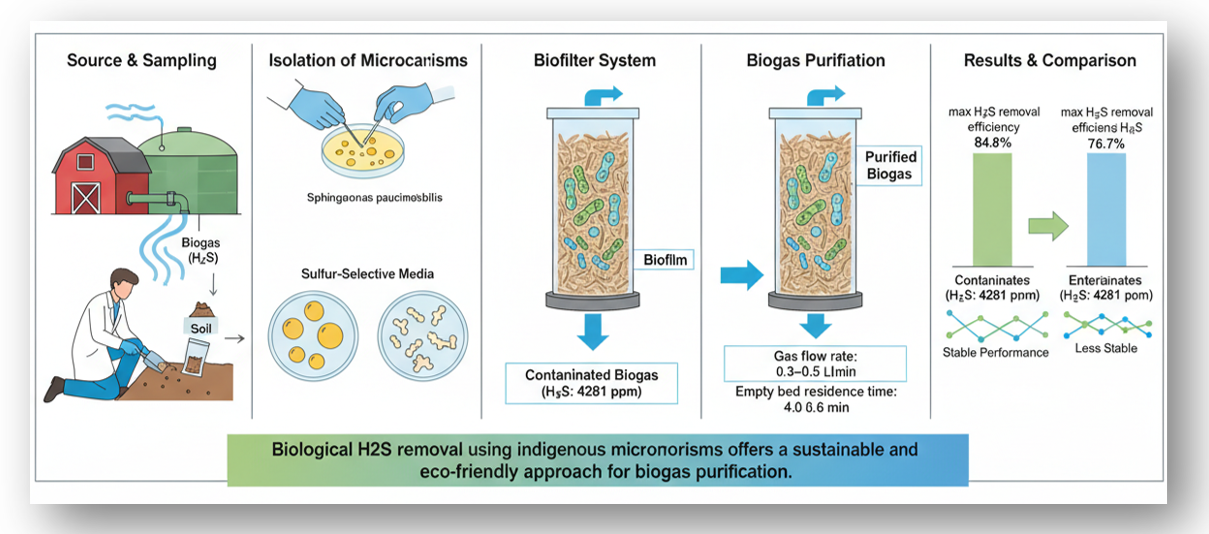
Ø Sphingomonas paucimobilis demonstrated superior hydrogen sulfide removal from biogas, achieving a maximum efficiency of 84.8% and maintaining stable performance throughout the operational period;
Ø Biofiltration using immobilized indigenous microorganisms on coconut husk provided an environmentally friendly and cost-effective approach for hydrogen sulfide mitigation in biogas systems;
Ø The hydrogen sulfide removal efficiency increased progressively over time, indicating successful microbial adaptation and biofilm formation within the biofilter matrix;
Ø Compared with Enterobacter cloacae, Sphingomonas paucimobilis exhibited higher removal efficiency and greater operational stability under identical biofiltration conditions.
Keywords
INTRODUCTION
Biogas is a renewable energy source generated through the anaerobic digestion of organic materials. Its composition primarily consists of methane ( CH4) with 50–70 percent (%) and carbon dioxide (CO₂), with 20–50%, with lesser amounts of nitrogen (N₂), with 0–5% oxygen (O₂), with 0–2% ammonia (NH₃), with 0–1% and hydrogen sulfide (H₂S) with 0.005–2%, equivalent to 50–10,000 part per million (ppm) (Sun et al., 2015). H2S is a colorless, flammable, and water-soluble gas that is denser than ambient air. Well-known for its characteristic rotten-egg odor, the compound poses severe respiratory hazards and acts as a potent irritant to the eyes and upper respiratory tract. Additionally, H₂S exhibits strong corrosive properties, particularly toward metals, accelerating oxidation and corrosion. This gas is commonly encountered in various industries, such as petroleum refining, food processing, livestock farming, wastewater treatment, and biogas production. The rapid reaction of H₂S with moisture within biogas systems yields sulfuric acid, resulting in a highly corrosive environment. The resulting acid can significantly degrade equipment, machinery, and internal combustion engines utilized in biogas-fueled power generation, leading to higher maintenance costs and reduced system lifespan. Therefore, the removal of H₂S from biogas before its utilization is essential to ensure environmental protection (Lee et al., 2007; Takuwa et al., 2009). Efficient H₂S removal is imperative prior to biogas formatting to maximize energy output and ensure system longevity. Existing desulfurization technologies typically fall into two main categories: chemical and biological treatments. Chemical treatments involve liquid-phase reactions, precipitation of sulfur into insoluble solids, and absorption via membrane-based technologies (Horikawa et al., 2004). Chemical treatment remains a dominant approach for H₂S removal from natural gas, largely due to its high efficiency and compatibility with industrial-scale systems. However, numerous drawbacks are increasingly drawing attention to its long-term practicality and environmental sustainability. Technologies such as amine scrubbing, iron oxide-based absorption, and chemical oxidation have been widely implemented, yet they present challenges related to cost, safety, environmental impact, and system complexity. Among the most widely utilized techniques is amine-based scrubbing, which employs alkanolamine solvents such as monoethanolamine (MEA) and diethanolamine (DEA). While effective, this method is characterized by significant energy requirements, particularly during the solvent regeneration phase which involves high-temperature steam stripping. Solvent degradation via oxidation and thermal pathways progressively generates heat-stable salts over time. Consequently, the accumulation of these byproducts drives up operational costs and maintenance overhead due to the necessity of periodic waste disposal and solvent replenishment (Ma et al., 2025; Wang et al., 2011). Iron-based adsorbents, such as iron sponge systems, are also employed for H₂S capture, particularly in small- to medium-scale gas streams. In these systems, H₂S reacts with iron oxide to form iron sulfide. Although initially effective, the adsorbent material becomes saturated quickly and must be regenerated or replaced (Phothilangka, 2026). The regeneration process, typically involving air oxidation, poses a fire risk due to the formation of pyrophoric iron sulfide—a major safety concern in continuous operations (Choudhury and Lansing, 2021). Chemical oxidants, including hydrogen peroxide, sodium hypochlorite, and potassium permanganate, directly convert H₂S into sulfate or elemental sulfur. Despite its operational simplicity, this method often produces secondary waste streams, such as sulfate-rich brines and chemical residues. Managing these byproducts necessitates downstream treatment, escalating operational complexity and environmental overhead (Pu et al., 2018). Another key limitation of chemical processes lies in their non-specificity. Chemical oxidants may react not only with H₂S but also with other reduced compounds or interfering gases, thereby reducing treatment efficiency and increasing chemical consumption. For instance, in gas streams containing substantial amounts of carbon dioxide, amine-based scrubbers exhibit reduced selectivity due to CO₂ co-absorption, further lowering the system’s capacity for H₂S removal (Mandal and Bandyopadhyay, 2006). Operational limitations arise when chemical treatments are deployed in dynamic environments; specifically, fluctuations in gas flow or shifting H₂S levels disrupt the precise stoichiometry necessary to maintain optimal reaction efficiency. Unlike biological systems that self-adjust via microbial activity, chemical systems are less adaptable and can experience rapid performance drops under non-ideal conditions (Syed et al., 2006; Abatzoglou and Boivin, 2009). Biological processes, particularly biofiltration, offer a sustainable alternative. Biofiltration systems utilize microorganisms to degrade gaseous pollutants, providing key advantages such as lower investment and operational costs, simplified maintenance, and minimal secondary waste generation (Kolekar et al., 2019). Biofiltration utilizing indigenous microorganisms presents significant environmental, operational, and economic advantages over conventional physicochemical desulfurization technologies. Biological systems operate under mild conditions with lower energy requirements and minimal chemical consumption, thereby reducing secondary pollution and hazardous waste generation. The use of locally adapted microbial communities may further decrease startup time, improve process resilience, and lower operational costs associated with inoculum preparation and reactor maintenance. Such benefits make biological desulfurization an ideal candidate for decentralized agricultural biogas applications. Within this domain, biological desulfurization leveraging sulfur-oxidizing bacteria (SOB) is rapidly emerging as a sustainable and economically advantageous alternative to traditional physical or chemical methods. SOB represent a metabolically diverse group capable of transforming reduced sulfur species like H₂S into elemental sulfur (S) or sulfate (SO₄²⁻) through enzymatic oxidation. These pathways typically involve key catalytic systems such as the Sox enzyme complex, sulfur dioxygenases, and flavocytochrome c sulfide dehydrogenases (Tang et al., 2009). Depending on the microbial strain and operating conditions, H₂S can be oxidized fully into sulfate or partially into elemental sulfur, the latter being desirable for recovery as a valuable byproduct (Friedrich et al., 2005). Microbial desulfurization via SOB converts aggressive sulfur compounds into stable, non-corrosive derivatives. This biological mitigation is essential for preventing the degradation of biogas-powered engines and generation equipment. SOB are capable of converting H₂S into elemental sulfur (S) through partial oxidation, or into SO₄²⁻ via complete oxidation. Additionally, other reduced sulfur compounds such as thiosulfate (S₂O₃²⁻) and tetrathionate (S₄O₆²⁻) can also be oxidized to sulfate by these microorganisms (Rujisangvittaya and Phoolphundh, 2015). These microorganisms are categorized into two primary groups: 1) Autotrophic bacteria, which synthesize their own organic compounds using carbon dioxide as their carbon source. Within this group, some species harness light energy (Phototrophic Bacteria), while others derive energy from inorganic substances (Chemoautotrophs). 2) Heterotrophic Bacteria, which rely on external organic matter as their carbon source. Certain species utilize light for energy (Photoheterotrophs), whereas others depend on organic compounds (Chemoheterotrophs) to sustain their metabolic activities (Kolekar et al., 2019). The biological removal process of H₂S increases the sulfate concentration within the recirculation medium. Concurrently, this accumulation of sulfate correlates with a progressive improvement in hydrogen sulfide removal efficiency (Ramírez et al., 2009). Various SOB strains, including Fastidiosipila, Enterobacter, Sphingomonas, Hydrogenophaga, Pseudomonas alcaligenes, Rhodopseudomonas, Sphingobium yanoikuyae, Pseudomonas anguilliseptica, Enhydrobacter aerosaccus, and Acidithiobacillus thiooxidans, have shown significant potential for improving biological hydrogen sulfide removal processes (Cheng et al., 2018; Namgung et al., 2012; Nisola et al., 2010). Numerous microbial strains including Acidithiobacillus, Paracoccus, and Thiobacillus have demonstrated efficient H₂S removal under varying environmental conditions. Previous studies have shown that sulfur-oxidizing microorganisms such as Acidithiobacillus, Thiobacillus, and Paracoccus can achieve H₂S removal efficiencies exceeding 90–99% under optimized operating conditions (Syed et al., 2006; Janssen et al., 2009). Syed et al. (2006) reported that a mixed SOB culture in a biofiltration system achieved more than 95% efficiency in converting H₂S into sulfur. Janssen et al. (2009) further described a large-scale biological desulfurization system treating gas streams containing more than 2,000 ppm H₂S with removal efficiencies exceeding 99%. Despite exhibiting high efficiency, numerous engineered or commercially cultivated microbial strains necessitate strict environmental control to sustain stable metabolic activity. Indigenous microbial consortia may offer advantages in long-term stability and resistance to fluctuating field conditions due to their prior acclimation to the local biogas environment. Indigenous microorganisms isolated from swine farm environments are considered promising candidates for biological desulfurization because they are naturally adapted to elevated concentrations of hydrogen sulfide, ammonia, moisture, and organic contaminants commonly found in livestock biogas systems (Biró et al., 2025). Compared with externally introduced or commercially cultivated strains, native microbial consortia generally exhibit superior environmental adaptability, enhanced biofilm formation capability, and greater tolerance to fluctuating operational conditions (Handayani et al., 2024). Furthermore, the use of indigenous microorganisms may reduce reactor acclimation time and improve long-term biofilter stability under field conditions, particularly in tropical agricultural environments. Systems designed for biological desulfurization include packed-bed biofilters, biotrickling filters, and suspended growth reactors (Kulkarni and Ghanegaonkar, 2019). Compared with externally introduced or commercially cultivated strains, native microbial consortia generally exhibit superior environmental adaptability, enhanced biofilm formation capability, and greater tolerance to fluctuating operational conditions (Fortuny et al., 2008). Although SOB-based systems have not been widely deployed at large scale for natural gas, pilot trials show significant promise. For instance, Janssen et al. (2009) described a large-scale installation treating gas streams with H₂S levels exceeding 2,000 ppm, which consistently achieved removal rates greater than 99%. These findings underscore the potential of SOB in commercial gas treatment when operated under optimized conditions. Performance of SOB-driven systems is sensitive to a range of operational variables such as potential of hydrogen (pH), oxygen concentration, temperature, and nutrient availability. To favor the partial oxidation of H₂S to elemental sulfur over complete oxidation to sulfate, the maintenance of strictly regulated microaerobic conditions is imperative (Kleinjan et al., 2005). Studies involving microbial community profiling have revealed dominance of strains like Sulfurimonas and Halothiobacillus in systems tailored for gas-phase desulfurization (Tang et al., 2009). Current biotechnological research focuses on genetic modification to bolster microbial resilience against toxic intermediates, thereby maximizing metabolic oxidation efficiency. Concurrently, hybrid treatment strategies combining SOB with physicochemical processes are gaining interest, aiming to improve system resilience and throughput (Rasi et al., 2011). Notwithstanding these benefits, widespread adoption remains constrained by critical engineering and biological limitations. Operational challenges such as biomass overgrowth, biofilm instability, and sulfur scaling must be addressed to maintain consistent performance. To address these limitations, recent studies have shifted toward optimizing bioreactor architecture, implementing process automation, and identifying robust microbial strains capable of delivering high removal efficiency and long-term stability. In this context, the present study aims to isolate and evaluate effective microorganisms for H₂S removal from biogas and to assess their performance in a biofiltration system. The study was conducted in Lampang, Thailand, during 2024–2025.
MATERIALS AND METHODS
Isolation of microorganisms from a swine farm
Soil samples were collected from multiple sites along the perimeter of a wastewater treatment pond within the swine farm. These samples provided the inoculum source for isolating indigenous microorganisms capable of H₂S biodegradation under laboratory conditions. The gathered soil was subjected to a tenfold serial dilution series, followed by microbial isolation using the spread plate method. An aliquot of 0.1 milliliters (mL) from each dilution level was plated onto a selective medium formulated for the cultivation of SOB. The medium composition per liter of distilled water was as follows: 1.2 grams (g) Ammonium sulfate (Na₂HPO₄), 1.8 g Potassium dihydrogen phosphate (KH₂PO₄), 0.1 g Magnesium sulfate heptahydrate (MgSO₄).7H₂O, 0.1 g Ammonium sulfate [(NH₄)₂SO₄], 0.03 g Calcium chloride (CaCl₂), 0.01 g Ferric chloride hexahydrate (FeCl₃).6H₂O, 0.02 g Manganese sulfate tetrahydrate (MnSO₄).4H₂O, 10 g Sodium thiosulfate pentahydrate (Na₂S₂O₃).5H₂O, 0.5 g Sodium bicarbonate (NaHCO₃), 2.0 g Potassium nitrate (KNO₃) and 15 g Agar. The inoculated plates were incubated at 37°C for five days. Candidate indigenous microorganisms were selected according to their ability to utilize sulfur compounds for growth and their underlying sulfur-oxidizing potential. Furthermore, these specific isolates exhibited remarkably rapid growth kinetics and enhanced resilience to environmental fluctuations compared to the remaining pool of isolates. Subsequently, distinct single colonies that successfully proliferated on the selective medium were carefully isolated and maintained on sulfur-supplemented slant agar for further study (Duangporn et al., 2008). Microbial identification was performed using the VITEK®2 COMPACT automated microbial identification system for microbial classification and species identification, which is based on biochemical profiling and phenotypic characteristics.
Preparation of microbial inoculum and biofilter packing material
Pure microbial cultures were transferred into 100 mL sulfur liquid medium in 250 mL Erlenmeyer flasks and incubated at 37 degrees Celsius (°C) with agitation at 120 revolutions per minute (rpm) for 3 days. The cultures were subsequently scaled up in 3.5 liters (L) sulfur liquid medium using a 6 L culture vessel to obtain sufficient biomass for biofilter inoculation. Owing to its local availability and low cost, coconut husk serves as an ideal biofiltration packing matrix. This material possesses a highly porous architecture and high moisture retention capacity, both of which actively promote microbial attachment and robust biofilm development. Its fragments (1–3 centimeters (cm)) were sieved to remove fine particles, washed with distilled water, and sterilized by autoclaving at 121°C and 15 pounds per square inch (psi) for 20 minutes (min). The prepared microbial inoculum was immobilized onto the coconut husk at a ratio of 7 L inoculum per 2 kilograms (kg) (107 colony forming units per milliliter (cfu/mL)) packing material and incubated for 3 days prior to application in the biofiltration system. Subsequently, the inoculated packing material was conditioned to maintain a moisture content of approximately 50–60% before being packed into the biofilter column. The column was sequentially charged with the coconut husk substrate to achieve a target packing density of approximately 200 kilogram per cubic meter (kg/m³).
Biofilter setup and operation
The biofiltration system consisted of a transparent acrylic column with a diameter of 2 inches and a height of 1 meter (m) operated in an upflow mode. Biogas was introduced through the bottom inlet of the column and discharged via the top outlet. The reactor was packed with coconut husk supporting the immobilized microbial consortia. Three experimental conditions were established:
i. biofilter inoculated with Enterobacter cloacae FLB11,
ii. biofilter inoculated with Sphingomonas paucimobilis A21, and
iii. uninoculated control containing only coconut husk.
Each experimental condition was performed in 3 replicates.Biogas was continuously supplied at a flow rate of 0.3–0.5 liters per minute (L/min), corresponding to an empty bed residence time (EBRT) of approximately 4.0–6.6 min. The gas flow rates were regulated by control valves and monitored via flow meters, with the comprehensive layout of the biofiltration system schematically illustrated in Fig. 1. Moisture content within the biofilter bed was maintained at approximately 50–60% throughout the operation by periodic spraying of sterile nutrient medium onto the packing material. This hydroseeding-like moisture control strategy was applied to prevent drying of the biofilm and to ensure uniform moisture and nutrient distribution within the reactor. The system operated without an external oxygen supply, relying solely on the ambient oxygen within the biogas stream (approximately 2–3%) to sustain a microaerobic environment conducive to microbial sulfur oxidation. The pH of the biofilter moisture phase was monitored periodically using a calibrated pH meter and remained approximately neutral (pH 6.5–7.5) throughout the experiment. Biofilter operation was conducted under ambient laboratory temperature conditions (approximately 32–37°C). Pressure drop across the biofilter system was visually monitored during operation to observe potential clogging or airflow obstruction caused by biomass accumulation or sulfur deposition. No severe blockage or operational failure was observed, and the biofilter maintained stable performance under varying inlet conditions throughout the experiment with consistent operational efficiency.
Biogas analysis and hydrogen sulfide removal efficiency
To monitor system performance, the concentrations of H₂S, NH₃, and O₂ were measured at the biofilter inlets and outlets. A portable biogas analyzer (Bio Genius Model IRCD4 210406) served as the primary analytical tool, with its accuracy verified through parallel gas detection tube measurements. Biofilter performance was evaluated over a minimum operational period of 30 days, with measurements conducted at 7-day intervals. The experiments were performed in triplicate (n = 3). Hydrogen sulfide removal efficiency was calculated according to Eq. (1) (Chen et al., 2008):
H₂S removal efficiency (%) = ((Cᵢₙ − Cₒᵤₜ) / Cᵢₙ) × 100 (1)
Where:
Cin = Inlet H₂S concentration (ppm)
Cout = Outlet H₂S concentration (ppm)
Statistical analysis
The collected data were analyzed for significant differences using analysis of variance (ANOVA), and differences between means were compared using Duncan's new multiple range test in statistical package for the social sciences (SPSS) statistical software (version 26). Significance testing was performed with an alpha value set over at 0.05.
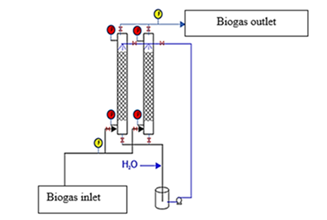
Fig. 1: The schematic diagram of the Biofiltration system
RESULTS AND DISCUSSION
Isolation of microorganisms capable of hydrogen sulfide decomposition
To isolate hydrogen sulfide-degrading microorganisms under controlled laboratory conditions, soil samples were collected from multiple locations surrounding a swine farm wastewater treatment pond. A selective medium specifically designed for SOB was used to facilitate the enrichment and isolation process. As a result, 11 microbial isolates exhibiting growth on the selective medium were successfully obtained. The isolated were taxonomically classified into four distinct species, as summarized in Table 1, were identified as Sphingomonas paucimobilis, Burkholderia cepacia, Enterobacter cloacae, and Bacillus spp. These species were consistently isolated from the swine farm's surrounding soil, confirming they are native to this habitat. Consequently, this observation underscores the critical role of environmental parameters—most notably oxygen availability—in dictating microbial succession and functional activity within biofilter systems. In another study, Rattanapan et al. (2010) demonstrated the use of Alcaligenes faecalis T307 in a laboratory-scale 5-liter biofiltration reactor for H₂S removal. The strain originally isolated from concentrated latex wastewater, was immobilized on granular activated carbon and achieved complete (100%) H₂S removal efficiency at inlet concentrations of 2,000–4,000 ppm. Sustaining this performance at gas flow rates of 35 and 5.86 liters per hour (L/h), highlights the robust potential of specialized bacterial strains to operate efficiently across a spectrum of operational conditions. Further research on H₂S elimination through SOB-based treatment systems identified several bacterial species critical to biogas purification. Notable isolates included Acinetobacter towneri (MF765755), Enterobacter asburiae (MF765756), Aeromonas veronii (MK659586), Sulfurovum, and Sulfuricurvum (Haosagul et al., 2020). Furthermore, investigators evaluating SOB applications in ethanol biogas generation utilized high-throughput nucleic acid sequencing to characterize the microbial strains inhabiting these bioscrubber systems. The predominant bacterial species contributing to H₂S degradation in those systems were Fastidiosipila, Hydrogenophaga, Pseudomonas anguilliseptica, Pseudomonas alcaligenes, Sphingobium yanoikuyae, and Enhydrobacter aerosaccus (Haosagul et al., 2020). Among the isolated strains, Sphingomonas paucimobilis and Enterobacter cloacae are Gram-negative bacteria categorized under to the Heterotrophic Bacteria group. As chemoorganoheterotrophs, they derive energy through chemical reactions involving organic substrates. Notably, these strains exhibited robust H₂S, oxidation activity, yielding less hazardous compounds including elemental sulfur and sulfate. This finding aligns with previous studies, including Kim et al. (2026) reported that a microalgae-bacteria consortium achieved over 65% ammonium removal and efficient biogas upgrading, even at 5,000 ppm H2S and pH < 4. The system’s resilience was driven by the synergy between microalgae and stress-tolerant bacteria, such as Sphingomonas and Fuscovulum, offering a sustainable, chemical-free solution for digestate and biogas treatment. In this study, two bacterial strains, Sphingomonas paucimobilis A21 and Enterobacter cloacae FLB11, the selected strains exhibited rapid growth, stable colony formation, and strong adaptability to sulfur-rich conditions, suggesting their potential involvement in sulfur oxidation processes. Therefore, Sphingomonas paucimobilis A21 and Enterobacter cloacae FLB11 were identified as the most promising candidates for subsequent application within the biofiltration system evaluated in this study. In microbiological and bioremediation contexts, Sphingomonas and Enterobacter are recognized as heterotrophic sulfur-oxidizing bacteria (HSOB), in contrast to obligate autotrophic SOB such as Thiobacillus, which rely primarily on the Sox multienzyme system (SoxAXYZBCD pathway) for energy conservation through direct oxidation of reduced sulfur compounds to sulfate. (Friedrich et al., 2001; Ghosh and Dam, 2009). Sulfide:quinone oxidoreductase (SQR) drives predominant heterotrophic sulfur oxidation, catalyzing the initial conversion of (H₂S) to elemental sulfur (S). Notably, this pathway serves a detoxification-oriented role rather than functioning as a conventional energy-conserving mechanism (Marcia et al., 2009). This metabolic flexibility enables HSOB to maintain activity under organic-rich and dynamically fluctuating conditions where autotrophic SOB are often inhibited. Additionally, both Sphingomonas and Enterobacter are strong biofilm-forming bacteria capable of producing extracellular polymeric substances (EPS), which enhance cell adhesion, improve mass transfer, and create protective microenvironments that buffer against sudden changes in H₂S concentration and operational stress (Flemming and Wingender, 2010). Furthermore, the EPS matrix facilitates the formation of redox microgradients within the biofilm, thereby promoting spatially organized sulfur oxidation and enhancing overall process stability. Collectively, the integration of SQR-mediated sulfide detoxification and EPS-supported biofilm architecture explains the superior resilience of heterotrophic systems under shock loading conditions (Oyarzún et al., 2003) rendering them more suitable for real-world biogas desulfurization applications than conventional, Thiobacillus-dominated autotrophic systems. Building on the findings of previous research and the bacterial strains isolated in the current study, Sphingomonas paucimobilis and Enterobacter cloacae were selected for further investigation regarding their roles in biogas desulfurization.
Table 1: Classification results of bacteria isolated in the laboratory
|
Identified bacterial strains |
|
|
A21 A22 |
Sphingomonas paucimobilis Burkholderia cepacia |
|
B210 |
Burkholderia cepacia |
|
B27 |
Sphingomonas paucimobilis |
|
B213 |
Enterobacter cloacae |
|
B32 |
Burkholderia cepacia |
|
FLB11 |
Enterobacter cloacae |
|
FLB22 |
Bacillus spp. |
|
F32 |
Burkholderia cepacia |
|
F24 |
Burkholderia cepacia |
|
D21 |
Enterobacter cloacae |
Biogas composition
The sampling and subsequent analysis of the raw biogas prior to any treatment revealed the concentrations of major components, namely methane, carbon dioxide, and hydrogen sulfide. The detailed composition is summarized in Table 2. Compositional analysis of the biogas indicated a high CH₄ content; this is highly favorable for energy generation, as methane constitutes the primary combustible fraction. The presence of carbon dioxide in significant amounts reduces the calorific value of the biogas and typically requires removal to enhance energy efficiency. Furthermore, even trace concentrations of H₂S, present severe operational risks regarding infrastructure corrosion and pose substantial environmental hazards. Effective desulfurization is thus a critical step in biogas upgrading. These findings underscore the importance of pre-treatment and purification steps tailored to the specific composition of the biogas, particularly in systems aimed at producing biomethane or using biogas in combined heat and power (CHP) units. As shown in Table 2, the raw biogas feed was characterized by a high H₂S concentration. Generally, H₂S concentrations in biogas range from 0.005% to 2% (50–20,000 ppm) (Pinate et al., 2017; Elshiekh et al., 2016). This elevated H₂S content observed in this study can primarily be attributed to the use of swine manure as the feedstock. The high-protein diets formulated to optimize growth kinetics in finishing pigs directly contribute to the high concentration of crude protein and nitrogen excreted in swine manure. Consequently, residual nitrogen compounds and partially degraded protein persist in the manure, leading to increased H₂S formation during anaerobic digestion. Interestingly, ammonia gas was found to be nearly undetectable in the biogas samples. This trend suggests low initial ammonia yield during the anaerobic digestion phase, paired with high gas volatility that accelerates its subsequent stripped release or dissipation. Furthermore, it is likely that most ammonia was removed during the initial stages of manure handling—specifically during the animal waste washing and wastewater transport from the barns to the biogas system—thereby explaining its negligible presence in the final biogas product.
Hydrogen sulfide removal efficiency of isolated microorganisms
To evaluate the H₂S removal efficiency of the isolated microorganisms, they were immobilized onto a biofiltration medium and tested under controlled conditions. The biofiltration system containing the immobilized microorganisms was operated at a biogas flow rate ranging from 0.3–0.5 L/min, corresponding to an empty bed residence time (EBRT) of 4.0-6.6 min. To evaluate the long-term stability and H₂S removal efficiency of the microbial consortium, the system (Fig. 2) was continuously supplied with biogas for at least 30 days, with monitoring conducted at seven-day intervals.
Hydrogen sulfide removal by Enterobacter cloacae FLB11
Enterobacter cloacae has demonstrated strong potential for the biological removal of H2S from biogas, a critical process due to the corrosive nature of H₂S and its negative impact on biogas utilization. Extensive studies have demonstrated that various microbial inoculants, most notably Enterobacter cloacae, serve as highly effective agents in biofiltration systems designed for hydrogen sulfide H2S desulfurization. In this study, experimental results revealed that the isolated strain Enterobacter cloacae FLB11, immobilized on coconut husk, exhibited effective removal performance. Furthermore, Enterobacter cloacae, in tandem with other SOB, actively biotransforms H2S into benign end-products like elemental sulfur through microbial metabolic processes pathways (Singh and Mandal, 2011; Borgne and Baquerizo, 2019). The immobilized biofilter system also demonstrated stable microbial activity and sustained hydrogen sulfide degradation efficiency under continuous operating conditions over extended experimental durations.
Table 2: Biogas composition used in the study
|
Biogas Component |
Percentage (%) |
|
Methane (CH₄) |
53.67 (± 0.47) |
|
Carbon dioxide (CO₂) |
45.67 (± 0.82) |
|
Ammonia (NH₃) |
Not Detected |
|
Hydrogen sulfide (H₂S) |
4,281 (± 26) ppm |
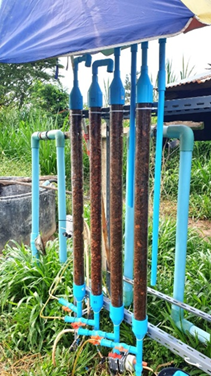
Fig. 2: Biofiltration system utilized for hydrogen sulfide removal
When biogas containing H₂S concentration of approximately 4,269–4,292±26 ppm was introduced at a flow rate of 0.3–0.5 L/min, with an EBRT of 4.0–6.6 min, the system achieved notable high H₂S removal efficiencies. The biofiltration system immobilized with Enterobacter cloacae FLB11 exhibited variable H₂S removal efficiency throughout the experimental period. On day 1, the system achieved an initial removal efficiency of 33.4%, which gradually increased to 60.4% by day 6, followed by 76.7% on Day 13, and 75.9% on day 20. During the final stages of operation, the system exhibited a progressive decline in performance, ultimately dropping to an efficiency of 63.3%. The gradual decline in H₂S removal efficiency observed during prolonged operation may have resulted from several interacting factors, including sulfur accumulation within the packing material, excessive biofilm growth, reduced gas permeability, and limitations in mass transfer. Moreover, dynamic microenvironments, characterized by localized fluctuations in moisture, nutrient availability, and oxygen profiles likely regulated temporal microbial activity. Saturation of adsorption sites within the coconut husk packing material may also have contributed to reduced abiotic H₂S retention during extended operation. These factors are commonly associated with long-term performance deterioration in biofiltration systems. The highest H₂S removal efficiency occurred between Days 13 and 20, with an average of 76.3% during this peak operational phase. The system achieved an average H₂S removal efficiency of 62.2% over the course of the 33-day study. The detailed removal performance across the monitoring period is presented in Table 3 and illustrated in Fig. 3.
Hydrogen sulfide removal by Sphingomonas paucimobilis A21
According to the experimental results, the biofiltration system immobilized with Sphingomonas paucimobilis A21 exhibited an initial a H₂S removal efficiency of 36.5% on Day 1. The efficiency increased progressively, reaching 83.2% on Day 6, 84.3% on Day 13, and 82.1% on Day 20, before showing a slight declining in the later stages of the experiment. Early-stage H₂S removal was partly driven by physical adsorption onto the coconut husk packing material, as evidenced by an initial reduction in concentration within the uninoculated control. However, the lower and less stable removal efficiency observed in the control system compared with the inoculated biofilters indicates that sustained H₂S removal was primarily associated with microbial oxidation activity. Sphingomonas paucimobilis, a known SOB, has demonstrated promising potential for H2S removal, particularly in biological treatment systems such as biotrickling filters. Combining immobilized media with optimized operational parameters significantly enhances H₂S removal efficiency in these systems. Studies have indicated that biotrickling filters can achieve high H2S removal efficiencies, with one study reporting an average removal efficiency of 91.8% and a maximum elimination capacity of 78.37 grams per cubic meter per hour (g/m³·h) under optimal conditions (Sun et al., 2019). The use of SOB immobilized in carrier media has been shown to enhance H₂S removal, with Kang et al. (2020) reporting a maximum removal rate up to three times higher than systems lacking SOB. In the present study, the isolated microorganism demonstrated a measurable capability for H₂S removal from biogas under laboratory-scale conditions. The most effective H₂S removal performance was observed between Days 6 and 20, with an overall average H₂S removal efficiency of 69.7% during the 33-day operational period. The stable H₂S removal performance observed after microbial acclimation suggests that the indigenous microorganisms successfully maintained biological activity throughout the continuous biogas exposure period. A detailed summary of removal performance is provided in Table 4 and visually illustrated in Fig. 4. Although the biofilters demonstrated relatively stable H₂S removal during the 33-day operational period, further long-term and pilot-scale studies are required to evaluate operational stability and scalability under practical operating conditions. The system demonstrated satisfactory short-term operational stability, with no severe clogging, packing material deterioration, or operational failure observed during the experimental period. This study identifies Sphingomonas paucimobilis A21 and Enterobacter cloacae FLB11 as the most efficient microbial strains for biogas H₂S desulfurization. Both strains were isolated from soil samples collected around the swine farm, specifically near and behind the wastewater treatment pond. The robust growth of these microorganisms in selective sulfur media is consistent with their known metabolic capabilities as SOB and aligns with previous H₂S biofiltration studies. For example, Phanphong (2016) reported an H₂S removal efficiency of up to 98% in biofilters used in crude palm oil extraction facilities. In that study, Azospirillum sp. and Paracoccus sp. were dominant during the initial phase, whereas Enterobacter sp., Rhodopseudomonas sp., and Sphingomonas sp. became predominant following aeration. The observed temporal succession implies that environmental fluctuations within the biofilter directly modulate microbial community dynamics, ultimately dictating removal efficiency and long-term process stability.
Table 3: Hydrogen sulfide removal efficiency of Enterobacter cloacae FLB11
|
Date |
Initial H₂S |
H₂S concentration after treatment in ± Standatd deviation (SD) |
Removal efficiency using |
|
|
Concentration (ppm) |
without E.cloacae FLB11 (ppm) |
with E. cloacae FLB11 (ppm) |
E. cloacae FLB11 (%) |
|
|
1 |
4292±30 |
3204±60a |
2860±41A |
33.40% |
|
6 |
4271±23 |
3033±50c |
1693±27B |
60.40% |
|
13 |
4287±8 |
2940±33b |
997±7D |
76.70% |
|
20 |
4269±28 |
2902±66d |
1027±46D |
75.90% |
|
27 |
4276±34 |
2983±57c |
1568±27C |
63.30% |
|
33 |
4291±34 |
3032±56c |
1574±36C |
63.30% |
|
average |
4281±26 |
3016±54 |
1620±31 |
62.20% |
Remark: Similar superscript letters indicate no statically significant difference (p > 0.05). Different superscript letters indicate significant difference within column (p < 0.05).
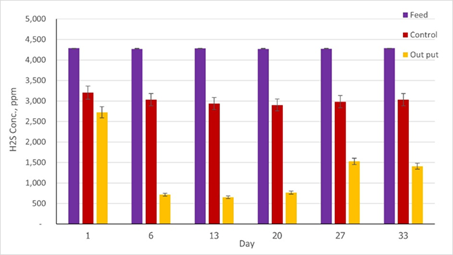
Fig. 3: Hydrogen sulfide removal efficiency of Enterobacter cloacae FLB11
Table 4: Hydrogen sulfide removal efficiency of Sphingomonas paucimobilis A21
|
Date |
Initial H₂S |
H₂S Concentration after Treatment (±S.D.) |
Removal Efficiency using |
|
|
Concentration (ppm) |
without S. paucimobilis A21 (ppm) |
with S. paucimobilis A21 (ppm) |
S. paucimobilis A21 (%) |
|
|
1 |
4292±30 |
3204±60a |
2725±49A |
36.50% |
|
6 |
4271±23 |
3033±50c |
716±18D,E |
83.20% |
|
13 |
4287±8 |
2940±33b |
653±29E |
84.80% |
|
20 |
4269±28 |
2902±66d |
765±28D |
82.10% |
|
27 |
4276±34 |
2983±57c |
1529±28B |
64.30% |
|
33 |
4291±34 |
3032±56c |
1410±11C |
67.10% |
|
average |
4281±26 |
3016±54 |
1299±17 |
69.70% |
Remark: Similar superscript letters indicate no statically significant difference (p > 0.05). Different superscript letters indicate significant difference within column (p < 0.05).
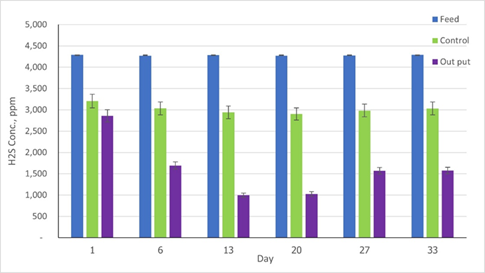
Fig. 4: Hydrogen sulfide removal efficiency of Sphingomonas paucimobilis A21
The present findings are also consistent with those of Haosagul et al. (2020), who isolated several SOB species from swine farm biogas treatment systems. These included Acinetobacter towneri (MF765755), Enterobacter asburiae (MF765756), Aeromonas veronii (MK659586), Sulfurovum, and Sulfuricurvum. Such species have been previously documented to contribute to the oxidation of H₂S under aerobic or microaerophilic conditions. Among the two strains evaluated in this study, Sphingomonas paucimobilis A21 exhibited superior performance when immobilized on coconut husk and exposed to biogas containing H₂S concentrations ranging from 4,269 to 4,292 (±26) ppm. The biogas was introduced at a flow rate of 0.3–0.5 L/min, corresponding to an empty bed residence time (EBRT) of 4.0–6.6 min. Gradual microbial adaptation and biofilm maturation led to a steady increase in removal efficiency, progressing from 36.5% (Day 1) to 83.2% (Day 6), and peaking at 84.8% on Day 13. This peak performance phase, which occurred between Days 13 and 20, recorded an average removal efficiency of 76.3%. Although efficiency dropped slightly to 67.1% late in the 33-day experiment because of potential biofilm overgrowth or substrate limitations, the system maintained a cumulative average removal efficiency of 69.7%. In comparison, Enterobacter cloacae FLB11 also showed potential but with lower peak performance and less stability over time. Nonetheless, its demonstrated robustness within selective sulfur media implies a strategic utility in co-culture or sequential configurations, particularly in scenarios where environmental fluctuations threaten the efficacy of a single-strain system. The present study demonstrated that biofilters inoculated with Sphingomonas paucimobilis A21 and Enterobacter cloacae FLB11 were capable of biologically removing H₂S from biogas, achieving maximum removal efficiencies of 84.8% and 76.7%, respectively, under identical operating conditions. Although both strains exhibited measurable H₂S biodegradation activity, S. paucimobilis A21 consistently outperformed E. cloacae FLB11, indicating a greater adaptability and metabolic capacity for sulfur-containing compounds. When compared with existing literature, the removal efficiencies observed in the investigated biological system can be considered moderate; nonetheless, they remain within the established range for conventional aerobic biofiltration. Table 5 summarizes the performance comparison between this work and prior studies.
Table 5: Comparison of biological systems for H₂S removal
|
Study/ system |
Reactor type |
Dominant microorganism(s) |
H₂S removal efficiency (RE) |
Sources |
|
Biotrickling filter with Acidithiobacillus caldus |
Biotrickling filter |
A. caldus |
>99% |
Semi-pilot scale; high inlet H₂S concentration (~2000 ppm) (Reddy et al., 2019) |
|
Thiobacillus denitrificans / biofilter |
Biofilter |
T. denitrificans |
~99% |
Lab-scale community study |
|
Paracoccus versutus CM1 |
biofilter |
Paracoccus versutus |
~99.5–99.7% |
pilot-scale |
|
Biotrickling filter / (effect of O₂ supply) |
Biotrickling filter |
Sulfur-oxidizing bacterial community |
94–100% |
Influence of oxygen dosage |
|
Biofilter with peat packing |
Biofilter |
Indigenous microorganisms |
~99% |
Emphasis on peat as packing / support material (Omri et al., 2013) |
|
Biofilter with compost |
Biofilter |
Indigenous microorganisms |
~94% |
Compost used as packing material |
|
Anoxic biotrickling filter |
Biotrickling filter |
Thiobacillus spp. |
>99% |
Autotrophic anoxic conditions |
|
Sphingomonas paucimobilis A21 / biofilter |
Biofilter |
S. paucimobilis |
84.8% (Day 13) |
This study |
|
Enterobacter cloacae FLB11 / biofilter |
Biofilter |
E. cloacae |
76.7% |
This study |
Several studies have documented substantially higher H₂S removal efficiencies, often exceeding 95–99%, particularly in systems employing SOB such as Thiobacillus, Acidithiobacillus, or Paracoccus species (Tombuloglu et al., 2025; Aita et al., 2016; Juntranapaporn et al., 2019). These microorganisms are well recognized for their autotrophic metabolism and strong capacity to oxidize H₂S into elemental sulfur or sulfate, which explains their consistently high performance in both biofilter and biotrickling filter configurations. In contrast, S. paucimobilis and E. cloacae are heterotrophic bacteria and are not typically classified as specialized sulfur oxidizers. Thus, their capacity for H₂S mitigation is presumably mediated by indirect oxidation pathways, co-metabolic mechanisms, or synergistic interactions with the indigenous microbiota, as opposed to direct chemolithoautotrophic pathways. Differences in metabolic pathways between these heterotrophic strains and classical SOB may partly account for the comparatively lower removal efficiencies observed in this study. However, sulfur oxidation products such as elemental sulfur and sulfate were not analyzed in the present study; therefore, the specific biodegradation pathways of H₂S could not be directly confirmed. Further studies utilizing sulfur speciation analysis is warranted to comprehensively elucidate the detailed mechanisms of sulfur transformation within the biofilter system. Operational configuration is another critical factor influencing overall system performance. The superior efficiency of biotrickling filters relative to conventional biofilters is primarily driven by key operational parameters, including continuous liquid recirculation, enhanced gas–liquid mass transfer, and regulated pH and nutrient availability. Many high-efficiency systems reported in the literature operated as biotrickling filters and maintained optimal conditions for sulfur oxidation, including adequate oxygen supply and effective removal of acidic by-products. In contrast, the biofilter configuration employed in the present study may have imposed limitations related to mass transfer and metabolite accumulation, thereby restricting the maximum achievable H₂S removal efficiency under prolonged continuous operational and fluctuating environmental conditions. Periodic biofilm saturation may have reduced system stability and performance over time. The physicochemical characteristics of the packing material play a critical role in determining overall biofilter performance. Prior studies have demonstrated that substrates including peat, compost, wood chips, and porous synthetic media can significantly improve microbial colonization and biological activity by virtue of their elevated porosity and moisture retention capacities (Omri et al., 2013; Das et al., 2019; Zhu et al., 2020). The moderate removal efficiencies observed in this study suggest that further optimization of packing material properties could improve microbial attachment and gas–biofilm contact, ultimately enhancing H₂S degradation. Evaluating the operational longevity of the coconut husk packing matrix was beyond the immediate scope of the present study. However, during the 33-day continuous operation, the coconut husk exhibited minimal physical deterioration or compaction, indicating good structural stability under the tested conditions. No significant clogging or severe pressure drop was observed throughout the experimental period. These observations suggest that coconut husk may be suitable for extended biofilter operation under practical conditions. While this study could not conclusively establish the timeline for media regeneration, cleaning, or replacement, these frequencies will ultimately dictate long-term performance based on biomass growth, sulfur accumulation, and moisture management. Further long-term field-scale investigations are therefore recommended to evaluate packing material durability and maintenance requirements under continuous operation. Nevertheless, the frequency of regeneration, cleaning, or replacement could not be conclusively determined from the current study, as these factors likely depend on long-term sulfur accumulation, biomass growth, moisture management, and operational loading conditions. Accordingly, further long-term, pilot-scale or field-scale investigations are essential to comprehensively characterize the operational longevity and maintenance schedules of the packing substrate under continuous load.The performance difference between S. paucimobilis A21 and E. cloacae FLB11 further underscores the importance of microbial selection. S. paucimobilis is known for its environmental resilience, biofilm-forming capability, and tolerance to toxic compounds, which may explain its faster acclimation and higher removal efficiency throughout the operational period. From a physiological standpoint, the survival and continued metabolic activity of these indigenous microorganisms under elevated sulfur conditions can be attributed to adaptive mechanisms that enhanced their resilience against H₂S toxicity. Such mechanisms may include modifications in cell membrane structure, improved regulation of intracellular pH homeostasis, enhancement of stress-protective enzymatic systems, and the production of extracellular polymeric substances (EPS) within the biofilm matrix. Furthermore, the establishment of a biofilm on the coconut husk packing substrate served to protect the immobilized microorganisms against adverse environmental fluctuations, thereby fostering enhanced long-term microbial stability within the biofilter system. From a metabolic perspective, sulfur-oxidizing microorganisms are capable of converting H₂S into intermediate sulfur compounds and ultimately into sulfate under aerobic conditions. The sustained H₂S removal efficiency observed throughout the operational period indicates that the indigenous isolates were able to maintain active sulfur-oxidation metabolic pathways and continuously adjust their biological activity in response to increasing sulfur loading. Moreover, the extended presence of H₂S may induce the expression of key sulfur-oxidizing metabolic pathways, thereby driving the observed increase in long-term removal efficiency (Rattanapan et al., 2011; Le and Baquerizo, 2019). The enhanced performance may also be associated with sulfur oxidation-related enzymes such as sulfide:quinone oxidoreductase (SQR), which facilitates rapid sulfide detoxification and oxidation. In addition, the unique glycosphingolipid-containing cell envelope of S. paucimobilis may contribute to improved tolerance against toxic sulfur compounds and greater operational stability during long-term biofiltration processes (Hou et al., 2018; Yabuuchi et al., 1990; Tangaromsuk et al., 2002). In contrast, E. cloacae may exhibit lower tolerance to H₂S toxicity or to acidic intermediates generated during oxidation, resulting in reduced and less stable long-term activity. Albeit exhibiting lower removal efficiencies than select systems documented in the literature, the results obtained in the present work remain highly significant. The successful application of non-classical sulfur-oxidizing bacteria highlights the potential of alternative microbial resources for H₂S biofiltration, particularly in low-cost or decentralized biogas treatment systems. Concurrently, the incremental enhancement in removal efficiency observed over the operational period implies that prolonged acclimation phases or the establishment of robust microbial consortia may yield superior system performance. Mixed microbial consortia employed in biotrickling filter systems have also been reported to improve process stability and resistance to fluctuating H₂S loading conditions, suggesting a potential direction for future development of the present biofiltration system. Despite the promising H₂S removal efficiencies achieved by the coconut husk-supported biofilter, long-term performance may be compromised by sulfur deposition, biomass accumulation, media degradation, and concomitant pressure drops. Therefore, periodic maintenance, including moisture regulation, nutrient supplementation, and partial replacement of packing material, may be necessary to sustain stable reactor performance during prolonged operation. Compared with previously reported industrial biofiltration systems, the present system exhibited comparable H₂S removal capability while utilizing low-cost indigenous microorganisms and locally available agricultural waste materials. These attributes indicate that the proposed approach may be viable for decentralized biogas purification configurations; nonetheless, further pilot-scale investigations and long-term operations remain necessary to comprehensively evaluate its practical implementation. However, further long-term investigations and pilot-scale studies are still required to evaluate operational stability, scalability, and economic feasibility under practical operating conditions. Overall, this study contributes to the growing body of knowledge on biological H₂S removal by demonstrating that heterotrophic bacteria such as S. paucimobilis A21 can achieve stable and reproducible H₂S removal under controlled biofilter conditions. Albeit advantageous, biofiltration systems remain susceptible to operational complications during extended operation, namely packing material clogging, excessive biofilm accumulation, gas channeling, and increased pressure drop. Furthermore, this study demonstrates the effectiveness of applying indigenous microbial consortia isolated from swine farm soil for H₂S removal in a biofiltration system operated under conditions closely resembling real biogas treatment scenarios, with microbial identification resolved to the species level. This approach differs from previous studies that predominantly employed pure cultures or well-characterized sulfur-oxidizing bacteria such as Sphingomonas, Enterobacter, Thiobacillus, and Paracoccus, which were mainly evaluated under controlled laboratory conditions. By contrast, the current investigation underscores the functional performance of indigenous microbial communities subjected to long-term adaptation within authentic environmental matrices. These indigenous microbial consortia were exposed to complex environmental pressures, including fluctuating H₂S concentrations, variable organic loading rates, and non-sterile conditions. Over time, this environmental adaptation likely cultivated greater ecological fitness and metabolic flexibility within the community, allowing for sustained sulfur oxidation under fluctuating operational conditions. The absence of bioaugmentation requirements and the elimination of prolonged acclimation periods highlight the practical advantages of the proposed system, particularly for applications requiring operational simplicity and cost-effectiveness, such as small-scale agricultural or farm-based biogas facilities. Overall, this study bridges the gap between laboratory-scale microbiological investigations and real-world biogas purification applications, supporting the notion that indigenous microbial consortia represent a more robust and sustainable alternative to conventional pure-culture-based biofiltration systems. However, microbial population dynamics, biofilm thickness, and biomass accumulation were not quantitatively monitored in the present study; therefore, microbial adaptation and biofilm development were inferred primarily from the observed trends in H₂S removal performance. Accordingly, subsequent studies directions should encompass the cultivation of specialized microbial consortia, the optimization of critical operational parameters (including empty bed residence time, oxygen availability, and moisture retention), and systematic comparative evaluations between conventional biofilters and biotrickling filter systems to maximize biochemical performance and operational resilience.
CONCLUSION
This study demonstrated the successful isolation and application of indigenous microorganisms for the biological removal of H₂S from swine farm biogas using a laboratory-scale biofiltration system. A total of 11 microbial isolates were obtained from soil surrounding a swine wastewater treatment pond and taxonomically identified as belonging to four major bacterial groups, including Sphingomonas paucimobilis, Enterobacter cloacae, Burkholderia cepacia, and Bacillus spp. Among these isolates, Sphingomonas paucimobilis A21 and Enterobacter cloacae FLB11 exhibited the highest potential for H₂S biodegradation and were therefore selected for further evaluation. Both microbial strains were successfully immobilized onto the coconut husk matrix and subsequently utilized within a continuous biofiltration configuration operated under identical environmental parameters. Significant reductions in H₂S concentrations within raw biogas derived from swine manure validate the potential of utilizing indigenous heterotrophic bacterial strains for engineered biogas desulfurization systems. Among the tested strains, S. paucimobilis A21 achieved superior performance, reaching a maximum H₂S removal efficiency of 84.8% and maintaining a higher average removal efficiency throughout the 33-day operational period compared with E. cloacae FLB11, which achieved a maximum efficiency of 76.7%. The incremental enhancement in removal efficiency observed over the operational period signifies effective microbial acclimation and the concomitant development of a biofilm structure within the biofiltration media. The findings further suggest that environmental heterotrophic bacteria, although not traditionally classified as specialized SOB, possess significant potential for H₂S removal under aerobic biofiltration conditions. The ability of these microorganisms to tolerate elevated H₂S concentrations and sustain biological activity within low-cost carrier materials highlights their applicability for decentralized and environmentally sustainable biogas purification systems. Particularly, the application of coconut husk as an abundant and inexpensive support matrix presents significant operational advantages, facilitating effective microbial immobilization and robust biofiltration performance. Although the removal efficiencies obtained in this study were lower than those reported for certain specialized biotrickling filter systems employing autotrophic SOB, the present work contributes important insight into the utilization of alternative microbial resources for biological desulfurization. Moreover, the present study underscores the profound influence exerted by microbial selection, operational configurations, and support matrix properties on the macroscopic performance of the biofiltration system. In summary, this research provides a scientific basis for the development of low-cost biological H₂S removal technologies applicable to livestock biogas systems, particularly in agricultural regions where swine waste is abundantly available. Future studies should encompassthe development of mixed microbial consortia, optimization of oxygen transfer and empty bed residence time, long-term operational stability, and scale-up evaluation under authentic field conditions to further maximize process resilience and commercial applicability.
AUTHOR CONTRIBUTIONS
S. Srithong designed the study experiments on microbial isolation and identification and performed the analysis, interpretation of the experimental results concerning the isolated microorganisms and prepare the manuscript for publication. O. Janngam drafted the experimental results section related to the laboratory isolation of microorganisms. Yanee Keereeta conducted the literature review on microorganisms associated with the study. P. Wangngiw carried out the laboratory experiments on the isolation of microorganisms from the samples. P. Phothilangka conceived and devised the overall research process, conducted soil microbial sampling, designed and performed the experiments on biogas quality improvement using a biofiltration system, analyzed and presented the results, and prepared the manuscript for publication.
ACKNOWLEDGEMENT
The authors would like to acknowledge the National Research Council of Thailand (NRCT) for providing financial support throughout the research project under Memorandum of Agreement No. [FF2567P124]. The authors also express their sincere gratitude to the model swine farm in Mae Tha District, Lampang Province, for granting permission to install the system and conduct performance testing, which was essential to the successful completion of this study.
CONFLICT OF INTEREST
The authors declare that there is no conflict of interests regarding the publication of this manuscript. In addition, the ethical issues, including plagiarism, informed consent, misconduct, data fabrication and/or falsification, double publication and/or submission, and redundancy have been completely observed by the authors.
OPEN ACCESS
©2026 The author(s). This article is licensed under a Creative Commons Attribution 4.0 International License, which permits use, sharing, adaptation, distribution and reproduction in any medium or format, as long as you give appropriate credit to the original author(s) and the source, provide a link to the Creative Commons license, and indicate if changes were made. The images or other third-party material in this article are included in the article’s Creative Commons license, unless indicated otherwise in a credit line to the material. If material is not included in the article’s Creative Commons license and your intended use is not permitted by statutory regulation or exceeds the permitted use, you will need to obtain permission directly from the copyright holder. To view a copy of this license, visit: http://creativecommons.org/licenses/by/4.0/
PUBLISHER’S NOTE
GJESM Publisher remains neutral with regard to jurisdictional claims in published maps and institutional afflictions.
Positive AI Statement
During the preparation of this work the author(s) have used Artificial Intelligence (AI) Chat GPT and Gemini in order to improve sentence quality. After using this tool/service, the authors reviewed and edited the content as needed and take full responsibility for the content of the publication.
ABBREVIATIONS
|
% |
Percent |
|
°C |
Degree Celsius |
|
ANOVA |
Analysis of variance |
|
Cin |
Inlet H2S Concentration |
|
Cout |
Outlet H2S Concentration |
|
CaCl₂ |
Calcium chloride |
|
CFU/mL |
Colony forming Units per milliliter |
|
CH₄ |
Methane |
|
cm |
Centimeters |
|
CO₂ |
Carbon dioxide |
|
DEA |
Diethanolamine |
|
EBRT |
Empty bed residence times |
|
EPS |
Extracellular polymeric substances |
|
FeCl₃·6H₂O |
Ferric chloride hexahydrate |
|
g |
Grams |
|
g/(m³·h) |
Grams per cubic meter per hour |
|
H₂S |
Hydrogen sulfide |
|
HSOB |
heterotrophic sulfur-oxidizing bacteria |
|
kg |
Kilograms |
|
kg/m³ |
Kilogram per cubic meter |
|
KH₂PO₄ |
Potassium dihydrogen phosphate |
|
KNO₃ |
Potassium nitrate |
|
L |
|
|
L/h |
Liters per hour |
|
L/min |
Liters per minute |
|
m |
Meters |
|
MEA |
Monoethanolamine |
|
min |
Minutes |
|
mL |
Milliliters |
|
MgSO₄·7H₂O |
Magnesium sulfate heptahydrate |
|
min |
Minutes |
|
MnSO₄·4H₂O |
Manganese sulfate tetrahydrate |
|
N₂ |
Nitrogen |
|
Na₂HPO₄ |
Sodium hydrogen phosphate |
|
Na₂S₂O₃·5H₂O |
Sodium thiosulfate pentahydrate |
|
NaHCO₃ |
Sodium bicarbonate |
|
NH₃ |
Ammonia |
|
(NH₄)₂SO₄ |
Ammonium sulfate |
|
O₂ |
Oxygen |
|
pH |
Potential of hydrogen |
|
ppm |
Part per million |
|
psi |
Pounds per square inch |
|
RE |
Removal efficiency |
|
rpm |
Revolutions per minute |
|
S |
Sulfur |
|
SPSS |
Statistical package for the social sciences |
|
S.D. |
Standard deviation |
|
S₄O₆²⁻ |
Tetrathionate |
|
SO₄²⁻ |
Sulfate |
|
SOB |
Sulfur-oxidizing bacteria |
|
SoxAXYZBCD pathway |
Sox multienzyme system |
REFERENCES
Abatzoglou, N.; Boivin, S., (2009). A review of biogas purification processes. Biofuels, Bioprod. Biorefin. 3(1): 42-71 (30 pages).
Aita, B.C.; Mayer, F.D.; Muratt, D.T.; Brondani, M., Pujol, S.B.; Denardi,L.B.; Hoffmann, R.; Silveira, D., (2016). Biofiltration of H2S-rich biogas using Acidithiobacillus thiooxidans. Clean Technol. Environ., 18(3): 689-703 (14 pages).
Biró, K.; Woon, K.S.; Ounsaneha, W.; Rattanapan, C., (2025). A global perspective on sustainable pathways for biogas adoption. Global J. Environ. Sci. Manage., 11(2): 825-856 (32 pages).
Borges, A.D.V.; Damianovic, M.H.R.Z.; Torre, R.M.; (2025). Assessment of aerobic-anoxic biotrickling filtration for the desulfurization of high-strength H2S streams from sugarcane vinasse fermentation. J. Hazard. Mater., 489: 137696 (13 pages).
Borgne, S.; Baquerizo, G., (2019). Microbial ecology of biofiltration units used for the desulfurization of biogas. ChemEngineering. 3(3): 72 (18 pages).
Chen, L.; Hoff, S. J.; Cai, L.; Koziel, J. A.; Zelle, B. C., (2008). Evaluation of wood chip-based biofilters to reduce odor, hydrogen sulfide, and ammonia from swine barn ventilation air. J. Air Waste Manag. Assoc., 58(4), 520–530 (11 pages).
Cheng, Y.; Tian, Y.; Yang, D.; Cong, L.; Jianhua, Z.; Zhongfang, L.; Sato, K.; Zhang, Z., (2018). Use of sulfur-oxidizing bacteria enriched from sewage sludge to biologically remove H₂S from biogas at an industrial-scale biogas plant. Bioresour. Technol. Rep., 3: 43–50 (8 pages).
Das, J.; Rene, E.R.; Dupont, C.; Dufourny, A.; Blin, J.; Hullebusch, E.D., (2019). Performance of a compost and biochar packed biofilter for gas-phase hydrogen sulfide removal. Bioresour. Technol., 273: 581-591 (11 pages).
Duangporn, K.; Charenjiratrakul, W.; Noparatnaraporn, N.; Oda, K., (2008). Selection of sulfur oxidizing bacteria for sulfide removal in sulfate rich wastewater to enhance biogas production. Electron. J. Biotechnol., 11: 2–13 (12 pages).
Elshiekh, T.M.; Elmawgoud, H.A.; Khalil, S.A.; Alsabagh, A.M., (2016). Optimum injection dose rate of hydrogen sulfide scavenger for treatment of petroleum crude oil. Egypt. J. Petrol., 25: 75–78 (4 pages).
Flemming, H.-C.; Wingender, J., (2010). The biofilm matrix. Nat. Rev. Microbiol. 8: 623–633 (11pages).
Fortuny, M.; Baeza, J. A.; Gamisans, X.; Casas, C.; Lafuente, J.; Deshusses, M. A.; Gabriel, D., (2008). Biological sweetening of energy gases mimics in biotrickling filters. Chemosphere. 71(1): 10-17 (8 pages).
Friedrich, C. G.; Rother D.; Bardischewsky, F.; Quentmeier, A.; J. Fischer. 2001 Oxidation of reduced inorganic sulfur compounds by bacteria: emergence of a common mechanism? Appl. Environ. Microbiol, 67(7): 2873–2882. (10 pages).
Ghosh, W. and Dam, B. 2009. Biochemistry and molecular biology of lithotrophic sulfur oxidation by taxonomically and ecologically diverse bacteria and archaea. FEMS Microbiol. Rev. 33. 6: 999–1043 (45 pages).
Handayani, T.; Djarot, I.N.; Widyastuti, N.; Arianti, F.D.; Pertiwi, M.D.; Rifai, A.; .; Sitomurni, A.I.; Nur M.M.A.; Parminto, A. K.; Nurmala Dewi, R.; Nuha, N.; Hariyanti, J.; Pinardi, D.; Suryana, Y.; Aziz, A.; Rochmadi, T.; Syamsudin, E.; Lomak P.A.; Hadi, A.; Yuniastuti, E.; Putri, N.A., (2024). Biogas quality and nutrient remediation in palm oil mill effluent through chlorella vulgaris cultivation using a photobioreactor. Global J. Environ. Sci. Manage., 10(4): 1519-1542 (24 pages).
Horikawa, M.; Rossi, S.; Gimenes, M.L.; Costa, C.M.M.; Da Silva, M.G.C., (2004). Chemical absorption of H₂S for biogas purification. Braz. J. Chem. Eng., 21(3): 415–422 (8 pages).
Hou, N.; Xia, Y.; Wang, X.; Liu, H.; Liu, H.; Xun, L. (2018). H₂S biotreatment with sulfide-oxidizing heterotrophic bacteria. Biodegradation, 29(6), 511–524 (14 pages).
Juntranapaporn, J.; Vikromvarasiri, N.; Soralump, C.; Pisutpaisal, N., (2019). Hydrogen sulfide removal from biogas in biotrickling filter system inoculated with Paracoccus pantotrophus. Int. J. Hydrogen Energy. 44(56): 29554-29560 (6 pages).
Kang, H.; Namgung, H.; Cho, J.; Yoo, K.; Lee, Q.; Ji, Q., (2020). Removal of hydrogen sulfide in septic tanks for treating black water via an immobilized media of sulfur-oxidizing bacteria. Int. J. Environ. Res. Public Health. 17: 684 (15 pages).
Kleinjan, W.E.; Keizer, A.; Janssen, A.J.H., (2005). Biologically produced sulfur. Environ. Sci. Technol., 39(3): 723–731 (9 pages).
Kolekar, S., Patil, A., Shingare, S.P., Mandake, M.B., (2019). Biofilter system for air pollution control: A review. Int. Res. J. Eng. Technol., 6(4): 2053–2058 (6 pages).
Kumdhitiahutsawakul, L.; Jirachaisakdeacha, D.; Kantha, U.; Pholchan, P.; Sattayawat, P.; Chitov, T.; Tragoolpua, Y.; Bovonsombut, S., (2022). Removal of Hydrogen Sulfide from Swine-Waste Biogas on a Pilot Scale Using Immobilized Paracoccus versutus CM1. Microorganisms. 10(11): 2148 (20 pages).
Le B.S.; Baquerizo, G., (2019). Microbial Ecology of Biofiltration Units Used for the Desulfurization of Biogas. ChemEngineering. 3(3): 72. (26 pages).
Lee, J.G.; Jun, J.H., (2007). Biogas purifying for fuel cell power plant. J. Korean Soc. Water Wastewater. 21(4): 439–444 (6 pages).
Lien, N.T.L.; Duy, N.; Hien, L.P.T., Phung, L.T.K.; Huy, N.N.; Thuy, V.T.T., (2021). Use of compost asbiological filter to remove gaseous hydrogen sulfide. VNUHCM J. Eng. Technol., 4(SI1): SI62-SI69 (8 pages).
Ma, L.; Zhang, Y.; Liu, A.; Zhao, Z.; Wang, L.; Chang, Y.; Duan, X.; Gao, P., (2025). The high removal efficiency of H2S by MDEA solution in high-jets oscillating purifier. ACS Omega. 10(49): 42815−42825 (11 pages).
Mandal, B.; Bandyopadhyay, S. S., (2006). Simultaneous absorption of carbon dioxide and hydrogen sulfide into aqueous blends of N-methyldiethanolamine and diethanolamine. Chem. Eng. Sci., 61(16): 5440-5447 (8 pages).
Marcia, M.; Ermler, U.; Peng, G.; Michel, H. 2009. The structure of Aquifex aeolicus sulfide: quinone oxidoreductase, a basis to understand sulfide detoxification and respiration. PNAS. 106(24): 9625–9630.(6 pages).
Namgung, H.; Ahn, K.H.Y.; Son, J., (2012). Development of a two-phase bioreactor for biological removal of hydrogen sulfide from biogas. Energy Procedia. 14: 1143–1148 (6 pages).
Nisola, G.M.; Tuuguu, E.; Farnazo, D.M.; Han, D.; Kim, M.; Cho, Y.; Chung, W.J., (2010). Hydrogen sulfide degradation characteristics of Bordetella sp. Sulf-8 in a biotrickling filter. Bioprocess Biosyst. Eng., 33: 1131–1138 (8 pages).
Omri, I,; Aouidi, F.; Bouallagui, H., Godon, J.J.; Hamdi, M., (2013). Performance study of biofilter developed to treat H2S from wastewater odour. Saudi J. Biol. Sci., 20(2): 169-176 (8 pages).
Oyarzún, P.; Arancibia, F.; Canales, C.; Aroca, G. 2003. Biofiltration of hydrogen sulfide using Thiobacillus thioparus. Process Biochem., 39(2):165–173. (9 pages).
Phanphong, K., (2016). Effect of physical and biological parameters on hydrogen sulfide removal efficiency from biogas by mixed consortium biofilter. National Research Council of Thailand (NRCT).
Phothilangka, P., (2026). A simplified biogas upgrading system for rural applications: Enhancing biomethane production through efficient CO₂ removal. J. Ecol. Eng., 27(5): 105-119 (15 pages).
Pinate, W.; Dangphonthong, D.; Sirirach, S.; Sukkhon, S., (2017). Removal of hydrogen sulfide (H₂S) from biogas for the community in the province of Maha Sarakham. Conference Series: J. Phys., 901: 012049 (4 pages).
Pu, S.; Liu, Z.; Yang, F.; Long, D.; Liu, W.; Wang, H.; Huang, K.; Huang, X., (2018). Comparative study on the removal efficiency of hydrogen sulfide (H2S) using three different packings. J. Air Waste Manage. Assoc., 68(9): 900–908 (9 pages).
Ramírez, M.; Gómez, J.M.; Aroca, G.; Cantero, D., (2009). Removal of hydrogen sulfide by immobilized Thiobacillus thioparus in a biotrickling filter packed with polyurethane foam. Bioresour. Technol., 100: 4989–4995 (7 pages).
Rasi, S.; Läntelä, J.; Rintala, J., (2011). Trace compounds affecting biogas energy utilization – A review. Energy Convers. Manage., 52(12): 3369–3375 (7 pages).
Rattanapan, C.; Boonsawang, P.; Kantachote, D. (2011). Hydrogen sulfide removal from biogas using pure and mixed cultures of sulfide-oxidizing bacteria biofiltration. Int. J. Green Energy. 8(7): 705–714 (10 pages).
Rujisangvittaya, K.; Phoolphundh, S., (2015). Sulfur oxidizing bacterial biofilter for removal of hydrogen sulfide (H₂S) from biogas. J. Sustainable Energy Environ., 6: 71–74 (4 pages).
Singh, R.P.; Mandal, S.K., (2011). Microbial removal of hydrogen sulfide from biogas. Energy Sources Part A: 34(4): 306–315 (10 pages).
Sun, S.-H.; Jia, T.-P.; Chen, K.-Q.; Peng, Y.-Z.; Zhang, L., (2019). Removal of hydrogen sulfide produced in a municipal WWTP using a biotrickling filter with polypropylene rings as the packing material and microbial community analysis. Environ. Sci., 40(10): 4585–4593 (9 pages).
Syed, M.; Soreanu, G.; Falletta, P.; Béland, M., (2006). Removal of hydrogen sulfide from gas streams using biological processes – A review. Can. Biosyst. Eng., 48(1): 2.1–2.14 (14 pages).
Tang, K.; Baskaran, V.; Nemati, M., (2009). Bacteria of the sulfur cycle: An overview of microbiology, biokinetics and their role in petroleum and mining industries. Biochem. Eng. J., 44(1): 73–94 (22 pages).
Tangaromsuk, J.; Pokethitiyook, P.; Kruatrachue, M.; Upatham, E S. (2002). Cadmium biosorption by Sphingomonas paucimobilis biomass. Bioresour. Technol., 85: 103–105. (3 pages).
Tombuloglu, H.; Aga, O.; Boudellioua, I.; Anil, I.; Yaman, C.; Qureshi, A., (2025). Removal of hydrogen sulfide (H2S) with Thiobacillus denitrificans biofilter: study of the microbial community conducted through 16S rRNA sequencing analysis. 3 Biotech., 15(10): 344 (11 pages).
Wang, M.; Lawal, A.; Stephenson, P.; Sidders, J.; Ramshaw, C., (2011). Post-combustion CO2 capture with chemical absorption: A state-of-the-art review. Chem. Eng. Res. Des., 89(9): 1609-1624 (16 pages).
Yabuuchi, E.; Kosako Y.; Oyaizu, H. I.; Yano, H.;Hotta, Y.; Hashimoto, T.; Ezaki.;Arakawa, M. 1990. Proposals of Sphingomonas paucimobilis gen. nov. and comb. nov., Sphingomonas parapaucimobilis sp. nov., Sphingomonas yanoikuyae sp. nov., Sphingomonas adhaesiva sp. nov., Sphingomonas capsulata comb. nov., and two genospecies of the genus Sphingomonas, Microbiol. Immunol. 34(2): 99–119 (21 pages).
Zhang, B.; Wang, Y.; Zhu, H.; Huang, S., Zhang, J.; Wu, X.; Li, B., Xiao, X., (2022). Evaluation of H2S gas removal by a biotrickling filter: Effect of oxygen dose on the performance and microbial communities. Process Saf. Environ., 166: 30-40 (11 pages).
Zhu, H.L.; Papurello, D.; Gandiglio, M.; Lanzini, A.; Akpinar, I.; Shearing, P.R.; Manos, G.; Brett, D.J.L.; Zhang, Y., (2020). Study of H2S removal capability from simulated biogas by using waste-derived adsorbent materials. Processes. 8(9): 1030 (13 pages).
OPEN ACCESS
©2026 The author(s). This article is licensed under a Creative Commons Attribution 4.0 International License, which permits use, sharing, adaptation, distribution and reproduction in any medium or format, as long as you give appropriate credit to the original author(s) and the source, provide a link to the Creative Commons license, and indicate if changes were made. The images or other third party material in this article are included in the article’s Creative Commons license, unless indicated otherwise in a credit line to the material. If material is not included in the article’s Creative Commons license and your intended use is not permitted by statutory regulation or exceeds the permitted use, you will need to obtain permission directly from the copyright holder. To view a copy of this license, visit: http://creativecommons.org/licenses/by/4.0/
PUBLISHER NOTE
GJESM Publisher remains neutral concerning jurisdictional claims in published maps and institutional affiliations.
MAJOR DATABASES, CITATION METRICS & CAPTURES
Google Scholar | Scopus - SJR | Web of Science | Biological Abstracts: Clarivate | Biosis Preview: Clarivate | PlumX Metrics | Altmetrics | Mendeley |
CURRENT PUBLISHER

| Article View | 1,500 |
| PDF Download | 451 |

Letters to Editor
[1] Letters that include statements of statistics, facts, research, or theories should include appropriate references, although more than three are discouraged.
[2] Letters that are personal attacks on an author rather than thoughtful criticism of the author’s ideas will not be considered for publication.
[3] Letters can be no more than 300 words in length.
[4] Letter writers should include a statement at the beginning of the letter stating that it is being submitted either for publication or not.
[5] Anonymous letters will not be considered.
[6] Letter writers must include their city and state of residence or work.
[7] Letters will be edited for clarity and length.