
5.2
CiteScore
2.9
Impact Factor
Document Type : SURVEY STUDY
Authors
1 Department of Geography, Faculty of Social Science, State University of Malang, East Java, Indonesia
2 Graduate Programs in Environmental Systems, Graduate School of Environmental Engineering, University of Kitakyushu, Japan
Graphical Abstract
Highlights
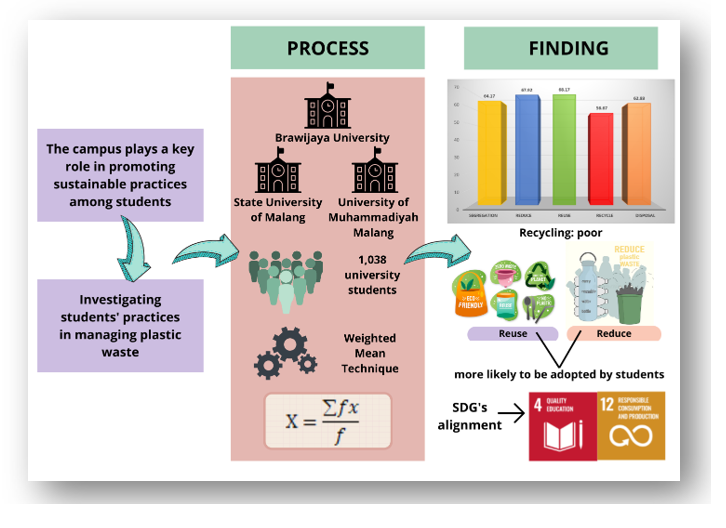
Ø There is a need for educational efforts focused on recycling and disposal practices, the implementation of which refers to sustainable development goals, particularly SDGs 4 (quality education) and SDGs 12;
Ø For green campuses, these findings highlight the need for increased operational transparency in recycling practices and ensuring that plastic waste streams are not remixed downstream. To achieve sustainable green campus initiatives, institutional frameworks need to be developed in line with student needs;
Ø In realizing a sustainable green campus, universities need to develop students'' skills, participation, and recycling practices through curricula and various programs integrated with environmental education, so as to provide long-term experiences.
Keywords
INTRODUCTION
The increase in plastic waste has become a significant global challenge, with widespread impacts on ecological, economic, and social aspects (Borrelle et al., 2020). This issue is exacerbated by a surge in global plastic production, which rose by 12 million tons (MT) over a one-year period, reaching a total of 360 (MT) in 2018 (Lee et al., 2024). By 2022, this figure climbed further to 400.3 MT, with approximately 40–50 percent (%) till not fully collected and thus potentially causing negative environmental impacts (Burelo et al., 2024; Köse et al., 2024). Recent studies suggest that, without effective management, plastic waste is projected to double by 2035, and nearly quadruple by 2050 (Twagirayezu et al., 2024). These trends may potentially result in increased threats of pollution, disturbances to ecosystems, and imbalance in the global carbon cycle (Celis-Hernández et al., 2021; Kumar et al., 2021). Moreover, the accumulation of unmanaged plastic waste in landfills or the environment leads to the breakdown of plastics into smaller particles (microplastics), indirectly threatening human health (Gall and Thompson, 2015; Kehinde et al., 2020). The challenge posed by plastic waste is not merely a global issue; it is also a matter of national and local significance, including in university settings. The infrastructure within a campus forms a comprehensive system comprising lecture buildings, student dormitories, sports facilities, libraries, and laboratories (Amaral et al., 2015). The multitude of activities occurring on campus that require significant energy and resources may result in waste production, particularly plastic waste (Adeniran et al., 2017; Zen et al., 2016). The flexible, practical, durable, lightweight, cheap, and economically valuable nature of plastic makes it easy to produce and widely used. Furthermore, the advantages of plastic are overshadowed by its substantial environmental impact, as its inherent characteristics complicate the biodegradation process and lead to decomposition times spanning centuries (Salam et al., 2023). This suggests that plastic waste could become a future disaster if no sustainable management measures or strategies are implemented. Effective and proper management is essential for mitigating and minimizing the effects of plastic waste issues. The efficiency of plastic waste management encompasses several factors, including management practices and a commitment to achieving sustainable plastic waste management (Nguyen et al., 2023). Adopting sustainable practices for plastic waste management can substantially affect the growth of a nation's economy. According to the European Union (EU) and the United States Environmental Protection Agency (EPA), sustainable plastic waste management prioritizes prevention and reduction, with other alternatives including reuse, recycling, energy recovery, and disposal as a last resort (Fayshal, 2024). Therefore, to achieve sustainable plastic waste management, the involvement of stakeholders, companies, private parties, and producers is necessary, as well as the active role of campuses in educating and increasing participation in segregation, reusing, and recycling (Pambudi et al., 2025). Higher education institutions or campuses are essential to sustainability, especially as educational centers that can offer scientific solutions to the issues related to plastic waste. Specifically, campuses have the position to encourage the practice of sustainability among students, aiming to contribute to environmental preservation efforts (Findler et al., 2019). Campuses can adopt various sustainability initiatives through green campus programs (Maçin et al., 2024), activities aimed at reducing plastic waste, or by incorporating these initiatives into the curriculum (Filho et al., 2019). A green campus is a program initiated by the University of Indonesia in 2010 through the UI GreenMetric World University Rankings, aiming to integrate environmental management into higher education institutions by promoting sustainable behavior through education and environmentally friendly practices. Recent studies have aimed to investigate the degree to which the notion of sustainability is integrated within higher education institutions (Lee et al., 2024), especially regarding how educated individuals excel in their environmental behaviors and actions (Torroba Diaz et al., 2023). Literature studies indicate that integrating sustainability into practices or real actions can foster a culture of environmental responsibility, including among students (Barth and Rieckmann, 2012; Lozano et al., 2019). Students play a significant role and make a valuable contribution to achieving sustainable development. However, most students tend to be unaware of their roles in managing plastic waste on campus (Bautista, 2019). Studies conducted in India indicate that students possess a solid understanding of plastic pollution and exhibit a favorable attitude towards the use of eco-friendly products; nevertheless, merely one-third of the students engage in appropriate waste management practices (Srinivasan et al., 2019). Research in Indonesia reveals that students exhibit high awareness, good knowledge, and positive behavior, yet they have low skills and limited participation in managing plastic waste (Shaherani et al., 2024). Other studies also indicate that students' awareness of plastic ban regulations is generally satisfactory, but their actual practice in daily life is poor (Sujitha et al., 2020). Literature reviews demonstrate that only 49.5% of students display a serious level of attention and concern for waste management practices (Ifegbesan et al., 2017). Previous research has shown that waste management solutions are often implemented without involving community input, despite its importance (Yukalang et al., 2018). To date, there is still limited research discussing the extent to which students have implemented and practiced environmental concepts (Reyes and Madrigal, 2020). Literature reviews highlight that despite the significant role campuses play in fostering environmental sustainability, there are only a limited number of studies that have investigated this issue from the viewpoint of university students (Owojori et al., 2022), particularly in terms of plastic waste management practices. Previous studies, particularly in developing countries, have conducted similar investigations; however, most focus on urban waste management practices (Azevedo et al., 2021; Breukelman et al., 2019; Chowdhury et al., 2020; Debrah et al., 2021; Serge Kubanza and Simatele, 2020). Other research also tends to be fragmented on topics of practice such as waste policy (Xuan Son, 2021), waste production and consumption (Liu et al., 2021; Nguyen et al., 2021; Pham Phu et al., 2018; Su et al., 2021), as well as marine litter (Kerber and Kramm, 2021; Xuan Son, 2021). Several studies conducted in the Philippines have investigated solid waste management practices among students, yet they concentrate solely on a single university (Bautista, 2019; Diestro, 2022; Paghasian, 2017). As agents of change, studies on students' perspectives have been widely reviewed in the campus sustainability literature (Heiskanen et al., 2016; Hesselbarth and Schaltegger, 2014), but hardly any studies have been conducted to explore them from a practical standpoint (Mohamad et al., 2021). Further studies show that efforts related to green campuses and student actions that support the environment are still commonly disregarded in earlier studies, particularly within developing countries (Wang et al., 2022). Therefore, this study addresses this gap in three main ways. First, it specifically investigates plastic waste management practices, whereas previous research has focused on waste management in general. Second, it involves three of the largest universities in Malang City, specifically those categorized as green campuses, thus increasing the generalizability of the findings. Third, it explores student behaviors concerning the waste management hierarchy, which covers the facets of segregation, reduction, reuse, recycling, and waste disposal. Investigating plastic waste management practices has become an important study to conduct as a basis for policymaking and providing appropriate recommendations (Fayshal, 2024). Beyond cross-campus comparisons, this study provides a structured behavioral benchmark that maps student good practices across different stages of the plastic waste management hierarchy. This study provides actionable insights for formulating evidence-based green campus policies and contributes to the literature by framing student practices within a behavioral perspective based on the waste management hierarchy and the Theory of Planned Behavior (TPB), and by conceptualizing the interconnected stages of separation, reduction, reuse, recycling, and disposal. By incorporating plastic waste management into campus sustainability initiatives, it is projected to play a vital role in achieving the Sustainable Development Goals and to highlight the critical role that green campuses play in advancing environmental conservation and sustainable practices. This study aims to assess the student practices in segregation, reduce, reuse, recycle, and disposal aspects of plastic waste management to achieve sustainable green campus. This study has been carried out in Malang City during 2024-2025.
MATERIALS AND METHODS
A survey-type research design was employed in this study, utilizing a descriptive-quantitative approach to describe the phenomenon using numerical data. The descriptive-quantitative design enables structured measurement of behavioral tendencies in plastic waste management, facilitating objective comparisons of student practices across institutions based on a waste management hierarchy that includes segregation, reducing, reusing, recycling, and disposing of plastic waste. The strategies implemented in this study encompass data gathering, categorization, and examination of that data, which aim to focus on the answers provided by respondents to deliver a holistic interpretation of how students manage plastic waste within a sustainable campus environment.
Study area
Indonesia is one of the largest contributors of plastic waste in the world, with an estimated 9,128,000 metric tons in 2016, placing it in the category of a plastic waste emergency. As one of Indonesia's major "education cities," Malang boasts high-quality education and is home to over 60 universities with 150,000 students annually. These features render Malang a significant site for investigating student behaviors, particularly in the realm of plastic waste management. As an education city, Malang generates 104.47 tons per day (t/d), or 13.66 % of the total plastic waste, and student activities also contribute to the increasing volume of plastic waste. Brawijaya University, State University of Malang, and University of Muhammadiyah Malang were selected as specific research locations because these three campuses are among the largest universities in Malang City, each of which accommodates more than 37,000 students. Furthermore, the three campuses are recognized for their sustainability efforts via green campus programs and are positioned within the top 30 of the UI GreenMetric 2025 University Rankings, which also aids in promoting sustainable development practices. The green campus was chosen as the research location because it represents the integration of environmental science into all aspects of management, serving as a best practice in sustainable development. Based on this background, Malang City was designated as the study area, as shown in Fig. 1.
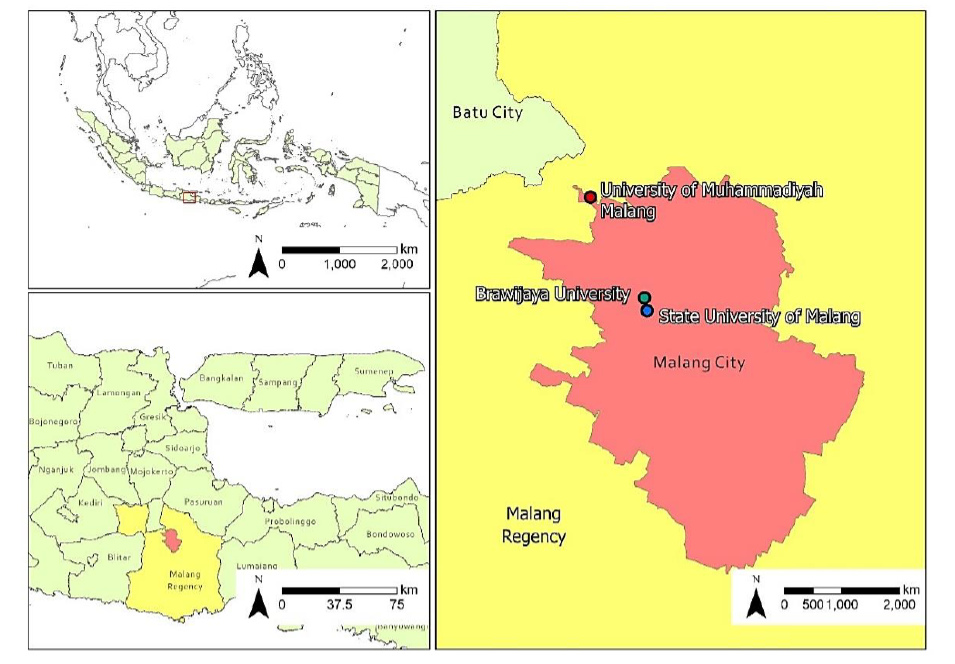
Fig. 1: Geographical location of the study area on three green campuses in Malang City, Indonesia
Research Sample
The population in this study consisted of active students in semesters 1-8 from the 2020 to 2023 intake, across various majors, ranging from diploma to doctoral and professional levels, totaling 160,533 students from Brawijaya University, State University of Malang, and University of Muhammadiyah Malang. The sampling technique applied is proportionate stratified random sampling, which acknowledges the varied nature of the population and is derived from the formula proposed by Isaac and Michael (Wilmoth, 1982). The findings are displayed in Table 1.
s = (x² · N · P · Q) / (d² (N − 1) + x² · P · Q) (1)
where, s = number of samples; N = population size; d = 0,05; P = Q = 0,5; x2 = Chi Square; and dk=1, error level 1%, 5%, 10%.
The total number of samples in this study was 1,038 respondents including 414 male students and 624 female students, proportionally adjusted from each faculty of every campus, resulting in 347 students from Brawijaya University, 346 students from State University of Malang, and 345 students from University of Muhammadiyah Malang.
Research Instrument
This analysis performs an in-depth investigation into the formulation of instruments designed to evaluate the management practices of plastic waste. The focus is on segregation, reduction, reuse, recycling, and disposal. These five indicators were selected according to Sustainable Development Goal 12. Plastic waste management practices align with target 12.5, which aims to significantly reduce waste generation through prevention, reduction, recycling, and reuse by 2030 (Widyatmika et al., 2025), disposal serves as the final step (Fayshal, 2024). In the context of the campus under review, the act of disposal is still behaviorally important as it demonstrates the obligation to properly dispose of plastic waste produced by students in the designated disposal facilities. Furthermore, disposal remains a crucial component of the hierarchy, representing the final stage in waste management. The indicators were developed based on the contemporary waste management hierarchy, adapted from the United Nations Environment Programme (UNEP) and International Solid Waste Association (ISWA) (UNEP and ISWA, 2015; Whiteman et al., 2021; Wilson, 2023), then modified based on the research needs. The basis for calculating the indicator questions in this study was designed according to previous research (Lalamonan and Comighud, 2020), which was then adjusted to the situation and conditions of green campuses in Indonesia, resulting in 22 questions (Table 2). Each question indicator is measured using a 1-4 Likert scale, with assessment criteria as shown in Table 3. The instrument validation process was carried out both qualitatively and quantitatively to ensure each question indicator met consistency and validity criteria. First and foremost, qualitative validation included evaluations by expert validators that emphasized the pertinence of each question indicator to the research goals and reviewed the language employed. The expert validator is a Professor from State University of Malang, an environmental geographer with more than 11,000 citations, and the head of a green campus, which is the basis for the qualifications as a validator. Second, quantitative validation was achieved through a small-scale trial, which verified statistical validity and reliability using responses from 10 students at Brawijaya University, 10 from State University of Malang, and 10 from University of Muhammadiyah Malang (N = 30) (Johanson and Brooks, 2010; Hertzog, 2008). The trial data were evaluated through IBM SPSS version 26; a choice made to increase accuracy and mitigate human error. Questionnaire items were considered empirically valid and reliable when the significance value (2-tailed) was <0.05 and Cronbach’s Alpha in reliability statistics was >0.60. As presented in Table 4, the instrument trial results confirmed the validity and reliability of the questionnaire.
Table 1: Population and research sample
|
No |
UB |
UM |
UMM |
||||||
|
Faculty |
P |
S |
Faculty |
P |
S |
Faculty |
P |
S |
|
|
1 |
Law |
3,082 |
14 |
Economics and Business |
5,490 |
40 |
Law |
2,648 |
24 |
|
2 |
Economics and Business |
6,731 |
31 |
Engineering |
5,244 |
39 |
Economics and Business |
5,175 |
47 |
|
3 |
Administrative Science |
6,785 |
31 |
Mathematics and Natural Sciences |
5,084 |
37 |
Engineering |
7,127 |
65 |
|
4 |
Agriculture |
6,660 |
31 |
Vocational Studies |
2,082 |
15 |
Social and Political Sciences |
5,710 |
52 |
|
5 |
3,685 |
17 |
Postgraduate |
12,712 |
93 |
Health Sciences |
3,402 |
31 |
|
|
6 |
Engineering |
6,165 |
28 |
Science Education |
4,248 |
31 |
Postgraduate |
1,466 |
13 |
|
7 |
Fisheries and Marine Science |
5,243 |
24 |
Literature |
5,203 |
38 |
Psychology |
2,431 |
22 |
|
8 |
Mathematics and Natural Sciences |
4,388 |
20 |
Sport Science |
3,081 |
23 |
Teacher Training and Education |
5,940 |
54 |
|
9 |
Agricultural Technology |
4,589 |
21 |
Social Science |
3,916 |
29 |
Agriculture-Animal Science |
2,749 |
25 |
|
10 |
Social and Political Sciences |
6,172 |
28 |
- |
- |
- |
Islamic Studies |
1,313 |
12 |
|
11 |
Cultural Sciences |
4,272 |
20 |
- |
- |
- |
- |
- |
- |
|
12 |
Communication Science |
4,076 |
19 |
- |
- |
- |
- |
- |
- |
|
13 |
Vocational Studies |
4,593 |
21 |
- |
- |
- |
- |
- |
- |
|
14 |
Postgraduate |
9,071 |
42 |
- |
- |
- |
- |
- |
- |
|
Total |
75,512 |
347 |
|
47,060 |
346 |
|
37,961 |
345 |
|
|
Total population |
160,533 |
||||||||
|
Total sample |
1,038 |
||||||||
Table 2: Indicators selected for assessment of students’ practices in plastic waste management
|
Component of practices |
No. |
Question indicators |
|
Segregation |
1 |
How often do you sort plastic (bottles, glasses) and non-plastic (paper, glass, wet waste) on campus as part of waste management practices? |
|
2 |
How often do you actively separate recyclable plastic waste from other waste while on campus? |
|
|
3 |
How often do you mix all types of garbage in one trash in the campus? |
|
|
4 |
How often do you separate recyclable plastic waste for collection as a more effective management effort? |
|
|
Reduce |
5 |
How often do you borrow, share, or rent the items you need as a commitment to reducing waste and creating sustainability? |
|
6 |
How often do you practice the habit of only buying things you need to reduce plastic waste on campus? |
|
|
7 |
How often do you bring provisions to reduce the use of packaged food on campus? |
|
|
8 |
How often do you choose to bring water in a personal bottle instead of buying water in single-use plastic bottles on campus? |
|
|
9 |
How often do you consider, be careful, and take responsibility for any plastic waste that you generate? |
|
|
Reuse |
10 |
How often do you choose to reuse items that are still usable rather than buying new ones? |
|
11 |
How often do you store plastic bottles or cups for reuse as crafts in an effort to reduce plastic waste? |
|
|
12 |
How often do you reuse plastic waste of detergent/soap/shampoo as pots? |
|
|
13 |
How often do you reuse washable food containers as an effective way to reduce plastic waste? |
|
|
14 |
How often do you use a totebag to reduce the use of plastic bags? |
|
|
Recycle |
15 |
How often do you change or redesign plastic waste into new products as an effective step in reducing plastic waste? |
|
16 |
How often do you make decorations out of plastic wrap as a creative and effective way to recycle plastic waste? |
|
|
17 |
How often do you tend to overlook the opportunity to recycle the items you use? |
|
|
18 |
How often do you collect/donate the plastic waste that you generate? |
|
|
Disposal |
19 |
How often do you tend to dispose and leave your plastic waste in just any place? |
|
20 |
How often do you feel that burning plastic waste as a disposal method is the solution to waste removal? |
|
|
21 |
How often do you dispose plastic waste in the trash that matches the label? |
|
|
22 |
How often do you implement a self-service culture for cleaning up the canteen waste you produce and disposing of it in the provided trash bins? |
Table 3: Assessment criteria
|
Scale |
Assessment criteria |
|
1 |
Never |
|
2 |
Rarely |
|
3 |
Often |
|
4 |
Very often |
Table 4: Results of instrument validity and reliability tests
|
Aspect |
Item |
Sig.(2-tailed) |
Result |
Cronbach’s Alpha |
Result |
|
Segregation |
1 |
0,002 |
valid |
0,928 |
reliable |
|
2 |
0,000 |
valid |
0,924 |
reliable |
|
|
3 |
0,000 |
valid |
0,926 |
reliable |
|
|
4 |
0,001 |
valid |
0,927 |
reliable |
|
|
Reduce |
5 |
0,000 |
valid |
0,926 |
reliable |
|
6 |
0,000 |
valid |
0,924 |
reliable |
|
|
7 |
0,000 |
valid |
0,924 |
reliable |
|
|
8 |
0,000 |
valid |
0,926 |
reliable |
|
|
9 |
0,000 |
valid |
0,926 |
reliable |
|
|
Reuse |
10 |
0,001 |
valid |
0,927 |
reliable |
|
11 |
0,000 |
valid |
0,926 |
reliable |
|
|
12 |
0,000 |
valid |
0,926 |
reliable |
|
|
13 |
0,001 |
valid |
0,927 |
reliable |
|
|
14 |
0,011 |
valid |
0,929 |
reliable |
|
|
Recycle |
15 |
0,000 |
valid |
0,924 |
reliable |
|
16 |
0,000 |
valid |
0,925 |
reliable |
|
|
17 |
0,000 |
valid |
0,924 |
reliable |
|
|
18 |
0,000 |
valid |
0,926 |
reliable |
|
|
Disposal |
19 |
0,000 |
valid |
0,925 |
reliable |
|
20 |
0,000 |
valid |
0,926 |
reliable |
|
|
21 |
0,000 |
valid |
0,926 |
reliable |
|
|
22 |
0,000 |
valid |
0,926 |
reliable |
Data collection
Observation, field surveys, and the distribution of closed questionnaires were conducted as methods of data collection. The questionnaires were structured to collect data regarding the identities of the respondents and their methods of handling plastic waste on campus. Data collection was conducted in person, through face-to-face meetings on campus with respondents. Questionnaires were distributed to students at Brawijaya University, State University of Malang, and University of Muhammadiyah Malang using Google Forms, by scanning a QR code during the in-person session. The survey link was further disseminated through WhatsApp during the time the respondents were in the physical presence of the researcher. Therefore, data collection remained within the researcher's reach, helping to minimize self-selection bias. To mitigate the risk of self-reporting and social desirability bias in survey responses, the researcher was present during the completion of the questionnaire by the respondents. The researcher verbally explained the questionnaire procedure and explained each question's indicators. The study permitted participants to pose questions regarding the content of the questionnaire and also uses secondary data sourced from various literature reviews, including books, articles, the official websites of three related institutions, and field documentation, which serve as supporting literature for the background and discussion of the findings. This study was conducted over a period of five months, from February to April 2024, during the active academic semester, to minimize potential bias related to student absences, and from August to September 2025, during which additional field observations and documentation were conducted, was intended to strengthen the interpretation of the findings, not to collect new respondent data.
Data analysis
Data analysis was conducted using percentages and the Weighted Mean technique to determine students' practices in managing plastic waste. The Weighted Mean method is employed to allocate scores to response options according to established weights, which align with a Likert scale (1, 2, 3 and 4), reflecting the degree of the construct being assessed. This study presents and describes the data obtained through weighted mean calculations analyzed using Microsoft Excel. Although the dataset comprised 1,038 respondents, the study was descriptive rather than inferential. Consequently, the data analysis concentrated on examining student behaviors across the three green campuses instead of assessing statistical significance. This study provides a presentation and description of the data obtained in an objective manner through the application of weighted mean calculations analyzed via Eq. 2 (Paghasian, 2017; Bautista, 2019):
WM = (Σ(fixi)) / Σ(fi) (2)
where: WM = weighted mean; fi = frequency of responses; xi = assigned weight of each Likert scale category; and Σxi = total number of responses. The interpretation of students’ practices in plastic waste management is categorized into four performance levels. A mean score ranging from 3.25 to 4.00 is interpreted as very good; a score between 2.50 and 3.24 is considered good; a score from 1.75 to 2.49 is categorized as poor; and a score between 1.00 and 1.74 is interpreted as very poor (Bautista, 2019; Paghasian, 2017). An increase in the score and interpretation result reflects a more favorable approach by students towards plastic waste management practices, encompassing segregation, reduction, reuse, recycling, and disposal. Reverse-coded items, such as indicators for questions 3, 4, and 20 (Table 2), were marked prior to analysis to maintain a consistent direction of assessment before calculations using the weighted-mean technique were performed.
RESULTS AND DISCUSSION
Student practices in plastic waste management
The campus serves as a center for education and innovation, not only enhancing students' academic abilities but also setting a model for sustainable practices (Purcell et al., 2019; Sugiarto et al., 2022). Through the adoption of plastic waste management strategies, students can be enabled to serve as catalysts for change in confronting environmental challenges (Bennett and Alexandridis, 2021). Studies have shown that hands-on experience and practical involvement in plastic waste management during college can play a significant role in shaping students' pro-environmental behavior in the future (Alazaiza et al., 2024). Students' direct engagement in sustainability programs can stimulate responsible behaviors towards the plastic waste they generate (Gao et al., 2017). Evaluating students' practices in managing plastic waste can be utilized to design targeted sustainability programs (He and Yu, 2023). Prior studies have demonstrated that analyzing students' practices can shed light on how significantly their habits involve single-use plastics, thereby enabling campuses to devise policies that are more environmentally conscious (Truelove et al., 2022). The research results indicate that students' practices in managing plastic waste are positively categorized as "good" at all three green campuses (Table 5). The closeness of the scores, as seen in Table 5, indicates that the three green campuses are in comparable performance categories. This consistency suggests that universities participating in green campus programs can appears to support students to adopt similar plastic waste management practices. This is due to the availability of adequate facilities and infrastructure, as well as intensive environmental education and green campus program policies at Brawijaya University, State University of Malang, and University of Muhammadiyah Malang, in line with sustainable practices (Fig. 2). Recent investigations propose that these three components can markedly boost students' approaches in reduction, reuse, and recycling (Budihardjo et al., 2021; Gursoy Haksevenler et al., 2022). While student plastic waste management practices appear similar across the three green campuses, Fig. 2 shows that sustainability infrastructure and facilities vary across universities. Variations in the implementation of plastic waste management systems indicate that comparable practical results may arise from diverse institutional models of execution. Literature studies also reveal that various facilities and plastic waste management systems provided by campuses serve as evidence of commitment to sustainability, such as integrated waste management centers, provision of waste bins according to type, education delivery, and environmental campaigns (Belleflamme and Ha, 2024; Kala and Bolia, 2021; Yu et al., 2022). Research in the Philippines indicates that, in the implementation of plastic waste management practices, students tend to be more active and engaged in aspects such as segregation and reduction, but still lack proficiency in disposal practices (Paghasian, 2017). Studies in Malaysia reveal that students' approaches to managing plastic waste are more focused on recycling rather than on reduction and reuse (Moh and Abd Manaf, 2017). Studies conducted in Japan suggest that students demonstrate a greater tendency to participate in recycling activities rather than to repurpose the plastic waste they produce (Moshkal et al., 2024). On the other hand, the results of this study show that students in the three green campuses tend to be more active in participating in reuse practices (68.17%), reduction (67.92%), segregation (64.17%), and disposal (62.83%), but still perform poorly in recycling practices (56.67%), as can be seen in Fig. 3. These findings align with the Theory of Planned Behavior, which suggest that human behavior is influenced by three key factors: intention, subjective norms, and behavioral control, all of which can trigger pro-environmental actions. Consequently, actions that are viewed as simpler to execute are more likely to be selected (Ajzen, 1991; Truelove et al., 2014). Based on Fig. 3, students tend to be more actively involved in reduction and reuse practices because these two practices are perceived as easier to carry out and capable of encouraging contributions compared to recycling practices, which require formal recycling technology and systems. This is also consistent with the Waste Hierarchy Framework, which prioritizes segregation, reduction, reuse, recycling, recovery, and disposal. The framework explicitly prioritizes reduction and reuse practices over recycling practices, whereby students on green campuses who understand the principles of sustainability are likely to adopt them normatively and consider them the most ecologically sound choice. This study indicates that students are more inclined to adopt plastic waste management practices, such as reduction and reuse, due to their psychological and structural ease of implementation in a green campus context, especially in certain developing countries that have not yet put in place an optimal recycling framework.
Table 5: Student Practices in Plastic Waste Management
|
University |
Weighted mean |
Interpretation |
|
Brawijaya University |
2.59 |
Good |
|
State University of Malang |
2.58 |
Good |
|
University of Muhammadiyah Malang |
2.56 |
Good |
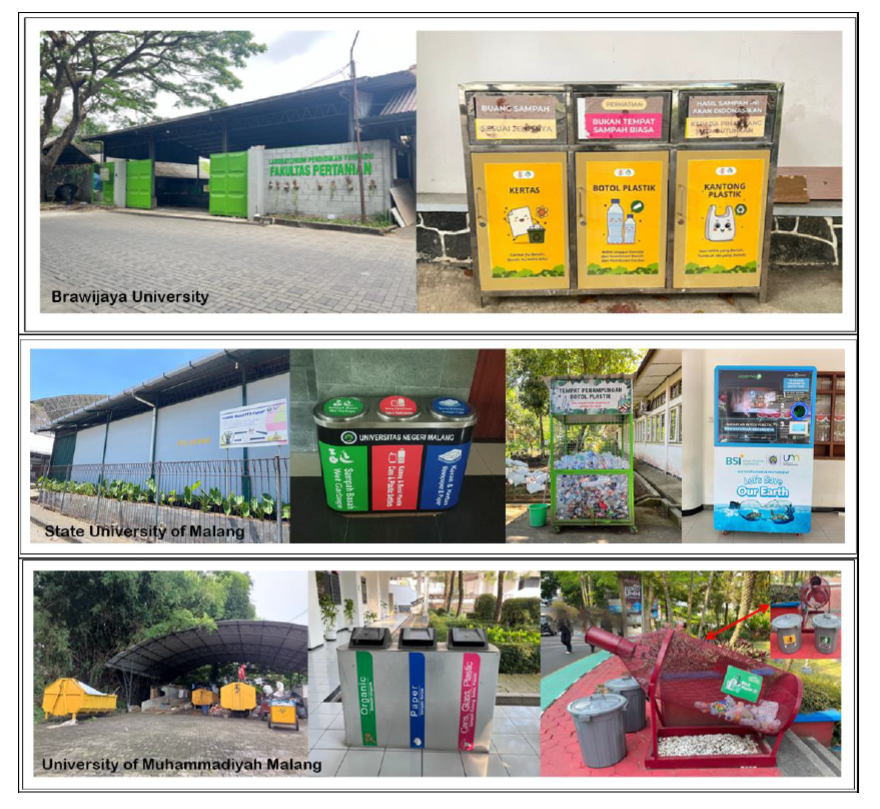
Fig. 2: Plastic waste management facilities at three green campuses in Malang City include integrated waste-disposal sites, separate waste bins, plastic waste-sorting equipment, and reverse vending machines
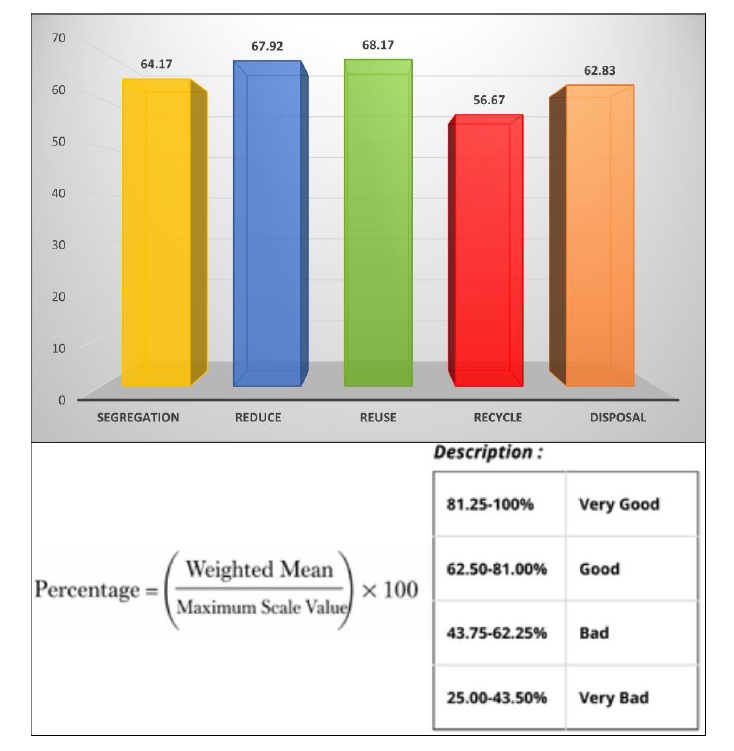
Fig. 3: Bar chart related to the results of student practice in managing plastic waste on campus, including segregation, reduction, reuse, recycling, and disposal
Question item distribution
The questionnaire contained questions that were used to evaluate trends in student responses. Fig. 4 shows the distribution of question items and responses from students ranging from “very good, good, poor, to very poor”. Based on the results from Brawijaya University and State University of Malang, there is strong recognition or very good practices regarding students' contributions to reducing and disposing of plastic waste. Students generally favor using personal drinking bottles instead of buying beverages in single-use plastic containers (Question 8). In addition, most students have also adopted a “self-service” culture by cleaning up the canteen waste they generate (Question 22). Students at State University of Malang also demonstrate a strong tendency to use food containers that can be washed and reused over a long period (Question 13). Conversely, students at the University of Muhammadiyah Malang express positive feedback and acknowledgment regarding the practice of reusing, as they prefer to utilize plastic items that are still functional instead of purchasing new ones (Question 10). In addition, they have also become accustomed to properly disposing of plastic waste into the appropriate bins according to its type (Question 21). The feedback from students at the three campuses showed significant variation, suggesting inadequate practices in managing plastic waste. Notable practices were reflected in questions 12, 17, and 19. Students tend not to reuse used items, such as detergent or cooking oil plastics, in polybags or similar containers (Question 12). Students confessed that they commonly disregard the value of recycling plastic waste (Question 17). Additionally, students also responded that they frequently litter or leave their trash in open environments (Question 19). These results underscore the significance of enhancing comprehensive environmental education within the campus. Additionally, it underscores the importance of educational initiatives centered on recycling and disposal practices, with their execution aligned with the Sustainable Development Goals (SDG), notably SDG 4 (quality education) and SDG 12 (responsible consumption and production).
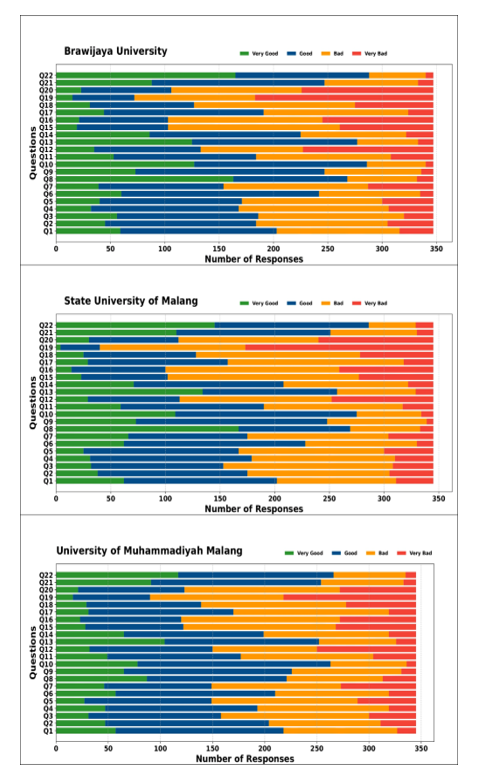
Fig. 4: Distribution of questionnaire item responses to student practices in plastic waste management based on Likert scale measurements
Waste segregation
In alignment with the modern version of the Waste Hierarchy Framework, the primary focus in addressing plastic waste is on prevention (UNEP and ISWA, 2015; Whiteman et al., 2021; Wilson, 2023). Segregation practices are one of the preventive activities that play a crucial role in supporting efficient plastic waste management, which involves collection and separation at the source (Ravishankar et al., 2021; Sivaranjani et al., 2024). In plastic waste segregation practices, the three green campuses fall into the "good" category, with University of Muhammadiyah Malang showing the highest average score of 2.60, followed by Brawijaya University (2.57) and State University of Malang (2.53), as shown in Fig. 5. This corresponds with studies findings in the Philippines, indicating that students are involved in segregation practices in both campus and home environments, especially those who live in campus dormitories (Dolipas et al., 2018). Based on the observation results, segregation practices at University of Muhammadiyah Malang are carried out daily and divided into seven categories: plastic bottles, plastic cups, food containers, HVS paper, cardboard, bottle caps, and organic waste. Brawijaya University and State University of Malang also demonstrate a genuine commitment to sustainable practices. Segregation of waste at Brawijaya University emphasizes the separation of bottles and cardboard, conducted weekly in the Integrated Education Laboratory. Segregation at State University of Malang focuses on segregation plastic waste (bottles and plastic cups), organic waste, and cardboard waste, as evidenced by the presence of 3R Waste Management Facilities, reverse vending machine facilities, and plastic bottle collection points at various locations. This demonstrates that appropriate facilities can promote sound segregation practices among students (Gursoy Haksevenler et al., 2022; Tangwanichagapong et al., 2017; Uehara et al., 2022). This conclusion implies that the separation of plastic waste at its source is a key factor in establishing a sustainable green campus. Furthermore, besides decreasing the strain on landfills, segregation also helps to inform students about the necessity of environmental responsibility, starting with their individual contributions (Priti and Mandal, 2019). Segregation plastic waste can also enhance recycling efficiency to achieve better quality (Lubongo et al., 2024). The practice of segregation emphasizes that in the hierarchy of plastic waste management, this process plays a primary role, enabling reuse, reduction, recycling, and disposal practices to become more efficient, thereby minimizing negative impacts on the environment.
Waste Reduction
The involvement of students is essential for minimizing the use of single-use plastics. Studies in Thailand reveal that students act as proactive social agents who can effectively help in lowering plastic waste (Supakata, 2018; Vassanadumrongdee et al., 2020). Studies confirm that students generally have positive attitudes and practices regarding plastic waste reduction (He and Yu, 2023; Nguyen et al., 2024; Situmorang et al., 2020). Consistent with these findings, this study also found that students demonstrate good plastic waste management practices, particularly in the reduction aspect. State University of Malang scored 2.79, followed by Brawijaya University (2.76) and University of Muhammadiyah Malang (2.60), as shown in Fig. 6. Students are actively demonstrating their commitment to reducing single-use plastics are evident through specific actions, including carrying reusable water bottles, food containers, and tote bags to campus (Fig. 6). Utilizing these items in daily life can reduce the amount of single-use plastic and contribute to the sustainability of a green campus. A study conducted at a Japanese University indicated that the utilization of reusable water bottles could lead to a potential reduction of 45,191 single-use plastic bottles on campus, with 58.8% of students expressing their willingness to engage in this initiative (Uehara and Ynacay-Nye, 2018). Research at Imam Abdulrahman Bin Faisal University (Saudi Arabia) also stated that using reusable water bottles could reduce PET bottle waste on campus by 90% and actively encourage student participation (Saleem et al., 2019). Conversely, campaigns focused on education and the facilities available on campus play a vital role in directly motivating students to adopt positive measures to minimize plastic waste (Sumarmi et al., 2024). Similarly, research in Thailand and China also shows that intensive education and campus policies actively motivate students to participate in plastic waste reduction (He and Yu, 2023). These conclusions underscore the importance of targeted education and the sharing of information about the necessity of minimizing plastic waste to foster pro-environmental actions among students.
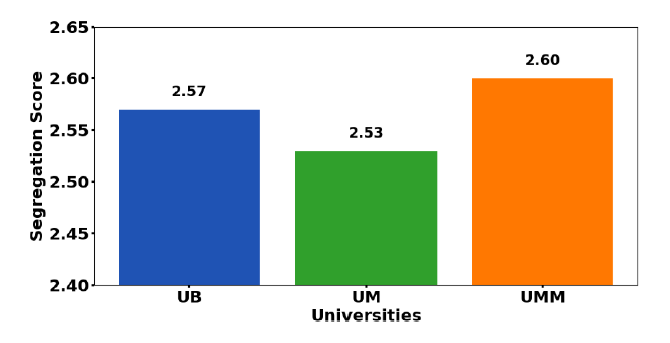
Fig. 5: The weighted mean scores for student practices related to segregation at the three green campuses
Waste reuse
The practice of reuse dominates plastic waste management initiatives in universities (Rodríguez-Guerreiro et al., 2024). This study reveals that students demonstrate ‘good’ practices in the reuse category, with Brawijaya University achieving a weighted average score of 2.76, State University of Malang at 2.74, and University of Muhammadiyah Malang at 2.68 (Fig. 7). These results indicate that students most commonly engage in reuse practices. Students repeatedly use items that are still usable, either for the same purpose or for a different one. They do not use disposable items but replace them with more durable alternatives. The achievements of these three environmentally friendly campuses are bolstered by amenities including water refill stations at UB, drinking fountains at UM, and accessible ready-to-drink taps at UMM (Fig. 7). A green campus has the opportunity to reduce plastic waste by providing high-quality drinking water taps, which can minimize the use of bottled water and encourage the switch to reusable water bottles. Studies indicate that the installation of water fountains has proven effective in minimizing the use of single-use bottles, promoting opportunities for reuse practices, and encouraging students to regularly utilize their personal water bottles (Bethurem et al., 2021; Uehara and Ynacay-Nye, 2018). This approach has been successfully implemented in several developed countries, such as the United Kingdom, which managed to reduce the distribution of single-use plastic bags and decrease their usage by 81% per capita per month between 2010 and 2012 (Thomas et al., 2016). The three campuses have also instituted environmental education through learning to perpetually foster students' self-initiative in adopting reuse concepts (Thomas et al., 2019). Significantly practiced reuse can reduce the burden of plastic waste at landfills and minimize the impact of plastic pollution, thereby preserving natural resources more effectively (Bonilla-Jurado et al., 2024; Douglas et al., 2024).
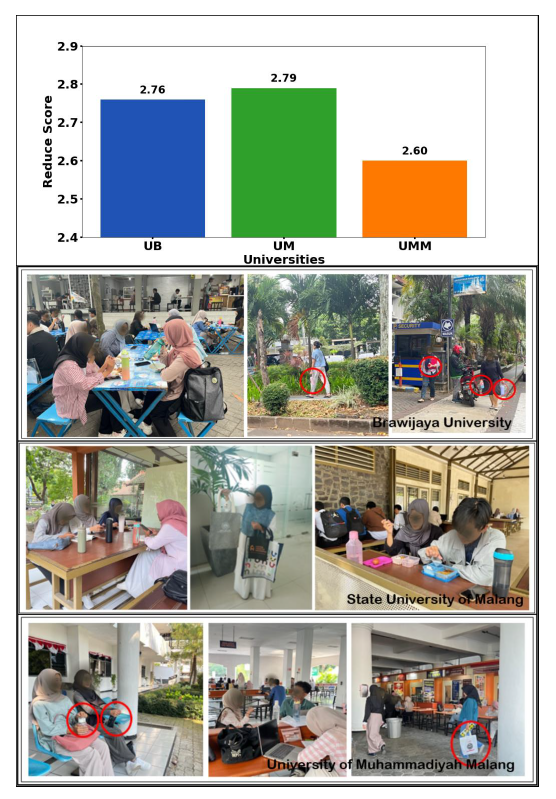
Fig. 6: Bar chart related to the weighted mean score results of students' plastic waste reduction practices at three green campuses, accompanied by field documentation of the reduction efforts made (such as bringing personal bottles and food containers, and tote bags)
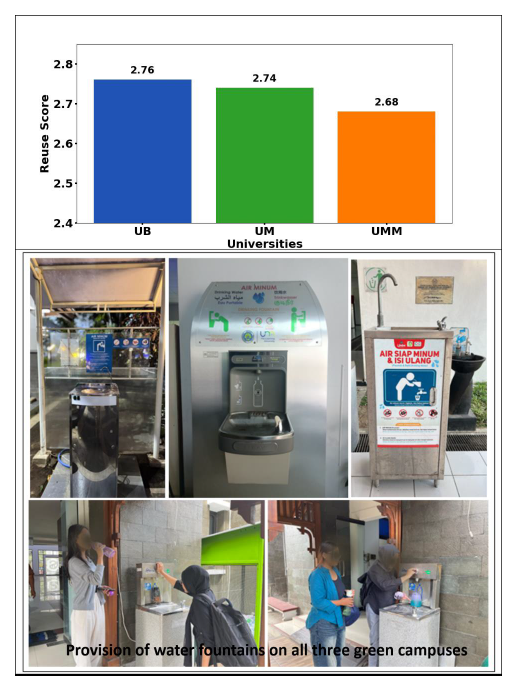
Fig. 7: Weighted mean score results of student reuse practices at three green campuses, highlighting the role of water fountain facilities on campus to support the use of reusable bottles
Waste recycle
The characteristic of plastics being difficult to decompose necessitates proper recycling after use (Alam et al., 2025). The practice of recycling has gained importance as it supports the reuse of materials and provides greater energy savings than the production of raw materials, which in turn helps to reduce the volume of plastic waste accumulating in landfills (Maitlo et al., 2022; Pandey et al., 2023). Literature studies reveal that recycling can save between 40-100 MJ/kg of energy and minimize the depletion of fossil fuels (Prakash and Pathak, 2017). However, previous research states that recycling is actually the practice most frequently evaluated (Helm et al., 2023). Other studies also reveal that only about 1% of waste undergoes the recycling stage, largely due to a lack of participation (Mbama et al., 2023). According to research findings indicating that students' methods of managing plastic waste, particularly in recycling, are classified as "poor". University of Muhammadiyah Malang has an average of 2.30, while Brawijaya University has 2.26 and State University of Malang has 2.24 (Fig. 8). Based on the results of observations, the Student Executive Board of University of Muhammadiyah Malang has implemented several recycling programs that involve students in transforming plastic waste into high-value products, such as paving blocks (Fig. 8). Brawijaya University and State University of Malang also contribute and show commitment to recycling programs through collaboration with third parties and the provision of waste banks on campus (Fig. 8). Nevertheless, the effective execution of waste banks on campus significantly depends on student engagement to guarantee that the recycling initiative runs efficiently and sustainably. Based on observations, the recycling concept is still implemented manually by university staff after collection at the three campuses, with fewer than 10 workers and no direct student involvement. Furthermore, insufficient recycling infrastructure and the inconsistency of sorting bins contribute to the mixing of plastic waste downstream, resulting in students being unwilling to take part in recycling initiatives on campus. In this regard, upstream segregation and student involvement need to be maximized, specifically through public awareness programs, so that recycling practices can be properly implemented. The efforts made by the three campuses to educate students about the importance of the recycling concept imply that there is still a need for further integration in providing adequate facilities and information regarding the recycling programs initiated by the universities, so that students can participate directly in recycling activities. This corresponds with prior studies, which asserts that institutions that effectively embed environmental education and furnish appropriate facilities are likely to see increased student engagement in plastic waste recycling initiatives (Ralph and Stubbs, 2014; Sugiarto et al., 2022).
Waste disposal
One of the factors targeted in green campus policies to achieve the goals of waste reduction programs is by reducing littering behavior. On-campus disposal practices are associated with the manner in which students handle plastic waste. In terms of disposal practices in plastic waste management, University of Muhammadiyah Malang has a score of 2.55, and Brawijaya University has a score of 2.50, both categorized as “good,” while students at State University of Malang still tend to be lacking in this practice, with a score of 2.49 (Fig. 9). Reflecting on the observation results, each of the three campuses has provided waste disposal facilities that are categorized into three distinct types to assist in the recycling of plastic waste. The disposal practices at University of Muhammadiyah Malang and Brawijaya University are evident in the self-service culture implemented on campus, particularly in the canteen areas (Fig. 10). Meanwhile, although waste disposal facilities are adequate at State University of Malang, students still rely on cleaning staff, especially in the canteen and learning space areas, so the self-service culture has not yet been established among students (Fig. 10). This frequently happens because of inadequate socialization within each faculty, a lack of preventive measures, and the nonexistence of uniform penalties (Starovoytova and Namago, 2018). Therefore, the results of students' disposal practices become a complex area (Morris et al., 2024), due to poor disposal practices, such as a disposable mindset and dependence on sanitation staff, which can exacerbate the accumulation of plastic waste in landfills (Chae and An, 2018; Chen et al., 2021). These results underscore the significance of appropriate disposal methods for students in mitigating the effects of plastic waste buildup in campus settings. Personal involvement, such as a self-service culture, is needed to encourage individuals to take responsibility for the plastic waste they produce without relying on others to dispose of it (Ramakrishna and Ramasubramanian, 2024). Moreover, it is essential for campuses to supply waste bins that are not restricted to the classifications of organic, inorganic, and hazardous/toxic waste, but should also feature multiple categories designed to meet the specific needs of each campus. Research at Massey University (New Zealand) indicates that 83% of students are more likely to properly sort their waste if the campus provides more waste bins (Balkaya and Bilgin, 2019). In line with research at Rhodes University (South Africa), which revealed that recycling bins should be strategically placed and easily accessible (Mtutu and Thondhlana, 2016). These findings have significant implications for achieving green campus sustainability. The findings indicate that while reuse and reduction practices tend to be stronger, recycling practices tend to be weaker. This indicates that initiatives for green campuses might be more effective in executing prevention-oriented practices compared to recovery-oriented practices. For green campuses, these findings suggest the need to improve operational transparency in recycling practices and ensure that plastic waste streams are not remixed downstream. The disparities in infrastructure present at the three green campuses imply that aligning recycling facilities with student behavior is necessary for each campus. Therefore, to achieve sustainable green campus initiatives, institutional frameworks need to be developed in accordance with student needs. This research contributes to the development of green campuses by providing insights into creating policies and initiatives to promote sustainable practices among students, particularly in plastic waste recycling practices. Students play a crucial role as effective agents who can bring about profound change (Mohamad et al., 2021; Murray, 2018), therefore, empowering and involving students in practices such as segregation, reducing, reusing, recycling, and disposing of plastic waste is important. The results indicate that the environmental culture present on campus, the accessibility of facilities and infrastructure for managing plastic waste, as well as ongoing campaigns, are linked to the practices of students in handling plastic waste. Well-implemented plastic waste management practices can make students' active participation in reducing the burden on on-campus waste collection points and strengthen the institution's image as a sustainable green campus. These findings also need to be interpreted within the broader context of Indonesia's plastic waste management system as a developing country. Recycling facilities are limited, and downstream processing capacity remains uneven, which could impact the achievement of sustainability initiatives on green campuses.
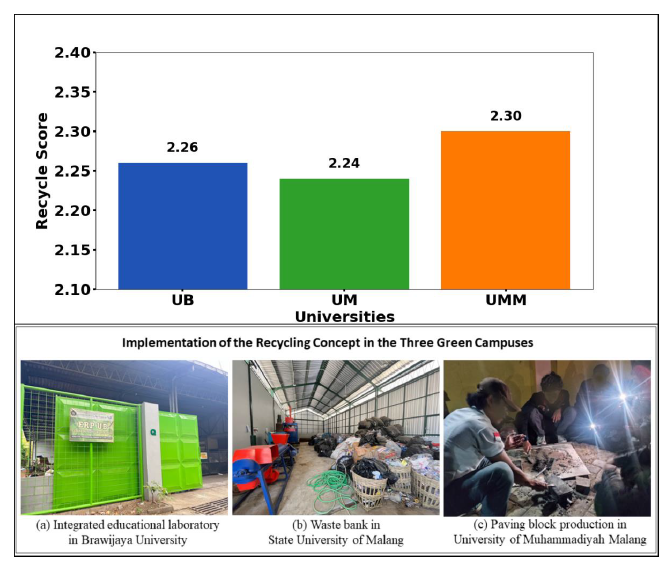
Fig. 8: The results of students' plastic waste recycling practices at three green campuses, based on a weighted mean score, supported by the availability of campus recycling facilities (such as integrated educational laboratories, waste banks, and paving block making workshops)
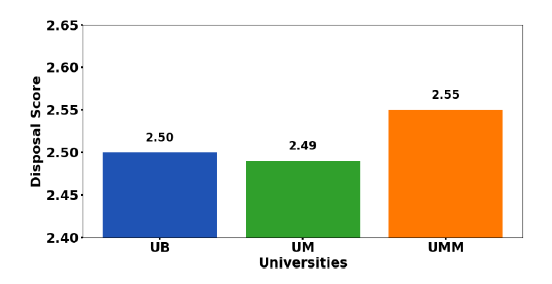
Fig. 9: The weighted mean scores for student practices related to the disposal aspect at the three green campuses
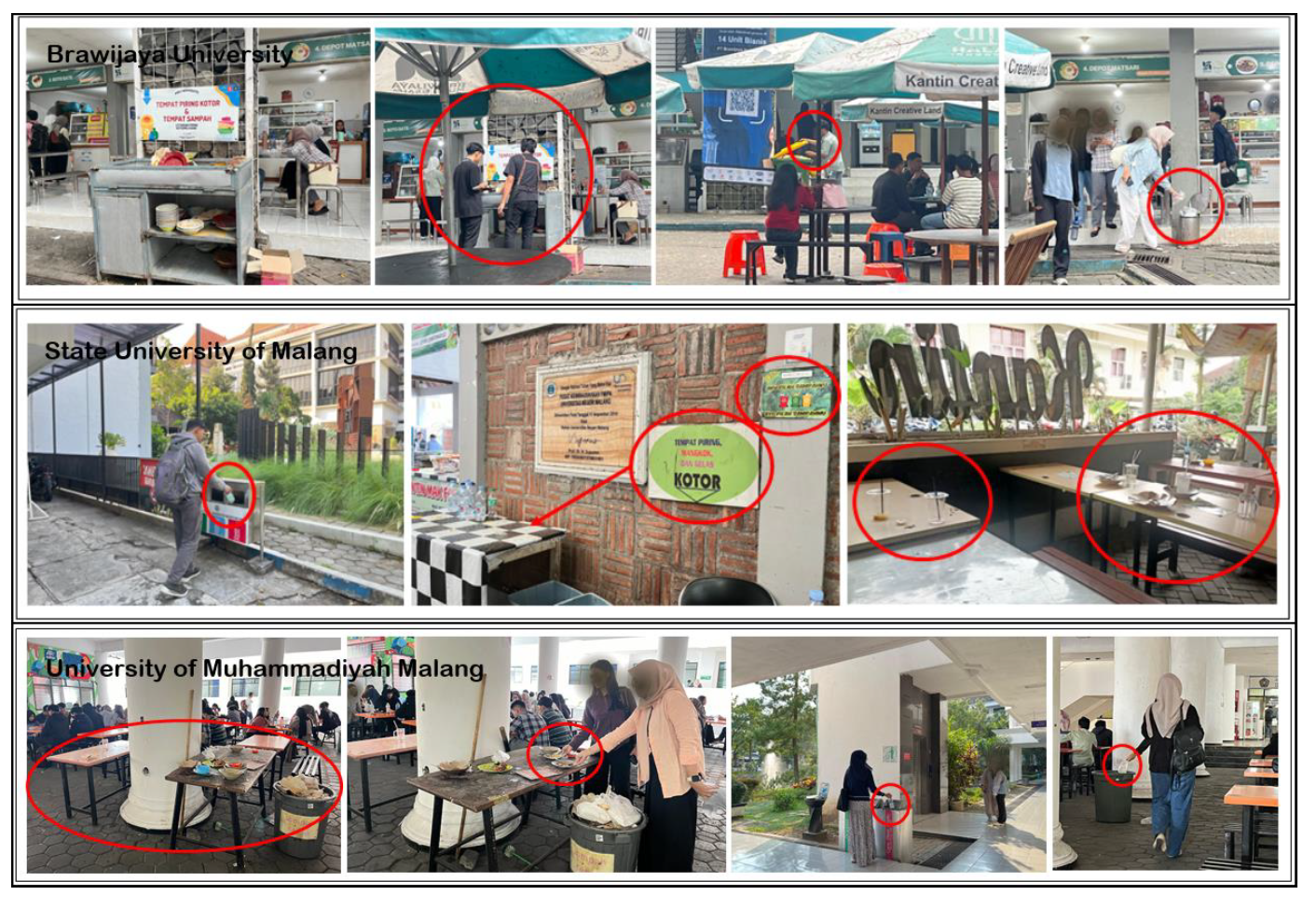
Fig. 10: The implementation of student waste management practices is demonstrated through the self-service culture on the three green campuses
CONCLUSION
The practice of plastic waste management is recognized as a crucial component in addressing various sustainable development challenges. By implementing plastic waste management practices, students can be empowered to act as agents of change in addressing environmental issues. The research reveals that students at the three green campuses tend to be more active in engaging in reuse practices (68.17%), reduction (67.92%), segregation (64.17%), and disposal (62.83%), but still perform poorly in recycling practices (56.67%), indicating the need for further attention. This study reveals that the approach of managing plastic waste via reduction and reuse is more readily embraced by students, given that it is easier to implement both psychologically and structurally in a green campus environment. These findings imply that green campus initiatives may be better at implementing prevention-based practices than recovery-based ones. For green campuses, these findings highlight the need for increased operational transparency in recycling practices and ensuring that plastic waste streams are not remixed downstream. To successfully implement sustainable green campus initiatives, institutions must create frameworks that cater to the requirements of their students. Furthermore, the findings suggest that the environmental culture on campus, the ease of access to facilities and infrastructure for plastic waste management, and consistent campaigns are associated with students' practices in managing plastic waste. For the purpose of achieving a sustainable green campus, universities should focus on developing students' skills, facilitating participation, and improving recycling practices through the curriculum and a range of programs that include environmental education, thereby ensuring lasting experiences. This study makes a theoretical contribution to the literature by conceptualizing plastic waste management as an integrated practice within the waste management hierarchy. It positions the five measured aspects as interrelated stages of practice in achieving green campus sustainability. However, this study has several limitations. First, this study uses a descriptive-quantitative research design and a lengthy questionnaire distributed to students, which may lead to inconsistent responses. Secondly, the scope of this research remains restricted to Malang City, Indonesia. Third, response bias might arise, and it is not possible to entirely eliminate non-response bias. Additionally, voluntary participation could result in volunteer bias, which may cause an overrepresentation of students. Therefore, these limitations may affect future research by obtaining more representative and comprehensive results, namely by conducting in-depth interviews with respondents during the survey, expanding the study to several green campuses across various regions or other countries, and conducting inferential statistical tests to analyze significant differences. Future studies are strongly encouraged to explore the subsequent aspects, particularly in order to realize a sustainable green campus: 1) exploring and analyzing the factors that hinder students in practicing plastic waste recycling; 2) incorporating a mixed-methods approach to avoid self-report bias and strengthen empirical validation; 3) using a longitudinal design to examine the temporal stability and evolution of plastic waste management practices on green campuses; 4) a comparative study across various green campuses in Indonesia to clarify best practices in plastic waste management among university students. Consequently, forthcoming studies may aid in the advancement and execution of a more sustainable green campus.
AUTHOR CONTRIBUTIONS
N. Shaherani conducted field observations, literature review, collected primary data, organized data, analyzed and interpreted data, and prepared the entire manuscript text, including editing. S. Utaya, the corresponding author, contributed by guiding the first author in drafting the research background, research objectives, methodology, and manuscript review. Sumarmi provided assistance in research design, content analysis, and manuscript review. S. Bachri prepared data visualization and interpreted the results, including reviewing the results and discussion. T. Matsumoto assisted with discussing the depth of novelty and the manuscript review. I. Rachman reviewed the manuscript and provided conclusions.
ACKNOWLEDGEMENT
Authors extend their sincere gratitude to the Ministry of Higher Education, Science, and Technology of the Republic of Indonesia through the PMDSU Scholarship Program for unwavering support and funding research in the 2025 scheme under contract [085/C3/DT.05.00/PL/2025].
CONFLICT OF INTEREST
The authors declare that there is no conflict of interests regarding the publication of this manuscript. In addition, the ethical issues, including plagiarism, informed consent, misconduct, data fabrication and/or falsification, double publication and/or submission, and redundancy have been completely observed by the authors.
OPEN ACCESS
©2026 The author(s). This article is licensed under a Creative Commons Attribution 4.0 International License, which permits use, sharing, adaptation, distribution and reproduction in any medium or format, as long as you give appropriate credit to the original author(s) and the source, provide a link to the Creative Commons license, and indicate if changes were made. The images or other third-party material in this article are included in the article’s Creative Commons license, unless indicated otherwise in a credit line to the material. If material is not included in the article’s Creative Commons license and your intended use is not permitted by statutory regulation or exceeds the permitted use, you will need to obtain permission directly from the copyright holder. To view a copy of this license, visit: http://creativecommons.org/licenses/by/4.0/
PUBLISHER’S NOTE
GJESM Publisher remains neutral with regard to jurisdictional claims in published maps and institutional afflictions.
Negative AI Statement
The author(s) declare that no AI tools or services were not used or not highly applied during the preparation of this work.
ABBREVIATIONS
|
% |
Percent |
|
fi |
Frequency of responses |
|
xi |
Assigned weight of each Likert scale category |
|
Σxi |
Total number of responses |
|
dk |
1, error level 1%, 5%, 10% |
|
EU |
European Union |
|
EPA |
Environmental Protection Agency |
|
ISWA |
International Solid Waste Association |
|
MJ/kg |
Megajoule per kilogram |
|
MT |
Million tons |
|
N |
Population size |
|
P |
Population |
|
S |
Sample |
|
s |
Number of simples |
|
SDG |
Sustainable development goals |
|
t/d |
Tons per day |
|
UB |
Brawijaya University |
|
UM |
State University of Malang |
|
UMM |
University of Muhammadiyah Malang |
|
UNEP |
United Nations Environment Programme |
|
WM |
Weighted mean |
|
χ2 |
Chi square |

| Article View | 8,093 |
| PDF Download | 1,761 |


Letters to Editor
[1] Letters that include statements of statistics, facts, research, or theories should include appropriate references, although more than three are discouraged.
[2] Letters that are personal attacks on an author rather than thoughtful criticism of the author’s ideas will not be considered for publication.
[3] Letters can be no more than 300 words in length.
[4] Letter writers should include a statement at the beginning of the letter stating that it is being submitted either for publication or not.
[5] Anonymous letters will not be considered.
[6] Letter writers must include their city and state of residence or work.
[7] Letters will be edited for clarity and length.