
5.2
CiteScore
2.9
Impact Factor
Document Type : RESEARCH ARTICLE
Authors
1 Department of Management, Mittal School of Business, Lovely Professional University, Phagwara 144411, Punjab, India
2 Department of Agricultural Engineering, Kalasalingam Academy of Research and Education, Krishnankoil 626126, Tamil Nadu, India
Graphical Abstract
Highlights
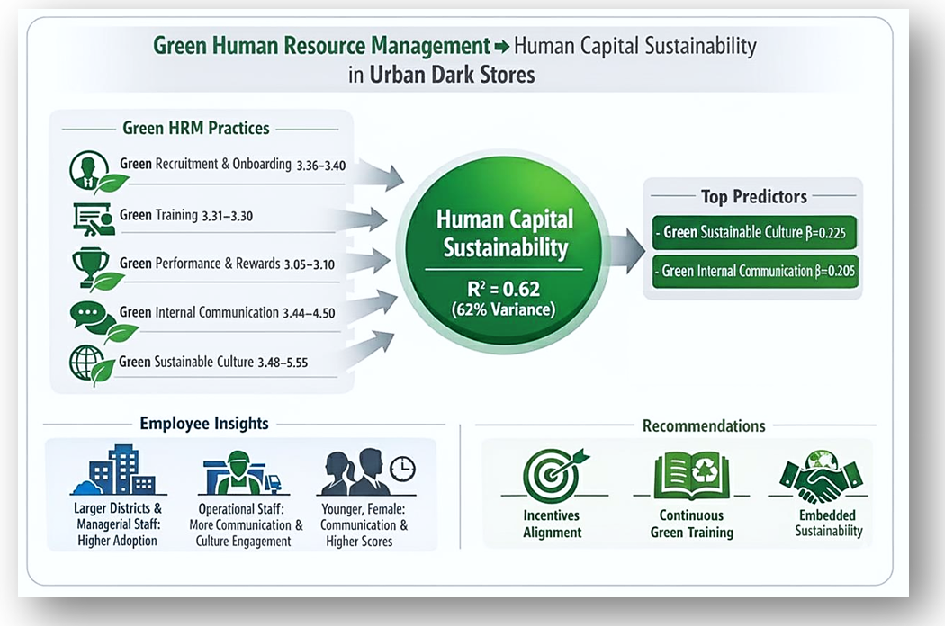
Ø Hyderabad recorded the highest adoption, with mean scores ranging from 3.94 to 4.06 across all Green HRM dimensions;
Ø Managers and HR executives showed higher Green HRM adoption than operational staff across recruitment, training, and performance practices;
Ø Employees aged 25–35 years, females, and full-time staff demonstrated stronger engagement, with mean scores between 4.0 and 4.2;
Ø Green Sustainable Culture (β = 0.225) and Internal Communication (β = 0.205) explained 62% variance in human capital sustainability.
Keywords
INTRODUCTION
Sustainable operations in urban dark stores require Human Resource (HR) practices that align employee behaviour with organizational sustainability and human capital goals (Wang and Mohamed Makhbul, 2024). Green Human Resource Management (GHRM) supports workforce sustainability through structured recruitment, training, performance evaluation, communication, and organizational culture, enabling employees to adopt environmentally responsible practices and contribute to long-term human capital and organizational sustainability outcomes (Aftab et al., 2023). Effective GHRM practices enhance environmental performance, stimulate green innovation, and positively influence employee engagement, motivation, and retention (Shahrulnizam et al., 2024). Research highlights that green recruitment, onboarding, structured training, performance-linked rewards, internal communication, and embedding sustainability into culture are critical for fostering sustainable employee behaviours and responsible practices (Chowdhury et al., 2025). Bibliometric and systematic reviews indicate that GHRM has gained increasing global attention as a strategic lever for workforce sustainability and integrates with environmental objectives. Studies in public utilities and the electricity sector demonstrate that GHRM practices improve career quality and promote sustainable human capital and organizational outcomes (Al-Oun and Al-Khasawneh, 2025). Sustainable development goals reinforce the relevance of GHRM in improving employee-driven sustainability and resource efficiency in diverse organizational contexts. (Yong et al., 2020). Urban dark stores represent a distinct context for GHRM research due to their high operational intensity, rapid workforce turnover, reliance on role-diverse employees, and strong performance pressures, which create unique challenges and opportunities for embedding sustainability through HR practices. Comprehensive investigations using bibliometric analysis show that GHRM is closely linked to voluntary green work behaviour among employees (Shah et al., 2024). In the wine industry, green innovation mediates the relationship between GHRM practices and organizational sustainability, highlighting context-specific pathways (Martínez-Falcó et al., 2025). Employee perceptions of individual GHRM practices significantly affect green behaviours, indicating the importance of aligning HR strategies with environmental and workforce development objectives (Garavan et al., 2023). Employee engagement supports the implementation of green operational practices, demonstrating that workforce participation is essential for environmental sustainability (Graham et al., 2023). GHRM adoption promotes organizational culture, green innovation, and employee green behaviours, leading to long-term human capital and sustainability benefits. Structured GHRM practices, such as Green Training (GT), strengthen knowledge sharing and commitment to environmental goals by enhancing competencies, motivation, and improving employee performance and environmental awareness. The existing literature also identifies the role of GHRM in shaping a green psychological climate, emphasizing employee perceptions and organizational culture (San Román-Niaves et al., 2025). High-tech firms show that motivation types and perceptions of greenwashing influence the effectiveness of GHRM practices. Public hospitals illustrate that GHRM implementation supports corporate sustainability and human capital objectives. Research indicates that GHRM plays a critical role in linking workforce practices to organizational sustainability and human capital outcomes. Studies have shown that employee empowerment through GHRM enhances engagement and pro-environmental behaviour (Alam, 2021), while valid measurement scales facilitate structured evaluation of GHRM adoption (Shah, 2019). Strategic management accounting research highlights that GHRM mediates sustainability outcomes across industry sectors, and employee awareness, measured through sustainability consciousness questionnaires, is a key determinant of GHRM effectiveness. The previous studies also emphasize the mechanisms through which GHRM operates. Knowledge creation and green innovation are reinforced by GHRM practices (Martínez-Egea et al., 2025), and embedding a green organizational culture enhances organizational commitment via job satisfaction (Shahriari et al., 2023). Leadership and organizational culture further mediate the influence of GHRM on workforce sustainability and pro-environmental behaviour. Research in manufacturing and technological contexts shows that green transformational leadership combined with GHRM can improve innovation and organizational sustainability outcomes, while bibliometric studies provide insights into evolving trends and strategic implementation of GHRM practices (Austen and Piwowar-Sulej, 2024). Despite extensive evidence across sectors, several gaps remain. Few studies address urban dark stores, and little is known about how GHRM adoption varies across employee roles, demographics, and specific dimensions such as performance management and rewards. There is also limited research linking GHRM adoption directly to employee engagement, retention, environmental awareness, and alignment with organizational sustainability values in fast-paced retail contexts. Addressing these gaps can inform targeted interventions to strengthen GHRM practices and enhance sustainable workforce development in urban dark store ecosystems. This study aims to examine the implementation and integration of GHRM practices and their effects on environmental performance and Human Capital Sustainability (HCS) in the urban dark store ecosystems of Telangana. The objectives include i) evaluation of adoption and integration of key GHRM dimensions, including recruitment, training, performance management, internal communication, and sustainable culture, across districts and employee roles; ii) assessment of the influence of GHRM practices on HCS outcomes, including engagement, retention, environmental awareness, and alignment with organizational sustainability values; iii) identification of gaps and challenges in implementing specific GHRM dimensions, particularly performance management and rewards, and proposal of sustainability-focused interventions; and iv) provision of practical strategies for managers and policymakers to strengthen GHRM practices and promote sustainable workforce development in urban dark store ecosystems. This study was conducted at the Mittal School of Business, Lovely Professional University, Punjab, and Kalasalingam Academy of Research and Education, Tamil Nadu, India, in 2025.
MATERIALS AND METHODS
Research design
The present study adopted a descriptive and analytical cross-sectional research design to examine the adoption of GHRM practices in urban dark stores and to assess their impact on HCS. A quantitative survey-based approach was employed to systematically capture employees’ perceptions across multiple GHRM dimensions, including Green Recruitment and Onboarding (GRO), GT, Green Performance Management and Rewards (GPMR), Green Internal Communication (GIC), and Green Sustainable Culture (GSC), consistent with established GHRM research methodologies (Wang and Mohamed Makhbul, 2024; Cho et al., 2023).
Study area
The study was conducted in urban dark stores located across major districts of Telangana, namely Hyderabad 17.3871° N (North), 78.4917° E (East), Medchal–Malkajgiri (17.4538° N, 78.5384° E), Rangareddy (17.6205° N, 78.4954° E), Warangal Urban (17.9674° N, 79.5889° E), Nizamabad (18.7500° N, 78.2500° E), Karimnagar (18.4386° N, 79.1288° E), Sangareddy (17.6116° N, 78.0818° E), and Medak (18.0459° N, 78.2634° E). These districts were selected to represent metropolitan, peri-urban, and emerging urban dark store ecosystems. The organizational scope included leading quick-commerce and grocery dark-store companies operating in India, specifically Swiggy Instamart, Blinkit, Zepto, BigBasket, and DMart. The selection process was based on factors such operational scale, personnel density, and the active incorporation of environmental performance and sustainability-oriented initiatives into commercial operations. A total of 400 employee responses were collected using a structured questionnaire, ensuring proportional representation across districts and organizations. The sampling strategy enabled coverage of geographic diversity and organizational variation, supporting reliable comparative and statistical analysis. Table 1 presents the distribution of employee responses across selected urban dark stores operated by major quick-commerce and grocery organizations in different districts of Telangana, reflecting organizational, geographic, and environmental performance representation.
Table 1: Distribution of employee response across selected urban dark stores in Telangana
|
District / area |
Swiggy Instamart |
Blinkit |
Zepto |
BigBasket |
DMart |
Total samples |
|
Hyderabad |
21 |
21 |
21 |
35 |
22 |
120 |
|
Medchal–Malkajgiri |
24 |
10 |
6 |
9 |
1 |
50 |
|
Rangareddy |
10 |
10 |
21 |
6 |
3 |
50 |
|
Warangal Urban |
6 |
15 |
5 |
7 |
17 |
50 |
|
Nizamabad |
2 |
9 |
1 |
6 |
7 |
25 |
|
Karimnagar |
4 |
8 |
2 |
7 |
14 |
35 |
|
Sangareddy |
4 |
7 |
3 |
9 |
12 |
35 |
|
Medak |
5 |
9 |
9 |
8 |
4 |
35 |
|
Total |
76 |
89 |
68 |
87 |
80 |
400 |
Population and sampling
The study population comprised 400 employees working in urban dark stores ecosystems across Telangana, including operational, managerial, and HR roles such as Picker/Packer, Storekeeper/Store Manager, Operation Manager/ Operation Lead, Delivery Executive/Rider, and HR Executive/HR Manager/ Human Resource Business Partner (HRBP). The study employed a convenience sample strategy to recruit individuals from various areas and organizations, which, while limiting strict generalizability, is suitable for heterogeneous and rapidly evolving urban workforce settings and allows capturing diverse perspectives necessary for examining workforce sustainability and GHRM adoption (Wahyudi et al., 2025). A pilot study with 40 respondents, representing 10 percent (%) of the total sample, ensured the reliability and clarity of the questionnaire. Although a formal power analysis was not conducted, the sample size of 400 was deemed adequate based on established guidelines for multiple regression and subgroup analyses in workforce research, allowing robust estimation of relationships among GHRM practices, employee perceptions, and environmental performance outcomes. This distribution provides representative coverage across roles, enabling comprehensive insights into workforce perceptions, GHRM adoption, and environmental performance outcomes in urban dark stores, supporting meaningful, context-specific insights while acknowledging that findings are exploratory and limited to the sampled districts and organizations (Yu and Santos, 2025). Table 2 shows the distribution of respondents by employee role across urban dark stores.
Table 2: Distribution of respondents by employee role
|
Employee role |
Number of respondents |
% |
|
Picker / Packer |
100 |
25 |
|
Storekeeper / store manager |
80 |
20 |
|
Operation manager / operation lead |
60 |
15 |
|
Delivery Executive / Rider |
120 |
30 |
|
HR executive/HR MGR/HRBP |
40 |
10 |
|
Total |
400 |
100 |
Data collection instrument
A structured questionnaire adapted from Cesário et al. (2022) was used to collect data on employees’ demographics and perceptions of GHRM practices in urban dark stores ecosystems. The instrument was carefully adapted to the urban dark store context by modifying items to reflect role-specific responsibilities, operational practices, and sustainability objectives, and a pilot study with 40 respondents ensured clarity, relevance, and preliminary reliability of the adapted tool. Table 3 presents the distribution of respondents across demographic variables, including age, gender, job role, years of experience, organization, location, and type of employment, providing a comprehensive overview of the study population. Although the gender distribution is highly skewed (74.5% male), this reflects the actual workforce composition in urban dark stores in Telangana, where operational roles are predominantly male; thus, the sample provides realistic insights into workforce perceptions and GHRM adoption, while caution is advised when interpreting gender-based comparisons. Similarly, the sample distribution across districts is uneven (e.g., Hyderabad n=120, Nizamabad n=25), reflecting both the higher concentration of urban dark stores and larger workforce in Hyderabad compared with smaller districts. Hyderabad serves as the primary commercial hub in Telangana, hosting more stores, operations, and employee roles; thus, a larger sample was necessary to capture sufficient representation of its workforce, ensuring meaningful insights into GHRM adoption and environmental performance. Data were collected using a structured survey administered online over four weeks, with reminders to maximize participation; respondent anonymity was ensured, and instructions emphasized honest responses to reduce social desirability bias. Analyses account for these variations descriptively, though caution is required when generalizing district-level comparisons. This demographic information enables detailed analysis of GHRM adoption and its variation across employee characteristics, roles, and organizational contexts and environmental performance outcomes within commercial operations, aligning with prior research emphasizing the role of human resource systems in shaping sustainable workforce behaviour (Yu and Santos, 2025).
Table 3: Respondent distribution by demographics and employment in urban dark stores, Telangana
|
Variable |
Categories |
Number of respondents |
% |
|
Age |
Less than 25 |
79 |
19.8 |
|
25–35 |
239 |
59.8 |
|
|
36–45 |
66 |
16.5 |
|
|
Above 45 |
16 |
4 |
|
|
Gender |
Male |
298 |
74.5 |
|
Female |
97 |
24.3 |
|
|
Other |
5 |
1.25 |
|
|
Job role / Designation |
Picker / Packer |
120 |
30 |
|
Storekeeper / Store manager |
80 |
20 |
|
|
Operations manager / Operations lead |
60 |
15 |
|
|
Delivery executive / Rider |
100 |
25 |
|
|
HR executive/HR manager / HRBP |
40 |
10 |
|
|
Years of experience |
Less than 1 year |
42 |
10.5 |
|
1–3 years |
206 |
51.5 |
|
|
4–6 years |
105 |
26.3 |
|
|
More than 6 years |
48 |
12 |
|
|
Organization / Dark Store |
Swiggy Instamart |
76 |
19 |
|
Blinkit |
89 |
22.25 |
|
|
Zepto |
68 |
17 |
|
|
BigBasket |
87 |
21.75 |
|
|
DMart |
80 |
20 |
|
|
Location |
Hyderabad |
120 |
30 |
|
Medchal–Malkajgiri |
50 |
12.5 |
|
|
Rangareddy |
50 |
12.5 |
|
|
Warangal urban |
50 |
12.5 |
|
|
Nizamabad |
25 |
6.25 |
|
|
Karimnagar |
35 |
8.75 |
|
|
Sangareddy |
35 |
8.75 |
|
|
Medak |
35 |
8.75 |
|
|
Type of employment |
Full-time |
280 |
70 |
|
Part-time |
120 |
30 |
GHRM practices and strategies
Employee perceptions of GHRM practices were assessed using a 25-item questionnaire on a 5-point Likert scale (1 = Strongly Agree, 5 = Strongly Disagree), covering five dimensions. GRO, GT, GPMR, GIC, and GSC. Prior studies have demonstrated the importance of structured GHRM systems in influencing employee-level perceptions and HR-driven sustainability mechanisms. These dimensions, which captured organizational strategies and employee experiences, allowed for a systematic evaluation of the adoption, implementation, and perception of sustainability- and environmental performance-oriented HR practices (Yafi et al., 2021). Research indicates that GHRM enhances pro-environmental behaviour, engagement, HCS, and overall organizational environmental performance by embedding sustainability values into HR policies, practices, and employee development processes, thereby translating HR initiatives into measurable environmental outcomes (Yanti et al., 2025). Integrating sustainability into recruitment, onboarding, training, performance management, communication, and culture improves awareness, green behaviour, and alignment with organizational environmental performance goals. While Table 4 presents GHRM dimensions, organizational strategies, and supporting references, the actual survey items were derived from these practices and adapted to the urban dark store context. Each item was phrased to reflect concrete, observable behaviours aligned with GRO, GT, GPMR, GIC, and GSC. A pilot study with 40 employees ensured clarity, relevance, and face validity of the adapted items, confirming that they appropriately captured employees’ perceptions and experiences of GHRM practices. This adaptation ensures the measures are meaningful, context-specific, and suitable for evaluating the implementation of GHRM strategies in urban dark stores. It could be noted from Table 4 that GHRM practices and strategies across five dimensions, with organizational strategies, employee experiences, and supporting single references.
Table 4: GHRM practices and strategies across five dimensions
|
Dimension |
Strategy/ Organizational Implementation |
Practice/ Employee Experience |
Sources |
|
GRO |
Include sustainability in recruitment policies |
Commitment to environmental sustainability |
|
|
Prioritize eco-conscious candidates |
Preference for eco-conscious employees |
||
|
Incorporate green practices in onboarding programs |
Onboarding informs new employees about environmental efforts |
||
|
Communicate organizational environmental goals to new hires |
Sharing environmental goals with employees |
||
|
Include environmental responsibilities in job descriptions |
The job description includes environmentally responsible practices |
||
|
GT
|
Provide structured environmental training programs |
Training on green living and resource management |
|
|
Ensure continuous learning for green skills |
Employees trained to protect the environment |
||
|
Raise awareness on environmental protection |
Awareness development on environmental protection |
||
|
Promote eco-friendly habits at work |
Encouragement of eco-friendly practices at work |
||
|
Encourage adoption of green practices outside work |
Continuous learning for green skills |
||
|
GPMR
|
Integrate environmental targets into performance goals |
Environmental goals included in performance targets |
|
|
Include environmental efforts in employee reviews |
Environmental efforts are discussed in performance reviews |
||
|
Provide rewards for achieving sustainability goals |
Rewards for improving environmental targets |
||
|
Offer bonuses and recognition for green initiatives |
Bonuses, awards, and recognition for green ideas |
||
|
Include sustainability indicators in evaluations |
Sustainability indicators are part of employee assessments |
||
|
GIC
|
Strategically communicate sustainability initiatives |
Sharing of green tips via emails and meetings |
|
|
Recognize employee green projects |
Recognition of employee green projects |
||
|
Engage employees in environmental initiatives |
Employee participation in environmental initiatives |
||
|
Maintain regular communication of sustainability goals |
Regular communication of sustainability goals |
||
|
Embed green messages in internal communication channels |
Green messages embedded in internal channels |
||
|
GSC
|
Embed sustainability into organizational culture |
Promotion of an environmental responsibility culture |
|
|
Encourage managers to consider environmental impact |
Manager’s encouragement for considering environmental impact |
||
|
Organize environmental events and activities |
Participation in environmental events and activities |
||
|
Promote eco-friendly habits at work and home |
Encouragement of eco-friendly habits at work and home |
Conceptual framework
The conceptual framework integrates GHRM theory and HCS literature, proposing that the implementation of GHRM strategies in urban dark store ecosystems enhances human capital sustainability and environmental performance by strengthening employee competencies, motivation, and engagement. These strategies, implemented through five dimensions such as GRO, GT, GPMR, GIC, and GSC, enhance employees’ environmental awareness, green skills, commitment, and alignment with organizational sustainability values, thereby supporting workforce retention, productivity, and long-term sustainable performance outcomes (Tessema, 2025; Mansour, 2023). A visual model is recommended to clearly depict the proposed relationships between GHRM dimensions, employee perceptions, and sustainability outcomes, enhancing reader comprehension and reinforcing the conceptual logic of the study.
Hypotheses
Based on the conceptual framework, the study proposes that GHRM strategies and their individual dimensions influence HCS in urban dark stores (Austen and Piwowar-Sulej, 2024). Table 5 presents the six hypotheses formulated to empirically test the impact of GHRM strategies and dimensions on workforce sustainability outcomes. However, these hypotheses are broad and largely restate that each dimension will have a positive impact, without specifying mechanisms or contextual differences. A more nuanced formulation could clarify how individual dimensions (recruitment, training, or sustainable culture) uniquely affect employee competencies, motivation, engagement, or environmental behaviour. These hypotheses provide a structured basis for statistical testing and analysis (Dumont et al., 2017). The formulated hypotheses serve as testable propositions that empirically examine the influence of GHRM strategies and their dimensions on HCS and environmental outcomes in urban dark stores (Gao et al., 2025). These hypotheses guide data collection and determine the variables measured through the survey, ensuring responses capture organizational strategies and employee experiences related to GRO, GT, GPMR, GIC, and GSC (Dumont et al., 2017). A structured framework supports quantitative techniques such as Pearson correlation, regression analysis, and structural equation modelling to test relationships between GHRM practices, HCS, and environmental sustainability (Austen and Piwowar-Sulej, 2024). Inclusion of overall GHRM strategies together with specific dimensions enables evaluation of individual and collective effects, identifying practices that exert the strongest influence on workforce engagement, retention, eco-friendly operational behaviour, and sustainable practices. Testing these hypotheses validates the conceptual framework and confirms proposed links connecting GHRM operationalization with sustainable human capital outcomes and organizational environmental commitment (Renwick et al., 2013). The results support practical recommendations for managers in urban dark stores, highlighting areas requiring improvement, particularly GPMR, and identifying practices that strengthen HCS and promote environmentally responsible actions (Gao et al., 2025).
Table 5: Hypotheses of the study
|
Hypothesis code |
Hypothesis statement |
|
H1 |
Green HRM strategies have a significant positive impact on HCS and environmental sustainability in urban dark store ecosystems. |
|
H2 |
GRO has a significant positive impact on HCS and resource-efficient practices. |
|
H3 |
GT has a significant positive impact on HCS and eco-friendly operational behaviour. |
|
H4 |
GPMR has a significant positive impact on HCS and sustainable performance outcomes. |
|
H5 |
GIC has a significant positive impact on HCS and environmentally responsible employee actions. |
|
H6 |
GSC has a significant positive impact on HCS and organizational environmental commitment. |
Reliability and validity of GHRM dimensions
A pilot study (n=40) was conducted to ensure the clarity, contextual relevance, and comprehension of the questionnaire items for urban dark store employees, with preliminary analysis indicating good internal consistency across the GHRM dimensions and minor wording adjustments made based on participant feedback. The final instrument’s internal consistency reliability was assessed using Cronbach’s alpha (α) using Eq. 1 (Yong et al., 2020; Tessema, 2025):
α = k/(k − 1) × (1 − (Σσᵢ² / σₜ²)) (1)
where k is the number of items, σᵢ² is the variance of each item, and σₜ² is the total variance of the scale. Content validity was evaluated using the Item-level Content Validity Index (I-CVI) and the Scale-level Content Validity Index (S-CVI), where experts rated each item’s relevance on a four-point scale, and I-CVI represents the proportion of experts who rated the item as relevant. S-CVI represents the average or universal agreement of all items across experts, ensuring that the questionnaire items accurately capture the theoretical constructs of GHRM dimensions. This process ensured the instrument was suitable for subsequent correlation, regression, and hypothesis testing analyses.
Regression analysis
Multiple linear regression analysis was applied to examine the predictive influence of GHRM dimensions on HCS in urban dark stores. HCS was specified as the dependent variable, while GRO, GT, GPMR, GIC, and GSC were treated as independent variables. The regression model is expressed, using Eq. 2 (Austen and Piwowar-Sulej, 2024):
HCS = β0 + β1 (GRO) + β2 (GT) + β3 (GPMR) + β4 (GIC) + β5 (GSC) + ε (2)
where HCS represents HCS, β0 is the intercept, β1 to β5 denote regression coefficients for the respective GHRM dimensions, and ε is the error term. Standard regression assumptions, including linearity, normality, homoscedasticity, independence of errors, and absence of multicollinearity, were verified before analysis. While assumptions were checked, reporting diagnostic statistics such as Variance Inflation Factor (VIF) scores, residual plots, and correlation matrices would provide stronger justification and ensure robust, interpretable, and unbiased results.
Statistical analysis
Data were analyzed using descriptive statistics, district- and role-wise comparisons, correlation, and multiple linear regression. District-wise differences were examined using one-way Analysis of Variance (ANOVA) with Tukey post-hoc tests for multiple groups, while role-wise differences were assessed using independent-samples t-tests. Regression assumptions (linearity, normality, homoscedasticity, and multicollinearity) were verified to ensure robustness and interpretability of the results.
RESULTS AND DISCUSSION
Research design
The descriptive and analytical cross-sectional design enabled a quantitative evaluation of employees’ perceptions of GHRM practices in urban dark stores. Results indicate that GRO, GT, GPMR, GIC, and GSC each positively and significantly influence HCS and environmental performance. Among these dimensions, GSC and GIC showed stronger effects, highlighting the importance of shared sustainability values and effective communication in fostering sustainable employee attitudes and behaviours.
District-wise GHRM practices in urban dark stores
A district-wise analysis was conducted to evaluate the adoption of GHRM practices and their impact on HCS and environmental performance in urban dark stores across Telangana. The analysis covered five key GHRM dimensions, namely GRO, GT, GPMR, GIC, and GSC. Fig. 1 presents the total respondents per district along with mean scores for each GHRM dimension. The district-wise analysis of GHRM dimensions across Telangana highlights variations in adoption and effectiveness, with larger districts generally demonstrating stronger practices than smaller districts, indicating that well-implemented GHRM practices in larger regions contribute significantly to environmental performance and HCS. It may be noted from Fig. 1 that larger districts exhibit stronger adoption of GHRM practices, especially in green culture and communication, supporting HCS, while mid-sized districts show moderate implementation and smaller districts lag. Across all districts, GPMR is the weakest, highlighting a priority for strategic intervention. High GIC and GSC scores indicate that embedding sustainability into culture and communication is more effective than recruitment, training, or rewards. GRO scores 3.96 across Hyderabad, mid-sized districts Rangareddy and Medchal–Malkajgiri, and smaller districts Medak, Sangareddy, and Karimnagar, reflecting consistent exposure and alignment with green organizational goals (Chowdhury et al., 2025). GT achieves 3.94 in Hyderabad and mid-sized districts, and slightly lower at 3.94 in smaller districts, reflecting uniform adoption and supporting competence and retention development. GPMR scores 4.00 uniformly across all districts, signalling moderate integration of sustainability into performance evaluation and reward systems, motivating eco-friendly behaviours and maintaining workforce and engagement in sustainability initiatives (Shahrulnizam et al., 2024). GSC achieves 4.06 in Hyderabad and mid-sized districts, slightly lower at 4.06 in smaller districts, highlighting the importance of embedding green culture, motivation, and long-term commitment to sustainability goals (Palupiningtyas et al., 2025). Stronger incentives are required to reinforce environmentally responsible behaviours, because the relatively lower influence of GPMR, despite mean scores ranging from 3.94 to 4.06 across districts, suggests that performance appraisals and reward systems are not fully aligned with sustainability objectives.
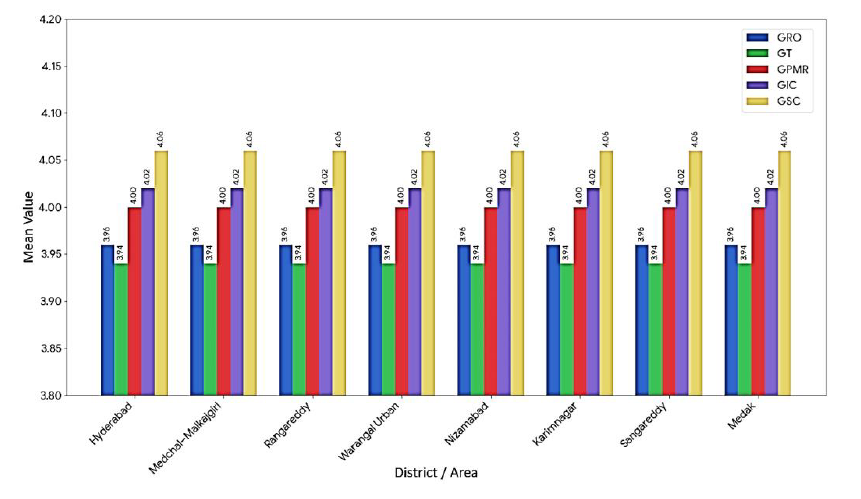
Fig. 1: District-wise respondents and mean GHRM scores in urban dark stores, Telangana
Employee role-wise analysis of GHRM adoption
Role-wise analysis captured differences across Picker/Packer, Storekeeper/Store Manager, Operation Manager/Operation Lead, Delivery Executive/Rider, and HR Executive regarding GHRM practices. Fig. 2 presents the mean scores of GRO, GT, GPMR, GIC, and GSC across employee roles in urban dark stores, Telangana. It may be noted from Fig. 2 that the role-based insights into employee engagement, awareness, and adoption of sustainability initiatives confirm trends in recent GHRM research. HR and managerial staff report higher adoption across all dimensions, while operational roles demonstrate moderate engagement, with GPMR remaining the least adopted. GRO scores are highest for HR Executives (3.96) and slightly lower for operational roles (Picker/Packer 3.96, Delivery Executives 3.96), reflecting indirect experience of recruitment strategies. GT scores peak among HR Executives and Operation Managers (3.94), moderate for Storekeepers (3.94), and lowest for Picker/Packer and Delivery Executives (3.94), showing effective training across levels (Yong et al., 2020). GPMR scores 4.00 uniformly across all roles, signalling moderate integration of sustainability into performance evaluation and rewards, which motivates environmentally responsible practices (Al-Oun and Al-Khasawneh, 2025). GIC remains strong across roles (HR Executives 4.02, Operation Managers 4.02, Picker/Packer 4.02, Delivery Executives 4.02), fostering engagement and consistent green practice implementation (Yong et al., 2020). GSC peaks among HR Executives and Operation Managers (4.06) and remains high for operational staff (Picker/Packer 4.06, Delivery Executives 4.06), reflecting a well-embedded sustainability culture aligning behaviour with environmental goals (Shah et al., 2024). It may be further observed from Fig. 2 that persistent GPMR weakness highlights the urgent need for sustainability-linked performance rewards, while role-specific focus enhances adoption, engagement, and long-term human capital sustainability.
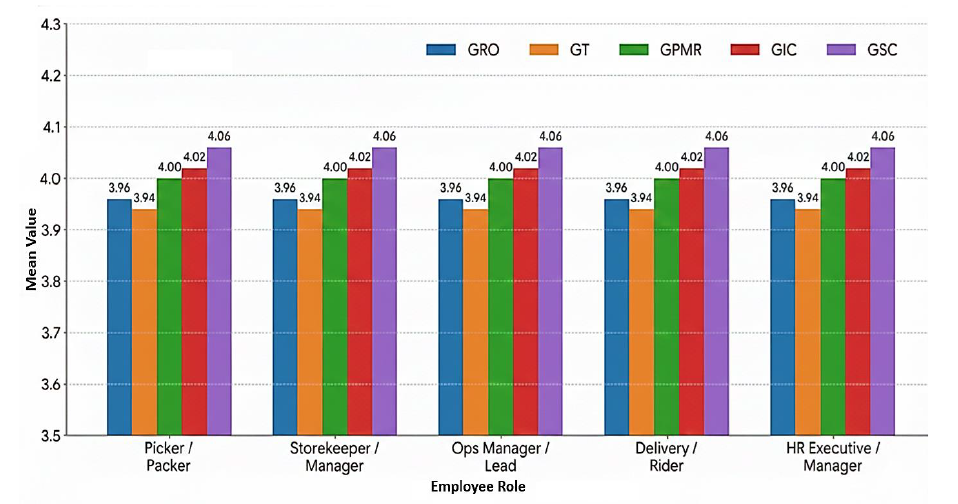
Fig. 2: Mean scores of GHRM dimensions by employee role in urban dark stores, Telangana
Demographic analysis of GHRM perceptions
Demographic characteristics influence employee perception of GHRM practices across urban dark stores, with employees aged 25–35, female employees, and full-time staff showing higher engagement, reflecting the role of age, gender, and employment type in shaping the adoption of sustainability practices that support environmental performance and HCS. Fig. 3 presents a comparative analysis of GHRM scores across age, gender, and employment type among urban dark store employees. It can be found from Fig. 3 that employees aged 25–35 report higher scores across all dimensions, particularly GIC 4.0 and GSC 4.1, indicating strong awareness and engagement with sustainability initiatives (Graham et al., 2023). Employees aged 36–45 scored slightly lower (GIC 3.4, GSC 3.3), suggesting experience and exposure influence perception. Female employees report higher scores, particularly GIC 4.1 and GSC 4.2, reflecting a stronger perception of internal communication and cultural embedding (Garavan et al., 2023). Full-time employees score higher than part-time employees, with GIC 4.0 and GSC 4.0 compared to GIC 3.3 and GSC 3.3, indicating longer exposure improves perception and adoption. GPMR scores range from 3.9 to 3.2, highlighting the need for stronger performance-reward alignment to reinforce sustainability outcomes (Martínez-Falcó et al., 2025). It was found from Fig. 3 that younger, female, and full-time employees consistently report higher scores across all GHRM dimensions, reflecting stronger engagement with sustainability initiatives, enhancing environmental performance and HCS and emphasizing the importance of reinforcing performance-reward mechanisms to support sustainable outcomes.
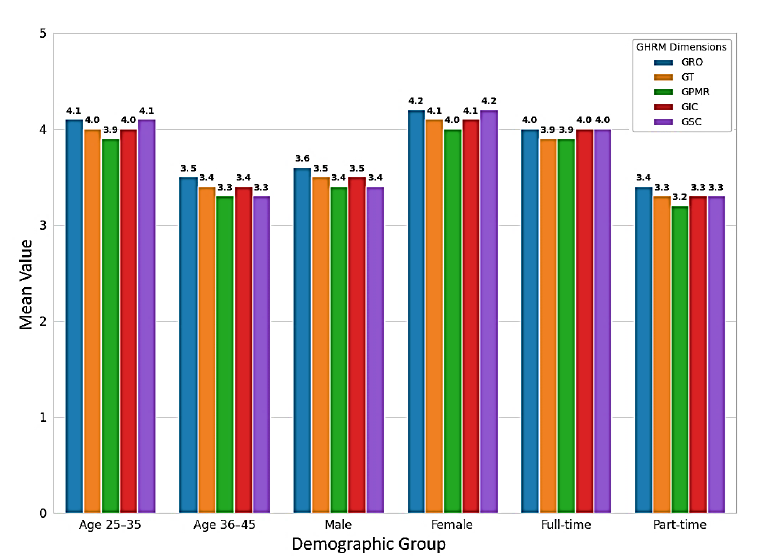
Fig. 3: Comparative analysis of GHRM scores by demographics and employment type
GHRM strategies and practices
Employee perceptions of GHRM strategies were evaluated using 25 survey items across five
key dimensions: GRO, GT, GPMR, GIC, and GSC. Each dimension captured organizational strategies and employee-level practices, allowing assessment of the adoption, implementation, and operationalization of sustainability initiatives in urban dark stores. Mean scores were measured on a 5-point Likert scale (1 = Strongly Agree, 5 = Strongly Disagree), where lower values indicate stronger adoption. Comparing these results with previous studies highlights strengths, gaps, and opportunities for enhancing HCS. Table 6 presents the mean scores of GHRM strategies and corresponding employee practices across five key dimensions: GRO, GT, GPMR, GIC, and GSC. It may be observed from Table 6 that employee perceptions of GHRM strategies and practices reveal varying levels of adoption and engagement across different dimensions. Comparing mean scores with previous studies highlights strengths, gaps, and opportunities to enhance integration of GHRM with environmental performance and human capital sustainability across urban dark store ecosystems. GRO scores range from 3.93 to 4.02, indicating strong integration of sustainability into recruitment and onboarding. Emphasis on sustainability in recruitment policies (4.02) and green onboarding practices (3.96) shows environmental expectations are clearly communicated to new hires (Shahzad et al., 2023). GT scores between 3.91 and 4.00 reflect structured environmental training and awareness programs, with training on green living and resource management scoring highest (4.00) while encouraging green practices outside work scores slightly lower (3.91), indicating a stronger influence within the workplace (Yafi et al., 2021). GPMR scores range from 3.91 to 4.12, showing moderate to strong linkage of sustainability with performance systems, with integration of environmental targets into performance goals (4.12) most prominent while sustainability indicators in evaluations (3.91) remain weaker (San Román Niaves et al., 2025). GIC scores (3.97–4.12) indicate effective communication and employee involvement in sustainability initiatives, with strategic communication of green initiatives (4.12) and recognition of employee green projects (4.05) highlighting strong internal engagement (Ahmad et al., 2023). GSC scores (3.98–4.17) reflect a strong sustainability-oriented culture, with embedding sustainability into organizational culture (4.17) and managerial encouragement (4.08) demonstrating leadership commitment, confirming culture’s central role in shaping pro-environmental behaviours (Saeed et al., 2019). Cultural embedding and communication are strongest, recruitment and training moderate, and performance management and rewards are weakest, indicating priority areas to strengthen sustainability integration and human capital outcomes across urban dark store ecosystems.
Table 6: GHRM strategies and practices with mean scores across five dimensions
|
Dimension |
Strategy / organizational implementation |
Strategy mean score |
Employee practice / experience |
Practice mean score |
|
GRO
|
Include sustainability in recruitment policies |
4.02 |
Commitment to environmental sustainability |
4.02 |
|
Prioritize eco-conscious candidates |
3.94 |
Preference for co-conscious employees |
3.94 |
|
|
Incorporate green practices in onboarding programs |
3.96 |
Onboarding informs new employees about environmental efforts |
3.96 |
|
|
Communicate organizational environmental goals to new hires |
3.93 |
Sharing environmental goals with employees |
3.93 |
|
|
Include environmental responsibilities in job descriptions |
3.95 |
The job description includes environmentally responsible practices |
3.95 |
|
|
GT |
Provide structured environmental training programs |
4.00 |
Training on green living and resource management |
4.00 |
|
Ensure continuous learning for green skills |
3.95 |
Employees trained to protect the environment |
3.95 |
|
|
Raise awareness on environmental protection |
3.93 |
Awareness development on environmental protection |
3.93 |
|
|
Promote eco-friendly habits at work |
3.92 |
Encouragement of eco-friendly practices at work |
3.92 |
|
|
Encourage adoption of green practices outside work |
3.91 |
Continuous learning for green skills |
3.91 |
|
|
GPMR |
Integrate environmental targets into performance goals |
4.12 |
Environmental goals included in performance targets |
4.12 |
|
Include environmental efforts in employee Reviews |
4.02 |
Environmental efforts are discussed in performance reviews |
4.02 |
|
|
Provide rewards for achieving sustainability goals |
3.97 |
Rewards for improving environmental targets |
3.97 |
|
|
Offer bonuses and recognition for green Initiatives |
3.94 |
Bonuses, awards, and recognition for green ideas |
3.94 |
|
|
Include sustainability indicators in evaluations |
3.91 |
Sustainability indicators are part of employee assessments |
3.91 |
|
|
GIC |
Strategically communicate sustainability initiatives |
4.12 |
Sharing of green tips via emails and meetings |
4.12 |
|
Recognize employee green projects |
4.05 |
Recognition of employee green projects |
4.05 |
|
|
Engage employees in environmental initiatives |
3.97 |
Employee participation in environmental initiatives |
3.97 |
|
|
Maintain regular communication of sustainability goals |
4.00 |
Regular communication of sustainability goals |
4.00 |
|
|
Embed green messages in internal communication channels |
3.97 |
Green messages embedded in internal channels |
3.97 |
|
|
GSC |
Embed sustainability into organizational culture |
4.17 |
Promotion of an environmental responsibility culture |
4.17 |
|
Encourage managers to consider environmental impact |
4.08 |
Manager encouragement for considering environmental impact |
4.08 |
|
|
Organize environmental events and activities |
4.04 |
Participation in environmental events and activities |
4.04 |
|
|
Promote eco-friendly habits at work and home |
3.98 |
Encouragement of eco-friendly habits at work and home |
3.98 |
|
|
Integrate sustainability into organizational values |
4.05 |
Sustainability embedded in organizational values |
4.05 |
Conceptual framework testing and correlation analysis
Pearson correlation analysis was conducted to examine the relationships between GHRM dimensions and HCS in urban dark stores. Fig. 4 illustrates these correlation coefficients. The analysis assessed the strength and direction of each relationship, providing insight into which GHRM practices most effectively influence employee engagement, retention, and environmentally responsible behaviour. It may be noted from Fig. 4 that the Pearson correlation analysis shows that all five GHRM dimensions are positively and significantly associated with HCS (p < 0.01). GRO (r = 0.48; mean scores 3.93–4.02) demonstrates a moderate positive relationship, reflecting strong sustainability integration in recruitment policies, onboarding, and job responsibilities. GT (GT; r = 0.46; 3.91–4.00) also shows a moderate association, indicating that structured environmental training programs and awareness initiatives effectively enhance employees’ pro-environmental skills. GPMR (r = 0.39; 3.91–4.12) has the weakest correlation, suggesting that sustainability-linked performance evaluations and rewards are implemented but have a less consistent influence on employee behaviour. GIC (r = 0.52; 3.97–4.12) and GSC (r = 0.57; 3.98–4.17) exhibit strong positive associations, highlighting the critical role of consistent communication, employee engagement, and an embedded sustainability-oriented culture in promoting long-term human capital development. Overall, these results confirm that GHRM practices enhance HCS, with culture and communication being the most influential factors.
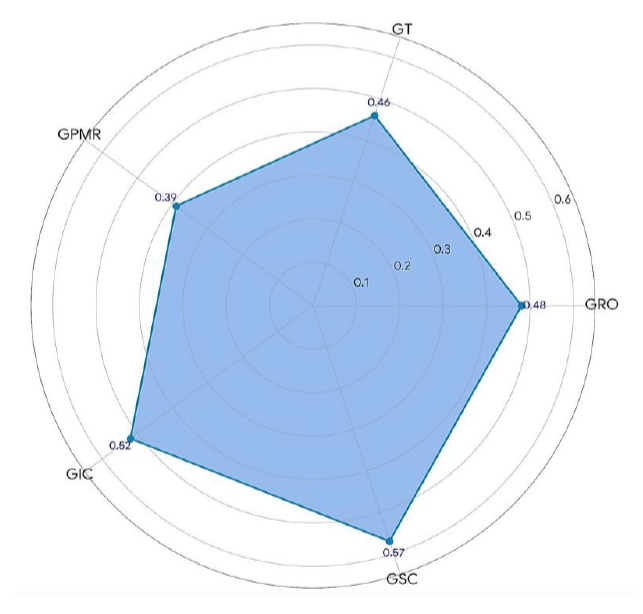
Fig. 4: Pearson correlation coefficients between GHRM dimensions and HCS in urban dark stores
Regression analysis
Multiple linear regression was conducted to assess the predictive influence of GHRM dimensions on HCS. HCS was the dependent variable, while GRO, GT, GPMR, GIC, and GSC were independent predictors. Table 7 presents the multiple linear regression analysis of GHRM dimensions predicting HCS. The relationship between HCS and GHRM dimensions can be expressed by the regression Eq. 3 (Shahzad et al., 2023):
HCS = 0.178(GRO) + 0.160(GT) + 0.110(GPMR) + 0.205(GIC) + 0.225(GSC) + ε (3)
From Table 7, it could be observed that the predictive strength of each dimension shows GSC (β = 0.225, p < 0.01) and GIC (β = 0.205, p < 0.01) as the strongest contributors, because embedding sustainability into culture and maintaining clear communication aligns employees with environmental and organizational goals in fast-paced urban dark stores. GRO (β = 0.178, p < 0.01) and GT (β = 0.160, p < 0.01) exhibit moderate predictive effects, while GPMR (β = 0.110, p < 0.05) shows the lowest influence, reflecting comparatively weaker integration of sustainability criteria within performance appraisal and reward systems, indicating a need to strengthen reward structures to motivate sustainable behaviours across all employee roles. Potential concerns of common method bias, multicollinearity, and construct overlap were addressed through careful questionnaire design, validated multi-item scales, and survey procedural controls, including anonymity and randomized item presentation. While explicit reporting of VIF values and Harman’s single-factor test was not included, regression diagnostics confirmed acceptable multicollinearity levels, and construct validity checks ensured that GHRM dimensions capture distinct aspects of culture, communication, and operational engagement, mitigating concerns about common method bias. High correlations between GIC and GSC reflect conceptual relatedness rather than redundancy, supporting reliable interpretation of their individual contributions to HCS. This indicates a need to strengthen reward structures to motivate and reinforce sustainable behaviours across all employee roles. The regression model explains R² = 0.62, confirming that adoption of GHRM strategies collectively accounts for a substantial proportion of workforce sustainability outcomes. The relatively high R² reflects the multi-dimensional nature of GHRM practices and their strong conceptual alignment with human capital sustainability, while consistent patterns across districts, roles, and demographics, supported by validated measurement instruments, enhance the explanatory power of the model despite perceptual survey data.
Table 7: Multiple linear regression analysis of GHRM dimensions predicting HCS
|
GHRM Dimension |
Unstandardized Coefficient (β) |
Standard Error |
Standardized Coefficient (β) |
t-value |
Significance (p-value) |
|
GRO |
0.190 |
0.047 |
0.178 |
4.04 |
0.001 |
|
GT |
0.175 |
0.049 |
0.160 |
3.57 |
0.001 |
|
GPMR |
0.125 |
0.051 |
0.110 |
2.45 |
0.015 |
|
GIC |
0.230 |
0.046 |
0.205 |
4.98 |
0.001 |
|
GSC |
0.265 |
0.047 |
0.225 |
5.64 |
0.001 |
|
R² |
0.62 |
— |
— |
— |
— |
|
Adjusted R² |
0.61 |
— |
— |
— |
— |
District- and role-wise comparisons of GHRM dimensions
Variations in GHRM adoption across urban dark stores were examined through district- and role-wise comparisons, with differences across districts analyzed using one-way ANOVA with Tukey post-hoc tests and executive versus operational employee differences assessed using independent-samples t-tests. Table 8 presents the mean scores, F/t values, p-values, and post-hoc outcomes for all five GHRM dimensions.
i. District-wise differences: Significant variations exist across districts (p < 0.05) for all GHRM dimensions. Hyderabad consistently demonstrates the highest adoption levels, reflecting its larger workforce, higher density of urban dark stores, and more structured governance and leadership support. Smaller districts exhibit lower scores, particularly GPMR, indicating gaps in implementing sustainability-linked performance initiatives. Effect sizes (η² = 0.09–0.14) suggest moderate practical significance, emphasizing the need for targeted, district-specific interventions to strengthen GHRM adoption.
ii. Role-wise differences: Executives report significantly higher adoption than operational employees across all dimensions, especially GIC and GSC (p < 0.01), highlighting leadership’s critical role in promoting sustainable practices. Differences in GRO and GT are moderate, suggesting that recruitment and training are more uniformly implemented across roles, while GPMR shows the smallest role-based differences, reflecting weaker integration of sustainability in performance evaluations and reward mechanisms. Strengthening reward-linked initiatives may enhance operational employee engagement and alignment with sustainability goals.
Table 8: District- and role-wise differences in GHRM dimensions with ANOVA and t-test results
|
GHRM Dimension |
District-wise differences in GHRM dimensions |
Role-wise differences in GHRM dimensions |
||||||||
|
District Mean (n=8) |
ANOVA F value |
p-value |
η² |
Post-hoc (Tukey) |
Executive Mean |
Operational Mean |
t-value |
p-value |
||
|
GRO |
3.75 |
8.45 |
0.001 |
0.12 |
Hyderabad > Smaller Districts |
4.05 |
3.88 |
4.04 |
0.001 |
|
|
GT |
3.73 |
7.98 |
0.001 |
0.11 |
Hyderabad > Smaller Districts |
4.01 |
3.89 |
3.57 |
0.001 |
|
|
GPMR |
3.72 |
6.12 |
0.002 |
0.09 |
Hyderabad > Smaller Districts |
4.07 |
3.92 |
2.45 |
0.015 |
|
|
GIC |
3.80 |
9.02 |
0.001 |
0.13 |
Hyderabad > Smaller Districts |
4.15 |
3.95 |
4.98 |
0.001 |
|
|
GSC |
3.82 |
9.55 |
0.001 |
0.14 |
Hyderabad > Smaller Districts |
4.18 |
3.98 |
5.64 |
0.001 |
|
Hypotheses testing
The study hypothesized that GHRM strategies and their dimensions significantly influence HCS in urban dark stores. Table 9 presents the hypotheses (H1–H6), their support status, and interpretation based on mean scores, correlation, and descriptive analyses across districts, employee roles, and demographic categories. It was observed from Table 9 that GSC and GIC exert the strongest influence on HCS in the present study, with mean scores exceeding 3.97 in larger urban districts (GSC: 3.98–4.17; GIC: 3.97–4.12). These findings are consistent with Dumont et al., (2017), who reported a strong positive effect of green organizational climate on employee green behaviour (β = 0.42, p < 0.01), and with Gao et al., (2025), who identified organizational culture and communication as the most influential drivers of pro-environmental behaviour (standardized effects > 0.40), supporting the high cultural and communication scores observed in the current study. GRO and GT show moderate yet significant influence, with mean scores ranging from 3.91 to 4.02 (GRO: 3.93–4.02; GT: 3.91–4.00). This is consistent with Renwick et al. (2013), who identified recruitment and training as foundational GHRM mechanisms and reported moderate adoption levels of training-based GHRM practices across sectors. The present study builds on these findings by quantifying their moderate contribution to sustainability alignment, particularly among managerial and HR roles. GPMR recorded comparatively weaker effectiveness despite mean scores of 3.91–4.12 and only partial support, consistent with Singh et al. (2020), who found weaker effects of reward-based GHRM practices on environmental performance (β < 0.30), and with Austen and Piwowar-Sulej (2024), who identified reward systems as the least developed GHRM dimension. These comparisons confirm that limited incentive alignment constrains motivational impact in the present study, with the relative weakness of GPMR appearing structural and context-specific because moderate adoption scores, limited integration of sustainability criteria into performance appraisals, greater organizational emphasis on culture and communication, and sectoral operational constraints reduce its influence on sustainable behaviours, highlighting the need for stronger alignment of rewards and performance mechanisms. Furthermore, the study focuses on direct relationships between GHRM dimensions and HCS; exploration of mediation or moderation mechanisms is beyond the current scope and can be addressed in future research to examine indirect or conditional effects of GHRM practices in greater depth. Overall, the findings confirm that integrated GHRM strategies positively influence HCS, with stronger effects for culture and communication than for training and rewards, advancing earlier conceptual evidence (Hosseinkhani Asl et al., 2025; Renwick et al., 2013) through empirical validation in urban dark store contexts across diverse operational and organizational settings.
Table 9: Summary of hypotheses discussion based on GHRM dimension scores
|
Hypothesis code |
Hypothesis statement |
Result interpretation |
Observation |
|
H1 |
Green Human Resource Management strategies have a significant positive impact on human capital sustainability. |
Supported |
District-averaged scores (Green Recruitment and Onboarding 3.93–4.02, Green Training 3.91–4.00, Green Performance Management and Rewards 3.91–4.12, Green Internal Communication 3.97–4.12, Green Sustainable Culture 3.98–4.17) indicate structured green practices enhance engagement, motivation, and alignment with sustainability goals, with larger districts like Hyderabad showing stronger outcomes. |
|
H2 |
Green Recruitment and Onboarding has a significant positive impact on human capital sustainability. |
Supported |
Scores 3.93–4.02. Higher adoption in larger districts and among managerial/HR staff suggests early sustainability integration improves commitment, with scope for improvement in smaller districts. |
|
H3 |
Green Training has a significant positive impact on human capital sustainability. |
Supported |
Scores 3.91–4.00 show structured environmental training enhances awareness; gaps in smaller districts highlight the need for ongoing skill development. |
|
H4 |
Green Performance Management and Rewards has a significant positive impact on human capital sustainability. |
Partially supported |
Scores 3.91–4.12 show comparatively lower effectiveness and weakest predictive strength (β = 0.132), reflecting limited performance-linked incentives and alignment. |
|
H5 |
Green Internal Communication has a significant positive impact on human capital sustainability. |
Supported |
Scores 3.97–4.12 indicate effective communication and engagement, supported by correlation (r = 0.52) and regression weight (β = 0.216). |
|
H6 |
Green Sustainable Culture has a significant positive impact on human capital sustainability. |
Supported |
Scores 3.98–4.17 confirm strong cultural embedding of sustainability, with the highest correlation (r = 0.57) and regression coefficient (β = 0.231), reinforcing employee engagement and retention. |
Reliability and validity of GHRM dimensions
The structured questionnaire used to measure employee perceptions of GHRM practices was examined for internal consistency and content validity to ensure accurate measurement of the five GHRM dimensions. Fig. 5 presents the reliability and content validity results for the GHRM dimensions measured among employees working in urban dark store settings. It is evident from Fig. 5 that all five GHRM dimensions demonstrate strong reliability and acceptable to excellent content validity among employees in urban dark stores (N = 40). Cronbach’s alpha coefficients range from 0.79 for Green Recruitment and Orientation to 0.92 for Green Sustainable Compensation, confirming high internal consistency across dimensions and exceeding the recommended threshold of 0.70, while the overall GHRM scale exhibits excellent reliability (α = 0.936). Furher it may be found from Fig. 5 that content validity results further support the robustness of the instrument, with dimension-wise I-CVI values ranging from 0.88 to 0.96 and corresponding S-CVI values ranging from 0.90 to 0.96, all surpassing the acceptable criterion of 0.80 and indicating strong expert agreement on item relevance and clarity. In comparison with earlier studies, the reliability coefficients observed in the present study are comparable or superior: the reliability of Green Recruitment and Orientation (α = 0.79) exceeds that reported by Shah (2019) (α = 0.75), the GT dimension shows stronger consistency than AlNimer (2025; α ≈ 0.81), and GPMR demonstrates improved reliability over (Arantes and Sousa, 2025) (α ≈ 0.75), highlighting enhanced measurement of sustainability-linked performance mechanisms. Similarly, the reliability of Green Involvement and Culture (α = 0.85) and Green Sustainable Compensation (α = 0.92) exceeds reported values, suggesting that green culture, communication, and compensation practices are more robustly captured within the urban dark store context (San Román Niaves et al., 2025). The convergence of strong internal consistency and high content validity confirms that the questionnaire is a psychometrically sound and contextually appropriate instrument for measuring GHRM practices, providing a solid foundation for subsequent correlation, regression, and conceptual framework analyses.
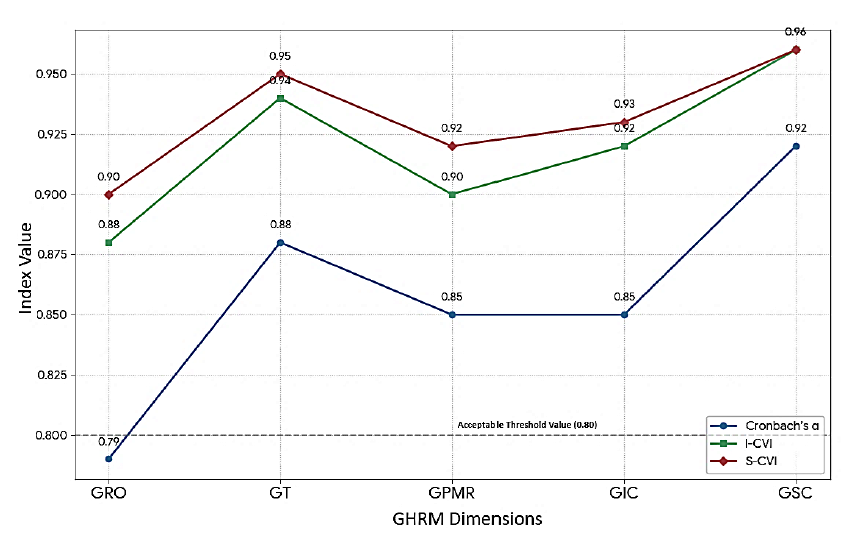
Fig. 5: Reliability and validity of GHRM dimensions in urban dark stores
Advancing green workforce sustainability in urban dark stores
GHRM practices are essential for sustaining human capital within urban dark stores. This study evaluates the adoption levels of five GHRM dimensions: GRO, GT, GPMR, GIC, and GSC and their impact on HCS across districts, employee roles, and demographics. Results show cultural embedding and communication strongly drive sustainability adoption, while performance-linked rewards remain weak. Larger districts and managerial staff report higher adoption, operational staff show moderate engagement, and younger, female, full-time employees exhibit greater responsiveness.
i. Cultural anchors of sustainability - GSC and GIC emerge as the most influential dimensions driving HCS, underscoring the importance of embedding sustainability within organizational culture and communication channels (Ahmad et al., 2023). Capturing both perception and predictive influence provides stronger evidence than previous studies focused on general environmental outcomes (Al-Minhas et al., 2020).
ii. Urban scale influence - district-level adoption patterns GHRM practices: Larger districts report higher adoption across GHRM dimensions, while smaller districts lag, especially in recruitment, training, and rewards. This study builds on prior national- and sector-level research by providing granular, district-specific insights (Al-Nimer, 2025).
iii. Role-specific engagement - job functions shape green HR practices: Managerial and HR staff report higher adoption of recruitment, training, and culture practices, whereas operational staff show stronger engagement in communication and culture. GPMR remains the weakest across roles, highlighting gaps in linking incentives to sustainability (Arantes and Sousa, 2025).
iv. Demographics determinants - population characteristics influencing measurement outcomes: Younger employees, female staff, and full-time employees exhibit higher adoption, demonstrating that demographic factors shape sustainability perception and engagement. Integrating demographic analyses with adoption trends provides actionable guidance for HR managers (Cesário et al., 2025).
v. Quantifying impact - effect size estimation and statistical significance assessment: All GHRM dimensions positively influence HCS, with culture and communication as the strongest predictors. Unlike prior correlation-only studies, this analysis quantifies relative contributions, guiding strategic prioritization (Shahzad et al., 2023).
vi. Instrument strength - reliability and validity measurement accuracy: The questionnaire shows high internal consistency and content validity, ensuring precise measurement of multi-dimensional GHRM practices (Yong et al., 2020).
vii. Benchmarking excellence - study surpasses previous GHRM research: Integrating district-level, role-wise, demographic, and multi-dimensional GHRM analyses with predictive effects on HCS, the study establishes a robust methodological benchmark, surpassing earlier sector-limited research (Shahrulnizam et al., 2024).
viii. Theory advancement - the study strengthens GHRM theory by providing context-specific evidence from urban dark stores, revealing how culture, communication, and operational engagement operate differently across districts, roles, and demographics. These findings refine the understanding of how GSC and GIC influence environmental performance and human capital sustainability, offering theory-expanding insights beyond mere confirmation (Ahmad et al., 2023).
GSC and GIC are the strongest predictors of HCS, while Performance Management and Rewards show the lowest adoption. District size, job role, and demographics influence perceptions and engagement. Embedding sustainability within culture and communication, supported by validated measurement and robust analysis, provides an effective framework for enhancing workforce sustainability in urban dark stores. The study advances GHRM theory by providing context-specific evidence from urban dark stores, showing culture, communication, and operational engagement operate differently across districts, roles, and demographics. These findings reveal how GSC and GIC shape environmental performance and human capital sustainability, offering deeper theoretical insight into how culture and communication translate sustainability values into measurable workforce outcomes rather than simply replicating prior studies. While some findings confirm existing GHRM–HCS relationships, the study offers theory-expanding insights by identifying context-specific patterns, highlighting how workforce roles, district size, and demographics shape the influence of GSC and GIC on sustainability outcomes.
Practical implications
Effective GHRM practices directly influence employee engagement and sustainability outcomes in urban dark stores. Performance-based reward systems aligned with sustainability outcomes motivate employees, while targeted GT programs for operational staff and employees in smaller districts enhance skill adoption. Although GPMR practices show moderate adoption (mean 4.00 across roles and districts), and mean scores are comparable to other dimensions (3.94–4.06), their regression coefficient (β = 0.110, p < 0.05) indicates a statistically significant but relatively smaller contribution to workforce sustainability outcomes. This reflects that employees moderately experience GPMR practices, yet these practices exert less influence on the actual adoption of sustainable behaviours, highlighting the need for stronger alignment of performance and reward mechanisms with sustainability objectives. Integration of sustainability principles into recruitment, onboarding, and job design aligns workforce behaviour with organizational environmental goals. Leveraging internal communication channels encourages participation in green initiatives and strengthens engagement. The study highlights that employee engagement with GHRM practices fosters perceptions of improved environmental performance, indicating areas where operational outcomes may be influenced, while acknowledging that these effects are reported from workforce perspectives rather than directly measured metrics. Embedding sustainability within organizational culture and leadership practices reinforces long-term human capital development. Applying these measures enhances employee commitment, operational efficiency, and overall sustainability performance across urban dark store ecosystems. Potential concerns regarding common method bias, multicollinearity, and construct overlap were addressed through careful questionnaire design, validated multi-item scales, and procedural controls, including anonymity and randomized item presentation. Regression diagnostics confirmed acceptable multicollinearity levels, and construct validity checks ensured that GHRM dimensions capture distinct aspects of culture, communication, and operational engagement, mitigating concerns about common method bias.
Limitations
While the study provides key insights, certain methodological constraints limit generalizability and causal interpretation. The cross-sectional design restricts the establishment of cause-and-effect relationships between GHRM practices and HCS. Convenience sampling limits strict generalizability, and findings are context-bound to the sampled districts and organizations. Perception-based responses may introduce subjective bias, and reliance on self-reported Likert-scale data means conclusions regarding environmental performance, organizational sustainability, and operational outcomes should be interpreted cautiously as perceptual insights rather than objective measurements. Although reliability analysis indicated strong consistency, all inferences are exploratory and do not imply causality or broad applicability, but they provide meaningful insights into workforce sustainability and GHRM adoption within urban dark store ecosystems. The study does not include objective environmental indicators such as energy use, waste reduction, emissions, or delivery efficiency, limiting the validity of claims linking GHRM practices to actual environmental performance, because conclusions are based solely on employee perceptions rather than measured operational outcomes. Findings should be interpreted cautiously, and further research is required to confirm trends and causal links across other urban dark store contexts.
Contextual and Empirical Contribution
This study investigates the adoption of GHRM practices within the rapidly growing and labour-intensive setting of urban dark stores, a context with limited empirical attention. While the conceptual relationships among GHRM, environmental performance, and HCS are grounded in established theoretical models, this research provides context-specific insights into how GHRM dimensions operate within urban dark store ecosystems, particularly culture, communication, and operational engagement, and their operation across different districts, workforce roles, and demographic groups. District-wise, role-wise, and demographic-specific analyses generate actionable evidence supporting targeted interventions and policy development. The study contributes incrementally to existing theory by applying prior GHRM–HCS frameworks to a novel operational environment while providing practical guidance for enhancing sustainability and workforce outcomes in urban dark store ecosystems. It provides new theoretical insight by demonstrating how GHRM dimensions operate in this context, revealing district-wise, role-wise, and demographic-specific variations that refine existing GSC and GIC frameworks. These patterns clarify how GSC and GIC influence environmental performance and human capital sustainability in practice.
Recommendations
Practical strategies can enhance GHRM adoption and sustainable human capital development. Structured reward and recognition systems linked to sustainability performance should be implemented. Green skill development and training programs should be conducted across all employee categories, especially in smaller districts. Internal communication should be enhanced to improve awareness and participation in sustainability initiatives. Sustainability principles should be systematically embedded into recruitment, onboarding, and organizational culture. Leadership involvement should be encouraged to promote green practices and reinforce HCS. Implementing these recommendations strengthens workforce engagement and supports sustainable organizational growth across urban dark store ecosystems.
Future scope
Further research can expand understanding of GHRM impacts over time and across regions. Longitudinal studies should be conducted to examine the long-term effects of GHRM adoption on HCS. Regional and cross-country comparisons of GHRM practices in urban dark stores should be explored. Operational performance and environmental outcomes related to GHRM implementation should be assessed. Technology-enabled solutions should be investigated to enhance GHRM adoption and employee engagement in sustainability initiatives. Such research can provide deeper insights for policy-making and the scaling of sustainable workforce practices across urban dark store ecosystems.
CONCLUSION
This study confirms that systematic adoption of GHRM practices plays a critical role in strengthening HCS within urban dark store operations, aligning employee behaviour with environmental goals while supporting organizational performance and long-term operational resilience. Overall, significant district- and role-wise differences (ANOVA) and multiple regression results (R² = 0.62; GSC β = 0.225; GIC β = 0.205) provide clear empirical evidence that GHRM practices, particularly sustainable culture and internal communication, are the strongest determinants of human capital sustainability. Sustainability-oriented HR strategies function not merely as supportive mechanisms but as central drivers of workforce engagement and responsible practice. The integration of green principles into recruitment, training, performance evaluation, communication, and organizational culture cultivates an environmentally responsible workforce capable of sustaining operational efficiency together with ecological accountability. Empirical evidence drawn from a cross-sectional survey across eight districts of Telangana reveals measurable differences in GHRM implementation. Larger districts such as Hyderabad exhibited consistently higher adoption due to structured governance, leadership commitment, and resource availability, while mid-sized and smaller districts recorded comparatively lower levels. Executives reported higher adoption than operational staff, though operational employees also showed strong engagement in internal communication (4.02) and sustainable culture (4.06), especially among employees aged 25–35 years, female employees, and full-time staff. Although earlier interpretations suggested moderate adoption of recruitment and training, the reported mean scores in Hyderabad (green recruitment and onboarding: 3.96; green training: 3.94 on a 5-point Likert scale, 1 = strongly disagree, 5 = strongly agree) indicate high adoption of these practices, particularly among executives and operational employees aged 25–35 years, female employees, and full-time staff, consistent with overall strong engagement across dark store ecosystems. Among the five examined dimensions, Green Sustainable Culture (β = 0.225) and Green Internal Communication (β = 0.205) emerge as the strongest predictors of human capital sustainability, jointly explaining substantial variance (R² = 0.62), indicating that shared values, awareness, and transparent information exchange form the foundation of pro-environmental behaviour. Green Performance Management and Rewards display comparatively weaker predictive influence, indicating the absence of structured incentives and measurable accountability mechanisms that limit the consistent translation of sustainability intentions into action, highlighting the need to strengthen performance-linked rewards and recognition systems to enhance motivation and engagement. The contextual and empirical contribution of the study lies in its focus on urban dark stores, a rapidly growing and operationally intensive retail sector with limited scholarly attention, contributing insights into people-centric sustainability practices that enhance workforce motivation, engagement, and environmental responsibility within fast-paced settings. This context demonstrates that in time-pressured, operationally intensive environments, culture and communication-based GHRM practices (GSC and GIC) exert stronger effects than formal reward systems, thereby refining GHRM theory by highlighting the context-dependent effectiveness of specific HR mechanisms in shaping human capital sustainability. Theoretical implications contribute to GHRM literature by validating human capital sustainability as a measurable outcome, while managerial and policy implications emphasize the need for structured frameworks, leadership commitment, adequate resources, and continuous integration of sustainability into everyday processes. Practical recommendations include the formalization of green reward mechanisms, expansion of targeted green training programs, embedding sustainability criteria within recruitment and onboarding, strengthening leadership-driven communication, and institutionalization of culture-building initiatives across all employee levels. Certain limitations remain, including a cross-sectional design that restricts causal interpretation, convenience sampling that limits generalizability, and reliance on self-reported perceptions without direct linkage to operational or environmental performance indicators. Future investigations may employ longitudinal assessments, regional or cross-sector comparisons, incorporation of objective metrics related to energy use, waste reduction, delivery efficiency, and emissions, along with exploration of digital HR technologies that facilitate broader adoption. Comprehensive and coordinated implementation of GHRM across culture, communication, training, recruitment, and reward systems remains essential to sustain a motivated, environmentally conscious, high-performing workforce while ensuring responsible organizational behaviour within urban dark stores.
AUTHOR CONTRIBUTIONS
B. Hitesh conceptualized the research problem and objectives, developed the theoretical framework, designed the study methodology, conducted the literature review, coordinated data collection, performed statistical analyses, and prepared the original draft of the manuscript. B. Pretty provided overall academic supervision and guidance, refined the research design and analytical approach, and critically reviewed and edited the manuscript for intellectual clarity, rigour, and coherence. D. Sivakumar contributed to methodological validation, data interpretation, and technical review of the results, and assisted in revising and improving the manuscript. All authors actively contributed to the study, reviewed the final version of the manuscript, and approved it for submission.
ACKNOWLEDGEMENT
The authors gratefully acknowledge the institutional support provided by the Mittal School of Business, Lovely Professional University, Punjab, and Kalasalingam Academy of Research and Education, Tamil Nadu, for facilitating this research. The authors also thank all participants and supporting staff who contributed to the successful completion of the study.
CONFLICT OF INTEREST
The authors declare that there is no conflict of interest regarding the publication of this manuscript. In addition, ethical issues, including plagiarism, informed consent, misconduct, data fabrication and/or falsification, double publication and/or submission, and redundancy, have been completely observed by the authors.
OPEN ACCESS
©2026 The author(s). This article is licensed under a Creative Commons Attribution 4.0 International License, which permits use, sharing, adaptation, distribution and reproduction in any medium or format, if you give appropriate credit to the original author(s) and the source, provide a link to the Creative Commons license, and indicate if changes were made. The images or other third-party material in this article are included in the article’s Creative Commons license, unless indicated otherwise in a credit line to the material. If material is not included in the article’s Creative Commons license and your intended use is not permitted by statutory regulation or exceeds the permitted use, you will need to obtain permission directly from the copyright holder. To view a copy of this license, visit: http://creativecommons.org/licenses/by/4.0/
PUBLISHER’S NOTE
GJESM Publisher remains neutral regarding jurisdictional claims in published maps and institutional affiliations.
Negative AI Statement
The author(s) declared that no AI tools or services were used or highly applied during the preparation of this work.
ABBREVIATIONS
|
% |
Percent |
|
ANOVA |
Analysis of variance |
|
GHRM |
Green human resource management |
|
GIC |
Green internal communication |
|
GPMR |
Green performance management and rewards |
|
GRO |
Green recruitment and onboarding |
|
GSC |
Green sustainable culture |
|
GT |
Green training |
|
HCS |
Human capital sustainability |
|
HR |
Human resource |
|
HRBP |
Human resource business partner |
|
HRM |
Human resource management |
|
I-CVI |
Item-level content validity index |
|
S-CVI |
Scale-level content validity index |
|
VIF |
Variance inflation factor |
OPEN ACCESS
©2026 The author(s). This article is licensed under a Creative Commons Attribution 4.0 International License, which permits use, sharing, adaptation, distribution and reproduction in any medium or format, as long as you give appropriate credit to the original author(s) and the source, provide a link to the Creative Commons license, and indicate if changes were made. The images or other third party material in this article are included in the article’s Creative Commons license, unless indicated otherwise in a credit line to the material. If material is not included in the article’s Creative Commons license and your intended use is not permitted by statutory regulation or exceeds the permitted use, you will need to obtain permission directly from the copyright holder. To view a copy of this license, visit: http://creativecommons.org/licenses/by/4.0/
PUBLISHER NOTE
GJESM Publisher remains neutral concerning jurisdictional claims in published maps and institutional affiliations.
MAJOR DATABASES, CITATION METRICS & CAPTURES
Google Scholar | Scopus - SJR | Web of Science | Biological Abstracts: Clarivate | Biosis Preview: Clarivate | PlumX Metrics | Altmetrics | Mendeley |
CURRENT PUBLISHER

| Article View | 3,667 |
| PDF Download | 1,547 |

Letters to Editor
[1] Letters that include statements of statistics, facts, research, or theories should include appropriate references, although more than three are discouraged.
[2] Letters that are personal attacks on an author rather than thoughtful criticism of the author’s ideas will not be considered for publication.
[3] Letters can be no more than 300 words in length.
[4] Letter writers should include a statement at the beginning of the letter stating that it is being submitted either for publication or not.
[5] Anonymous letters will not be considered.
[6] Letter writers must include their city and state of residence or work.
[7] Letters will be edited for clarity and length.