
5.2
CiteScore
2.9
Impact Factor
Document Type : REVIEW PAPER
Authors
1 Research Centre for Estate Crops, National Research and Innovation Agency, Cibinong Science Center, Jl. Raya Jakarta - Bogor, Cibinong, Bogor, 16911 Indonesia
2 International Coconut Community, Jakarta 10430, Indonesia
3 Department of Computational Mathematics, Faculty of Computing, General Sir John Kotelawala Defence University, Rathmalana, Sri Lanka
4 Department of Plant Protection, Faculty of Agriculture, Sam Ratulangi University, Manado City, North Sulawesi, Indonesia
Graphical Abstract
Highlights
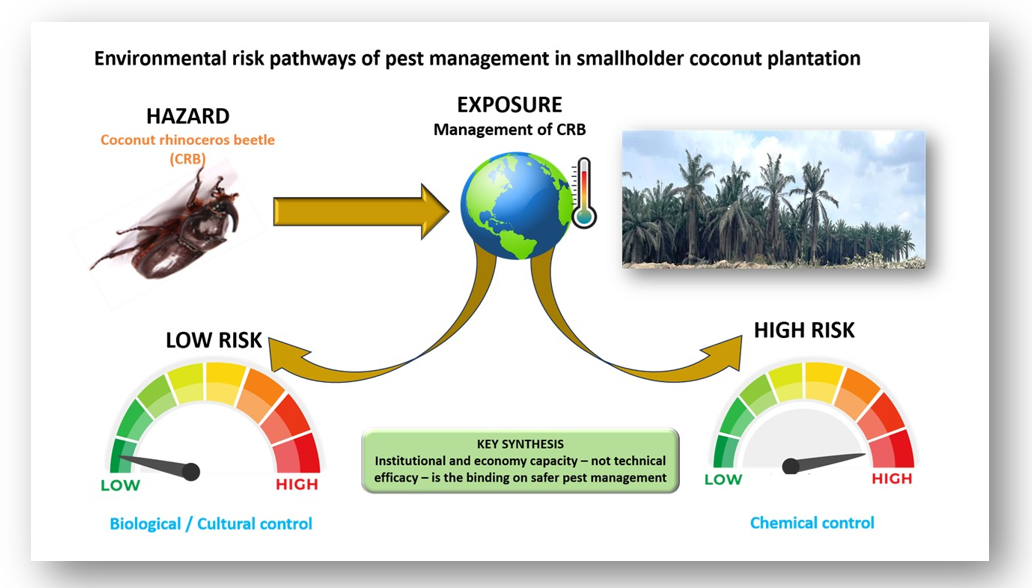
Ø Smallholder coconut plantations face a persistent, geographically expanding pest hazard whose management carries markedly different environmental risk profiles;
Ø Chemical pest-control practices remain common among smallholders despite documented ecotoxicological, contamination, and occupational exposure risks;
Ø Biological and cultural control options carry a substantially lower environmental risk profile and include options with documented field-deployment or laboratory bioassay evidence in Indonesian smallholder settings;
Ø The evidence reviewed points to institutional and economic capacity, more than technical efficacy alone, as a major constraint on safer pest management.
Keywords
INTRODUCTION
Coconut (Cocos nucifera L.) underpins the livelihoods of tens of millions of smallholder farmers across the tropics, and in most producing countries the crop is grown predominantly on smallholdings rather than large corporate estates. Comparative economic assessments within Indonesia indicate that diversified coconut intercropping practices consistently outperform monocropping by securing enhanced returns for smallholders under both national and private economic accounting criteria. Development programs have nonetheless historically still encouraged monocropping (Rani et al., 2018). More broadly, technical efficiency, profitability, and sustainability of coconut smallholdings remain sensitive to several production constraints. These range from ageing palm stands to limited access to credit and extension (Omar and Fasleen, 2020, 2021; Rusli and Isa, 2021; Agus, 2025; Bahri et al., 2026). Among the biotic constraints on smallholder coconut production, the coconut rhinoceros beetle (CRB), Oryctes rhinoceros (Linnaeus) (Coleoptera: Scarabaeidae), is one of the most persistent and economically damaging. Adult beetles bore into the crown of the palm to feed, damaging developing fronds and, under repeated attack, killing young or already-stressed palms (Bedford, 1976; Zelazny and Alfiler, 1987; Manley et al., 2018). Larvae develop in decaying organic matter that is often abundant around smallholder plantings, including felled trunks, compost, and other breeding substrates (Fauzana and Ustadi, 2020; Shen et al., 2025). The species' life-history characteristics exacerbate control challenges in smallholder agricultural matrices, wherein fragmented and decentralized breeding substrates limit the efficacy of the centralized sanitation protocols typically enforceable on managed estates. The geographic range of CRB has continued to expand. Beyond its long-established distribution across South and Southeast Asia and the Pacific, recent reports document continuing damage around Port Moresby, Papua New Guinea (Jackson et al., 2025a). Confirmed presence in Timor-Leste carries attendant biosecurity implications (Paudel et al., 2025). Further documentation confirms a sustained outbreak on Efate, Vanuatu (Paudel et al., 2023), marking both this regional expansion and the initial geographic establishment of the species within the Americas (Jackson et al., 2025b). Compounding the invasion risk, a genetically distinct haplotype, historically referred to as Guam biotype (CRB-G)-has been shown to escape control by the region's primary biological control agent, O. rhinoceros nudivirus (OrNV) (Marshall et al., 2017; Tanaka et al., 2021). This haplotype has driven renewed outbreaks across several Pacific islands (Anggraini, 2023; Weston et al., 2023), although recent genomic analyses confirm this invasive lineage did not disperse from Guam (Tay et al., 2024). Within Indonesia, field damage and infestation have been documented from East Java (Prastowo et al., 2022), and Rote-Ndao, East Nusa Tenggara (Nenotek et al., 2024). Further cases are reported from Jepara, Central Java (Indriyanti, 2017; Indriyanti et al., 2018), and Yogyakarta (Adi et al., 2023, 2025). This underscores that the problem recurs across the archipelago's smallholder coconut belt, rather than being geographically confined. The management framework for the CRB bridges a continuum from broad-spectrum chemical treatments to precise biological and cultural measures, wherein each intervention tier carries a distinct spectrum of environmental and occupational health hazards. A substantial general literature has established that insecticide use carries environmental risks extending well beyond the target pest. These include risks to pollinators and other non-target organisms (Goulson, 2013; Sponsler et al., 2019; Wan et al., 2025) and contamination of surface water and sediment (Sousa et al., 2016; Top et al., 2023). Occupational and residential exposure of applicators and nearby communities is also documented (Dereumeaux et al., 2020; Oltramare et al., 2023). General studies on smallholder agriculture practices highlights substantial vulnerabilities during pesticide administration, including negligible use of personal protective equipment, imprecise application dosing, and minimal formal risk-appraisal capacity. In the absence of CRB-specific empirical datasets, these systemic trends are considered broadly applicable to CRB management frameworks. As a result, the environmental risk profile of any CRB control program depends as much on who applies it and under what conditions as on the intrinsic toxicity of the product used. This study synthesizes evidence on CRB management options in smallholder coconut systems through an explicit environmental risk-assessment lens. Existing comprehensive literature has predominantly examined CRB biology and intervention efficacy as standalone objectives (Hassaan et al., 2025; Hosang et al., 2025). The aim of this study is to characterize the comparative hazard, exposure, and risk profile of the control strategies actually available to and adopted by smallholders. This study also examines, through Indonesian and comparable Southeast Asian and Pacific case evidence, why lower-risk options remain under-adopted despite their documented field performance. This study was carried out at the Research Centre for Estate Crops, National Research and Innovation Agency (BRIN), Bogor, Indonesia, in 2026.
METHODOLOGY
Methodologically, this review adopts a narrative synthesis rather than a systematic or quantitative protocol, aligning its scope with the evaluation of operational management cases across smallholder coconut systems rather than providing an exhaustive bibliographic catalog of CRB literature. The evidence base draws on 121 peer‑reviewed references across four domains: (i) CRB biology, invasion ecology, and genomics; (ii) chemical, biological, and cultural control efficacy; (iii) smallholder production economics and sociology; and (iv) general insecticide risk‑assessment literature, used as a comparative frame where CRB‑specific ecotoxicological data are lacking. Findings are presented as direct evidence when derived from studies on Oryctes rhinoceros or its management; otherwise, broader insecticide or smallholder literature is used for context and identified accordingly. Following a standardized environmental risk assessment paradigm (hazard identification, exposure assessment, risk characterization, and risk management), the initial phase focuses on the biological and invasive attributes of the CRB that perpetuate its persistent impact. Exposure assessment examines chemical and biological control practices reported in smallholder contexts, with emphasis on Indonesian cases. Risk characterization compares environmental and health profiles of these practices, while risk management considers institutional, economic, and technological factors shaping adoption of lower‑risk options. Within this framework, “hazard” denotes intrinsic toxicological or biological properties; “exposure” refers to pathways, dose, frequency, route, and receptor; and “risk” reflects their combination. Socioeconomic vulnerability is explicitly integrated as the structural determinant governing intervention accessibility, which subsequently configures realized hazard-exposure trajectories. Geographic emphasis is on Indonesia, with comparative evidence from Malaysia, India, the Philippines, and Pacific Island systems where smallholder structures are similar. The review process followed the general framework proposed by Fink (2014). Literature was retrieved from Scopus, Web of Science, Google Scholar, and CAB Abstracts using combinations of the search terms "Oryctes rhinoceros", "coconut rhinoceros beetle", "coconut", "Cocos nucifera", "integrated pest management", "biological invasion", "climate change", "nudivirus", "biosecurity", "pesticide pollution", "insecticide", "ecotoxicology", and "biopesticide", covering publications from 1976 to 2026. Records were screened for relevance to CRB biology, invasion ecology, control efficacy, or smallholder coconut socioeconomics; general insecticide environmental risk-assessment literature was included where CRB-specific ecotoxicological data were unavailable. Conformant with the stated narrative-review architecture, formal systematic screening protocols, including PRISMA guidelines, were not implemented in the article selection process. Of the 960 records identified, 363 remained after title screening, and 121 were retained following full-text assessment for relevance, availability, and language, as summarised in Fig. 1. The geographic scope of this review is illustrated in Fig. 2, which maps the five Indonesian smallholder case locations discussed in the "Case review synthesis" section: East Java (Prastowo et al., 2022), Jepara in Central Java (Indriyanti et al., 2018), Yogyakarta (Adi et al., 2023, 2025), Bengkulu (Ginting et al., 2025), and Rote-Ndao in East Nusa Tenggara (Nenotek et al., 2024). Encompassing a broad spectrum of agroecological and socioeconomic gradients across four major islands—from the high-density smallholder configurations of Java to the dispersed, moisture-stressed coconut systems of eastern Indonesia, these cases illustrate that the environmental risk profiles analyzed in this review are structurally pervasive throughout the archipelago's smallholder agricultural landscape. The analytical framework used to structure this synthesis, mapping each guiding theme to its corresponding focus and extraction criteria, is presented in Table 1. Socioeconomic vulnerability is conceptualized within this structure not as a parallel risk dimension, but as the operational filter that dictates intervention accessibility for smallholders, thereby fundamentally conditioning the realized hazard-exposure trajectory. Where lower-risk biological or cultural options are technically available but inaccessible due to capital, extension, or institutional constraints, the higher-risk chemical alternative becomes the default realized exposure pathway, linking Table 2 (technical risk) and Table 3 (socioeconomic constraint) as a single integrated risk-management framework.
Hazard identification: CRB as a persistent threat to smallholder coconut
Adult O. rhinoceros bore into the unopened crown of the coconut palm to feed on sap, and the resulting V-shaped cuts in emerging fronds are the pest's most visible field sign. Persistent herbivory on immature or replanted palms frequently causes terminal destruction of the meristematic growing point, a damage dynamic well-documented throughout multiple invasion zones (Mansfield et al., 2024). Larval development depends on decaying organic matter. Felled coconut trunks, sawdust, compost heaps, and other cellulose-rich debris common around smallholder plots and replanting sites function as breeding sites that are difficult to eliminate at the scale of an individual smallholding (Bedford, 1976; Zelazny and Alfiler, 1987; Manley et al., 2018). Environmental conditions, including moisture and substrate composition, materially influence larval survival and breeding success. Hazard intensity is therefore partly determined by land-management practices within the smallholder's control, such as trunk disposal after felling or land clearing (Fauzana and Ustadi, 2020; Shen et al., 2025). The severity of this hazard is structurally compounded by concurrent geographic dispersal and the proliferation of a genetically distinct haplotype impervious to standard biocontrol interventions. The CRB-G haplotype has spread across several Pacific islands where it was not historically established, evading suppression by OrNV isolates that had previously kept older haplotype populations in check (Marshall et al., 2017; Tanaka et al., 2021; Anggraini, 2023; Weston et al., 2023). Its continued detection includes confirmation that it did not disperse to the Solomon Islands or Palau from Guam as initially suspected (Tay et al., 2024). This illustrates how invasion pathways for this pest remain only partly understood. Independent confirmations of new or continuing incursions come from Papua New Guinea (Jackson et al., 2025a), Timor-Leste (Paudel et al., 2025), Vanuatu (Paudel et al., 2023), and the Americas (Jackson et al., 2025b). Climatic scenario modeling for CRB indicates non-uniform distributional shifts, wherein regional assessments across China estimate an upward projection of highly suitable acreage by 5.48 percent (%) to 39.43% under different Representative Concentration Pathway scenarios by the 2050s and 2090s (Xu et al., 2022), while global-scale modeling suggests responses vary by region and may include habitat contractions depending on localized environmental parameters (Hao et al., 2022). These habitat suitability projections represent potential distribution rather than definitive predictions of actual presence or population abundance, with uncertainty arising from species occurrence data, predictor variables, climate scenarios, and modeling approach. Together with formal biosecurity interception records (Hoffmann et al., 2024), these indicators reveal a pervasive hazard characterized by ongoing geographic expansion and insufficient containment under prevailing quarantine measures. In Indonesia specifically, field studies document CRB pressure across a wide range of smallholder coconut and oil palm growing areas: East Java (Prastowo et al., 2022), Jepara in Central Java (Indriyanti, 2017; Indriyanti et al., 2018), Rote-Ndao in East Nusa Tenggara (Nenotek et al., 2024), and Yogyakarta (Adi et al., 2023, 2025). The Yogyakarta studies also document co-occurrence with the Asiatic palm weevil (Rhynchophorus vulneratus). This spatial spread across islands with very different agroecological and socioeconomic contexts reinforces that CRB hazard identification in Indonesia cannot be reduced to a single regional problem. It must instead be understood as a recurring, archipelago-wide constraint on smallholder coconut production. As demonstrated in Fig. 3, the co-localization of diverse developmental cohorts within individual substrate matrices underscores the systemic difficulties of executing sanitation protocols at a localized smallholding scale. Concurrently, the characteristic foliar mutilation and bore-hole artifacts presented in Fig. 4 delineate the primary phenotypic symptoms upon which prevalent field-level surveillance continues to depend.
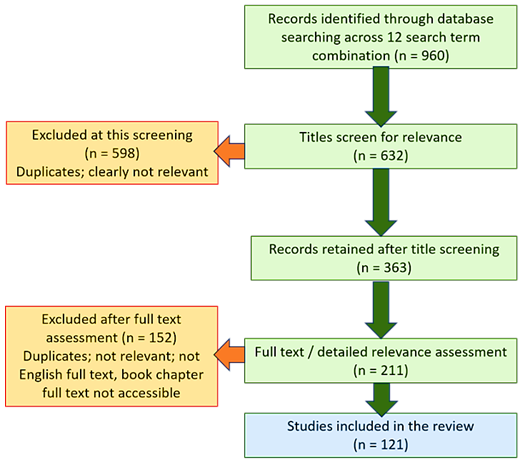
Fig. 1. Flow diagram of the literature search and selection process, showing the number of records identified, screened, and included at each stage, with reasons for exclusion
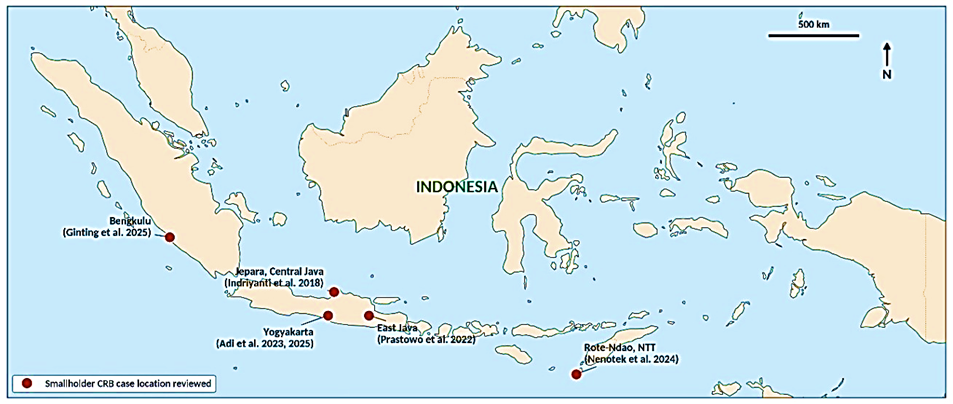
Fig. 2: Geographical location of the study area of the smallholder CRB infestation cases reviewed
Table 1: Analytical framework guiding the synthesis of literature
|
No |
Analytical theme |
Focus |
Extraction criteria |
|
1 |
Hazard and exposure identification |
How CRB biology, invasion status, and smallholder management practices jointly determine exposure to different control options |
Biological and damage records, documented chemical and biological control practices, application methods |
|
2 |
Environmental and health risk characterization |
Comparative environmental and health risk profile of chemical versus biological/cultural control components |
Reported toxicity and ecotoxicological data, contamination indicators, mode of action, occupational exposure pathways |
|
3 |
Risk management and adoption evidence |
What socioeconomic and institutional evidence from Indonesian smallholder systems implies for adoption of lower-risk management |
Field-scale case outcomes, adoption constraints, extension and financing evidence, institutional capacity indicators |
Table 2: Comparative environmental and health risk profile of O. rhinoceros control options reported in smallholder and community plantation settings
|
Control agent |
Active ingredients/ organism |
Application route |
Target stage |
Evidence level |
Principal environmental receptor |
Occupational exposure pathway |
Documented adverse effects |
Confidence/ uncertainty |
Source |
|
Cypermethrin, dimethoate |
Cypermethrin (pyrethroid); dimethoate (orga-nophosphate) |
Foliar/crown broadcast spray |
Larvae/ adults |
Laboratory |
Non-target neurosecretory systems; soil/water (class-level) |
Dermal/ inhalation during mixing/ application |
Dimethoate: measurable neurosecretory changes at 0.125–0.5% concentration, 8–24h exposure |
CRB-specific data limited to lab bioassay; broader risk drawn from comparative literature |
Larval/adult treatment (Venkatarajappa, 2001; Padmasheela and Delvi, 2004) |
|
Acephate (trunk injection) |
Acephate (organophosphate) |
Trunk injection/ implant |
Adults (systemic) |
Semi-field |
Palm vascular tissue; feeding organisms |
Reduced vs. broadcast spraying |
Not specified beyond efficacy |
Single study; long-term fate not evaluated |
Tall palms via petiole bioassay (Rafie and Amit, 2024) |
|
Marshal 5G / systemic (UAV/manual) |
Carbosulfan 5% (carbamate) |
Granular soil/leaf-axil; UAV aerial |
Larvae/ adults |
Laboratory + field |
Soil/water (runoff, leaching) |
Dermal/ inhalation during mixing/ application; reduced during UAV step |
95–98% larval mortality (5–9g); 90% adult mortality (day 7), declining to 70–75% (10–15 days) |
Efficacy well-documented; drift/deposition exposure not evaluated |
Community oil palm, Riau (Tito et al., 2026); O'ahu, Hawai'i (Russo et al., 2026); UAV application (Roudhiyah et al., 2024; Lan et al., 2024) |
|
Metarhizium anisopliae |
Entomopathogenic fungus |
Breeding-site inoculation |
Larvae (3rd instar) |
Laboratory bioassay (field-sourced isolates) |
Non-target soil arthropods (broader host range) |
Minimal; no chemical toxicant |
None identified in literature; 90–100% mortality (day 13–15) |
Field-scale/non-target/logistics less established |
East Java (Prastowo et al., 2022); compost-based "metankos" (Fauzana et al., 2023) |
|
Bacillus thuringiensis |
Bacterium (Cry-toxin dependent) |
Pot-based soil application |
Larvae |
Laboratory/ pot trial |
Non-target insects (strain-dependent) |
Host-specific; non-target effects documented |
None identified in literature |
Strain-specific host range not fully characterized |
Pot-based soil application trial (Pujiastuti et al., 2020, 2021, 2023) |
|
OrNV |
Virus (host-specific) |
Field release/ regional |
Larvae/adults |
Field/operational |
None beyond target host |
Minimal; no chemical toxicant |
None identified |
Long release history; limited by CRB-G resistance |
Long-standing regional releases (Huger, 2005; Ramle et al., 2005) |
|
Pheromone trapping |
Ethyl 4-methyloctanoate |
Trap deployment |
Adults |
Field/ village-level |
None (non-toxicant) |
None |
None |
Suppression not demonstrated; non-target attraction and trap/lure disposal footprint untested |
North Sulawesi (Hosang et al., 2022); Jepara (Indriyanti et al., 2018); Bengkulu (Ginting et al., 2025) |
|
Botanical larvicides |
Plant-derived compounds |
Lab/small-scale application |
Larvae |
Laboratory/small field trial |
Non-target insects (compound-dependent) |
Minimal; not established |
Not established at scale |
Limited evidence; non-target toxicity and application-frequency trade-offs untested |
Laboratory/small field trials (Mohan and Padmanaban, 2013; Kumar et al., 2018, 2019; Wandri et al., 2024) |
Table 3: Socioeconomic and institutional contexts of smallholder coconut production relevant to technology adoption
|
Constraint |
Description |
Supporting evidence |
|
Capital/production economics |
General coconut-sector studies document limited surplus capital among smallholders, which plausibly favors low-upfront-cost chemical sprays over the production/ monitoring infrastructure biological control requires |
|
|
Extension access |
General studies document uneven extension access among Indonesian coconut smallholders, plausibly limiting farmer knowledge of and confidence in biological/cultural alternatives |
|
|
Replanting and financing schemes |
General studies document historically low implementation of coordinated financing for smallholder long-term investment; sustained biocontrol production would plausibly face similar barriers |
|
|
Institutional/development strategy |
General coconut-sector studies indicate sector-wide sustainability depends on coordinated strategy rather than farmer-level intervention alone, a principle plausibly relevant to CRB biocontrol adoption |
Goltiano and Feliciano, 2022; Agus, 2025; Khopade et al., 2025; Bahri et al., 2026 |
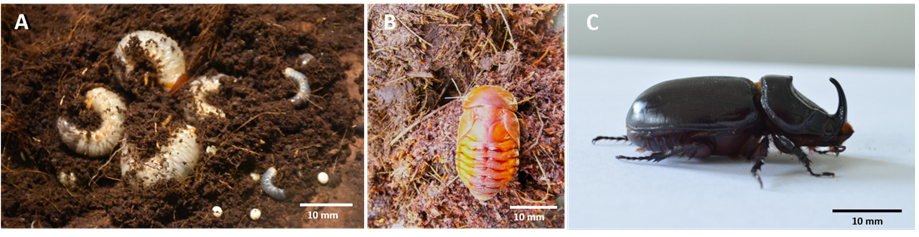
Fig. 3: Co-occurrence of multiple CRB life stages within a single decaying coconut trunk breeding site, illustrating why sanitation-based control is difficult to sustain at the scale of an individual smallholding: (A) eggs and larvae of different instars found together in the same breeding substrate, (B) pupa, (C) adult male poised for dispersal to the coconut palm crown. Scale bars = 10 millimeters (mm)
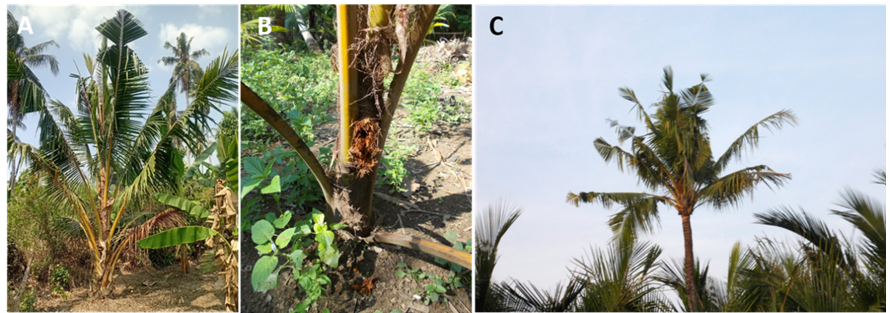
Fig. 4: Symptoms of CRB infestation on coconut palms: (A) characteristic triangular frond-cutting damage on a young palm, (B) adult O. rhinoceros feeding at the base of a young coconut frond, showing a bore hole that can extend toward the growing point, (C) infestation symptoms on a tall coconut palm (Cocos nucifera var. Tall) approximately 50 years (y) old
Exposure assessment: smallholder management practices and their exposure pathways
Chemical control practices
Chemical insecticides remain a common first response to CRB infestation in smallholder and community-managed plantations because they are locally available and provide a rapid, visible knockdown effect (Table 2). Documented applications within smallholder frameworks encompass the deployment of cypermethrin against CRB larvae, which yields significant and quantifiable residual toxicity profiles in the treated cohorts (Venkatarajappa, 2001). Dimethoate, an organophosphate, has been shown to produce neurosecretory damage in the brain of third-instar grubs, evidence that is itself indicative of the compound's neurotoxic mode of action in non-target contexts (Padmasheela and Delvi, 2004; Sadhu et al., 2024). Other applications include acephate delivered via trunk injection or trunk- implanted controlled-release formulations, intended specifically to reduce broadcast exposure on tall palms (Rafie and Amit, 2024). The granular formulation Marshal 5G has also been tested against CRB larvae and adults in a community oil palm plantation in Riau, Indonesia (Tito et al., 2026). To circumvent conventional canopy application routes, systemic insecticides have been assessed as an alternative control modality against CRB populations in Hawai'i (Russo et al., 2026). UAV application has been trialed to reduce applicator exposure in immature oil palm (Roudhiyah et al., 2024). Recent delivery methods—trunk injection, controlled‑release implants, and UAV spraying—are framed as lower‑exposure alternatives to conventional broadcast spraying, which remains the baseline practice for broad‑spectrum products like cypermethrin and dimethoate. Operational constraints in smallholder frameworks—characterized by manual application protocols and deficient personal protective equipment availability—establish direct occupational exposure pathways to organophosphate and pyrethroid active ingredients during mixing and dispersion phases. These patterns reflect broader systemic trends wherein smallholder chemical management is governed by intrinsic risk appraisal and constrained health literacy, echoing documented exposure modalities across organophosphate- and organochlorine-intensive agricultural landscapes. (Sulaiman et al., 2020). Repeated chemical pesticide use in smallholder coconut plantations can disrupt soil microbial communities and nutrient-cycling organisms, potentially reducing soil productivity and ecological resilience, with persistent residues compounding this pressure (Jeyaseelan et al., 2024; Köninger et al., 2026). Since CRB can also be controlled biologically via Metarhizium spp. and OrNV, routine chemical reliance risks undermining these ecological benefits unnecessarily (Paudel et al., 2021; Villamizar et al., 2024). Organophosphates, pyrethroids, and neonicotinoids used against CRB differ mechanistically-acetylcholinesterase inhibition, sodium-channel modulation, and nicotinic receptor modulation, respectively (IRAC, 2026)-with corresponding differences in environmental behavior. Organophosphates pose variable persistence and acute non-target toxicity depending on the active ingredient (Mali et al., 2023; Rajan et al., 2024); pyrethroids adsorb strongly to soil but remain toxic to aquatic organisms via rainfall runoff (Liu et al., 2024); and neonicotinoids are more water-soluble and systemic, favoring leaching and prolonged non-target exposure (Fouad and Abdel-Raheem, 2024; Mandal et al., 2025). Consequently, optimization of insecticide selection protocols for CRB mandates the comprehensive evaluation of chemical persistence, mobility, and ecotoxicological impacts alongside operational efficacy. Such strategies should favor judicious, threshold-driven interventions embedded within an integrated pest management (IPM) paradigm that prioritizes sanitation, pheromone trapping, and biological regulation (Paudel et al., 2021; Villamizar et al., 2024).
Biological and cultural control practices
A substantial body of field evidence documents biological and cultural alternatives already deployed against CRB in smallholder or near-smallholder settings. Entomopathogenic fungi, principally Metarhizium anisopliae, have long been used to control CRB larvae (Gopal et al., 2006; Yapo et al., 2017). Recent Indonesian studies confirm continued local relevance: isolates recovered from infected larvae around coconut plantations in East Java (Prastowo et al., 2022) (Fig. 5), a compost-based biopesticide formulation (“metankos”) incorporating local M. anisopliae flour (Fauzana et al., 2023), and virulence testing of M. anisopliae in liquid media against CRB larvae (Rozziansha et al., 2025). Field-scale bio-formulation trials combining indigenous Bacillus thuringiensis and Metarhizium strains have also demonstrated management potential (Manjunatha et al., 2023). Bt-based formulations isolated from Indonesian soils and evaluated in liquid and crude-extract forms have shown insecticidal activity against CRB larvae specifically in oil palm plantation contexts (Pujiastuti et al., 2020, 2021, 2023; Anggraini et al., 2021). OrNV persists as the historically dominant classical biological control agent against CRB, with a long record of field release and establishment across the Pacific and South Asia. This sustained efficacy stems from the agent's capacity for long-term persistence and self-dissemination once released-an ecological attribute that, while diminishing the need for repeated intervention, also means the agent cannot subsequently be withdrawn from the environment (Gorick, 1980; Bedford, 1986; Huger, 2005; Marshall et al., 2017; Tanaka et al., 2021; Anggraini et al., 2023). Documented use also spans Malaysian oil palm plantations (Ramle et al., 2005) and the Andaman Islands (Prasad, 2008a; Prasad et al., 2008b). Pheromone-based aggregation trapping protocols are broadly cited within Indonesian agricultural frameworks, including comparative assessments of pheromone variants conducted in North Sulawesi (Hosang et al., 2022), alongside observational trap deployments in Jepara (Indriyanti et al., 2018). Further studies cover attack-intensity and trapping-effectiveness studies in Bengkulu (Ginting et al., 2025), and packaging-design work aimed at improving pheromone product usability for field application (Pradana et al., 2023). Botanical control options with reported larvicidal or growth-disrupting activity include compounds isolated from Adiantum latifolium (Kumar et al., 2018, 2019), various botanical formulations and neem-based products (Mohan and Padmanaban, 2013). Senna multijuga has recently been identified as a dual-action plant exhibiting both an attractant and bioinsecticide (Wandri et al., 2024). Entomopathogenic nematodes have also demonstrated biocontrol potential under laboratory conditions (Zelazny, 1985; Sujithra et al., 2022). Evidence shows that lower‑risk biological and cultural alternatives to chemical control are viable for Indonesian smallholders. Metarhizium‑based biopesticides and pheromone trapping have documented field trials in community plantations from East Java to Bengkulu. These regional OrNV programs build on earlier introduction trials in the Andaman Islands and biological suppression efforts against CRB in Andhra Pradesh, India. (Rao et al., 2018). Empirical documentation from Malaysian oil palm plantations encompasses the quantification of pheromone-trapping dynamics, infestation gradients, and mortality outcomes (Kamarudin et al., 2007), thereby corroborating concurrent molecular investigations into the genetic diversity of underlying genetic diversity of local CRB populations and regional derived via RAM marker profiling (Manjeri et al., 2011).
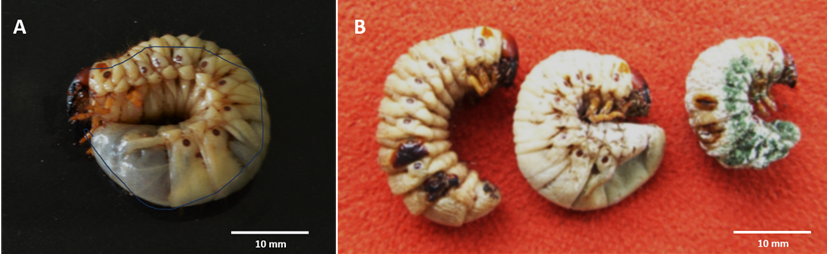
Fig. 5: Oryctes rhinoceros larvae: (A) healthy larva showing normal cuticle coloration and morphology, (B) larvae infected with the entomopathogenic fungus Metarhizium anisopliae, showing progressive mycosis symptoms including cuticle darkening and dense greenish conidial sporulation covering the body surface in advanced infection. Scale bars = 10 mm
Risk characterization: comparative environmental and health risk of control options
Chemical control risk
The active ingredients reported against CRB in smallholder and community plantation settings include, cypermethrin (a pyrethroid), dimethoate and acephate (organophosphates), and carbamate/ organochlorine adjacent formulations. These belong to chemical classes with well-characterized environmental and health risk profiles in the broader ecotoxicological literature, even where CRB-specific risk data are sparse. Pesticide movement pathways in coconut plantations are functionally dependent upon the operational application modality and the structural height of the target palms. For young/short palms, canopy application is used; synthetic pyrethroids (e.g., deltamethrin, cypermethrin, lambda-cyhalothrin) retain residual activity against CRB for at least 12 weeks, unlike organic pyrethrins, with residues potentially washed by rain into soil (Wei et al., 2025). In tall palm management, trunk- and root-zone methods are operationally preferable despite distinct environmental pathways: soil drenching drives subsurface leaching toward groundwater, surface residues disperse into aquatic systems via runoff, and trunk injection minimizes direct soil loading, notwithstanding eventual environmental reentry through vegetative decay or root uptake. Flow magnitude depends on active-ingredient properties, soil characteristics, rainfall, and application frequency (Araya et al., 2024; Sarker et al., 2024). Rainfall intensity, soil texture, and organic matter jointly determine pesticide mobility: heavy post-application rainfall and sandy soils increase leaching, fine soils increase runoff but permit rapid leaching through macropores, and organic matter enhances retention while potentially prolonging persistence (Sarker et al., 2024; Wendell et al., 2024). Organophosphates and other cholinesterase-inhibiting insecticides carry documented environmental risk through their shared mode of neurotoxic action, which is not restricted to target pests (Thetkathuek et al., 2017; Kori et al., 2019). Empirical evidence directly couples occupational exposure to organochlorine and derivative insecticides with amplified health vulnerability profiles among agricultural workforces operating within smallholder frameworks (Carvalho, 1991). Pyrethroids, while generally less persistent than organochlorines, have been shown to pose environmental risk to aquatic systems following surface runoff, with transport modelling studies used specifically to characterize this pathway (Liu et al., 2023). Chlorpyrifos, an organophosphate structurally related to compounds used against CRB, has documented ecotoxicological risk to aquatic indicator species (Marques et al., 2021). Furthermore, neonicotinoid and associated systemic insecticides, frequently implemented to mitigate drift hazards inherent to broadcast dispersion, generate specialized environmental risk profile. This includes risk to pollinators and non-target invertebrates (Goulson, 2013; Hladik et al., 2018; Longing et al. 2020), and human exposure through the food chain (Zhao et al., 2020). Two features of smallholder application practice plausibly elevate this baseline risk profile. First, application techniques and dosage configurations characteristic of smallholder operations are infrequently calibrated against standardized risk-assessment frameworks. Frameworks such as the Pesticide Risk Tool and the Environmental Impact Quotient exist precisely to quantify comparative insecticide risk for decision-making (Meys et al., 2024), but no evidence in the reviewed literature indicates that such tools are in routine use at the smallholder level for CRB management. Second, the manual and proximate nature of application routines renders established occupational exposure routes—such as dermal and inhalation contact during mixing and dispersion phases—directly relevant to smallholders conducting crown treatments or trunk injections absent consistent personal protective equipment. While direct ecotoxicological and occupational risk data specific to CRB-targeted chemical use remain limited, the broader insecticide environmental risk-assessment literature offers relevant contextual evidence for the same chemical classes. These studies were conducted in unrelated pest-management and public-health systems and are cited here for comparative context rather than as direct measurements of CRB-management risk: soil-insecticide risk in maize IPM (Furlan et al., 2017), neonicotinoid substitution effects in U.S. maize (Perry and Moschini, 2020) and insecticide risk in tsetse and trypanosomiasis control. Further examples include neonicotinoid contamination of engineered waterways in China (Zhang et al., 2024), metamidophos risk to non-target aquatic organisms (Iannacone, 2007), and fipronil and imidacloprid risk to river shrimp (Cáceres-Del Carpio and Iannacone, 2021). Extended case paradigms involve the analytical review of insecticide-treated bed-net safety in malaria mitigation initiatives, the systemic risks posed by sublethal mosquito control compounds, and comprehensive risk evaluation frameworks for acetamiprid. Other studies report insect movement responses used as environmental-risk indicators, an environmental risk index for insecticides used in Mato Grosso, Brazil, and a quantitative pollinator hazard model for sulfoxaflor. Further evidence covers insecticide contamination of tropical river systems in China regulatory risk considerations for herbicide-tolerant crops, and honeybee toxicity of broflanilide. Moreover, empirical investigations utilizing rodent models indicate prospective neurobehavioral and psychiatric hazards linked to developmental insecticide exposure, running parallel to structured exposure-window management models intended for pollinator protection. This body of comparative literature indicates that the chemical classes used against CRB are not risk-free in principle; however, direct, CRB-specific exposure and ecotoxicological data would be needed to confirm the magnitude of risk under actual smallholder application conditions. These three classes differ mechanistically: organophosphates and carbamates share a cholinesterase-inhibiting mode of action, while pyrethroids act on nerve sodium channels. While carbamates such as carbosulfan demonstrate accelerated soil dissipation kinetics relative to organophosphates, corresponding comparative metrics regarding mobility and bioaccumulation under coconut plantation environments remain uncharacterized.
Biological and cultural control: a lower-risk but unevenly adopted alternative
CRB differ substantially in their host-range and mode of action. OrNV is highly host-specific to Oryctes species. Metarhizium anisopliae, an entomopathogenic fungus, has a comparatively broader host range among insect taxa, although its practical deployment at CRB breeding sites limits exposure of most non-target organisms. The host-range specificity of Bacillus thuringiensis is governed by the Cry-toxin profile of the respective strain used; the coleopteran-active strains detailed herein exhibit a more restricted host spectrum than Bt variants targeting other insect orders. Entomopathogenic nematodes have host ranges that vary by species and are generally broader than that of OrNV. Botanical products, unlike the biological agents above, act as natural chemical toxicants rather than host-specific organisms, and their non-target toxicity depends on the specific bioactive compounds involved rather than on host specificity by design. Their mode of biological control was itself modelled explicitly to assess population-level suppression rather than broad-spectrum toxicity (Hochberg and Waage, 1991). Although the reviewed biological control literature lacks the occupational exposure documentation characteristic of chemical-control studies, the broader Bacillus thuringiensis literature indicates that Bt applications can elicit direct or indirect effects on soil microorganisms, non-target invertebrates, and higher trophic (Belousova et al., 2021). Furthermore, assessments of the related subspecies Bti in mosquito control similarly documents non-target ecological impacts, though the long-term ecosystem-level consequences warrant further investigation (Brühl et al., 2020). This evidence is drawn from a different insect order (Diptera) than the coleopteran-active Bt strains discussed here and is therefore comparative rather than CRB-specific. The principal documented limitation of these agents is instead field performance, adoption logistics, and the practical burden of production and distribution at scale, echoed for CRB specifically in the integrated pest management synthesis of Alouw et al. (2020) and the applied IPM guidance of Hosang et al. (2025). Given its mechanism of action—which avoids broadcast toxicant application—pheromone trapping is not anticipated to entail substantial environmental or health risks; however, dedicated non-target or occupational exposure studies specific to this method were not uncovered in the surveyed literature. The Indonesian studies reviewed here measure trap-catch performance and attack intensity, factors addressed directly in packaging-design research (Pradana et al., 2023) and comparative trap-catch trials (Hosang et al., 2022; Ginting et al., 2025). Consequently, these deployments function primarily in surveillance and early detection rather than serving as mass-trapping control strategies or demonstrating population suppression, as neither of the latter two endpoints was assessed in the referenced sources. Botanical larvicides similarly avoid the persistence and bioaccumulation concerns associated with synthetic insecticides. Their reported efficacy in the literature, however, is generally from laboratory or small field trials (Mohan and Padmanaban, 2013; Kumar et al., 2018, 2019; Wandri et al., 2024) rather than at the commercial scale reported for chemical alternatives. The overall risk contrast is therefore asymmetric. Chemical options carry a well-documented, non-trivial environmental and occupational risk burden but are readily available and provide fast, visible results; whereas biological and cultural options are not associated with the same documented risk pathways in the literature reviewed, though the extent to which these options have themselves been subject to comparable non-target or occupational risk testing remains limited. Nevertheless, the deployment of such methodologies necessitates advanced technical proficiencies regarding production, storage, and field management—capabilities that typically lie beyond the independent reach of individual smallholders. Broader Indonesian evidence on the gut microbiome of CRB, including its bacterial diversity and protease/lipase-producing potential (Aini et al., 2023), points to further biologically-based management avenues under active investigation. This includes the biocontrol potential of CRB-associated gut bacteria against the oil-palm pathogen Ganoderma boninense (Surbakti and Marheni, 2025), alongside broader reviews of advances in rhinoceros beetle control in oil palm (Bedford, 2014).
Case review synthesis: Indonesian smallholder coconut systems
Field evidence from across Indonesia—encompassing East Java, Central Java, East Nusa Tenggara, Yogyakarta, and Bengkulu, demonstrates the previously discussed risk trade-offs within concrete, geographically dispersed settings rather than through abstract comparison. In East Java, Metarhizium isolates recovered directly from CRB-infested coconut plantations demonstrated laboratory-confirmed virulence against larvae (Prastowo et al., 2022), providing a locally sourced biological alternative that does not depend on imported formulations. In Rote-Ndao, East Nusa Tenggara, damage intensity and geographic distribution mapping of CRB infestation (Nenotek et al., 2024) illustrates the kind of spatial monitoring needed to target biological control deployment efficiently in a resource-constrained provincial setting. Furthermore, the execution of broad-spectrum chemical interventions across decentralized smallholder plots introduces substantial financial burdens and supervisory complexities within this operational framework. In Jepara, Central Java, pheromone trap monitoring has been implemented directly at village level (Indriyanti et al., 2018), demonstrating that community-scale, low-toxicity monitoring infrastructure is technically feasible in a smallholder setting. Comparative pheromone trials conducted in Bengkulu systematically quantified both attack intensity and trap efficacy under conditions adjacent to oil palm and coconut cultivations (Ginting et al., 2025). Packaging-design research has also addressed a genuinely practical barrier-product usability and shelf stability to pheromone adoption in the field (Pradana et al., 2023). A summary of these Indonesian smallholder CRB case studies, including their locations, intervention types, principal findings, management relevance, and scale of evidence, is provided in Table 4. These cases share a common pattern: the lower-risk biological or cultural intervention was not merely tested under laboratory conditions but taken into the field in the same smallholder landscapes where CRB damage was documented. This indicates that the technical feasibility barrier to implementing safer management practices in Indonesia is less pronounced than commonly presumed. What the case evidence does not show, however, is systematic scale-up: each of these studies documents a localized trial or monitoring program rather than province- or nation-wide deployment. This is consistent with the broader observation that historical coconut replanting and support initiatives in Indonesia have necessitated dedicated, scheme-level coordination to effectively reach smallholders at scale (Heriyanto et al., 2019; Wulandari and Alouw, 2021). These capital and institutional constraints sit within a much longer history of smallholder-dominated coconut and oil-palm production. Smallholder involvement in tree-crop cultivation in Malaya, including coconut and oil palm in Johor, has been documented back to the 1860s (Pakiam, 2020). Historically, smallholder coconut plantation management practices, such as canopy-level pasture composition in Malaita, Solomon Islands, have been dictated by the identical land- and labor-constrained mechanics that currently restrict the uptake of biological control (Manaros and Gurbuz, 2020).
Table 4: Summary of Indonesian smallholder coconut rhinoceros beetle case evidence reviewed
|
Location |
Study Type |
Approach documented |
Key finding |
Source |
|
Jember East Java |
Control efficacy trial (laboratory) |
Metarhizium anisopliae isolation from field cadavers |
Locally-sourced isolates show laboratory-demonstrated virulence against larvae |
|
|
Jepara Central Java |
Operational implementation study |
Pheromone aggregation trapping |
Village-level monitoring infrastructure technically feasible at community scale |
|
|
Rote-Ndao East Nusa Tenggara |
Hazard/damage surveillance |
Damage/distribution mapping |
Mild average damage intensity [8.89%) spread across 10 sub-districts |
|
|
Yogyakarta D.I. Yogyakarta |
Diagnostic/distribution study |
GIS-based distribution mapping |
Co-occurrence with Asiatic palm weevil documented |
|
|
Bengkulu Bengkulu |
Hazard surveillance + control efficacy trial |
Pheromone trapping efficacy trial |
Attack intensity and trap effectiveness quantified under oil palm/coconut-adjacent conditions |
RECOMMENDATION
Drawing upon the risk asymmetry and adoption gaps established across review, subsequent recommendations are categorized into practical management implications for smallholders and extension personnel, policy-level directives for institutional and financial stakeholders, and prioritized research agendas aimed at resolving remaining critical empirical and operational knowledge and implementation gaps.
Management implications
Routine pheromone-trap surveillance should form the baseline activity for smallholder CRB management, escalating to sanitation once a locally defined action threshold is exceeded, then to intensified pheromone trapping combined with biological control (OrNV, Metarhizium, or B. thuringiensis) where infestation persists. Targeted chemical intervention ought to be designated as a final recourse, preferably administered via trunk injection or controlled-release implants rather than broadcast spraying, with implementation proving more viable at a cooperative or program level than at the individual farmer scale.
Policy implications
Closing the adoption gap for lower-risk controls depends on the same institutional and financing mechanisms that support Indonesian coconut smallholders more broadly: extension access (Rusli and Isa, 2021), coordinated replanting and financing schemes (Sondakh and Hardaker, 1983; Wulandari and Alouw, 2021), and sector-wide development strategy (Agus, 2025; Khopade et al., 2025; Bahri et al., 2026). The continued spread of the OrNV-tolerant CRB-G haplotype (Jackson et al., 2025a, 2025b) requires actively maintained regionally coordinated capacity. Incorporating CRB risk mitigation strategies within overarching coconut-sector sustainability and climate-resilience paradigms would harmonize capital allocation with pre-existing financial architectures designed to address alternative smallholder limitations.
Research priorities
Structured risk-quantification tools such as the pesticide risktool (Meys et al., 2024), alongside life-cycle assessment or comparative environmental footprint approaches, have not yet been applied to CRB management and warrant evaluation. Capital allocations directed toward locally manufactured, economically viable biological agents—exemplified by liquid-media Metarhizium cultivation systems (Rozziansha et al., 2025), would effectively attenuate the cost disparities relative to conventional chemical alternatives. Farm-scale intervention studies directly measuring pesticide-use reduction, environmental contamination, and non-target exposure following integrated CRB management deployment would address a gap not filled by the individual-component evidence reviewed here. More broadly, the evidence base and policy frameworks presented here would be significantly enhanced by future research that applies standardized risk-assessment methodologies and CRB-specific exposure data, tracks environmental and occupational outcomes longitudinally, and identifies which combinations of financing, extension services, and institutional arrangement most effectively bridge the adoption gap.
LIMITATIONS
This review has several limitations. First, as a narrative rather than a systematic review, no formal PRISMA-style screening protocol with tracked exclusion reasons at each stage was applied; a simplified literature-flow diagram (Fig. 1) is provided based on global rather than per-database search records. Second, because the individual studies synthesized here utilize non-standardized toxicological and exposure endpoints, constructing a harmonized quantitative risk index across all control strategies proved unfeasible; consequently, the risk comparisons presented in Table 2 remain qualitative in nature. Third, the apparent absence of non-target or occupational risk findings for biological and cultural control options should not be interpreted as confirmed evidence of environmental safety; it more likely reflects limited investigation of these agents relative to chemical insecticides. Fourth, evidentiary strength varies substantially, ranging from controlled laboratory bioassays to replicated field trials and village-level monitoring, with these distinctions noted explicitly where they materially influence interpretation. Fifth, a substantial proportion of the chemical, biopesticide, and pheromone-trapping evidence derives from oil-palm rather than coconut systems (Ramle et al., 2005; Kamarudin et al., 2007; Tito et al., 2026; Roudhiyah et al., 2024); differences in canopy structure, planting density, and exposure pathways mean such findings are comparative rather than directly equivalent for coconut. Sixth, no systematic dataset comparing farmer adoption, cost, extension access, and institutional support was identified, limiting the institutional-capacity interpretation offered in the Conclusion. Several gaps remain unaddressed within the reviewed literature: the cumulative ecological consequences of recurring Metarhizium application over multiple seasons; systematic cross-regional comparison of environmental risk profiles; localized non-target impacts on beneficial insects, pollinators, and soil or aquatic microorganisms within coconut agroecosystems; the pesticide handling life-cycle (including storage, transportation, container disposal and equipment washing) and associated household and livestock spillover risks in smallholder environments; and the adequacy of pesticide regulatory frameworks and monitoring mechanisms in Indonesia. Finally, the evidence base is geographically concentrated in a small number of Indonesian provinces and source countries, and publication bias toward positive efficacy findings cannot be excluded, as is common in the pest-management literature more broadly generally.
CONCLUSION
Oryctes rhinoceros remains a persistent and geographically expanding hazard to smallholder coconut plantations. Ultimately, the environmental and health hazards associated with its management are dictated less by the intrinsic biology of the pest than by the specific control option that smallholder can practically access and afford. Chemical control, while effective and widely available, carries a documented risk burden spanning ecotoxicological, occupational, and environmental-contamination pathways, a burden that is plausibly amplified under typical smallholder application conditions. Biological and cultural alternatives, by contrast, carry a substantially lower risk profile, with laboratory bioassays using field-sourced Metarhizium isolates in East Java and field-deployed pheromone monitoring in Jepara and Bengkulu illustrating that the technical feasibility barrier to safer management in Indonesia is smaller than is sometimes assumed. The evidence assembled here suggests that limited adoption, despite documented technical efficacy of several lower-risk options, is more consistent with institutional and economic capacity constraints than with a simple lack of viable technology. Although the narrative design of this synthesis precludes causal inferences, future CRB risk-management interventions must nevertheless be conceptualized and appraised through a dual lens—balancing biological efficacy against their practical compatibility with smallholder economic structures and pre-existing extension and replanting frameworks. Closing this gap is, in the authors' assessment, as much an institutional priority as a technical one; the specific surveillance, financing, and technology priorities this implies are set out in the Recommendation above. Subsequent investigations employing standardized risk-assessment methodologies and CRB-specific exposure metrics, coupled with longitudinal monitoring of farm-level environmental and occupational consequences, would substantially reinforce the evidentiary foundation supporting these priorities. This review also did not identify CRB-specific evidence on insecticide resistance or its potential role in driving escalating application frequency and dose; given the established role of such feedback loops in other insect pest systems, this represents a further gap warranting dedicated monitoring in Indonesian smallholder contexts.
AUTHOR CONTRIBUTIONS
M.L.A. Hosang developed the review concept, prepared the visualizations, and reviewed and edited the manuscript. S. Susilawati wrote the original draft, conducted the literature search, and reviewed and edited the manuscript. N. Nurindah performed the analysis and synthesis and reviewed and edited the manuscript. J.C. Alouw wrote the original draft and reviewed and edited the manuscript. M. Puspitasari reviewed and edited the manuscript. R. Semewe reviewed and edited the manuscript. R. Rohimatun reviewed and edited the manuscript. R.T. Hutasoit reviewed and edited the manuscript. S. Subiyakto reviewed and edited the manuscript. S. Sujak reviewed and edited the manuscript. D.A. Sunarto reviewed and edited the manuscript. R.G.U.I. Meththananda reviewed and edited the manuscript. B.A.N. Pinaria reviewed and edited the manuscript. All authors reviewed and approved the final version of the manuscript carefully and jointly before formal submission.
ACKNOWLEDGEMENT
The authors thank colleagues at the Research Centre for Plantation Crops, BRIN and International Coconut Community (ICC), for discussion and access to institutional data on CRB management in Indonesia. Furthermore, the authors affirm full adherence to relevant ethical standards. These standards encompass plagiarism, informed consent, and research misconduct. In addition, these standards address data fabrication and/or falsification, duplicate publication and/or submission, and redundant publication.
CONFLICT OF INTEREST
The authors declare no conflicting interests in relation to the publication of this manuscript. Furthermore, all ethical standards of scholarly publishing that include encompassing plagiarism, informed consent, research misconduct, data fabrication and/or falsification, duplicate publication and/or submission, and redundant publication, have been fully adhered to by the authors throughout the research and publication process.
OPEN ACCESS
©2027 The author(s). This article is licensed under a Creative Commons Attribution 4.0 International License, which permits use, sharing, adaptation, distribution and reproduction in any medium or format, as long as you give appropriate credit to the original author(s) and the source, provide a link to the Creative Commons license, and indicate if changes were made. The images or other third-party material in this article are included in the article’s Creative Commons license, unless indicated otherwise in a credit line to the material. If material is not included in the article’s Creative Commons license and your intended use is not permitted by statutory regulation or exceeds the permitted use, you will need to obtain permission directly from the copyright holder. To view a copy of this license, visit: http://creativecommons.org/licenses/by/4.0/
PUBLISHER’S NOTE
GJESM Publisher remains neutral with regard to jurisdictional claims in published maps and institutional affiliations.
POSITIVE AI STATEMENT
During the preparation of this work the author(s) have used Artificial Intelligence (AI) ChatGPT Plus in order to correct English sentences. After using this tool/service, the authors reviewed and edited the content as needed and took full responsibility for the content of the publication.
ABBREVIATIONS
|
% |
Per cent |
|
CRB |
Coconut rhinoceros beetle |
|
CRB-G |
Coconut rhinoceros beetle-Guam biotype |
|
E4-MO |
Ethyl 4-methyloctanoate |
|
GIS |
Geographic information system |
|
IPM |
Integrated pest management |
|
mm |
Millimeter |
|
OrNV |
Oryctes rhinoceros nudivirus |
|
PCR |
Polymerase chain reaction |
|
RPA |
Recombinase polymerase amplification |
|
SNP |
Single nucleotide polymorphism |
|
UAV |
Unmanned aerial vehicle |
|
y |
Year |
REFERENCES
Adi, H.; Soesilohadi, R.H.; Nugroho, A.P.; Hadisusanto, S.; Aldawood, A.S.; Sukirno, S., (2023). Distribution analysis of asiatic palm weevil Rhynchophorus vulneratus Panzer (Coleoptera: Dryphthoridae) using GIS Technique and the Interaction with Coconut Beetle Oryctes rhinoceros L. (Coleoptera: Scarabaeidae). Hayati J. Biosci., 30(5): 918-926 (9 pages).
Adi, H.; Lestari, P.; Sofiana, D.; Adella, P.; Ilma, H.; Sukirno, S., (2025). Abundance of Rhynchophorus vulneratus (Coleoptera: Dryophthoridae) and Oryctes rhinoceros (Coleoptera: Scarabaeidae) in Gadjah Mada University, Yogyakarta, Indonesia. IOP Conference Series: Earth nd Environmental Science, 1470(1): 012008 (11 pages).
Agus, H.N., (2025). Development strategy for smallholder oil palm and coconut plantation in Pesisir Selatan Regency. J. Saudi Soc. Agric. Sci., 24(35) (14 pages).
Aini, L.Q.; Sulistyowati, L.; Muhibuddin, A.; Sukmawati, D., (2023). Diversity of bacterial gut microbiome of Oryctes rhinoceros larvae and their potency as source of protease and lipase enzymes. Agrivita, 45(3): 580-588 (9 pages).
Alouw, J.C.; Hosang, M.L.; Nguyen, Q., (2020). Biotechnology contributing to integrated pest management: the example of two major coconut pests, Oryctes rhinoceros and Brontispa longissima. In: Coconut Biotechnology Towards the Sustainability of the Tree of Life. Springer, Cham., 151-168 (18 pages).
Anggraini, E., (2023). Complete genome sequences of Oryctes rhinoceros nudivirus strains detected in haplotype-G Oryctes rhinoceros from Johor, Malaysia. Microbiol. Resour. Announc., 12(3) e00019-23 (18 pages).
Anggraini, E.I.; Vadamalai, G.; Kong, L.L.; Mat, M.; Lau, W.H., (2023). Variants in the mitochondrial genome sequence of Oryctes rhinoceros (Coleoptera: Scarabaeidae) infected with Oryctes rhinoceros nudivirus in oil palm and coconut plantations. Sci. Rep., 13: 16850 (13 pages).
Anggraini, F.I.; Sugiharti, M.; Suwanto, A.; Rachmania, N.; Lay, B.W., (2021). Bacillus thuringiensis isolated from soil in oil palm plantation with high toxicity against Oryctes rhinoceros larvae. Malays. J. Microbiol., 17(4): 345-351 (7 pages).
Araya, G.; Perfetti-Bolaño, A.; Sandoval, M.; Araneda, A.; Barra, R.O., (2024). Groundwater leaching potential of pesticides: A historic review and critical analysis. Environ. Toxicol. Chem., 43(12): 2478–2491 (14 pages).
Bahri, S.; Vaulina, S.; Mulyani, S.; Dewi, I.; Hadi, K., (2026). Sustainability performance and its determinants in smallholder coconut farming in an island region: evidence from Kepulauan Meranti Regency, Riau Province, Indonesia. Open Agric., 11(1) (15 pages).
Bedford, G., (1976). Observations on the biology and ecology of Oryctes rhinoceros and Scapanes australis (Coleoptera: Scarabaeidae: Dynastinae): pests of coconut palms in Melanesia. Aust. J. Entomol., 15(3): 241-251 (11 pages).
Bedford, G., (1986). Biological control of the rhinoceros beetle (Oryctes rhinoceros) in the South Pacific by baculovirus. Agric. Ecosyst. Environ., 15(2): 141-147 (7 pages).
Bedford, G.O., (2014). Advances in the control of rhinoceros beetle, Oryctes rhinoceros in oil palm. J. Oil Palm Res., 26(3): 183-194 (12 pages).
Belousova, M.E.; Malovichko, Y.V.; Shikov, A.E.; Nizhnikov, A.A.; Antonets, K.S., (2021). Dissecting the environmental consequences of Bacillus thuringiensis application for natural ecosystems. Toxins, 13(5): 355 (25 pages).
Brühl, C.A.; Després, L.; Frör, O.; Patil, C.D.; Poulin, B.; Tetreau, G.; Allgeier, S., (2020). Environmental and socioeconomic effects of mosquito control in Europe using the biocide Bacillus thuringiensis subsp. israelensis (Bti). Sci. Total Environ., 724: 137800 (11 pages).
Cáceres-Del Carpio, F.A.; Iannacone, J., (2021). Environmental risk assessment by fipronil and imidacloprid insecticides in river shrimp (Cryphiops caementarius). Granja, 33(1): 103-113 (11 pages).
Carvalho, W., (1991). Risk factors related to occupational and environmental exposure to organochlorine insecticides in the state of Bahia, Brazil, 1985. Bol. Ofic. Sanit. Panam., 111(6): 512-524 (13 pages).
Dereumeaux, C.; Fillol, C.; Quénel, P.; Denys, S., (2020). Pesticide exposures for residents living close to agricultural lands: A review. Environ. Int., 134, 105210 (14 pages).
Fauzana, H.; Ustadi, U., (2020). The development of rhinoceros beetle larvae (Oryctes rhinoceros L.) in various growing media of the Arecaceae. J. Entomol. Indon., 17(2): 89-96 (8 pages).
Fauzana, H.; Nelvia, Rustam, R.; Puspita, F.; Feronica, R., (2023). The dosage of biopesticide formulation of local Metarhizium anisopliae flour in compost (metankos) against Oryctes rhinoceros L. IOP Conference Series: Earth Environ. Sci., 1160(1): 012046 (10 pages).
Fink, A., (2014). Conducting research literature reviews: from the internet to paper (4th ed.). Sage Publications, Thousand Oaks, CA.
Fouad, M.R.; Abdel-Raheem, S.A.A., (2024). An overview on the fate and behavior of imidacloprid in agricultural environments. Environ. Sci. Pollut. Res., 31(52): 61345–61355 (11 pages).
Furlan, L.; Contiero, B.; Chiarini, F.; Colauzzi, M.; Sartori, E.; Benvegnù, I.; Fracasso F.; Giandon, P., (2017). Risk assessment of maize damage by wireworms (Coleoptera: Elateridae) as the first step in implementing IPM and in reducing the environmental impact of soil insecticides. Environ. Sci. Pollut. Res., 24(1): 236-251 (16 pages).
Ginting, S.; Ddjamilah; Pryatiningsih; Gusnitha, F.W.; Sariasih, Y.S.I., (2025). Attack intensity and effectiveness pheromone on Oryctes rhinoceros L. in oil palm, Seluma district, Bengkulu. Int. J. Agric. Technol., 21(1): 29-42 (14 pages).
Godoy, R.; Bennett, C.P.A., (1991). The economics of monocropping and intercropping by smallholders: the case of coconuts in Indonesia. Hum. Ecol., 19(1): 83-98 (16 pages).
Goltiano, H.Y.; Feliciano, G.S., (2022). Social impacts of a coconet enterprise on smallholder coconut farming families: the case of Panaon Island Farmers Federation Inc in the Philippines. Ann. Trop. Res., 44(2): 119-149 (31 pages).
Gopal, M.; Gupta, A.; Thomas, G.V., (2006). Prospects of using Metarhizium anisopliae to check the breeding of insect pest, Oryctes rhinoceros L. in coconut leaf vermicomposting sites. Bioresour. Technol., 97(15): 1801-1806 (6 pages).
Gorick, B., (1980). Release and establishment of the baculovirus disease of Oryctes rhinoceros (L.) (Coleoptera: Scarabaeidae) in Papua New Guinea. Bull. Entomol. Res., 70(3): 445-453 (9 pages).
Goulson, D., (2013). An overview of the environmental risks posed by neonicotinoid insecticides. J. Appl. Ecol., 50(4): 977-987 (11 pages).
Hao, M.; Aidoo, O.F.; Qian, Y.; Wang, D.; Ding, F.; Ma, T.; Tettey, E.; Ninsin, K.D.; Osabutey, A.F.; Borgemeister, C., (2022). Global potential distribution of Oryctes rhinoceros, as predicted by Boosted Regression Tree model. Glob. Ecol. Conserv., 37: e02175 (13 pages).
Hassaan, M.A.; Sajjad, Z.U.; Rehman, C.U.; Krishnan, K.T.; Jhammat, M.I., (2025). Oryctes rhinoceros (Coleoptera: Scarabaeidae) as a key pest of oil palm: a systematic review of its biology, establishment, and integrated management strategies in Malaysia. Plant Prot., 9(4): 1081-1093 (13 pages).
Heriyanto, A.; Karya, D., (2019). Prototype the Economic of Coconut Farmer Household in Indragiri Hilir Municipality, Riau Province. Proc. 2nd Int. Conf. Soc., Econ., Educ. Humanit, (ICoSEEH 2019) – Sustainable Development in Developing Country for Facing Industrial Revolution 4.0, 69–78 (10 pages).
Hladik, M.L.; Main, A.R.; Goulson, D., (2018). Environmental risks and challenges associated with neonicotinoid insecticides. Environ. Sci. Technol., 52(6): 3329-3335 (7 pages).
Hochberg, M.E.; Waage, J.K., (1991). A model for the biological control of Oryctes rhinoceros (Coleoptera: Scarabaeidae) by means of pathogens. J. Appl. Ecol., 28(2): 514-531 (18 pages).
Hoffmann, B.D.; Tay, W.T.; Blas, A.L., (2024). Biosecurity interceptions of coconut rhinoceros beetle Oryctes rhinoceros. Manage. Biol. Invasions, 15(3): 437-443 (7 pages).
Hosang, M.L.A.; Rahma; Maskromo, I.; Alouw, J.C., (2022). Comparative effectiveness of three types of pheromones against Rhynchophorus vulneratus (Panzer) and Oryctes rhinoceros (L.) in Indonesia. IOP Conference Series: Earth Environ. Sci.,, 974(1) (9 pages).
Hosang, M.L.A.; Indriati, G.; Alouw, J.C.; Maris, P.; Santosa, B., (2025). Pests of coconut and its innovative management strategies: integrated pest management of coconut rhinoceros beetle, Oryctes rhinoceros (Coleoptera: Scarabaeidae). Science Based Pest Management for a Sustainable and Resilient Coconut Sector: 305-316 (12 pages).
Huger, A.M., (2005). The Oryctes virus: its detection, identification, and implementation in biological control of the coconut palm rhinoceros beetle, Oryctes rhinoceros (Coleoptera: Scarabaeidae). J. Invertebr. Pathol., 89(1): 78-84 (7 pages).
Iannacone, J., (2007). Environmental risk assessment of the insecticide metamidophos in bioassays with four non-target aquatic organisms. Agric. Tec., 67(2): 126-138 (13 pages).
Indriyanti, D.R.; Lutfiana, J.E.; Widiyaningrum, P.; Susilowati, E.; Slamet, M., (2018). Aggregation pheromones for monitoring the coconut rhinoceros beetle (Oryctes rhinoceros) in Jerukwangi Village, Jepara, Indonesia. J. Phys. Conference Series: 983(1): 012177 (5 pages).
Indriyanti, D.R., (2017). Density and composition of Oryctes rhinoceros (Coleoptera: Scarabaeidae) stadia in field. ARPN J. Eng. Appl. Sci., 12(22): 6364-6371 (8 pages).
IRAC, (2026). IRAC Mode of Action Classification Scheme. Insecticide Resistance Action Committee.
Jackson, T.; Kemoi, M.; Asigau, B.; Oki, L.; Tenakanai, D.; Sar, S.; Paudel, S., (2025a). Coconut rhinoceros beetle, Oryctes rhinoceros (Coleoptera: Scarabaeidae), continues to devastate coconut palms around Port Moresby, Papua New Guinea. EPPO Bull., 55(1): 151-157 (7 pages).
Jackson, T.A.; Nájera-Rincón, M.; Paudel, S.; Weston, M.K.; Beattie, A.; Marshall, S.D.G., (2025b). Coconut rhinoceros beetle Oryctes rhinoceros (Coleoptera: Scarabaeidae) confirmed in the Americas. EPPO Bull., 55(3): 511-517 (7 pages).
Jeyaseelan, A.; Murugesan, K.; Thayanithi, S.; Palanisamy, S.B., (2024). A review of the impact of herbicides and insecticides on the microbial communities. Environ. Res., 245: 118020 (12 pages).
Kamarudin, N.H.; Wahid, M.B.; Moslim, R.; Ali, S.R.A., (2007). The effects of mortality and influence of pheromone trapping on the infestation of Oryctes rhinoceros in an oil palm plantation. J. Asia Pac. Entomol., 10(3): 239-250 (12 pages).
Khopade, R.; Sawargaonkar, G.; Kale, S.; Davala, M.; Rakesh, S.; Das, S.S.; Verma, R.V.; Raje, K.; Singh, R.; Jat, M.L., (2025). Sustainable intensification in coconut for building system resilience and nutritional security of smallholders in Eastern India. NPJ Sustain. Agric., 3(1): 1-10 (10 pages).
Köninger, J.; Labouyrie, M.; Ballabio, C.; Dulya, O.; Mikryukov, V.; Romero, F.; Franco, A.; Bahram, M.; Panagos, P.; Jones, A.; Tedersoo, L.; Orgiazzi, A.; Briones, M.J.I.; van der Heijden, M.G.A., (2026). Pesticide residues alter taxonomic and functional biodiversity in soils. Nature, 650(8101): 367–373 (7 pages).
Kori, R.K.; Hasan, W.; Jain, A.K.; Yadav, R.S., (2019). Cholinesterase inhibition and its association with hematological, biochemical and oxidative stress markers in chronic pesticide exposed agriculture workers. J. Biochem. Mol. Toxicol., 33(9): 1–10 (10 pages).
Kumar, R.P.; John, A.; Kumar, P.; Babu, K.V.D.; Evans, D.A., (2018). Larvicidal efficacy of adiantobischrysene from Adiantum latifolium against Oryctes rhinoceros through disrupting metamorphosis and impeding microbial mediated digestion. Pest Manage. Sci., 74(8): 1821-1828 (8 pages).
Kumar, R.P.; Babu, K.D.; Evans, D.A., (2019). Isolation, characterization and mode of action of a larvicidal compound, 22-hydroxyhopane from Adiantum latifolium Lam. against Oryctes rhinoceros Linn. Pestic. Biochem. Physiol., 153: 161-170 (10 pages).
Lan, X.; Wang, J.; Chen, P.; Liang, Q.; Zhang, L.; Ma, C. (2024). Risk Assessment of Environmental and Bystander Exposure from Agricultural Unmanned Aerial Vehicle Sprayers in Golden Coconut Plantations: Effects of Droplet Size and Spray Volume. Ecotox. Environ. Safety 282: 116675 (13 pages).
Liu, S.; Yan, J.; Xu, B.; Huang, X.; Qin, H.; Zhao, J.; Xia, C.; Yan, S.; Liu, G., (2024). Fates and models for exposure pathways of pyrethroid pesticide residues: A review. Ecotoxicol. Environ. Saf., 277: 116342 (10 pages).
Longing, R.R.; Hladik, M.L.; Anderson, T.A., (2020). Reduced species richness of native bees in field margins associated with neonicotinoid concentrations in non-target soils. Agric. Ecosyst. Environ., 287: 106693 (8 pages).
Mali, H.; Shah, C.; Raghunandan, B.H.; Prajapati, A.S.; Patel, D.H.; Trivedi, U.; Subramanian, R.B., (2023). Organophosphate pesticides an emerging environmental contaminant: Pollution, toxicity, bioremediation progress, and remaining challenges. J. Environ. Sci., 127: 234–250 (17 pages).
Mandal, A.H.; Sadhu, A.; Ghosh, S.; Saha, N.C.; Mossotto, C.; Pastorino, P.; Saha, S.; Faggio, C., (2025). Evaluating the impact of neonicotinoids on aquatic non-target species: A comprehensive review. Environ. Toxicol. Pharmacol., 113: 104606 (10 pages).
Manaros, M.; Gurbuz, I.B., (2020). Assessment of labor issues faced by the coconut producer in Lanao del Norte Province. Erwerbs-Obstbau, 62(2): 195–200 (6 pages).
Manjeri, G.; Muhamad, R.; Faridah, Q.Z.; Tan, S.G., (2011). Genetic variation studies in Oryctes rhinoceros (L.) (Coleoptera: Scarabaeidae) from oil palm plantations using random amplified microsatellite (RAMs) markers. Afr. J. Biotechnol., 10(14): 2611-2617 (7 pages).
Manjunatha, C.; Velavan, V.; Rangeshwaran, R.; Mohan, M.; Kandan, A.; Sivakumar, G.; Shylesha, A.N.; Kumar, M.P.; Pramesh, D.; Sujithra, M.; Ranganath, H.K., (2023). Assessment of bio-formulations of indigenous strains of Bacillus thuringiensis, Metarhizium robertsii and Metarhizium majus for management of the rhinoceros beetle, Oryctes rhinoceros L., in field. Egypt. J. Biol. Pest Cont., 33(1): 45 (6 pages).
Manley, M.; Melzer, M.J.; Spafford, H., (2018). Oviposition preferences and behavior of wild-caught and laboratory-reared coconut rhinoceros beetle, Oryctes rhinoceros (Coleoptera: Scarabaeidae), in relation to substrate particle size. Insects, 9(4) 141 (7 pages).
Mansfield, S.; Asigau, B.; van Koten, C.; Paudel, S.; Bowie, M.; Jackson, T.; Marshall, S., (2024). Assessment of coconut palm damage caused by coconut rhinoceros beetle, Oryctes rhinoceros (Coleoptera: Scarabaeidae). N.Z. J. Crop Hortic. Sci., 52(4): 336-357 (22 pages).
Marques, M.B.L.; Brunetti, I.A.; Faleiros, C.A.; da Cruz, C.; Iqbal, H.M.N.; Bilal, M.; Américo-Pinheiro, J.H.P., (2021). Ecotoxicological assessment and environmental risk of the insecticide chlorpyrifos for aquatic neotropical indicators. Water Air Soil Pollut. 232(10) 428 (14 pages).
Marshall, S.D.G.; Moore, A.; Vaqalo, M.; Noble, A.; Jackson, T.A., (2017). A new haplotype of the coconut rhinoceros beetle, Oryctes rhinoceros, has escaped biological control by Oryctes rhinoceros nudivirus and is invading Pacific Islands. J. Invertebr. Pathol., 149: 127-134 (8 pages).
Meys, E.L.; Mineau, P.; Werts, P.; Nelson, S.G.A.; Larson, A.; Hutchison, W.D, (2024). Assessment of insecticide risk quantification methods: Introducing the pesticide risktool and its improvements over the environmental impact Quotient. J. Integr. Pest Manag., 15(1) (14 pages).
Mohan, K.; Padmanaban, A.M., (2013). Biotoxicity assay of neem (Azadirachta indica) products and distillery effluent on the third instar larvae of coconut rhinoceros beetle Oryctes rhinoceros. International J. Pharma Bio Sci., 4(4): 102-110 (9 pages).
Nenotek, P.S.; Simamora, A.V.; Hahuly, M.V.; Nahas, A.E.; Ludji, R.; Henuk, J.B.D.; Mudita, I.W.; Pratama, F.; Kune, M.R.B., (2024). Damage intensity and geographic distribution of Oryctes rhinoceros on coconut in Rote-Ndao, East Nusa Tenggara Province, Indonesia. IOP Conference Series: Earth Environ. Sci.,, 1346(1): 012015 (10 pages).
Oltramare, C.; Mediouni, Z.; Shoman, Y.; Hopf, N.B.; Graczyk, H.; Berthet, A., (2023). Determinants of pesticide exposure in occupational studies: A meta-analysis. Toxics, 11(7), 623 (20 pages).
Omar, Z.; Fasleen, A.P., (2020). Unravelling the factors affecting agriculture profitability enterprise: Evidence from coconut smallholder production. Accounting, 6(4): 493-500 012013 (8 pages).
Omar, Z.; Fasleen, A.P., (2021). Determinants of technical efficiency among coconut smallholder production in Johor, Malaysia: a cobb douglas stochastic frontier production approach. IOP Conference Series: Earth Environ. Sci.,, 757(1) (11 pages).
Padmasheela, N.C.; Delvi, M.R., (2004). Effect of dimethoate (Rogor 30% EC) on the brain neurosecretory cells of third instar grubs of Oryctes rhinoceros L. (Coleoptera: Scarabaeidae). J. Environ. Biol., 25(4): 451-455 (5 pages).
Pakiam, G.K., (2020). Smallholder involvement in tree crops in malaya, with special reference to oil and coconut palms in Johor, 1862–1963. Aust. Econ. Hist. Rev., 60(2): 268-275 (8 pages).
Paudel, S.; Mansfield, S.; Villamizar, L.F.; Jackson, T.A.; Marshall, S.D.G., (2021). Can biological control overcome the threat from newly invasive coconut rhinoceros beetle populations (Coleoptera: Scarabaeidae)? A review. Ann. Entomol. Soc. Am., 114(2): 247–256 (10 pages).
Paudel, S.; Jackson, T.A.; Boulekouran, S.; Tasale, J.; Garae, B.; Allanson, P.; Ero, M.; Marshall, S.D.G., (2023). The coconut rhinoceros beetle (Oryctes rhinoceros) outbreak is well established on Efate, Vanuatu. EPPO Bull., 53(2): 404-410 (7 pages).
Paudel, S.; Soares, G.; Ximenes, A.; Richards, N.K.; Jackson, T.A.; Marshall, S.D.G., (2025). Confirmation of presence of coconut rhinoceros beetle Oryctes rhinoceros (Coleoptera: Scarabaeidae) from Timor-Leste and biosecurity implications. EPPO Bull., 55(2): 250-254 (5 pages).
Perry, E.D.; Moschini, G.C., (2020). Neonicotinoids in U.S. maize: Insecticide substitution effects and environmental risk. J. Environ. Econ. Manag., 102: 102320 (19 pages).
Pradana, M.G.; Siallagan, I.A.; Guntoro, G.; Susanto, A., (2023). Evaluation of packaging design for pheromone product to control Oryctes rhinoceros in oil palm plantation. IOP Conference Series: Earth Environ. Sci.,, 1133(1) (6 pages).
Prasad, G.S., (2008a). Bio-suppression of coconut rhinoceros beetle, Oryctes rhinoceros L. (Coleoptera: Scarabaeidae) by Oryctes baculovirus (Kerala isolate) in South Andaman, India. Crop Prot. 27(6): 959-964 (6 pages).
Prasad, G.M.; Jayakumar, V.; Ranganath, H.R.; Bhagwat, V.R., (2008b). Management of coconut rhinoceros beetle (Oryctes rhinoceros) by augmentation of Oryctes baculovirus (Kerala isolate) in Little Andaman Islands. India. J. Agric. Sci., 78(11): 962-965 (4 pages).
Prastowo, S.; Rondonuwu, S.B.; Wahid, A., (2022). Virulence of Metarhizium isolated from infected Oryctes rhinoceros L. (Coleoptera: Scarabaeidae) larvae around coconut plantations in East Java, Indonesia. Egypt. J. Biol. Pest Cont., 32(1): 146 (11 pages).
Pujiastuti, Y.; Sandi, S.; Arsi, A.; Sulistyani, D.P., (2020). Toxicity of Bacillus thuringiensis Berl. KJ3P1 and DLM isolates towards pest of oil palm Oryctes rhinoceros (Coleoptera: Scarabaeidae). IOP Conference Series: Earth Environ. Sci.,, 497(1): 012029 (7 pages).
Pujiastuti, Y.; Sandi, S.; Arsi, A.; Sulistyani, D.P., (2021). Insecticidal activity of supernatant and crude extract of Bacillus thuringiensis-based bio-insecticide towards oil palm pests Oryctes rhinoceros (Coleoptera: Scarabaeidae). IOP Conference Series: Earth Environ. Sci., 709(1): 012070 (6 pages).
Pujiastuti, Y.; Suparman, S.H.K.; Umayah, A., (2023). Potency of Bacillus thuringiensis in liquid formulation as a biological agent in controlling larvae of Oryctes rhinoceros (Coleoptera: Scarabaeidae). E3S Web Conference, 373: 07010 (7 pages).
Rafie, M.B.S.A.; Amit, S., (2024). Susceptibility of Oryctes rhinoceros beetle to trunk-injected acephate and trunk-implanted acephate controlled-release insecticide on tall palms via petiole bioassay. Serangga, 29(2): 200-209 (10 pages).
Rajan, D.K.; Mohan, K.; Rajarajeswaran, J.; Divya, D.; Thanigaivel, S.; Zhang, S., (2024). Toxic effects of organophosphate pesticide monocrotophos in aquatic organisms: A review of challenges, regulations and future perspectives. Environ. Res., 244: 117947 (12 pages).
Ramle, M.; Wahid, M.B.; Norman, K.; Glare, T.R.; Jackson, T.A., (2005). The incidence and use of Oryctes virus for control of rhinoceros beetle in oil palm plantations in Malaysia. J. Invertebr. Pathol., 89(1): 85-90 (6 pages).
Rani, S.; Rajakumar, D.; Shoba, N.; Maheswarappa, H.P., (2018). Productivity and economic advantages of flower crops in coconut based intercropping system. Indian J. Hortic., 75(2), 279–282 (4 pages).
Rao, N.B.V.C.; Snehalatharani, A.; Nischala, A.; Ramanandam, G.; Maheswarappa, H.P., (2018). Management of rhinoceros beetle (Oryctes rhinoceros L.) by biological suppression with oryctes baculovirus in Andhra Pradesh. J. Plant. Crops. 46(2): 124-127 (4 pages).
Roudhiyah, H.N.; Saepuloh, A.; Wibowo, A.S.; Irwansyah, (2024). The use of unmanned aerial vehicle for controlling Oryctes rhinoceros beetle on immature oil palm. IOP Conference Series: Earth Environ. Sci., 1308(1): 012042 (11 pages).
Rozziansha, T.A.P.; Simarmata, N.; Wijayanti, E.; Tantawi, A.R., (2025). Development and virulence of Metarhizium anisopliae in several liquid media against Oryctes rhinoceros larvae (Coleoptera: Scarabaeidae). IOP Conference Series: Earth Environ. Sci., 1494: 012028 (9 pages).
Rusli, A.L.; Isa, N., (2021). Smallholders perception on the roles of extension agent - coconut industry sustainability in Tanjong Karang, Selangor, Malaysia. Food Res., 5: 83-91 (9 pages).
Russo, M.; Waisen, P.; Choi, K.; Cheng, Z., (2026). Efficacies of systemic insecticides against the coconut rhinoceros beetle, Oryctes rhinoceros (Coleoptera, Scarabaeidae), on O'ahu, Hawai'i. Int. J. Trop. Insect Sci., 46(2): 1633-1642 (10 pages).
Sadhu, A.; Mandal, A.H.; Ghosh, S.; Lakdawala, P.; Saha, S., (2024). Dimethoate-induced toxicity: A comprehensive review of its aquatic environmental hazards. Toxicol. Environ. Health Sci., 16(3): 243–258 (16 pages).
Sarker, A.; Kim, D.; Jeong, W.-T., (2024). Environmental fate and sustainable management of pesticides in soils: A critical review focusing on sustainable agriculture. Sustainability, 16(23): 10741 (25 pages).
Shen, M.W.; Chen, H-C.; Chen, S-T., (2025). Environmental factors in Oryctes rhinoceros (Coleoptera: Scarabaeidae) Breeding. J. Appl. Entomol., 149(2): 178-186 (9 pages).
Sondakh, L.; Hardaker, J.B., (1983). Growth and equity aspects of alternative credit allocation policies for the smallholder coconut development programme in Indonesia. Rural Development Growth and Inequity Papers from 18th IAAE Conference: 194-201 (8 pages).
Sousa, A.S.; Duaví, W.C.; Cavalcante, R.M.; Milhome, M.A.L.; do Nascimento, R.F., (2016). Estimated levels of environmental contamination and health risk assessment for Herbicides and Insecticides in Surface Water of Ceará, Brazil. Bull. Environ. Contam. Toxicol., 96(1): 90-95 (6 pages).
Sponsler, D.B.; Grozinger, C.M.; Hitaj, C.; Rundlöf, M.; Botías, C.; Code, A.; Lonsdorf, E.V.; Melathopoulos, A.P.; Smith, D.J. Suryanarayanan, S.; Thogmartin, W.E.; Williams, N.M.; Zhang, M.; Douglas, M.R. (2019). Pesticides and pollinators: A socioecological synthesis. Sci. Total Environ., 662, 1012–1027 (16 pages).
Sujithra, M.; Rajkumar, M.; Mhatre, P.H.; Guru-Pirasanna-Pandi, G., (2022). Biocontrol potential of native entomopathogenic nematodes against coconut rhinoceros beetle, Oryctes rhinoceros (L.) (Coleoptera: Scarabaeidae) under laboratory conditions. Egypt. J. Biol. Pest Control. 32(1): 1-9 (9 pages).
Sulaiman, S.K.B.; Ibrahim, Y.; Jeffree, M.S., (2020). Evaluating the perception of farmers towards pesticides and the health effect of pesticides: A cross-sectional study in the oil palm plantations of Papar, Malaysia. Interdiscip. Toxicol., 12(1): 15–25 (11 pages).
Surbakti, R.L.B.; Marheni; Bakti, D., (2025). Evaluating the potential of gut bacteria in Oryctes rhinoceros larvae as biocontrol agents against Ganoderma boninense pathogen in oil palm plantations. Biodiversitas, 26(3): 1414-1423 (10 pages).
Tanaka, S.; Harrison, R.L.; Arai, H.; Katayama, Y.; Mizutani, T.; Inoue, M.N.; Miles, J.; Marshall, S.D.G.; Kitalong, C.; Nakai, M., (2021). Confirmation of Oryctes rhinoceros nudivirus infections in G-haplotype coconut rhinoceros beetles (Oryctes rhinoceros) from Palauan PCR-positive populations. Sci. Rep., 11(1): 18820 (12 pages).
Tay, W.T.; Marshall, S.D.G.; Popa-Baez, A.D.; Dulla, G.F.J.; Blas, A.L.; Sambiran, J.W.; Hosang, M.; Millado, J.B.H.; Melzer, M.; Rane, R.V.; Hogarty, T.; Cho D.Yi-C.; Alouw, J.C.; Faheem, M.; Hoffmann, B.D., (2024). Alternative DNA markers to detect Guam-specific CRB-G (clade I) Oryctes rhinoceros (Coleoptera: Scarabaeidae) indicate that the beetle did not disperse from Guam to the Solomon Islands or Palau. Diversity, 16(10): 634 (12 pages).
Thetkathuek, A.; Yenjai, P.; Jaidee, W.; Jaidee, P.; Sriprapat, P., (2017). Pesticide exposure and cholinesterase levels in migrant farm workers in Thailand. J. Agromed., 22(2): 118–130 (13 pages).
Tito, S.I.; Zayadi, H.; Laili, S.; Djuhari, (2026). Effectiveness test of Marshal 5G on larvae and imago Oryctes rhinoceros in a community oil palm plantation Pelalawan Regency, Riau, Indonesia. BIO Web Conference, 209: 01011 (9 pages).
Top, Z.N.; Tiriyaki, O.; Polat, B., (2023). Monitoring and environmental risk assessment of agricultural fungicide and insecticides in water, sediment from Kumkale Plain, Çanakkale-Turkey. J. Environ. Sci. Health Part B., Pesticides Food Contaminants and Agricultural Wastes. 58(4): 304-315 (12 pages).
Venkatarajappa, P., (2001). Residual toxicity of Cypermethrin in the larvae of coconut pest Oryctes rhinoceros (Coleoptera: Scarabaeidae). J. Environ. Biol., 22(1): 19-21 (3 pages).
Villamizar, L.F.; Barrera, G.P.; Luange, A.; Sagata, K.; Gende, P.; Chris, S.; Tsatsia, H.; Mudu, F.; Weston, M.; van Koten, C.; Mansfield, S.; Jackson, T.A.; Marshall, S.D.G., (2024). Characterization and screening of new Metarhizium isolates to control the coconut rhinoceros beetle in the Pacific islands. Fungal Biol., 128(7): 2127–2138 (12 pages).
Wan, N-F.; Fu, L.; Dainese, M.; Kiær, L.P.; Hu, Y-Q.; Xin, F.; Goulson, D.; Woodcock, B.A.; Vanbergen, A.J.; Spurgeon, D.J.; Shen, S.; Scherber, C., (2025). Pesticides have negative effects on non-target organisms. Nat. Comm., 16(1), 1360 (16 pages).
Wandri, R.; Alam, S.; Ayundra, S.D.; Apriansa, A.; Asmono, D.; Subeki, S.; Fitriana, Y.; Hasibuan, R.; Suharjo, R., (2024). First report: Senna multijuga subsp. multijuga (Fabales: Fabaceae) as an attractant and bioinsecticide for Oryctes rhinoceros (Coleoptera: Scarabaeidae). Agriculture, 14(9): 1477 (16 pages).
Wei, X.; Vowell, T.; Nikaido, S.; Ho, J.; Kong, A.; Weiser, K.; Jenkins, D.; Melzer, M., (2025). Evaluating the persistence of pyrethrin and pyrethroid insecticides in coconut palm (Cocos nucifera) canopies for coconut rhinoceros beetle (Oryctes rhinoceros) management. Proc. Hawaii. Entomol. Soc., 57: 25–34 (10 pages).
Wendell, A.-K.; Guse, B.; Bieger, K.; Wagner, P.D.; Kiesel, J.; Ulrich, U.; Fohrer, N., (2024). A spatio-temporal analysis of environmental fate and transport processes of pesticides and their transformation products in agricultural landscapes dominated by subsurface drainage with SWAT+. Sci. Total Environ., 945: 173629 (12 pages).
Weston, M.K.; Hefer, C.A.; Jacobs, J.M.E.; Marshall, S.D.G., (2023). Complete genome sequences of six isolates of the Oryctes rhinoceros nudivirus. Microbiol. Resour. Announc., 12(8) (2 pages).
Wulandari, S.; Alouw, J.C., (2021). Scheme to support coconut replanting program on smallholder plantation. IOP Conference Series: Earth Environ. Sci.,, 892(1) 012088 (10 pages).
Xu, D.; Zhuo, Z.; Li, X.; Wang, R., (2022). Distribution and invasion risk assessment of Oryctes rhinoceros (L.) in China under changing climate. J. Appl. Entomol., 146: 385–395 (11 pages).
Yapo, K.M.A.A.; Cissé, M.C.; Nigué, L.; Sess, D., (2017). Variations in cholinesterase activity in oil palm plantation workers exposed to pesticides. Greener J. Biol. Sci., 7(1): 008–014 (6 pages).
Zelazny, B., (1985). Susceptibility of two coconut Pests, Oryctes rhinoceros [Col.: Scarabaeidae] and Tirathaba rufivena [Lep.: Pyralidae], to the entomoparasitic nematode Steinernema feltiae [= Neoaplectana carpocapsae]. Entomophaga, 30(2): 121-124 (4 pages).
Zelazny, B.; Alfiler, A.L., (1987). Ecological methods for adult populations of Oryctes rhinoceros (Coleoptera, Scarabaeidae). Ecol. Entomol., 12(2): 227-238 (12 pages).
Zhang, X.; Cao, Y.; Zhang, Z.; Li, Q.; Yan, Y.,(2024). Residues of neonicotinoid insecticides in artificial waterways of the Eastern Route of the South-to North water diversion project, China: implications for environmental risks and human health. Environ. Pollut., 363: 123132 (10 pages).
Zhao, Y.; Yang, J.; Ren, J.; Hou, Y.; Han, Z.; Xiao, J.; Li, Y., (2020). Exposure level of neonicotinoid insecticides in the food chain and the evaluation of their human health impact and environmental risk: an overview. Sustainability, 12(18): 7523 (26 pages).
OPEN ACCESS
©2027 The author(s). This article is licensed under a Creative Commons Attribution 4.0 International License, which permits use, sharing, adaptation, distribution and reproduction in any medium or format, as long as you give appropriate credit to the original author(s) and the source, provide a link to the Creative Commons license, and indicate if changes were made. The images or other third party material in this article are included in the article’s Creative Commons license, unless indicated otherwise in a credit line to the material. If material is not included in the article’s Creative Commons license and your intended use is not permitted by statutory regulation or exceeds the permitted use, you will need to obtain permission directly from the copyright holder. To view a copy of this license, visit: http://creativecommons.org/licenses/by/4.0/
PUBLISHER NOTE
GJESM Publisher remains neutral concerning jurisdictional claims in published maps and institutional affiliations.
MAJOR DATABASES, CITATION METRICS & CAPTURES
Google Scholar | Scopus - SJR | Web of Science | Biological Abstracts: Clarivate | Biosis Preview: Clarivate | PlumX Metrics | Altmetrics | Mendeley |
CURRENT PUBLISHER

| Article View | 512 |
| PDF Download | 277 |

Letters to Editor
[1] Letters that include statements of statistics, facts, research, or theories should include appropriate references, although more than three are discouraged.
[2] Letters that are personal attacks on an author rather than thoughtful criticism of the author’s ideas will not be considered for publication.
[3] Letters can be no more than 300 words in length.
[4] Letter writers should include a statement at the beginning of the letter stating that it is being submitted either for publication or not.
[5] Anonymous letters will not be considered.
[6] Letter writers must include their city and state of residence or work.
[7] Letters will be edited for clarity and length.