
5.2
CiteScore
2.9
Impact Factor
Document Type : REVIEW PAPER
Authors
1 Department of Biotechnology, Faculty of Science and Humanities, SRM Institute of Science and Technology Ramapuram Campus, Chennai, Tamil Nadu, 600089 India
2 Life Science Division, Faculty of Health and Life Sciences, INTI International University, Nilai, 71800 Malaysia
3 Department of Mathematics, Faculty of Science and Humanities, SRM Institute of Science and Technology Ramapuram Campus, Chennai, Tamil Nadu, 600089 India
4 Department of Computer Science and Engineering, Easwari Engineering College, Chennai, Tamil Nadu, 600089 India
5 Environmental Research Laboratory, Department of General Medicine, Saveetha Medical College and Hospital, Saveetha Institute of Medical and Technical Sciences, Chennai, Tamil Nadu, 602105 India
Graphical Abstract
Highlights
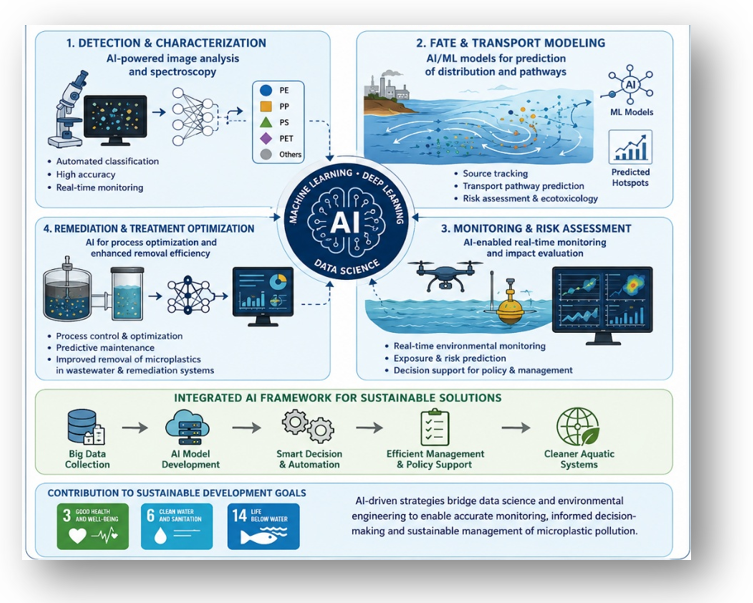
Ø Artificial intelligence significantly enhances the detection and characterization of microplastics through automated image and spectroscopic analysis;
Ø AI and machine learning models improve prediction of microplastic fate, transport pathways, and pollution hotspots in aquatic ecosystems;
Ø Machine learning optimizes wastewater treatment and remediation technologies, improving microplastic removal efficiency;
Ø Integration of AI with remote sensing, IoT, GIS, and digital monitoring enables real-time environmental surveillance and decision-making.
Keywords
INTRODUCTION
Microplastic pollution has become an increasing environmental issue - particularly in water bodies, where it is concentrated as indestructible plastic litter throughout water columns, sediments and aquatic organisms. Their small size and widespread coverage, coupled with their ability to withstand degradation, imply that they can move between numerous environmental compartments and consequently interact with complex physical, chemical and biological processes. These features not only affect their future in the environment but also increase their potential to act as vectors for toxic substances, thereby threatening aquatic ecosystems and human health. Although much research has been reported on the occurrence and impact of microplastics, the dynamic behavior of these particles in water bodies remains a challenge (Yang et al., 2021; Ashrafy et al., 2023; Jeyachandran et al., 2026). Traditional techniques for tracking and analyzing microplastics are more labor-intensive and involve sampling, spectroscopic identification and deterministic modeling. Although such techniques provide valuable insights, in many cases they are constrained in spatial and temporal scales, have low throughput and involve uncertainty in forecasting transport paths and environmental distribution. Moreover, the quantity and diversity of environmental data produced by environmental monitoring programs have increased awareness of the inadequacy of old analytical structures, which are not sufficiently configured to manipulate vast and intricate data sets. Consequently, there is an ever-increasing demand for novel, information-based methodologies that can enhance the accuracy of detection, predictive modeling and decision-making processes (Pal et al., 2025; Jolaosho et al., 2025; Xie et al., 2025). The application of artificial intelligence (AI) and deep learning (DL) has been a revolutionary tool in environmental science over the past few years, enabling us to derive meaningful patterns from large, complex datasets. AI-driven methods have shown great potential to automate the detection and classification of particulate pollutants, combine information from multiple environmental sources, and enhance the predictive capacity of environmental models. Where directional behavioral tendencies of microplastics suggest multifactorial dynamics, as seen in aquatic systems, including hydrodynamics, physicochemical interactions and biological action, AI offers a strong system for capturing nonlinear relationships and spatiotemporal variance. These capabilities render AI particularly well-suited for advancing insight into microplastic dynamics that cannot be achieved with traditional methods (Etin-Osa and Isitua, 2025; Anyanwu et al., 2026). Recent studies have begun to discuss the application of AI-based methods for detecting microplastics, environmental monitoring and optimizing treatment methods. Image-based DL models have been used with much success for automatic particle identification, and machine learning (ML) models coupled with environmental datasets have been used to predict distribution patterns and transport processes. Most importantly, the strategies of AI assistance are explored to improve the efficiency of treatment systems that aim to reduce microplastic contamination. Despite these promising developments, the use of AI in this field is fragmented, with limited attempts to create integrated frameworks that combine detection, environmental behavior and remediation in a unified view (Zhang et al., 2023; Rawat et al., 2025). AI should be regarded as a complementary analytical tool that enhances rather than replaces conventional experimental, analytical, and modeling techniques. AI-assisted algorithms improve the interpretation of data generated from spectroscopy, microscopy, field observations, and hydrodynamic models, thereby facilitating more efficient identification, prediction, and decision-making in microplastic research. In this context, a synthesis of knowledge on AI-driven approaches is needed to fill gaps at this stage and provide a coherent picture of their role in tackling microplastic pollution in aquatic systems. The study has primarily focused on individual aspects of microplastic pollution, including analytical detection techniques, environmental occurrence, ecological impacts, or specific applications of AI (Agaton, 2025; Amparán et al., 2025; Anyanwu et al., 2026). However, comprehensive critical synthesis integrating AI-assisted detection, environmental monitoring, fate-and-transport modeling, ecological risk assessment, and remediation strategies remains limited. To address this gap, the present narrative review provides a critical synthesis of representative and recent advances in AI-assisted approaches for the detection, environmental monitoring, fate and transport modeling, ecological risk assessment, and remediation of microplastic pollution in aquatic systems. Rather than systematically evaluating all published studies using predefined inclusion criteria, the review critically discusses recent developments, evaluates the current level of technological maturity, identifies key scientific and technological limitations, and highlights future research directions. Emphasis is placed on how AI complements conventional analytical techniques, predictive modeling, and remediation strategies to improve the understanding and management of microplastic pollution in aquatic environments. By combining knowledge from environmental science and data analytics, this study aims to highlight the potential of AI as a key enabler in the effective management of microplastic pollution in aquatic environments. This review study was carried out at Saveetha Institute of Medical and Technical Sciences, Chennai, Tamil Nadu, India, in 2026.
Role of AI in environmental monitoring of microplastics
AI has developed as a game-changing tool in environmental monitoring, offering advanced capabilities in data analysis, pattern recognition and predictive modeling. The complexity of environmental systems and the vast amount and diversity of data have made it clear that traditional analytical approaches based on deterministic models and manual interpretation are inadequate. AI, which uses ML and DL techniques, offers a data-driven framework that can help derive meaningful information from complex datasets to improve the efficiency and accuracy of environmental assessment (Coleman, 2025; Leong, 2025). ML algorithms, such as artificial neural networks (ANNs), random forests (RFs), and support vector machines (SVMs), have proven highly successful at modeling nonlinear relationships among environmental variables. In contrast, DL architectures, especially convolutional neural networks (CNNs), have proven extremely good at analyzing images and, in parallel, performing automated feature extraction. These capabilities have enabled real-time monitoring, improved prediction accuracy, and reduced reliance on labor-intensive analytical procedures (Popescu et al., 2024; Camps-Valls et al., 2025). AI's advantages in environmental monitoring include unique qualities. AI models can work with enormous amounts of multi-source data, including spatial, temporal and spectral data, to analyze complex processes in the environment. AI methods are particularly well-suited to estimate nonlinear interactions and the inherent uncertainties in environmental systems. AI continues to expand its opportunities for continuous monitoring and decision-making through data, along with other emerging technologies such as remote sensing, the Internet of Things (IoT) devices, and geospatial analysis tools (Huang et al., 2025; Blessing and Olateru, 2025). These benefits are especially valuable for addressing water pollution from microplastics. The combination of hydrodynamic processes, physicochemical interactions and biological factors controls the behavior and distribution of microplastics, creating highly dynamic and spatially heterogeneous patterns. Traditional monitoring and modeling practices often fall short of adequately capturing such complexities due to data constraints, limited analytical and predictive capacity, and insufficient resolution. In this respect, AI can serve as an effective tool for improving the detection, classification, and prediction of microplastics by leveraging large datasets and uncovering invisible patterns that may not have been identified by traditional approaches (Chaukura et al., 2021; Yang et al., 2025). Recent advancements have shown that AI can be automated to detect microplastics by analyzing images, matching them against datasets and environmental data to predict transport paths, and streamlining treatment processes to minimize pollution. Nevertheless, despite these encouraging trends, AI applications in studying microplastics remain at an initial stage, research remains disorganized, and there is a lack of connections between various dimensions of monitoring and management. Proper awareness of AI-based solutions is, consequently, key to exploiting their full potential to address microplastic pollution (Khanam et al., 2025; Olawade et al., 2026). Fig. 1 displays the hypothetical basis for applying AI to environmental monitoring of microplastics in water bodies. Recent studies have highlighted the usefulness of AI for identifying and characterizing microplastics in the water industry. For example, DL techniques have been used in synergy with spectroscopic techniques to improve polymer identification. Kedzierski et al. (2019) demonstrated the use of ML algorithms with Fourier transform infrared (FTIR) spectroscopy to achieve automated, high-accuracy classification of microplastics and reduce the error of manual interpretation. Srivastava et al. (2025) pointed to the combination of ML with surface-enhanced Raman spectroscopy (SERS) to address high-dimensional spectra, peak overlap and interference from complex environmental matrices. The study highlighted that ML-assisted SERS is a valuable addition to the detection and classification of environmental contaminants, including infectious pathogens and inorganic/organic pollutants, improving analytical sensitivity for more reliable field monitoring. In addition to spectroscopic analysis, the detection of microplastics in images has made huge strides thanks to DL techniques. In one study by Lorenzo-Navarro et al. (2021), they developed a CNN-based model for automatic identification of microplastics in microscopy images, achieving high precision and recall. Likewise, recent advancements in computer vision have led to the development of real-time detection systems, with object detection methods such as You Only Look Once (YOLO) adopted for rapid detection and tracking of microplastics in aquatic environments (Sarker et al., 2024). These approaches support continuous monitoring and reduce reliance on labor-intensive manual analysis. Beyond detection, ML techniques have been used to analyze complex datasets related to microplastic pollution. Studies have shown that algorithms such as RF and ANN can model the distribution and transport of microplastics using a combination of hydrodynamic, physicochemical and spatial information (Kannankai et al., 2022).
AI in microplastic detection and monitoring
Identifying and tracking microplastics in water systems is highly significant for understanding their distribution, origin, and potential environmental effects. Visual sorting, FTIR spectroscopy, and Raman spectroscopy are common methods for identifying microplastics. Nevertheless, they are usually lengthy, cumbersome and prone to human error, especially when analyzing large data sets with complex environmental contexts. Moreover, they are not automated, which limits scalability and necessitates sophisticated analytical software. AI, and in particular DL, has become a promising solution to overcome these limitations by enabling automated, accurate, high-throughput analysis of microplastic data. AI-based techniques are useful for handling large volumes of images and spectral data, detecting patterns and performing classifications with minimal human intervention. These capabilities have enabled significant progress in microplastic detection and monitoring through image-based analysis and the interpretation of spectroscopic data (Abimbola et al., 2024; Ardini et al., 2025).
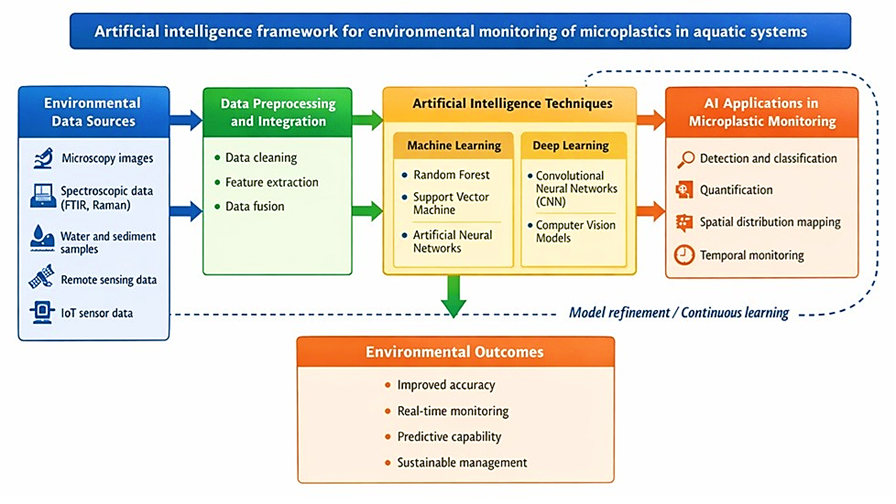
Fig. 1: Conceptual outline demonstrating the application of AI in the environmental monitoring of microplastics
Image analysis using AI for microplastics detection
Given the extensive use of microscopy techniques for environmental monitoring, image-based detection of microplastics has received considerable attention. CNNs and other DL models have achieved remarkable success in particle detection and classification from microplastic images. These models can extract features such as shape, size, and texture, which can be used to differentiate microplastics from natural particulates (Zhu et al., 2021; Elawady et al., 2025). Several studies have reported successful use of CNN architectures for microplastic detection. For instance, CNNs can achieve high precision and recall in recognizing fibrous and fragmented microplastics in microscopy images, thereby significantly reducing manual analysis. Further, transfer learning approaches using pre-trained models such as ResNet and EfficientNet have improved classification performance, especially with limited data. Despite these improvements, difficulties have been encountered in precisely identifying irregularly shaped particles and discriminating microplastics from organic materials with similar visual appearance (Thammasanya et al., 2024; Villegas-Camacho et al., 2025).
Progression of spectroscopic analysis with AI
Spectroscopic techniques (FTIR, Raman) are widely used for chemical characterization of microplastics. But analyzing spectral data can be complicated and labor-intensive, especially with large datasets. Over the years, AI-based approaches such as ML and DL models have been increasingly adopted to streamline the spectral signature classification process and enhance identification accuracy. Various ML algorithms, such as SVM, RF and ANN, have been used for polymer classification using spectral data. DL models are more efficient at detecting signals within spectral patterns, noise and even overlapping signals, particularly CNNs. These approaches not only reduce analysis time but also minimize operator bias, yielding more consistent and reproducible results. However, the efficacy of AI models relies heavily on access to high-quality datasets for training, which remains a limitation in spectroscopic analysis (Sim et al., 2024; Umurhan et al., 2025; Villegas-Camacho et al., 2025).
Monitoring and integrating data using AI-powered environmental monitoring
AI in relation to detection, is another key component of environmental data integration and analysis to build a full microplastic dataset. Aquatic systems produce massive amounts of heterogeneous information, including spatial, temporal and physicochemical data. These methods can be highly beneficial and efficient for processing such complex data, and AI can detect trends, patterns, and anomalies that might not be evident using traditional methods of analysis (Zhao et al., 2024; Wang et al., 2024). The AI and remote sensing technologies, which include geographical information systems (GIS) and sensors through the IoT, have facilitated tracking of the pollution of microplastics in real-time and at a very large scale. ML models can forecast microplastic concentrations using environmental parameters, and DL models can fully automate the analysis of visual and spectral data. These combined systems provide important insights into the distribution and dynamics of microplastics, supporting effective decision-making (Ibrahim et al., 2025; Khan and Zaidi, 2025; Pan et al., 2025). More recently, studies have demonstrated the effectiveness of AI and ML approaches in detecting and monitoring microplastics in aquatic environments. One major area of development is the application of DL algorithms to datasets of microscopic images for automatic particle identification. Wang et al. (2023) proposed the Faster Region-Based Convolutional Neural Network (Faster R-CNN) to detect microplastic particles in microscopy images automatically. The model represents a major advance in identification efficiency, reducing laborious manual sorting of particles and highlighting the potential of computer vision methods for large-scale environmental monitoring of microplastics. Another significant advancement is the integration of AI with spectroscopic methods, such as Raman and FTIR spectroscopy, for automated polymer identification. Ren et al. (2023) used micro-Raman spectroscopy with CNNs to categorize various types of microplastic polymers. Their model could produce classification rates exceeding 95 percent (%), indicating the performance of AI-driven spectral analysis methodologies in right-off-the-shelf classification of polymer structures even in environmentally complicated samples. Lim et al. (2024) designed a CNN-based method for analyzing Raman spectra to accelerate the detection of microplastics in the 1-10 micrometer (μm) range. The integration of DL and Raman spectral data processing has significantly reduced data collection time without compromising classification performance, resulting in a viable, high-throughput method for detecting microplastics in water. Other more recent studies have attempted to label multiple spectroscopic measurements using DL algorithms to improve identification accuracy further. Li et al. (2025) developed a high-order fusion model based on Raman and FTIR spectral data using DL algorithms, achieving over 98% identification accuracy of microplastics in different environmental media. This multi-sensor data fusion reveals the potential of AI to enhance reliability in complex environmental monitoring conditions. Beyond laboratory analysis, AI is also applied to develop real-time monitoring systems for microplastic pollution. Sarker et al. (2024) developed an AI-empowered camera sensor apparatus using computer vision to detect and monitor microplastic particles in water streams, including size and velocity parameters. Such practices imply that automated surveillance systems can systematically monitor environmental conditions related to microplastic pollution in water. Furthermore, technological advancements in the creation of low-cost AI-driven detection platforms are taking shape to support rapid analysis in the domain. Arju et al. (2025) recently demonstrated a mobile phone-based microscopy system that incorporates DL algorithms and has the potential to achieve microplastic detection rates of nearly 98%. This method emphasizes the potential of portable, low-cost monitoring technologies to enable mass surveillance of microplastics in resource-scarce settings. Fig. 2 explains a monitoring system for microplastics in water systems via AI. Table 1 summarizes AI-based approaches for detecting, classifying, and monitoring microplastics in aquatic systems.
AI in modeling the fate and transport of microplastics in aquatic systems
The fate and transport of microplastics in aquatic systems involve complex interactions among hydrodynamic processes, physicochemical properties, and environmental conditions. Microplastic particles have a variety of characteristics such as size, density, shape and surface chemistry, which play a major role in their behavior in water bodies. These properties determine such important transport processes as advection, diffusion, sedimentation, resuspension and aggregation. In addition, environmental parameters such as flow velocity, turbulence, temperature, salinity and biological activity oversee the spatial and temporal variability of microplastic distribution. The dynamic nature of these processes poses major challenges for accurately predicting microplastic movement and accumulation using conventional modeling approaches (Du et al., 2021; Jolaosho et al., 2025).
Influencing factors of fate and transport
Microplastic transport depends on both intrinsic particle properties and external environmental conditions. Low-density polymers are likely to be suspended in water columns, and high-density particles are more likely to be in sediments. Particle shape, especially fibers and fragments, influences drag forces and settling velocities, resulting in differences in transport behavior. Surface properties, such as biofilm formation and chemical aging, further alter particle density and associated hydrophobicity, thereby affecting particle interactions with the surrounding media (Kumar et al., 2021; Jiang et al., 2025a). Environmental factors also play an important part in determining microplastic dynamics. Hydrodynamic parameters such as currents, waves and turbulence, as well as physicochemical parameters such as salinity and temperature, affect particle movement and dispersion, whereas physical parameters affect buoyancy and aggregation. Carrier transport pathways and the residence time of microplastics may be affected by biological interactions such as ingestion and biofouling. These interconnected processes result in highly complex, nonlinear systems, and it is not easy to predict microplastic behavior using traditional deterministic approaches (Kye et al., 2023; Guo et al., 2024).
Predictive modeling using AI
AI has emerged as a powerful tool for microplastic fate and transport modeling because it can analyze complex environmental systems in a data-driven manner. ML algorithms such as RF, SVM and ANN possess the potential to detect nonlinear correlations between multiple environmental variables. These models can be trained using historical data to predict microplastic concentrations, distributions and transport routes across different aquatic environments (Astorayme et al., 2024; Cazzetta et al., 2026). AI-based predictive models have been shown to perform better than traditional methods, especially when dealing with large and heterogeneous data. For instance, ML models have been adopted to estimate microplastic concentrations in riverine and coastal water bodies, incorporating hydrological, meteorological and physicochemical parameters. Similarly, temporal variations have been represented, and the transport of microplastics under dynamic environmental conditions has been predicted using DL models such as recurrent neural networks (RNN) and long short-term memory (LSTM) networks. These approaches enable more precise, scalable predictions for improved environmental monitoring and management (Yu and Hu, 2022; Reshadi et al., 2025).
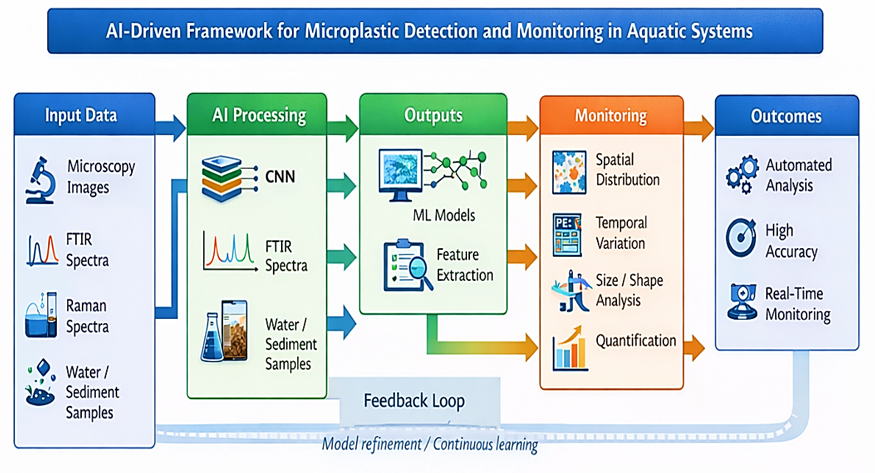
Table 1: Summary of AI-based approaches for the detection, classification, and monitoring of microplastics in aquatic systems
|
AI Model |
Data type |
Application |
Key findings |
Sources |
|
Microscopy images |
Detection and classification |
Achieved high precision in identifying microplastics, reducing manual analysis |
||
|
CNN |
Raman spectroscopy |
Polymer classification |
>95% accuracy in microplastic identification |
|
|
ML (SVM) |
FTIR spectra |
Polymer classification |
Automated classification with reduced human bias |
|
|
YOLO(v5) |
Image data |
Real-time detection |
Achieved ~96% detection accuracy |
|
|
RF |
Spectral data |
Polymer identification |
Improved classification compared to traditional methods |
|
|
ANN |
Environmental data |
Distribution prediction |
Accurate prediction of microplastic concentration patterns |
|
|
CNN |
FTIR imaging |
Automated identification |
High-throughput microplastic analysis |
|
|
ML |
FTIR data |
Spectral classification |
Enhanced spectral library matching |
|
|
ML-assisted analysis |
Water samples |
Monitoring |
Improved detection efficiency |
|
|
Remote sensing |
Marine debris detection |
Large-scale monitoring capability |
||
|
Image data |
Classification |
Improved recognition of complex particle shapes |
||
|
CNN |
Microscopy images |
Microplastic classification |
High accuracy with limited datasets |
|
|
ML |
FTIR data |
Automated identification |
Improved speed of analysis |
|
|
Raman spectra |
Polymer classification |
Accurate classification under noise |
||
|
DL |
Image + spectral |
Multi-modal analysis |
Improved classification robustness |
|
|
CNN |
Image data |
Detection |
Enhanced detection of irregular particles |
|
|
RF |
Environmental data |
Prediction |
Identified key influencing factors |
|
|
CNN |
Image data |
Automated detection |
Reduced processing time significantly |
|
|
Hybrid ML |
Multi-source data |
Monitoring |
Improved predictive performance |
Hybrid modeling approaches
The combination of AI techniques and traditional hydrodynamic models has been adopted to develop hybrid modeling frameworks for simulating microplastic transport. Conventional models, such as particle-tracking and computational fluid dynamics (CFD), are used to obtain physics-based insights into flow dynamics and particle motion. However, these models can be computationally expensive and may fail to account for complex interactions among multiple variables accurately (Ibna Hafiz et al., 2025; Filo et al., 2025). Hybrid models combine physics-based and data-driven techniques to improve prediction accuracy and efficiency. AI algorithms may be applied to calibrate model parameters, reducing uncertainties and better representing nonlinear processes. For instance, ML models can be integrated with hydrodynamic simulations to forecast transport pathways and accumulation areas in rivers, estuaries and coastal areas. These hybrid approaches provide richer frameworks for understanding the dynamics of microplastics in aquatic systems (Velazquez-Araque et al., 2025).
Geospatial analysis and monitoring and research outputs
The addition of geospatial data and remote sensing technologies has significantly strengthened AI-based modeling. Geographic information systems (GIS) and ML algorithms help map the distribution of microplastics in space on a broad geographical scale. These methods provide a simple way to determine microplastic pollution hotspots and to investigate the spatial variability of microplastic concentrations (Manapragada et al., 2025; Hochmair et al., 2025). AI models can also be used to process data from remote sensing platforms, sensor networks, and monitoring programs to enable large-scale, real-time analysis of microplastics. The combination of spatial and temporal information enables us to create predictive models that can quantify the movement and accumulation of microplastics under different environmental conditions. Such capabilities are especially useful for assessing regions and global regions where sampling is often limited with traditional methods (Rawat et al., 2025). Fig. 3 Projects the AI modules for modeling the fate and transport of microplastics in aquatic systems. Recent studies have demonstrated the potential of AI-based approaches for modeling the fate and transport of microplastics in water systems. ML models have been successfully used to predict microplastic concentrations in riverine environments by incorporating hydrological and physicochemical information, offering greater predictive ability than traditional statistical methods. An ANN has been applied to model transport pathways and the key environmental factors that affect the distribution of microplastics (Usman et al., 2026). Hybrid approaches combining hydrodynamic simulations with ML have shown better performance for predicting particle transport and accumulation zones, especially in coastal and estuarine systems. Geospatial models of microplastic pollution using a combination of geographic information systems (GIS) and AI techniques have been applied to map microplastic pollution at larger scales, identify hotspots and track temporal trends (Kida et al., 2024). Various recent studies have demonstrated the potential of ML models to predict microplastic abundance and transport dynamics in riverine and coastal environments. Gong et al. (2024) used several ML algorithms to model MP abundance in river waters across several coastal regions in China. Using datasets that included hydrological conditions, land use and anthropogenic factors, it was shown that there are strong relationships between environmental drivers and the distribution patterns of microplastics. The ML models with spatial variations in microplastic abundance were able to predict these patterns, suggesting the importance of environmental factors, such as population density, runoff dynamics and industrial activity, in regulating microplastic transport. These results demonstrate the potential of AI-based predictive frameworks to reduce the field sampling required and to provide credible estimates of microplastic distribution in complex aquatic systems. Priyanto et al. (2025) applied ML algorithms to predict microplastic amounts in river systems in Indonesian provinces using environmental and anthropogenic datasets. The analysis showed that tree-based algorithms were particularly suitable for predicting microplastic concentrations, with a coefficient of determination (R2) of about 0.84. The model demonstrated the presence of controlling variables of interest. Table 2 lists a few AI-based models of microplastic fate and transport Fig. 4.
AI-based methods for risk assessment and ecotoxicological assessment of microplastics
The widespread occurrence of microplastics in aquatic environments has raised growing concerns regarding their ecological and human health impacts. Microplastics interact with both biotic and abiotic components of aquatic ecosystems, resulting in complex exposure pathways and multiple toxicological responses. They can be ingested by organisms across different trophic levels, causing physical damage, oxidative stress, inflammation, metabolic disruption, and impaired reproduction. In addition, microplastics serve as vectors for heavy metals, persistent organic pollutants, pharmaceuticals, and microbial pathogens, thereby increasing the bioavailability and transport of co-existing contaminants. Several physicochemical characteristics, including particle size, shape, polymer composition, surface chemistry, and aging, influence their toxicity. Smaller particles, particularly nanoplastics, possess greater potential to penetrate biological membranes and accumulate within tissues. In contrast, irregularly shaped particles are more likely to cause mechanical injury and remain in organisms for longer. Furthermore, biofouling and interactions with other environmental contaminants modify particle behavior, transport, and exposure dynamics, making conventional ecological risk assessment increasingly challenging (Karak et al., 2025; Yarahmadi et al., 2024; Mahari et al., 2025; Trivedi et al., 2026).
Table 2: AI-based modeling of fate and transport of microplastics
|
AI model |
Data type |
Aquatic system |
Application |
Key findings |
Sources |
|
Oceanographic data |
Ocean |
Transport pathways |
Identified global microplastic accumulation zones |
||
|
Numerical + ML |
Marine data |
Ocean |
Distribution modeling |
Highlighted complexity of microplastic transport |
|
|
Statistical modelling |
Waste data |
Coastal |
Source estimation |
Quantified plastic input into oceans |
|
|
ML + hydrodynamic |
Ocean current data |
Ocean gyres |
Transport prediction |
Identified Great Pacific Garbage Patch |
|
|
ANN |
Environmental data |
River |
Concentration prediction |
High prediction accuracy for microplastic levels |
|
|
Statistical + modelling |
Marine data |
Ocean |
Distribution analysis |
Identified widespread ocean contamination |
|
|
ML/statistical |
River discharge data |
Rivers |
Source apportionment |
Rivers as major plastic sources |
|
|
ML |
Catchment data |
River |
Transport analysis |
Identified key influencing parameters |
|
|
Process-based + AI |
Particle properties |
Ocean |
Vertical transport |
Modeled sinking and rising behavior |
|
|
Simulation + ML |
Sediment data |
Freshwater |
Fate analysis |
Sediment accumulation patterns |
|
|
ML |
Environmental data |
River |
Distribution prediction |
Improved spatial predictions |
|
|
ANN |
Water quality data |
River |
Pollution prediction |
High model performance |
|
|
Modeling + ML |
Soil-water data |
Freshwater |
Transport pathways |
Identified terrestrial-aquatic link |
|
|
ML |
Environmental datasets |
Freshwater |
Distribution modeling |
Identified influencing factors |
|
|
Statistical + modeling |
Marine surveys |
Ocean |
Distribution |
Global mapping of plastics |
|
|
Numerical + ML |
Ocean data |
Ocean |
Transport simulation |
Seasonal variability observed |
|
|
AI + modeling |
Marine data |
Ocean |
Particle behavior |
Modeled microplastic transport processes |
|
|
Modeling |
Marine data |
Ocean |
Accumulation zones |
Identified Mediterranean pollution |
|
|
ML |
River data |
Global rivers |
Source identification |
Identified top polluting rivers |
|
|
Integrated modeling |
Global datasets |
Ocean |
Future scenarios |
Predicted plastic emissions |
AI in toxicity prediction
Artificial intelligence has emerged as a powerful tool for predicting microplastic toxicity by integrating physicochemical properties, environmental conditions, and biological response data. ML algorithms, including Random Forest (RF), Support Vector Machine (SVM), Artificial Neural Networks (ANN), and deep learning (DL), have been widely applied to identify complex nonlinear relationships between particle characteristics and toxicity endpoints such as mortality, growth inhibition, oxidative stress, and biochemical alterations (Astray et al., 2023; Tang, 2025). Deep learning approaches further improve predictive performance by analyzing large and heterogeneous datasets generated from high-throughput toxicity screening and experimental studies. These models facilitate the identification of the most influential variables governing toxicity, including particle size, polymer type, concentration, surface charge, and the presence of sorbed contaminants. Compared with conventional statistical approaches, AI models offer greater flexibility in capturing nonlinear interactions; however, their predictive performance remains highly dependent on the quality, diversity, and representativeness of the available training datasets (Elawady et al., 2025; Jiang et al., 2025b). Recent studies have also combined ML with quantitative structure–activity relationship (QSAR) modeling to predict the toxicity of microplastics and associated additives. Using curated toxicity databases such as ECOTOX, AI-assisted QSAR models provide a rapid screening tool for prioritizing potential hazards and may help reduce reliance on extensive animal testing by supporting early-stage toxicity assessment. However, AI-based predictions should be regarded as complementary to experimental ecotoxicological studies until broader external validation and regulatory acceptance are achieved. These approaches provide rapid screening for potential hazards and improve the efficiency of environmental risk assessment by identifying the key physicochemical properties that control biological responses (Liu et al., 2023). The interpretation of AI-based toxicity predictions should consider the biological and experimental context of the underlying datasets. Toxicity responses vary substantially with species, developmental stage, exposure duration, particle size, polymer composition, concentration metrics, particle aging or weathering, chemical additives, and the presence of co-contaminants. Consequently, the predictive performance and applicability of AI models depend not only on the modeling algorithm but also on the quality, representativeness, and standardization of the input data. Future studies should prioritize harmonized toxicity datasets and standardized reporting to improve the robustness and transferability of AI-assisted ecotoxicological assessments.
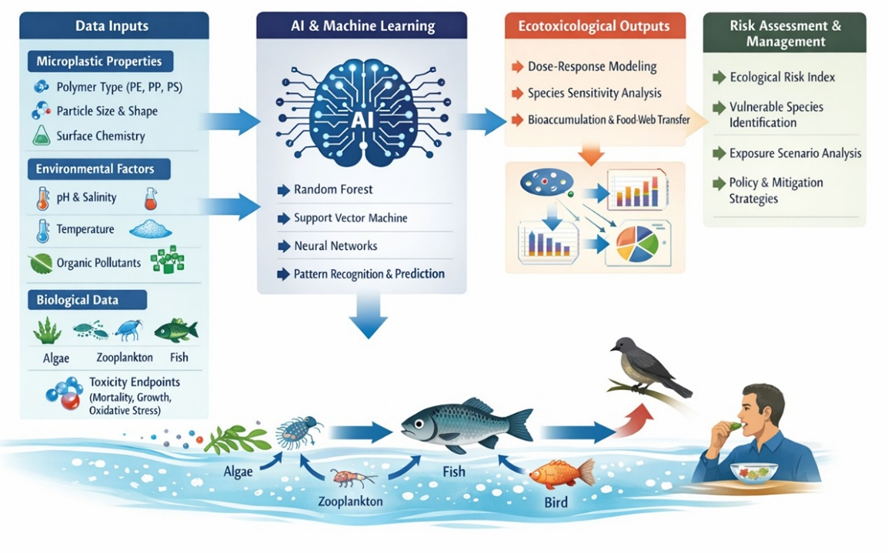
Fig. 4: Conceptual outline indicating the use of AI for microplastic induced ecotoxicological risk assessment
AI in ecological risk assessment
AI complements conventional ecological risk assessment by integrating environmental monitoring data, biological observations, and physicochemical information to improve exposure prediction and toxicity assessment of microplastics. Unlike conventional ecological indices and statistical analyses, AI models identify complex nonlinear relationships and support predictive modeling for ecological risk evaluation. ML models have been employed to predict exposure levels, estimate bioaccumulation potential, identify vulnerable species, and assess ecological risks across different aquatic ecosystems (Hu et al., 2024; Hoang et al., 2025). In addition, probabilistic AI models can incorporate uncertainty within environmental datasets, enabling scenario analysis under varying pollution conditions and improving decision-making for environmental management (Wardani et al., 2024; El-Sokkary et al., 2026). Beyond toxicity prediction, AI has increasingly been applied to model trophic transfer and bioaccumulation in aquatic food webs. Data-driven ecological models integrating field observations, species traits, and environmental variables have been used to estimate exposure probabilities and accumulation potential across multiple trophic levels, from plankton and benthic invertebrates to fish species. ML techniques, including gradient boosting and neural networks, have demonstrated that particle characteristics, feeding behavior, habitat conditions, and environmental variables strongly influence trophic transfer. Integrating heterogeneous ecological datasets through AI provides a more comprehensive understanding of long-term ecosystem impacts and supports the development of next-generation ecological risk assessment frameworks for emerging contaminants such as microplastics (Jiang et al., 2025c; Zhang et al., 2025; Jachimowicz et al., 2025; Yang et al., 2026). Overall, AI-based approaches have demonstrated considerable potential to improve the prediction of microplastic toxicity and ecological risk by integrating diverse environmental, physicochemical, and biological datasets and by identifying complex nonlinear relationships among exposure variables. These approaches can complement conventional ecotoxicological assessments by supporting toxicity prediction, exposure modeling, and scenario analysis. However, the predictive performance and reliability of AI models remain strongly dependent on the quality, diversity, and representativeness of the underlying datasets. Most published models have been developed using a limited range of polymer types, test organisms, toxicity endpoints, and controlled laboratory exposure conditions, which may not adequately capture the complexity and spatial-temporal variability of natural aquatic ecosystems. Consequently, AI model predictions should be interpreted within the training data's applicability domain, and caution should be exercised. Fig. 4 conceptualizes the potential application and integration of AI for microplastic ecotoxicological risk assessment.
AI in microplastic remediation and treatment technologies
The growing presence of microplastics in aquatic habitats has highlighted the need for effective remediation and treatment methods. Conventional methods of microplastic removal include physical, chemical and biological processes, such as filtration, coagulation-flocculation, sedimentation, adsorption and membrane separation. While these techniques have shown different levels of efficiency, they tend to be limited by factors such as incomplete removal, high operation costs, energy use, and difficulties in dealing with different forms of microplastics. The variation in particle size, shape, and composition further complicates the design and optimization of treatment systems (Amparán et al., 2025; Dayal et al., 2024; Bodzek et al., 2024). AI-assisted remediation technologies target different treatment objectives, including the physical removal, capture, retention, transfer, or degradation of microplastics. These outcomes should not be regarded as environmentally equivalent. Physical separation processes such as membrane filtration, coagulation–flocculation, sedimentation, and adsorption primarily remove or transfer microplastics from the aqueous phase to concentrated residual streams (e.g., sludge or spent adsorbents), requiring appropriate downstream management. In contrast, advanced oxidation and photocatalytic processes aim to chemically degrade polymer structures, although complete mineralization is rarely achieved under practical conditions. Consequently, AI-based optimization strategies should be interpreted in light of the specific treatment objective and the environmental fate of the resulting products, rather than solely on apparent removal efficiency.
AI in process optimization
AI has been utilized as a potent solution to streamline microplastic remediation procedures, leveraging a data-driven decision-making approach and real-time control. ML models can predict treatment efficiency based on pH, coagulant dosage, temperature, and flow rate. Algorithms, including ANN, RF, and support vector machines, have been utilized to predict operating conditions to achieve higher removal efficiencies and reduce energy usage and operational costs. The key parameters affecting treatment performance can also be calculated using AI-based optimization models, enabling system design optimization. In fact, ML strategies have been implemented to optimize adsorption processes by predicting interactions between microplastics and adsorbent materials. In these models, the number of experimental steps can be greatly reduced, enabling the design of better treatment variations (Lowe et al., 2022; Cairone et al., 2024; Valle-Bravo et al., 2026). Although many AI-assisted optimization strategies have been developed for conventional wastewater treatment processes, direct applications specifically targeting microplastic removal remain comparatively limited. Nevertheless, these approaches provide a useful framework for improving operational conditions that may enhance microplastic capture and separation efficiency.
AI-powered treatment solutions
The combination of AI and the latest treatment technologies has led to the development of intelligent systems for removing microplastics. AI-assisted membrane systems can track fouling behavior and make on-the-fly changes to operational parameters to ensure optimal performance. Similarly, AI models can be used in conjunction with adsorption and filtration systems to predict removal efficiency and optimize system design. Emerging approaches combining AI, nanomaterials and advanced oxidation processes have also shown potential to improve the degradation and removal of microplastics. Using AI models, it is possible to design and optimize nanomaterial-based adsorbents that can be even more selective and efficient. In addition, AI-enabled analysis of treatment processes can help identify the right conditions for microplastic degradation (Xu and Liu, 2025; Agaton, 2025).
Smart and autonomous remediation systems
AI and IoT technologies, combined, have enabled the development of intelligent, autonomous remediation systems. To verify the concepts of the AI models, sensor arrays will be used to continuously monitor water quality parameters and the level of microplastics and report in real time. These systems can automatically adjust treatment conditions in response to changing environmental conditions to achieve optimal performance. Autonomous environmental monitoring and remediation can also be conducted at large scale using systems that run AI algorithms. For instance, AI can be used to detect polluted areas via platforms and prioritize them for cleaning. These systems can provide the prospect of dramatically improving the effectiveness of microplastics management (Essamlali et al., 2024; Govindarajan et al., 2025). Table 3 lists AI-based approaches for microplastic remediation. Fig. 5 Shows conceptual microplastic removal with AI assistance (Valdiviezo-Gonzales et al., 2026). Current AI-assisted remediation technologies can be broadly categorized into i) conceptual frameworks proposed for future implementation, ii) laboratory-scale proof-of-concept systems, iii) pilot-scale demonstrations, and iv) emerging applications integrated into conventional wastewater treatment processes. However, reports of fully autonomous, full-scale microplastic remediation systems remain scarce. Overall, AI has emerged as a valuable tool for enhancing the efficiency, automation, and optimization of microplastic remediation technologies. By integrating predictive modeling, intelligent process control, and real-time monitoring, AI can support the development of adaptive and energy-efficient treatment systems. Although many applications remain at the laboratory or pilot scale, continued advances in ML, sensor technologies, and process automation are expected to facilitate the practical implementation of AI-assisted remediation strategies for sustainable microplastic management. Evidence from AI-assisted processes in wastewater treatment suggests potential applicability to microplastic removal; however, direct studies focusing specifically on microplastic adsorption remain scarce. An important consideration in AI-assisted microplastic remediation is the subsequent fate of particles retained during treatment. Many physical separation technologies, including membrane filtration, coagulation–flocculation, adsorption, and granular filtration, do not destroy microplastics but instead transfer them to residual streams such as sludge, spent adsorbents, filter media, membrane concentrates, or backwash water. Consequently, the environmental effectiveness of these technologies depends not only on their removal efficiency but also on the safe handling, treatment, disposal, or potential recovery of these residual materials to prevent secondary environmental release. Future AI-based optimization frameworks should therefore incorporate residual management strategies alongside treatment performance to support more sustainable microplastic remediation.
Table 3: AI-based approaches for microplastic remediation
|
Remediation technology |
Role of AI |
Optimised parameters |
Current limitations |
|
Coagulation–flocculation |
Process optimisation |
Coagulant dose, pH |
Limited real-world validation |
|
Membrane filtration |
Fouling prediction and process control |
Flux, TMP, cleaning cycles |
Small datasets |
|
Adsorption |
Prediction of adsorption efficiency |
Adsorbent dosage, contact time |
Material-specific models |
|
Photocatalysis |
Catalyst/process optimization |
Catalyst loading, irradiation time |
Mostly laboratory studies |
|
Advanced oxidation |
Process optimisation |
Oxidant dosage, reaction time |
Limited AI applications |
|
Smart treatment systems |
Real-time monitoring and control |
Sensor integration, operational parameters |
Pilot-scale implementation |
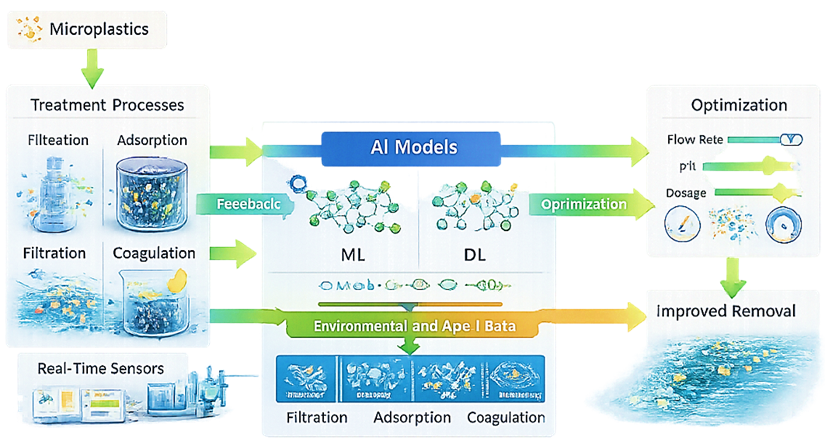
Fig. 5: AI-assisted microplastics remediation
CONCLUSION
Microplastic pollution continues to pose a significant threat to freshwater and marine ecosystems, creating an urgent need for efficient approaches to its detection, monitoring, prediction, and mitigation. This review demonstrates that AI, ML, and DL are increasingly contributing to microplastic research by enhancing data analysis, improving predictive capabilities, and supporting more efficient environmental monitoring and decision-making. Among the current applications, AI-assisted image analysis, automated microscopy, and spectroscopic classification represent the most mature and widely validated technologies, providing substantial improvements in the speed and accuracy of microplastic identification. AI has also shown considerable promise in modeling the environmental fate and transport of microplastics and supporting ecotoxicological risk assessment. However, the reliability of these applications remains dependent on the quality and representativeness of the available datasets. By comparison, several emerging applications, including AI-assisted remediation, digital twins, autonomous treatment systems, and large-scale toxicity prediction, are still at an early stage of development. Much of the current evidence for these applications is derived from laboratory investigations, pilot-scale studies, or AI-assisted optimization of conventional wastewater treatment processes rather than direct modeling of microplastic removal under real-world operating conditions. Consequently, these technologies should be regarded as promising research directions rather than fully established environmental management tools. Similarly, while AI-assisted optimization may improve treatment efficiency under specific conditions, quantitative evidence demonstrating consistent reductions in operational costs and energy consumption for microplastic-specific treatment systems remains limited. Despite the rapid progress achieved in recent years, several important challenges continue to limit the broader implementation of AI in microplastic research. Many published models have been developed using relatively small, geographically restricted, and heterogeneous datasets, limiting their generalizability across different aquatic environments. Furthermore, inconsistent sampling protocols, analytical methodologies, reporting metrics, and benchmark datasets hinder model comparison and independent validation. Additional challenges include limited model interpretability, insufficient external validation, restricted transferability across environmental conditions, and the scarcity of field-scale deployment studies. Addressing these issues will require greater standardization of analytical workflows, development of high-quality open-access datasets, rigorous external validation, and closer collaboration among environmental scientists, engineers, data scientists, and regulatory agencies.
AUTHOR CONTRIBUTIONS
M. Kamaraj wrote the original draft and conceptualized the paper. H.A. Bhavithra helped with visualization, validation, writing, review and editing. B. Rajalakshmi collected literature, created the figures and helped in writing and editing. J. Aravind, as the corresponding author, supervised the work and wrote the original draft and conceptualized the paper.
ACKNOWLEDGEMENT
Authors are thankful for the support and facilities provided by SRM Group of Educational Institutions, Ramapuram, Chennai, Tamil Nadu, India, and Saveetha Institute of Medical and Technical Sciences, Chennai, Tamil Nadu, India.
CONFLICT OF INTEREST
The authors declare no potential conflict of interest regarding the publication of this work. In addition, the ethical issues, including plagiarism, informed consent, misconduct, data fabrication and/or falsification, double publication and/or submission, and redundancy, have been completely witnessed by the authors.
OPEN ACCESS
©2027 The author(s). This article is licensed under a Creative Commons Attribution 4.0 International License, which permits use, sharing, adaptation, distribution and reproduction in any medium or format, as long as you give appropriate credit to the original author(s) and the source, provide a link to the Creative Commons license, and indicate if changes were made. The images or other third-party material in this article are included in the article's Creative Commons license, unless indicated otherwise in a credit line to the material. If material is not included in the article's Creative Commons license and your intended use is not permitted by statutory regulation or exceeds the permitted use, you will need to obtain permission directly from the copyright holder. To view a copy of this license, visit: http://creativecommons.org/licenses/by/4.0/
PUBLISHER'S NOTE
GJESM Publisher remains neutral regarding jurisdictional claims in published maps and institutional affiliations.
NEGATIVE AI STATEMENT
The author(s) declared that no AI tools or services were used or highly applied during the preparation of this work.
ABBREVIATIONS
|
% |
Percent |
|
μm |
Micrometers |
|
AI |
Artificial intelligence |
|
ANN |
Artificial neural network |
|
CFD |
Computational fluid dynamics |
|
CNN |
Convolutional neural network |
|
DL |
Deep learning |
|
Faster R-CNN |
Faster region-based convolutional neural network |
|
FTIR |
Fourier transform infrared |
|
GIS |
Geographic information system |
|
IoT |
Internet of things |
|
LSTM |
Long short-term memory |
|
ML |
Machine learning |
|
R² |
Coefficient of determination |
|
RF |
Random forest |
|
RNN |
Recurrent neural network |
|
SDGs |
Sustainable development goals |
|
SERS |
Surface-enhanced raman spectroscopy |
|
SVM |
Support vector machine |
|
YOLO |
You only look once |
REFERENCES
Abimbola, I.; McAfee, M.; Creedon, L.; Gharbia, S., (2024). In-situ detection of microplastics in the aquatic environment: A systematic literature review. Sci. Total Environ. 934: 173111 (18 pages).
Agaton, C.B., (2025). Nature-Based Solutions for Removal of Microplastics from Wastewater: Technologies, Challenges, and Prospects. Microplastics. 4(4): 107 (23 pages).
Amparán, M.A.A.; Palacios, A.; Flores, G.M.; Olivera, P.M.C., (2025). Review and future outlook for the removal of microplastics by physical, biological and chemical methods in water bodies and wastewaters. Environ. Monitor. Assess., 197(4):429 (35 pages).
Anyanwu, C.; Agunwamba, J.C.; Tiza, M., (2026). Artificial intelligence in removal of emerging contaminants: A sustainable approach for environmental cleanup and circular economy. In Applications of artificial intelligence in removal of emerging contaminants. Elsevier. 77–108 (32 pages).
Aoki, K.; Furue, R., (2021). A model for the size distribution of marine microplastics: A statistical mechanics approach. PLOS One. 16(11): e0259781 (19 pages).
Ardini, B.; Pittura, L.; Frontini, A.; Benedetti, M.; Gorbi, S.; Regoli, F.; Cerullo, G.; Valentini, G.; Manzoni, C., (2025). Fast detection and classification of microplastics by a wide-field fourier transform Raman microscope. Environ. Sci. Technol., 59(18): 9255–9264 (10 pages).
Arju, B.Z.M.Z.; Hridi, N.A.; Dewan, L.; Suhaila; Amin, M.N.; Rashid, T.; Azad, A.K.; Rahman, S.; Hossain, M.; Habib, A., (2025). Deep-learning enabled rapid and low-cost detection of microplastics in consumer products following on-site extraction and image processing. RSC Adv., 15(14): 10473–10483 (11 pages).
Ashrafy, A.; Liza, A.A.; Islam, M.N.; Billah, M.M.; Arafat, S.T.; Rahman, M.M.; Rahman, S.M., (2023). Microplastics pollution: A brief review of its source and abundance in different aquatic ecosystems. J. Hazard. Mater. Adv., 9: 100215 (12 pages).
Astorayme, M.A.; Vázquez-Rowe, I.; Kahhat, R., (2024). The use of artificial intelligence algorithms to detect macroplastics in aquatic environments: A critical review. Sci. Total Environ., 945: 173843 (19 pages).
Astray, G.; Soria-Lopez, A.; Barreiro, E.; Mejuto, J.C.; Cid-Samamed, A., (2023). Machine learning to predict the adsorption capacity of microplastics. Nanomaterials. 13(6): 1061 (17 pages).
Barker, M.; Singha, T.; Willans, M.; Hackett, M.; Pham, D.-S., (2025). A domain-adaptive deep learning approach for microplastic classification. Microplastics. 4(4):69 (22 pages).
Blessing, A.-A.; Olateru, K., (2025). AI-driven optimization of bioremediation strategies for river pollution: A comprehensive review and future directions. Front. Microbiol., 16: 1504254 (8 pages).
Bodzek, M.; Pohl, A.; Rosik-Dulewska, C., (2024). Microplastics in wastewater treatment plants: Characteristics, occurrence and removal technologies. Water. 16(24): 3574 (21 pages).
Cairone, S.; Hasan, S.W.; Choo, K.-H.; Li, C.-W.; Zorpas, A.A.; Ksib, M.; Zarra, T.; Belgiorno, V.; Naddeo, V., (2024). Enhancing membrane fouling control in wastewater treatment processes through artificial intelligence modeling: Research progress and future perspectives. Euro-Mediterr. J. Environ. Integr., 9(4): 1887–1905 (9 pages).
Camps-Valls, G.; Fernández-Torres, M.-Á.; Cohrs, K.-H.; Höhl, A.; Castelletti, A.; Pacal, A.; Robin, C.; Martinuzzi, F.; Papoutsis, I.; Prapas, I.; Pérez-Aracil, J.; Weigel, K.; Gonzalez-Calabuig, M.; Reichstein, M.; Rabel, M.; Giuliani, M.; Mahecha, M. D.; Popescu, O.-I.; Pellicer-Valero, O. J.; Ouala, S.; Salcedo-Sanz, S.; Sippel, S.; Kondylatos, S,; Happé, T.; Williams, T., (2025). Artificial intelligence for modeling and understanding extreme weather and climate events. Nat. Commun., 16(1): 1919 (14 pages).
Cazzetta, A.; Zangaro, F.; Marcucci, F.; Julius, O.T.; Rainò, M.; Shauer, M.; Massaro, R.; Semeraro, T.; Basset, A.; Pinna, M., (2026). Applying Artificial Intelligence (AI) Innovative Tools for Ecological Research and Monitoring of Transitional Water Ecosystems: A Systematic Review. Environments. 13(4): 193 (71 pages).
Chaukura, N.; Kefeni, K.K.; Chikurunhe, I.; Nyambiya, I.; Gwenzi, W.; Moyo, W.; Nkambule, T.T.I.; Mamba, B.B.; Abulude, F.O., (2021). Microplastics in the aquatic environment—The occurrence, sources, ecological impacts, fate, and remediation challenges. Pollutants. 1(2): 95–118 (24 pages).
Coleman, B.R., (2025). An introduction to machine learning tools for the analysis of microplastics in complex matrices. Environ. Sci. Process. Impacts. 27(1): 10–23 (14 pages).
Dayal, L.; Yadav, K.; Dey, U.; Das, K.; Kumari, P.; Raj, D.; Mandal, R.R., (2024). Recent advancement in microplastic removal process from wastewater-a critical review. J. Hazard. Mater. Adv., 16: 100460 (15 pages).
Du, S.; Zhu, R.; Cai, Y.; Xu, N.; Yap, P.-S.; Zhang, Y.; He, Y.; Zhang, Y., (2021). Environmental fate and impacts of microplastics in aquatic ecosystems: A review. RSC Adv., 11(26): 15762–15784 (23 pages).
Elawady, A.; Mohammed, J. A.; bin Abid, M., (2025). Advancements in microplastics detection techniques and their multidimensional impacts on aquatic ecosystems and human health. Journal of Hazardous Materials: Plastics. 2: 100025 (23 pages).
El-Sokkary, N.; Arafa, A.A.; Zahran, E. G.; Hefny, H. A.; Ramdan, N., (2026). Recent trends of machine learning techniques for risk assessment in hazardous environments. Artif. Intell. Rev., 59(3): 108 (60 pages).
Essamlali, I.; Nhaila, H.; El Khaili, M. (2024). Advances in machine learning and IoT for water quality monitoring: A comprehensive review. Heliyon. 10(6): e27920 (28 pages).
Etin-Osa, D.; Isitua, C.C., (2025). Artificial intelliegence/machine learning techniques in the management of environmental issues. In: Integrated biotechnological solutions for the treatment of industrial wastewater: 487–525. Elsevier (39 pages).
Fazil, A.Z.; Dhawala Wijeratna, D.D.S.; Gomes, P.I.A., (2025). Predicting microplastic transport in open channels with different bed types and river regulation with machine learning techniques. Environ. Pollut., 384: 126912 (11 pages).
Filo, G.; Lempa, P.; Wisowski, K., (2025). Review of deterministic and AI-based methods for fluid motion modelling and sloshing analysis. Energies. 18(5): 1263 (21 pages).
Goddijn-Murphy, L.; Woolf, D.; James, N.A., (2025). Patterns and trends in marine microplastics density distributions using a long-term, global, field database. Mar. Pollut Bull., 212: 117528 (11 pages).
Gong, X.; Hu, J.; Situ, Z.; Zhou, Q.; Zhao, Z., (2024). Exploring action-law of microplastic abundance variation in river waters at coastal regions of China based on machine learning prediction. Sci. Total Environ., 955: 176965 (14 pages).
Govindarajan, P., Shahapuram, V. K., Ganesh, P. S., Basavalingappa, V. M., Balarama, K. Y., Sarangi, K. P., Cheong, J.Y.; Padil, V.V.T., (2025). Tracking microplastic pathways: Real-time IoT monitoring for water quality and public health. MethodsX. 15: 103674 (15 pages).
Guo, M.; Noori, R.; Abolfathi, S., (2024). Microplastics in freshwater systems: Dynamic behaviour and transport processes. Resour. Conserv. Recycl., 205: 107578 (21 pages).
Han, K.; Huang, M.; Wang, Z.; Shi, C.; Wang, Z.; Guo, J.; Liu, W.; Lei, L.; Guo, Q., (2024). Innovative methods for microplastic characterization and detection: Deep learning supported by photoacoustic imaging and automated pre-processing data. J. Environ. Manag., 359: 120954 (11 pages).
Hoang, H.G.; Nguyen, N.S.H.; Zhang, T.; Tran, H.-T.; Mukherjee, S.; Naidu, R., (2025). A review of microplastic pollution and human health risk assessment: Current knowledge and future outlook. Front. Environ. Sci., 13: 1606332 (17 pages).
Hochmair, H. H.; Juhász, L.; Li, H., (2025). Advancing AI-driven geospatial analysis and data generation: Methods, applications and future directions. ISPRS Int. J. Geo-Inf., 14(2): 56 (8 pages).
Hu, B.; Dai, Y.; Zhou, H.; Sun, Y.; Yu, H.; Dai, Y.; Wang, M.; Ergu, D.; Zhou, P. (2024). Using artificial intelligence to rapidly identify microplastics pollution and predict microplastics environmental behaviors. J, Haz. Mat., 474: 134865 (17 pages).
Hu, J.; Li, C.; Deng, L.; Yan, Z.; Gong, X., (2025). Spatial distribution, key influencing factors, and ecological risk of microplastics in Pearl River estuary water and sediments. Water. 17(17): 2572 (18 pages).
Huang, L.; Duan, Q.; Liu, Y.; Wu, Y.; Li, Z.; Guo, Z.; Liu, M.; Lu, X.; Wang, P.; Liu, F.; Ren, F.; Li, C.; Wang, J.; Huang, Y.; Yan, B.; Kioumourtzoglou, M.-A.; Kinney, P.L., (2025). Artificial intelligence: A key fulcrum for addressing complex environmental health issues. Environ. Int., 198: 109389 (19 pages).
Hufnagl, B.; Stibi, M.; Martirosyan, H.; Wilczek, U.; Möller, J.N.; Löder, M.G.J.; Laforsch, C.; Lohninger, H., (2021). Computer-assisted analysis of microplastics in environmental samples based on FTIR imaging in combination with machine learning. Environ. Sci. Technol. Let., 9(1): 90–95 (6 pages).
Ibna Hafiz, A.M.; Ahmadisharaf, E.; Salehi, M.; Farner, J.; White, J. C.; Zeng, E. Y.; Nazari, B., (2025). A review of processes and models for the export of microplastics from terrestrial to aquatic systems. WIREs Water. 12(1): 70004 (35 pages).
Ibrahim, N.; Rahman, A.M.N.A.A.; Shafiq, M. D.; Lockman, Z.; Jaafar, M.; Kameda, Y., (2025). Microplastic pollution: Sources, degradation mechanisms, analytical advances, and mitigation strategies for environmental sustainability. Rev. Environ. Contam. Toxicol., 263(1): 27 (42 pages).
Jachimowicz, P.; Babkiewicz, E.; Gavlova, A.; Lang, J.; Mądzielewska, W.I.; Maszczyk, P.; Mierzyńska K.; Zieliński, P., (2025). Global microplastic contamination in freshwater lakes: Spatial patterns, environmental drivers, and methodological challenges. Environ. Res., 291: 123585 (19 pages).
Jeon, J.W.; Choi, J.W.; Shin, Y.; Kang, T.; Chung, B.G., (2025). Machine learning-integrated droplet microfluidic system for accurate quantification and classification of microplastics. Water Res., 274: 123161 (11 pages).
Jeyachandran, S.; Vibhute, P.; Dahms, H.-U.; Mudigonda, S.; Manavalan, A.; Heese, K., (2026). Microplastic pollution in aquaculture: Challenges and mitigation. Water Environ. J., 40(1): 3–20 (18 pages).
Jiang, Y.; Zhang, F.; Xia, S.; Chen, J.; Yue, L.; Xu, X.; Dong, W.; Pan, Y.; Fan, W.; Qu, M.; Chen, Y., (2025a). Evaluating microplastics and antibiotics induced genotoxicity in marine mussels through deep learning-based processing images of comet assay. Ecotoxicol. Environ. Saf., 305: 119295 (10 pages).
Jiang, H.; Li, Z.; Zhu, L.; Zhou, J.; Huang, Y.; Sun, D., (2025b). Comprehensive review of the co-transport of microplastics and suspended sediments in aquatic environments: Macroscopic transport and microscopic mechanisms. Environ. Sci. Eur., 37(1): 210 (19 pages).
Jiang, H.-H.; Che, T.-H.; Su, Q.; Jin, B.; Lu, Y.; Zhou, H.-X.; Fu, M.-J.; Zhou, J.-Y., (2025c). Machine learning-enhanced meta-analysis unravels the global patterns of microplastic-heavy metal co-toxicity in terrestrial ecosystems. Environ. Pollut., 386: 127273 (13 pages).
Jolaosho, T.L.; Rasaq, M.F.; Omotoye, E.V.; Araomo, O.V.; Adekoya, O.S.; Abolaji, O.Y.; Hungbo, J.J., (2025). Microplastics in freshwater and marine ecosystems: Occurrence, characterization, sources, distribution dynamics, fate, transport processes, potential mitigation strategies, and policy interventions. Ecotoxicol. Environ. Saf., 294: 118036 (36 pages).
Kannankai, M.P.; Babu, A.J.; Radhakrishnan, A.; Alex, R.K.; Borah, A.; Devipriya, S.P., (2022). Machine learning aided meta-analysis of microplastic polymer composition in global marine environment. J. Haz. Mat., 440: 129801 (8 pages).
Karak, P.; Parveen, A.; Modak, A.; Adhikari, A.; Chakrabortty, S., (2025). Microplastic pollution: A global environmental crisis impacting marine life, human health, and potential innovative sustainable solutions. Int. J. Environ. Res. Public Health. 22(6): 889 (22 pages).
Kedzierski, M.; Falcou-Préfol, M.; Kerros, M.E.; Henry, M.; Pedrotti, M.L.; Bruzaud, S., (2019). A machine learning algorithm for high throughput identification of FTIR spectra: Application on microplastics collected in the Mediterranean Sea. Chemosphere. 234: 242–251 (10 pages).
Khan, A.L; Zaidi, A.A., (2025). Separation and detection of microplastics in human exposure pathways: Challenges, analytical techniques, and emerging solutions. J. Xenobiot., 15(5): 154 (30 pages).
Khanam, M.M.; Uddin, M.K.; Kazi, J.U., (2025). Advances in machine learning for the detection and characterization of microplastics in the environment. Front. Environ. Sci., 13: 1573579 (15 pages).
Kida, M.; Pochwat, K.; Ziembowicz, S., (2024). Assessment of machine learning-based methods predictive suitability for migration pollutants from microplastics degradation. J. Haz. Mat., 461: 132565 (12 pages).
Kumar, R.; Sharma, P.; Verma, A.; Jha, P.K.; Singh, P.; Gupta, P.K.; Chandra, R.; Prasad, P.V.V., (2021). Effect of physical characteristics and hydrodynamic conditions on transport and deposition of microplastics in riverine ecosystem. Water. 13(19): 2710 (20 pages).
Kye, H.; Kim, J.; Ju, S.; Lee, J.; Lim, C.; Yoon, Y., (2023). Microplastics in water systems: A review of their impacts on the environment and their potential hazards. Heliyon. 9(3): e14359 (31 pages).
Lee, H.W., Kim, M.; Son, H.W.; Min, B.; Choi, J.H., (2022). Machine-learning-based water quality management of river with serial impoundments in the Republic of Korea. Journal of Hydrology: Reg. Stud., 41: 101069 (23 pages).
Leong, W.Y., (2025). Artificial Intelligence-Driven Analytics for Monitoring and Mitigating Climate Change Impacts. Engineering Proceedings. 108(1), 7 (8 pages).
Li, F.; Tian, J.; Guo, X.; Xu, L., (2025). Hybrid deep learning framework for environmental microplastic classification: Integrating CNN-based spectral feature extraction and transformer models. Environmen. Pollut., 384: 126989 (8 pages).
Lim, J.; Shin, G.; Shin, D., (2024). Fast detection and classification of microplastics below 10 μm using CNN with Raman spectroscopy. Anal. Chem., 96(17): 6819–6825 (7 pages).
Liu, C.; Zong, C.; Chen, S.; Chu, J.; Yang, Y.; Pan, Y.; Yuan, B.; Zhang, H., (2024). Machine learning-driven QSAR models for predicting the cytotoxicity of five common microplastics. Toxicology. 508: 153918 (9 pages).
Lorenzo-Navarro, J.; Castrillón-Santana, M.; Sánchez-Nielsen, E.; Zarco, B.; Herrera, A.; Martínez, I.; Gómez, M., (2021). Deep learning approach for automatic microplastics counting and classification. Sci. Total Environ., 765: 142728 (7 pages).
Lowe, M.; Qin, R.; Mao, X., (2022). A review on machine learning, artificial intelligence, and smart technology in water treatment and monitoring. Water. 14(9): 1384 (28 pages).
Mahari, W.A.W.; Anuar, S.T.; Lam, S.S.; Ibrahim, Y.S.; Bhubalan, K.; Vijayan, A.S.; Joseph, A.; Vandana, S.; Juraij, K.; Priya, K.; Santos, J.H.; Govinda.; Katiyar, J. K.; Ayyamperumal, R.; Gaur, A.P.S.; Chinglenthoiba, C., (2026). Perspective into bio-fouled microplastic behaviour, transportation and characterization in water bodies. J. Haz. Mat. Plast., 2: 100017 (18 pages).
Manapragada, N.V.S.K.; Mandelmilch, M.; Roitberg, E.; Kizel, F.; Natanian, J., (2025). Remote sensing for environmentally responsive urban built environment: A review of tools, methods and gaps. Remote Sensing Applications: Soc. Environ., 38: 101529 (22 pages).
Manchu, M.; Felsy, C.; Joselin Kavitha, M., (2024). Microplastic predictive modelling with the integration of Artificial Neural Networks and Hidden Markov Models (ANN-HMM). J. Environ. Health Sci. Eng., 22(2): 579 (14 pages).
Moses, S.R.; Roscher, L.; Primpke, S.; Hufnagl, B.; Löder, M.G.J.; Gerdts, G.; Laforsch, C., (2023). Comparison of two rapid automated analysis tools for large FTIR microplastic datasets. Anal. Bioanal. Chem., 415(15): 2975–2987 (13 pages).
Olawade, D.B.; Ijiwade, J.O.; Ige, A.O.; Wada, O.Z., (2026). Artificial intelligence for modeling and reducing microplastic in marine environments: A review of current evidence. Mar. Pollut. Bull., 226: 119379 (18 pages).
Olbert, A.I.; Diganta, M.T.M.; Bamal, A.; Burke, W.; Sajib, A.M.; Abioui, M.; Ashekuzzaman, S.M.; Rahman, A.; Uddin, M.G., (2025). Developing river water quality prediction model incorporating reliable indexing approach. J. Environ. Sci., 164: 581–598 (18 pages).
Pal, D.; Prabhakar, R.; Barua, V.B.; Zekker, I.; Burlakovs, J.; Krauklis, A.; Hogland, W.; Vincevica-Gaile, Z., (2025). Microplastics in aquatic systems: A comprehensive review of its distribution, environmental interactions, and health risks. Environ. Sci. Pollut. Res., 32(1): 56–88 (33 pages).
Pan, D.; Deng, Y.; Yang, S.X.; Gharabaghi, B. (2025). Recent advances in remote sensing and artificial intelligence for river water quality forecasting: A review. Environments. 12(5): 158 (34 pages).
Perera, I.J.J.U.N., Sandaruwan, R.D.C.; Bellanthudawa, B.K.A., (2025). Coastal and marine plastic pollution monitoring and control using remote sensing (RS) and artificial intelligence (AI) technologies. In: Vithanage, M.; Samarasekara, S.M.; James, B.D.; Reddy, C.M. (Eds.), Coastal and marine pollution: Source to sink, mitigation and management: 329–345. John Wiley & Sons (17 pages).
Pilechi, A.; Mohammadian, A.; Murphy, E., (2022). A numerical framework for modeling fate and transport of microplastics in inland and coastal waters. Mar. Pollut. Bull., 184: 114119 (15 pages).
Pittroff, M.; Loui, C.; Oswald, S.E.; Bochow, M.; Kamp, J.; Dierkes, G.; Lensing, H.-J.; Munz, M., (2024). Riverbed depth-specific microplastics distribution and potential use as process marker. Environ. Sci. Pollut. Res., 31(32): 45326–45340 (15 pages).
Popescu, S.M.; Mansoor, S.; Wani, O.A.; Kumar, S.S.; Sharma, V.; Sharma, A.; Arya, V.M.; Kirkham, M.B.; Hou, D.; Bolan, N.; Chung, Y.S., (2024). Artificial intelligence and IoT driven technologies for environmental pollution monitoring and management. Front. Environ. Sci., 12: 1336088 (19 pages).
Portillo De Arbeloa, N.; Marzadri, A., (2025). Modeling microplastic dynamics in riverine systems: Fate and transport analysis. Environ. Sci. Pollut. Res., 32(34): 20659–20677 (19 pages).
Priyanto, A.; Hapidin, D.A.; Edikresnha, D.; Aji, MP; Khairurrijal, K., (2025). Predicting microplastic quantities in Indonesian provincial rivers using machine learning models. Sci. Total Environ., 961: 178411 (12 pages).
Rawat, H.; Gaur, A.; Singh, N.; Selvaraj, M.; Karnwal, A.; Pant, G.; Malik, T., (2025). Artificial intelligence-driven detection of microplastics in food: A comprehensive review of sources, health risks, detection techniques, and emerging artificial intelligence solutions. Food Chem. X. 29: 102687 (12 pages).
Rehm, R.; Zeyer, T.; Schmidt, A.; Fiener, P., (2021). Soil erosion as transport pathway of microplastic from agriculture soils to aquatic ecosystems. Sci. Total Environ., 795: 148774 (12 pages).
Ren, L.; Liu, S.; Huang, S.; Wang, Q.; Lu, Y.; Song, J.; Guo, J., (2023). Identification of microplastics using a convolutional neural network based on micro-Raman spectroscopy. Talanta. 260: 124611 (7 pages).
Reshadi, M.A.M.; Rezanezhad, F.; Shahvaran, A.R.; Ghajari, A.; Kaykhosravi, S.; Slowinski, S.; Van Cappellen, P., (2025). Assessment of environmental and socioeconomic drivers of urban stormwater microplastics using machine learning. Sci. Rep., 15(1): 6299 (15 pages).
Rosales-Martínez, O.; Granda-Gutiérrez, E.E.; García-Hernández, R.A.; Alejo-Eleuterio, R.; Flores-Fuentes, A.A., (2025). Spectral derivatives improve FTIR-based machine learning classification of plastic polymers. Modelling. 6(4): 115 (22 pages).
Sá, B.; Pais, J.; Antunes, J.; Pequeno, J.; Pires, A.; Sobral, P., (2022). Seasonal abundance and distribution patterns of microplastics in the Lis River, Portugal. Sustainability. 14(4): 2255 (18 pages).
Santana, M.F.M.; Tonin, H.; Vamvounis, G.; van Herwerden, L.; Motti, C.A.; Kroon, F.J., (2025). Predicting microplastic dynamics in coral reefs: Presence, distribution, and bioavailability through field data and numerical simulation analysis. Environ. Sci. Pollut. Res., 32(15): 9655–9675 (21 pages).
Sarker, M.A.B.; Imtiaz, M.H.; Holsen, T.M.; Baki, A.B.M., (2024). Real-time detection of microplastics using an AI camera. Sensors. 24(13): 4394 (15 pages).
Seggio, M.; Arcadio, F.; Radicchi, E.; Cennamo, N.; Zeni, L.; Bossi, A.M., (2024). Toward nano- and microplastic sensors: Identification of nano- and microplastic particles via artificial intelligence combined with a plasmonic probe functionalized with an estrogen receptor. ACS Omega. 9(17): 18984–18994 (11 pages).
Sim, W.; Song, S.W.; Park, S.; Jang, J.I.; Kim, J.H.; Cho, Y.-M.; Kim, H.M., (2024). Unveiling microplastics with hyperspectral Raman imaging: From macroscale observations to real-world applications. J. Haz. Mat., 463: 132861 (10 pages).
Srivastava, S.; Wang, W.; Zhou, W.; Jin, M.; Vikesland, P.J., (2024). Machine learning-assisted surface-enhanced Raman spectroscopy detection for environmental applications: A review. Environ. Sci. Technol., 58(47): 20830–20848 (19 pages).
Sugathapala, T.M.; Capuano, T.; Brandt, L.; Iudicone, D.; Sardina, G., (2025). Vertical transport of buoyant microplastic particles in the ocean: The role of turbulence and biofouling. Environ. Pollut., 36: 125819 (9 pages).
Tang, K.H.D., (2025). The role of artificial intelligence in microplastic pollution studies and management. Recent Prog. Sci. Eng., 1(4): 1–11 (10 pages).
Thammasanya, T.; Patiam, S.; Rodcharoen, E.; Chotikarn, P., (2024). A new approach to classifying polymer type of microplastics based on Faster-RCNN-FPN and spectroscopic imagery under ultraviolet light. Sci. Rep., 14(1): 3529 (11 pages).
Tran, H.-T.; Hadi, M.; Nguyen, T.T.H.; Hoang, H.G.; Nguyen, M.-K.; Nguyen, K.N.; Vo, D.N., (2023). Machine learning approaches for predicting microplastic pollution in peatland areas. Mar. Pollut. Bull., 194(A); 115417 (10 pages).
Trivedi, A.; Bakhasha, J.; Saxena, V.; Arya, N.; Kumar, P.; Srivastava, A.; Mishra, S.; Yadav, K. K.; Trivedi, S.P.; Banaee, M.; Faggio, C., (2026). Microplastic-metal interactions and their toxicological effects in fish: A comprehensive review. J. Haz. Mat. Adv., 21: 101005 (18 pages).
Tsiaras, K.; Hatzonikolakis, Y.; Kalaroni, S.; Pollani, A.; Triantafyllou, G., (2021). Modeling the pathways and accumulation patterns of micro- and macro-plastics in the Mediterranean. Front. Mar. Sci., 8: 743117 (23 pages).
Umurhan, Y.; Songsart-Power, M.; Limbu, T.B.; Phan, T., (2025). Applications of Raman spectroscopy for microplastic detection and characterization: A comprehensive spectral reference. Environ. Sci. Pollut. Res., 32(50): 28630–28677 (48 pages).
Usman, A.G.; Almongy, H.M.; Samsudin, M.S.; Mati, S.; Ashraf, M.W.; Abba, S.I.; Almetwally, E.M.; Tajer, K.W.N., (2026). Integration of bio-inspired algorithms with machine learning for modeling microplastic contamination transport processes in natural aquatic habitats using morphological features. J. Radiat. Res. Appl. Sci., 19(1): 102216 (13 pages).
Valdiviezo-Gonzales, L.; Huaman, M.; Huachopoma, J., (2026). Microplastic removal by coagulation/flocculation: A review and bibliometric analysis. J. Haz. Mat. Adv., 101098 (12 pages).
Valle-Bravo, A.V.; González, C.L.; González-Soto, R.A.; Serrano, L.A.G.; García, J.A.C.; Flores-Huicochea, E., (2026). Integrating artificial intelligence into circular strategies for plastic recycling and upcycling. Polymers. 18(2): 306 (42 pages).
Valls-Conesa, J.; Winterauer, D.J.; Kröger-Lui, N.; Roth, S.; Liu, F.; Lüttjohann, S.; Harig, R.; Vollertsen, J., (2023). Random forest microplastic classification using spectral subsamples of FT-IR hyperspectral images. Anal. Met. Adv. Met. Appl., 15(18): 2226–2233 (8 pages).
Velazquez-Araque, L.; Flor, J.; Méndez, A.; Cárdenas-Calle, M., (2025). Modeling microplastic dispersion in the Salado estuary using computational fluid dynamics. Fluids. 10(5): 118 (29 pages).
Villegas-Camacho, O.; Francisco-Valencia, I.; Alejo-Eleuterio, R.; Granda-Gutiérrez, E.E.; Martínez-Gallegos, S.; Villanueva-Vásquez, D., (2025). FTIR-based microplastic classification: A comprehensive study on normalization and ML techniques. Recycling. 10(2): 46 (20 pages).
Wang, J.; Dong, J.; Tang, M.; Yao, J.; Li, X.; Kong, D.; Zhao, K., (2023). Identification and detection of microplastic particles in marine environment by using improved faster R–CNN model. J. Environ. Manag., 345: 118802 (11 pages).
Wang, Z.; Pal, D.; Pilechi, A.; Ariya, P.A., (2024). Nanoplastics in water: Artificial intelligence-assisted 4D physicochemical characterization and rapid in situ detection. Environ. Sci. Technol., 58(20): 8919–8931 (13 pages).
Wardani, I.; Hazimah Mohamed Nor, N.H.M.; Wright, S.L.; Kooter, I.M.; Koelmans, A.A., (2024). Nano- and microplastic PBK modeling in the context of human exposure and risk assessment. Environ. Int., 186: 108504 (14 pages).
Windsor, F.M.; Durance, I.; Horton, A.A.; Thompson, R.C.; Tyler, C.R.; Ormerod, S.J., (2019). A catchment-scale perspective of plastic pollution. Glob. Change Biol., 25(4): 1207–1221 (15 pages).
Wolf, M.; Van Den Berg, K.; Garaba, S.P.; Gnann, N.; Sattler, K.; Stahl, F.; Zielinski, O., (2020). Machine learning for aquatic plastic litter detection, classification and quantification (APLASTIC-Q). Environ. Res. Let., 15(11): 114042 (12 pages).
Xie, L.; Ma, M.; Ge, Q.; Liu, Y.; Zhang, L., (2025). Machine learning advancements and strategies in microplastic and nanoplastic detection. Environ. Sci. Technol., 59(18): 8885–8899 (14 pages).
Xu, M.; Liu, D., (2025). AI-enabled membrane bioreactors: A review of control architectures and operating-parameter optimization for nitrogen and phosphorus removal. Water. 17(19): 2899 (29 pages).
Yan, H.; Cordier, M.; Uehara, T., (2024). Future projections of global plastic pollution: Scenario analyses and policy implications. Sustainability. 16(2): 643 (18 pages).
Yan, X.; Cao, Z.; Murphy, A.; Qiao, Y., (2022). An ensemble machine learning method for microplastics identification with FTIR spectrum. J. Environ. Chem. Eng., 10(4): 108130 (8 pages).
Yang, H.; Chen, G.; Wang, J., (2021). Microplastics in the marine environment: Sources, fates, impacts and microbial degradation. Toxics. 9(2): 41 (19 pages).
Yang, J.; Li, H.; Ling, W.; Li, Y.; Zhang, K.; Zhang, P., (2025). Sources, status, and potential risks of microplastics in marine organisms of the Bohai Sea: A systematic review. Toxics. 13(5): 400 (23 pages).
Yang, Y.; Kong, F.; You, X.; Wu, R.; Shen, J. (2026). Assessing microplastic impacts on insect behaviour through artificial intelligence tools. TrAC Trends Anal. Chem., 198: 118784 (8 pages).
Yarahmadi, A.; Heidari, S.: Sepahvand, P.: Afkhami, H.: Kheradjoo, H., (2024). Microplastics and environmental effects: Investigating the effects of microplastics on aquatic habitats and their impact on human health. Front. in Public Health. 12: 1411389 (22 pages).
Yu, F.; Hu, X., (2022). Machine learning may accelerate the recognition and control of microplastic pollution: Future prospects. J. Haz. Mat., 432: 128730 (8 pages).
Zeng, G.; Ma, Y.; Du, M.; Chen, T.: Lin, L.; Dai, M.; Luo, H.; Hu, L.; Zhou, Q.; Pan, X., (2024). Deep convolutional neural networks for aged microplastics identification by Fourier transform infrared spectra classification. Sci. Total Environ., 913: 169623 (13 pages).
Zhang, Y.; Li, J.; Zhou, Y.; Zhang, X.; Liu, X., (2024). Artificial intelligence-based microfluidic platform for detecting contaminants in water: A review. Sensors. 24(13): 4350 (19 pages).
Zhang, Y.; Zhang, D.; Zhang, Z., (2023). A critical review on artificial intelligence—Based microplastics imaging technology: Recent advances, hotspots and challenges. Int. J. Environ. Res. Public Health. 20(2): 1150 (30 pages).
Zhang, J.; Li, X.; Chen, H.; Liu, G.; Yan, X.; Yan, B., (2025). Unraveling the ecotoxicity of micro (nano) plastics loaded with environmental pollutants using ensemble machine learning. J. Haz. Mat. 495: 138911 (11 pages).
Zhao, B.; Richardson, R.E.; You, F., (2024). Advancing microplastic analysis in the era of artificial intelligence: From current applications to the promise of generative AI. Nexus. 1(4): 100043 (19 pages).
Zhu, Y.; Hang Yeung, C.; Lam, E.Y., (2021). Microplastic pollution monitoring with holographic classification and deep learning. Journal of Physics: Photonics. 3(2): 024013 (12 pages).
OPEN ACCESS
©2027 The author(s). This article is licensed under a Creative Commons Attribution 4.0 International License, which permits use, sharing, adaptation, distribution and reproduction in any medium or format, as long as you give appropriate credit to the original author(s) and the source, provide a link to the Creative Commons license, and indicate if changes were made. The images or other third party material in this article are included in the article’s Creative Commons license, unless indicated otherwise in a credit line to the material. If material is not included in the article’s Creative Commons license and your intended use is not permitted by statutory regulation or exceeds the permitted use, you will need to obtain permission directly from the copyright holder. To view a copy of this license, visit: http://creativecommons.org/licenses/by/4.0/
PUBLISHER NOTE
GJESM Publisher remains neutral concerning jurisdictional claims in published maps and institutional affiliations.
MAJOR DATABASES, CITATION METRICS & CAPTURES
Google Scholar | Scopus - SJR | Web of Science | Biological Abstracts: Clarivate | Biosis Preview: Clarivate | PlumX Metrics | Altmetrics | Mendeley |
CURRENT PUBLISHER

| Article View | 822 |
| PDF Download | 506 |
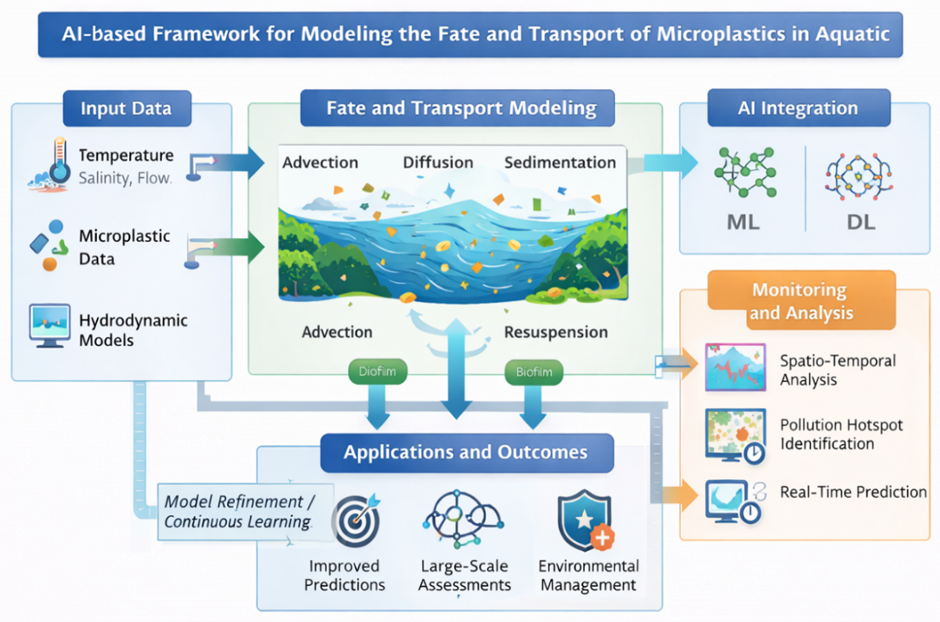

Letters to Editor
[1] Letters that include statements of statistics, facts, research, or theories should include appropriate references, although more than three are discouraged.
[2] Letters that are personal attacks on an author rather than thoughtful criticism of the author’s ideas will not be considered for publication.
[3] Letters can be no more than 300 words in length.
[4] Letter writers should include a statement at the beginning of the letter stating that it is being submitted either for publication or not.
[5] Anonymous letters will not be considered.
[6] Letter writers must include their city and state of residence or work.
[7] Letters will be edited for clarity and length.