
5.2
CiteScore
2.9
Impact Factor
Document Type : RESEARCH ARTICLE
Authors
1 Environmental Pollution Department, College of Environmental Sciences, Al-Qasim Green University, Babylon 51013 Iraq
2 Medical Laboratory Techniques Department, College of Medical Technology, Al-Esrra University, Baghdad 10069, Iraq
3 Department of Environmental Science, Fergusson College (Autonomous), Pune 411004, India
Graphical Abstract
Highlights
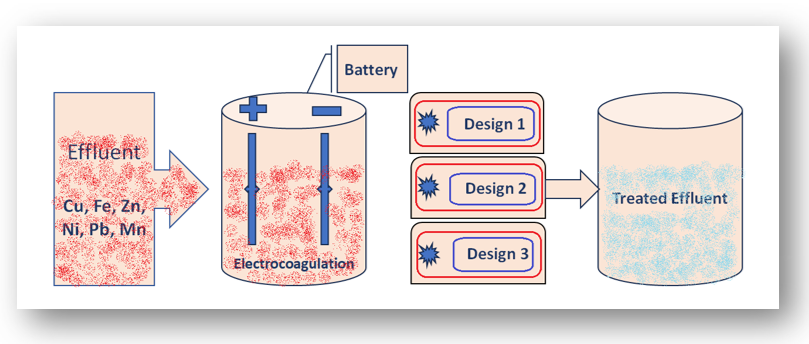
Ø An integrated electrocoagulation–filtration system using low-cost biomaterials effectively reduced heavy metals and higher values of wáter pollutants to lower levels from paper mill wastewater;
Ø Electrocoagulation enhanced destabilization and removal of contaminants. The natural bio-sorbents improved overall treatment efficiency;
Ø The developed multistagewa treatment designs are useful and demonstrate a feasible, economical, and scalable alternative to conventional wastewater treatment methods.
Keywords
INTRODUCTION
Natural water resources are depleting, posing a serious threat to the sustainability of life on Earth. (Bănăduc et al., 2022). This concern is notably critical in developing countries like India, where fast-paced population and industrial growth, along with a lack of adequate effluent treatment systems, intensify the difficulties surrounding water sustainability (Sathya et al.,2022). Outflow of industrial wastewater is still among the largest sources of pollution to the environment (Mahmoud, et al., 2021). Wastewater reuse and recycling have attracted research focus to recover nutrients and mitigate environmental degradation (Fito et al., 2021). Despite their effectiveness, traditional physico-chemical treatment techniques come with significant operational expenses for eliminating soluble chemical oxygen demand (COD), which makes them less viable than more affordable options (Yu et al., 2020). Chemical treatment can introduce secondary pollutants into wastewater, highlighting the need for more sustainable treatment approaches (Hanafi and Sapawe, 2020). Electrocoagulation (EC) is demonstrating to be a highly effective, efficient, and eco-friendly technique for eliminating metals and other pollutants from water systems (Ammar et al., 2023). Some of the areas where EC has been employed with success include America and South America and Europe (Magnisali et al., 2022). Its effectiveness has been confirmed on a variety of effluents like oil mill wastewater (Ghahrchi et al., 2021), tannery effluents (Villaseñor-Basulto et al., 2022), municipal wastewater (Hu et al., 2023), nitrite-contaminated water (Benekos et al., 2021) and fluoride-bearing solutions (Vishwakarma, and Srivastava, 2024), textile (Asfaha et al., 2022) and restaurant wastewater (Zhang et al., 2022). Electrochemical treatment can be applied to a diverse array of industrial effluents and has demonstrated greater effectiveness through EC (Magnisali, et al., 2022). It entails the movement of an electric current between dissolved solenoid anodes (typically made of aluminium (Al), iron (Fe) or an alloy thereof; in an electrochemical reactor (Yasri, 2020). In this process, in-situ generation of coagulants is achieved using an anodic dissolution (Al-Marri et al., 2023). Electrodes made of Al, specifically have proved to perform well in the elimination of turbidity, colour as well as COD in wastewater (Igwegbe et al., 2021). Prior studies have established that EC is very effective in the removal of pollutants, attributed to its green credentials, operational ease, and affordability (Bajpai et al., 2022). This mechanism operates on the principle of neutralizing charges and forming metal hydroxide flocs that intertwine and capture the pollutants (Yasri et al., 2020). The compositions of industrial effluents are often indeterminate, comprising both organic and inorganic pollutants (Manikandan and Saraswathi, 2023). Conventional treatments like coagulation-flocculation and membrane filtration are effective but costly and require skilled personnel (Shamshad and Rehman, 2025). Inexpensive adsorbents derived from agricultural by-products such as nutshells, wood, bone, and peat have attracted interest for their potential transformation into activated carbons (Ungureanu et al., 2023). Activated charcoal, composed mainly of fine carbon particles, has high adsorption capacity due to its abundant micropores and large surface area (Heidarinejad et al., 2020). The efficacy of activated carbon adsorption is closely tied to the selection of activation agents and the carbonization conditions that control pore development (Heidarinejad et al., 2020; Sevilla et al., 2021). Such adsorbents have adjustable surface characteristics and a variety of functional groups to remove contaminants (Raninga et al., 2023). Activated carbon is also among the best adsorbents to use in the elimination of organic and heavy metal contaminants in wastewater (Gul et al., 2022). This has been created through a wide array of precursors, which encompass agricultural and industrial byproducts such as cocoa husks (Fasakin et al., 2024), periwinkle shells (Eke-Emezie et al., 2022), walnut shells, coconut shells, palm kernel shells and bamboo stems (Devi et al., 2024). Some other resources--olive stones, bagasse, pecan shells, seeds of palm tree, and pulp from apple have also been reported to be appropriate in the production of activated carbon (Ungureanu et al., 2023; Negm et al., 2024; Gupta et al., 2024). Municipal and industrial wastewater, containing heavy metals and organic compounds, can be effectively treated using adsorption methods. Their effectiveness of these materials is influenced by the size of the adsorbent pores, the surface chemistry, and interactions with the adsorbate (An et al., 2022). Recent advances in environmental biotechnology have established biosorption as a sustainable method for pollutant removal (Filote et al., 2021). Biological biosorbents, comprising algae and microorganisms, present benefits such as low expense, significant effectiveness, decreased sludge generation, the potential for regeneration, and the recovery of metals (Meena et al., 2021). An example of algae that is found in the brown seas is high affinity to heavy metal ions (Nowicka, 2022). Furthermore, the creation of biosorbents from natural or waste biomaterials represents an environmentally sustainable method for managing wastewater (Mohanrasu et al., 2025; Boakye et al., 2022). In the present investigation, a hybrid treatment approach combining EC with activated carbon adsorption for industrial effluent remediation, emphasizing the optimization of critical operational parameters such as potential of hydrogen (pH), current density, applied voltage, electrode spacing, and treatment duration. Additionally, the potential of low-cost, plant-derived biomaterials as sustainable adsorbents was assessed, contributing to the development of eco-friendly and efficient EC-based treatment systems. The study additionally assesses optimized design configurations of the uniquely developed treatment units, which are intended to regulate retention time and mixing efficiency to improve pollutant removal performance. Electrode arrangement and flow pathways were designed to ensure uniform mixing and effective contact between contaminants and treatment media, thereby promoting efficient biosorption and filtration processes and resulting in improved treatment efficiency and stable system operation. The optimum EC operating window for pulp and paper mill wastewater was identified using Al and iron electrodes at an applied voltage of 25 V and current of 2 A, with an effective treatment duration of 60 minutes (min). Performance evaluation at 15, 30, 45, and 60 min indicated progressive pollutant removal, with the integrated eco-friendly filtration units enhancing overall treatment efficiency. The stepwise incorporation of EC with economical biomaterial filtration improves the destabilization and coagulation of colloidal particles, subsequently leading to efficient adsorption and biofiltration processes. This integrated treatment approach significantly improves the removal efficiency of key water quality parameters. The substantial reduction in electrical conductivity (ECe) and total dissolved solids (TDS) clearly indicates the effectiveness of the combined system. The objective of this study is to create an EC system and designs that integrate environmentally friendly adsorbents to attain optimal treatment performance. The foundational experimental studies were conducted between 2017 and 2020 at the Department of Environmental Science, Fergusson College, Pune, India.
MATERIALS AND METHODS
Sample collection
Wastewater samples were collected from a paper production industry based in Pune, Maharashtra (India). These samples were collected in plastic cans, appropriately labeled, and then stored in the research laboratory. The wastewater parameters of the paper industry effluent were examined using standard and commonly accepted methods. The baseline wastewater samples were representative of routine pulp and paper mill operations and were collected using well-mixed, representative sampling procedures, ensuring reliable and consistent characterization of the influent. The recorded decreases in critical parameters after treatment correspond to the expected results of the treatment procedure applied, thus affirming its effectiveness. The biomaterials were selected based on availability, cost-effectiveness, porosity, and adsorption potential, with their physicochemical properties directly governing the removal of paper mill–specific pollutants. The primary objective was to emphasize the costs associated with material and structural design, derived from comprehensive experimental research centered on the manipulation of specific parameters; a thorough overall cost–benefit analysis has not been incorporated at this point.
EC treatment
The experimental installation was operated in the Department of Environmental Science, Fergusson College (Autonomous), Pune, India. The setup was connected to a digital rectifier, and samples were collected and analyzed at treatment intervals of 15, 30, 45, and 60 min. EC was performed using aluminium (Al) and iron (Fe) electrodes, either individually or in combination. Plate electrodes had dimensions of 13 centimeters (cm) × 5 cm × 0.2 cm, while rod electrodes measured 13 cm × 2 cm × 2 cm. To ensure a uniform and effective surface area, the electrodes were immersed to a depth of 10 cm in the effluent for all experimental runs. A supply of direct current at 2 A was introduced via the rectifier, with Fe attached to the positive electrode (anode) and Al functioning as the negative electrode (cathode) across all configurations. The reaction mixtures were continuously stirred at 500 revolutions per minute (rpm). Heat generation was observed following the initiation of EC, and temperature variations were monitored and recorded at predetermined time intervals corresponding to the analyzed parameters. Each experimental run was conducted with 1000 milliliters (mL) of wastewater. After the treatment, the effluent underwent additional physicochemical analysis. Prior to each run, the electrodes were thoroughly cleaned with acetone to remove any surface deposits and ensure reproducibility.
Various physical and chemical parameter assessments from paper mill effluent
The pH of the water samples was measured using an ELICO LI-127 digital pH meter. Turbidity, expressed in nephelometric turbidity units (NTU), was determined using a CL-52D ELICO nephelometer based on light scattering by suspended particles. Ece in micro-Siemens (µS) and TDS (mg/L) were analysed using an ELICO EC–TDS meter (Model CM-183). The gravimetric method was employed to determine total solids (TS), and total suspended solids (TSS) were computed using the relationship TS = TDS + TSS. COD was estimated by the standard reflux method, wherein 20 mL of sample was digested with 10 mL of 0.25 N potassium dichromate and 30 mL of sulfuric acid silver sulphate (H₂SO₄ + Ag₂SO₄) solution. Biochemical oxygen demand (BOD) was determined after an incubation period of 3 days at 27 °C. Water hardness was evaluated using the ethylenediaminetetraacetic acid (EDTA) titrimetric method, which quantifies calcium and magnesium ions responsible for hardness. Sodium (Na⁺) and potassium (K⁺) concentrations were measured using a Systronics-128 flame photometer, and readings were compared against standard calibration curves. Metals and essential minerals, including chromium (Cr³⁺), copper (Cu²⁺), Fe³⁺, nickel (Ni²⁺), zinc (Zn²⁺), and lead (Pb²⁺), were analysed in both treated and untreated samples. The analyzed samples were assessed in accordance with standard protocols utilizing a PerkinElmer 3030A atomic absorption spectrophotometer (AAS). Additionally, selected anions and cations in the wastewater were quantified using high-pressure ion chromatography (HPIC) by the method suggested by Tóth et al. (2016). All analytical methods were validated using appropriate standards, systematic calibration procedures, to ensure accuracy, reproducibility, and compliance with regulatory guidelines. The confirmation of reproducibility and reliability was achieved by obtaining consistent results across multiple experiments and different operating conditions, with only slight variability in treatment performance.
EC cum waste biomaterial filtration designs
Fig. 1 provides the prototype design of the three units. Three layouts are made on filtration units. The following are the specifications of the three designs. The study mainly concentrated on creating an innovative treatment system and minimizing essential water quality parameters. The prototype was intentionally developed as a laboratory-scale, proof-of-concept system with the primary focus on establishing fundamental treatment performance. Nevertheless, due consideration was given to industrial scalability, particularly in terms of treatment capacity and modular design. The chosen components and operational parameters were selected to facilitate future scaling by means of suitable adjustments, such as sensor-driven controls and energy efficiency improvements. The design framework allows adaptation for large-scale applications and has potential relevance not only for pulp and paper mill effluents but also for other industrial wastewater streams.
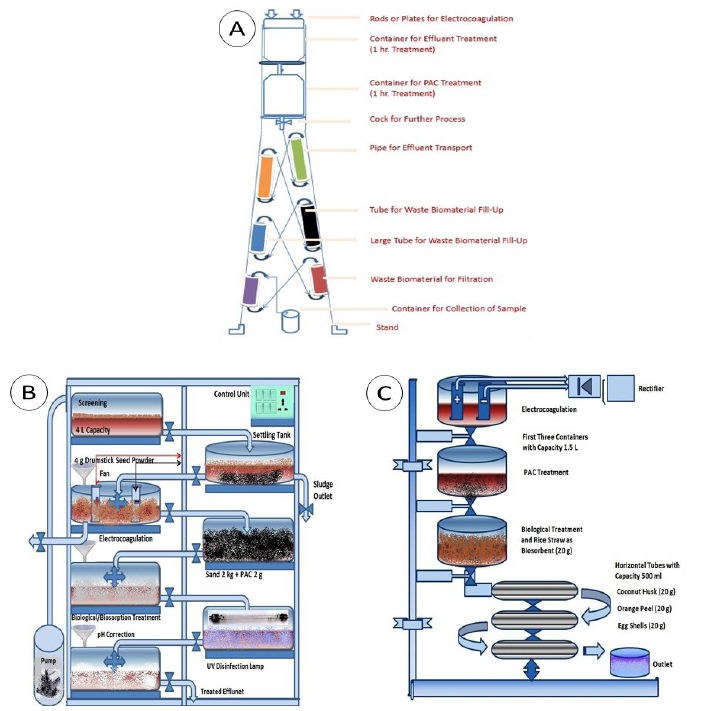
Fig. 1: Prototype design A: Design 1; B: Design 2; C: Design 3
Design 1
This design was utilized for the processing of paper mill effluent and consisted of EC, adsorption, and biomaterial-based treatment units. In the EC unit, Fe and Al plate electrodes of approximately 13 cm in length were used. The electrodes were immersed to a depth of 10 cm in wastewater, with Fe serving as the anode and Al as the cathode. The treatment was carried out by applying a current of 25 V and 2 A for a duration of 1 hour. The biomaterials utilized in the treatment of effluent included tea powder, bagasse, wood sawdust, wooden peels, coconut shell, and coconut husk, among others. The biomaterials showed low to moderate clogging potential, which was monitored and managed to maintain effective flow and treatment efficiency. The total cost to fabricate this assembly was around $150.00. Tea powder was obtained from tea stalls while the waste generated by sugar juice centers as bagasse was collected from the city. The treatment of the effluent involved the use of coconut husk, coconut shells, and sawdust. The second unit of this treatment involved powdered activated carbon (PAC) as 0.5 gram per liter (g/L) and consisted of six vertical units for biosorbents. The retention time for Design 1 was 60 min for EC, and 30 min for each biosorbent treatment.
Design 2
The treatment system was designed using plastic containers mounted on a steel stand and consisted of seven containers, each with a capacity of 4 L. The aim of this comprehensive design was to sequentially expose the effluent to EC, adsorption, biological, and ultraviolet (UV) treatments. The effluent was processed through all treatment units, and the final outlet was analyzed for pH, ECe, TDS, salinity, turbidity, hardness, COD, and Cl⁻. Container 1 functioned as the screening unit and was equipped with a 20 micrometer (µm) sieve at the entrance, whereas Container 2 served as the settling tank, where the wastewater was retained for 1 h. A 6 Volt (V) fan was mounted on the top lid to provide agitation, and mixing was carried out for 30 min. Container 3 was designated for EC treatment and was equipped with Fe and Al plate electrodes of approximately 13 cm in length. The electrodes were immersed to a depth of 10 cm, with Fe acting as the anode and Al as the cathode. A direct current of 25 V and 2 A was applied for 1 h, with the treatment duration selected based on prior pilot studies. Furthermore, drumstick powder was incorporated as a natural coagulant at a concentration of 1 g/L to improve treatment efficiency. Container 4 was used for sand filtration combined with PAC. In this unit, approximately 2 kg of well-washed sand treated with 0.1 normal hydrochloric acid (N HCl) and PAC at a concentration of 0.5 g/L were employed. A provision was made for the removal of excess sludge and effluent residues. The incorporation of PAC in conjunction with sand filtration was designed to produce a synergistic effect and boost overall treatment performance. Container 5 was designated for biosorbent treatment. A total of 50 g of each natural biosorbent was pretreated by washing with 0.1 N HCl, followed by oven dehydration. Following the pretreatment process, the effluent was subjected to treatment utilizing a combined biosorbent mixture that included coconut husk, neem bark, rice straw, and orange peels, and was allowed to settle for 30 min. Subsequently, biological treatment was carried out in the same container by inoculating Pseudomonas aeruginosa culture at a dosage of 20 milliliters per liter (mL/L) and incubating at room temperature for 24 h. Pseudomonas aeruginosa was safely used in both designs, with proper containment and UV post-treatment ensuring effective microbial removal and safe treated wastewater. Aeration was achieved through a small fan installed at the upper part of the container and operated by a 12 V motor. UV disinfection was performed in Container 6, where a 6 V UV lamp was horizontally fixed at the top and securely enclosed with an Al sheet. This unit functioned as the disinfection chamber, providing 30 min of UV exposure to the treated effluent. Container 7 was employed for pH correction, in which lime was incorporated to bring the wastewater pH to neutral conditions. Approximately 1000 mL of the fully treated effluent was collected separately from the outlet for physicochemical parameter analysis. The total fabrication cost of the entire treatment assembly was approximately $200.00.
Design 3
The system was constructed utilizing six glass container units affixed to a steel stand with clamps. The first three units, each with a capacity of 1.5 L, were arranged vertically, while the remaining three units, each of 250 mL capacity, were fixed horizontally to the stand. This arrangement facilitated the simultaneous vertical and horizontal management of the effluent by incorporating EC, adsorption, and biological methods in a treatment assembly that merges EC with biosorption. The effluent was passed sequentially through all treatment units, and the selected water quality parameters were analyzed. EC treatment in Unit 1 was carried out as described previously. Unit 2 was utilized for PAC treatment, with PAC administered at a concentration of 0.5 g/L, functioning both as an adsorbent and as a medium for holding excess sludge and suspended solids. Unit 3 was designated for natural biosorbent treatment, in which approximately 20 g of rice straw was added. Prior to use, the rice straw was thoroughly washed and oven dried. The effluent was permitted to stay in contact with the biosorbent for a duration of 10 min, following which biological treatment commenced in the same unit by aseptically adding Pseudomonas aeruginosa anaerobic culture at a concentration of 20 mL/L. The mixture was then incubated at room temperature for 24 h.
Statistical analysis
The values of the tested parameters are expressed as mean ± standard deviation (SD), based on three experimental replicates. This study utilized a two-way analysis of variance (ANOVA) to evaluate the influence of electrode material (Al-Al, Fe-Fe, and Fe-Al) and electrode geometry (Plates vs. Rods) on key water quality parameters.
RESULTS AND DISCUSSION
In the current investigation, a multistage treatment approach was adopted to study the effectiveness of EC along with PAC and other biosorbents for the treatment of paper mill effluent. The discussion corresponds with recent literature from the EC, and the interpretations are rooted in the experimental data of the study, with the trends observed agreeing with findings previously documented. The eco-friendly materials displayed different adsorption efficiencies: coconut shell and husk had the highest capacity and selectivity, tea powder and bagasse showed moderate removal, while sawdust and wooden peels required longer contact times. The overall effectiveness of the combined treatment was also evaluated. The biomaterials that have been selected are sustainable and can be reused multiple times, with methods such as simple thermal drying, mild chemical washing, or biological regeneration methods feasible while maintaining their eco-friendly nature and adsorption efficiency. EC produced a compact, easily dewaterable sludge amounting to approximately 10–15 percent (%) of the wastewater, with potential for safe reuse or valorization after proper stabilization. Nonetheless, this aspect was not the primary focus of the current study. Moreover, a decline in the levels of water parameters, including pH, ECe, TDS, salinity, turbidity, hardness, and COD were observed. While EC primarily facilitates rapid TSS removal through floc formation, the present study placed greater emphasis on TDS as a key parameter. The effluent's profile at the outset indicated a higher likelihood of pollution (Table 1). Undoubtedly, the differences in the characteristics of the effluent are associated with seasonal processing and the materials generated in the industry. Variations in influent pH, organic load, color intensity, and metal content influenced treatment efficiency by altering coagulation and adsorption behavior. The integrated system maintained stable performance due to its adaptable EC and biomaterial-based treatment units. Each treatment stage performs a specific function- EC destabilizes pollutants, adsorption captures residual organics, and biological treatment further degrades providing synergistic pollutant removal efficiency. The ionic composition modifies EC by affecting the conductivity of the solution and the generation of coagulants, which subsequently determines the efficiency of treatment. The observed reduction, particularly in COD, indicates improved wastewater biodegradability and reflects the effectiveness of the integrated treatment design. EC using Al and iron plates is a suitable and effective method for the treatment of the selected effluent. The recommended EC–biomaterial system demonstrates similar pollutant removal efficiencies and exhibits more stable operational performance compared to earlier methods, resulting in improved reductions in color, organics, and solids (Hugar and Marol, 2020; Pandey and Thakur, 2020; Bassyouni et al., 2023; Caglak et al., 2023; Dogan et al., 2025).
Table 1: Initial characteristics of the effluent
|
S. No. |
Parameters |
Paper mill effluent |
|
1 |
Color |
Faint grey |
|
2 |
Odor |
Unpleasant |
|
3 |
pH |
5.63 ±0.24 |
|
4 |
EC (µS) |
2269 ±21.21 |
|
5 |
TDS (mg/L) |
1552 ±16.97 |
|
6 |
TSS (mg/L) |
576.5 ±10.61 |
|
7 |
TS (mg/L) |
2128.5 |
|
8 |
Turbidity (NTU) |
48 ±4.24 |
|
9 |
Hardness (mg/L) |
412.5 ±17.68 |
|
10 |
COD (mg/L) |
915 ±35.36 |
|
11 |
BOD (mg/L) 5 days at 20°C |
277.5 ±3.54 |
|
12 |
TKN (mg/L) |
77 ±1.98 |
|
13 |
Na (mg/L) |
183.5 ±7.78 |
|
14 |
K (mg/L) |
52.5 ±4.95 |
|
15 |
Cl (mg/L) |
217.7 ±6.66 |
Initial parameters of paper mill effluent
The initial assessment of the paper mill effluent is summarized in Table 1. The effluent was observed to be faint grey in color with an unpleasant odor. It exhibited an acidic pH (5.63 ± 0.24) with high ECe with 2269 ± 21.21 (µS) and TDS 1552 ± 16.97 (mg/L). Elevated levels of total suspended solids (576.5 ± 10.61 mg/L), total solids (2128.5 mg/L), turbidity (48 ± 4.24 NTU), and hardness (412.5 ± 17.68 mg/L) were also recorded. The organic load of the effluent was high, as indicated by COD (915 ± 35.36 mg/L) and 5 days BOD at 20°C (277.5 ± 3.54 mg/L). Additionally, the effluent contained measurable concentrations of total Kjeldahl nitrogen (TKN) (77 ± 1.98 mg/L), Na (183.5 ± 7.78 mg/L), K (52.5 ± 4.95 mg/L), and Cl (217.7 ± 6.66 mg/L).
Experimental setup of three designs
Fig. 2 illustrates the construction of the filtration units for the three prototype designs. Design 1 consisted of eight individual units, Design 2 comprised of seven containers, each with a capacity of 4 L, and Design 3 was composed of six glass units.
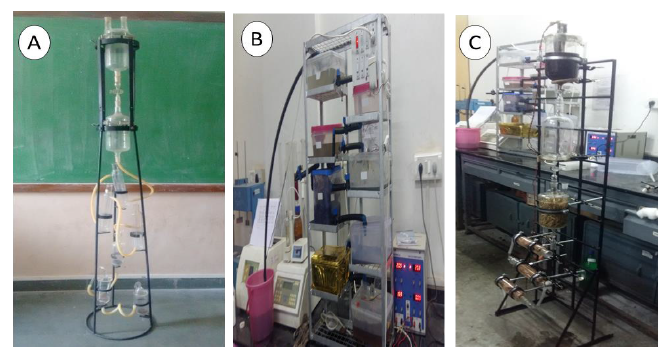
Fig. 2: Construction of filtration units. A: Design 1, B: Design 2, C: Design 3
Comparative study between three designs
The comparative configuration and operational features of the three treatment designs developed for pulp and paper mill wastewater are summarized in Table 2. At a broader level, Design 1 integrates EC, adsorption, and biomaterial-based treatments. Design 2 includes EC, adsorption, biological treatment, UV disinfection, sand filtration, and sedimentation units. Design 3 consists of EC, adsorption, biological treatment, and biosorption processes. In contrast to Design 1, Designs 2 and 3 include extra treatment elements like biological processes, UV treatment, filtration methods, and prolonged retention time, thus providing a more thorough treatment strategy. The comparative analysis of the three prototype designs represents the novel aspect of this study. The comparison presented in the Table 2 underscores the distinctions in treatment performance across various designs, delivering valuable insights into the optimal configuration for pulp and paper mill effluent. While the focus is on paper mill wastewater, the findings and design principles are broadly applicable to other types of industrial wastewater, demonstrating the versatility and potential scalability of the integrated treatment approach. All vital experimental specifics, encompassing the type of electrode, dimensions, applied voltage, and current, have been provided. These parameters enable the assessment of energy requirements and process scalability, supporting reproducibility and allowing estimation of operational efficiency for larger-scale applications.
Table 2: Comparative treatments of all three designs for pulp and paper mill effluent
|
Main purpose |
Design 1 |
Design 2 |
Design 3 |
|
treatment Methods |
EC, adsorption, biomaterial treatment |
EC, adsorption, biological, UV treatment, sedimentation, sand filtration |
EC, adsorption, biological treatment, biosorption |
|
Materials used |
Tea powder, bagasse, wood sawdust, coconut shell, coconut husk |
Drumstick powder, sand, PAC, coconut husk, neem bark, rice straw, orange peels |
Coconut husk, rice straw, orange peel, eggshells |
|
Container structure |
Not applicable |
Seven plastic containers (4 L each) on mild steel stand |
Six glass units (three 1.5 L vertical, three 250 mL horizontal) on steel stand |
|
EC details |
Fe (+) and Al (-) plates, 25 V, 2 A, 10 cm dip, 60 min |
Fe (+) and Al (-) plates, 25 V, 2 A, 10 cm dip, 60 min |
Fe (+) and Al (-) plates, 25 V, 1 A, 60 min |
|
Biosorbent treatment |
Tea waste, bagasse, sawdust, coconut shell/husk |
Coconut husk, neem bark, rice straw, orange peles (30 min) |
Rice straw, coconut husk, orange peel, eggshells (30 min) |
|
Biological treatment |
Not Provided |
Pseudomonas aeruginosa (20 mL/L, 24 h, aeration) |
Pseudomonas aeruginosa (20 mL/L, 24 h, No special aerator used) |
|
UV treatment |
Not Provided |
6 V UV lamp, 30 min |
Not included |
|
Filtration method |
PAC (0.5 g/L) |
Sand filtration (2 kg sand + 0.5 PAC g /L) |
PAC (0.5 g/L) |
|
Retention time |
EC for 60 min, biosorbent for 30 min |
Sedimentation for 60 min, EC for 60 min, biosorbent for 30 min, biological for 24 h |
EC for 60 min, biosorbent for 10 min, biological for 24 h |
|
Parameters tested |
Not tested |
pH, EC, TDS, salinity, turbidity, hardness, COD, Cl⁻ |
pH, EC, TDS, salinity, turbidity, hardness, COD, Cl⁻ |
|
Construction cost |
$150.00 |
$200.00 |
$200.00 |
Changes in water parameters after EC and waste biomaterial treatment of paper mill effluent
Three different electrode configurations comprising Al and iron plates or rods were employed during the EC step. The configurations included Al-Al, Fe-Fe, and Al-Fe electrode pairings (Igwegbe et al., 2021; Adou et al., 2022; Mousazadeh et al., 2023). The reactor's design, including electrode polarity and the choice of sacrificial electrode, was aimed at maximizing the efficiency of pollutant removal while ensuring consistent EC performance. Tables 3–5 present the physicochemical characteristics of textile industrial effluent treated using EC process. The parameters evaluated included pH and turbidity (NTU) (Table 3), Ece (µS) and TDS (mg/L) (Table 4), COD (mg/L) and total hardness (mg/L) (Table 5). The untreated effluent exhibited a highly acidic pH of 3.52 ± 0.02. EC treatment was carried out for up to 60 min, during which the pH gradually increased and reached approximately 6.00 ± 0.06. Across all electrode configurations, a rise in both pH and temperature was detected during the treatment period of 15 to 60 min. EC has been widely demonstrated as an effective method for treating paper mill wastewater. Using perforated iron electrodes, Pandey and Thakur (2020) achieved 95% COD and 67% color removal within 20 min at pH 7.15 and 20 mA/cm², underscoring the feasibility of swift and cost-effective treatment. Similarly, EC of paper mill black liquor with Al electrodes removed up to 85% color, with RSM optimization (R² = 0.99) confirming superior efficiency over conventional adsorption (Bassyouni et al., 2023). Enhancing EC with electrooxidation (EC–EO) and Oxone (O3) further improved treatment, achieving >98.4% removal of COD, color, and lignin using Fe–Fe and Ti/Pt–graphite electrodes, while maintaining practical energy consumption for high-strength effluent (Dogan et al., 2025). Iron electrodes have also been effective in reducing multiple parameters simultaneously, including TDS (51%), turbidity (65%), TOC (68%), and COD (70%) at pH 8, 20 V, and 60 min, with RSM and ANOVA confirming high statistical reliability (R² = 0.95, p < 0.001) (Hugar and Marol, 2020). Moreover, combining EC with hydrogen peroxide (H₂O₂) or calcium hypochlorite [Ca(OCl)₂] pre-treatment enhanced the removal of tannin and lignin (92–94%) and reduced COD (~48%), with EC–H₂O₂ being more energy-efficient and EC–Ca(OCl)₂ performing better for recalcitrant pollutants (Caglak et al., 2023). Collectively, these studies highlight the multifunctionality of EC and its hybrid configurations as efficient, scalable, and flexible approaches for the thorough treatment of wastewater from the paper industry. Most experimental runs showed fluctuating trends in ECe, TDS, COD, and hardness across time and electrode combinations; however, Fe–Fe (rods) and Fe–Al (plates/rods) exhibited comparatively stable and effective performance, with optimum treatment observed at 30 min of EC operation, where Fe–Fe rods achieved lower ECe and TDS (1743 µS and 965 mg/L) along with reduced COD and hardness (600 and 480 mg/L), while Fe–Al configurations also showed notable reductions in ECe (1472–1411 µS), TDS (990–1026 mg/L), COD (514–573 mg/L), and hardness (368–370 mg/L), indicating superior pollutant removal efficiency. After EC treatment, the paper mill effluent was subjected to further procedure as per the design. The EC was the first step common to all designs. The integrated system demonstrates high cost-effectiveness due to the use of locally available biomaterials, low current densities for EC, and minimal maintenance requirements for the specially designed units, indicating a practical and energy-efficient approach for sustainable effluent treatment. Expanding the units offers the chance to extend the life of electrodes and preserve a smooth flow of biomaterials, which guarantees stable and efficient functioning. The integrated treatment system was validated to be resilient over prolonged operation, sustaining reliable performance despite encountering some limitations.
Table 3: Changes in selected water parameters after EC of paper mill effluent
|
Time (min) |
Effluent temperature (°C) |
pH |
Turbidity (NTU) |
||||||||||
|
Al-Al Plates |
Al-Al Rods |
Fe-Fe Plates |
Fe-Fe Rods |
Fe- Al Plates |
Fe-Al Rods |
Al-Al Plates |
Al-Al Rods |
Fe-Fe Plates |
Fe-Fe Rods |
Fe-Al Plates |
Fe-Al Rods |
||
|
15 |
42 |
3.52 ± 0.02 |
3.54 ± 0.10 |
3.25 ± 0.07 |
3.19 ± 0.09 |
5.94 ± 0.06 |
5.84 ± 0.04 |
6.55 ± 0.35 |
6.5 ± 0.14 |
5.75 ± 0.07 |
2.85 ± 0.07 |
1.55 ± 0.07 |
1.35 ± 0.07 |
|
30 |
49 |
4.65 ± 0.03 |
3.63 ± 0.03 |
4.97 ± 0.06 |
4.42 ± 0.13 |
6.18 ± 0.08 |
6.16 ± 0.06 |
4.3 ± 0.28 |
4.3 ± 0.28 |
4.8 ± 0.00 |
1.82 ± 0.04 |
1.3 ± 0.14 |
1.1 ± 0.85 |
|
45 |
59 |
5.83 ± 0.04 |
4.76 ± 0.07 |
5.73 ± 0.07 |
5.78 ± 0.10 |
6.73 ± 0.08 |
6.66 ± 0.06 |
3.85 ± 0.07 |
3.75 ± 0.07 |
3.65 ± 0.35 |
0.25 ± 0.07 |
0 ± 0.00 |
0 ± 0.00 |
|
60 |
72 |
6.00 ± 0.06 |
4.96 ± 0.04 |
5.74 ± 0.04 |
5.91 ± 0.11 |
5.49 ± 0.10 |
5.28 ± 0.09 |
2.25 ± 0.21 |
3.05 ± 0.21 |
3.3 ± 0.14 |
0.05 ± 0.07 |
0.25 ± 0.07 |
0.1 ± 0.00 |
Table 4: Changes in selected water parameters after EC of paper mill effluent
|
Time (min) |
Effluent temperature (°C) |
ECe (µS) |
TDS (mg/L) |
||||||||||
|
Al-Al Plates |
Al-Al Rods |
Fe-Fe Plates |
Fe-Fe Rods |
Fe- Al Plates |
Fe-Al Rods |
Al-Al Plates |
Al-Al Rods |
Fe-Fe Plates |
Fe-Fe Rods |
Fe- Al Plates |
Fe-Al Rods |
||
|
15 |
42 |
1507.5 ± 24.75 |
1450 ± 14.14 |
1832 ± 12.73 |
1260.5 ± 6.36 |
2030 ± 14.14 |
1500 ± 49.50 |
1022.5 ± 17.68 |
1057.5 ± 9.19 |
1123 ± 18.38 |
1115.5 ± 7.78 |
1108 ± 12.73 |
1113.5 ± 16.26 |
|
30 |
49 |
1420.5 ± 10.61 |
1275.5 ± 7.78 |
1687.5 ± 3.54 |
1743 ± 26.87 |
1472.5 ± 3.54 |
1411 ± 12.73 |
1130.5 ± 7.78 |
905.5 ± 12.02 |
949.5 ± 9.19 |
965 ± 14.14 |
990 ± 7.07 |
1026.5 ± 7.78 |
|
45 |
59 |
1053 ± 22.63 |
1020 ± 9.90 |
1413.5 ± 14.85 |
1240.5 ± 20.51 |
1632 ± 4.24 |
1329.5 ± 12.02 |
985 ± 5.66 |
822.5 ± 13.44 |
721.5 ± 12.02 |
849 ± 9.90 |
828 ± 15.56 |
841 ± 33.94 |
|
60 |
72 |
1370 ± 11.31 |
1281.5 ± 9.19 |
1672 ± 16.97 |
1300 ± 14.14 |
1733.5 ± 12.02 |
1169 ± 9.90 |
963 ± 7.07 |
862.5 ± 9.19 |
868 ± 9.90 |
1001 ± 14.14 |
991 ± 11.31 |
872 ± 15.56 |
Table 5: Changes in selected water parameters after EC of paper mill effluent
|
Time (min) |
Effluent temperature (°C) |
COD (mg/L) |
Hardness (mg/L) |
||||||||||
|
Al-Al plates |
Al-Al rods |
Fe-Fe plates |
Fe-Fe rods |
Fe- Al plates |
Fe-Al rods |
Al-Al Plates |
Al-Al rods |
Fe-Fe plates |
Fe-Fe rods |
Fe- Al plates |
Fe-Al rods |
||
|
15 |
42 |
618.5 ± 23.33 |
664.5 ± 6.36 |
610.5 ± 14.85 |
701 ± 12.73 |
616 ± 12.73 |
648.5 ± 9.19 |
420 ± 7.07 |
440 ± 7.07 |
382.5 ± 3.54 |
415 ± 14.14 |
392.5 ± 10.61 |
392.5 ± 3.54 |
|
30 |
49 |
549 ± 16.97 |
547 ± 12.73 |
595 ± 5.66 |
600 ± 16.97 |
514 ± 15.56 |
572.5 ± 7.78 |
402.5 ± 3.54 |
410 ± 7.07 |
335 ± 14.14 |
480 ± 7.07 |
367.5 ± 10.61 |
370 ± 14.14 |
|
45 |
59 |
584.5 ± 20.51 |
459 ± 12.73 |
521.5 ± 14.85 |
542 ± 14.14 |
446.5 ± 7.78 |
432 ± 9.90 |
387.5 ± 3.54 |
422.5 ± 3.54 |
370 ± 7.07 |
415 ± 7.07 |
312.5 ± 3.54 |
327.5 ± 3.54 |
|
60 |
72 |
503 ± 8.49 |
527.5 ± 10.61 |
485.5 ± 19.09 |
473 ± 7.07 |
455 ± 9.90 |
546 ± 16.97 |
415 ± 0.00 |
505 ± 14.14 |
350 ± 7.07 |
435 ± 14.14 |
315 ±1 4.14 |
300 ± 14.14 |
Natural biosorbent treatment of paper mill effluent by using Design 1
Table 6 summarizes the water quality parameters analyzed after the combined EC and natural biosorbent treatment of paper mill wastewater using Design 1. The biosorbents applied in this design included PAC, bagasse, coconut shell, coconut husk, wooden peels, and tea powder. Post-treatment, the effluent pH increased toward near-neutral conditions, reaching 6.03 ± 0.13. A noticeable reduction in ECe, TDS, and salinity was observed. Nonetheless, there was no significant change in turbidity and copper concentrations post-treatment. The process also led to decreased levels of total hardness, COD, and chloride (Cl⁻) content. Furthermore, the concentrations of Cr, Fe, and Ni were effectively reduced during the treatment. The variation and comparative trends of key water quality parameters following EC and biosorbent treatment are further illustrated in Fig. 3. From Fig. 3, it may be observed that Fe–Al plates and rods were found to be better for the for the reduction in contamination potential of paper mill effluent. The treatment demonstrated improved effectiveness when administered for 60 min, with tea powder and wooden peels being the waste biomaterials that yielded superior results. Through the application of PAC, tea powder, and wooden peels, the metal concentration in the effluent was markedly diminished. The results obtained using Fe–Al plates and rods were improved compared to other treatments, which can be attributed to adsorption and increased filter affinity.
Table 6: Changes in selected water parameters after EC and natural biosorbent treatment of paper mill effluent by using design 1
|
Parameters |
PAC |
Bagasse |
Coconut shell |
Coconut husk |
Wooden peels |
Tea powder |
|
pH |
5.7 ±0.02 |
5.28 ±0.09 |
5.09 ±0.16 |
3.65 ±2.08 |
5.89 ±0.15 |
6.03±0.13 |
|
EC (µS) |
1130±7.07 |
1188±14.14 |
1213±15.56 |
1279.5±18.5 |
983.5±7.78 |
963 ±8.49 |
|
TDS (mg/L) |
697.5±12.02 |
736 ±15.56 |
805 ±22.63 |
815 ±19.80 |
649.5±12.02 |
631.5±10.61 |
|
Salinity (mg/L) |
360.5±9.19 |
374±9.90 |
399±14.14 |
417.5±10.61 |
338±9.90 |
314±14.14 |
|
Turbidity (NTU) |
0.11±0.02 |
0.19±0.07 |
0.14±0.03 |
0.23±0.02 |
0.08±0.01 |
0.11±0.02 |
|
Hardness (mg/L) |
240±7.07 |
255±14.14 |
265±14.14 |
282.5±10.61 |
215±14.14 |
207.5±17.68 |
|
COD (mg/L) |
415.5±7.78 |
445.5±14.85 |
463.5±16.26 |
493.5±12.02 |
400±14.14 |
380.5±7.78 |
|
Cl⁻ (mg/L) |
98.7±5.30 |
110±7.07 |
108.71±5.30 |
114±5.30 |
92.5±7.07 |
75±7.07 |
|
Cr (mg/L) |
1.23 |
1.45 |
1.58 |
1.98 |
0.98 |
0.95 |
|
Cu (mg/L) |
0.55 |
1.28 |
1.23 |
1.21 |
0.51 |
0.56 |
|
Fe (mg/L) |
2.16 |
22.65 |
18.65 |
16.54 |
1.56 |
1.65 |
|
Ni (mg/L) |
0.52 |
1.58 |
1.65 |
1.27 |
0.42 |
0.40 |
|
Zn (mg/L) |
0.42 |
0.78 |
0.95 |
0.57 |
0.38 |
0.31 |
|
Mn (mg/L) |
0.31 |
0.95 |
0.84 |
0.95 |
0.21 |
0.22 |
|
Pb (mg/L) |
0.009 |
0.77 |
0.71 |
0.88 |
0.11 |
0.14 |
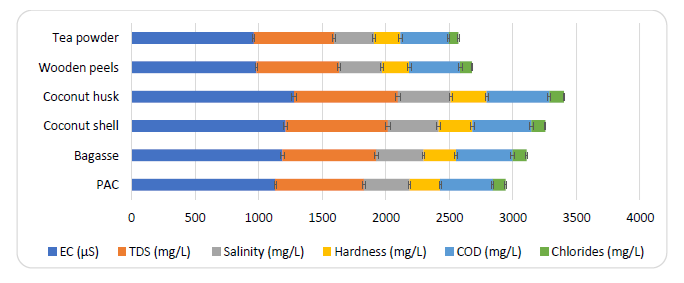
Fig. 3: Changes in selected water quality parameters after EC and natural biosorbent treatment of paper mill effluent using Design 1
Natural biosorbent treatment of paper mill effluent by using Designs 2 and 3
Table 7 illustrates the alterations in specific water parameters after biosorbent treatments, which encompass both Biosorbent and Biological treatment of the effluents utilizing Designs 2 and 3. The pH, EC, and TDS values for Design 2 were lower compared to Design 3 treatments. After treatments in Design 2, the pH reached approximately 6.32–6.42, while in Design 3 it was lower (5.37–5.6). Salinity and Hardness decreased in Design 2 (Salinity: 9.05 ± 0.92 mg/L, Hardness: 80 ± 7.07 mg/L) compared to Design 3 (Salinity: 86.68 ± 12.76 mg/L, Hardness: 120 ± 7.07 mg/L). COD and Cl⁻ values after biological treatment in Design 2 (COD: 186 ± 18.38 mg/L, Cl⁻: 48.75 ± 5.30 mg/L) were lower than in Design 3 (COD: 252.5 ± 7.78 mg/L, Cl⁻: 62.5 ± 3.54 mg/L). However, Design 3 showed slightly greater reduction in Turbidity (0.14 ± 0.08 NTU) compared to Design 2 treatments (0.35 ± 0.21 NTU). EC has been recognized as an effective strategy for addressing effluents from pulp and paper mills. According to Öztürk and Özcan (2020), the use of aluminum electrodes achieved a COD removal of as much as 54%, exceeding the performance of chemical coagulation techniques. Building on this, Coimbra et al. (2020) demonstrated that EC of kraft pulp bleaching filtrates not only removed up to 88% DOC but also increased biodegradability (BOD/COD) by 1.7–2.1 times, highlighting its role in enhancing subsequent biological treatment while reducing color and toxicity. Further improvements in efficiency were reported with unified EC, achieving high removal of turbidity (94%), TDS (92%), TOC (90%), COD (92%), BOD (87%), and color (98%) while minimizing sludge generation, indicating advantages over conventional EC (Marol and Hugar, 2022). The feasibility of scaling EC for continuous operation was also confirmed, with Al electrodes removing ~80% COD, TOC, TDS, and color under optimized flow conditions (Pandey et al., 2025), and hybrid EC–electrooxidation approaches achieving up to 99% turbidity, 100% color, and 90% COD removal with practical energy use (Ozyurt et al., 2017). Low current EC further demonstrated energy-efficient pre-treatment potential, achieving >95% color removal, >70% tannin/lignin removal, and improved biodegradability, supporting integration with biological treatment (Wagle et al., 2020).
Beyond treatment, valorization of pulp and paper wastes into biomaterials illustrates sustainable “waste-to-wealth” strategies (Haile et al., 2021), and integrated treatment methods enhance both environmental and economic performance (El-Baz et al., 2024). This study, building on recent advancements, is dedicated to optimizing the EC-based treatment of effluent pulp and paper mill, aiming for effective pollutant removal, scalable operation, and energy-efficient methodologies.
Table 7: Changes in selected water parameters after EC and natural biosorbent treatment of the effluents by using designs 2 and 3
|
Parameters |
Design 2 |
Design 3 |
||
|
Treatment Unit 5 (Biosorbent) |
Treatment Unit 5 (Biological) |
Treatment Unit 3 (Biological) |
Treatment Units 4,5 and 6 (Biosorbents) |
|
|
|
For 30 min |
For 24 h |
For 24 h |
For 30 each |
|
pH |
6.32 ± 0.24 |
6.415 ± 0.21 |
5.6 ± 0.14 |
5.37 ± 0.14 |
|
EC (µS) |
522 ± 14.14 |
509.5 ± 24.75 |
658 ±15.56 |
647.00 ± 14.14 |
|
TDS (mg/L) |
356 ± 28.28 |
347.5 ± 27.58 |
451.5 ±14.85 |
442.00 ± 15.56 |
|
Salinity (mg/L) |
130.5 ± 9.19 |
9.05 ± 0.92 |
66.495 ± 8.69 |
86.68 ± 12.76 |
|
Turbidity (NTU) |
0.95 ± 0.21 |
0.35 ± 0.21 |
0.55 ± 0.21 |
0.14 ± 0.08 |
|
Hardness (mg/L) |
82.5 ± 10.61 |
80 ± 7.07 |
115 ± 28.28 |
120.00 ± 7.07 |
|
COD (mg/L) |
200.5 ± 24.75 |
186 ± 18.38 |
249.5 ± 24.75 |
252.50 ± 7.78 |
|
Cl⁻ (mg/L) |
83.75 ± 5.30 |
48.75 ± 5.30 |
57.5 ± 7.07 |
62.50 ± 3.54 |
Ions and heavy metals concentrations after natural biosorbent treatment by using Designs 2 and 3
Furthermore, the analysis of the EC and waste biomaterial treatment revealed a reduction in COD, turbidity, EC, and hardness values, suggesting that the process is effective in the treatment of the specified wastewater. Tibebe et al., (2022), reported that the EC achieved high removal efficiencies for phosphate (97%), turbidity (99%), ECe (89%), total nitrogen (88%), ammonia (87%), and BOD (66%), demonstrating its effectiveness in treating textile industry effluents. In addition, Akinlabi et al., (2025) demonstrated that a bipolar EC reactor with Al electrodes effectively removed turbidity, color, BOD, COD, TSS, and TDS from textile and cassava wastewaters, though odor removal remained moderate. Concentric Al-tube EC reactor effectively reduced TDS, TSS, HCO₃⁻, Cl⁻, and calcium (Ca²⁺) in real oily saline wastewater, highlighting its potential as a pre-treatment method for high-salinity industrial effluents (AlJaberi et al., 2020). Effluents originating from the pulp and paper industry, along with other intricate liquid wastes, ought to be processed utilizing EC and waste biomaterial methods. The reduction in turbidity, COD, ECe, and hardness during EC demonstrates the effectiveness of the technique. The sludge generated during the treatment process was discovered to contain valuable nutrients suitable for reprocessing (Kumar and Sharma, 2022). The applied current, electrolyte concentration, and pH influenced the removal efficiencies of COD, turbidity, and ECe, and sludge production rate. The EC utilizing Al–Fe electrodes is proposed as a viable and cost-effective approach for effluent treatment. The treatment time of 45 min was optimal. The inter-electrode distance of 4 cm was more favorable for metal removal. Fe–Al rods and plates both treated the effluent efficiently after 45 min, where Fe–Al plates proving more effective than the rods in this combination. Table 8 presents the concentrations of major ions and heavy metals (mg/L) in the treated effluent following electrocoagulation and natural biosorbent treatment using Designs 2 and 3, enabling a comparative assessment of treatment performance across both experimental designs. From Table 8, it may be found that, Using Design 2, a clear reduction in major anions and cations, including fluoride (F⁻), Cl⁻, Na⁺, Ca²⁺, lithium (Li⁺) and magnesium (Mg²⁺), was observed after biological treatment when compared with biosorbent treatment. Significant decreases in ammonium (NH₄⁺), potassium, and calcium concentrations indicated effective nutrient removal. Heavy metals such as Cr³⁺, Pb²⁺, and Ni²⁺ were also substantially reduced, demonstrating improved metal control following biological treatment. Similarly, in Design 3, most anions and cations exhibited a declining trend after biological treatment, with notable reductions in F⁻, Cl⁻, sulfate (SO₄²⁻), phosphate (PO₄³⁻). Cations including Mg²⁺, Ca²⁺, NH₄⁺ also showed improvement; however, their concentrations remained comparatively higher than those observed in Design 2 in several cases. The levels of heavy metals, especially chromium and lead, were diminished; however, the performance remained relatively moderate in comparison to Design 2. Huang et al., (2020) reported that Cl⁻ ions enhance Al floc formation and improve the removal efficiency of Cu²⁺ and Ni²⁺ removal during electrocoagulation. Additionally, Kim et al. (2020) showed that electrocoagulation utilizing Fe and Al electrodes effectively removed Cu, Ni, Zn, and Cr from metal plating wastewater, with Fe electrodes exhibiting higher efficiency and alkaline pH favoring metal hydroxide precipitation, while cyanide presence inhibited Ni removal. The ion treatment of PCB wastewater, achieving concentrations below 1 mg/L within three min. It was recorded that weight of the Al rods/plates was changed enough after EC. Anode dissolution is greater with rise in the current density according to the law of Faradays (Yu et al.,2021). Conversely, aluminium hydroxide generated during the EC process eliminates the ions and organic substances, capturing the dissolved contaminants that precipitate, thereby resulting in a minor increase in the efficiency of COD removal (Phu et al., 2025). To make Al cation, Al anodes are utilized. These forms hydroxylated species. Reactions that occur through the EC with the use of Al electrode are shown in Table 9 (Shirkoohi et al.,2022; Choteau et al.,2020). As the distance between the electrodes decreases, the electrical resistance of the system diminishes, which in turn facilitates better current flow between the electrodes (Zuo et al., 2023). A decrease in inter-electrode spacing makes the ions migration time in the EC cell shorter, hence leading to high cleaning capability through a reduced working duration (Mousset et al., 2024). The existing density may be diminished as a function of the precipitation and the loss of metallic ions throughout the treatment process (Yang et al., 2023). However, the ECe of the solution remains largely unchanged due to the continued presence of dissolved salts and ionic species in the water solution (Shcherbakov et al., 2021). The specially designed EC designs after post-treatment filtration using low-cost natural adsorbents showed improved treatment efficiency for paper mill industrial effluent. Moreover, additional categories of industrial wastewaters can also be effectively managed through the use of the same or adapted biomaterials, presenting a viable, environmentally responsible, sustainable, and considerate approach to wastewater treatment. In other similar technological advances, wastewater and polluted drinking water can be employed for electroporation-based techniques (Huo et al., 2022). EC represents a treatment approach that is akin to others, yet it is distinct in that it refrains from adding chemical coagulants to the wastewater. This method relies on an electrochemical process, using an electric current to extract contaminants (Shahedi et al., 2020; Padmaja et al., 2020; Akhter et al., 2021). EC in combination with electroporation and electrochemical oxidation combines both irreversible and reversible processes of electroporation (Pi et al., 2022). Table 10 summarizes the primary findings and statistical interactions essential for optimizing the treatment process.
Table 8: Ions and heavy metals (mg/L) concentrations of the treated effluent after EC and natural biosorbent treatment by using Design 2 and 3
|
Parameters |
Ions |
Design 2 |
Design 3 |
||
|
Treatment Unit 5 (Biosorbent) |
Treatment 5 (Biological) |
Treatment Unit 3 (Biological) |
Treatment Units 4,5 and 6 (Biosorbents) |
||
|
For 30 min |
For 24 h |
For 24 h |
For 30 |
||
|
Anions (mg/L) |
F⁻ |
55.00 |
47.00 |
44.69 |
23.85 |
|
Cl⁻ |
159.52 |
149.90 |
133.19 |
67.89 |
|
|
NO₂⁻ |
5.60 |
6.40 |
14.36 |
3.56 |
|
|
SO₄²⁻ |
45.00 |
28.00 |
102.42 |
69.33 |
|
|
PO₄³⁻ |
34.00 |
39.00 |
66.14 |
45.78 |
|
|
Cations (mg/L) |
Li⁺ |
3.51 |
2.58 |
3.54 |
1.54 |
|
Na⁺ |
82.52 |
54.02 |
78.45 |
69.25 |
|
|
NH₄⁺ |
17.73 |
7.67 |
22.64 |
15.88 |
|
|
K⁺ |
17.9 |
9.05 |
79.42 |
52.64 |
|
|
Mg²⁺ |
64.02 |
49.13 |
146.5 |
91.7 |
|
|
Ca²⁺ |
60.1 |
29.57 |
102.4 |
46.03 |
|
|
Heavy metal content (mg/L) |
Cr³⁺ |
3.06 |
2.81 |
3.71 |
1.20 |
|
Pb²⁺ |
1.35 |
1.17 |
1.82 |
0.65 |
|
|
Ni²⁺ |
0.57 |
0.17 |
0.47 |
0.30 |
|
|
Zn²⁺ |
0.21 |
0.18 |
0.17 |
0.36 |
|
Table 9: Overall reactions during EC
|
1) |
Anodic reaction |
Al(s) → Al3+(aq) +3e− |
|
2) |
Cathodic reaction |
3H2O+3e− → 3OH−(aq) + 3/2H2(g) |
|
3) |
Overall reaction |
Al3+(aq) +3OH−(aq) → Al(OH)3(s) + 3/2H2(g) |
Table 10: Significant factors across all tests
|
S. No |
Parameter |
Material significant |
Geometry significant |
Interaction significant |
|
1 |
pH |
Yes (p=0.019) |
No |
No |
|
2 |
Turbidity |
Yes (p<0.001) |
No (p=0.058) |
Yes (p=0.032) |
|
3 |
ECe |
Yes (p=0.048) |
Yes (p=0.009) |
No |
|
4 |
TDS |
No |
No |
No |
|
5 |
COD |
No |
No |
No |
|
6 |
Hardness |
Yes (p<0.001) |
Yes (p=0.011) |
No |
Significant drivers of treatment efficiency
Material selection was the primary driver of water chemistry changes, showing high significance (p < 0.001) for turbidity and hardness removal where the Fe–Al (Mix) electrodes achieved the lowest average values (~0.7 NTU and 347 mg/L). This bimetallic configuration also significantly influenced effluent stability (p = 0.0186) by maintaining a higher pH (~6.0), suggesting an inherent electrolytic buffering mechanism. Additionally, material choice impacted ECe (p = 0.0476), with Fe-based systems exhibiting higher residual ECe levels than Al–Al configurations due to differential ionic release.
The role of electrode geometry
While geometry was secondary for most parameters, it was a critical factor for ECe (p = 0.0087) and Hardness (p = 0.011). Plates consistently resulted in higher ECe values across all materials. In Al-Al and Fe-Fe systems, Rods typically resulted in much higher hardness levels, whereas Plates were more successful in preserving lower hardness levels.
Critical interaction effects (material × geometry)
A significant interaction effect was observed only for Turbidity (p = 0.0316). This signifies that the effect of geometry is contingent upon the material utilized. In Al-Al and Fe-Al systems, geometry had negligible effects on turbidity. In Fe-Fe systems, geometry was decisive: Rods dramatically reduced turbidity (1.24) compared to Plates (4.38).
Non-significant parameters (TDS and COD)
Interestingly, neither material nor geometry exerted a significant influence on TDS (p = 0.92) or COD (p = 0.62). The considerable residual error present in these models implies that, concerning these parameters, the efficiency of removal could be determined by operational factors (for instance, current density or reaction time) instead of the physical setup of the electrodes. Fe-Al (mixed) electrodes are recommended for superior turbidity removal and hardness control. Plate geometry should be prioritized if the objective is to minimize hardness in mono-metallic systems. Fe-Fe rods represent a specific niche optimization for turbidity reduction if mixed-metal systems are unavailable.
CONCLUSION
In conclusion, the findings of the research suggest that the integration of EC with filtration utilizing waste biomaterials represents an efficient method for treating wastewater. The integrated technology proved highly efficient in reducing key pollution indicators. Significant decreases in COD, TDS, and ECe demonstrate the effectiveness of the specially designed treatment units in improving effluent quality. Each phase of treatment serves a distinct purpose—EC destabilizes contaminants, adsorption seizes leftover organics, and biological treatment further breaks down substances, enhancing the efficiency of pollutant removal. The proposed EC–biomaterial system achieves comparable pollutant removal effectiveness and more steady operational performance. EC involves the application of an electric current to aqueous media containing suspended, emulsified, or dissolved pollutants, promoting their aggregation and subsequent separation. The process is characterized by a high level of environmental compatibility, primarily due to low sludge generation and reduced requirements for chemical additives. EC has proven to be environmentally efficient, technically feasible, and economically viable for the treatment of toxic industrial-scale wastewater. Large-scale implementation is expected to reduce operational costs compared to laboratory studies. In this context, the EC–biomaterial filtration system using Fe–Al electrodes combined with natural filters such as waste tea powder and wooden peels proved effective for treating pulp and paper mill effluents. The selected biomaterials are eco-friendly and can be reused multiple times, necessitating only simple drying and mild washing, which allows them to maintain their adsorption efficiency. The ionic composition affects EC by modifying solution conductivity and coagulant formation, which in turn governs treatment efficiency. The Fe–Al electrode combination at neutral pH (pH 7) exhibited superior performance compared to other electrode and biomaterial combinations tested. An electrode gap of 4 cm was identified as optimal for achieving a balance between enhanced metal removal, uniform current distribution, and efficient mass transfer within the EC cell. The study further suggests that scaled up or modified EC assemblies, incorporating novel design parameters and eco-friendly adsorbent materials, can be effectively applied for the treatment of complex industrial wastewaters. The processed effluent complies with regulatory discharge standards and is appropriate for internal recycling; however, the presence of specific mixed pollutants requires additional verification for irrigation purposes. The study’s limitations include the variabilities in energy consumption during EC, variable sludge characteristics, microbial survivability, and on-field scale-up uncertainties. In addition, scaling up the specially designed units presents challenges mainly prolonging electrode life, and prevention of biomaterial clogging to maintain stable operations. The integrated treatment system demonstrated its robustness during prolonged operation, consistently delivering performance even in the face of certain limitations. The proposed system offers environmental benefits by minimizing chemical use, lowering carbon footprint, and valorizing waste-derived eco-friendly materials for pollutant removal.
AUTHOR CONTRIBUTIONS
A.J. Mahdi designed and conducted the experiments, performed data analysis, and finalized the results. M.M. Alqazzaz assisted in experimental work, data analysis, and contributed to manuscript drafting and revision. A.V. Mane conceptualized and supervised the study, prepared the original draft of the manuscript, interpreted the results, and was responsible for critical review, editing, and finalization of the manuscript.
ACKNOWLEDGEMENT
The authors are also grateful to the authorities of Savitribai Phule Pune University for providing financial support under the BCUD Minor Research Scheme. The authors sincerely acknowledge the Management of the Deccan Education Society and the Principal, Fergusson College (Autonomous), Pune, for providing the necessary facilities and institutional support to carry out this study.
CONFLICT OF INTEREST
The authors declare that there is no conflict of interest regarding the publication of this manuscript. In addition, ethical issues, including plagiarism, informed consent, misconduct, data fabrication and/or falsification, double publication and/or submission, and redundancy have been completely observed by the authors.
OPEN ACCESS
©2026 The author(s). This article is licensed under a Creative Commons Attribution 4.0 International License, which permits use, sharing, adaptation, distribution and reproduction in any medium or format, as long as you give appropriate credit to the original author(s) and the source, provide a link to the Creative Commons license, and indicate if changes are made. The images or other third-party material in this article are included in the article’s Creative Commons license, unless indicated otherwise in a credit line to the material. If material is not included in the article’s Creative Commons license and your intended use is not permitted by statutory regulation or exceeds the permitted use, you will need to obtain permission directly from the copyright holder. To view a copy of this license, visit: http://creativecommons.org/licenses/by/4.0/
PUBLISHER’S NOTE
GJESM Publisher remains neutral regarding jurisdictional claims in published maps and institutional afflictions.
Negative AI Statement
The author(s) declared that no AI tools or services were not used or not highly applied during the preparation of this work.
ABBREVIATIONS
|
% |
Percent |
|
°C |
Degree Celsius |
|
µS |
Micro Siemens |
|
AAS |
Atomic absorption spectrophotometer |
|
NH₄⁺ |
Ammonium |
|
Al |
Aluminium |
|
Al-Al Plates |
Aluminium plates |
|
Al-Al Rods |
Aluminum rods |
|
BOD |
Biochemical oxygen demand |
|
Ca²⁺ |
Calcium |
|
Ca(OCl)₂ |
Calcium hypochlorite |
|
Cl⁻ |
Chloride |
|
COD |
Chemical oxygen demand |
|
Cr³⁺ |
Chromium |
|
Cu²⁺ |
Copper |
|
EC |
Electrocoagulation |
|
ECe |
Electrical conductivity |
|
F⁻ |
Fluoride |
|
Fe |
Iron |
|
Fe-Fe Plates |
Iron plates |
|
Fe-Fe Rods |
Iron rods |
|
h |
Hour |
|
H₂O₂ |
Hydrogen peroxide |
|
HCl |
Hydrochloric acid |
|
K⁺ |
Potassium |
|
Li⁺ |
Lithium |
|
Mg²⁺ |
Magnesium |
|
mg/L |
Milligram per Liter |
|
g/L |
gram per liter |
|
mL |
Milliliters |
|
mL/L |
Milliliters per liter |
|
µm |
micrometers |
|
Na⁺ |
Sodium |
|
Ni²⁺ |
Nickel |
|
NO₂⁻ |
Nitrite |
|
N |
Normal solution |
|
NTU |
Nephelometric turbidity unit |
|
PAC |
Powdered activated carbon |
|
Pb²⁺ |
Lead |
|
pH |
Potential of hydrogen |
|
PO₄³⁻ |
Phosphate |
|
rpm |
Revolutions per minute |
|
Ag₂SO₄ |
Silver sulfate |
|
SO₄²⁻ |
Sulfate |
|
TDS |
Total dissolved solids |
|
TS |
Total solids |
|
TSS |
Total suspended solids |
|
V |
Volt |
|
Zn²⁺ |
Zinc |
OPEN ACCESS
©2026 The author(s). This article is licensed under a Creative Commons Attribution 4.0 International License, which permits use, sharing, adaptation, distribution and reproduction in any medium or format, as long as you give appropriate credit to the original author(s) and the source, provide a link to the Creative Commons license, and indicate if changes were made. The images or other third party material in this article are included in the article’s Creative Commons license, unless indicated otherwise in a credit line to the material. If material is not included in the article’s Creative Commons license and your intended use is not permitted by statutory regulation or exceeds the permitted use, you will need to obtain permission directly from the copyright holder. To view a copy of this license, visit: http://creativecommons.org/licenses/by/4.0/
PUBLISHER NOTE
GJESM Publisher remains neutral concerning jurisdictional claims in published maps and institutional affiliations.
MAJOR DATABASES, CITATION METRICS & CAPTURES
Google Scholar | Scopus - SJR | Web of Science | Biological Abstracts: Clarivate | Biosis Preview: Clarivate | PlumX Metrics | Altmetrics | Mendeley |
CURRENT PUBLISHER

| Article View | 3,655 |
| PDF Download | 993 |


Letters to Editor
[1] Letters that include statements of statistics, facts, research, or theories should include appropriate references, although more than three are discouraged.
[2] Letters that are personal attacks on an author rather than thoughtful criticism of the author’s ideas will not be considered for publication.
[3] Letters can be no more than 300 words in length.
[4] Letter writers should include a statement at the beginning of the letter stating that it is being submitted either for publication or not.
[5] Anonymous letters will not be considered.
[6] Letter writers must include their city and state of residence or work.
[7] Letters will be edited for clarity and length.